
 The essential
6 × Entre Amis red
6 bottles — Graves red 2022
The best price of the cellar: €12 per bottle delivered.
The everyday red: generous and straight to the point.
I want itInterplanting
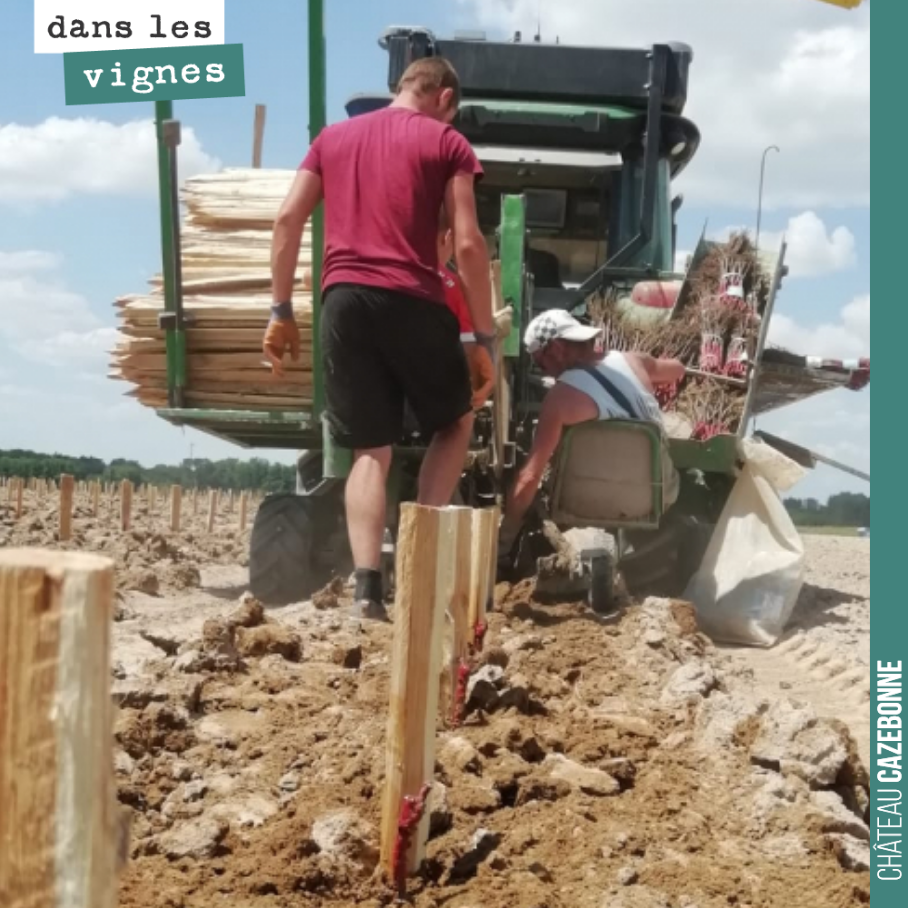
Jean-Michel Deiss in Alsace helped revive complantation, an ancestral viticultural practice. This method consists of planting different grape varieties together within the same plot. It was abandoned following the arrival of phylloxera and downy mildew, a period that severely damaged the historical Bordeaux vineyards. Today, complantation is recognised for its ecological benefits and its role in vine vitality.
The idea is simple: interplanting different grape varieties together within the plot. Traditionally, winegrowers favour planting a single variety in a given plot. This makes vineyard management easier and allows a single variety to be harvested on the same date at a uniform level of ripeness—the famous optimum ripeness sought by the winemaker.
On the contrary, we believe that complantation allows different varieties to be harvested at varying stages of ripeness, thereby bringing greater aromatic complexity at harvest. Underripe grapes bring freshness and temper the intensity of overripe grapes, which can be strongly flavoured, sometimes to excess. Our Argile Ocre cuvée comes from a co-planted vineyard plot. Almost every year, it yields the estate's finest batch. Genetic diversity within the same plot enhances the vineyard's resilience against vine diseases and climatic hazards, thereby reducing the need for treatments. This diversity also fosters soil and wildlife biodiversity, contributing to a healthier and more balanced viticultural ecosystem. This approach is fully aligned with an agroecological ethos in viticulture.
Historically, complantation was standard practice in many wine regions, including Bordeaux. Before the era of specialisation and industrialisation, winegrowers often planted a mosaic of varieties—sometimes even forgotten or lost Bordeaux grape varieties—within the same plot. This practice ensured a crop even if a particular variety suffered, while imparting natural aromatic complexity to the wines. The phylloxera crisis at the end of the 19th century disrupted these practices, leading to more standardised, often single-variety replanting. However, interest in these ancestral methods is re-emerging today, notably through the rediscovery of heritage grape varieties.
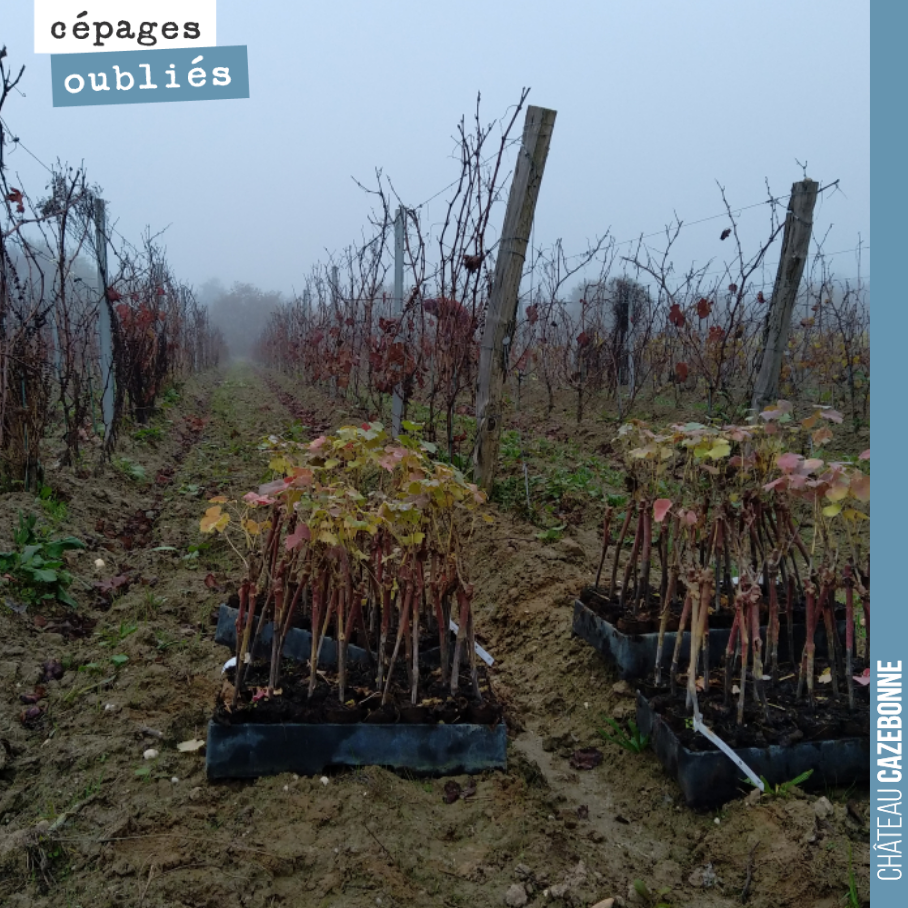
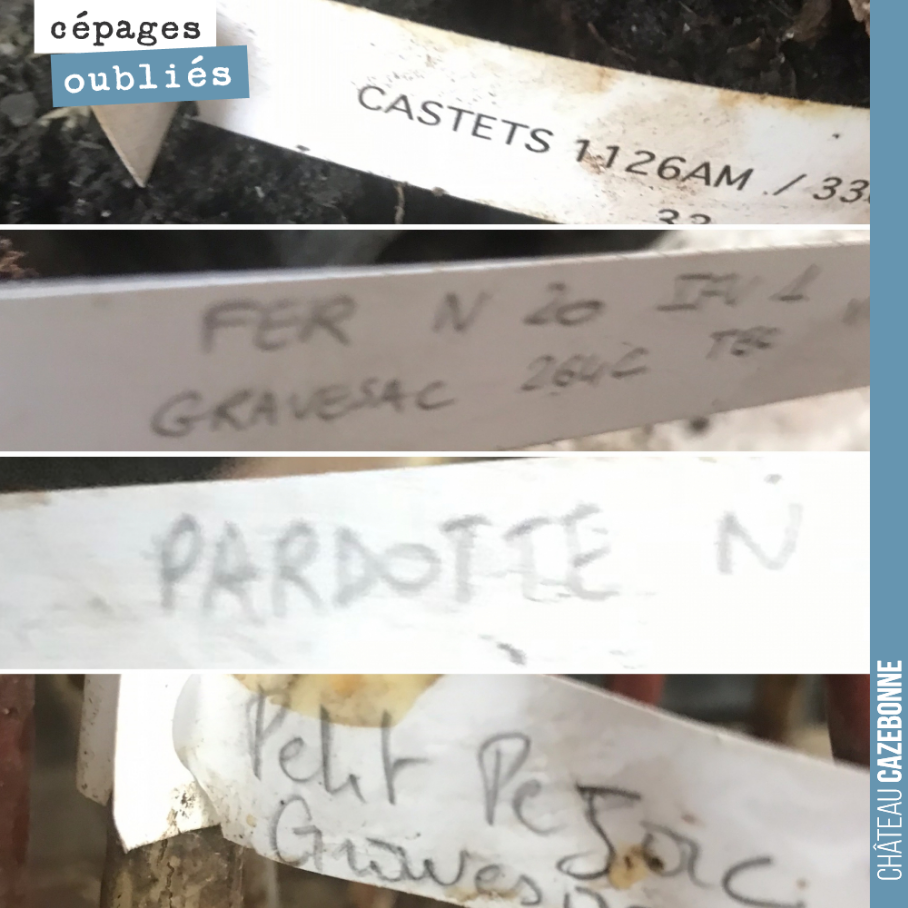
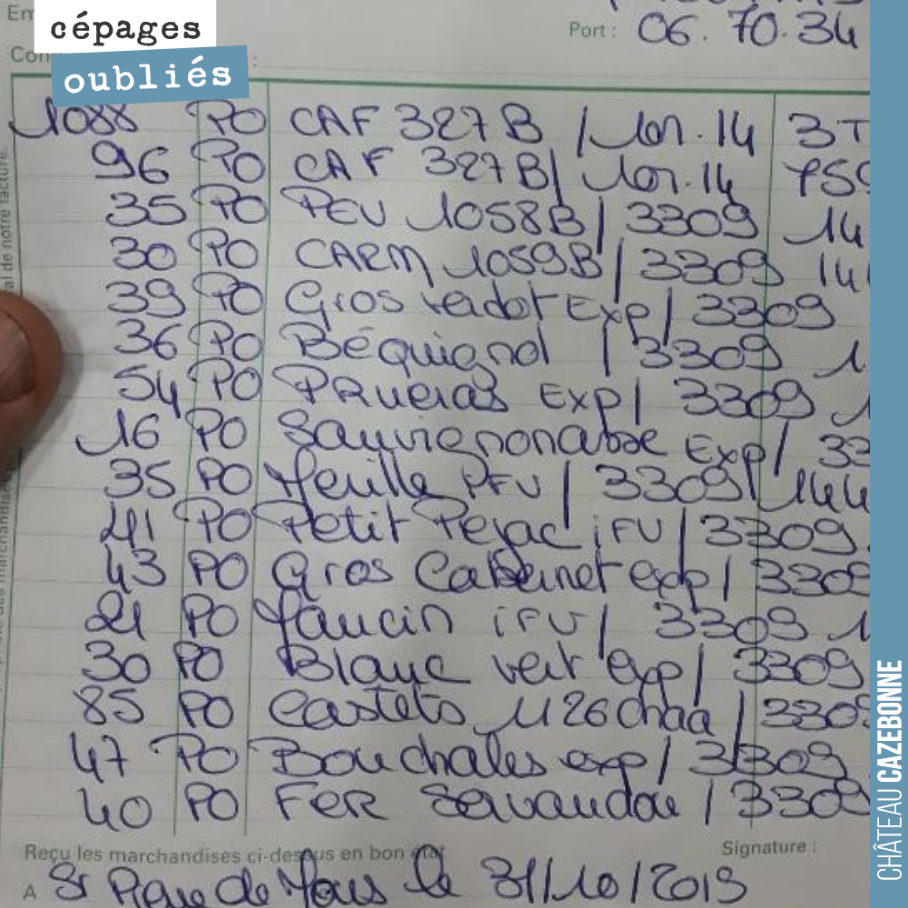
At Château Cazebonne, this holistic approach to viticulture lies at the heart of our philosophy. We have chosen to go one step further by combining it with a unique ambition: replanting historical Bordeaux grape varieties. These forgotten varieties, documented in archives and brought back to light by Jean-Baptiste Duquesne, bear witness to the richness and diversity of our viticultural heritage. This long-term endeavour, a true act of conservation, allows us to recapture the soul of historical wines and explore new expressions of our terroir.
This passionate mission, marrying innovation with tradition, is made possible thanks to the unwavering support of an enlightened community of wine lovers. Your commitment and appreciation of our wines enable us to pursue this adventure and breathe new life into grape varieties that have so much to offer to the typicity of Bordeaux wines.
Complantation offers a promising path for the future of Bordeaux wines, combining respect for heritage with a sustainable vision. At Château Cazebonne, we are committed to this approach to enrich the complexity of our wines and the resilience of our vineyard, as exemplified by our Argile Ocre cuvée. To delve deeper into this viticultural heritage, feel free to download the digital edition of the book "Bordeaux, une histoire de cépages", test your knowledge with our wine quizzes, or discover the richness of our work for yourself by exploring our wines on our online shop. Or learn more about cutting-edge viticultural techniques such as omega grafting.
Sources
Our suggestions
-5%on your 1st order with code BIENVENUE
The essential6 bottles — Graves red 2022
The best price of the cellar: €12 per bottle delivered.
The everyday red: generous and straight to the point.
I want it Our recommendation92/100 RVF
6 bottles — Graves red 2022, 92/100 RVF
Rated 92/100 by La Revue du vin de France: a solid 10-year ageing potential.
Our Graves for ageing, the finest gateway to the estate.
I want it Go further
12 bottles — the whole range
12 bottles, the whole range tasted: the best discovery-to-price ratio.
The complete tour of the estate, in a single case.
I want it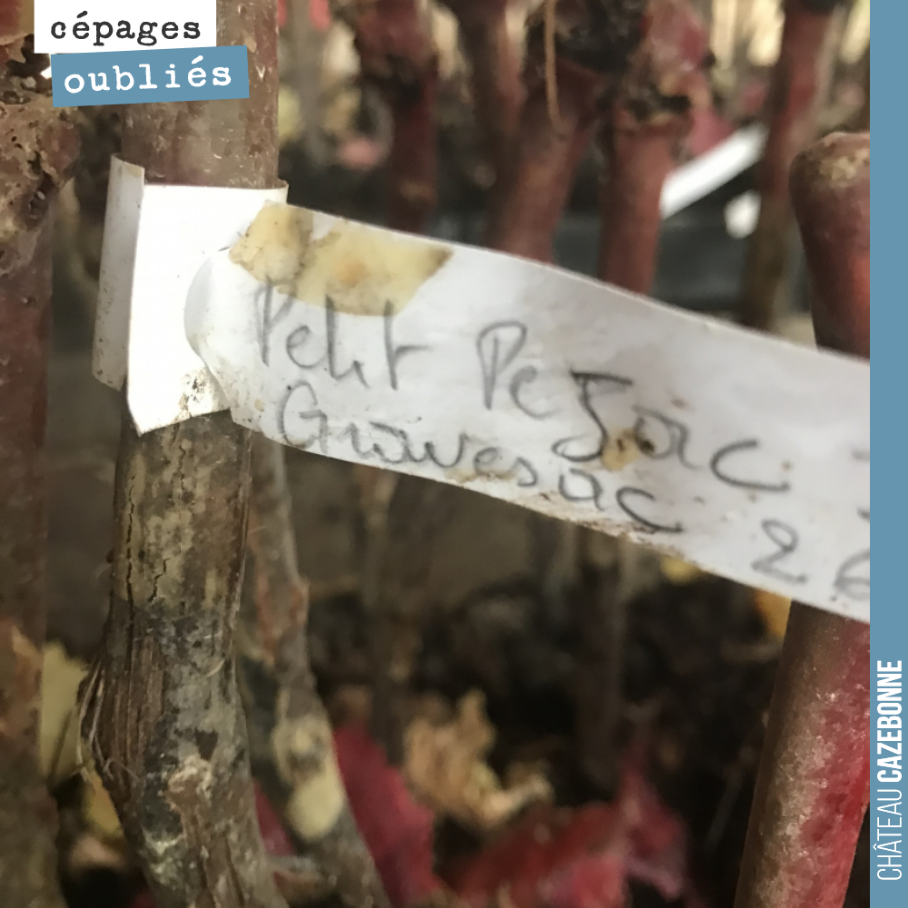
20 December 2021
01 December 2021
30 November 2021
09 September 2021
10 June 2021
01 December 2020
28 November 2020
27 November 2020
20 September 2020
02 September 2020
01 September 2020
31 August 2020
03 November 2019
The cellar, forgotten grape varieties and our cuvées, twice a month. 5% off your first order with the code BIENVENUE.