
 The essential
6 × Entre Amis red
6 bottles — Graves red 2022
The best price of the cellar: €12 per bottle delivered.
The everyday red: generous and straight to the point.
I want itGrasshopper
At the heart of our plots, the watchful eye of Francis, our winegrower, sometimes catches the slender silhouette of grasshoppers. These orthopteran insects, recognisable by their slender bodies and powerful hind legs adapted for jumping, are true aerial gymnasts that bring our rows of vines to life. Belonging to the vast Acrididae family, which numbers thousands of species across the globe, grasshoppers are herbivores. Their diet, consisting mainly of plant matter, brings them into contact with our vines, exploring the leaves and young shoots with astonishing agility. While certain populations, particularly in more arid regions, can wreak havoc on crops, their presence at Cazebonne is part of a much more nuanced equilibrium.
At Château Cazebonne, we observe nature in all its facets. Grasshoppers, like many other insects, actively participate in the food chain of our viticultural ecosystem. Their presence is an indicator of good environmental health, and they constitute a precious food source for many birds – such as the passerines that nest in our country hedges – and other small predators. Unlike the sadly famous images of massive invasions in other parts of the world, in our Bordeaux environment, grasshoppers often adopt a solitary lifestyle or live in small groups. Here, their discreet presence is more of a clue to the vitality of our biodiversity, an essential link among so many others in the complexity of living things. They contribute, on their own scale, to the acoustic liveliness of our vineyards through their characteristic stridulations during hot summer days, adding a natural melody to the buzzing of bees and the singing of birds.
The constant observation of these insects reminds us of the crucial importance of a viticulture that respects and fosters wildlife richness. It is by cultivating diversity, both plant and animal, that we strengthen our vineyard's resilience against natural and climatic hazards. This holistic approach, which considers the vine as a complete ecosystem, also drives us to innovate and preserve forgotten treasures. Thus, Château Cazebonne is passionately committed to replanting historic Bordeaux grape varieties, which had previously disappeared from our viticultural landscape. This long-term endeavour, inspired by the history of our terroir and detailed with remarkable precision in the book "Bordeaux, une histoire de cépages" published by Éditions BBD by Jean-Baptiste Duquesne, is only possible thanks to the invaluable support of those who, like you, have chosen to adopt our wines.
These unique cuvées, the fruits of our passion for heritage and respect for nature, are available directly from the Cazebonne shop. And to deepen your knowledge of these grape varieties that have marked the history of Bordeaux, we offer you the opportunity to receive the digital version of the book "Bordeaux, une histoire de cépages", an illuminating reference on the richness of our terroir.
Grasshoppers, known scientifically as Caelifera, are orthopteran insects belonging to the order Orthoptera. They are distinguished from bush-crickets by their shorter antennae and more robust bodies. At Cazebonne, these "gymnasts of the vineyard" are easily identifiable by their slender appearance, their colours varying from green to brown, allowing them to camouflage perfectly amongst the leaves and grasses in our plots. Their powerful hind legs, adapted for jumping, give them remarkable agility to move on the vines and between the rows.
The life cycle of grasshoppers in the vineyards is strongly linked to the seasons. The eggs are generally laid in the soil at the end of summer or in autumn, hatching the following spring into small larvae (nymphs) which, through successive moults, reach their adult size during the summer. It is at this time that their stridulations, produced by the rubbing of their femurs against their wings, enliven the hot summer days in the vineyard. They are mainly observed in the grassed areas around our vines, which are rich in biodiversity, where they can find refuge and food.
The ecological role of grasshoppers is multifaceted. As herbivores, they feed on various plants (notably weeds), thus contributing to the regulation of flora and the recycling of nutrients. However, at Cazebonne, their presence is primarily perceived as a positive indicator of biodiversity and good environmental health. They constitute an essential food source for many predators such as birds, falcons, spiders and other small animals, actively participating in the balance of our viticultural ecosystem. They are not considered pests in our appellation, but rather as discreet and integrated guests.
At Château Cazebonne, we cultivate a holistic approach to viticulture, fostering flora and fauna richness to strengthen the resilience of our vineyard. This work includes the replanting of historic Bordeaux grape varieties which give our wines a unique expression of our terroir. This passion for viticultural heritage and respect for nature is magnificently documented in "Bordeaux, une histoire de cépages" by Jean-Baptiste Duquesne. You can also download the digital version of this book to deepen your knowledge of these forgotten treasures. We also invite you to test your oenological knowledge and discover the fruits of our commitment by browsing our selection of wines available in our online shop.
Sources
Our suggestions
-5%on your 1st order with code BIENVENUE
The essential6 bottles — Graves red 2022
The best price of the cellar: €12 per bottle delivered.
The everyday red: generous and straight to the point.
I want it Our recommendation92/100 RVF
6 bottles — Graves red 2022, 92/100 RVF
Rated 92/100 by La Revue du vin de France: a solid 10-year ageing potential.
Our Graves for ageing, the finest gateway to the estate.
I want it Go further
12 bottles — the whole range
12 bottles, the whole range tasted: the best discovery-to-price ratio.
The complete tour of the estate, in a single case.
I want it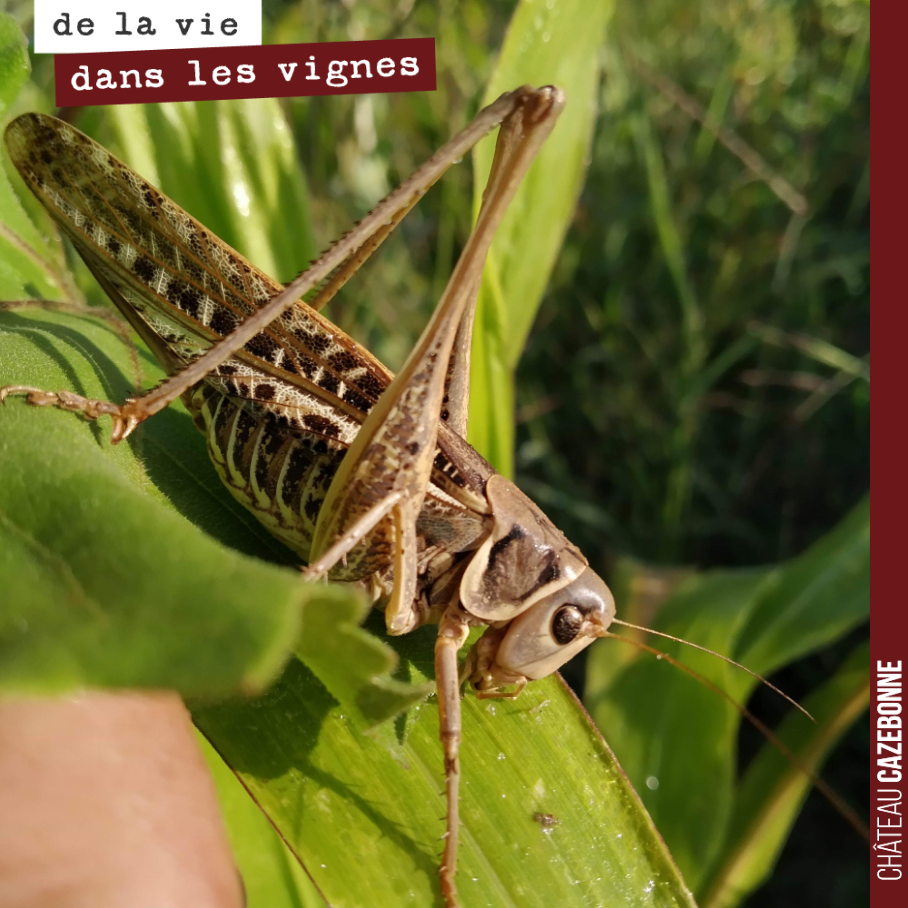
21 August 2019
The cellar, forgotten grape varieties and our cuvées, twice a month. 5% off your first order with the code BIENVENUE.