
 The essential
6 × Entre Amis red
6 bottles — Graves red 2022
The best price of the cellar: €12 per bottle delivered.
The everyday red: generous and straight to the point.
I want itSnail
In a conscientiously farmed vineyard like that of Château Cazebonne, every living creature, even the most modest, has a role to play. Among them, snails—these gastropods with their slow, measured pace—are true sentinels of biodiversity. These creatures, whether terrestrial or, more rarely, aquatic, are characterised by their protective shell and their singular mode of movement, an undulating glide that makes them both discreet and fascinating to observe.
Primarily herbivorous, snails feed on leaves, flowers, and grass. This feeding habit makes them key players in viticultural ecosystems, where they participate in the organic matter cycle by aiding plant decomposition. While their presence can sometimes raise questions for winegrowers, particularly when tender young shoots appear, it is above all a sign of a healthy, balanced environment, far removed from chemical inputs that are often fatal to them. Their diet, occasionally omnivorous for certain species that do not hesitate to consume decaying organic matter, contributes to the richness and vitality of the soil.
In France, the Roman snail (Helix pomatia) and the garden snail or petit-gris (Helix aspersa aspersa) are the best known. Their presence in our vineyards is a precious indicator of the good health of our ecosystems. Rather than viewing them as mere visitors, we consider them partners—gardeners who, through their way of life, contribute to the natural balance of our plots. Their calcareous shells, once discarded, enrich the soil, contributing to the mineral diversity necessary for the vine and improving soil structure.
Beyond their ecological role, snails have also, in the past, accompanied the evolution of agricultural and even culinary practices, as Jean-Baptiste Duquesne recalls in his book "Bordeaux, une histoire de cépages" (Éditions BBD), highlighting certain aspects of rural living heritage. This attentive observation of wildlife, and snails in particular, aligns perfectly with the pioneering approach of Château Cazebonne, which is dedicated to replanting historical, long-lost Bordeaux grape varieties. This unique preservation work, which revives forgotten flavours and a part of our region's viticultural history, is made possible only through the invaluable support of all wine lovers who have chosen to adopt our wines. By tasting our cuvées, you help bring this exceptional viticultural heritage back to life.
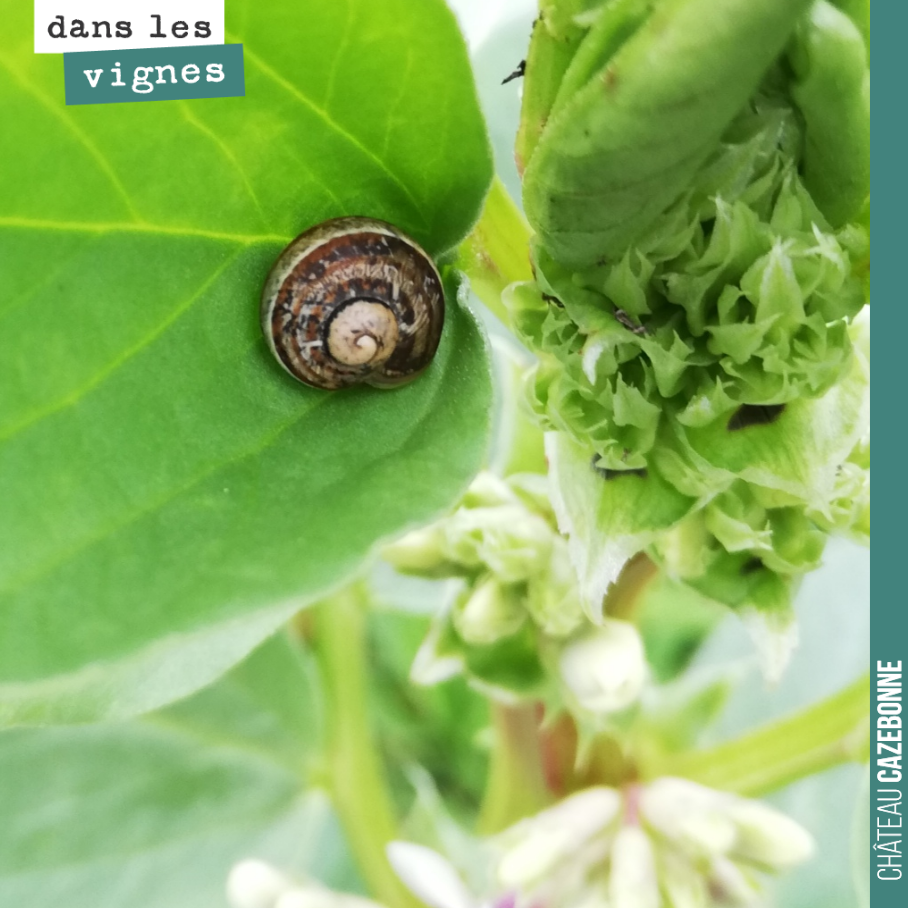
The snails found in our vineyards belong predominantly to the genus Helix, such as the Roman Snail (Helix pomatia) and the Garden Snail (Helix aspersa aspersa). They are terrestrial gastropods, characterised by a coiled shell that houses their vital organs. Varying in size, generally between 3 and 5 cm in diameter for the shell of the Roman Snail, their colour ranges from beige to brown, often with darker bands. Their retractable tentacles, the longer pair carrying their eyes, are distinctive appendages that allow them to explore their environment.
The snail's life cycle adapts to the seasons. Following mating, which usually takes place in spring or autumn, they lay their eggs in small, moist burrows. Hatching gives rise to juvenile snails that will grow progressively. Their activity is closely linked to humidity and temperature: they are most active during mild, rainy periods, while they hibernate in winter and aestivate (enter dormancy) during hot or dry spells, protecting themselves inside their shells.
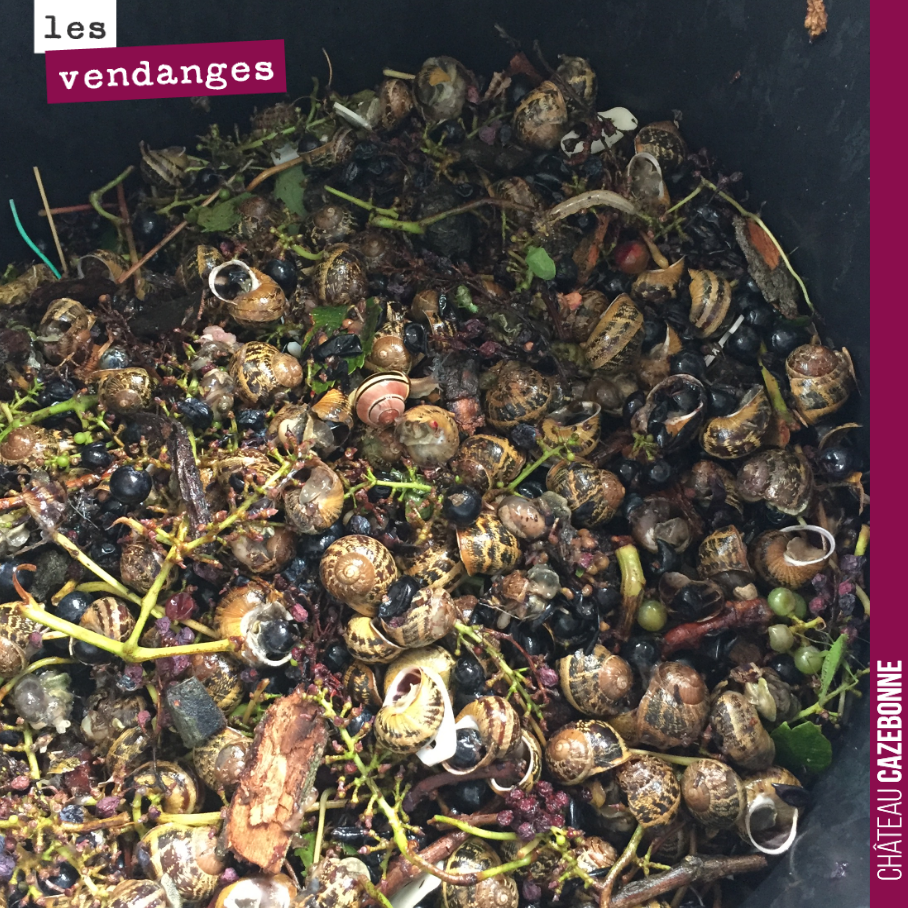
At Château Cazebonne, snails are particularly prevalent along vine rows with managed cover crops, as well as on the edges of woodlands and damper areas. They are frequently spotted after rain, moving slowly across vine leaves, grasses, or the soil itself. Their presence is an encouraging sign for the balance of the viticultural ecosystem, representing an important component of the wildlife we nurture by fostering biodiversity.
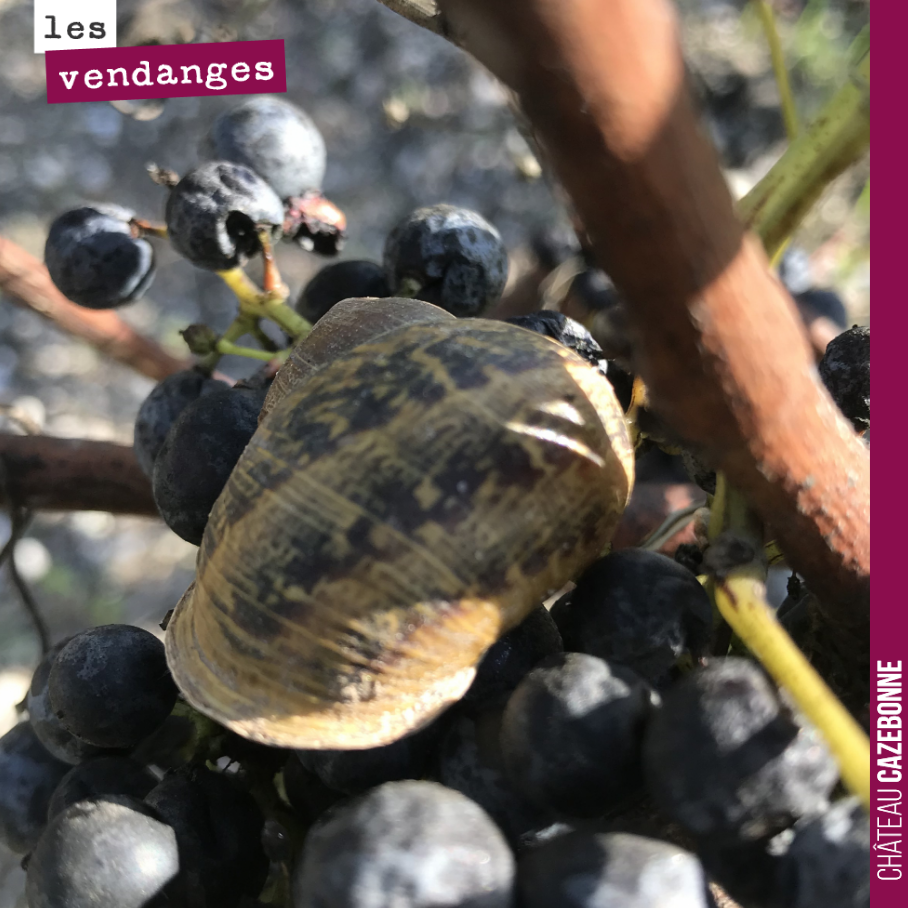
The ecological role of snails is multifaceted. As herbivores, they help regulate vegetation, consuming a variety of plants and contributing to the organic matter cycle through plant decomposition. Their shells, rich in calcium carbonate, enrich the soil with minerals once discarded, thereby enhancing its structure and fertility. Serving as a food source for numerous predators, such as birds (notably the starling, a regular visitor to our vineyards; see The Starling: Between Spring Ally and Autumn Thief at Cazebonne) or certain insects, they are fully integrated into the food chain and bolster the diversity of fauna present in the vineyard.
The interaction between snails and the vine is mostly neutral, if not beneficial. Their dietary preference generally leans towards grass and cover crops, making them active contributors to vegetation management. While some may occasionally nibble on tender young vine shoots, their impact remains marginal and poses no significant threat to the harvest, especially in an environment rich in biodiversity where alternative food sources abound. Their presence bears witness to a healthy environment, free from aggressive chemicals that would otherwise deter them, thereby reinforcing our commitment to sustainable viticulture and biodynamics.
In practice, at Château Cazebonne, we regularly observe snails across our plots, especially after summer rains and in the spring. Their presence is an indicator of the vitality of our soils and the richness of microbial and animal life. Far from considering them pests, we embrace them as partners within our ecosystem, demonstrating that the symbiosis between the vine and its environment is essential for crafting wines of high quality that reflect the purity of our terroir.
We invite you to learn more about this approach by downloading the digital version of the reference book "Bordeaux, une histoire de cépages", or to test your knowledge of grape varieties and our philosophy with our wine quizzes. To discover the wines born from this commitment, feel free to explore our online boutique and help revive this exceptional viticultural heritage.
Sources
Our suggestions
-5%on your 1st order with code BIENVENUE
The essential6 bottles — Graves red 2022
The best price of the cellar: €12 per bottle delivered.
The everyday red: generous and straight to the point.
I want it Our recommendation92/100 RVF
6 bottles — Graves red 2022, 92/100 RVF
Rated 92/100 by La Revue du vin de France: a solid 10-year ageing potential.
Our Graves for ageing, the finest gateway to the estate.
I want it Go further
12 bottles — the whole range
12 bottles, the whole range tasted: the best discovery-to-price ratio.
The complete tour of the estate, in a single case.
I want it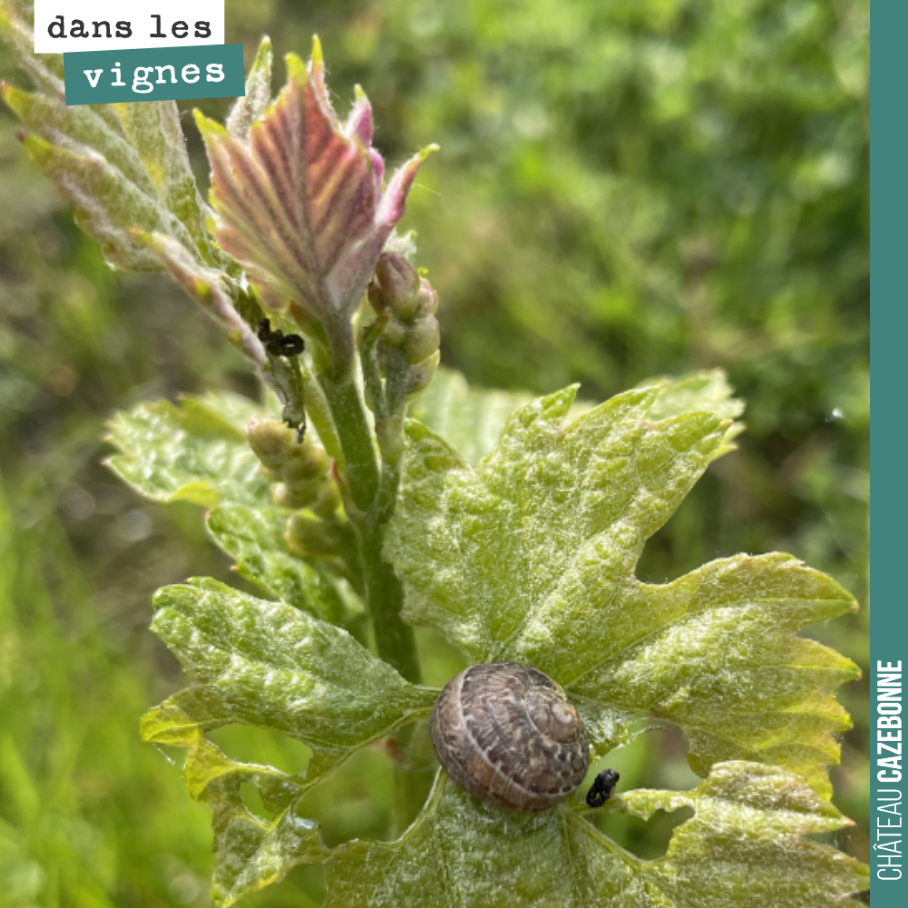
10 April 2024
02 October 2020
17 September 2020
12 March 2020
The cellar, forgotten grape varieties and our cuvées, twice a month. 5% off your first order with the code BIENVENUE.