
 The essential
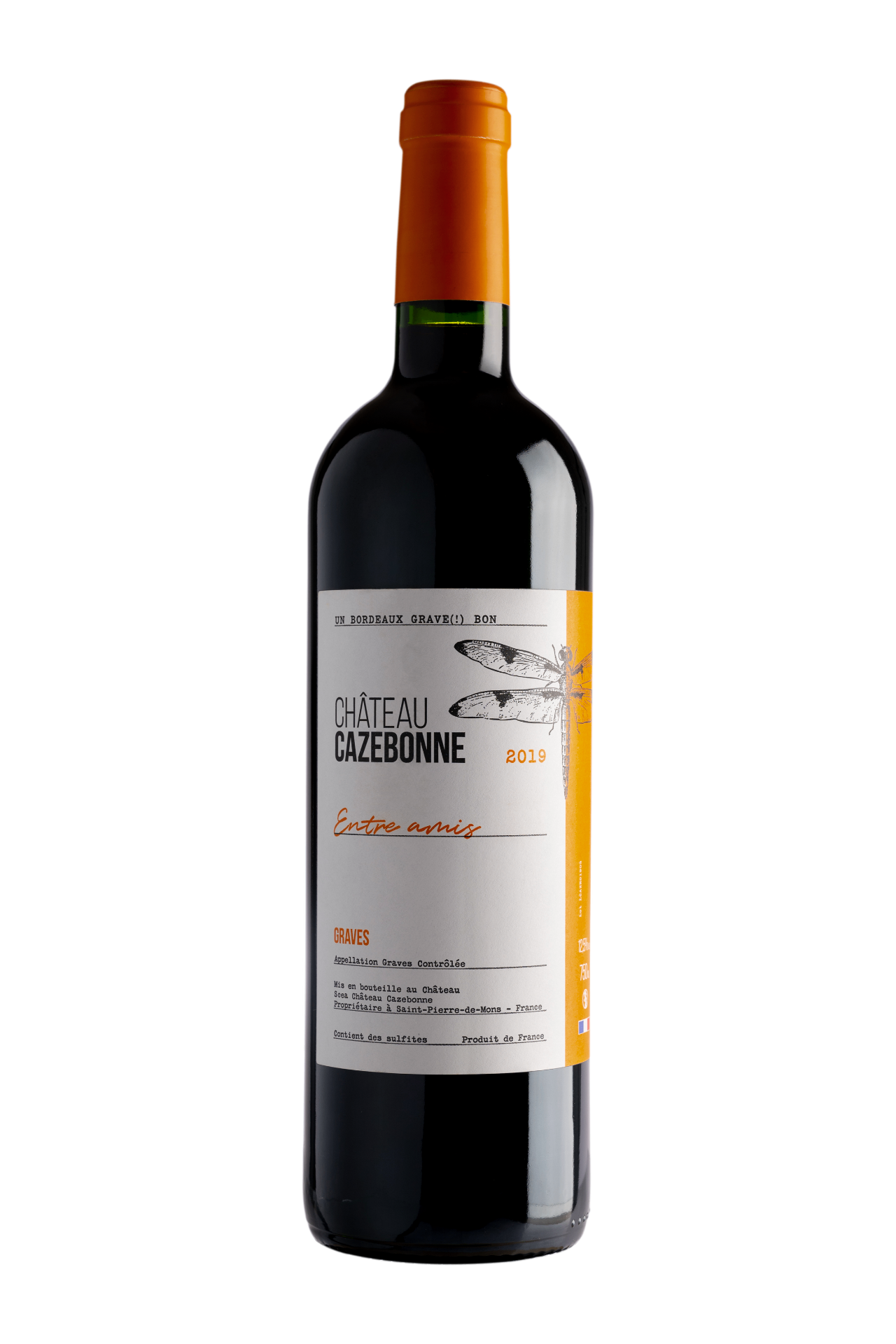
6 × Entre Amis red
6 bottles — Graves red 2022
The best price of the cellar: €12 per bottle delivered.
The everyday red: generous and straight to the point.
I want itPortrait
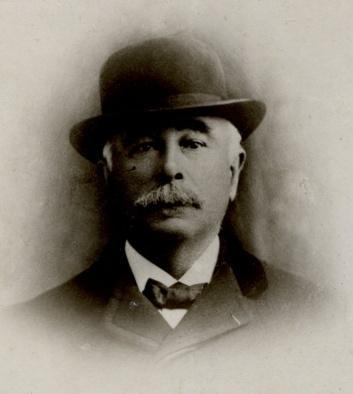
Born in Berson (Gironde) in 1852, Jean Élie was one of those forgotten figures of Bordeaux viticulture who painstakingly rebuilt by hand a vineyard devastated by phylloxera — and in the process laid the foundations of an audacious varietal selection: the Cabernet-Malbec crosses, which still bear his name in the official catalogue of French grape varieties.
The son of Jacques Élie and Marie Bichon, Jean Élie was enlisted in 1874 in the 1st Régiment de Chasseurs à cheval, served briefly in North Africa, and then returned to France, where he was appointed brigadier, maréchal des logis, and then student gendarme in the mobile gendarmerie legion of Versailles. Discharged from service in 1878, he returned to the family estate in Berson — but the vines were already ravaged by phylloxera. Despite his best efforts, they died; like thousands of Bordeaux winegrowers, he was ruined.
At the end of 1882, he met M. Sourget, who was looking for an estate manager for his property at Château Carmeil, on the Île du Nord. He took up his duties in January 1883 and, in ten years, increased the estate's production from 300 to 1,950 pièces of wine. In 1886, Carmeil was awarded first prize for viticulture, the grand gold ministerial medal; its manager received a large silver medal.
At the same time, from 1885 onwards, he replanted the family vineyard at Bourdillot with grafted vines — the only remedy against phylloxera — and achieved his goal by 1890. In 1899, Bourdillot in turn won first prize for viticulture (2nd category) from the Société d'Agriculture de la Gironde.
In 1892, the widow of Hubert-Delisle, former governor of Île Bourbon, leased to him for twenty years the 110 hectares of Château du Bouilh in Saint-André-de-Cubzac. In three years, Jean Élie planted 55 hectares of vines there. In 1897, he was awarded the government gold medal at the regional competition. By 1900, the harvest reached 840 pièces, even though only half of the vineyard was in production. He also performed one to two million grafts per year there. The estate became a true field of ampelographical experimentation; Pierre-Marie-Alexis Millardet, saviour of the French vineyard, the breeder of the 41B and 101-14 rootstocks, entrusted a test plot there to his son Edmond.
Jean Élie would also manage the vineyards of Château Bouscaut in Cadaujac and Châteaux Pietrut and Gasquet on the Ambès peninsula. Throughout his life, he wrote a weekly column in La Feuille Vinicole de la Gironde, signed under the pseudonym "Le Vigneron de Côtes et de Palus". On 25 February 1900, he was made a Chevalier du Mérite Agricole. He died in Ambès on 28 July 1920.
At the end of the 19th century, the reconstitution of Bordeaux's vineyards was not solely a matter of selecting phylloxera-resistant American rootstocks: it was also played out in varietal selection. Jean Élie was among that handful of winegrower-breeders who, parcel by parcel, sought to cross Bordeaux grape varieties to combine their qualities.
His most successful crosses were derived from a cross between Cabernet and Malbec (Côt). He planted several hundred vines at Château du Bouilh, where they were observed for decades: as late as 1932, the viticultural commission of the Chamber of Agriculture — of which his son Edmond was a member — visited to survey them.
Official recognition came long after his death. From 1955 onwards, driven by his son-in-law Théodore Grenier, the "Élie" 1, 2, and 4 crosses were listed in the official catalogue of French grape varieties and incorporated into the national ampelographical collection at the Domaine de Vassal in Montpellier. There, they were the subject of research and micro-vinifications.
In the 1964 viticultural census of the Gironde, there were still 16 hectares and 73 centiares of the Élie Cabernet-Malbec grape variety planted in the department. They are featured in Pierre Galet's Dictionnaire encyclopédique des cépages (Hachette, pages 148 and 503), and in L'Encyclopédie contemporaine illustrée of 15 April 1900, which had already detailed his entire professional life.
Today, these grape varieties have become extremely rare. Tracing their history, like that of so many Bordeaux heritage grape varieties, means rediscovering a share of the viticultural audacity that made our vineyards so rich before the homogenisation of the 20th century.
Birth: 30 May 1852, Berson
Death: 28 July 1920, Ambès
Spouse: Marie Bertin (1856–1942)
Distinction: Chevalier du Mérite Agricole (1900)
Jean Élie's approach – focused on varietal diversity, the patience of grafting, parcel selection, and written transmission – guides our work at Château Cazebonne. We have replanted more than twenty almost-forgotten Bordeaux heritage grape varieties on our hillsides, farming biodynamically parcel by parcel and vinifying each separately. This allows each terroir to fully express itself. This work, aimed at reintroducing lost grape varieties to Bordeaux, is made possible through the commitment of wine enthusiasts who choose to discover our wines. Our philosophy aligns with the historical plurality brought to the region by figures such as Jean Élie. You can deepen your knowledge on the subject by downloading our book "Bordeaux, a Story of Grape Varieties" or by testing your expertise with our oenological quizzes.
Our suggestions
-5%on your 1st order with code BIENVENUE
The essential6 bottles — Graves red 2022
The best price of the cellar: €12 per bottle delivered.
The everyday red: generous and straight to the point.
I want it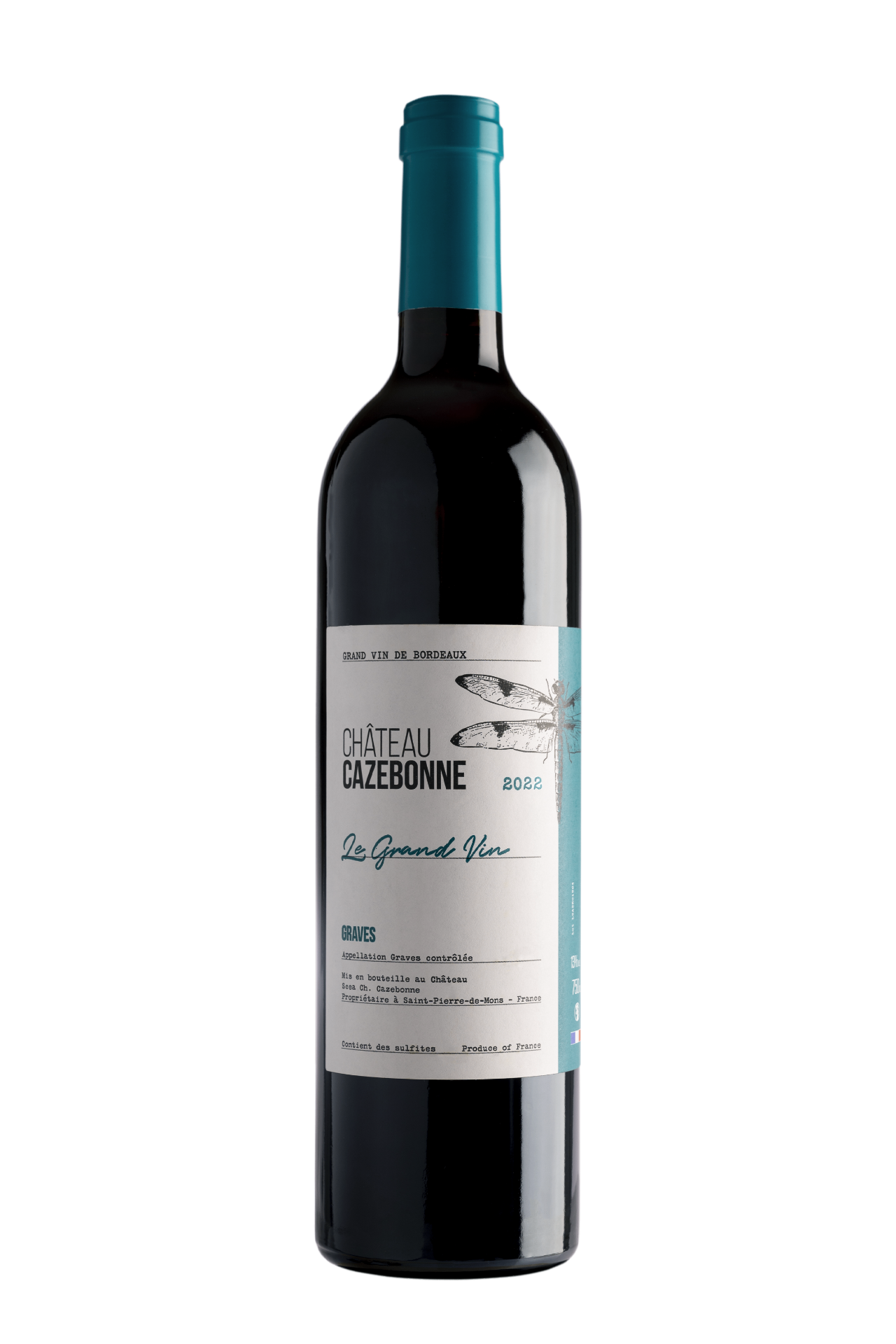 Our recommendation92/100 RVF
6 bottles — Graves red 2022, 92/100 RVF
Rated 92/100 by La Revue du vin de France: a solid 10-year ageing potential.
Our Graves for ageing, the finest gateway to the estate.
I want it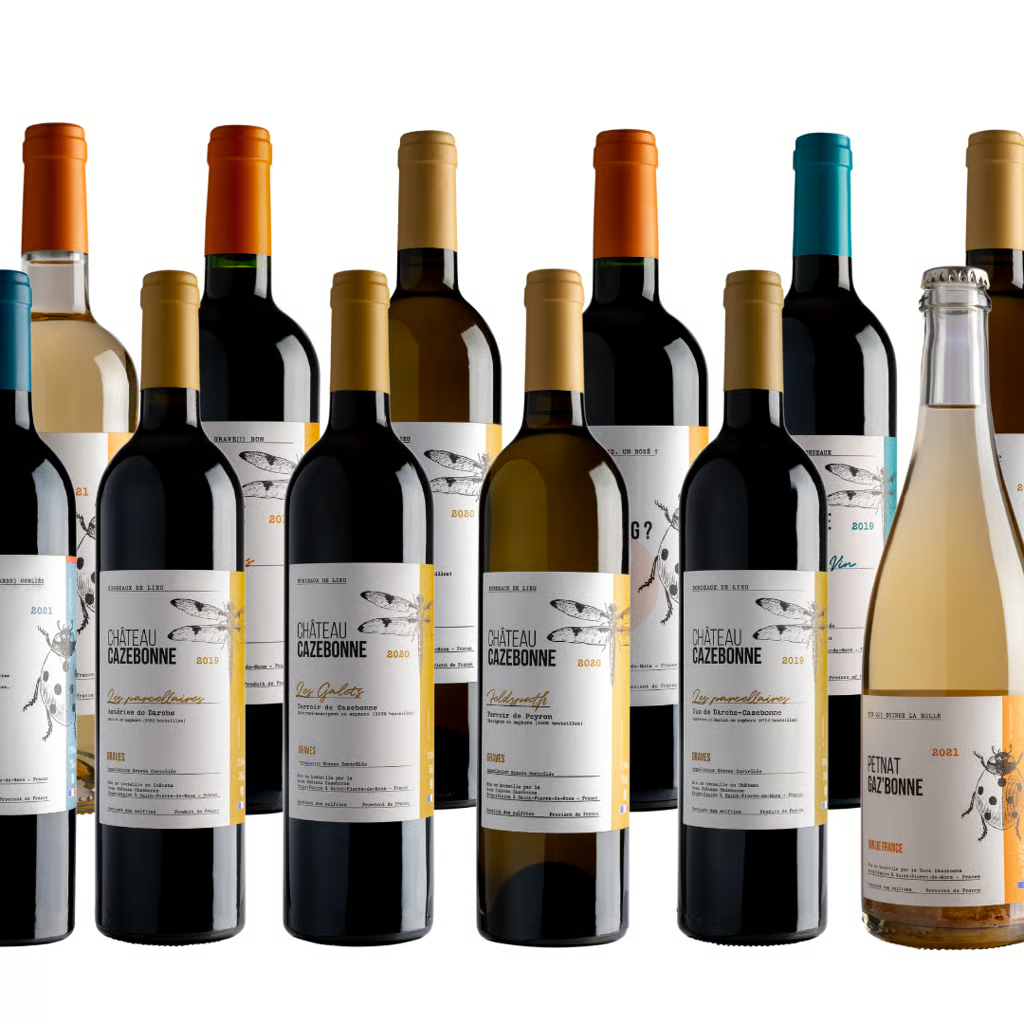 Go further
12 bottles — the whole range
12 bottles, the whole range tasted: the best discovery-to-price ratio.
The complete tour of the estate, in a single case.
I want it