
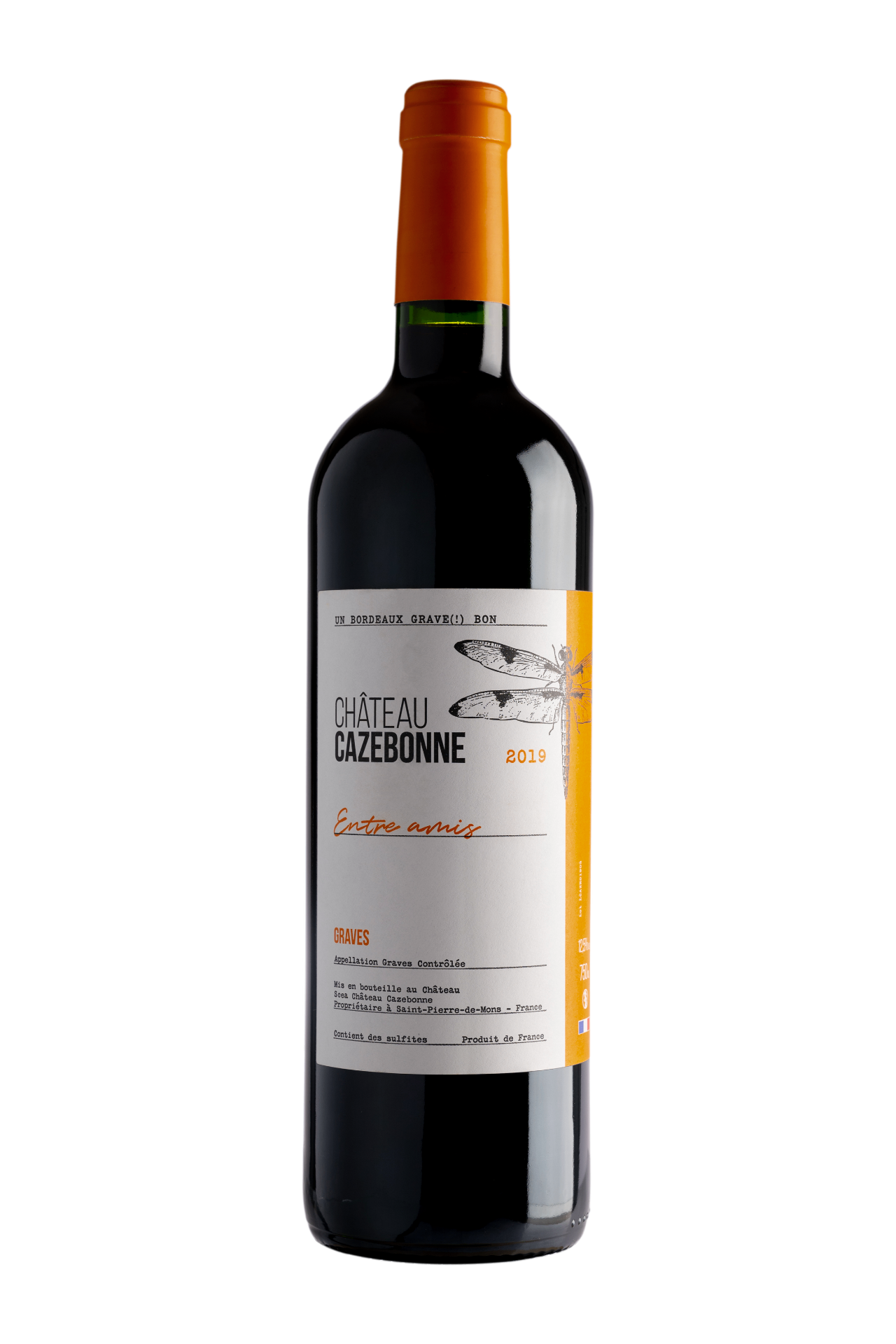
 The essential
6 × Entre Amis red
6 bottles — Graves red 2022
The best price of the cellar: €12 per bottle delivered.
The everyday red: generous and straight to the point.
I want itjean-elie-vigneron
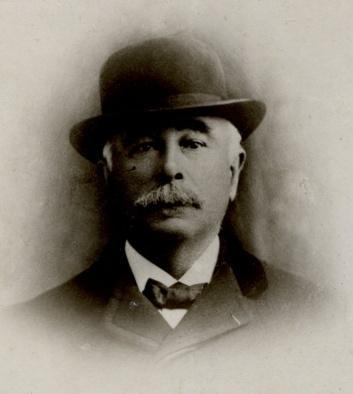
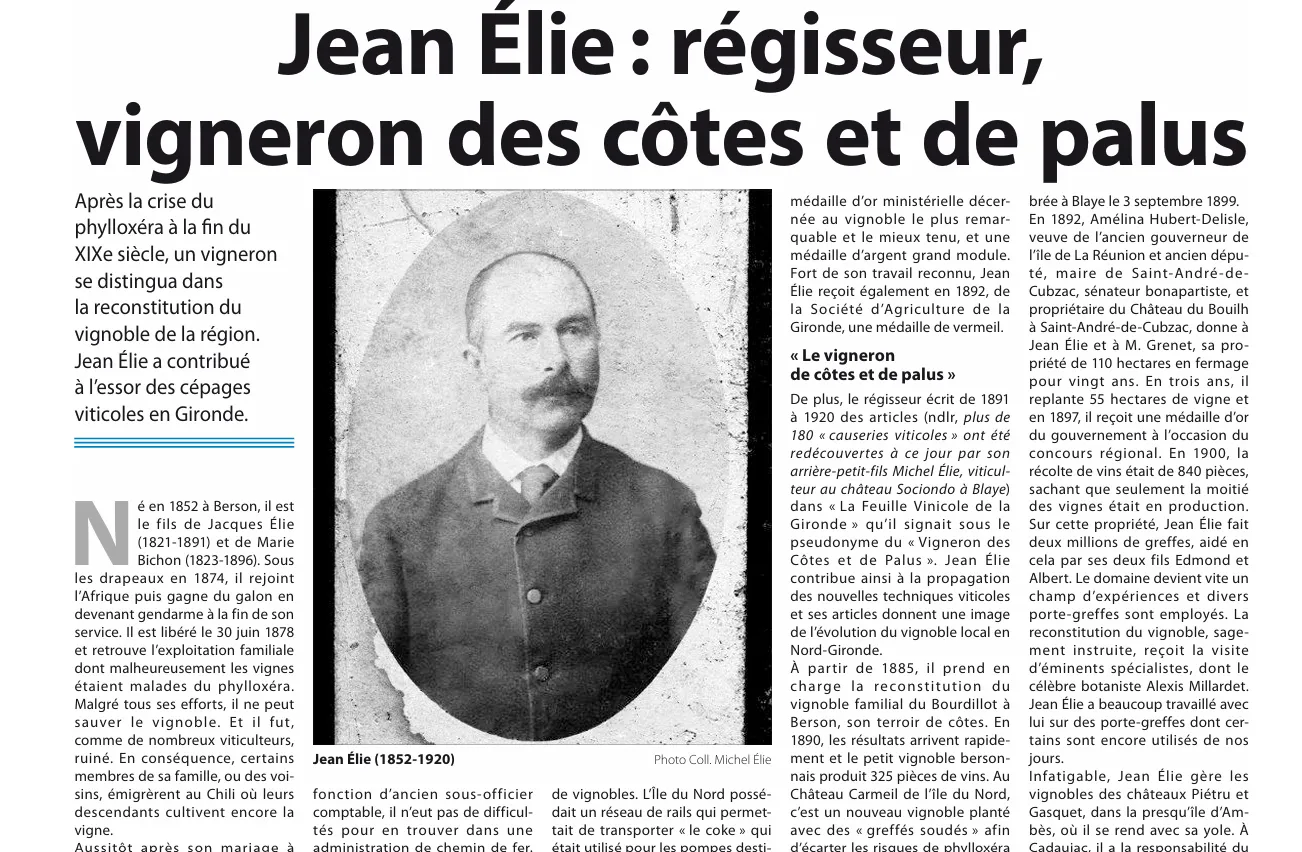
The newspaper Haut-Gironde honours the work of Jean Élie, estate manager and winegrower who played a key role in the reconstruction of the Gironde vineyards after the phylloxera crisis.
Born in 1852 in Berson, the son of Jacques Élie and Marie Bichon, he joined the family estate after his military service in Africa. Ruined like so many others by phylloxera—some of his relatives left to grow vines in Chile—he left home in 1882 in search of work.
He then met Adrien Sourget, first deputy mayor of Bordeaux and owner of Château Carmeil on Île du Nord (now Île Verte). Surrounded by water and protected by vine submersion, the estuary islands largely escaped phylloxera and produced palus wines that were highly sought after by the Bordeaux wine trade. A railway network was used to transport coke for the pumps and the harvest to the wineries.
Jean Élie took up his post in January 1883. He increased production from 300 pièces in 1882 to 1,950 pièces in 1893 and, in 1886, won the prestigious ministerial gold medal for the most remarkable and best-kept vineyard, followed by a vermeil medal from the Société d'Agriculture de la Gironde in 1892.
From 1891 to 1920, he wrote more than 180 viticultural talks (‘causeries viticoles’) in La Feuille Vinicole de la Gironde under the pen name ‘Vigneron des Côtes et de Palus’, recently rediscovered by his great-grandson Michel Élie, a winegrower at Château Sociando in Blaye. His articles shared new viticultural techniques and documented the evolution of the vineyards in northern Gironde.
From 1885 onwards, he reconstructed the family vineyard of Le Bourdillot in Berson, which produced 325 pièces as early as 1890. At Château Carmeil, he planted bench-grafted vines (‘greffés-soudés’) and produced 1 to 2 million young vines each year in nursery beds. In 1892, he took on the lease of the 110-hectare Château du Bouilh estate in Saint-André-de-Cubzac, replanting 55 hectares of it within three years.
The estate became an experimental testing ground for rootstocks and was visited by the renowned botanist Pierre-Marie-Alexis Millardet, saviour of the French vineyard, with whom Jean Élie collaborated. Some of the rootstocks they developed are still in use today.
Untiring, he also managed the vineyards of Château Piétru and Château Gasquet on the Ambès peninsula, travelling there in his yawl, as well as Château Bouscaut in Cadaujac. He died on 28 July 1920 in Ambès and was buried in Berson.
His grafting work bore fruit posthumously. By 1932, only a few hundred vines remained at Le Bouilh. His son-in-law Théodore Grenier presented the ampelographical studies carried out on the crosses between grape varieties of the same family (crosses 1, 2, 3, and 4) to Jean Branas, director of the École Supérieure d'Agriculture de Montpellier. The four Cabernets Malbecs Élie, creator of the Cabernet-Malbec crosses are now registered in the national grapevine collection at INRA's Domaine de Vassal in Montpellier.
Source: article by Jean-Louis Tufféry published in the newspaper Haut-Gironde, based on documents provided by Michel Élie, great-grandson of Jean Élie and winegrower at Château Sociando in Blaye. Discover the contracts of 1892 and 1895 which governed Jean Élie’s work.
Sources
Our suggestions
-5%on your 1st order with code BIENVENUE
The essential6 bottles — Graves red 2022
The best price of the cellar: €12 per bottle delivered.
The everyday red: generous and straight to the point.
I want it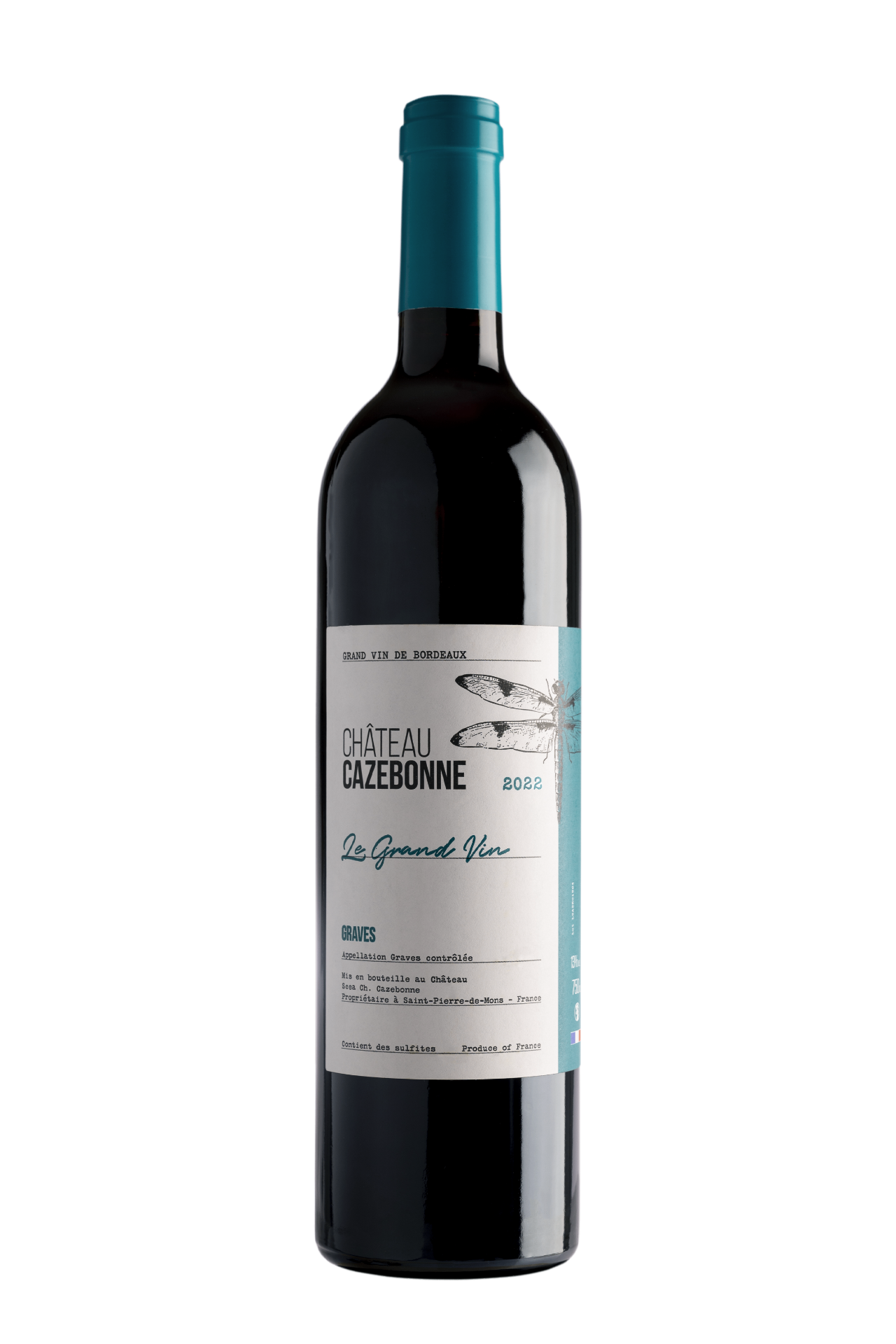 Our recommendation92/100 RVF
6 bottles — Graves red 2022, 92/100 RVF
Rated 92/100 by La Revue du vin de France: a solid 10-year ageing potential.
Our Graves for ageing, the finest gateway to the estate.
I want it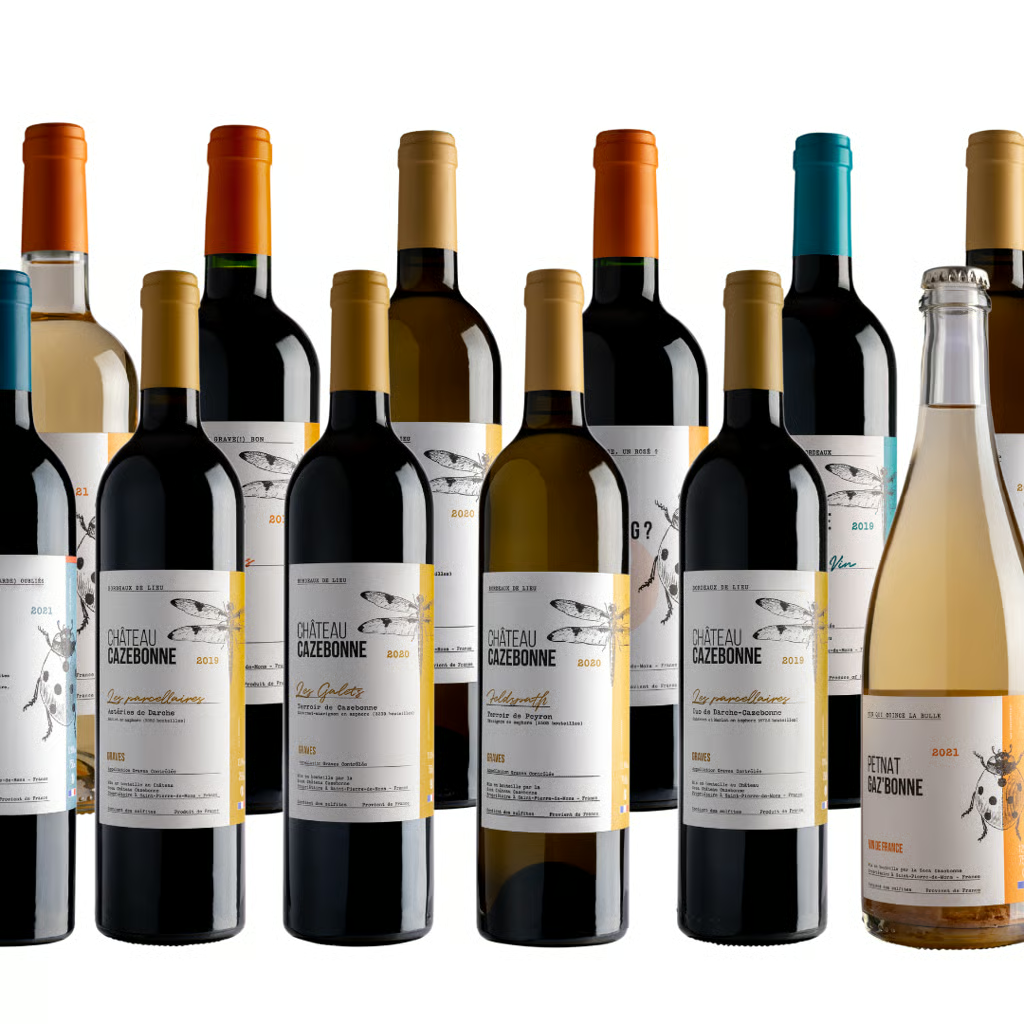 Go further
12 bottles — the whole range
12 bottles, the whole range tasted: the best discovery-to-price ratio.
The complete tour of the estate, in a single case.
I want it