
 The essential
6 × Entre Amis red
6 bottles — Graves red 2022
The best price of the cellar: €12 per bottle delivered.
The everyday red: generous and straight to the point.
I want itPlace de Bordeaux
La Place de Bordeaux is not a physical place, but a historic and complex distribution system, almost unique in the world. It embodies a trading model that has governed the sale of a large proportion of Bordeaux wines for centuries, particularly the most prestigious ones such as the Grands Crus Classés. This sophisticated mechanism relies on the interaction of key stakeholders, structuring a market of international scale.
At the heart of this system, three fundamental pillars operate in synergy:
These are the vineyard owners, the craftsmen of the wine. They craft the nectar, age it, and set its release price, known as "ex-château". Notably, virtually none of their production is sold directly to consumers or retailers, but rather to négociants via the intermediary of courtiers (brokers).
These historic intermediaries act as facilitators. Very early on, often as early as the En Primeur campaign, they taste the wines to assess their potential. They advise the châteaux on pricing strategies, convey orders from négociants, and guarantee the proper execution of payments. For this essential service, they traditionally receive a commission of around 2%.
These Bordeaux wine merchant houses are the backbone of La Place. They purchase wine allocations from the châteaux (often through brokers), finance and store the wines (sometimes even during the maturation phase), and then distribute them across their vast commercial networks worldwide, reaching importers, distributors, wine merchants, restaurateurs, and occasionally private clients.
The origins of La Place de Bordeaux date back to the Middle Ages, but it was truly from the 17th century onwards, with the influence of Dutch traders and the rise of maritime trade, that this system took shape. By modernising winemaking techniques and demanding wines better suited to transport, the Dutch encouraged the emergence of intermediaries capable of organising the large-scale export of Bordeaux wines. The 18th century saw the consolidation of courtiers and négociants, becoming the vital cogs of a model that allowed châteaux to focus on production while distribution was handled by specialised professionals. This system enabled Bordeaux wines to achieve global renown long before most other wine regions.
Rooted in centuries-old traditions, this system guarantees international distribution for Bordeaux wines and ensures market regulation. One can explore this history further in the book "Bordeaux, une histoire de cépages", which discusses the development of the Bordeaux vineyard and its key figures. However, it is sometimes criticised for its opacity and the successive margins it can generate. What if Bordeaux had failed to understand the expectations of modern wine consumers? For Château Cazebonne, as an independent winegrower committed to organic and biodynamic viticulture, and a pioneer in reintroducing Bordeaux's historical grape varieties that had gradually disappeared, the choice was made to step outside this model. We favour a direct-to-consumer approach, allowing us to maintain an authentic bond with our clients, share our unique philosophy, and offer the best possible value for money. This work of memory and perseverance, notably surrounding varieties such as Mauzac or Castets, is made possible thanks to the support of many enthusiasts who have embraced our wines, recognising in our cuvées the unique expression of a terroir and the commitment of a passionate team. It also illustrates the Privilege of Bordeaux wines, reflecting their historical and cultural value.
Find our available cuvées directly in the Cazebonne shop.
To deepen your understanding of the history of Bordeaux grape varieties, we invite you to receive the digital edition of the book "Bordeaux, une histoire de cépages", published by Éditions BBD and written by Jean-Baptiste Duquesne. Request your copy by visiting receive the digital edition.
The Place de Bordeaux system, although complex, bears witness to a rich history and an organisation that shaped the reputation of the region's wines. To better understand the Bordeaux wine market, at Château Cazebonne, we also value direct interaction with enthusiasts who support our initiative to revive forgotten Bordeaux grape varieties and pursue environmentally friendly viticulture—a commitment we love sharing with visitors to the estate. For those eager to discover even more about the fascinating history of Bordeaux grape varieties, we encourage you to download the digital version of the book we recommend. To test your knowledge, feel free to explore our wine quizzes, and of course, to enjoy the fruits of our labour, all our cuvées are available online, inviting you to a tasting that tells a unique story.
Sources
Our suggestions
-5%on your 1st order with code BIENVENUE
The essential6 bottles — Graves red 2022
The best price of the cellar: €12 per bottle delivered.
The everyday red: generous and straight to the point.
I want it Our recommendation92/100 RVF
6 bottles — Graves red 2022, 92/100 RVF
Rated 92/100 by La Revue du vin de France: a solid 10-year ageing potential.
Our Graves for ageing, the finest gateway to the estate.
I want it Go further
12 bottles — the whole range
12 bottles, the whole range tasted: the best discovery-to-price ratio.
The complete tour of the estate, in a single case.
I want it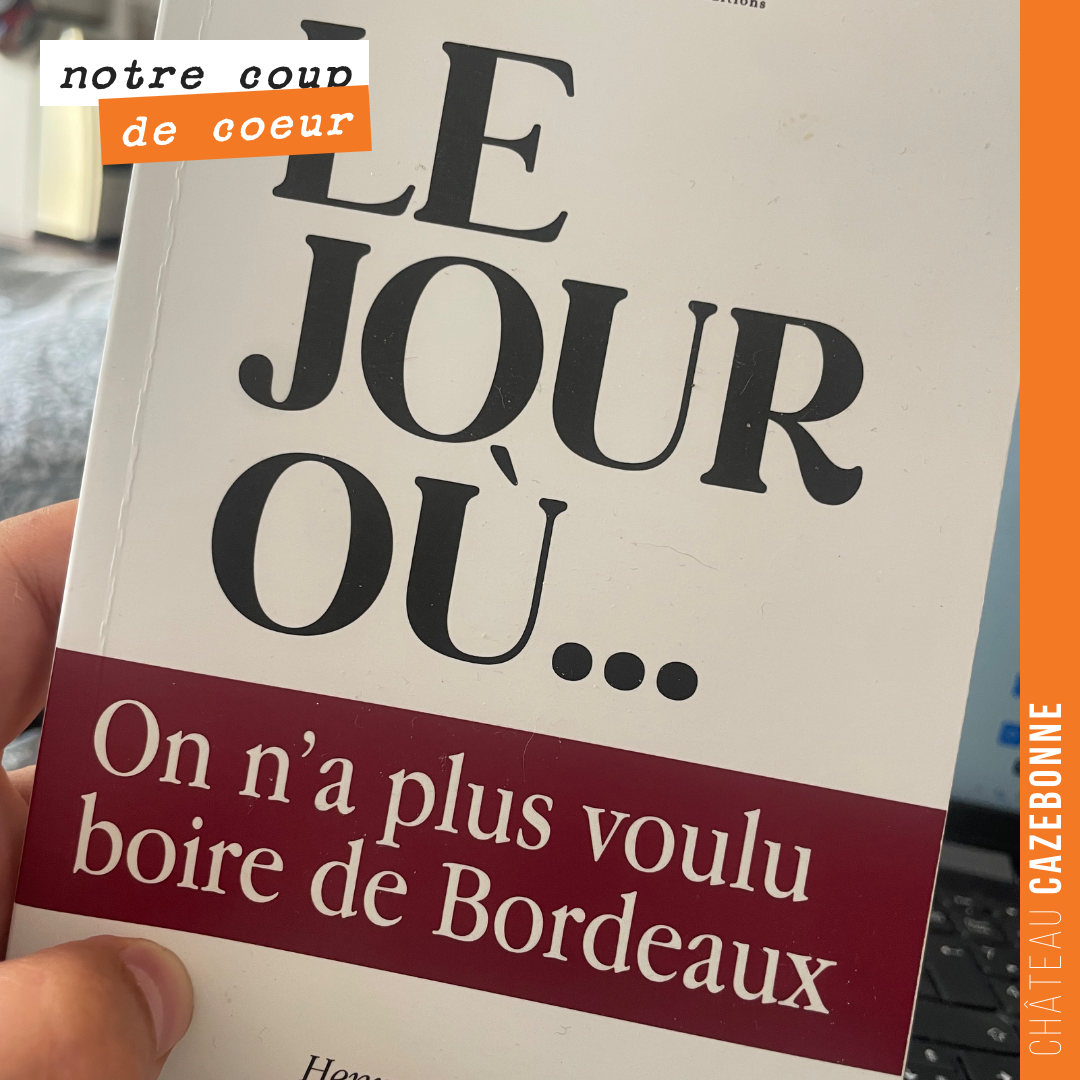
26 September 2026
By Jean-Baptiste
The cellar, forgotten grape varieties and our cuvées, twice a month. 5% off your first order with the code BIENVENUE.