
 The essential
6 × Entre Amis red
6 bottles — Graves red 2022
The best price of the cellar: €12 per bottle delivered.
The everyday red: generous and straight to the point.
I want it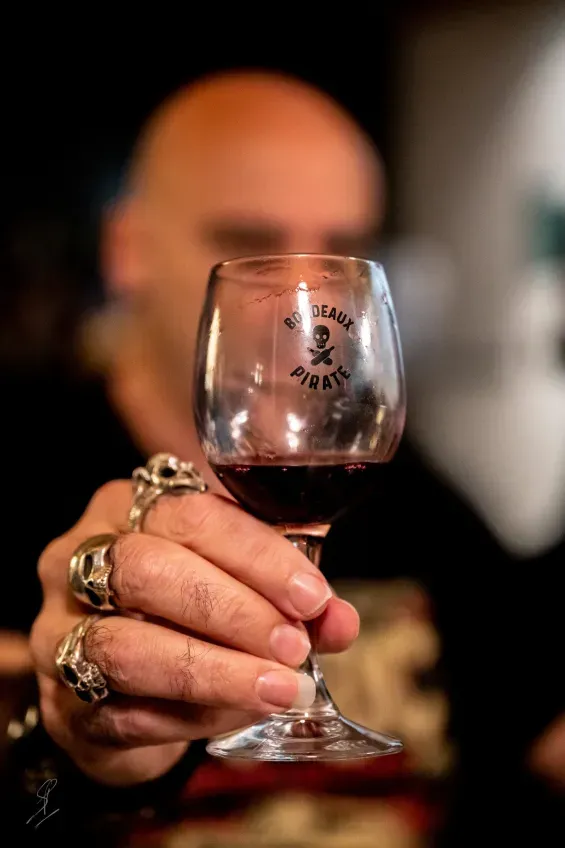
The Bordeaux vineyard as we know it today was largely reshaped following the severe frost of 1956, a catastrophe that destroyed a vast proportion of France's vines. This replanting effort steered the region towards large-scale red wine production, whereas it had been predominantly white just a decade earlier. The strategy subsequently centred on the appellations d'origine contrôlée (AOC) system, creating a hierarchy of terroirs ranging from accessible everyday wines to classified Grands Crus.
This approach shaped the market and Bordeaux's reputation for decades to come, built upon solid foundations of recognition and perceived quality. However, as Jean-Baptiste Duquesne highlights in "Bordeaux, une histoire de cépages", the continuous evolution of the vineyard shows that nothing is set in stone; choices made in the past, however pertinent at the time, can become limiting in the long run.
Over the past two decades, the market for Bordeaux Grands Crus has experienced meteoric growth, with valuations constantly soaring. While this dynamic has enabled a handful of châteaux to reach financial heights, it has unfortunately not benefited Bordeaux production as a whole. Indeed, many négociants, drawn by the high margins of the most prestigious crus, gradually turned away from more accessible wines. The speculative buying model—where purchasing wine was seen as a guaranteed investment: "I buy 12 bottles, sell 6, and drink the remaining 6 for free"—thrived for years. Those days are gone: Grands Crus are harder to sell today because the promise of capital gain has vanished, prompting many investors to leave the market.
Historically, the Bordeaux wine trade relied on "la Place de Bordeaux", a network of wine merchants whose role was to distribute wines globally. Yet, some appear to have abandoned their mission of championing the wider vineyard to consumers, sommeliers, and independent wine merchants. This situation has created an imbalance, contributing to a negative perception of the region as a whole.
Soaring prices for classified growths have made selling them increasingly difficult for the wine merchants and sommeliers who had long championed them. Regrettably, this sparked a wave of "Bordeaux Bashing", where criticism spread to the entire region, overlooking the diversity and quality of the remaining 98% of the vineyard. Such a generalisation does a huge disservice to winegrowers crafting wines of exceptional value for money.
Lacking formal commercial training and having long relied on the négoce, these winegrowers saw their wines drift away from consumers. Guided by their wine merchants and sommeliers, consumers turned to other wine regions, perceived as more dynamic and offering styles better suited to modern tastes.
For the past two decades, the core Bordeaux consumer base has been ageing. This demographic, primarily over 60, is not being replaced by younger generations in sufficient numbers. For many, Bordeaux has remained "dad's wine", synonymous with formal dinners that are becoming increasingly rare. When younger consumers do drink wine, they tend to favour fresher, lighter profiles and regions seen as more innovative. The rise of the casual "apéritif dînatoire"—informal drinks and sharing platters—has replaced the traditional Sunday roast. A structured red Bordeaux, however fine, does not always pair seamlessly with guacamole or tinned sardines.
The wine market is polarising between terroir-driven fine wines and approachable, easy-drinking "vins de soif". While Bordeaux produces millions of hectolitres of entry-level wines, often sold cheaply in supermarkets, these are not necessarily embraced as fun, casual wines to share among friends. Bordeaux's challenge is to win back the hearts of a new generation by diversifying its portfolio and adapting to modern drinking occasions.
Faced with these challenges, a group of winegrowers known as the Bordeaux Pirates has emerged, refusing to accept the status quo. Driven by deep conviction, these vignerons champion practices such as organic viticulture and are dedicated to showcasing a different side of Bordeaux. They proudly fly the flag for a Bordeaux that is environmentally conscious, innovative, and accessible. Château Cazebonne is an integral part of this movement—we are passionate pirates through and through. Dismissing Bordeaux over past mistakes or outdated stereotypes ignores an immense diversity and a vibrant renaissance. We invite you to discover the winemakers who, alongside us, are rewriting the rules in Bordeaux. A tasting is a must to experience these mould-breaking wines!
At Château Cazebonne, we are fully committed to this new path by replanting historic grape varieties once lost to Bordeaux, exploring alternative winemaking methods, and putting authentic craftsmanship back at the centre of the experience. This journey is made possible thanks to the invaluable support of wine lovers who choose our bottles. To learn more about the fascinating history of our region's heritage grape varieties, feel free to download our book. Test your knowledge and explore wine in a fresh way with our wine quizzes, or simply discover our wines online, crafted with passion and purpose.
Sources
Our suggestions
-5%on your 1st order with code BIENVENUE
The essential6 bottles — Graves red 2022
The best price of the cellar: €12 per bottle delivered.
The everyday red: generous and straight to the point.
I want it Our recommendation92/100 RVF
6 bottles — Graves red 2022, 92/100 RVF
Rated 92/100 by La Revue du vin de France: a solid 10-year ageing potential.
Our Graves for ageing, the finest gateway to the estate.
I want it Go further
12 bottles — the whole range
12 bottles, the whole range tasted: the best discovery-to-price ratio.
The complete tour of the estate, in a single case.
I want it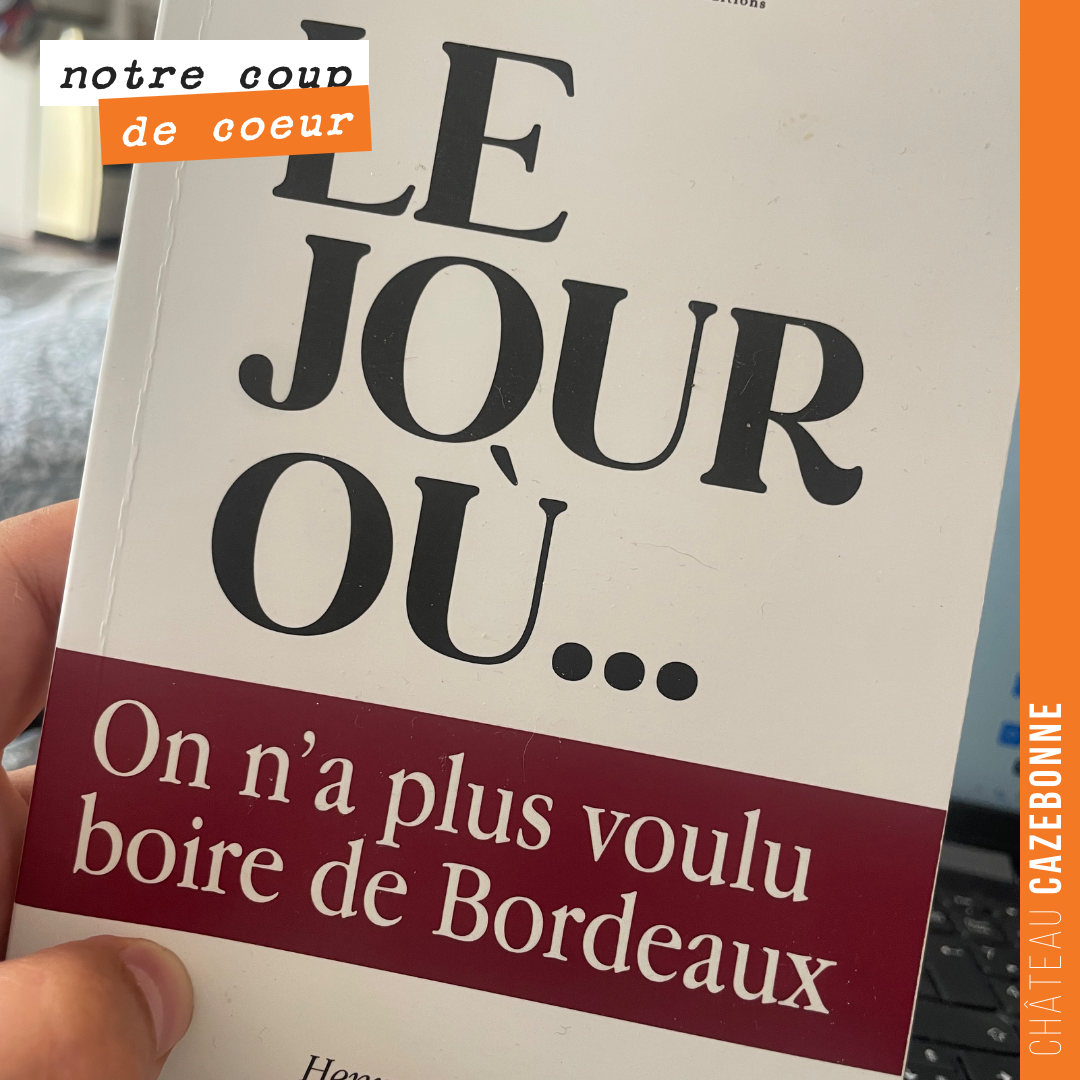
26 September 2026
By Jean-Baptiste
The cellar, forgotten grape varieties and our cuvées, twice a month. 5% off your first order with the code BIENVENUE.