
 The essential
6 × Entre Amis red
6 bottles — Graves red 2022
The best price of the cellar: €12 per bottle delivered.
The everyday red: generous and straight to the point.
I want itLiber Pater Loic Pasquet
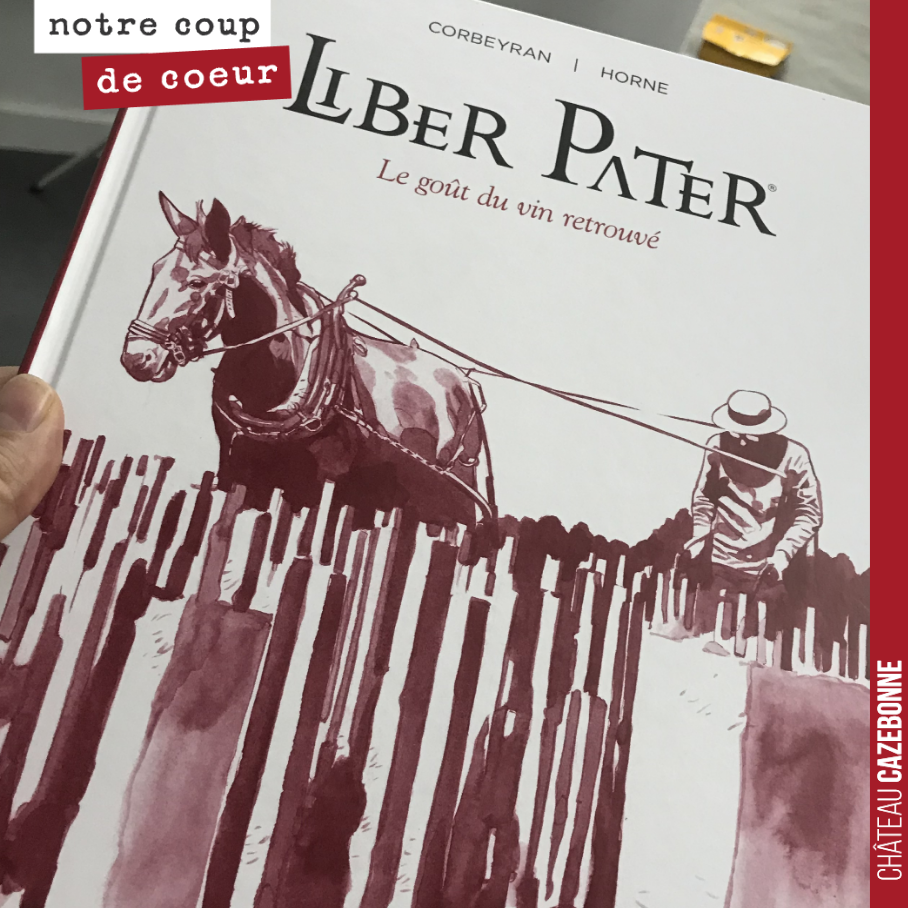
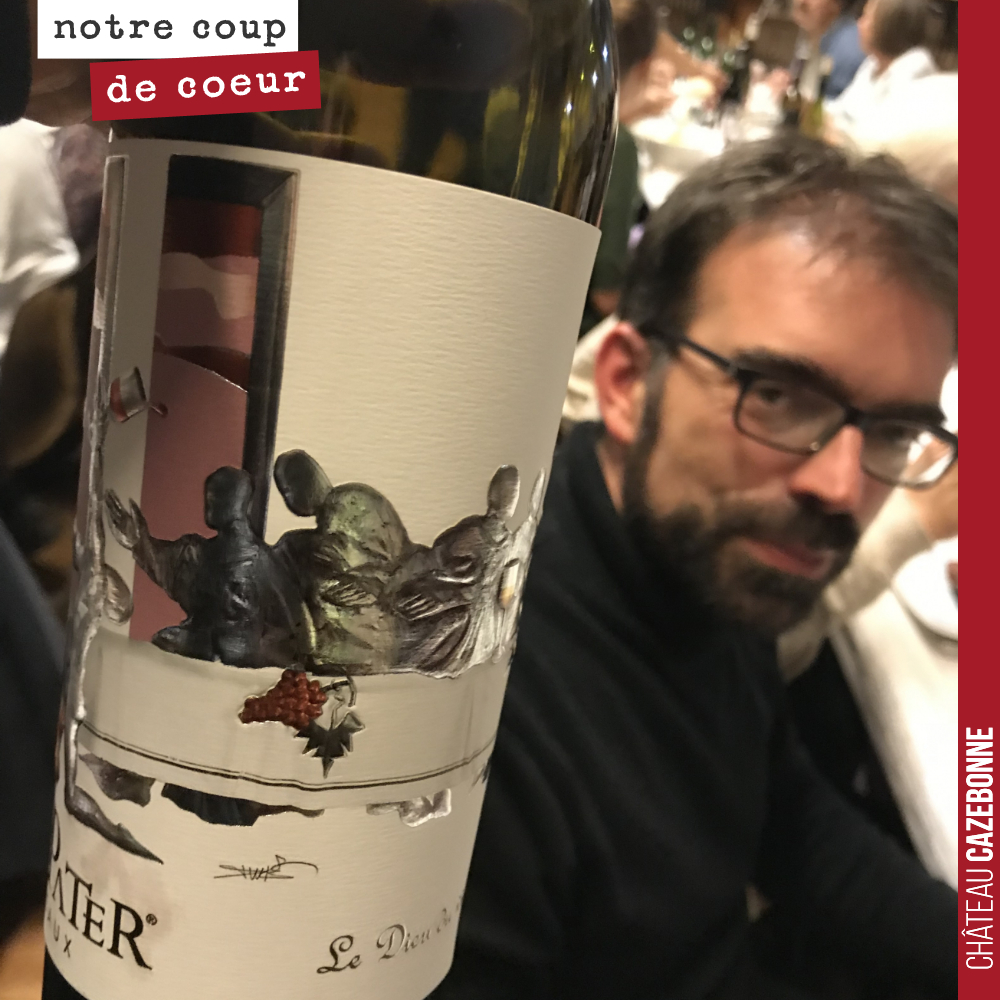
Through his Liber Pater project established in the heart of the Graves in Landiras, Loïc Pasquet embodies an emblematic and often controversial figure in the Bordeaux wine landscape. His radical, visionary approach aims to resurrect the presumed taste of Bordeaux wines as they existed prior to the devastating phylloxera crisis of the 19th century. Indeed, this period profoundly transformed the region's grape varieties and viticultural practices, leaving behind a partially forgotten genetic and flavour heritage.
Liber Pater's philosophy rests on fundamental pillars and rare audacity. Loïc Pasquet notably breaks free from rootstocks—which were massively introduced to combat phylloxera—by planting ungrafted vines (franc de pied). He believes that grafting alters the pure expression of the grape variety and the transmission of terroir. This approach is complemented by extremely high planting densities, close to 20,000 vines per hectare, fostering healthy competition between vines and deep root exploration of the soils.
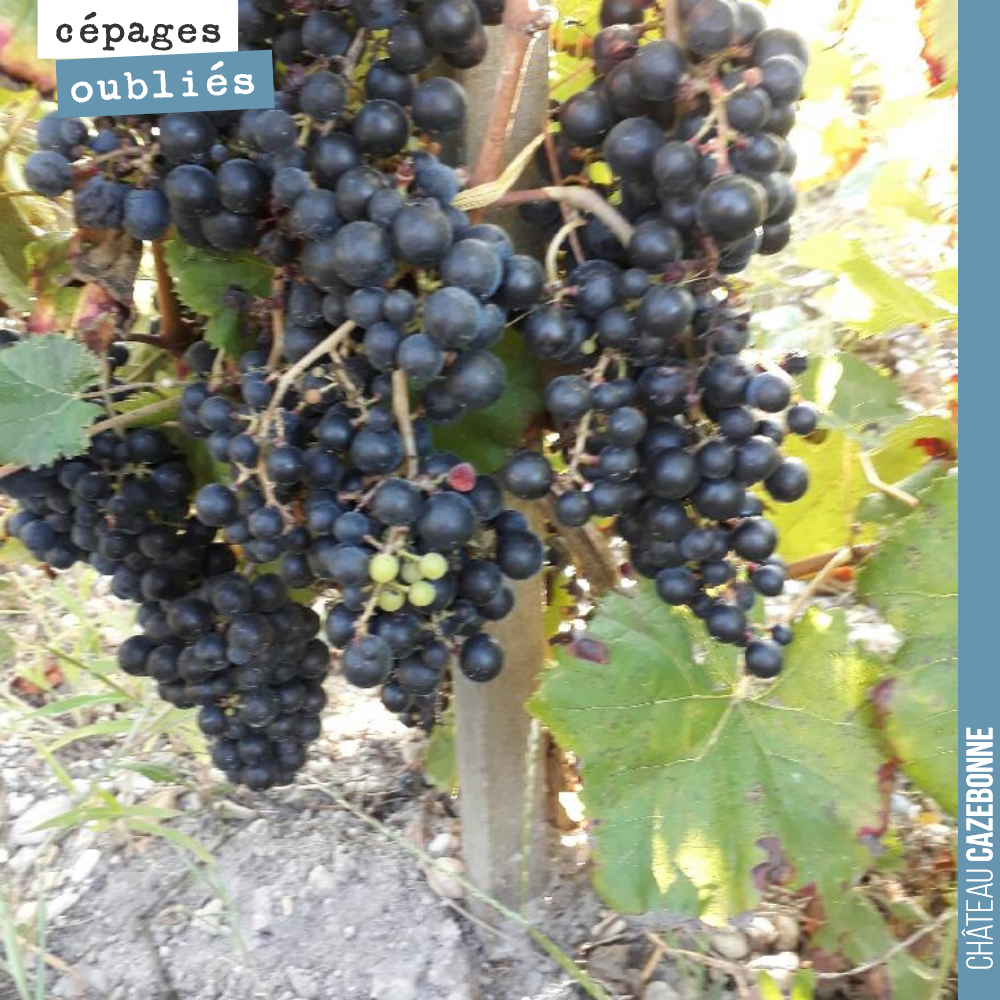
However, innovation at Liber Pater also lies in the reintroduction of historical grape varieties. Beyond classic Bordeaux cultivars, Loïc Pasquet reintroduces indigenous or pre-phylloxera varieties such as Castets, Mancin, or Saint-Macaire, used in blends. This exploration of the past extends to often ancestral vineyard methods, employing draught animals for soil cultivation and minimal intervention in the cellar, with the goal of regaining natural balance and maximum authenticity. The book "Bordeaux, une histoire de cépages" by Jean-Baptiste Duquesne sheds light on the richness and diversity of this overlooked Bordeaux ampelographic heritage.
The fruit of this quest for absolute authenticity yields extremely rare wines, ranking among the most expensive in the world: the Liber Pater and Denarius cuvées. These nectars, whose prices can reach astounding heights, offer a unique tasting experience—a true journey back in time to a forgotten Bordeaux.
For wine enthusiasts fascinated by this pioneering approach, yet for whom such prices remain out of reach, exploring Bordeaux's heritage grape varieties, such as those we cultivate and vinify at Château Cazebonne, offers an exciting gateway into this historical heritage. Our cuvée "Comme en 1900", which I like to affectionately dub the "Liber Pater for the poor", is a prime example. Thanks to the support of many wine lovers who embrace and champion our wines, Château Cazebonne actively contributes to replanting grape varieties that had vanished from the Bordeaux vineyards, thereby ensuring the preservation of an invaluable genetic and organoleptic diversity.
Discover all our cuvées on the Cazebonne online shop. We also invite you to receive the digital edition of the book "Bordeaux, une histoire de cépages" by Jean-Baptiste Duquesne, published by Éditions BBD.
The period preceding the arrival of phylloxera in the 19th century represents a pivotal era for the Bordeaux vineyards. Prior to this crisis, varietal diversity was far broader than today, featuring a multitude of grape varieties that were sometimes discarded not for a lack of intrinsic quality, but due to farming difficulties, low yields, or because they were grown by peasants who produced poorer wines due to a lack of resources, as highlighted by Roger Dion (Source 3). These forgotten varieties formed the region's original ampelographic mosaic, each lending its unique touch to the profile of the wines. The current varietal composition, dominated by Merlot and Cabernet Sauvignon, is the result of post-phylloxera selection aimed at productivity and disease resistance, often to the detriment of this original richness. It is this past that Loïc Pasquet seeks to reinterpret and bring to light through his viticultural practices.
The philosophy of Liber Pater is based on rare audacity and a return to fundamentals. Loïc Pasquet stood out by choosing to plant ungrafted vines, rejecting the rootstocks widely adopted to counteract phylloxera, convinced that they alter the true expression of grape variety and terroir. Furthermore, planting densities at Liber Pater, reaching up to 20,000 vines per hectare, are exceptionally high. They aim to intensify competition between vines and encourage deep rooting, thus enhancing terroir expression. This approach is part of a desire to restore natural balance and maximum authenticity, far removed from modern Bordeaux viticultural conventions. It is a true quest for living wine in Bordeaux, respectful of its origin.
One of Liber Pater's major innovations is the reintroduction of indigenous or pre-phylloxera grape varieties. Beyond classic Bordeaux varieties (Cabernet Sauvignon, Merlot), Loïc Pasquet incorporates varieties such as Castets, Mancin, or Saint-Macaire into his blends. Saint-Macaire, for example, even when not vinified as a single variety, has demonstrated great aromatic potential with notes of pepper and fresh red fruit, alongside precious acidity in the context of global warming (Source 2). These varieties, once common, find a second life at Liber Pater, offering complex aromatic profiles and textures. Viticultural methods, often ancestral, complete this philosophy: tilling the soil using draught horses and minimal intervention in the cellar, pursuing a natural balance.
For those passionate about this pioneering approach, but for whom prices remain inaccessible, Château Cazebonne provides a way to explore this historical heritage. We actively replant Bordeaux's lost grape varieties, an endeavour made possible through the support of many wine lovers who embrace and champion our wines. You can explore the rich history of these varieties by downloading the digital version of the book "Bordeaux, une histoire de cépages", test your wine knowledge with our quizzes, and of course, discover our cuvées online, which bear witness to this quest for authenticity and diversity.
Sources
Our suggestions
-5%on your 1st order with code BIENVENUE
The essential6 bottles — Graves red 2022
The best price of the cellar: €12 per bottle delivered.
The everyday red: generous and straight to the point.
I want it Our recommendation92/100 RVF
6 bottles — Graves red 2022, 92/100 RVF
Rated 92/100 by La Revue du vin de France: a solid 10-year ageing potential.
Our Graves for ageing, the finest gateway to the estate.
I want it Go further
12 bottles — the whole range
12 bottles, the whole range tasted: the best discovery-to-price ratio.
The complete tour of the estate, in a single case.
I want it
20 December 2019
18 December 2019
07 November 2019
07 April 2019
14 November 2018
24 October 2018
27 September 2018
27 September 2018

15 September 2018
The cellar, forgotten grape varieties and our cuvées, twice a month. 5% off your first order with the code BIENVENUE.