The essential92/100 RVF
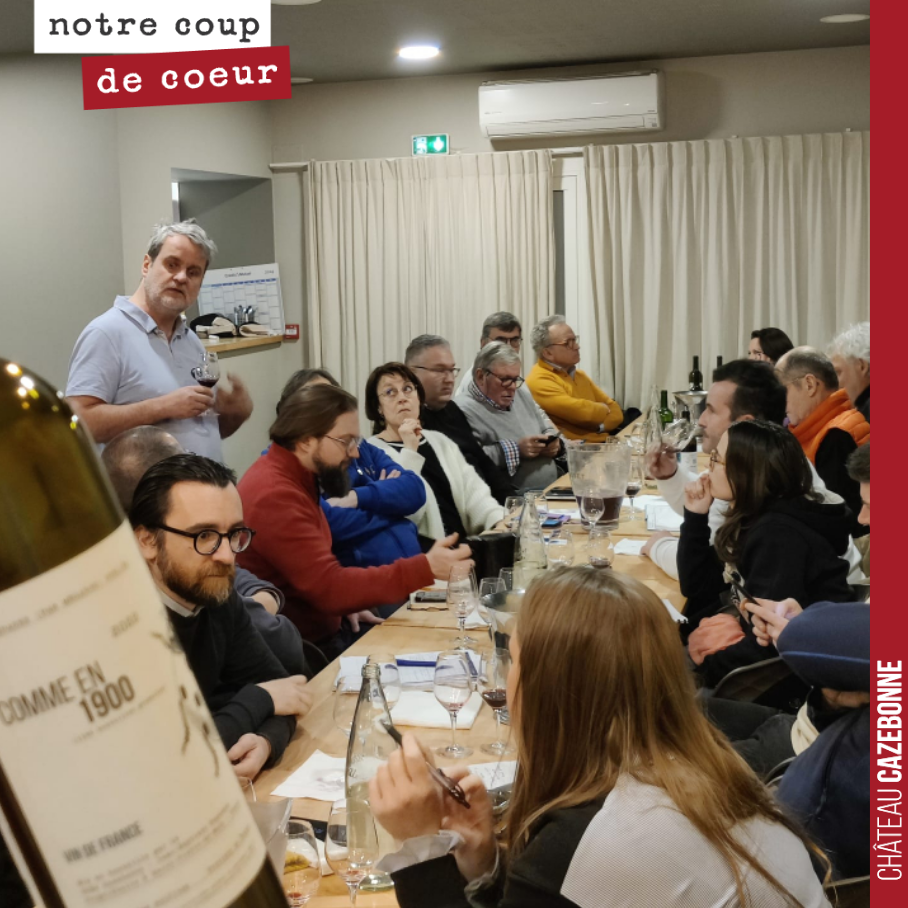
Comme en 1900 red 2022
Vin de France — heritage grapes, 92/100 RVF
The pre-phylloxera Bordeaux blend, revived at the estate.
Castets, Mancin, Pardotte: the Bordeaux before Bordeaux.
I want itThe Bordeaux vineyard, world-renowned for its iconic wines crafted from a rigorous selection of just a few grape varieties, was not always so uniform. Before the 19th century, a multitude of varieties coexisted, forming a rich and diverse ampelographic heritage. These “historic grape varieties” or “forgotten varieties” are now at the heart of a revival initiative, driven by the pursuit of biodiversity and adaptation to climate challenges.
A historic grape variety, often referred to as an “ancient variety” or “forgotten grape variety”, designates a vine variety that was once significantly cultivated in a wine region, but was gradually abandoned in favour of other varieties. In Bordeaux, this concept encompasses varieties that disappeared or became marginal following the viticultural crises (powdery mildew, phylloxera, downy mildew) of the 19th century and the varietal planting policies of the 20th century, particularly with the introduction of Appellations d'Origine Contrôlée (AOC). These varieties represent a vital part of the vineyard's history and biodiversity, and their potential is being reassessed today.
The simplification of Bordeaux's varietal mix is a “recent construct”, predominantly the result of successive crises, economic decisions, and regulatory choices. Prior to the major crises of the 19th century, vineyards were far more heterogeneous. The arrival of diseases such as powdery mildew, followed by phylloxera, decimated a large proportion of the vines, forcing winegrowers to replant. Replanting was largely focused on grape varieties deemed more resistant or productive, and above all, capable of adapting to American rootstocks. Subsequently, the AOC regulations, established from 1935 onwards and reinforced after the frosts of 1956, formalised a restricted selection of grape varieties, favouring those that had forged Bordeaux’s global reputation at the expense of numerous local varieties. In the 17th and 18th centuries, “terroir” was often perceived as a social expression: peasants were compelled to choose modest, high-yielding varieties due to a lack of resources, whereas wealthier estate owners could afford more demanding yet higher-quality varieties.
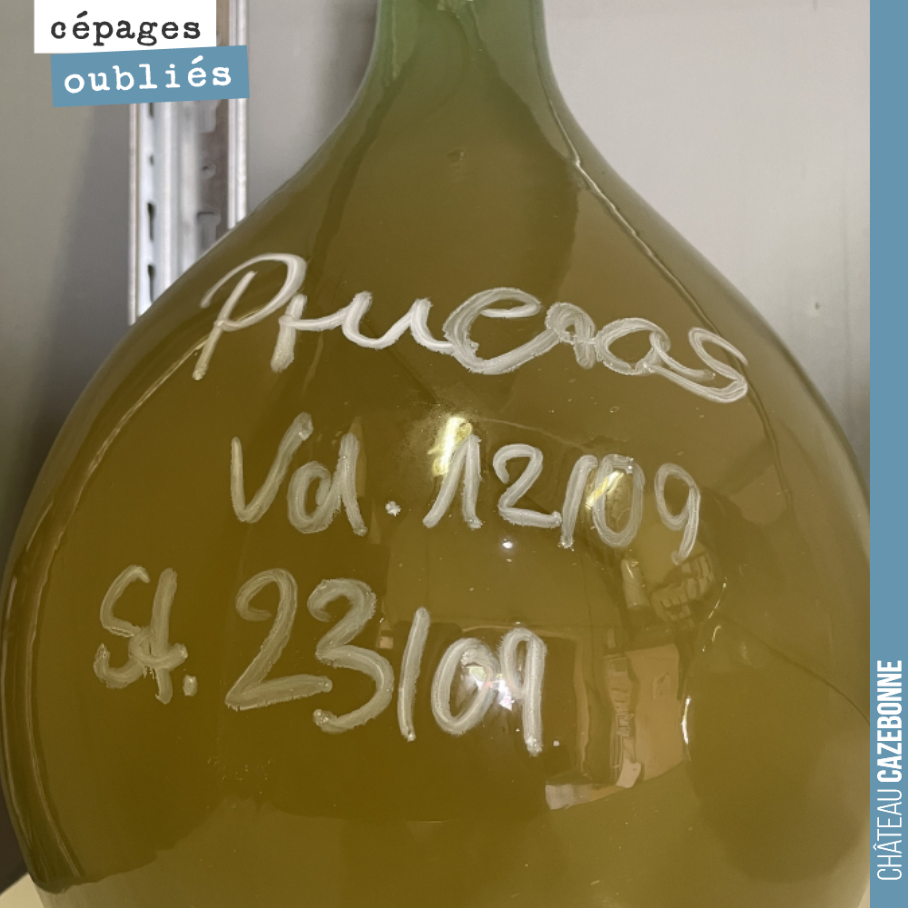
Many red grape varieties once common in Bordeaux have fallen into obscurity. Some, such as Béquignol, are mentioned in historical literature alongside Fer Servadou, and Château Cazebonne is actively working towards their reintroduction and vinification. Mérille, found across the Gironde in various forms, has also been replanted. Penouille, known as Pelaouille in the Graves, is intriguing due to historical descriptions of “flabby and flat” wines, yet its re-exploration is an integral part of this approach. More recently, varieties such as Cabernet-Malbec, created in the 19th century by Jean Élie, or Cabernet-Goudable, show promising potential for the future of the vineyard. Others, such as Saint-Macaire, Castets, Bouchalès, Mancin, and Pardotte, are equally emblematic of this lost diversity.
The situation for white grape varieties is much the same. While Sauvignon, Sémillon, and Muscadelle dominate today, other varieties such as Blanc Verdet, Colombard, Meslier Saint François, Mauzac, Ondenc, and Monbadon once formed a significant part of the white varietal mix. Rediscovering these varieties opens up exciting possibilities for distinctive blends and renewed aromatic profiles, aligned with consumer expectations and the need for viticulture that is more resilient to climate change. It is in this spirit that estates, including Cazebonne, are committing to replanting and experimenting with these precious witnesses of the past.
Château Cazebonne is passionately committed to rediscovering and replanting these Bordeaux grape varieties that were on the brink of extinction. This work of preservation and forward-thinking viticulture is documented in our book “Bordeaux, a History of Grape Varieties”, which you can download to deepen your knowledge. To test your expertise on the subject, feel free to take our wine quizzes. And if you would like to support this initiative and discover the fruits of our labour, we invite you to explore our selection of wines in our online shop.
Sources
Our suggestions
-5%on your 1st order with code BIENVENUE
The essential92/100 RVFVin de France — heritage grapes, 92/100 RVF
The pre-phylloxera Bordeaux blend, revived at the estate.
Castets, Mancin, Pardotte: the Bordeaux before Bordeaux.
I want it Our recommendation
IGP Atlantique — rare grape variety
A forgotten grape brought back: dense colour, wild fruit.
For the curious about lost grape varieties.
I want it Go further
12 bottles — the whole range
12 bottles, the whole range tasted: the best discovery-to-price ratio.
The complete tour of the estate, in a single case.
I want itThe cellar, forgotten grape varieties and our cuvées, twice a month. 5% off your first order with the code BIENVENUE.