
 The essential92/100 RVF
Comme en 1900 red 2022
Vin de France — heritage grapes, 92/100 RVF
The pre-phylloxera Bordeaux blend, revived at the estate.
Castets, Mancin, Pardotte: the Bordeaux before Bordeaux.
I want itMeslier Saint Francois
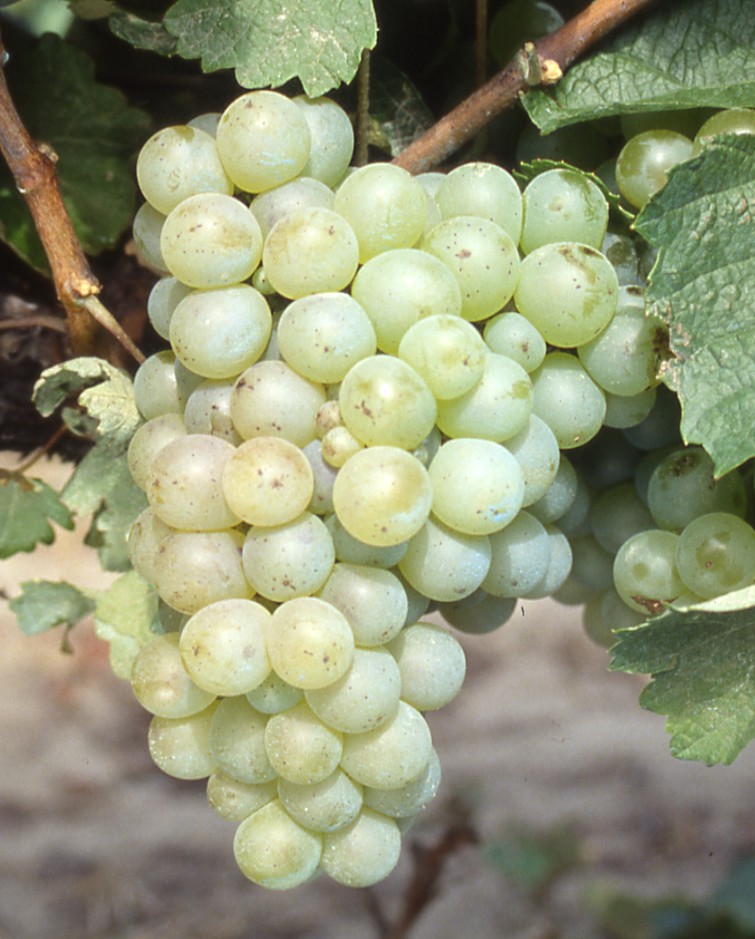
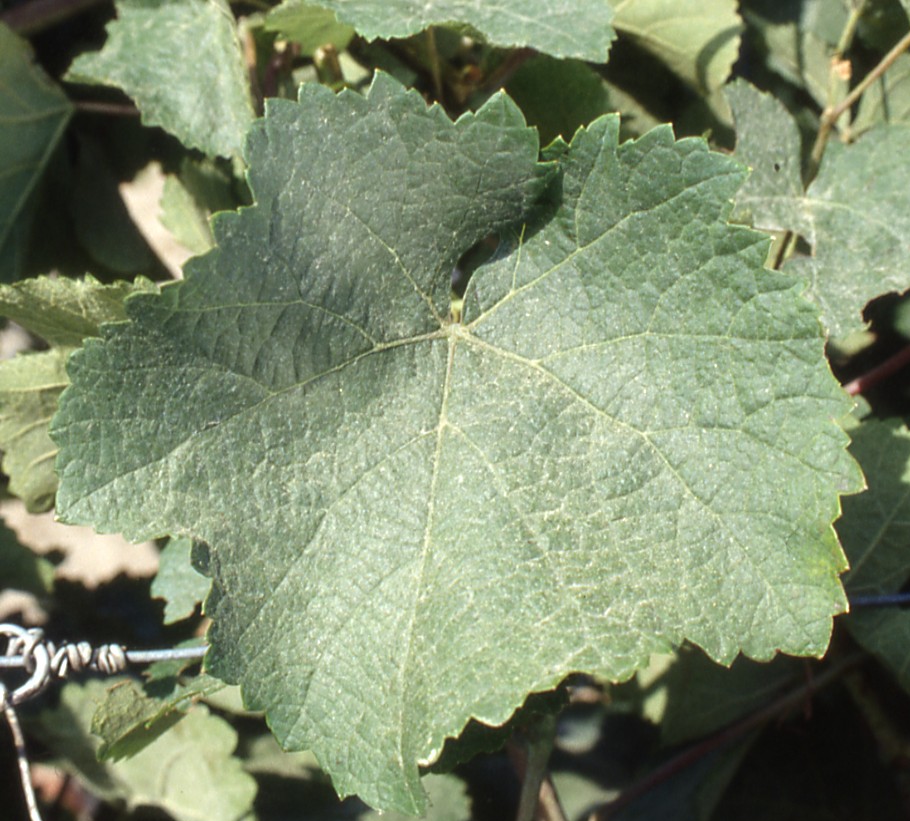
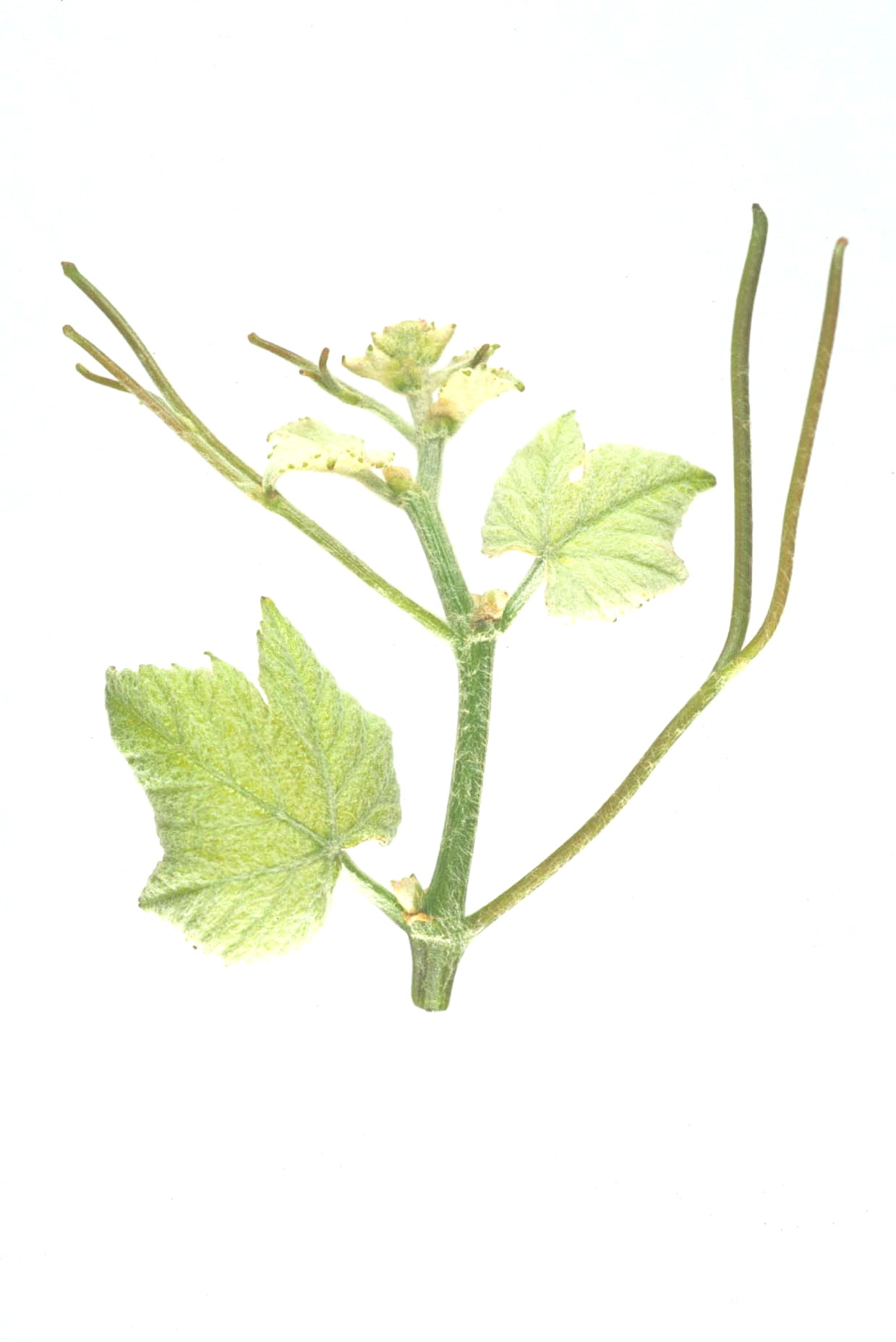
Meslier Saint-François, sometimes identified under the names Purgarie or Pélegarie in Gironde, offers a remarkable glimpse into Bordeaux's viticultural diversity. This ancient grape variety, rare today, possesses characteristics that merit special attention from the winegrower, particularly regarding disease resistance. Its history, punctuated by mentions in historical texts, bears witness to its past presence in the vineyard.
Historically, as early as 1736, Abbé Bellet mentioned a grape variety named Pulgarie or Pergarie, possibly an ancestor of Meslier Saint-François. In 1784, Dupré de Saint-Maur made reference to a “Parguerie blanche” present in the Castillonès region. These historical references highlight its long-standing presence as well as its gradual decline. Today, the efforts of winegrowers replanting forgotten varieties are bringing these heritage treasures back to light.
Long confused with or linked to Blanc de Nantes according to Galet, Meslier Saint-François was studied in the 1960s by Chauveau, who identified numerous vines in Gironde. It is the result of a cross between Pinot and Gouais, varieties that also boast a rich history.
| Characteristic | Description |
|---|---|
| Budburst | Early, making it susceptible to spring frosts. |
| Flowering | Early. |
| Véraison | Early. |
| Ripening | Late first period (according to some sources, mid second period). |
| Vigour | Moderate to high. |
| Growth habit | Fairly upright. |
| Susceptibility to downy mildew | Very susceptible. |
| Susceptibility to powdery mildew | Moderately susceptible. |
| Susceptibility to botrytis | Susceptible. |
| Susceptibility to black rot | Moderately susceptible. |
| Aromatic profile | Fresh and balanced white wines, sometimes with marked acidity. |
| Winemaking potential | Historically used for "everyday" white wines or for blending, it yields a fairly neutral wine well suited to distillation (Armagnac, Cognac). |
Regarding its behaviour in the vineyard, its early budburst leaves it vulnerable to spring frosts. While some sources record mid second-period ripening, others classify it as late first-period. Above all, it is known for its very high susceptibility to downy mildew—a major challenge for winegrowers committed to environmentally friendly practices.
In terms of winemaking, Meslier Saint-François was historically confined to the production of everyday white wines, often intended for blends, particularly in Entre-deux-Mers. It is also an authorised variety for Armagnac and Cognac spirits, reflecting its rather neutral profile on the palate while producing crisp, balanced wines.
Château Cazebonne is committed to preserving and championing these ancient grape varieties. Although Meslier Saint-François is not currently planted on the estate, the research and rediscovery of these varieties are an integral part of our vision for the future of Bordeaux. This work, though long overlooked, is made possible today thanks to in-depth research and the support of wine enthusiasts eager to learn more about the Bordeaux vineyard. If the history of Meslier Saint-François fascinates you, we invite you to download our book “Bordeaux, une histoire de cépages” to deepen your knowledge, test your skills with our wine quizzes, and of course, discover our wines, born of our commitment to viticultural heritage. For those curious to discover other lesser-known or rediscovered grape varieties, feel free to explore the Montils grape variety or the Petit Manseng grape variety.
Sources
Our suggestions
-5%on your 1st order with code BIENVENUE
The essential92/100 RVFVin de France — heritage grapes, 92/100 RVF
The pre-phylloxera Bordeaux blend, revived at the estate.
Castets, Mancin, Pardotte: the Bordeaux before Bordeaux.
I want it Our recommendation
IGP Atlantique — rare grape variety
A forgotten grape brought back: dense colour, wild fruit.
For the curious about lost grape varieties.
I want it Go further
12 bottles — the whole range
12 bottles, the whole range tasted: the best discovery-to-price ratio.
The complete tour of the estate, in a single case.
I want itThe cellar, forgotten grape varieties and our cuvées, twice a month. 5% off your first order with the code BIENVENUE.