
 The essential92/100 RVF
Comme en 1900 red 2022
Vin de France — heritage grapes, 92/100 RVF
The pre-phylloxera Bordeaux blend, revived at the estate.
Castets, Mancin, Pardotte: the Bordeaux before Bordeaux.
I want itMelon
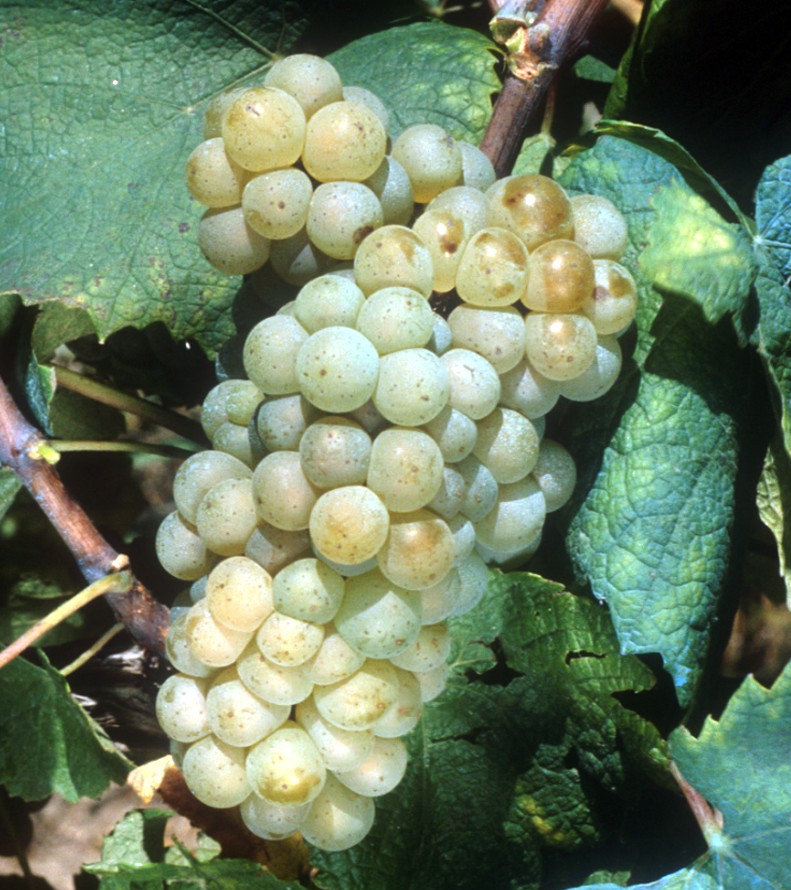
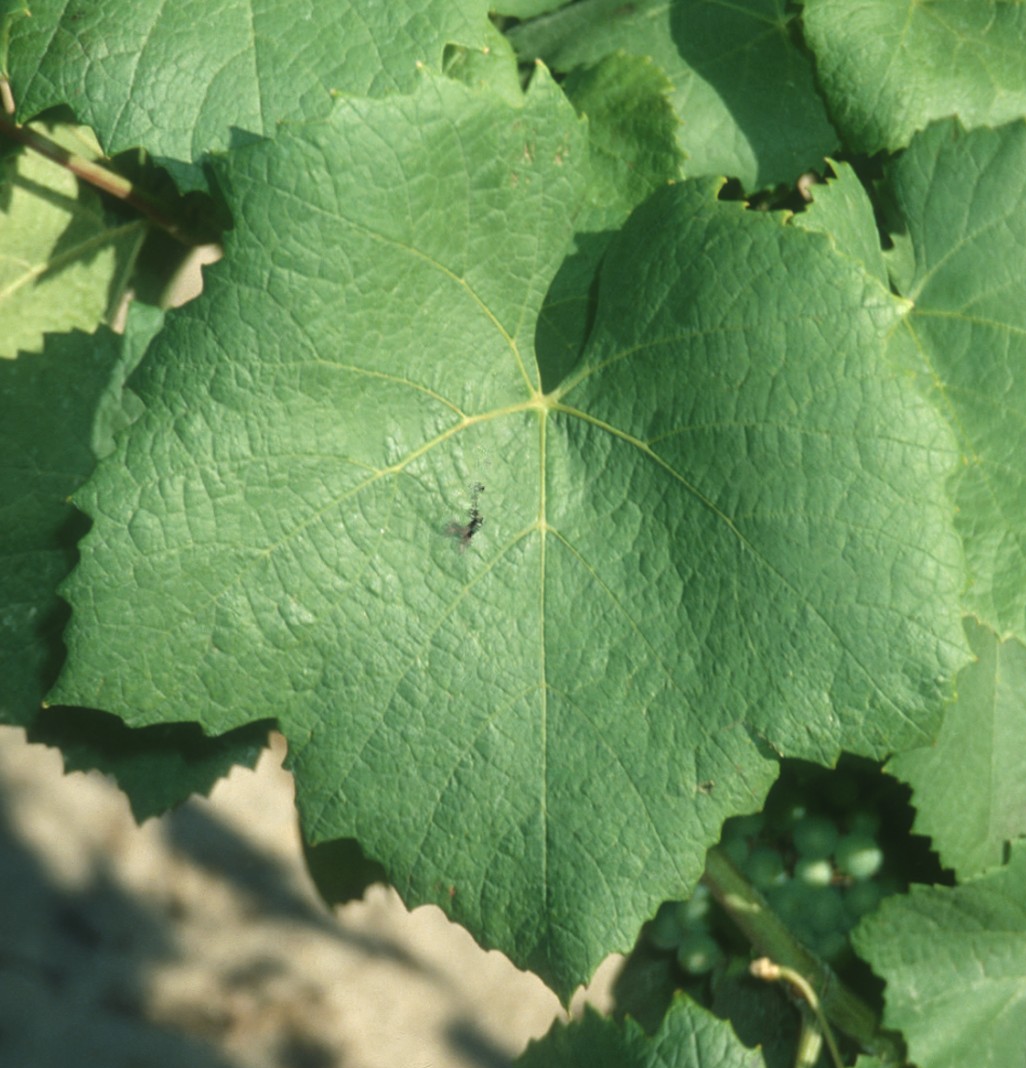
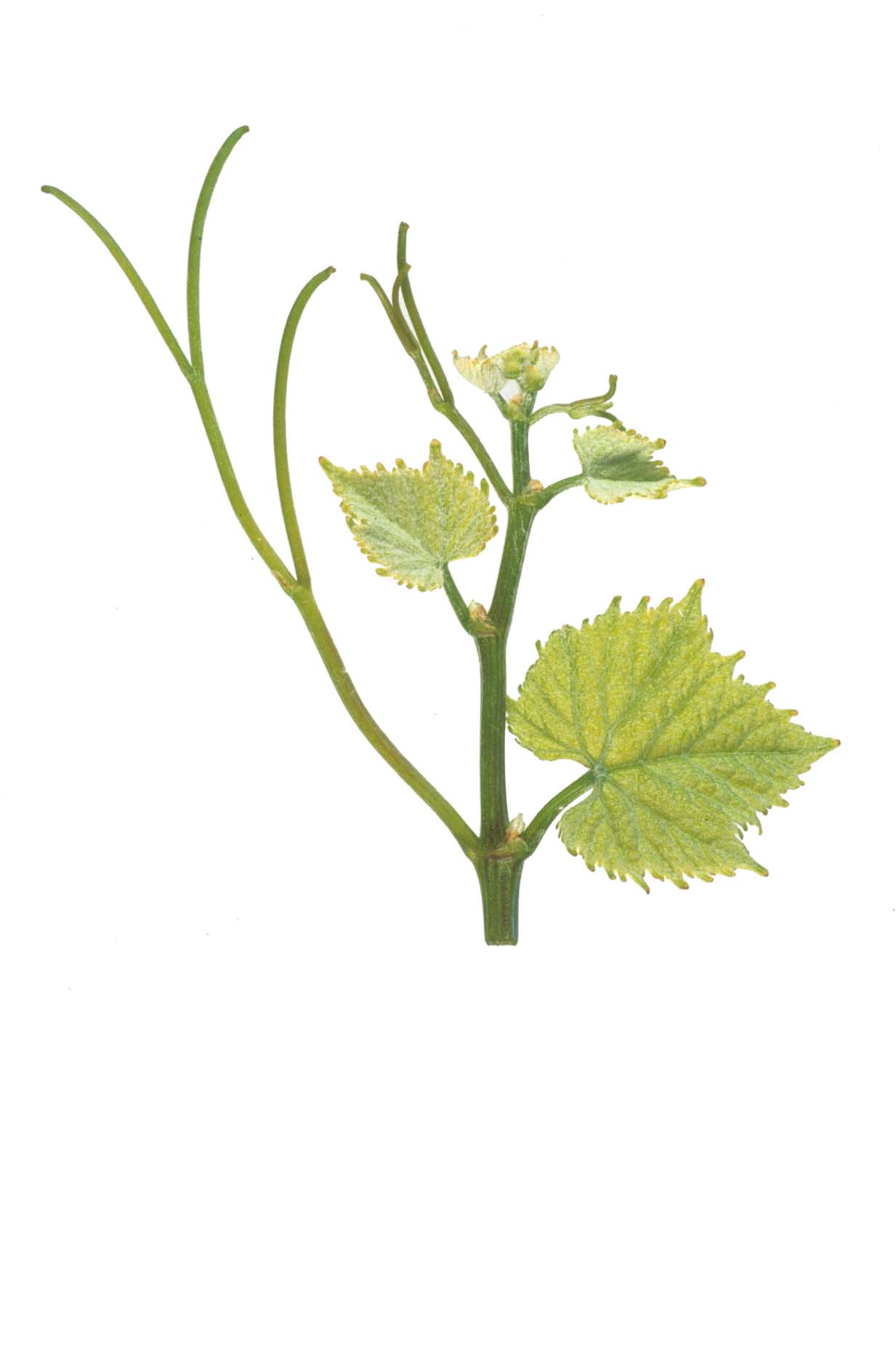
The Melon grape variety, also known as "Blanc de Nantes" in the Gironde, was part of Bordeaux's viticultural heritage for many years. Distinct from the summer fruit of the same name, this vine variety enjoyed its heyday before falling into decline. Ampelographer Pierre Galet had already recorded its existence, and it was thanks to research by Jacques Chauveau in the 1960s that numerous vines were rediscovered, proving its historical presence.
A cross between the Gouais grape variety and Pinot, Melon offers attractive characteristics for winegrowers, notably its early ripening and a degree of resilience, as well as its hardiness in areas with high humidity. Despite its past popularity, its history is marked by attempts at prohibition, particularly in Franche-Comté in the 17th century, where it was seen as a competitor to the nobler Pinot wines. Monks, protective of their revenues, even encouraged its eradication, although some growers resorted to cunning, renaming the variety to keep growing it. Contemporary Bordeaux winegrowers, such as Château Cazebonne, are once again taking an interest in these lost Bordeaux grape varieties, which carry a rich heritage and fresh potential in the face of climate change, much like the Len de l'El variety, the Meslier Saint François variety, or the Colombard variety.
| Characteristic | Description |
|---|---|
| Budburst | Early |
| Flowering | Early |
| Véraison | Mid-season |
| Ripening | Mid-second epoch |
| Vigour | Moderate |
| Growth habit | Erect canes, forming a compact cluster |
| Downy mildew susceptibility | Low to moderate |
| Powdery mildew susceptibility | Moderate |
| Botrytis susceptibility | Moderate to high (tightly packed berries) |
| Black rot susceptibility | Low |
| Aromatic profile | Fresh and balanced white wines, with white fruit and floral notes |
| Winemaking potential | Dry, fruity white wines. The density of the bunches can lead to rot if not carefully managed. |
Melon leaves are orbicular, unlobed, and tend to roll back on themselves. Its canes are ash-grey with very short internodes. The bunches are small, compact, tight, and herbaceous green in colour. This grape variety is characterized by highly fruitful basal buds. The Melon berry is generous with rather soft pulp and a thin, delicate skin. Its ability to produce fresh, well-balanced white wines makes it appealing to winegrowers seeking to adapt to climate change, alongside resistant grape varieties. Historically, this variety was head-trained ("tête de saule") and displays an erect shoot growth habit.
At Cazebonne, we are keenly interested in the potential of grape varieties like Melon, which are an integral part of Bordeaux's winemaking history and could enrich the palette of our wines. Our approach is rooted in the desire to rediscover and champion varieties that, through their intrinsic qualities, can bring a fresh balance and an authentic expression of terroir. This research and reintroduction work is supported by a strong commitment to biodiversity and agroecology—practices that we apply across our entire Graves white wine vineyard. In the future, Melon could be planted experimentally to evaluate its adaptation and oenological potential on our terroirs, following in the footsteps of our heritage varieties such as the Baroque grape variety and the Ugni Blanc grape variety.
Château Cazebonne is dedicated to reviving Bordeaux's forgotten grape varieties—a passion project made possible thanks to the support of wine lovers who embrace our wines. To learn more about this fascinating history, feel free to download our book on the history of Bordeaux grape varieties. Test your knowledge and explore the world of Cazebonne wines by taking part in our wine quizzes, or come and discover our wines directly in our online shop.
Sources
Our suggestions
-5%on your 1st order with code BIENVENUE
The essential92/100 RVFVin de France — heritage grapes, 92/100 RVF
The pre-phylloxera Bordeaux blend, revived at the estate.
Castets, Mancin, Pardotte: the Bordeaux before Bordeaux.
I want it Our recommendation
IGP Atlantique — rare grape variety
A forgotten grape brought back: dense colour, wild fruit.
For the curious about lost grape varieties.
I want it Go further
12 bottles — the whole range
12 bottles, the whole range tasted: the best discovery-to-price ratio.
The complete tour of the estate, in a single case.
I want itThe cellar, forgotten grape varieties and our cuvées, twice a month. 5% off your first order with the code BIENVENUE.