
 The essential
6 × Entre Amis red
6 bottles — Graves red 2022
The best price of the cellar: €12 per bottle delivered.
The everyday red: generous and straight to the point.
I want itRiparia Gloire
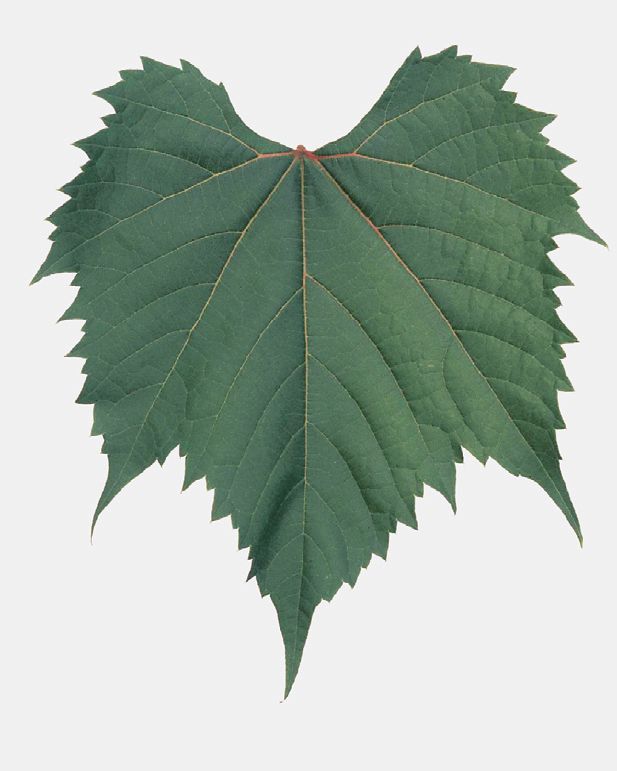
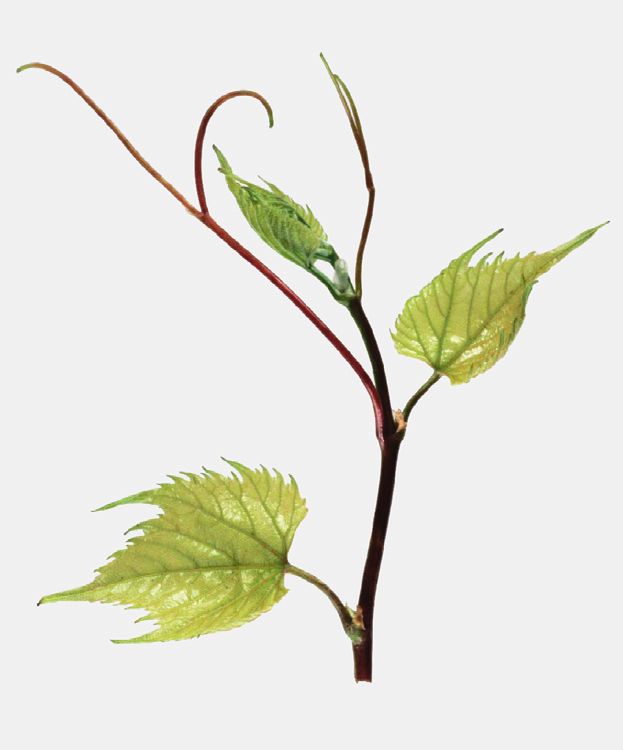
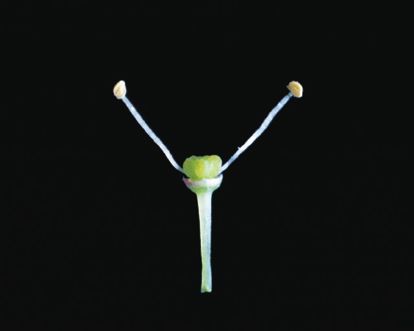
The Riparia Gloire de Montpellier rootstock is a variety of Vitis riparia selected for its agronomic qualities, particularly its high resistance to phylloxera. Its history is closely intertwined with the phylloxera crisis that devastated European vineyards in the late 19th century, compelling winegrowers to seek lasting solutions for the survival of their vines.
The late 19th century was defined by the phylloxera crisis, a devastating aphid native to North America that attacked the root systems of European vines. Faced with this catastrophe, the solution was found by grafting European grape varieties onto resistant American rootstocks. Among them, Vitis riparia stood out for its excellent resistance to the pest. Riparia Gloire de Montpellier is a selection of this species, chosen for its ability to adapt to specific soil types found in certain French wine regions. Its development was part of a collective effort by the viticultural sector to rebuild, as explored in Phylloxera in Bordeaux: the crisis and its consequences. It was one of the very first rootstocks widely used following the crisis.
| Characteristic | Description |
|---|---|
| Parents / cross | Selection of Vitis riparia |
| Species of origin | Vitis riparia |
| Breeder and date | — |
| Phylloxera resistance | Very high resistance (rated approximately 18 out of 20) |
| Conferred vigour | Low |
| Tolerance to active lime | Low tolerance; susceptible to chlorosis and stunted growth in calcareous soils |
| Drought tolerance | Low |
| Tolerance to waterlogging / asphyxiation | Good tolerance; thrives along riverbanks |
| Effect on scion ripening | Advances ripening |
| Status / registration | — |
Riparia Gloire de Montpellier is distinguished by its specific soil requirements. It develops an abundant yet shallow, fibrous root system that remains in the topsoil. This characteristic makes it particularly well-suited to deep, moist alluvial soils, such as those found along riverbanks. In contrast, its tolerance to active lime is low; it is prone to iron chlorosis and stunted growth in calcareous soils. Similarly, it struggles on dry, stony slopes, reflecting its low drought tolerance. To learn more about the importance of terroir and soils, read our article on Viticultural geology.
Riparia Gloire de Montpellier imparts low vigour to the scion. This effect is often sought after to manage vine canopy growth and promote grape quality. It also tends to advance scion ripening, which can be an asset in cooler climatic conditions. Its shallow, spreading root system allows for efficient water uptake in surface soil layers.
Riparia Gloire de Montpellier generally exhibits good graft compatibility with Vitis vinifera varieties. However, due to its low vigour, it may require adjustments in vineyard management, such as higher planting densities or tailored pruning systems to maintain an optimal vine balance. High-quality Vine plants are essential for grafting success.
Despite its robustness against phylloxera, Riparia Gloire de Montpellier has several notable weaknesses. Its low tolerance to active lime leaves scions vulnerable to iron chlorosis in chalky soils. Its low vigour is also a limiting factor in poor or drought-prone soils. Unlike other rootstocks, it is not known for its resistance to nematodes and offers no specific protection against fanleaf degeneration (court-noué).
In the context of climate change, the characteristics of Riparia Gloire de Montpellier must be evaluated with care. Its sensitivity to drought and requirement for moisture make it less suitable for regions experiencing prolonged and severe dry spells. However, its ability to advance ripening can be an asset in cooler terroirs where late ripening is a concern, or when managing specific vegetative cycle requirements. Research into Resistant grape varieties in Bordeaux is intensifying for the future.
At Château Cazebonne, we are dedicated to preserving and showcasing ampelographic diversity. This work is made possible through the support of wine enthusiasts who enjoy our cuvées. To deepen your knowledge, feel free to download our book on the history of Bordeaux grape varieties, test your skills with our wine quizzes, or discover our unique wines directly in our online boutique. Other innovative rootstocks, such as the Nemadex Alain Bouquet rootstock, or the BC 2 rootstock (Berlandieri - Colombard 2), also represent significant advancements in adapting to contemporary vineyard challenges.
Sources
Our suggestions
-5%on your 1st order with code BIENVENUE
The essential6 bottles — Graves red 2022
The best price of the cellar: €12 per bottle delivered.
The everyday red: generous and straight to the point.
I want it Our recommendation92/100 RVF
6 bottles — Graves red 2022, 92/100 RVF
Rated 92/100 by La Revue du vin de France: a solid 10-year ageing potential.
Our Graves for ageing, the finest gateway to the estate.
I want it Go further
12 bottles — the whole range
12 bottles, the whole range tasted: the best discovery-to-price ratio.
The complete tour of the estate, in a single case.
I want itThe cellar, forgotten grape varieties and our cuvées, twice a month. 5% off your first order with the code BIENVENUE.