
 The essential
6 × Entre Amis red
6 bottles — Graves red 2022
The best price of the cellar: €12 per bottle delivered.
The everyday red: generous and straight to the point.
I want it125 AA
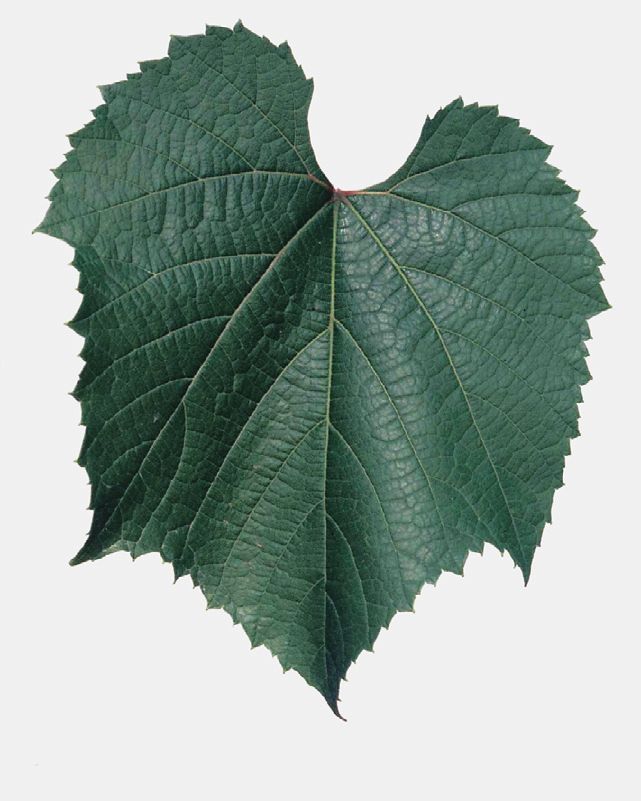
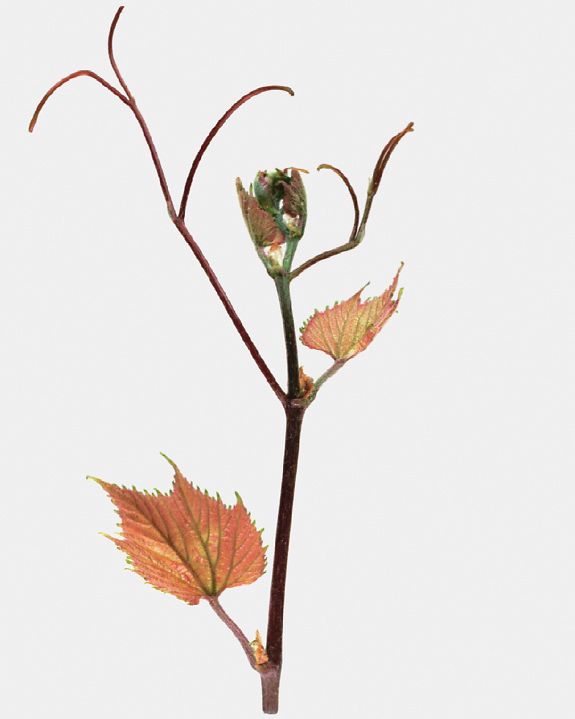

The Kober 125 AA rootstock, or 125 AA, is a selection that made a mark on viticultural history through its contribution to the fight against phylloxera. Resulting from a cross between Vitis berlandieri and Vitis riparia, it combines interesting characteristics for viticulture, notably its good adaptation to certain soil types.
The breeding of Kober 125 AA was part of the extensive search for phylloxera-resistant rootstocks in the late 19th century. Faced with the devastation of European vineyards by this pest, using naturally resistant American vine species became the solution. 125 AA is the result of a cross between Vitis berlandieri and Vitis riparia, two species recognised for their complementary qualities: lime tolerance for the former, and good graft affinity with many scions as well as moisture tolerance for the latter. This breeding work produced a rootstock with specific agronomic properties, meeting precise winegrower needs in the wake of the phylloxera crisis.
| Characteristic | Description |
|---|---|
| Parents / cross | Vitis berlandieri x Vitis riparia |
| Original species | Vitis berlandieri / Vitis riparia |
| Breeder and date | Kober, late 19th / early 20th century |
| Phylloxera resistance | Good |
| Conferred vigour | Moderate to high |
| Active limestone tolerance | — |
| Drought tolerance | Low |
| Tolerance to waterlogging / soil asphyxia | Good |
| Effect on scion ripening | Neutral |
| Status / registration | French official catalogue |
Kober 125 AA is particularly well suited to deep, cool soils, showing good tolerance to humidity and root asphyxiation. This characteristic makes it valuable for plots where drainage can be an issue. In contrast, its low drought tolerance makes it less suitable for arid or shallow terroirs. It is also important to note its sensitivity to highly calcareous soils, where it can show signs of iron chlorosis. Its use is therefore focused on neutral to acidic soils with a good water reserve.
This rootstock confers moderate to high vigour to the scion, which can be an asset for low-vigour grape varieties or under favourable soil conditions. The effect on scion ripening is generally neutral, meaning it neither significantly advances nor delays harvest. Kober 125 AA can influence grape yield and quality by promoting healthy vegetative growth, but this requires careful crop load management to prevent an imbalance favouring canopy growth over fruiting.
Like any rootstock, Kober 125 AA exhibits certain vulnerabilities. It is known for its poor drought tolerance, making it susceptible in regions with hot, dry summers. Its sensitivity to iron chlorosis on limestone soils is another limiting factor. Attention must also be paid to potential induced coulure (poor fruit set) if weather conditions are unfavourable during flowering, particularly with certain grape varieties.
In the context of climate change, Kober 125 AA's ability to perform well in cool, moist soils could be an asset for vineyards facing intense rainfall events followed by waterlogged soils. However, its poor drought tolerance is a major drawback in regions where water stress is increasingly frequent. It is therefore not considered a front-line rootstock for adaptation to hotter, drier future climates, but may retain localised relevance for specific parcels with good water availability. Another interesting rootstock for drought tolerance is the BC 2 rootstock (Berlandieri - Colombard 2). Furthermore, the 196-17 Cl rootstock (196-17 Castel) also offers notable characteristics in terms of vigour and soil tolerance. Finally, the 4010 Cl rootstock (4010 Castel) is an option to consider for its resilience.
Château Cazebonne is committed to preserving the viticultural heritage of Bordeaux, notably by replanting heritage grape varieties and studying suitable rootstocks. This work is a constant quest to understand and adapt to our environment. To learn more about our approach and the history of Bordeaux grape varieties, feel free to download our book “Bordeaux, une histoire de cépages”. To test your knowledge and discover other facets of our passion, explore our wine quizzes. Finally, to support our project and taste the fruits of our labour, we invite you to visit our online shop. Also discover the history and characteristics of the Nemadex Alain Bouquet rootstock.
Sources
Our suggestions
-5%on your 1st order with code BIENVENUE
The essential6 bottles — Graves red 2022
The best price of the cellar: €12 per bottle delivered.
The everyday red: generous and straight to the point.
I want it Our recommendation92/100 RVF
6 bottles — Graves red 2022, 92/100 RVF
Rated 92/100 by La Revue du vin de France: a solid 10-year ageing potential.
Our Graves for ageing, the finest gateway to the estate.
I want it Go further
12 bottles — the whole range
12 bottles, the whole range tasted: the best discovery-to-price ratio.
The complete tour of the estate, in a single case.
I want itThe cellar, forgotten grape varieties and our cuvées, twice a month. 5% off your first order with the code BIENVENUE.