
 The essential
6 × Entre Amis red
6 bottles — Graves red 2022
The best price of the cellar: €12 per bottle delivered.
The everyday red: generous and straight to the point.
I want it8 B
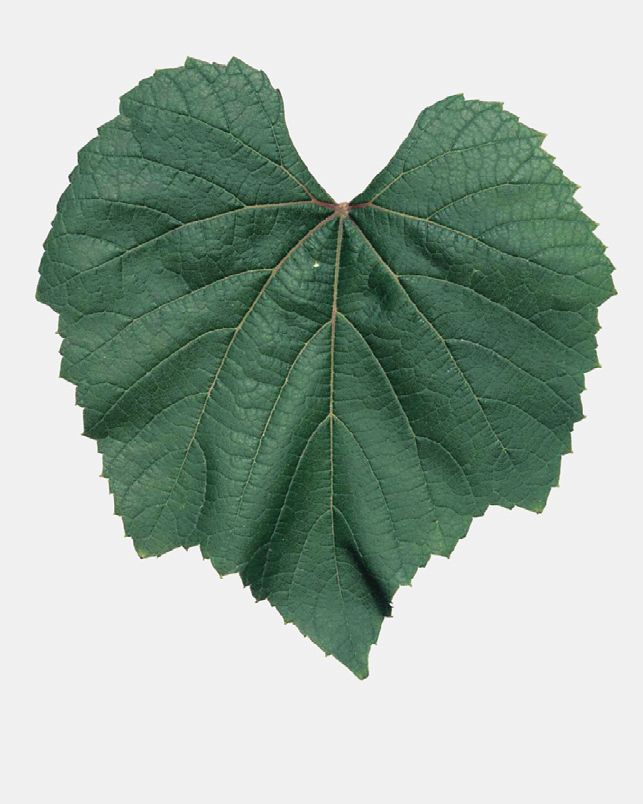
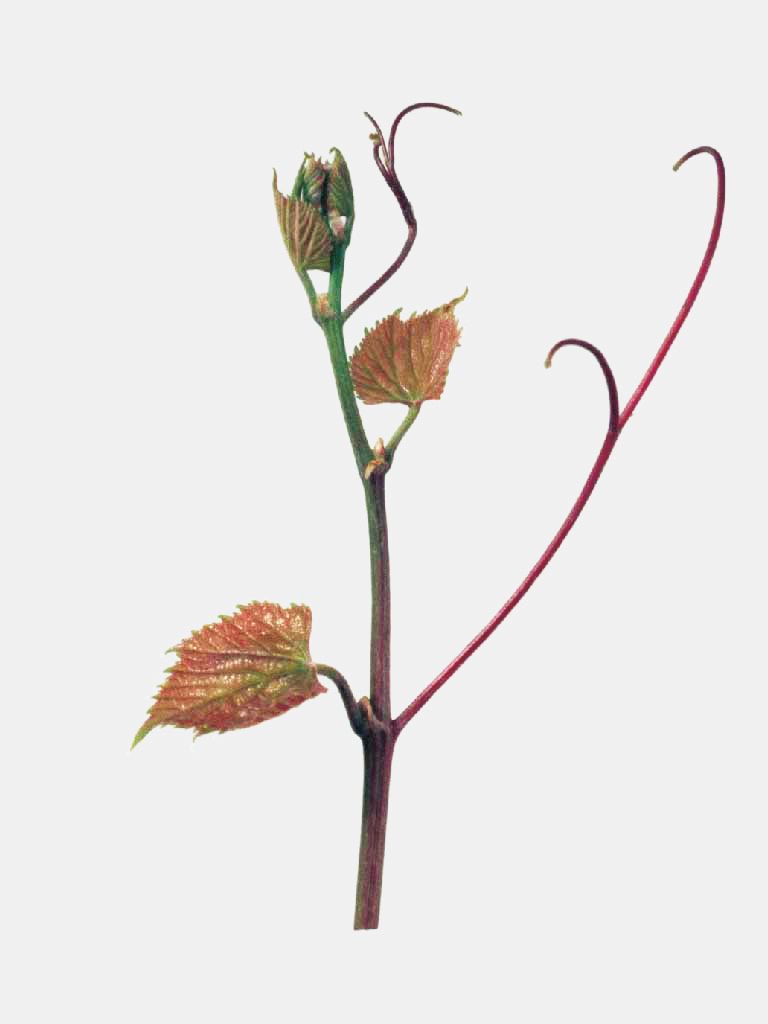
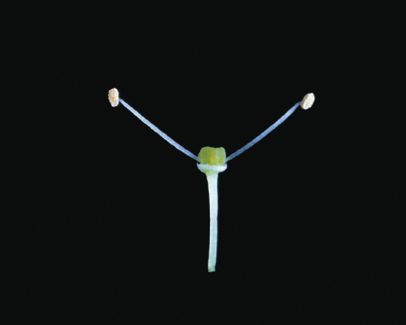
The Teleki 8 B rootstock, also known as 8 B Teleki, is a fundamental component of modern viticulture, particularly in meeting the challenges posed by phylloxera. Originating from a strategic cross, it was developed to provide valuable agronomic characteristics to winegrowers.
Teleki 8 B is the result of post-phylloxera research, a period when European viticulture was devastated by this pest. It was bred in Hungary by Sigmund Teleki, in his nursery in Arad, around 1896–1897. This rootstock is a cross between Vitis berlandieri and Vitis riparia. The objective was to combine the phylloxera resistance and limestone tolerance of Vitis berlandieri with the rooting ability and early ripening of Vitis riparia.
| Characteristic | Description |
|---|---|
| Parents / cross | Vitis berlandieri x Vitis riparia |
| Parent species | Vitis berlandieri / Vitis riparia |
| Breeder and date | Teleki, circa 1896–1897 |
| Phylloxera resistance | Good |
| Conferred vigour | Moderate |
| Active lime tolerance | 20% total limestone, 12% active lime, CPI 20 |
| Drought tolerance | Moderate |
| Moisture / root asphyxia tolerance | Moderate |
| Effect on scion maturity | Neutral |
| Status / registration | Official French Catalogue |
Teleki 8 B demonstrates good tolerance to active lime, making it well suited to calcareous soils, particularly those found in the Bordeaux region. It can tolerate up to 20% total limestone and 12% active lime, with a Chlorosis Power Index (CPI/IPC) of 20. Its moderate tolerance to drought and moisture/root asphyxia gives it a degree of versatility, although it is not the most effective in extreme conditions. This rootstock is less suited to excessively wet or highly free-draining soils. For wetter soils, other rootstocks such as Riparia Gloire de Montpellier or SO 4 might be considered, whereas for very dry soils, rootstocks like 110 R or 140 Ru are often preferred.
The Teleki 8 B rootstock confers moderate vigour to the scion. This balance is often sought after to manage vine growth and promote high crop quality. Its effect on scion maturity is neutral, meaning it neither significantly advances nor delays veraison. It thus maintains the natural phenological cycle of the grafted grape variety. Water and nitrogen uptake are moderate, helping to avoid excesses that could compromise wine quality. This moderate vigour can positively influence crop load and the concentration of phenolic compounds in the grapes.
Teleki 8 B is known for its satisfactory graft affinity with numerous grape varieties. Its moderate vigour makes it a suitable choice for various Bordeaux grape varieties. In terms of vineyard management, it accommodates standard planting densities and adapts well to different pruning systems. Careful management of fertilisation is recommended to optimise its potential and avoid any imbalance. For young plantings, proper root dipping of the young vines is essential, a topic discussed in more detail on our page dedicated to root dipping vine plants.
Although versatile, Teleki 8 B has its limitations. Its moderate drought tolerance can leave it vulnerable in regions with very arid summers. It is also moderately susceptible to iron chlorosis on highly calcareous soils, sometimes requiring iron supplements. Its resistance to nematodes and fanleaf degeneration is not its main strength, which can be problematic in plots where these pests and viruses are present. For soils with a high nematode population, rootstocks such as Nemadex Alain Bouquet are specific alternatives. Furthermore, excess vigour with certain grape varieties or in highly fertile soils may require careful management.
In the face of climate change, Teleki 8 B offers assets through its moderate vigour and limestone tolerance—qualities that are important for wine-growing regions subject to rising temperatures and sometimes complex soils. Its ability not to advance ripening is an advantage in preserving the freshness of the wines. However, its moderate drought tolerance means that in areas most affected by prolonged dry spells, other rootstocks such as 1103 P, known for its superior drought resistance, or the 125 AA rootstock (Kober 125 AA) might be more appropriate. The choice of rootstock is thus a key component in adapting Bordeaux vineyards to new climatic conditions.
This rootstock has never been trialled at the estate.
Château Cazebonne is actively committed to replanting forgotten grape varieties and adapting its vineyard to future challenges. This thorough work is supported by the dedication of wine lovers like you. To explore the fascinating history of the grape varieties that shaped our region, feel free to download our book “Bordeaux, une histoire de cépages”. To test your knowledge and learn more about the world of wine, discover our wine quizzes. Finally, to support our approach and taste the fruit of our labour, we invite you to discover our wines in our online shop.
Sources
Our suggestions
-5%on your 1st order with code BIENVENUE
The essential6 bottles — Graves red 2022
The best price of the cellar: €12 per bottle delivered.
The everyday red: generous and straight to the point.
I want it Our recommendation92/100 RVF
6 bottles — Graves red 2022, 92/100 RVF
Rated 92/100 by La Revue du vin de France: a solid 10-year ageing potential.
Our Graves for ageing, the finest gateway to the estate.
I want it Go further
12 bottles — the whole range
12 bottles, the whole range tasted: the best discovery-to-price ratio.
The complete tour of the estate, in a single case.
I want itThe cellar, forgotten grape varieties and our cuvées, twice a month. 5% off your first order with the code BIENVENUE.