
 The essential
6 × Entre Amis red
6 bottles — Graves red 2022
The best price of the cellar: €12 per bottle delivered.
The everyday red: generous and straight to the point.
I want itPurple Dead-Nettle
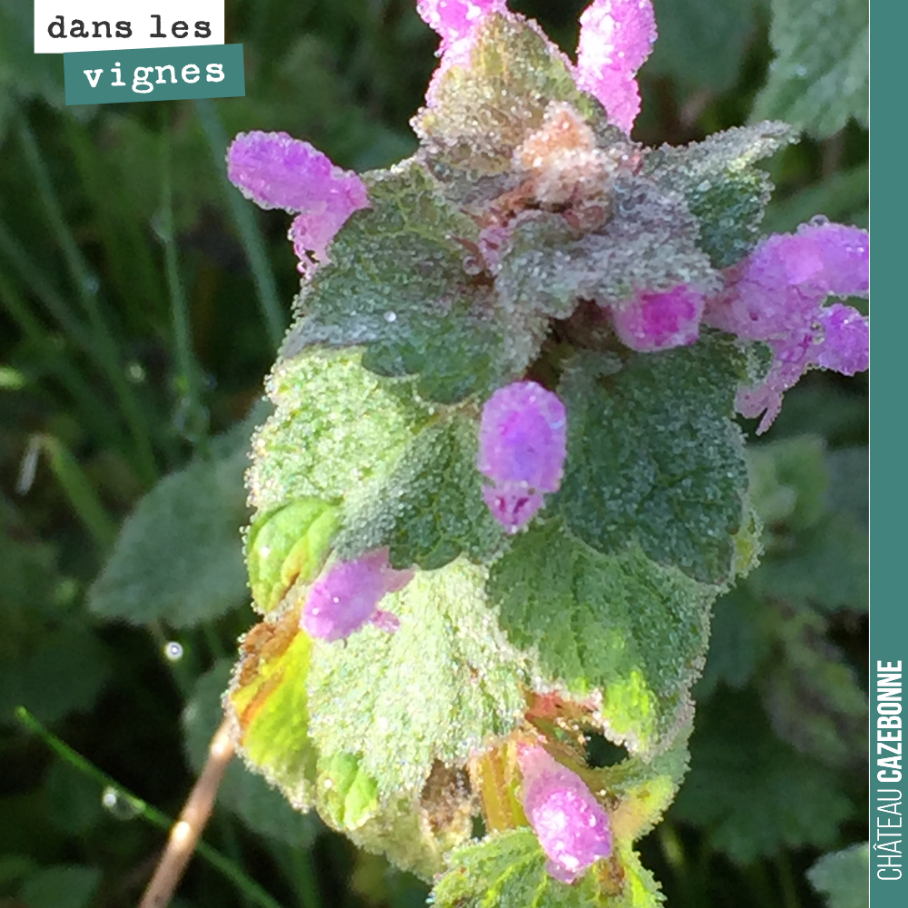
At Château Cazebonne, we pay close attention to every element of biodiversity that makes up our terroirs. Purple dead-nettle (Lamium purpureum), often mistakenly considered a simple "weed", is for us much more than a wild plant. A member of the Lamiaceae family, this annual herbaceous plant, recognisable by its upper leaves tinged with purplish-red and its small labiate flowers of the same colour, is a silent witness to the vitality of our soils.
Native to Europe and Western Asia, purple dead-nettle thrives in cool, well-aerated soils that are rich in nutrients, which it particularly appreciates after light tilling. Its presence is therefore an indirect indicator of the good health of our vine parcels. Flourishing from spring to autumn, it naturally contributes to the plant cover between our rows of vines. This cover is essential: it protects the soil from erosion, maintains a certain level of moisture and provides organic matter when it decomposes. Purple dead-nettle, through its roots, also participates in improving the soil structure, thus promoting better water infiltration and aeration beneficial to the microfauna and soil microbes, those invisible but essential actors of the terroir so rightly spoken of by Jean-Baptiste Duquesne in his book "Bordeaux, une histoire de cépages".
Beyond its ecological role, purple dead-nettle is a melliferous plant, attracting bees and other pollinating insects. It thus contributes to the general biodiversity of our vineyards, fostering natural balance and strengthening the resilience of our organic viticultural ecosystem. Its discreet presence aligns perfectly with our approach of respecting nature and valuing local resources.
As an annual herbaceous plant, purple dead-nettle germinates in autumn or spring, develops rapidly, flowers and produces its seeds before disappearing with the summer heat or the first frosts. This short cycle is particularly interesting in the vineyard, as it allows for effective soil cover during critical periods, notably winter, without excessively competing with the vines for water and nutrients during the peak growing season. It is therefore an excellent indicator of living, well-nourished soil.
At Château Cazebonne, we observe purple dead-nettle mainly in the inter-rows of our parcels, particularly where the soil has been lightly tilled, a sign that it benefits from good aeration and a sufficient quantity of nutrients. Its early flowering, sometimes as early as February in our Graves, makes it one of the first sources of nectar for pollinating insects at the end of winter, thus actively participating in the vineyard's auxiliary fauna. This spontaneous flora provides natural protection against erosion and contributes to the formation of humus, essential for the fertility of our soils and the health of our vines.
Faithful to this philosophy, we are also committed to reviving almost forgotten Bordeaux grape varieties, such as Castets, Mancin or Saint-Macaire. This work of safeguarding and rehabilitation is only possible thanks to the unwavering support of all the wine lovers who have embraced the unique flavours of our cuvées, thus helping to write a new chapter in Bordeaux's viticultural history. Support this approach by discovering the unique expression of our terroirs and our rediscovered grape varieties by visiting the Cazebonne boutique.
To find out more about the ancestral grape varieties of Bordeaux and our commitment, we also invite you to receive the digital version of the book "Bordeaux, une histoire de cépages", published by Éditions BBD and written by Jean-Baptiste Duquesne.
Sources
Our suggestions
-5%on your 1st order with code BIENVENUE
The essential6 bottles — Graves red 2022
The best price of the cellar: €12 per bottle delivered.
The everyday red: generous and straight to the point.
I want it Our recommendation92/100 RVF
6 bottles — Graves red 2022, 92/100 RVF
Rated 92/100 by La Revue du vin de France: a solid 10-year ageing potential.
Our Graves for ageing, the finest gateway to the estate.
I want it Go further
12 bottles — the whole range
12 bottles, the whole range tasted: the best discovery-to-price ratio.
The complete tour of the estate, in a single case.
I want it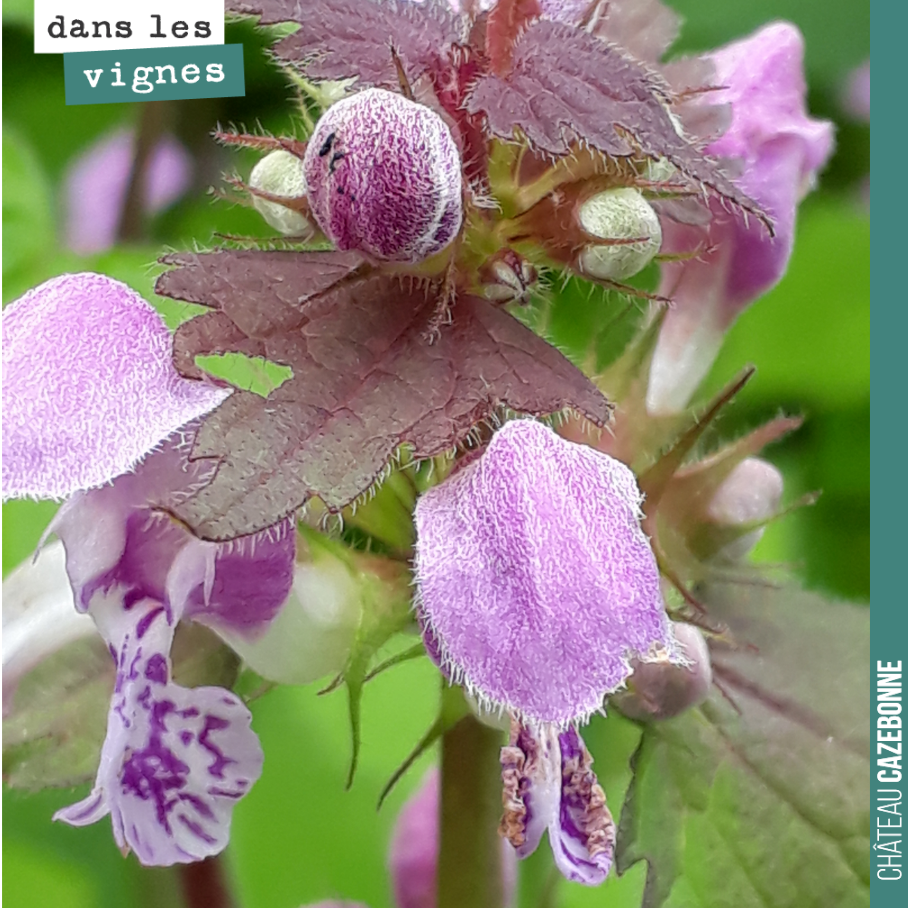
01 May 2020
24 February 2019
The cellar, forgotten grape varieties and our cuvées, twice a month. 5% off your first order with the code BIENVENUE.