
 The essential
6 × Entre Amis red
6 bottles — Graves red 2022
The best price of the cellar: €12 per bottle delivered.
The everyday red: generous and straight to the point.
I want itNettle
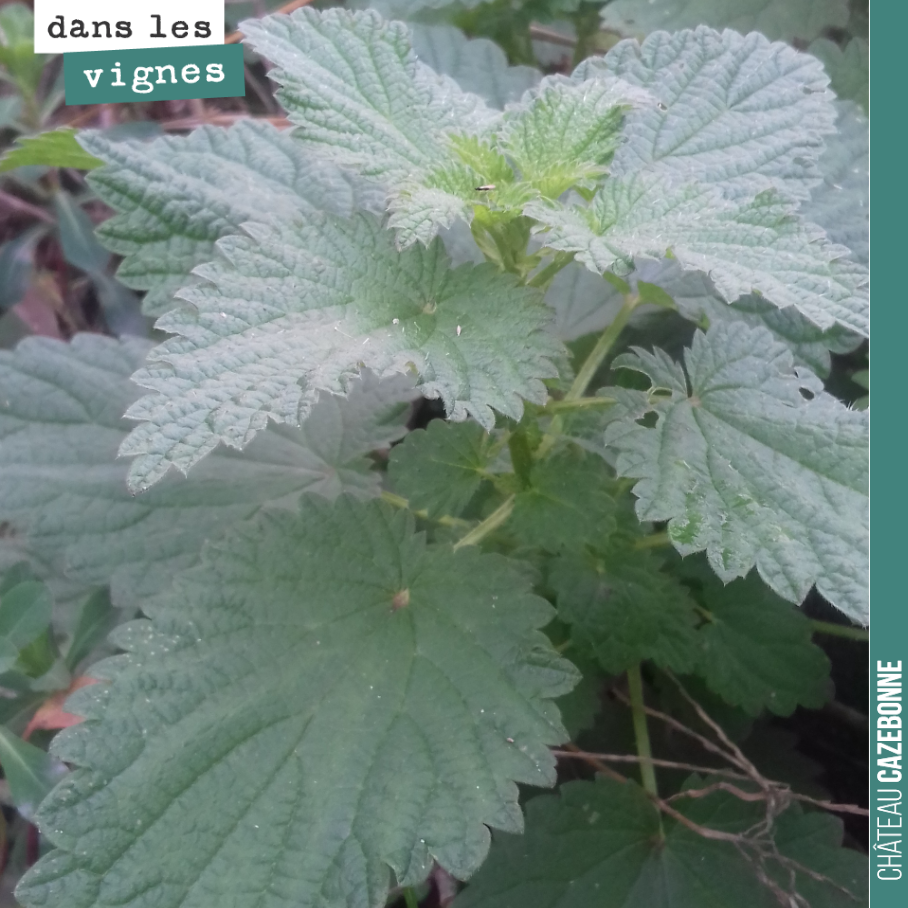
The nettle, often perceived as a mere stinging "weed", is in fact a bioindicator plant of exceptional richness. At Château Cazebonne, we consider it a sentinel of our soils' vitality. Its presence indeed signals terroirs rich in nitrogen and organic matter, elements essential to the good health and harmonious development of the vine. The nettle, whose scientific name is Urtica dioica, is characterised by opposite, oval and pointed leaves, covered with stinging hairs. It can reach a height of up to 1.5 metres and its intense green colour testifies to its high chlorophyll content. Although uncommon directly within our rows, where a diversified flora is favoured, we find it in abundance on the banks and edges, those natural areas that surround and protect our plots.
The life cycle of the nettle in the vineyard is generally annual or perennial, depending on the species. It experiences rapid growth in spring and summer, periods during which it accumulates its nutrients. At Château Cazebonne, its preferred habitat is rich and humid areas, often disturbed, but also edges and hedges where it benefits from an adequate supply of nutrients. We observe its presence in plots where the soil is particularly fertile and well-aerated, signs of intense microbiological activity.
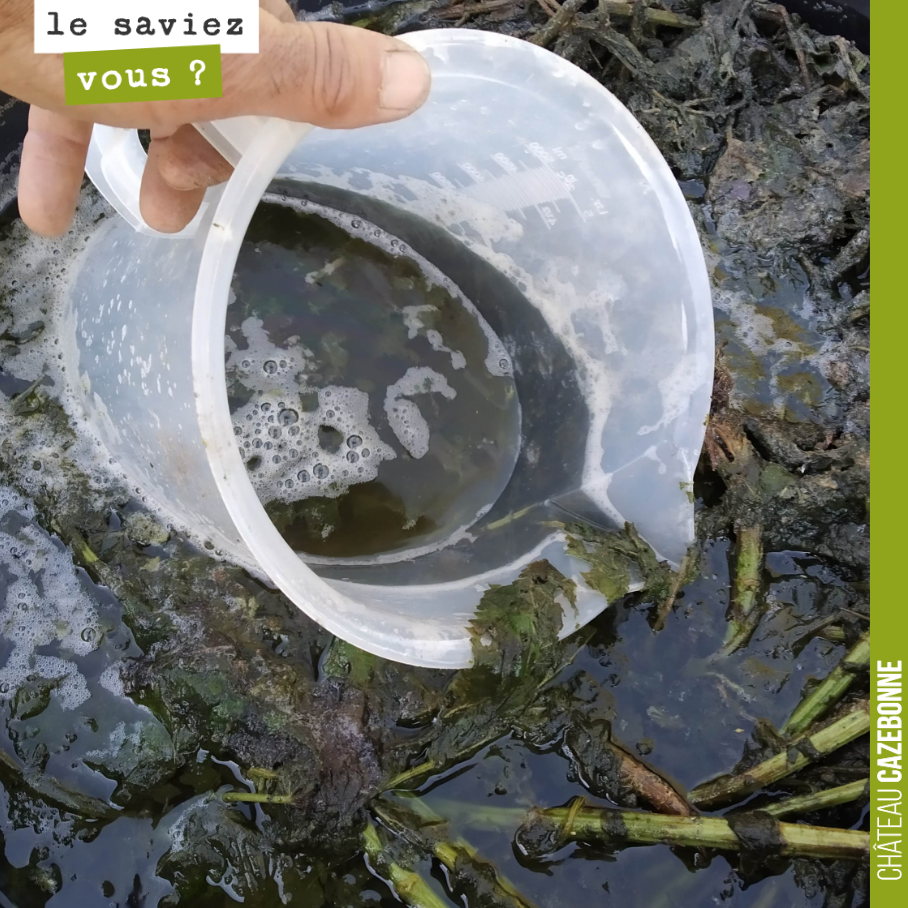
Far from getting rid of it, we fully value the virtues of the nettle. It constitutes an ingredient of choice for the preparation of our liquid nettle manure, a natural and ecological fertiliser that we make ourselves. This manure, rich in trace elements and silica, is used as a foliar spray on our vines. It acts as a real stimulant, strengthening the plant's natural defences, promoting its growth and improving its resistance to diseases. This nutritional intake, entirely derived from local biodiversity, fits perfectly into our organic and biodynamic farming approach, where each element of the ecosystem contributes to maintaining balance. The nettle plays a fundamental ecological role as a habitat and food source for many pollinating and beneficial insects, thus contributing to the biodiversity of our plots.
The presence of nettles in our environment also testifies to undisturbed land and active microbiological fauna. It is the sign of a healthy soil, capable of effectively capturing and recycling nutrients. As Jean-Baptiste Duquesne points out in "Bordeaux, une histoire de cépages", the richness and diversity of soil life are the invisible pillars of a terroir's unique expression. The nettle, through its deep roots, also participates in the aeration and structuring of the soil, thus contributing to its improvement. It also helps to enrich it with nutrients, notably iron, magnesium, calcium and potassium, essential elements for the vine. Its action is therefore clearly beneficial for the vine, acting indirectly via the improvement of the soil and the surrounding biodiversity. We observe at Cazebonne that areas where nettles are present in abundance are often a reflection of deep and balanced soils, which is highly favourable to the rooting and nutrition of our vines.
At Château Cazebonne, this philosophy of respecting and valuing nature extends to all aspects of our work, including the preservation of ancestral Bordeaux grape varieties. We are committed to replanting forgotten varieties, such as Castets, Mancin or Saint-Macaire, grape varieties which, like the spurge, reveal the richness and singularity of our heritage. This meticulous rehabilitation work is a testament to our commitment to diversity and authenticity, and it is only made possible by the invaluable support of all the wine lovers who have appreciated and adopted the unique flavours of our cuvées. By further exploring our history and commitment through the thistle, the book "Bordeaux, une histoire de cépages", by testing your knowledge with our oenological quizzes, or by discovering our wines directly in our online shop, you actively participate in the renaissance of these treasures of Bordeaux viticulture.
Sources
Our suggestions
-5%on your 1st order with code BIENVENUE
The essential6 bottles — Graves red 2022
The best price of the cellar: €12 per bottle delivered.
The everyday red: generous and straight to the point.
I want it Our recommendation92/100 RVF
6 bottles — Graves red 2022, 92/100 RVF
Rated 92/100 by La Revue du vin de France: a solid 10-year ageing potential.
Our Graves for ageing, the finest gateway to the estate.
I want it Go further
12 bottles — the whole range
12 bottles, the whole range tasted: the best discovery-to-price ratio.
The complete tour of the estate, in a single case.
I want it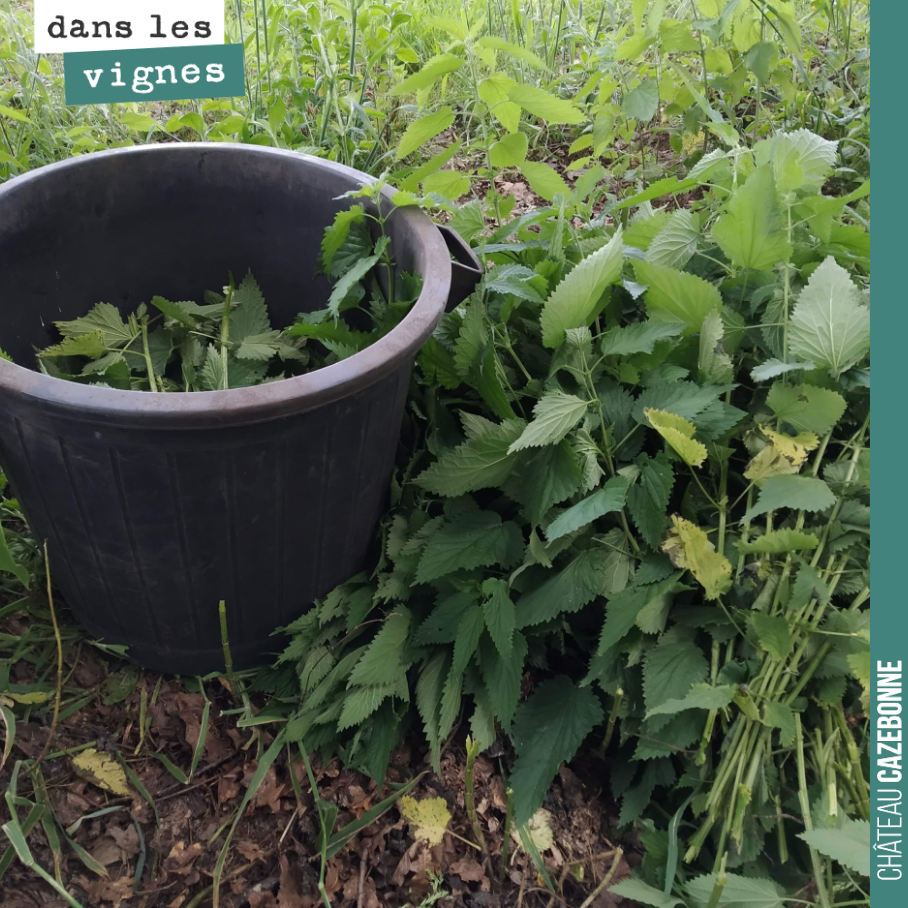
20 June 2019
04 June 2019
19 May 2019
07 December 2018
The cellar, forgotten grape varieties and our cuvées, twice a month. 5% off your first order with the code BIENVENUE.