
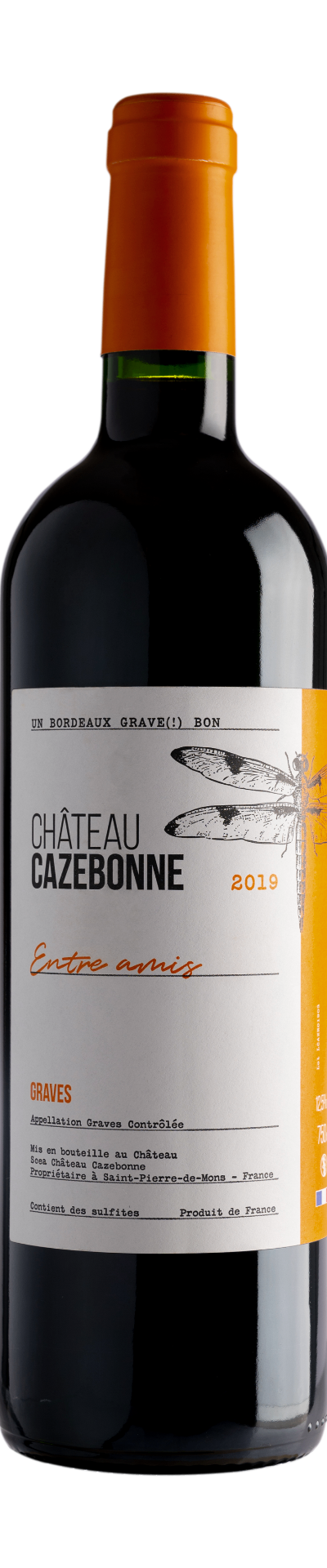
 The essential
6 × Entre Amis red
6 bottles — Graves red 2022
The best price of the cellar: €12 per bottle delivered.
The everyday red: generous and straight to the point.
I want itBordeaux Revival
The Bordeaux vineyard region, steeped in centuries of history and prestige, is facing a profound crisis that compels it to reinvent itself. The challenges are manifold—shifting consumer tastes, heightened international competition, and environmental imperatives—prompting a new generation of winemakers, alongside enlightened historic estates, to rethink their practices. The goal is clear: to offer a more diverse, more sustainable, and inherently more authentic vision of Bordeaux. At the heart of this movement, Château Cazebonne has established itself as a pioneer, notably through its commitment to the Bordeaux Pirate movement.
This Bordeaux revival is taking many forms:
Our project to replant forgotten grape varieties—Mancin, Castets, Saint-Macaire, Pardotte, and many others, as explored in depth in the book "Bordeaux, une histoire de cépages"—is a unique initiative aiming to:
The wines of Château Cazebonne thus embody this 'New Bordeaux': ethically produced cuvées, farmed organically and biodynamically, boasting a distinctive character and steeped in history. Blends such as 'Comme un goût de Liberté' or our rare single-varietal wines perfectly reflect this dynamic. This work of remembrance and perseverance would not have been possible without the unwavering support of the many enthusiasts who have embraced our wines, recognising in our cuvées the unique expression of a terroir and the commitment of a dedicated team. Thanks to this trust, we can continue writing new chapters in the history of Bordeaux wine.
The revival of Bordeaux is also reflected in a growing environmental consciousness, where sustainable viticulture and vineyard biodiversity have become paramount. The objective is to restore balance with nature, preserve the soils, and foster more respectful production, as championed by the Vignerons engagés à Bordeaux movement. Far from being a passing trend, this approach stems from a deep-seated desire to offer wines that reflect not only their terroir, but also the values of modern, responsible viticulture. This commitment marks a turning point for the region, demonstrating its ability to evolve without disowning its heritage, and affirming that the Bordeaux wine market is moving forward! Indeed, one might wonder whether Bordeaux has finally tuned into the expectations of the modern wine consumer.
At Château Cazebonne, we are proud to contribute to this new Bordeaux. Our work, inspired by the rich and complex history of the Bordeaux vineyards, is reflected in our cuvées. To learn more about this fascinating history and the grape varieties that shape it, we invite you to download the digital edition of the book "Bordeaux, une histoire de cépages". You can also test your knowledge and hone your palate with our wine quizzes, or discover our creations and the unique flavours of Bordeaux's revival directly by visiting our online shop.
The Bordeaux vineyard region is at a pivotal crossroads, confronted with deep and varied challenges. Historically, single-varietal dominance and standardised viticultural practices have led to a loss of biodiversity and a degree of homogeneity in wine profiles. Added to this are major cyclical challenges: the rapid evolution of consumer preferences, shifting towards lighter, less oaky wines produced using environmentally friendly methods. International competition is intensifying, particularly in markets traditionally loyal to Bordeaux. Finally, the climate emergency demands drastic adaptation, threatening the viability of certain production models. Combined, these factors have created a genuine crisis, but also an unprecedented opportunity for transformation across the entire region.
Faced with these challenges, adapting Bordeaux's viticulture has become imperative. It entails rethinking grape variety selection, vineyard management, and vinification methods to meet the expectations of a changing market and environmental requirements. This approach involves diversifying grape varieties—rediscovering heritage varieties or experimenting with disease-resistant grapes—and actively promoting agroecological viticultural practices. The goal is to produce wines that express their terroir more purely, with less artifice, and embody genuinely sustainable viticulture. This movement is driven by a new generation of winegrowers determined to put authenticity and individuality back at the heart of Bordeaux winemaking, while exploring pathways to adapt to global warming.
The 'Bordeaux Pirate' movement, joined by Château Cazebonne, perfectly epitomises this revival. Born from the determination of independent winemakers to break free from established conventions, this collective champions a freer, more innovative, and more authentic approach to Bordeaux wine. It steps outside traditional appellation codes to explore new avenues, particularly concerning forgotten grape varieties, low-intervention vinification, and direct consumer engagement. This initiative challenges conventions and encourages the entire region to question its practices, innovate, and celebrate the diversity of its heritage. It is a genuine breath of fresh air that helps revitalise Bordeaux's image and offers distinctive wines true to their terroir and crafted with ethical production in mind.
This work of remembrance and perseverance, exemplified by the replanting of forgotten grape varieties at Château Cazebonne, is made possible by the unwavering support of the many enthusiasts who have embraced our wines. To delve deeper into the fascinating history of the region's grape varieties, we invite you to download the digital edition of the book "Bordeaux, une histoire de cépages". Hone your palate and test your knowledge with our wine quizzes, or discover the unique flavours of this new Bordeaux directly by visiting our online shop.
Sources
Our suggestions
-5%on your 1st order with code BIENVENUE
The essential6 bottles — Graves red 2022
The best price of the cellar: €12 per bottle delivered.
The everyday red: generous and straight to the point.
I want it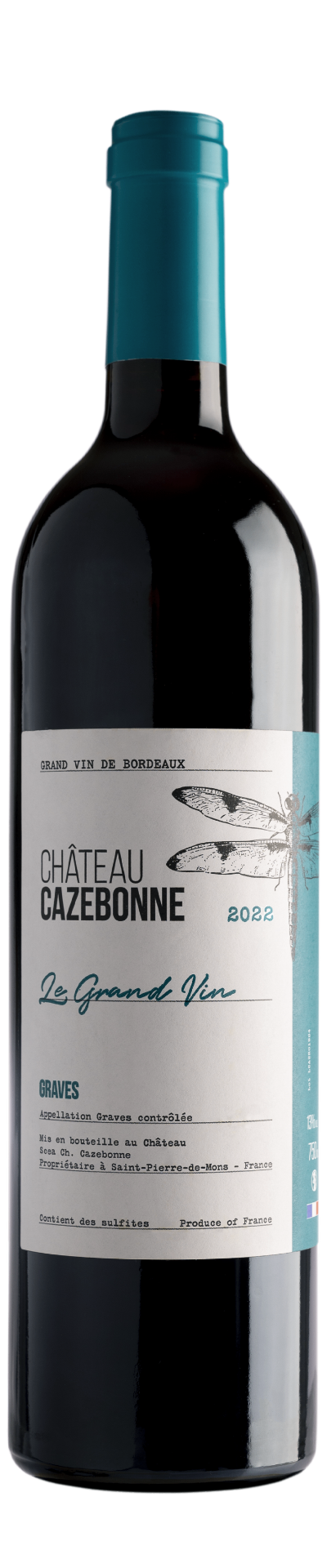 Our recommendation92/100 RVF
6 bottles — Graves red 2022, 92/100 RVF
Rated 92/100 by La Revue du vin de France: a solid 10-year ageing potential.
Our Graves for ageing, the finest gateway to the estate.
I want it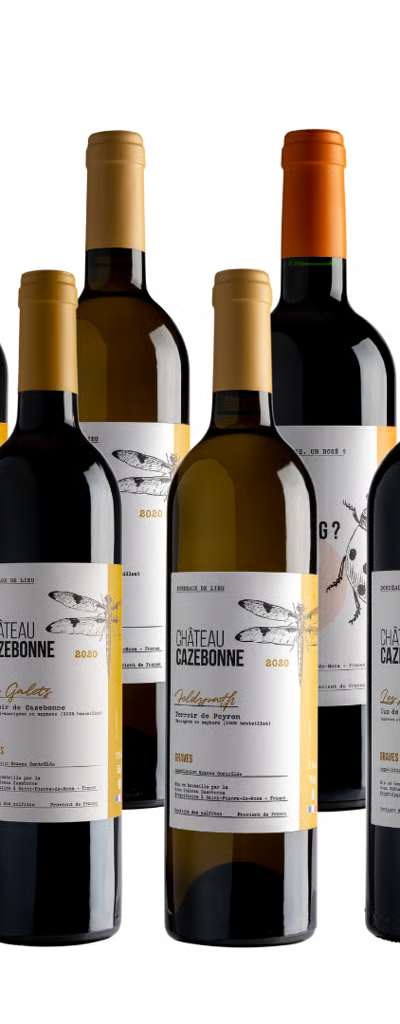 Go further
12 bottles — the whole range
12 bottles, the whole range tasted: the best discovery-to-price ratio.
The complete tour of the estate, in a single case.
I want it
26 September 2026
By Jean-Baptiste
The cellar, forgotten grape varieties and our cuvées, twice a month. 5% off your first order with the code BIENVENUE.