
 The essential92/100 RVF
Comme en 1900 red 2022
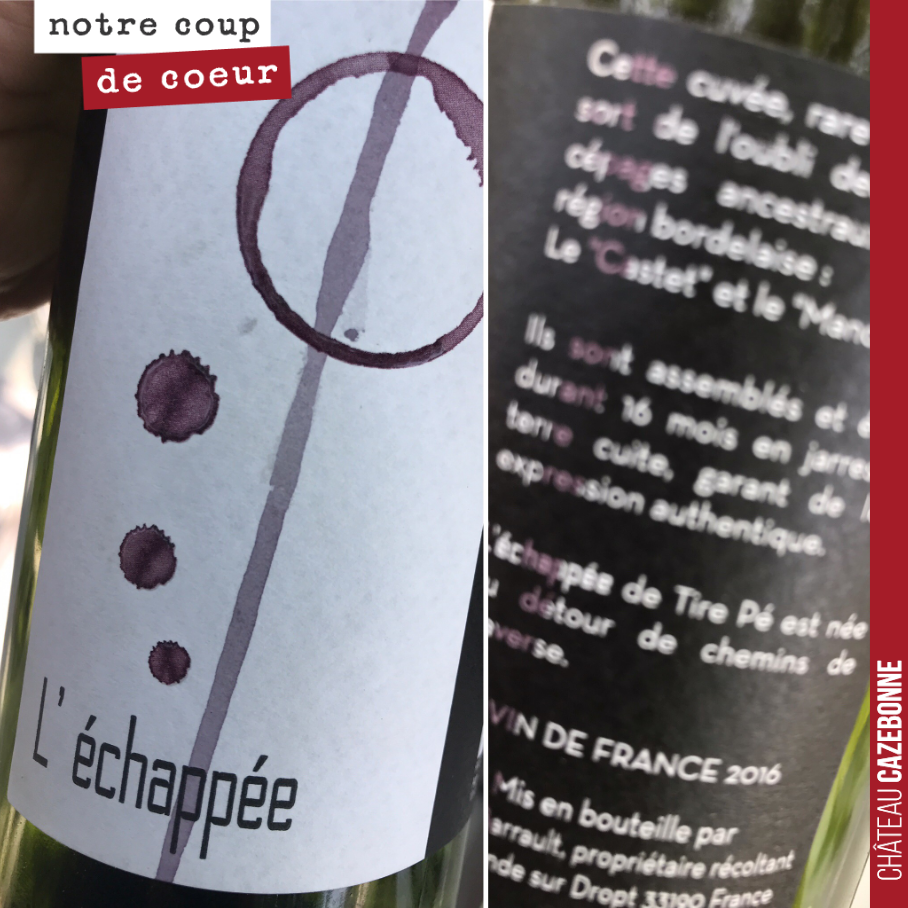
Vin de France — heritage grapes, 92/100 RVF
The pre-phylloxera Bordeaux blend, revived at the estate.
Castets, Mancin, Pardotte: the Bordeaux before Bordeaux.
I want itMancin
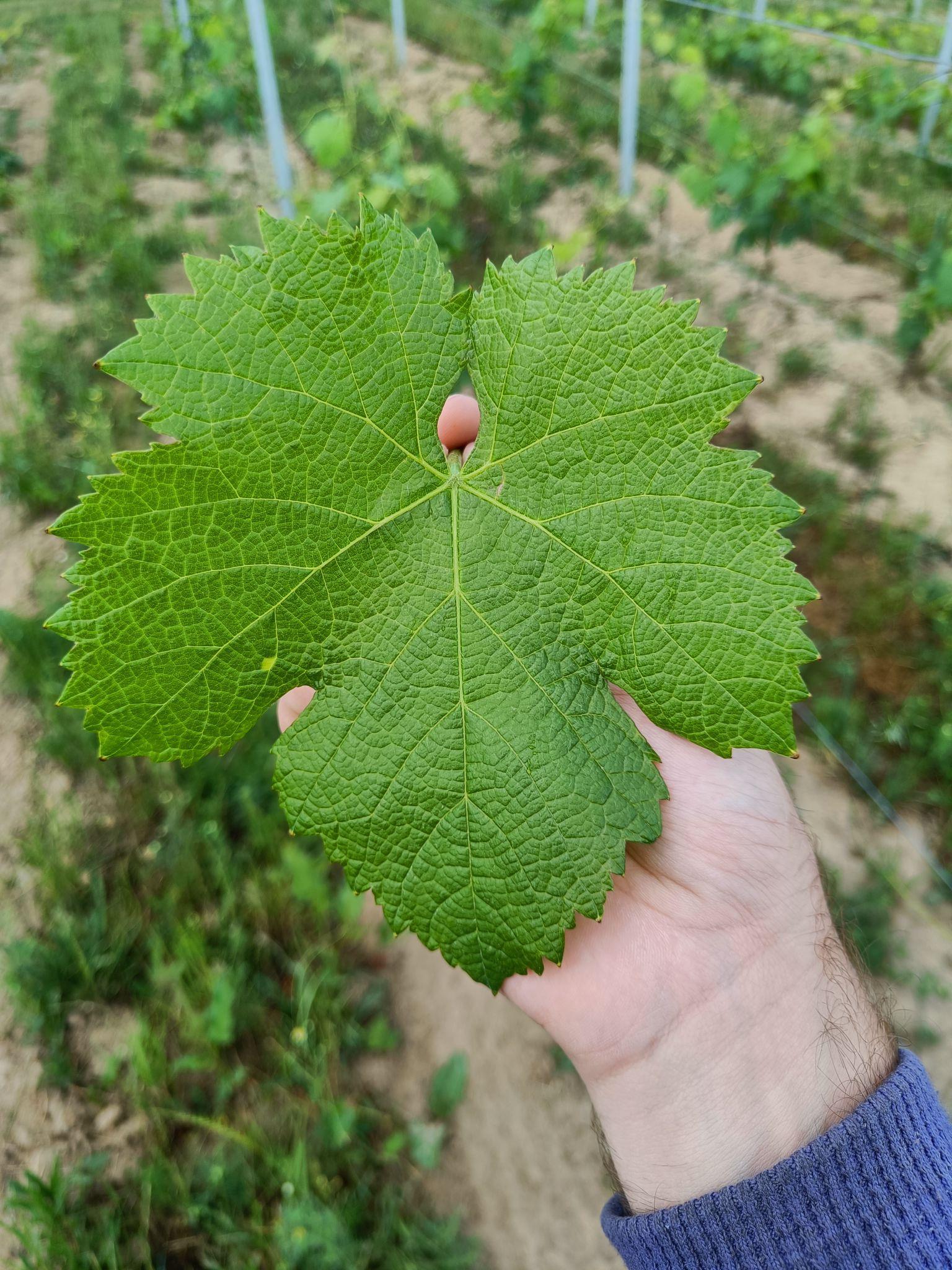
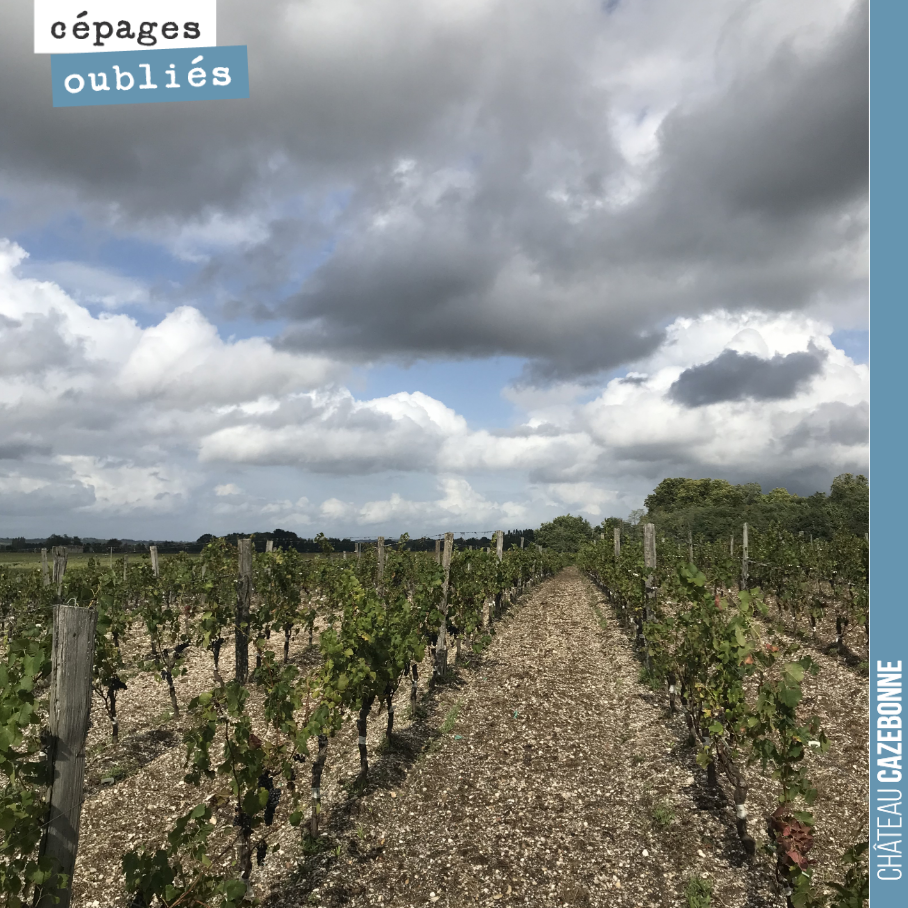
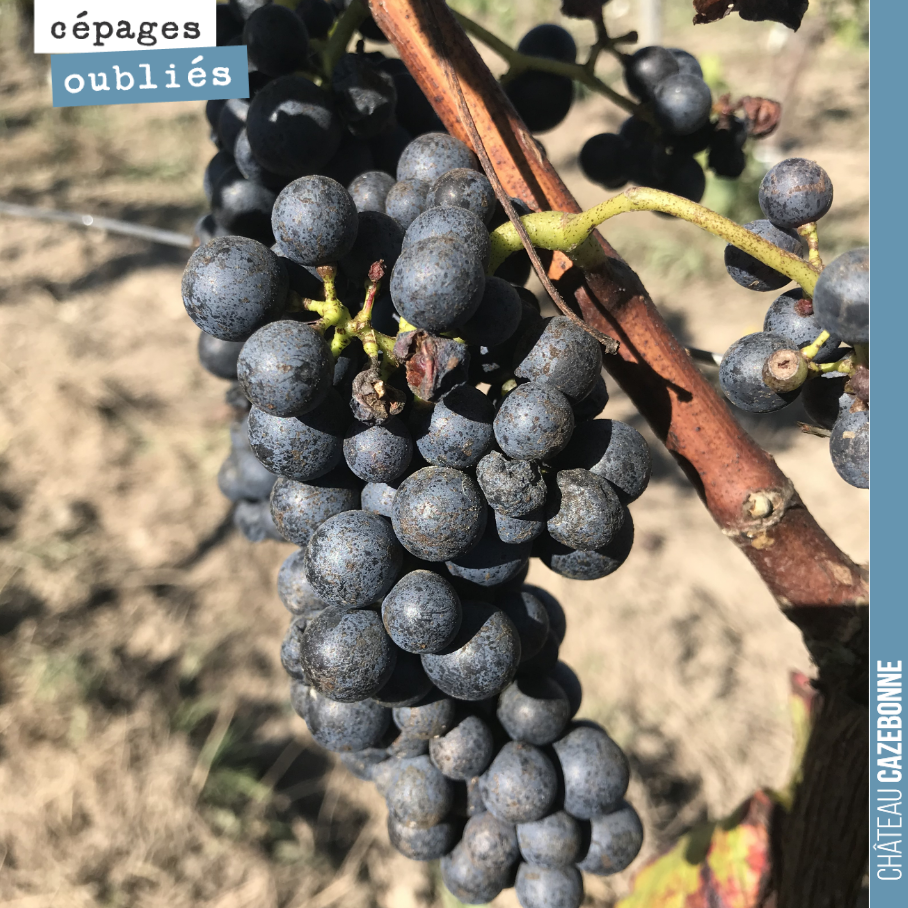
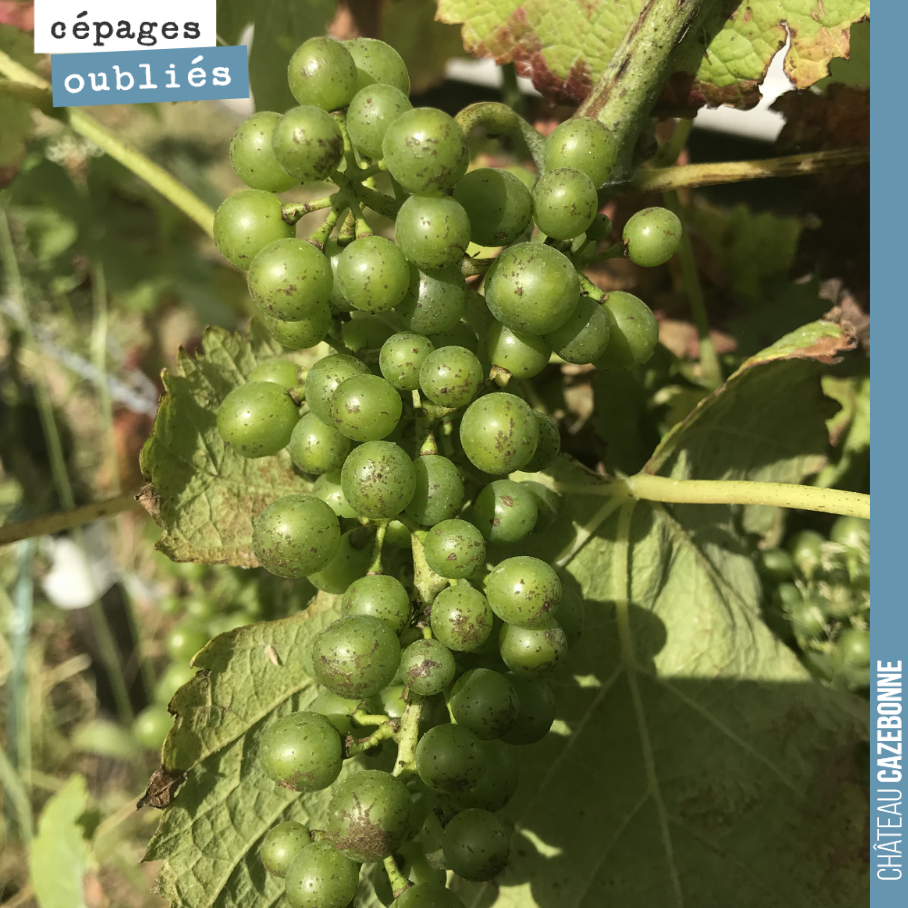
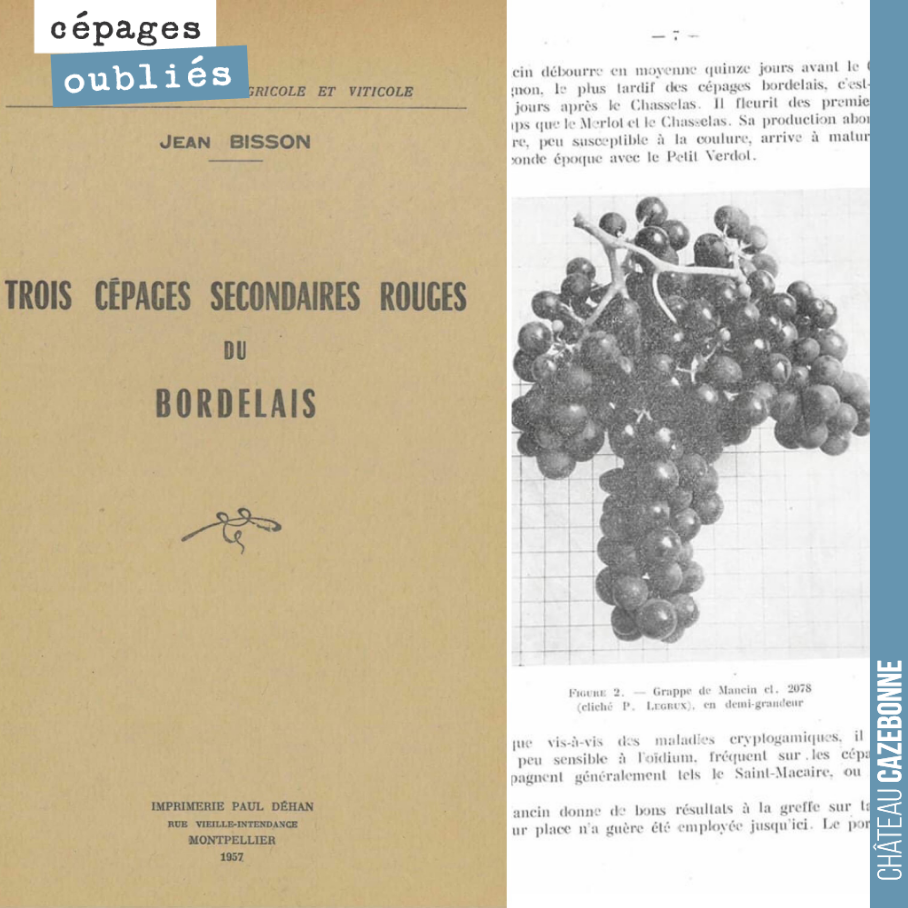
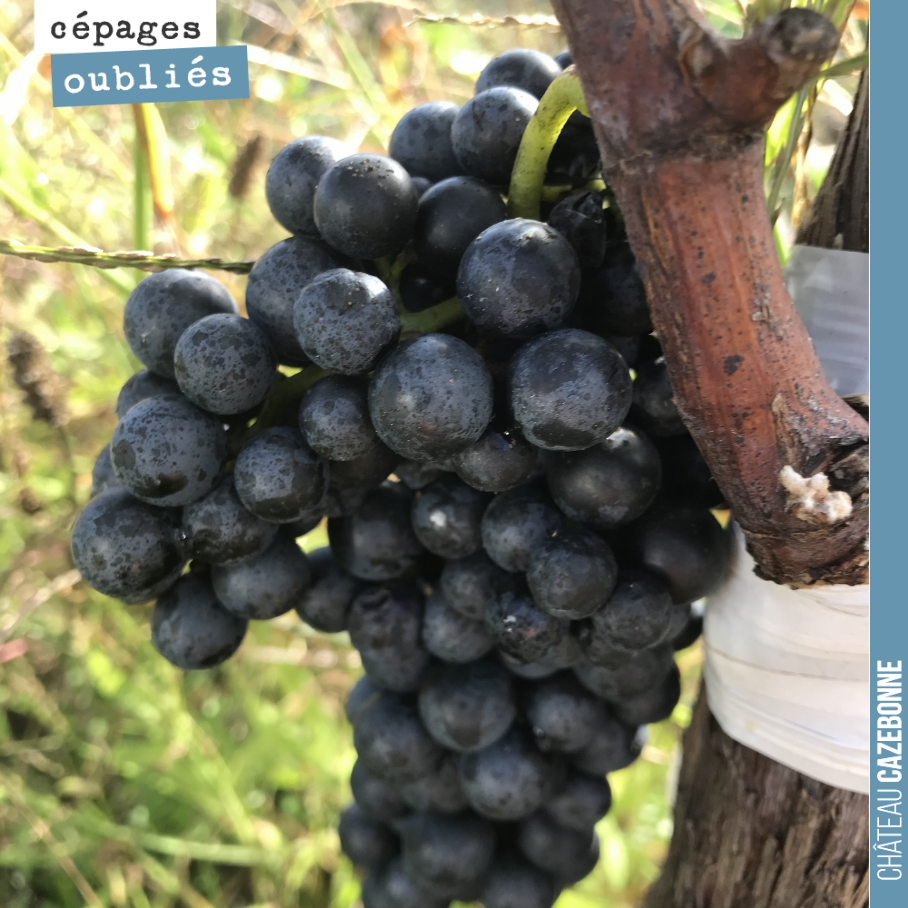
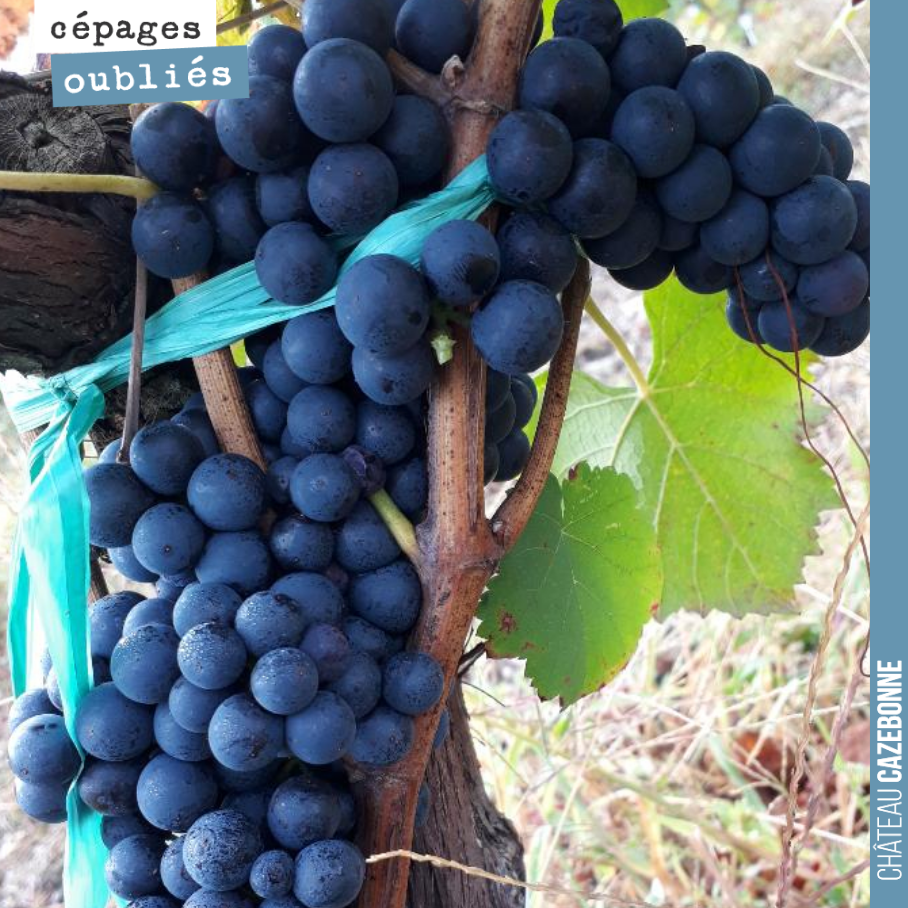
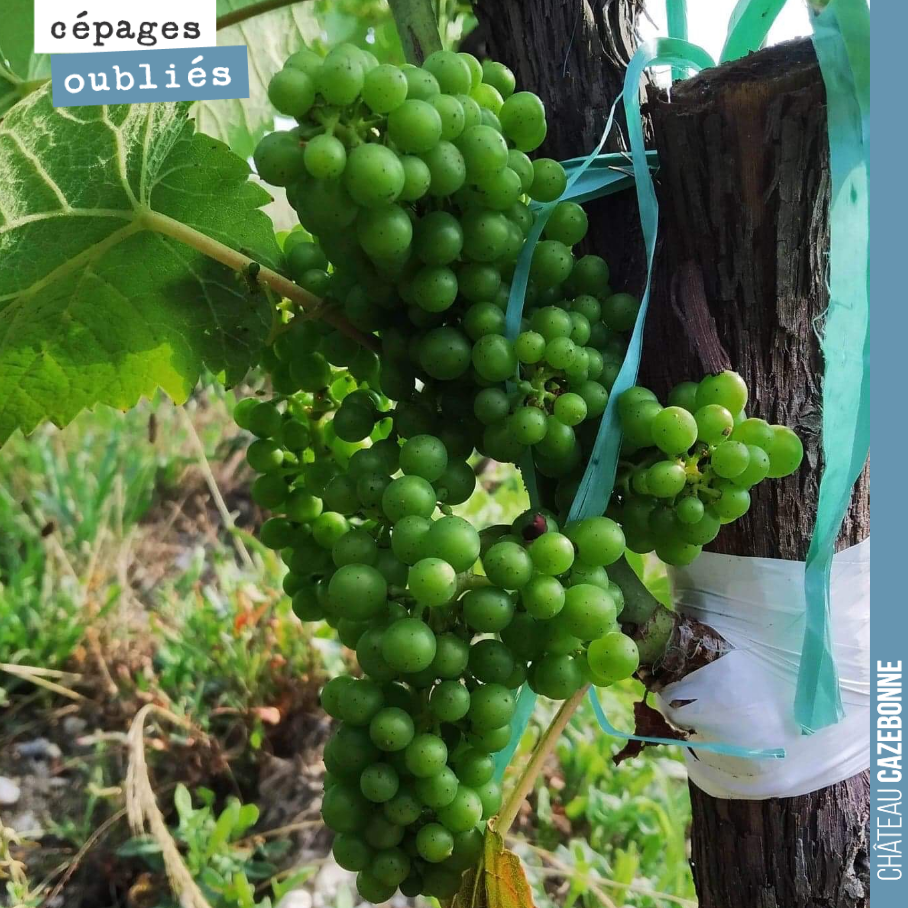
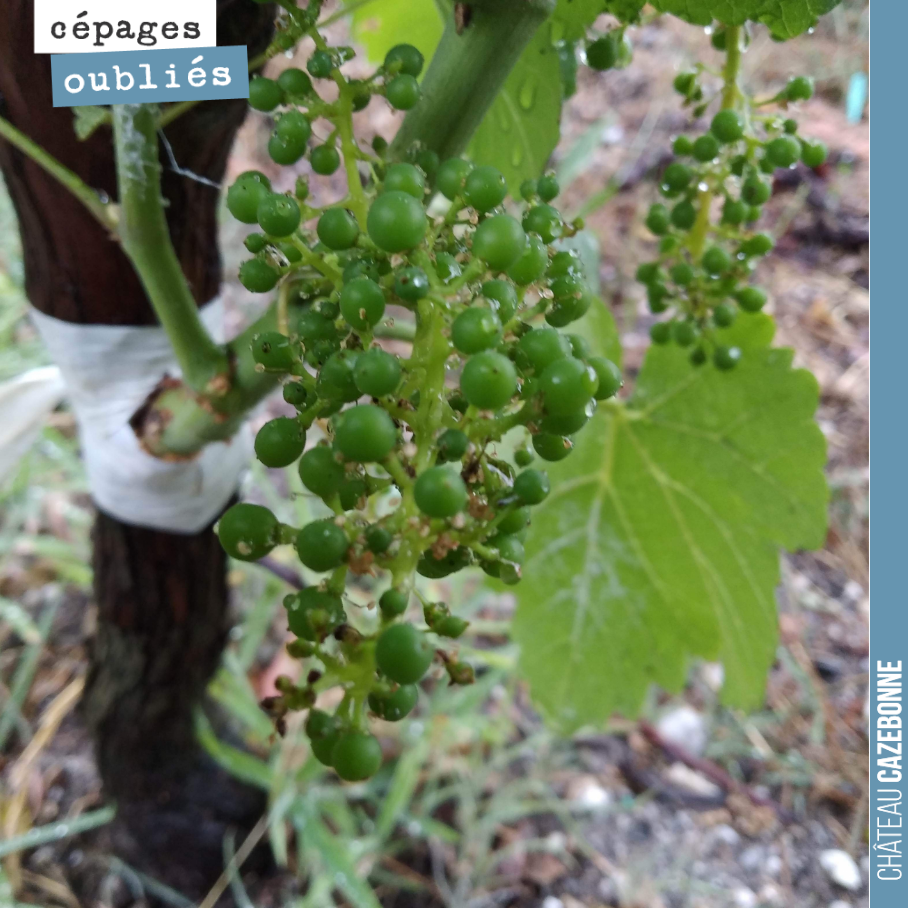
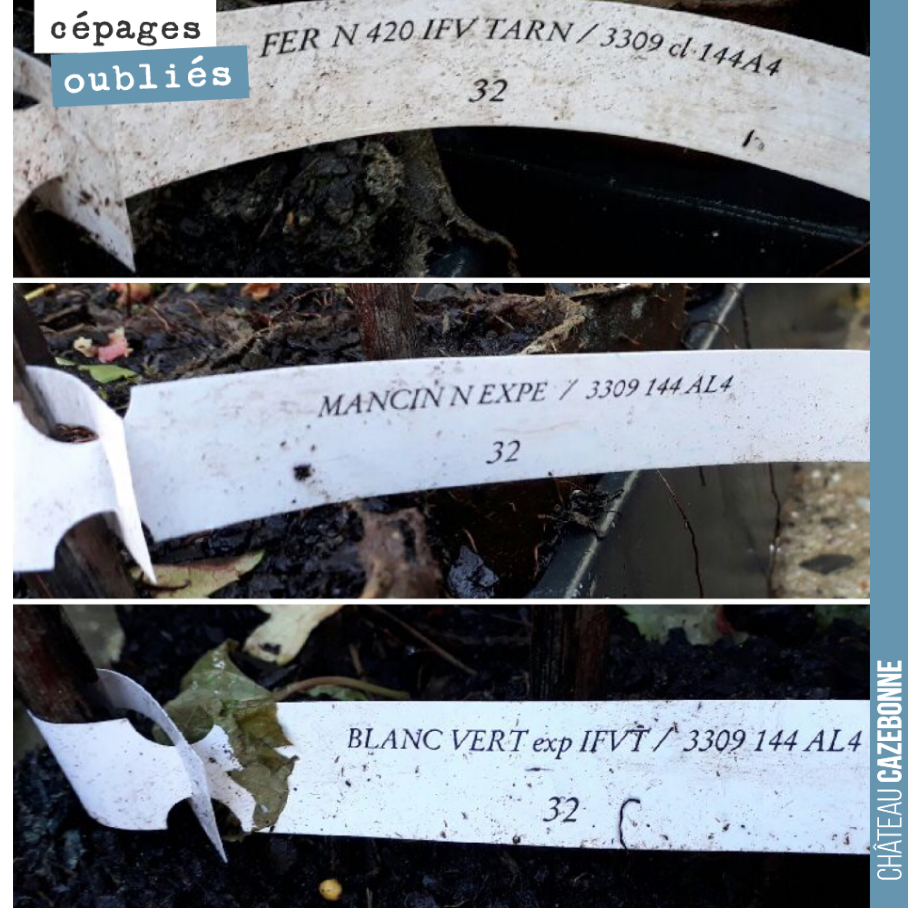
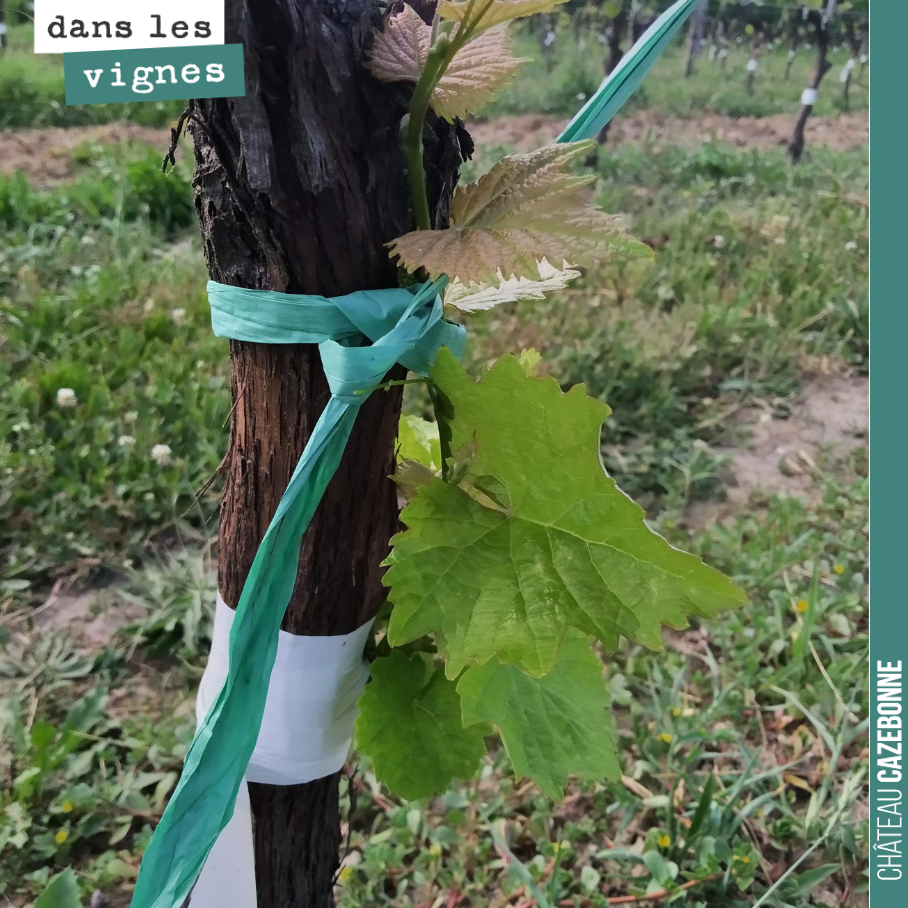
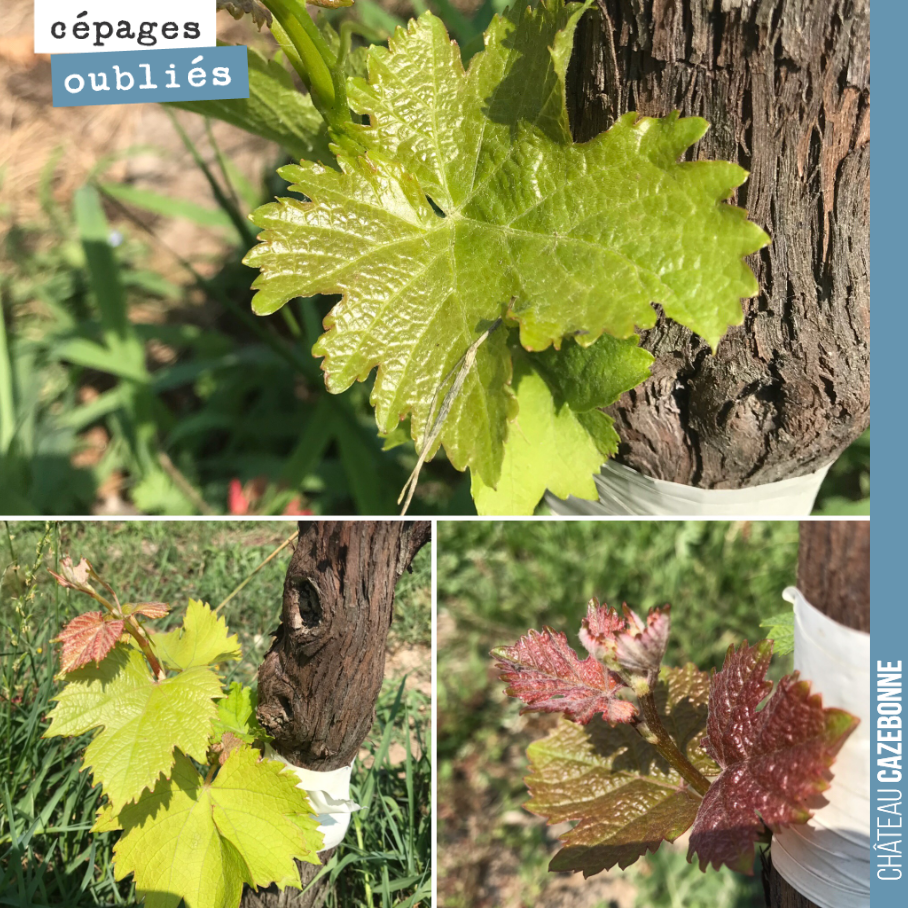
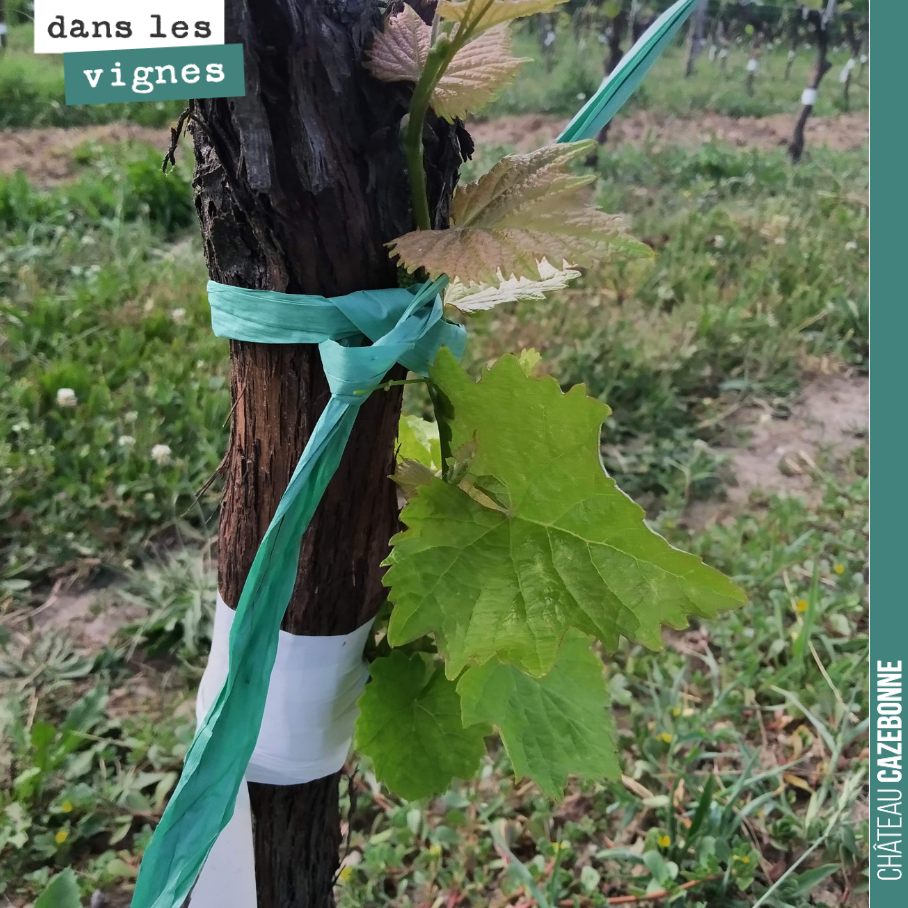
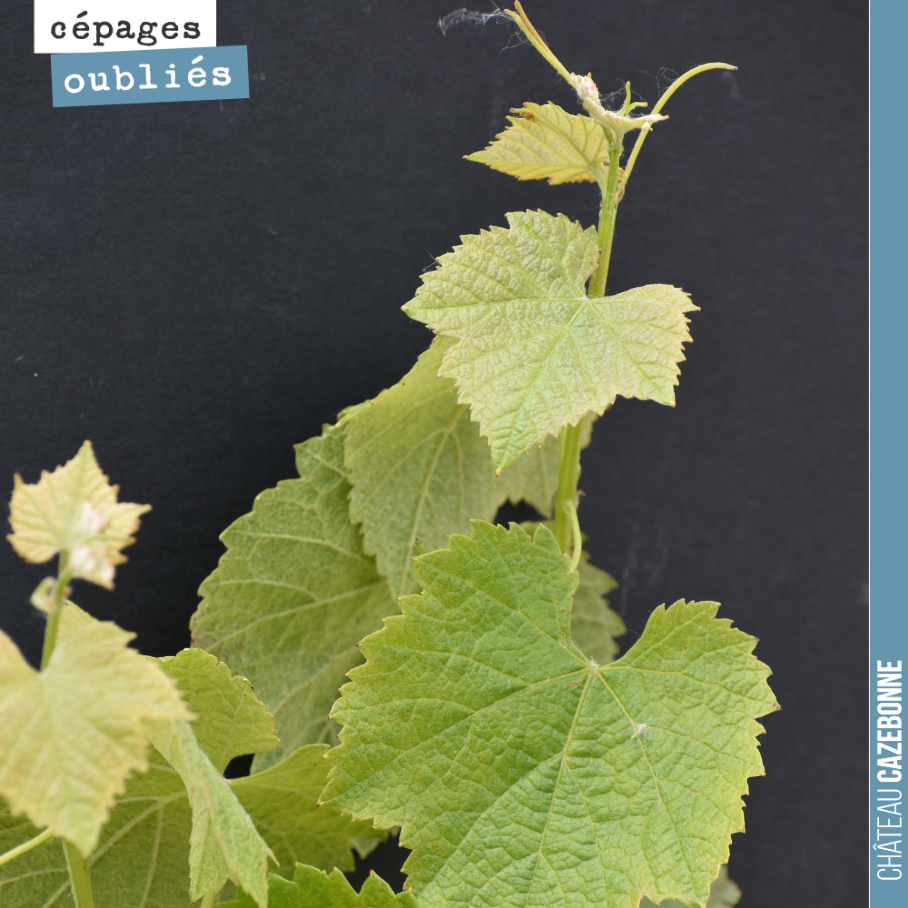
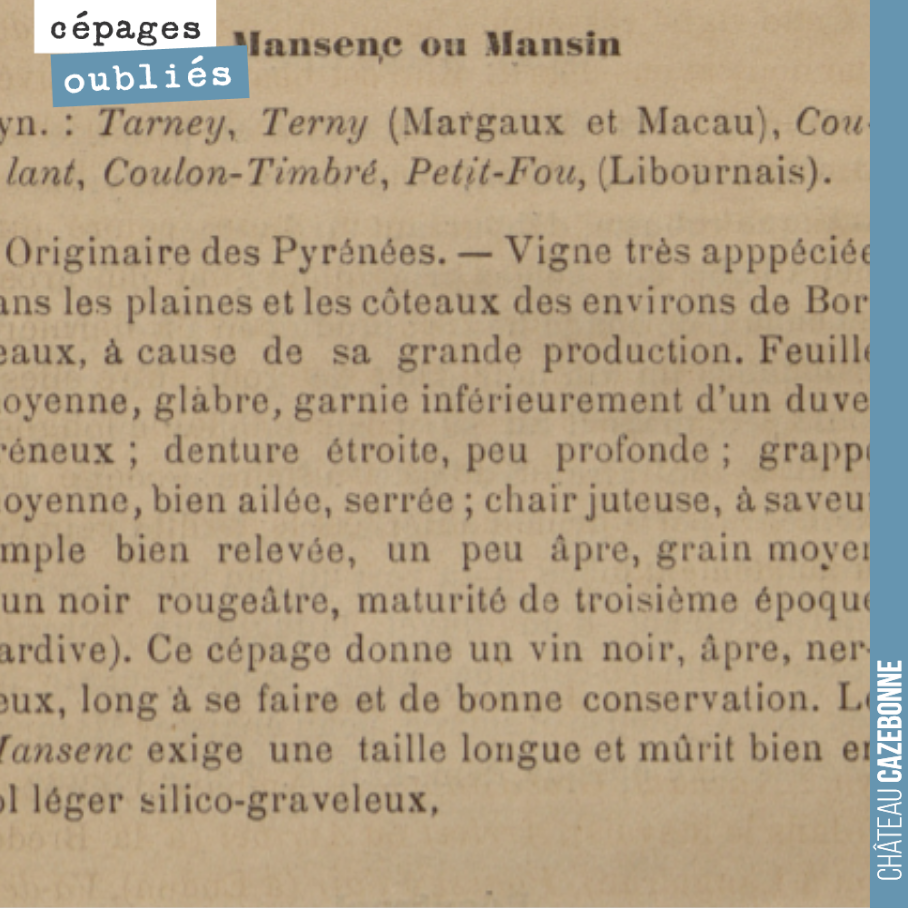
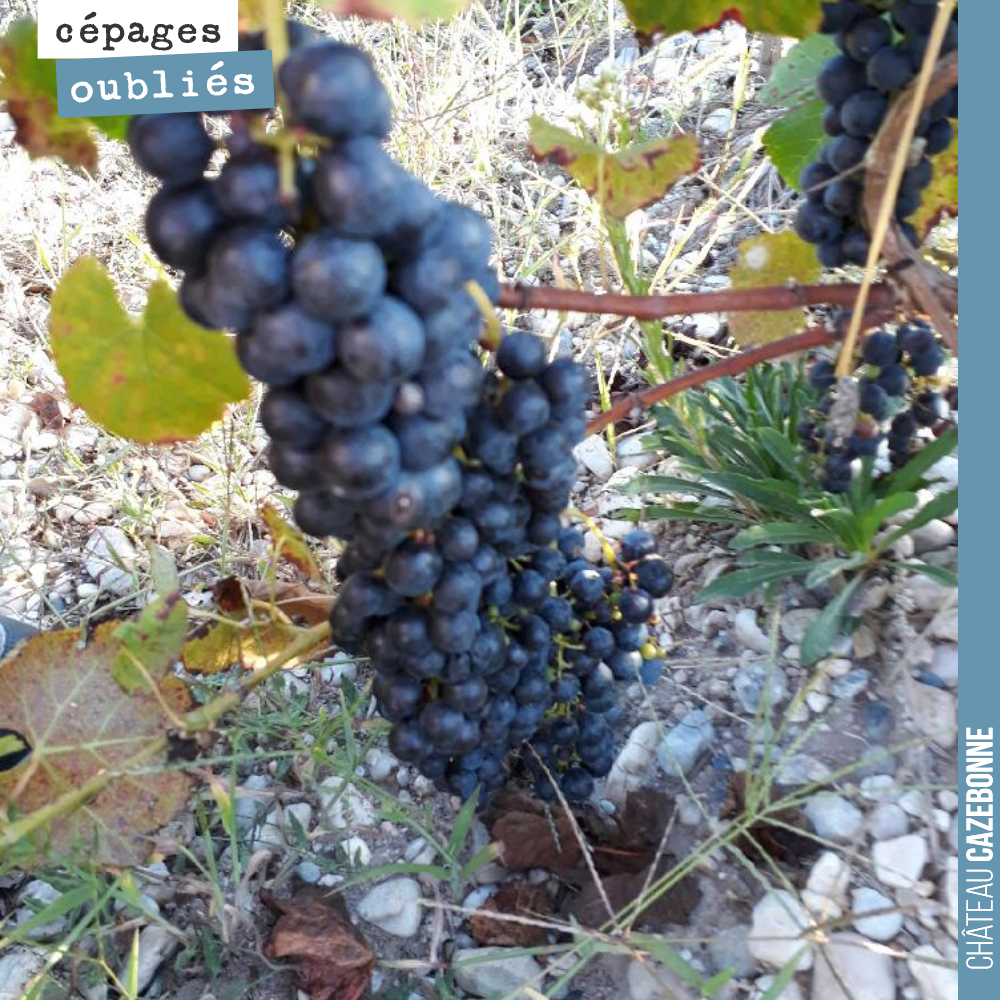
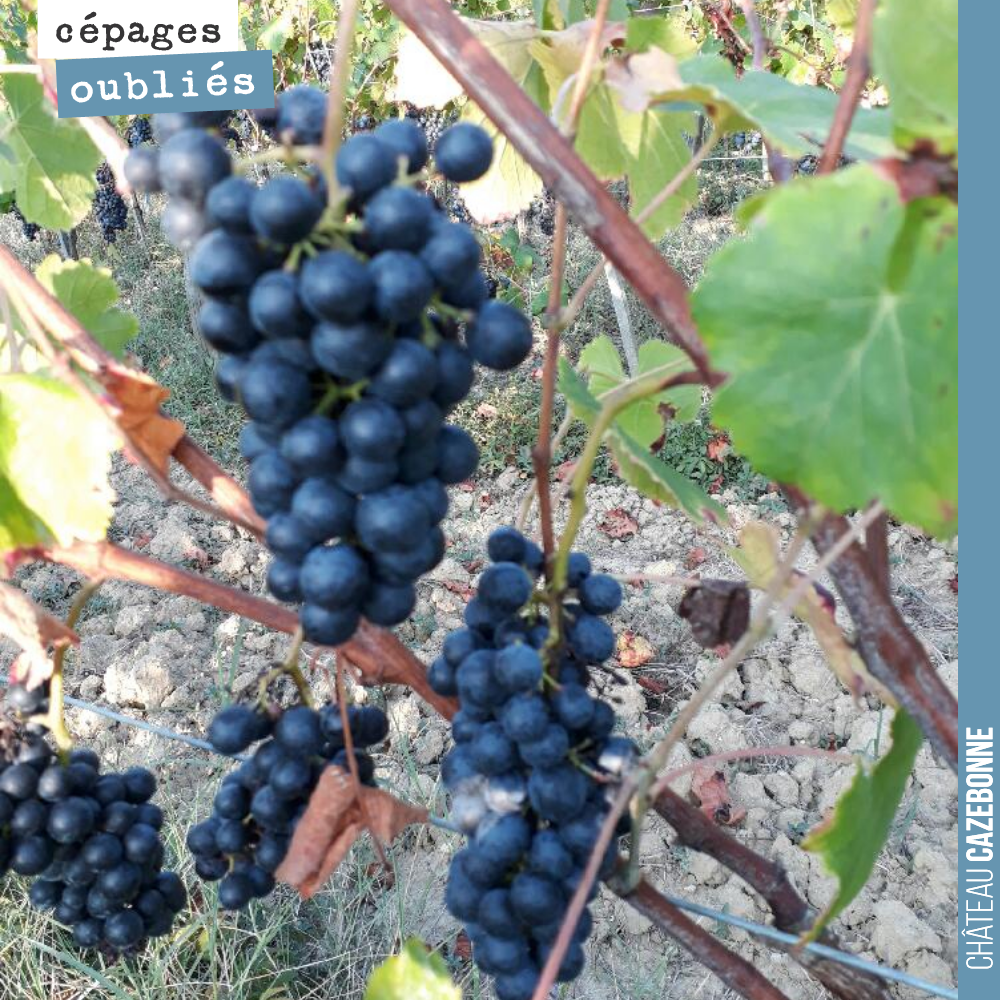
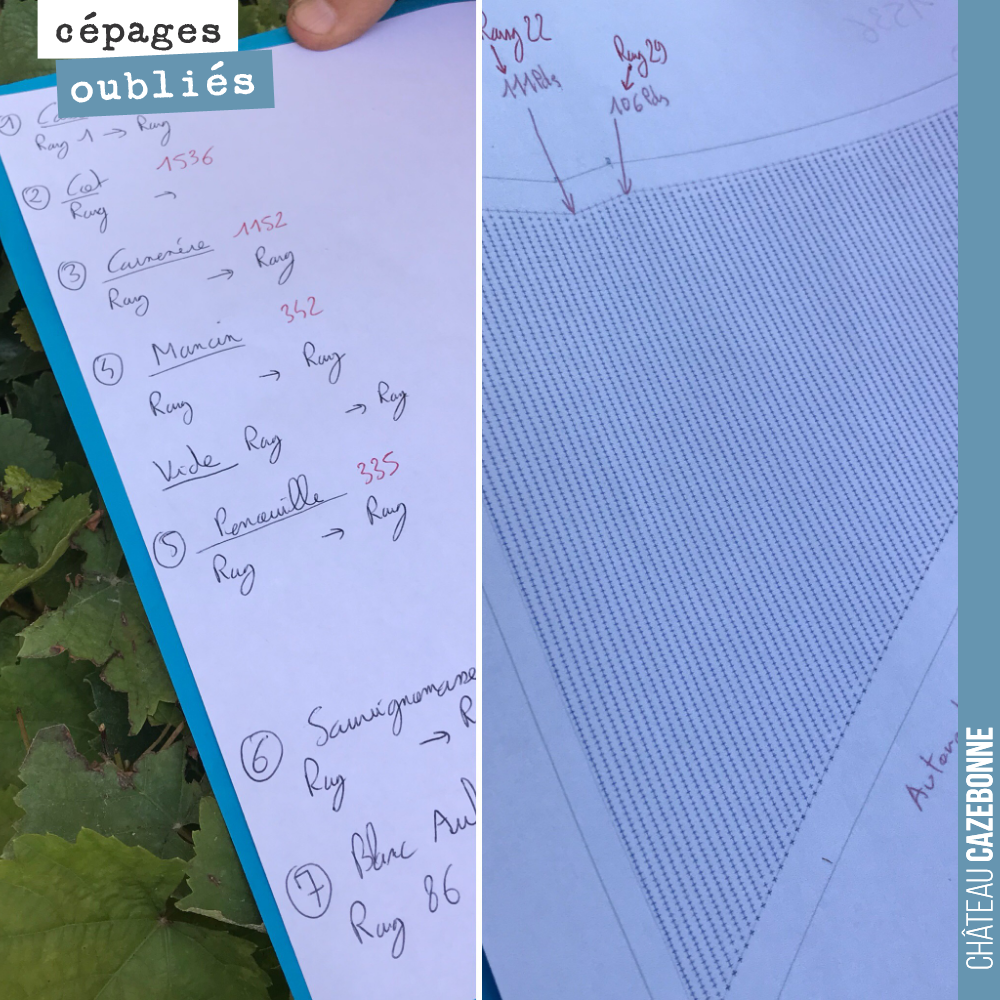
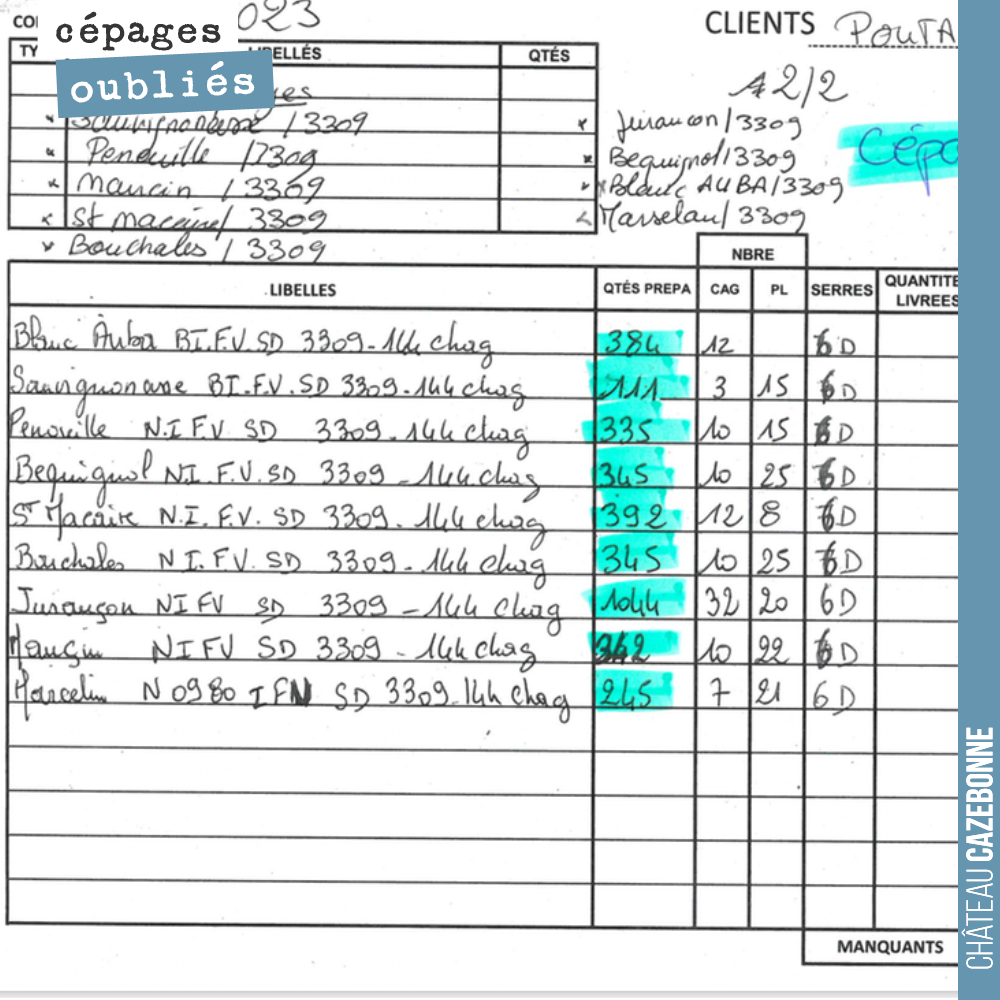
Mancin, also known as Moussin or Tarnei, is an ancient grape variety deeply rooted in Bordeaux's winemaking history. Despite its antiquity, its inherent qualities are more relevant than ever. Historically, its earliest mentions, dating back to the 18th century by the Abbé Bellet, testify to its longstanding presence in the Gironde, particularly in the palus soils.
This grape variety, often described as "coulant du Bas-Médoc" by Jean-Baptiste de Secondat in 1785, was initially perceived as difficult, not always ripening well. However, a better understanding of its behaviour and adapted vineyard management now reveal its potential, especially its capacity to adapt to changing climatic conditions.
| Characteristic | Description |
|---|---|
| Budburst | Early to medium (4 days after Chasselas) |
| Flowering | Early |
| Véraison | Medium to late |
| Ripening | Fairly late (3 and a half weeks after Chasselas), second epoch |
| Vigour | High |
| Growth habit | Erect, suited to long pruning |
| Downy mildew sensitivity | Good resistance but can be susceptible on the bunches |
| Powdery mildew sensitivity | Low |
| Botrytis sensitivity | High due to the compactness of its bunches |
| Black rot sensitivity | Low |
| Aromatic profile | Deeply coloured, fresh wine, aromas of red fruits, floral notes (violet, rose, peony), good acidity |
| Winemaking potential | Produces well-coloured, fruity red wines, with good tannic structure and an agreeable freshness. Can be interesting in a blend to provide acidity and colour. |
Mancin is a grape variety with strong potential, notably thanks to its resistance to certain diseases such as powdery mildew and black rot. Its vigour and erect growth habit make it a relatively easy vine to train. However, its high sensitivity to botrytis requires special attention to canopy management and bunch compactness, which can be prone to rot in wet weather.
From an oenological perspective, Mancin produces pleasantly coloured red wines, offering a beautiful aromatic palette dominated by red fruits and floral notes. Its good acidity lends a welcome freshness on the palate, which is particularly relevant in the context of global warming. It can thus bring a touch of vitality and balance when blended with other Bordeaux grape varieties.
Château Cazebonne is committed to rediscovering and promoting these forgotten grape varieties. This work, which we share in our book "Bordeaux, une histoire de cépages", is made possible thanks to the support of enthusiasts who embrace our wines and can also test their knowledge via our oenological quizzes. We invite you to discover the diversity of our production in our online shop.
Sources
Our suggestions
-5%on your 1st order with code BIENVENUE
The essential92/100 RVFVin de France — heritage grapes, 92/100 RVF
The pre-phylloxera Bordeaux blend, revived at the estate.
Castets, Mancin, Pardotte: the Bordeaux before Bordeaux.
I want it Our recommendation
IGP Atlantique — rare grape variety
A forgotten grape brought back: dense colour, wild fruit.
For the curious about lost grape varieties.
I want it Go further
12 bottles — the whole range
12 bottles, the whole range tasted: the best discovery-to-price ratio.
The complete tour of the estate, in a single case.
I want it
08 June 2023

23 September 2022
23 May 2021
02 February 2021
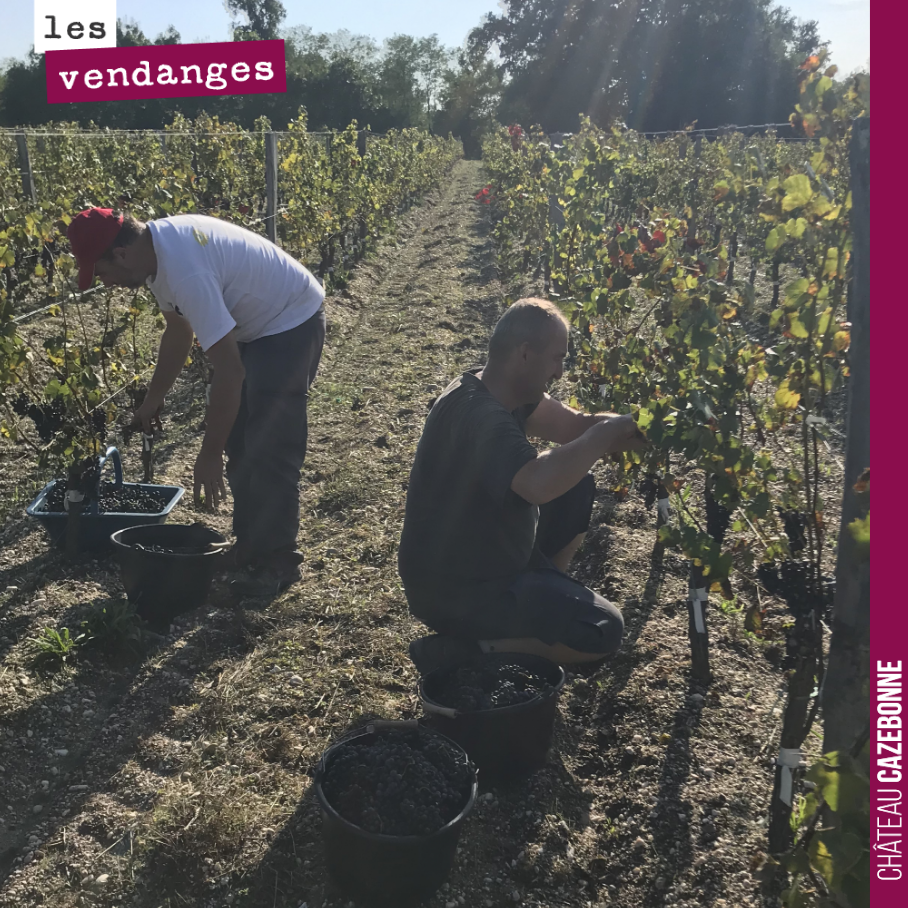
04 October 2020
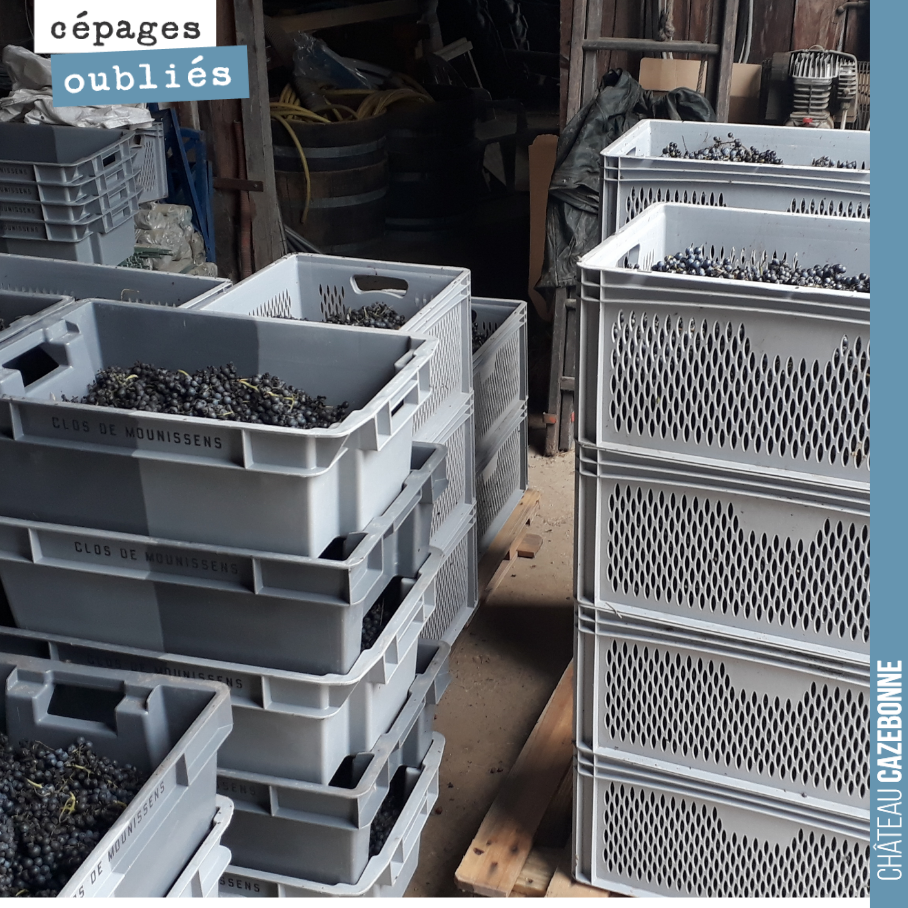
02 October 2020
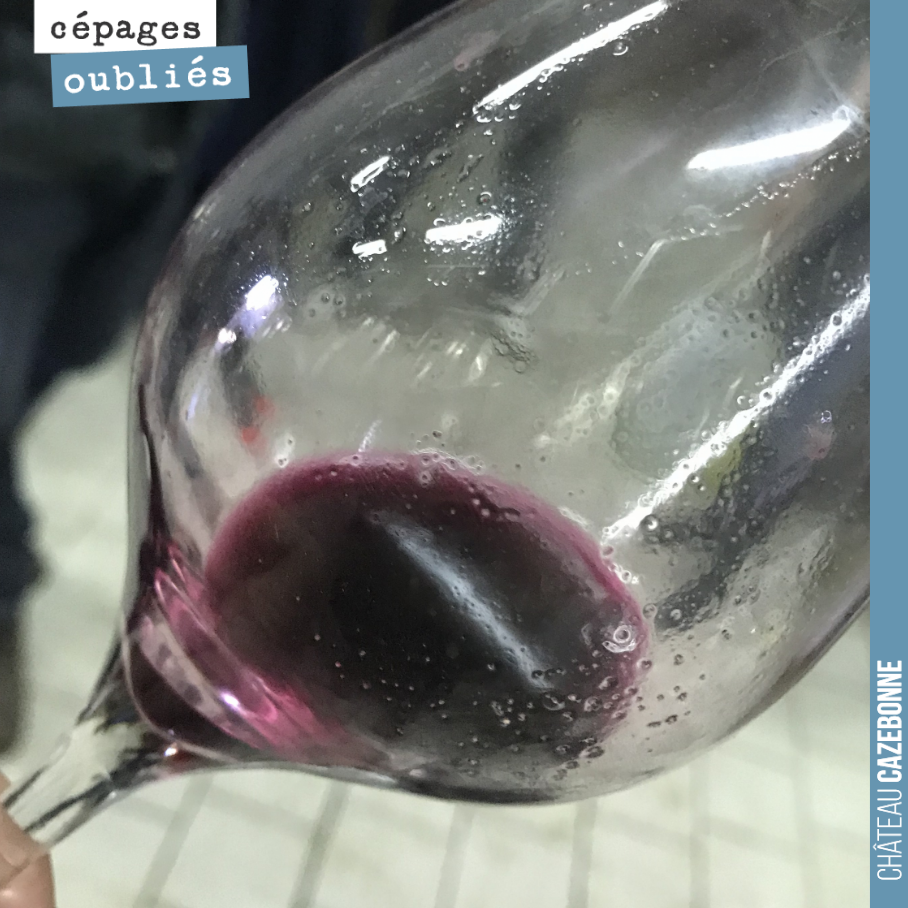
01 October 2020
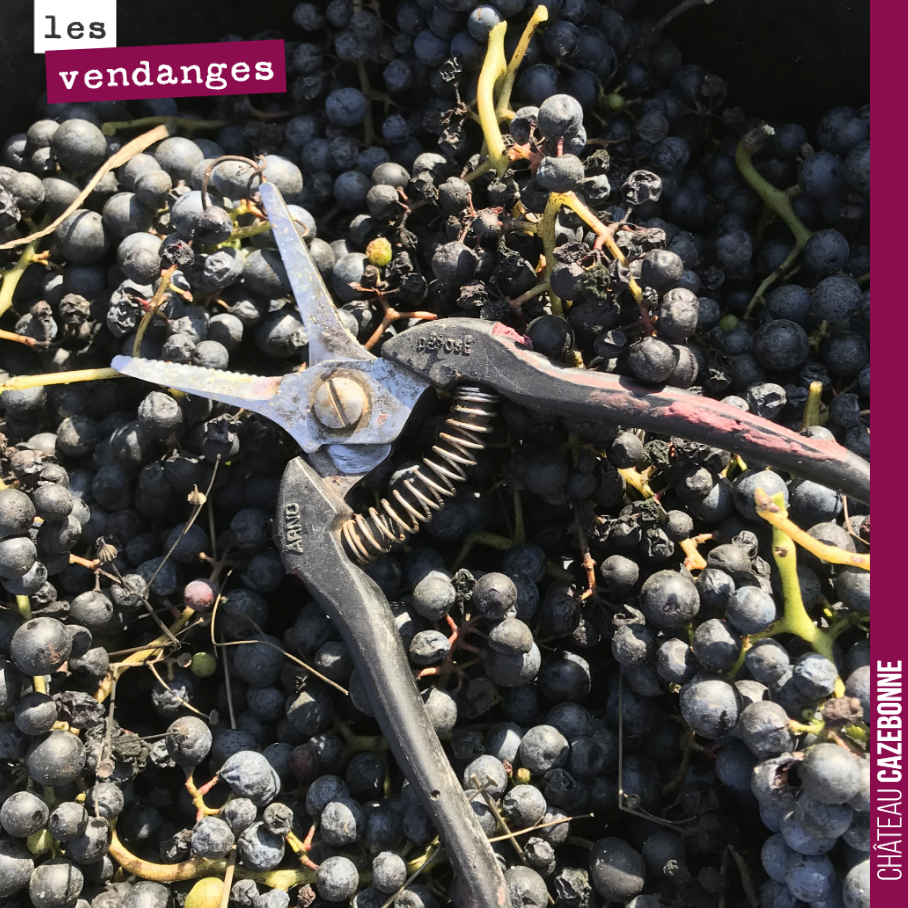
30 September 2020
30 September 2020
21 September 2020
16 July 2020
07 July 2020
20 May 2020
06 February 2020
19 October 2019
27 September 2019
07 August 2019
29 July 2019
26 July 2019
14 July 2019
12 July 2019
11 July 2019
10 July 2019
05 July 2019
04 July 2019
25 June 2019
24 June 2019
17 June 2019
22 May 2019
09 February 2019
28 January 2019
26 January 2019
26 January 2019
23 January 2019
10 January 2019
08 November 2018
28 September 2018
22 September 2018
04 September 2018
13 July 2018
13 July 2018
22 June 2018
The cellar, forgotten grape varieties and our cuvées, twice a month. 5% off your first order with the code BIENVENUE.