
 The essential
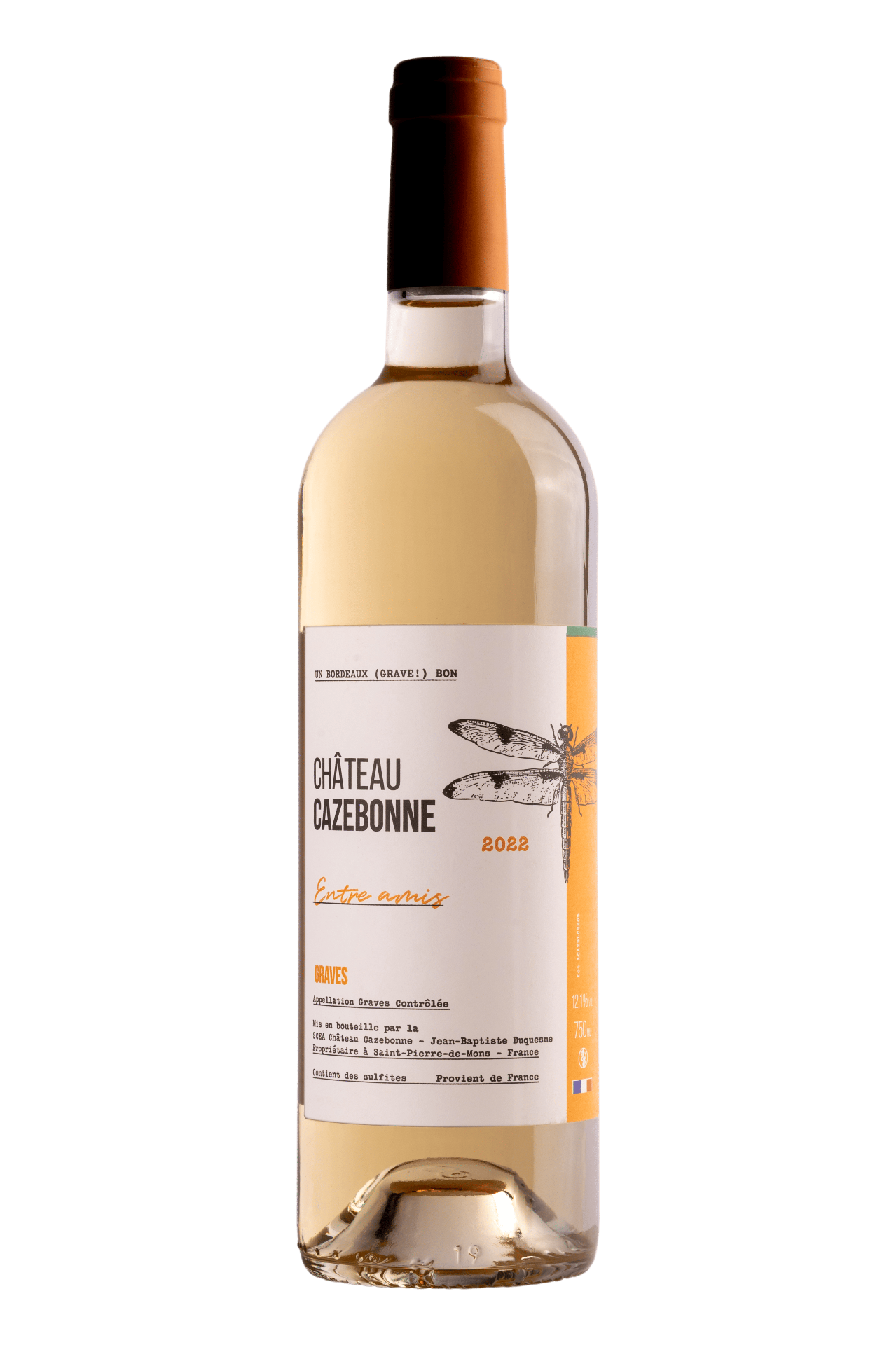
Entre Amis white 2024
Graves white 2024
Crisp and saline: the easy aperitif, at a gentle price.
The estate's thirst-quenching white, open it without thinking.
I want itSemillon rose
The Bordeaux vineyard, rich in history and genetic heritage, is often associated with its iconic grape varieties, whether red such as Merlot and Cabernet Sauvignon, or white such as Sémillon and Sauvignon. Yet, beyond these emblematic figures lies a forgotten diversity, where grape varieties once widespread are re-emerging. Among them is Sémillon Rose, a rare gem that bears witness to the unsuspected richness of Gironde terroirs. This grape variety, a mutation of Sémillon Blanc, features a skin delicately tinted with pink, offering a distinct aromatic expression and a subtle hue to the wines it produces.
Historically, Bordeaux white wines were the result of complex blends, as reported by William Franck in 1824, who mentioned Sémillon alongside Cruchinet, Verdelette, and Prueras (Source 1). Sémillon Blanc has always been a major variety in the region, particularly for the production of the great sweet wines of Sauternes, where it is often blended with Sauvignon and Muscadelle (Source 2). However, variations of this grape variety are numerous, and Sémillon Rose, although less documented than its white counterpart, was part of this genetic palette that shaped the Bordeaux vineyard over the centuries.
The presence of these lesser-known or "forgotten" grape varieties highlights an era when diversity reigned supreme in the vineyards. Before the standardisation imposed by appellation decrees and viticultural crises, every plot and every winegrower could experiment with a multitude of varieties. Sémillon Rose offers an opportunity to rediscover unprecedented flavour profiles, combining the richness and unctuous texture of classic Sémillon with singular aromatic nuances and colour.
| Characteristic | Description |
|---|---|
| Budburst | Early, similar to Sémillon Blanc, making it susceptible to spring frosts. |
| Flowering | Early. |
| Veraison | Early to mid-season. The skin takes on a distinct pinkish hue. |
| Ripening | Early to mid-season. Reaches excellent ripeness with good sugar accumulation while retaining attractive acidity. |
| Vigour | Medium to high. |
| Growth habit | Erect, facilitating good leaf canopy exposure. |
| Downy mildew susceptibility | Moderately susceptible, similar to Sémillon Blanc. |
| Powdery mildew susceptibility | Moderately susceptible. |
| Botrytis susceptibility | Highly susceptible to grey rot, especially in wet conditions late in the growing cycle. Can also develop noble rot under specific conditions, like its relative Sémillon Blanc. |
| Black rot susceptibility | Fairly susceptible. |
| Aromatic profile | Expressive wines, combining classic Sémillon notes (citrus, white flowers, honey) with delicate red fruit hints and a minerality sometimes enhanced by its pink skin. |
| Winemaking potential | Allows the production of dry wines where roundness is balanced by vibrant freshness, as well as rosé or orange wines with subtle, complex hues. Can also contribute to sweet wines with a unique colour. |
Sémillon Rose is a natural variation of Sémillon Blanc that arose spontaneously through mutation. Such mutations are not unique in the history of Bordeaux grape varieties; similar phenomena are found with Sauvignon Rouge or Mauzac Rose. Count Odart, a renowned 19th-century ampelographer, documented a great number of grape varieties cultivated in his time, testifying to the varietal wealth of the era. The reintegration of these varieties, such as Sémillon Rose or other forgotten grapes like Sauvignon Gris, represents a real asset in adapting vineyards to the challenges of climate change, by opening up new winemaking avenues and novel aromatic profiles.
At Château Cazebonne, we are passionate about this living history and varietal heritage. That is why we are dedicated to reintroducing and celebrating these grape varieties—sometimes labelled "lost" or "forgotten"—which nevertheless built Bordeaux's renown. This meticulous work of research, planting, and vinification, as with Sémillon Rose, is made possible thanks to a community of enlightened enthusiasts who share our vision of viticulture rooted in tradition yet resolutely looking towards the future. By cultivating these rare varieties, we seek not only to preserve a piece of history, but also to explore new expressions of our terroir, tailored to current and future climatic challenges.
Come and discover the unique expression of our terroirs and grape varieties, both traditional and rediscovered, through our online wine shop. To deepen your knowledge of the incredible diversity of Bordeaux vine varieties and their fascinating history, we invite you to order the book "Bordeaux, une histoire de cépages". And to test your knowledge, feel free to dive into our wine quizzes, which will reveal the secrets of the vine and wine.
Sources
Our suggestions
-5%on your 1st order with code BIENVENUE
The essentialGraves white 2024
Crisp and saline: the easy aperitif, at a gentle price.
The estate's thirst-quenching white, open it without thinking.
I want it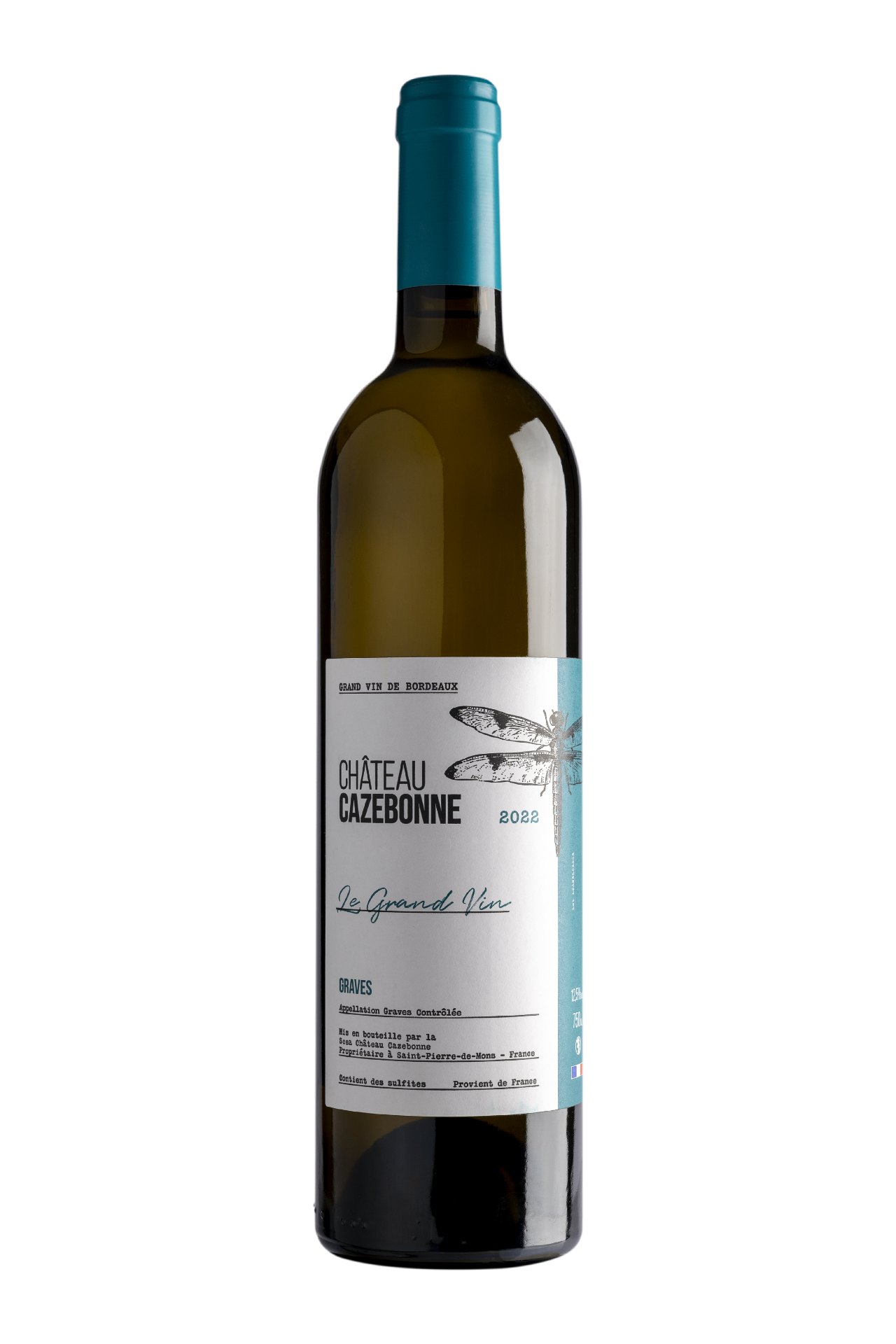 Our recommendation92/100 RVF
Graves white 2022, 92/100 RVF
Rated 92/100 by La Revue du vin de France: old-vine Sémillon.
The great Graves white: taut and deep.
I want it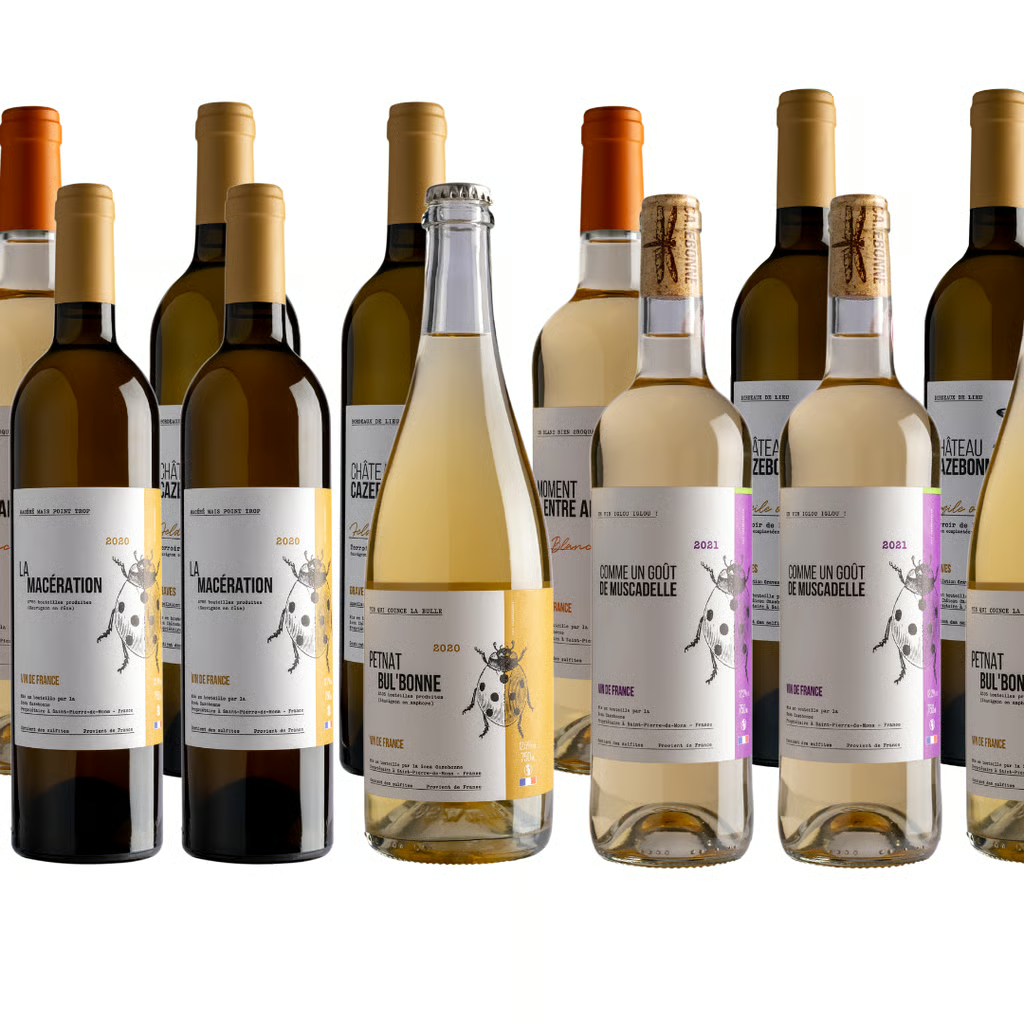 Go further
12 bottles — plot selection
All our organic whites together: the complete plot-by-plot flight.
To explore Sémillon in all its forms.
I want itThe cellar, forgotten grape varieties and our cuvées, twice a month. 5% off your first order with the code BIENVENUE.