The Seasons that Shaped the 2023 Vintage
The 2023 growing season in Bordeaux was characterised by climatic contrasts, requiring constant observation and agile vineyard management from growers. The vegetative cycle began under the auspices of a mild spring, promoting early budburst and uniform flowering. However, May and June were marked by severe downy mildew pressure due to recurrent rainfall and mild temperatures. This situation demanded frequent vineyard treatments and heightened vigilance to protect the vines. July brought welcome warmth alongside scattered thunderstorms, while August stood out with high temperatures and generous sunshine, ideal for berry ripening. These fluctuating conditions highlighted the resilience of the vines and the capacity of the terroirs to express their potential in the face of weather anomalies.
Characteristics of the 2023 Vintage Wines
Dry White Wines
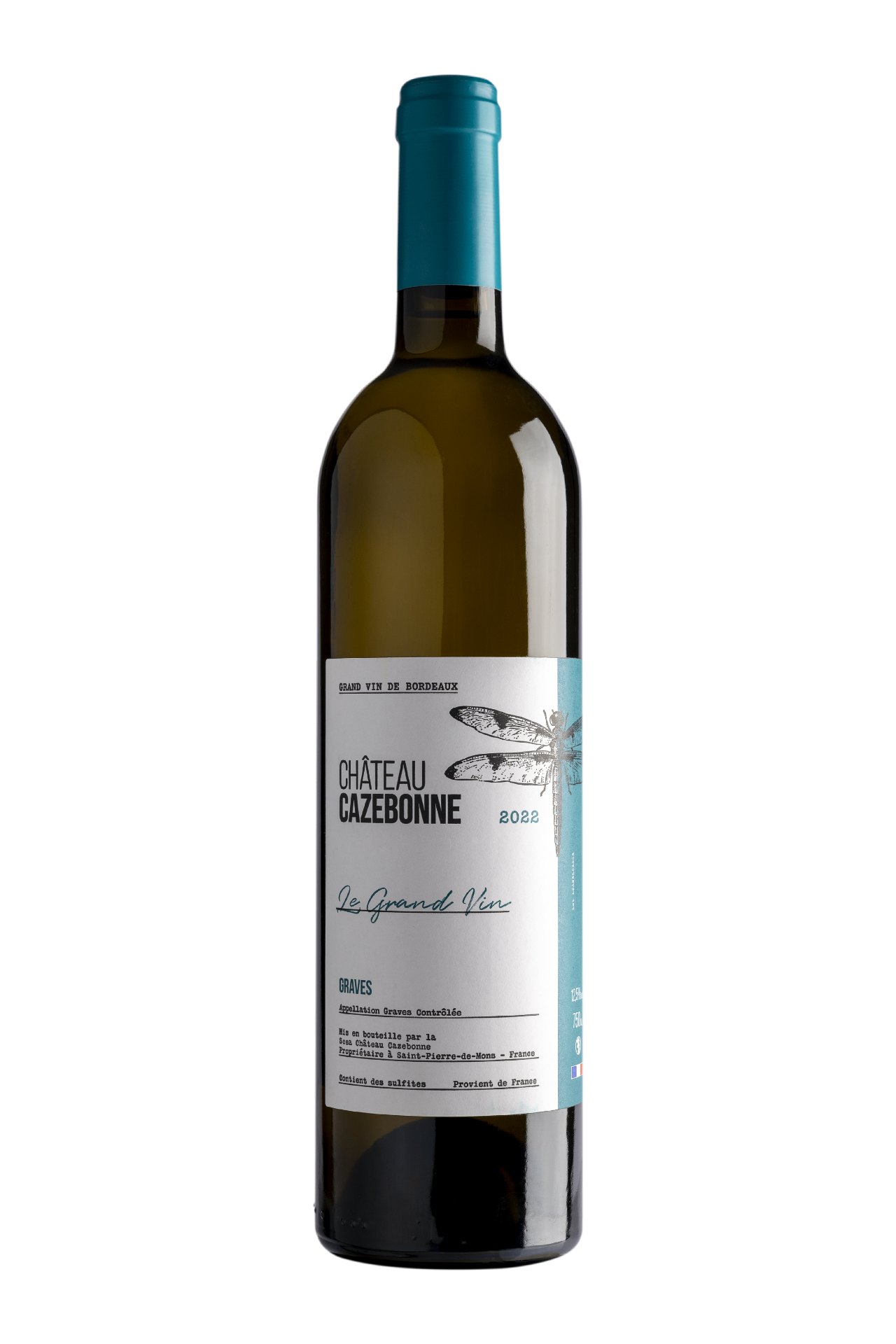
The 2023 dry white wines show great promise. An early harvest, carried out before the peak heatwaves of August for some plots, helped preserve aromatic freshness and crisp acidity. We can expect vibrant wines endowed with fine aromatic intensity, where notes of citrus and exotic fruit express themselves fully, underpinned by the signature minerality of great Graves terroirs. Varieties such as Sémillon and Sauvignon achieved excellent ripeness while maintaining their vivacity.
Red Wines
Despite the challenges faced during spring, the 2023 red wines are set to offer fine quality, without the sheer power of the 2022s. Late summer and early autumn provided ideal conditions for a slow, steady ripening of the Cabernets and Merlots. The berries, though occasionally smaller due to dry summer spells, showed concentrated colour and tannins. Growers who successfully managed downy mildew pressure and meticulously tended their vines throughout the season will deliver fruit-forward wines with harmonious tannic structure and refreshing acidity, reflecting the restored balance of the vintage.
Sweet Wines
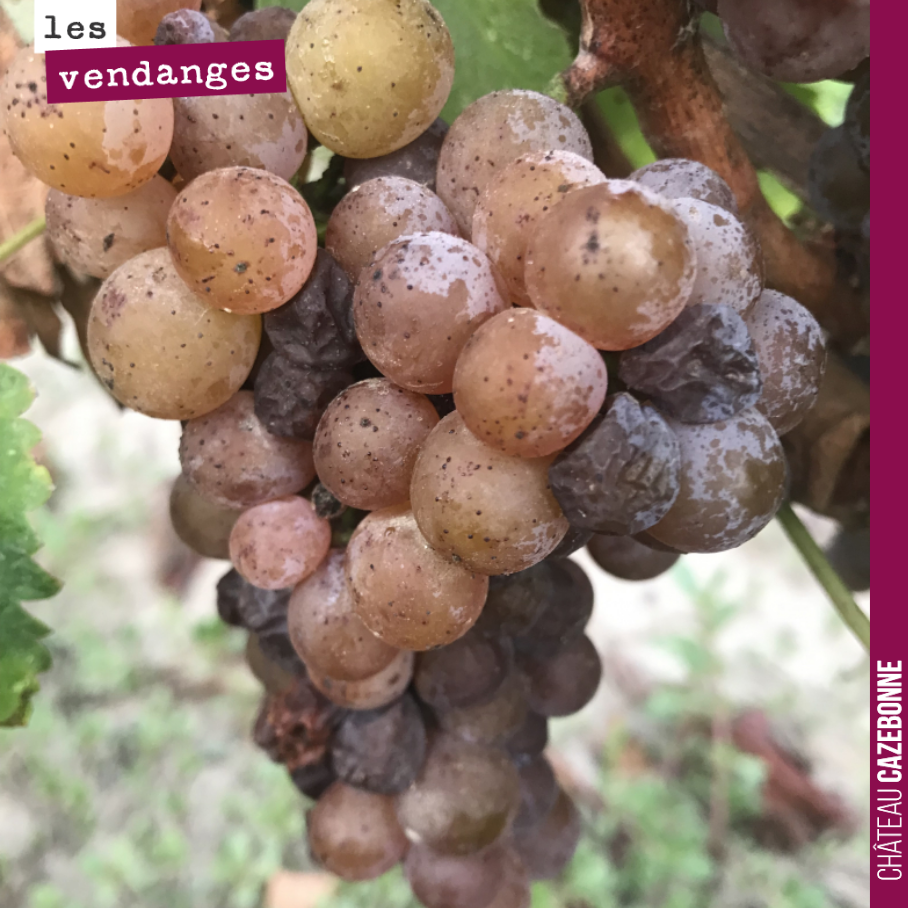
The 2023 vintage also shows exciting potential for sweet wines. Alternating wet and dry spells, particularly towards the end of the season, favoured the development of noble rot, Botrytis cinerea. Sémillon grapes in particular were able to concentrate, offering complex aromas and remarkable richness. Early tastings suggest elegant wines with a lovely balance between sweetness and acidity.
The 2023 Vintage at Château Cazebonne
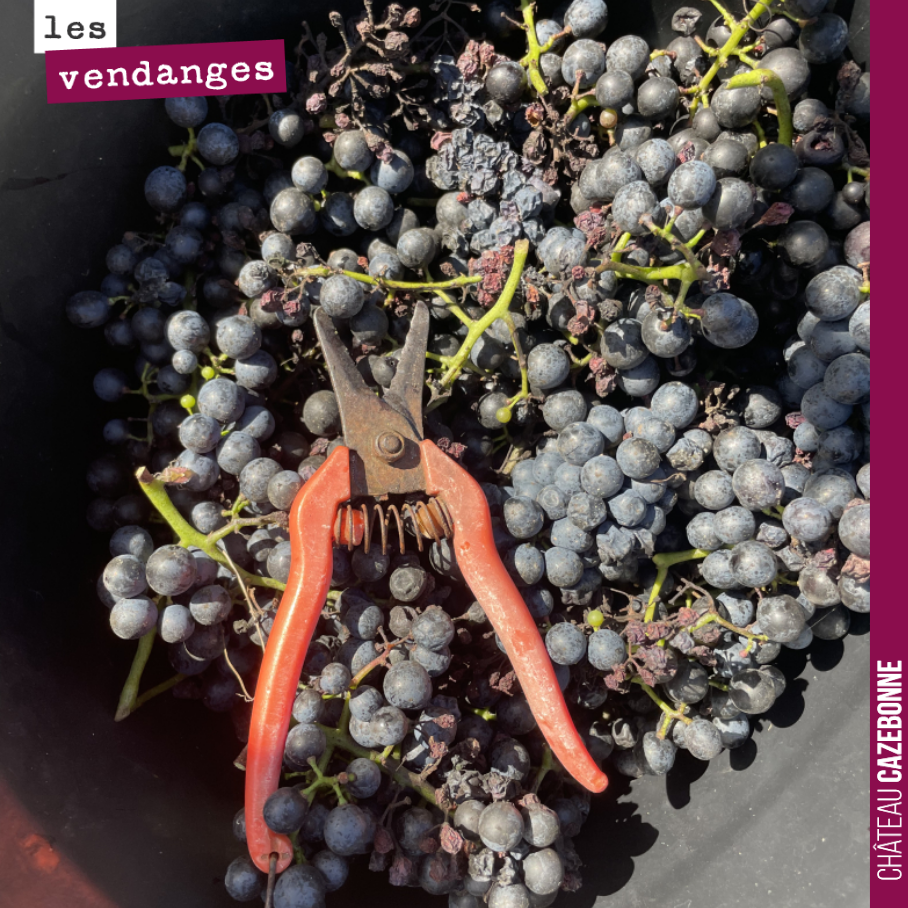
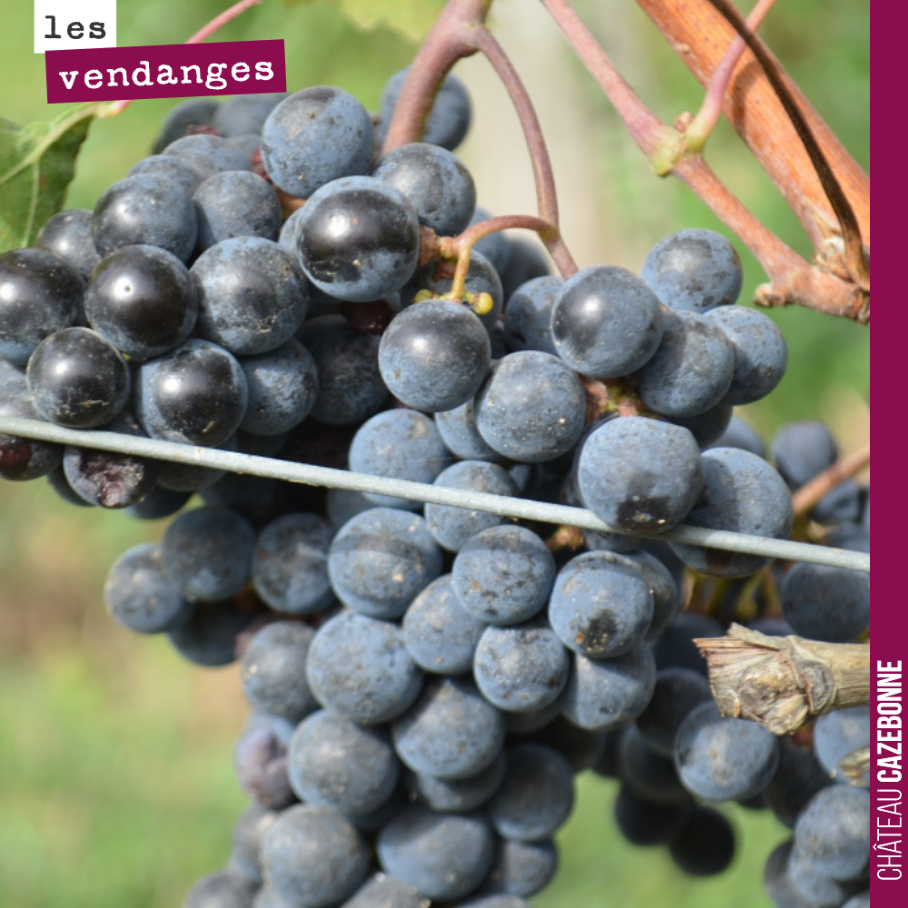
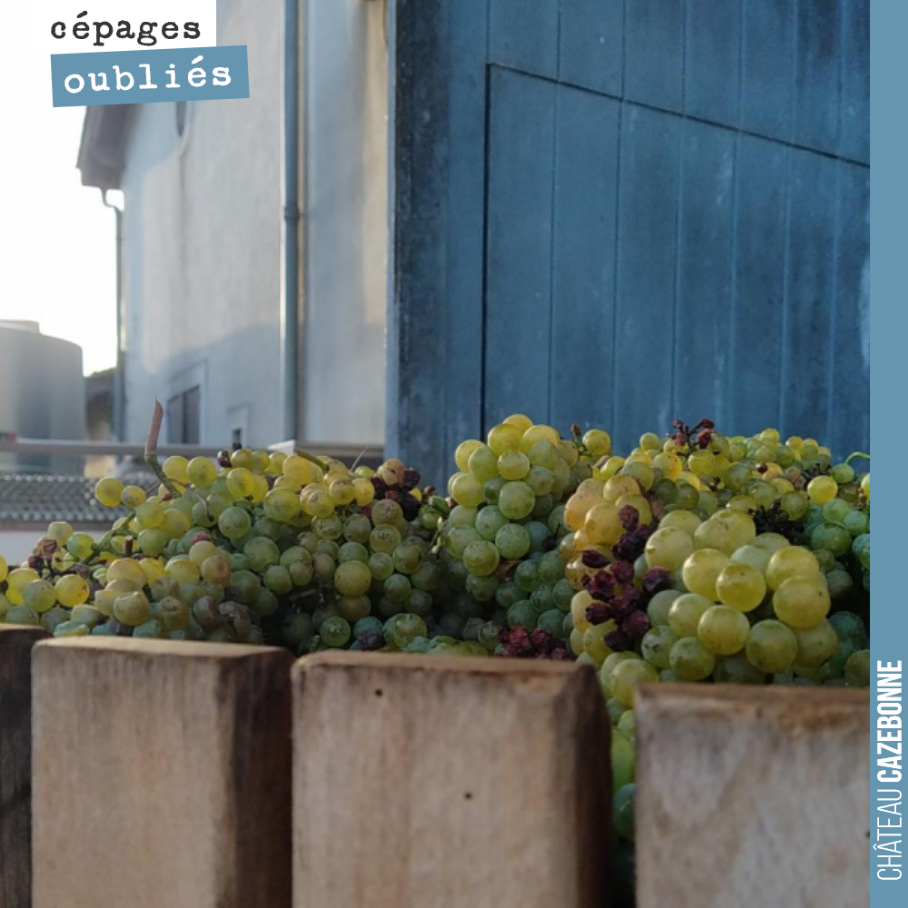
At Château Cazebonne, 2023 was a particularly demanding vintage, especially due to high downy mildew pressure, which unfortunately impacted yields. However, the relentless hard work of our vineyard team enabled us to harvest top-quality grapes, resulting in wines of great purity. The harvest kicked off early for our aromatic white varieties, such as Sauvignon and Sémillon, in order to preserve all their freshness. We began picking on 30 August with the Sémillon de Cazebonne and the Sauvignon du Peyron, closely followed by the Sauvignon Gris de Médécine and the Sauvignon de Cazebonne on 31 August. The Sauvignon des Mazères was picked on 6 September, ensuring crisp aromatic vibrancy in our white cuvées. For the red and heritage grape varieties, picking started a little later and was staggered over several weeks. On 15 September, we harvested the Castets de Darche and Bouchalès de Darche, as well as the Castets Couet and Merlot Delas. Around 20 September, activity peaked with the harvest of Jurançon, Mérille, two parcels of Saint-Macaire, two parcels of Malbec, Penouille, Béquignol, Petit Péjac, Pardotte, along with the Merlot, Cabernet Franc, and Petit Verdot des Mazères. Late September saw the harvest of Mancin, Cabernet Sauvignon Delas and autoroute, Cabernet Franc Maine, two parcels of Petit Verdot, and the Fer Servadou de Goudable on 27 September. Finally, on 4 October, we picked the Gros Cabernet, Gros Verdot, and Carménère. The final major picking included the Petit Verdot de Darche, Mancin de Cazebonne, three rows of Petit Verdot at Couet, Cabernet Franc du Maine, Fer Servadou, and Saint-Macaire. These staggered dates reflect the diversity of our grape varieties and our meticulous, parcel-by-parcel approach to picking, designed to extract the very best from our terroir.
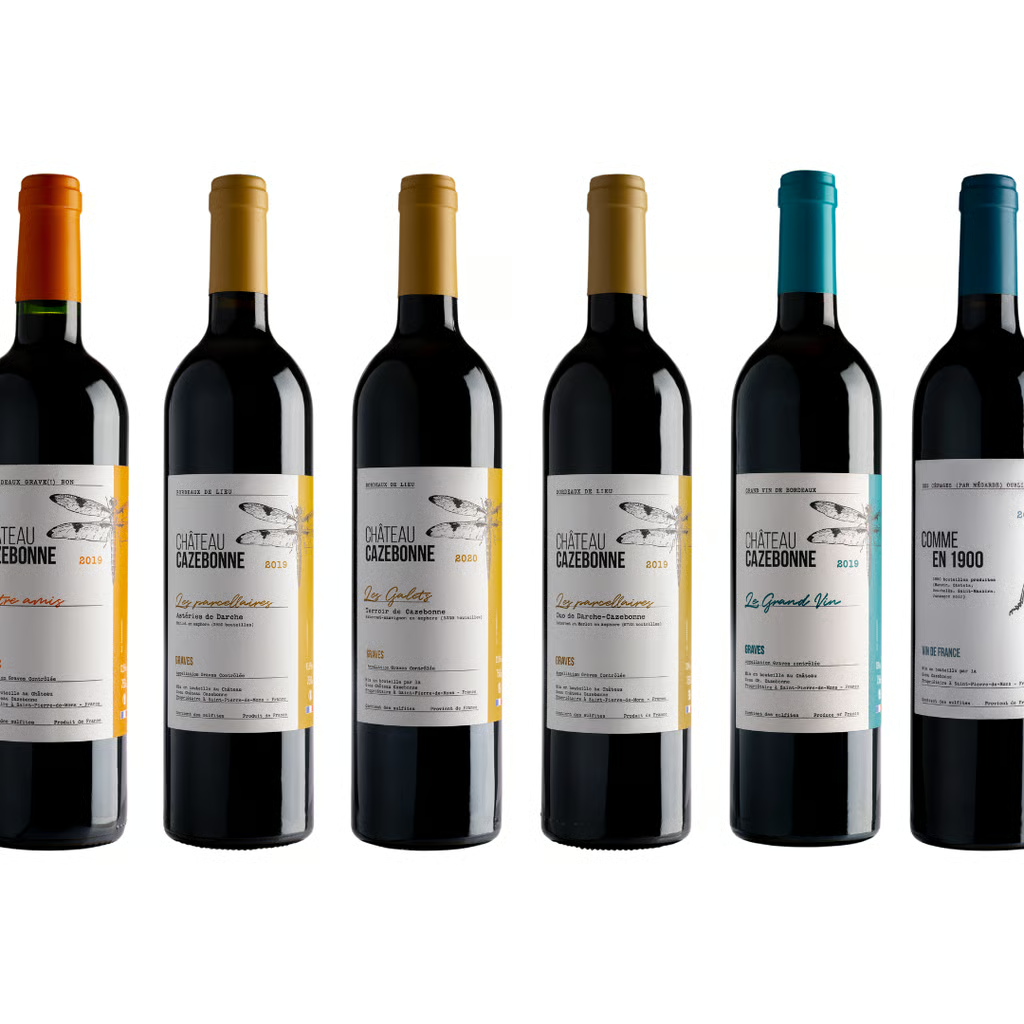
Château Cazebonne’s work, focused on replanting heritage grape varieties and preserving biodiversity, is a deep commitment reflected in the complexity and distinct identity of our wines. To discover the detailed history of these forgotten varieties and Bordeaux’s winemaking heritage, we invite you to download our book “Bordeaux, une histoire de cépages”. To test your knowledge and learn more about oenology, feel free to take part in our wine quizzes. Finally, to explore the full range of our craft and acquire our wines, browse our selection directly on our online boutique.