
 The essential
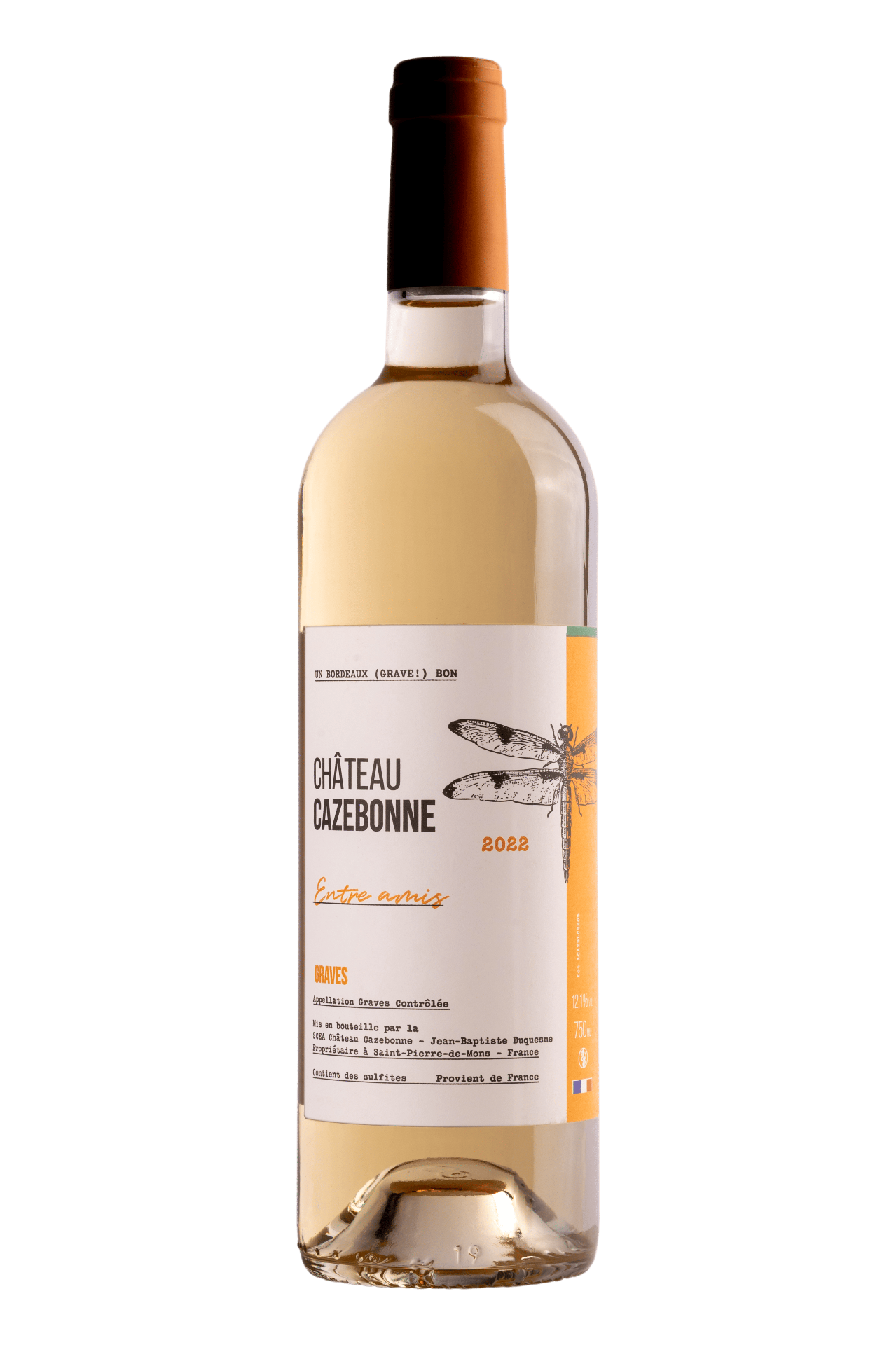
Entre Amis white 2024
Graves white 2024
Crisp and saline: the easy aperitif, at a gentle price.
The estate's thirst-quenching white, open it without thinking.
I want itBlanc Auba
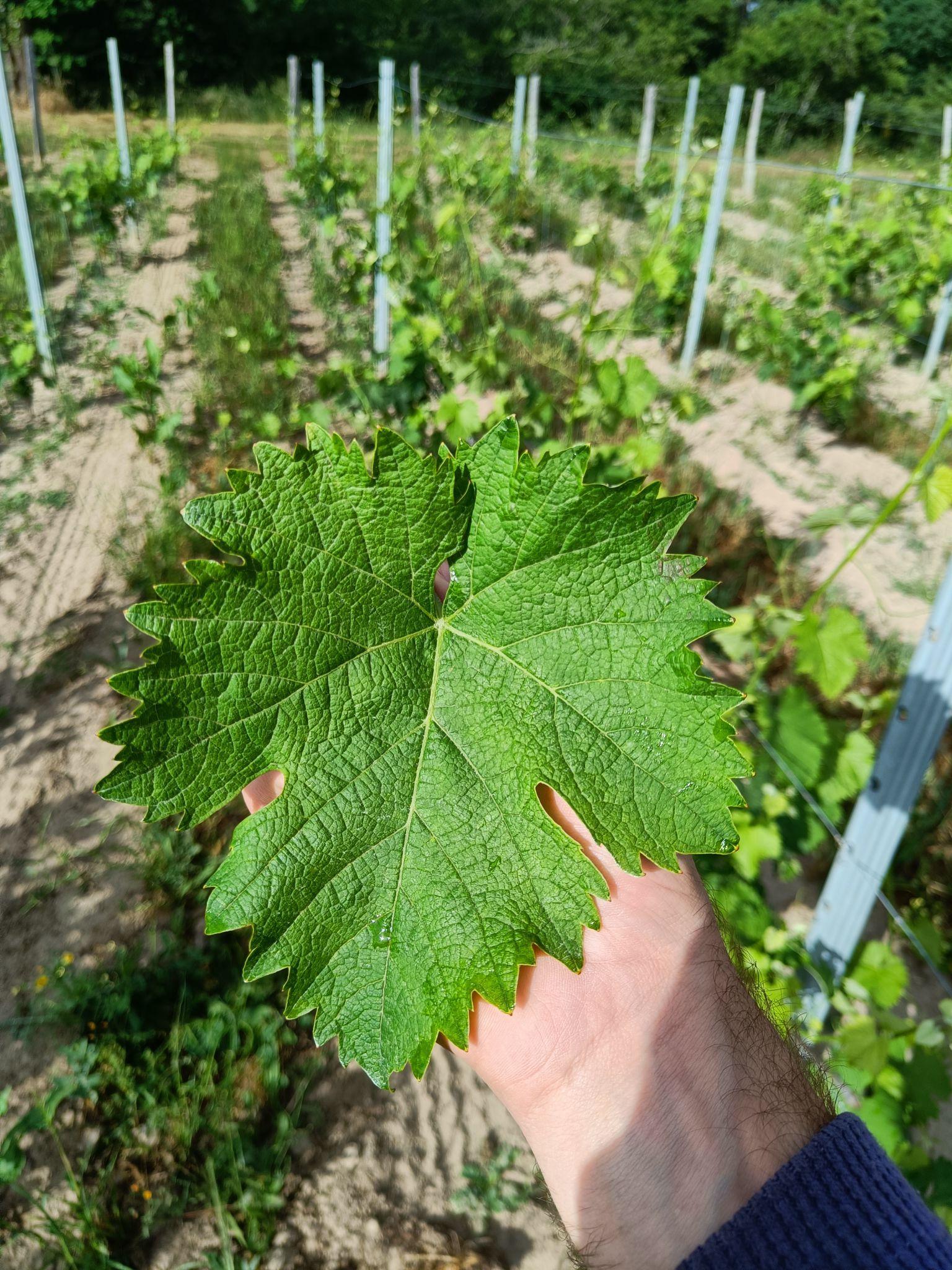
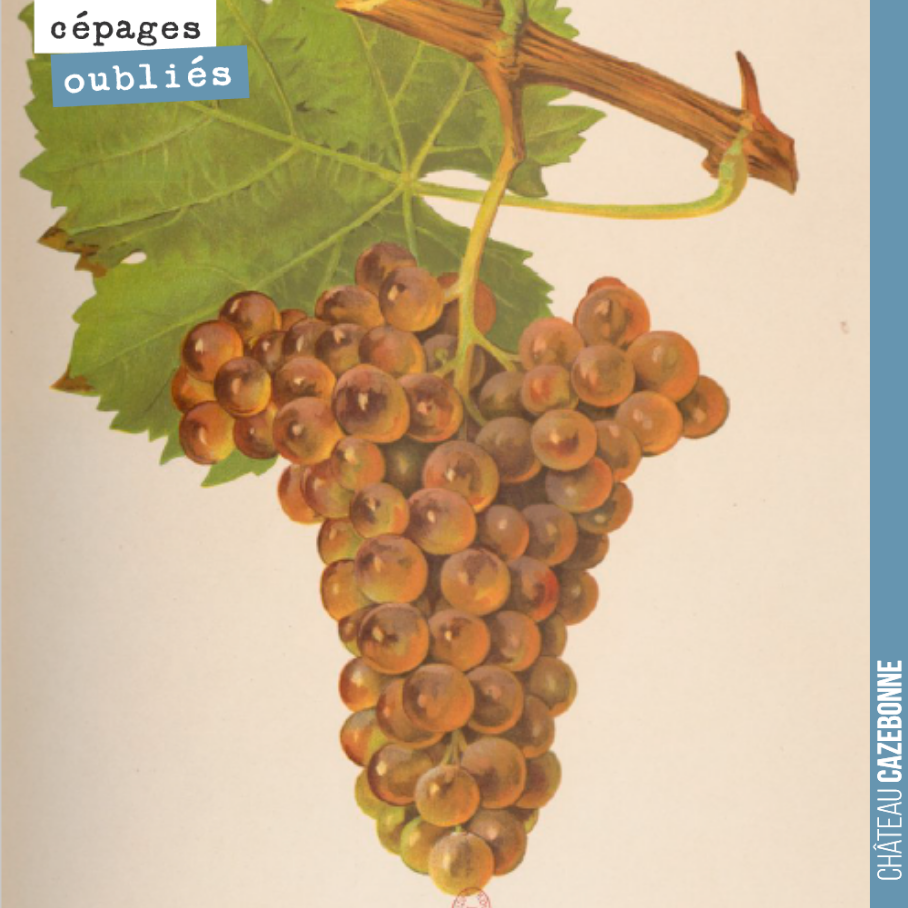
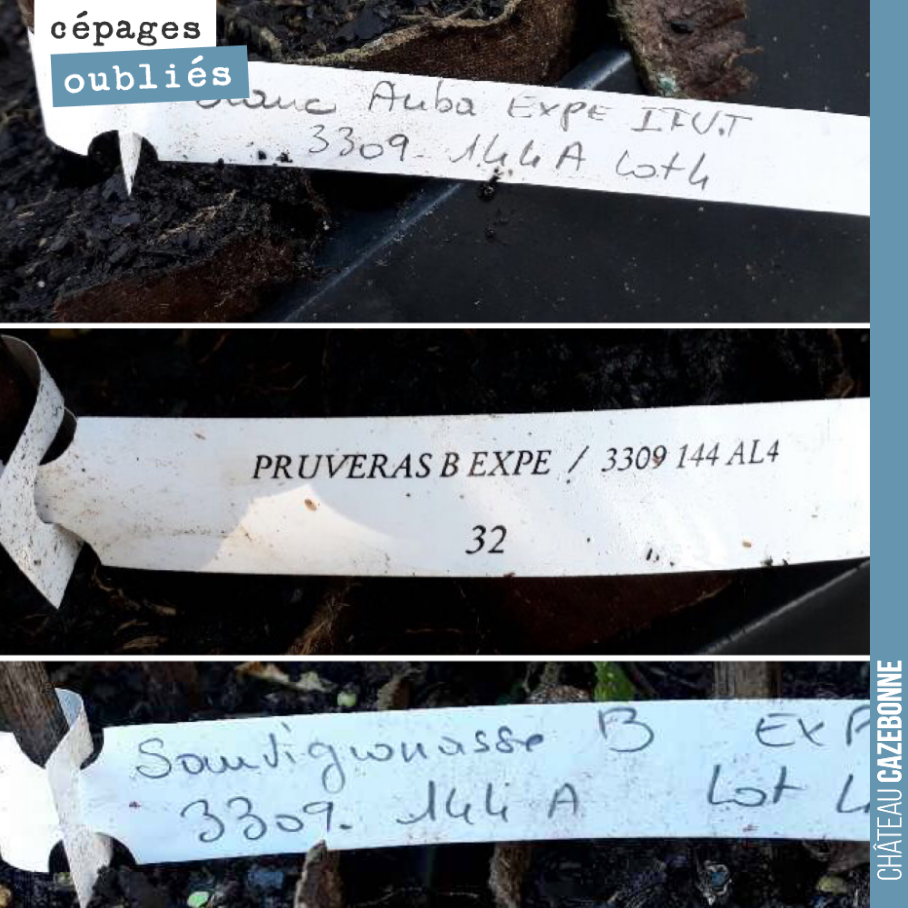
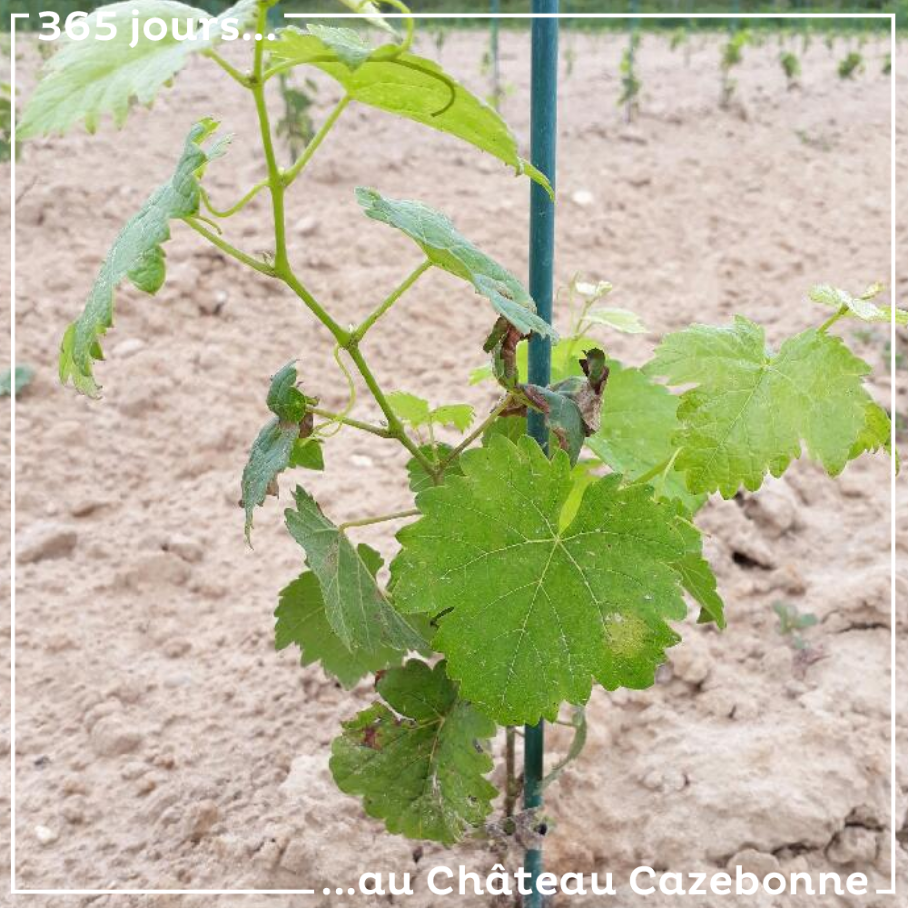
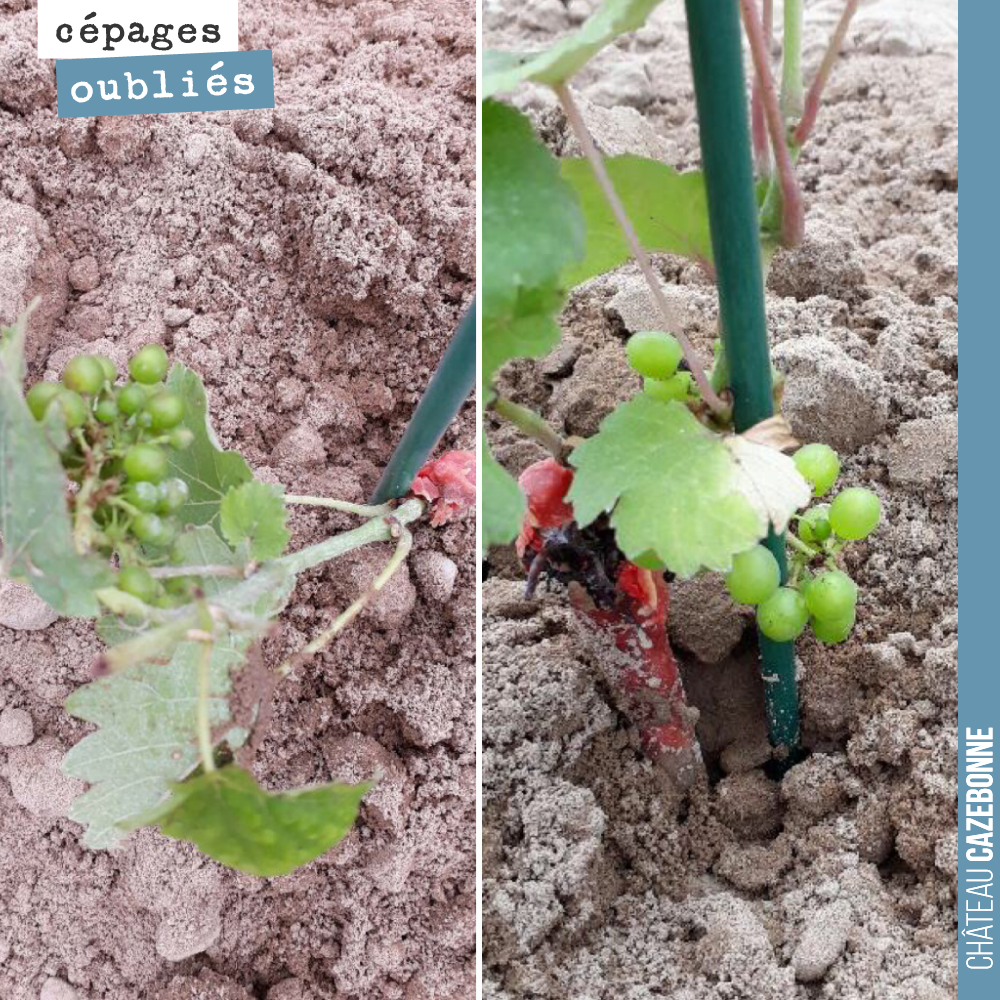
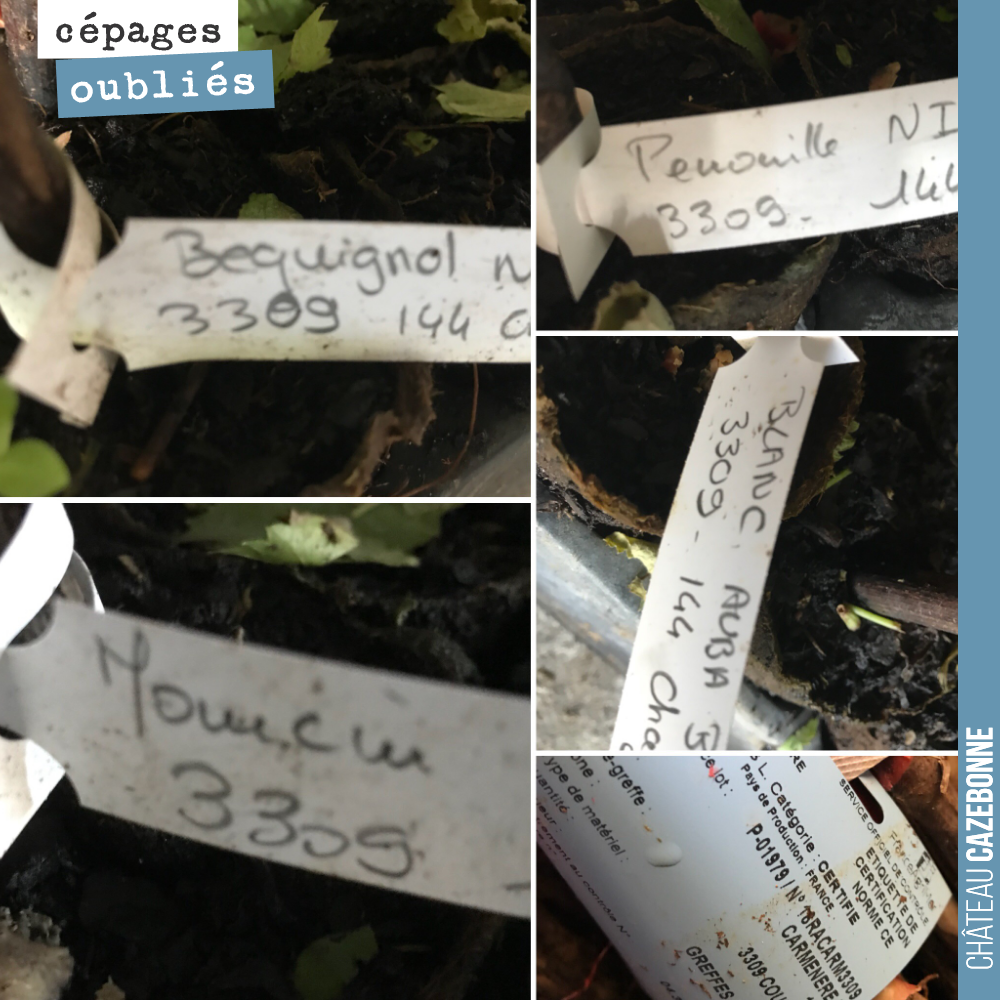
At the heart of our exciting quest for the forgotten grape varieties of Bordeaux, Blanc Auba emerges as an invaluable treasure. This very old white grape variety, first mentioned in 1736 by Abbé Bellet in the Cadillac district, bears witness to a rich and often overlooked winemaking history. It is also cited in the Dupré de Saint-Maur survey (1783-1784) for the Bazas subdelegation, and as early as 1785, Ch. de Secondat highlighted its leading role in the Sainte-Croix-du-Mont vineyards, where it made up the majority of the plantings.
In 1878, the historian Édouard Féret confirmed its notable presence on the right bank slopes of the Garonne, emphasising its regional importance before the phylloxera era. Jullien, in 1832, had already noted: " The white wines of Barsac, Preignac and Sauterne are produced by blending the vines known as Sauvignon, Semilion blanc, Auba and a few others; they are full-bodied and generous. " Blanc Auba therefore actively participated in the creation of the great sweet Bordeaux wines, bringing its specific character to the aromatic bouquet, notably notes of white flowers and ripe fruit, contributing to the complexity and longevity of these nectars. Unfortunately, the arrival of phylloxera sounded the death knell for many grape varieties, and Blanc Auba was no exception. Its poor aptitude for being grafted onto American rootstocks led to its rapid decline. While it accounted for nearly 25% of the white vineyards in the present-day Premières Côtes around 1850, it was gradually replaced. In Entre-Deux-Mers, the more productive Ugni Blanc took over, while in Sainte-Croix-du-Mont, Muscadelle gained ground, relegating Blanc Auba to a mere memory and thus depriving the Bordeaux vineyards of a part of their original identity.
| Characteristic | Description |
|---|---|
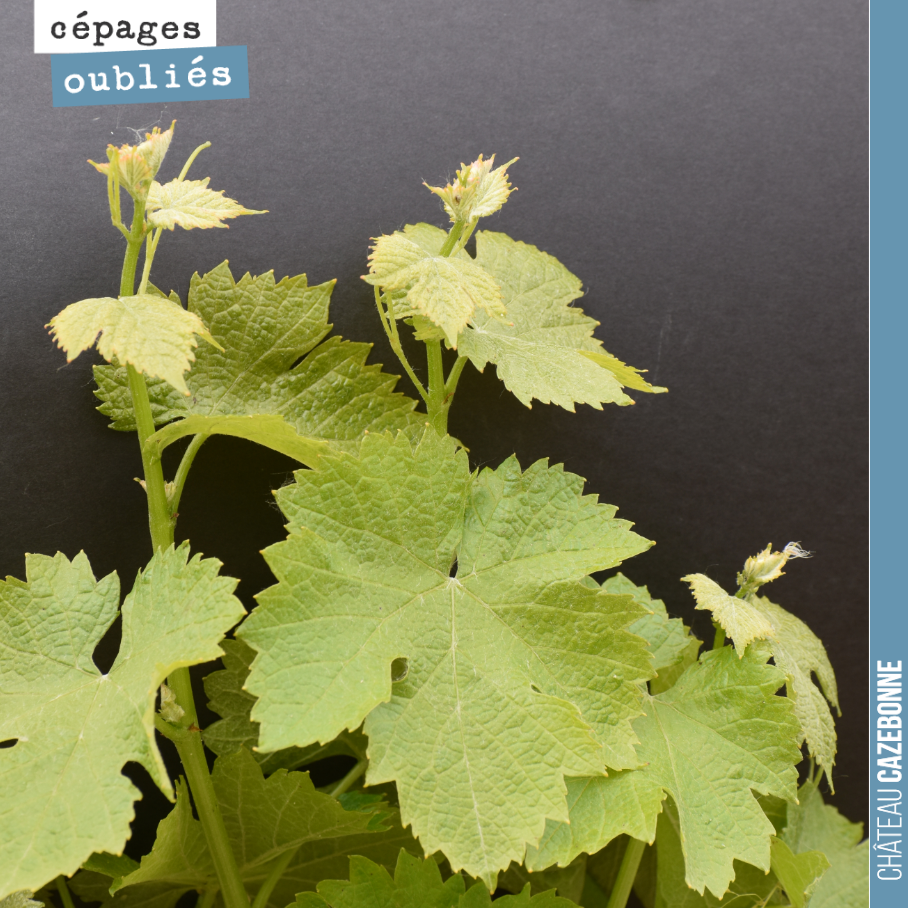
| Budburst | Late, but quickly catches up with the other grape varieties by May. |
| Flowering | Relatively late. |
| Veraison | Unspecified. |
| Maturity | Late (third epoch). |
| Vigour | Rustic and vigorous. |
| Growth habit | Semi-erect. |
| Downy mildew susceptibility | Unspecified. |
| Powdery mildew susceptibility | Unspecified. |
| Botrytis susceptibility | Very slightly susceptible to noble rot and relatively resistant to grey rot. |
| Black rot susceptibility | Unspecified. |
| Aromatic profile | Notes of white flowers and ripe fruit when the grapes are ripe. |
| Winemaking potential | Very sweet juice, more so than Sémillon, suitable for producing rich and complex dry and sweet white wines. Well-suited to late harvests and blending with other white Bordeaux grape varieties such as Sauvignon, Sémillon and Muscadelle. Good aptitude for distillation. |
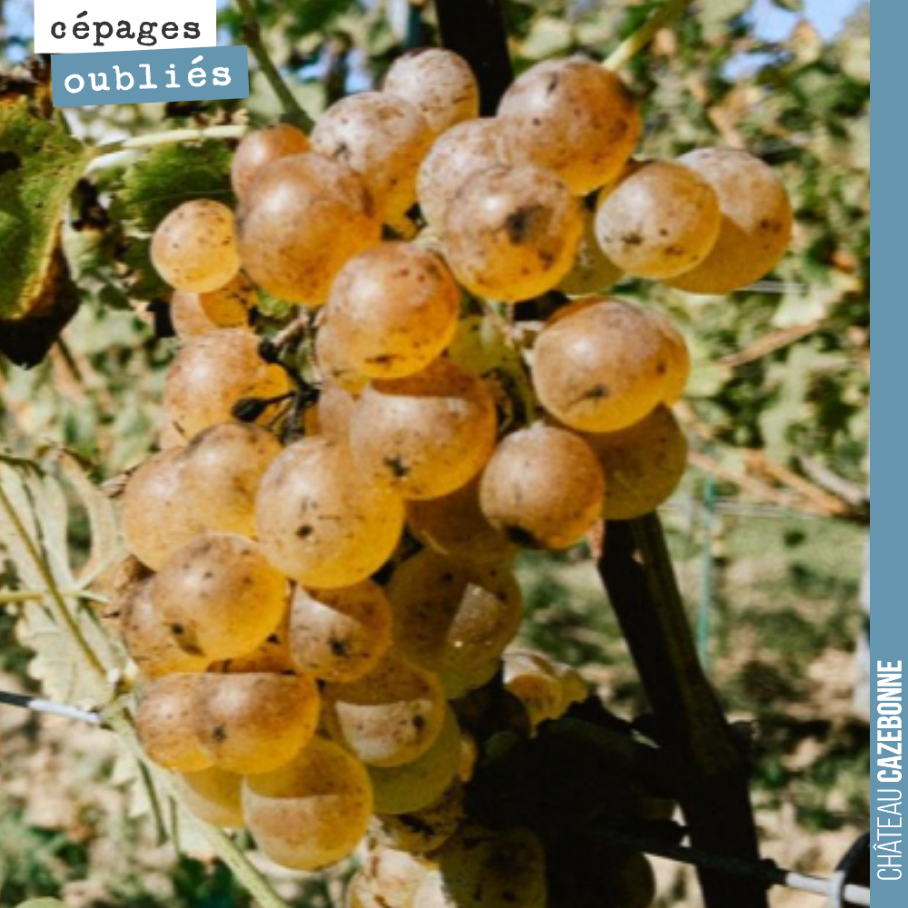
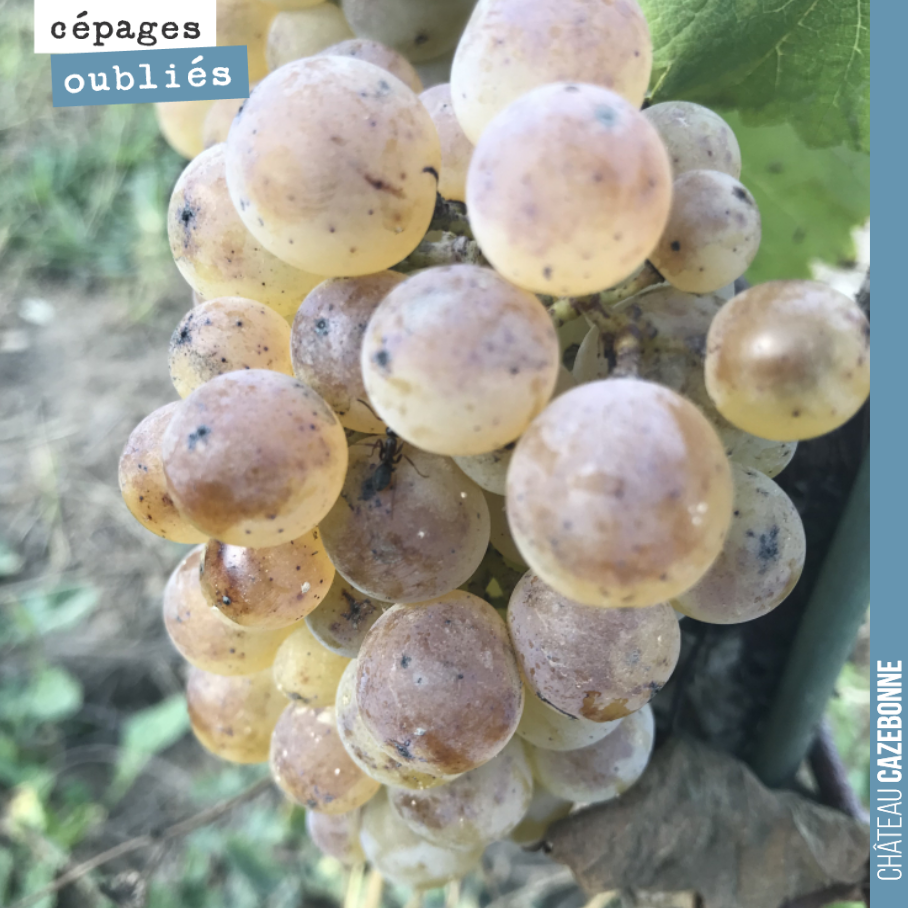
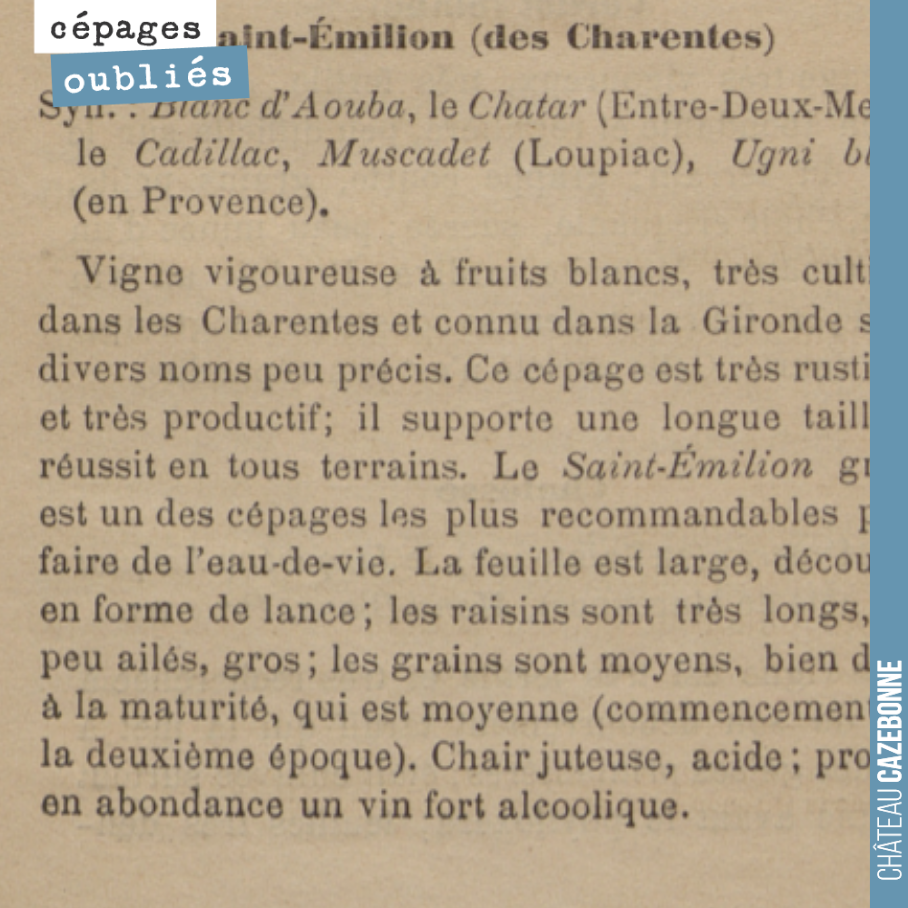
Thanks to the detailed descriptions by Viala and Vermorel in their ampelography (1901-1910), we are rediscovering the formidable assets of this grape variety. It is described as "a rustic and vigorous grape variety" that "buds late, but catches up very quickly with the other grape varieties by May. It is preferable to plant it in warm soils with little or no moisture." Its resistance to grey rot, including noble rot (it is "very slightly susceptible to noble rot"), is also a valuable advantage, allowing for late harvests and exceptional concentration of sugars and aromas. "When the grapes are ripe, their skin turns red, then brown. It produces a sweet juice, more so than Sémillon", which suggests a potential for rich and complex dry and sweet white wines, well-suited to blending with Sémillon, Sauvignon and Muscadelle, to create cuvées with a unique balance and identity. Blanc Auba was also recognised for its aptitude for distillation, producing an "excellent eau-de-vie". Its many names – Blanc Auba or Aouba in Entre-Deux-Mers, Chatar in Créon, Muscadet in Loupiac, or even Cadillac and Blanc de Cadillac – underline its deep roots and diverse expressions within the Bordeaux terroir.
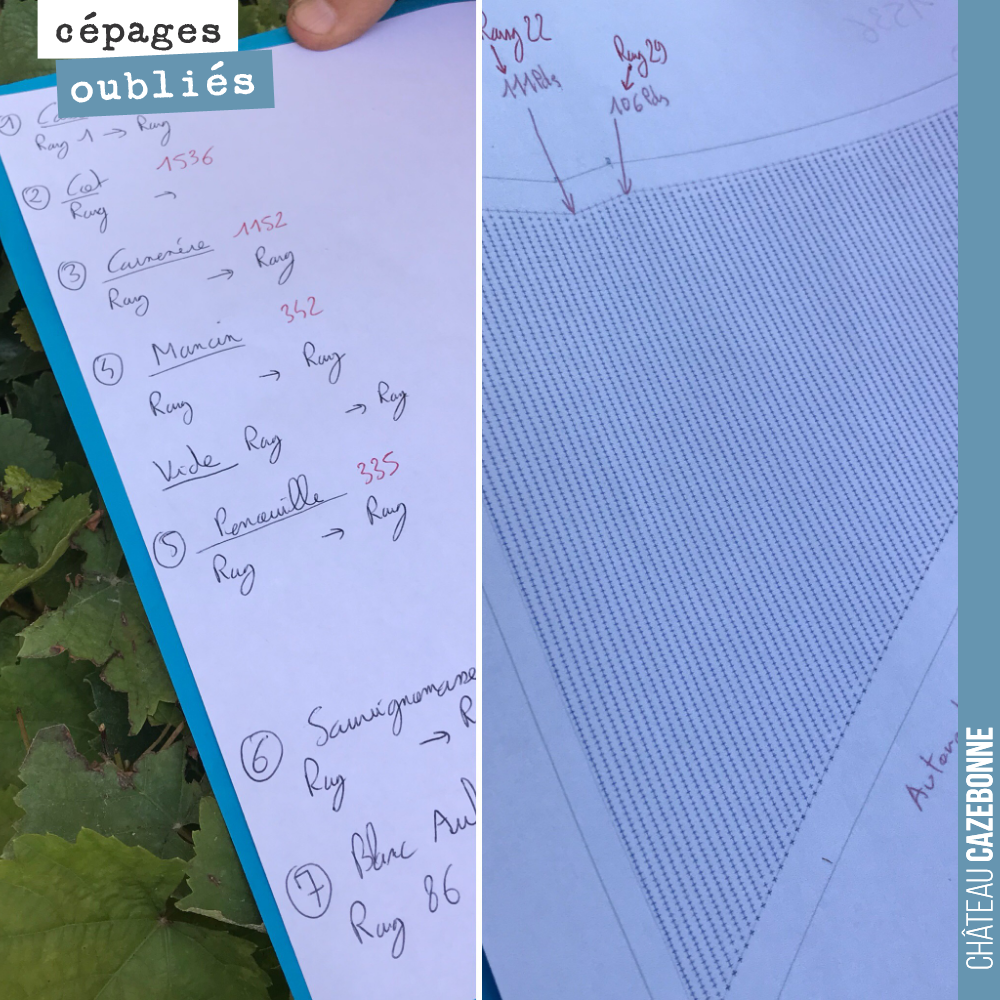
Blanc Auba is an iconic example of the lost grape varieties of Bordeaux, whose replacement by varieties such as Ugni Blanc in Entre-Deux-Mers altered the local viticultural landscape. This meticulous work of replanting long-lost grape varieties is made possible thanks to the invaluable support of the many wine lovers who have embraced our wines and share our passion for rediscovering Bordeaux's viticultural heritage. To further your knowledge of this fascinating history, please feel free to download our book "Bordeaux, a history of grape varieties" and test your knowledge with our oenological quizzes. Finally, to explore the culmination of this approach and taste our cuvées made from these rediscovered grape varieties, such as the Monbadon grape variety, we invite you to discover our wines online at the Cazebonne boutique.
Sources
Our suggestions
-5%on your 1st order with code BIENVENUE
The essentialGraves white 2024
Crisp and saline: the easy aperitif, at a gentle price.
The estate's thirst-quenching white, open it without thinking.
I want it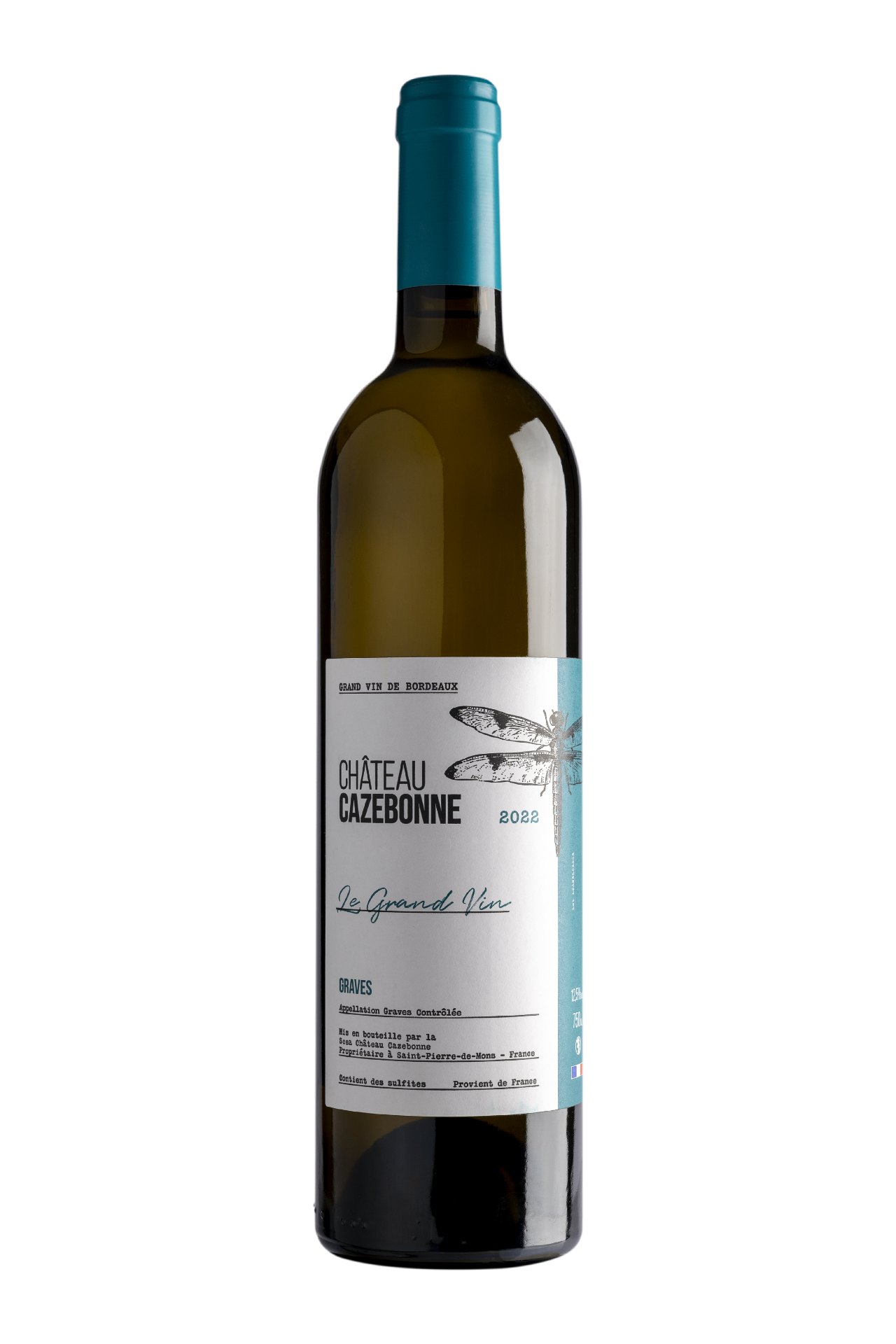 Our recommendation92/100 RVF
Graves white 2022, 92/100 RVF
Rated 92/100 by La Revue du vin de France: old-vine Sémillon.
The great Graves white: taut and deep.
I want it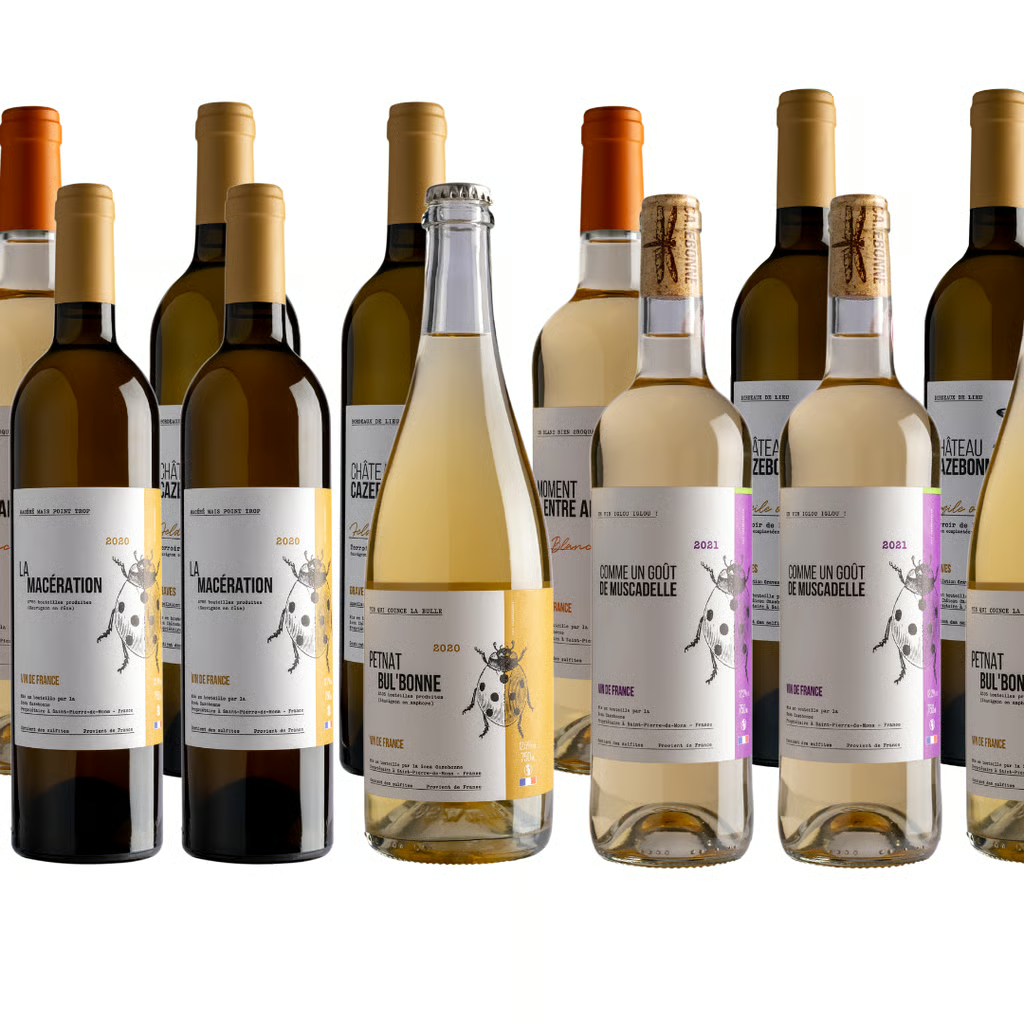 Go further
12 bottles — plot selection
All our organic whites together: the complete plot-by-plot flight.
To explore Sémillon in all its forms.
I want it
13 October 2023
09 October 2023
08 September 2023
02 October 2022
20 May 2020
24 July 2019
25 May 2019
10 February 2019
03 September 2018
15 July 2018
13 July 2018
13 July 2018
22 June 2018
The cellar, forgotten grape varieties and our cuvées, twice a month. 5% off your first order with the code BIENVENUE.