The essential
6 × Entre Amis red
6 bottles — Graves red 2022
The best price of the cellar: €12 per bottle delivered.
The everyday red: generous and straight to the point.
I want itCooper
In the complex and fascinating world of viticulture, every step of the process, from vine to bottle, is crucial. Among these steps, ageing wine in oak barrels holds a pre-eminent place, and with it, the role of the cooper. Choosing a cooper is far more than a simple commercial transaction; it is establishing a partnership of trust, a close collaboration that will shape the style and personality of the wines.
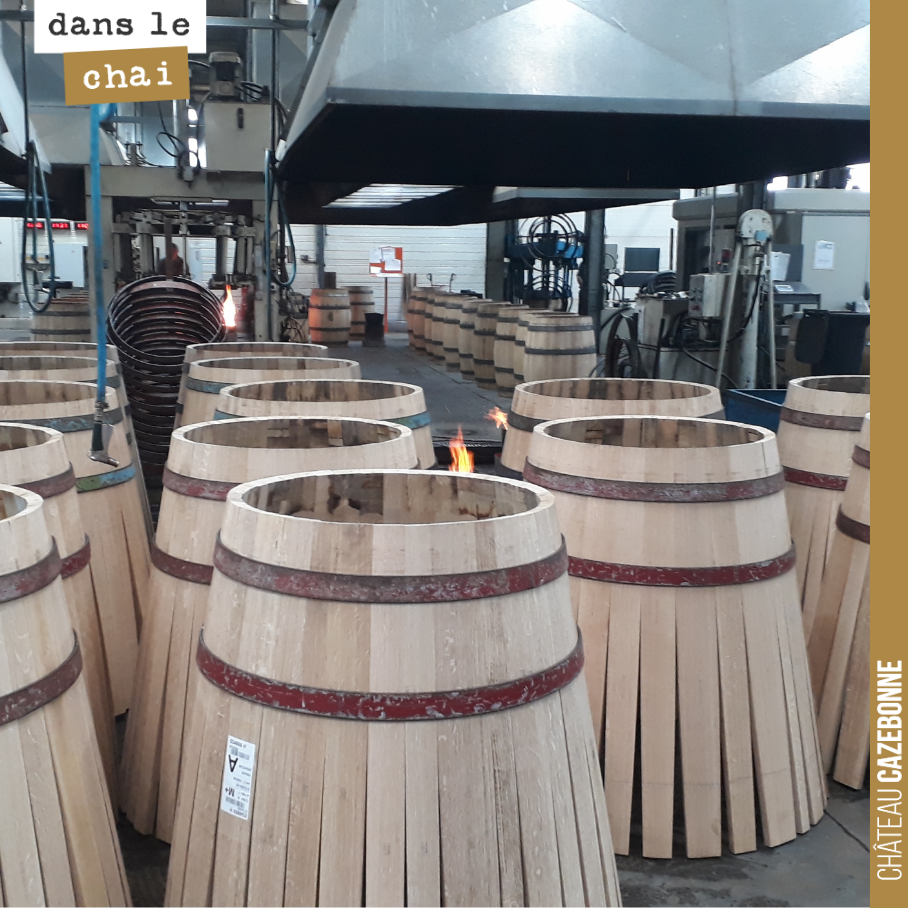
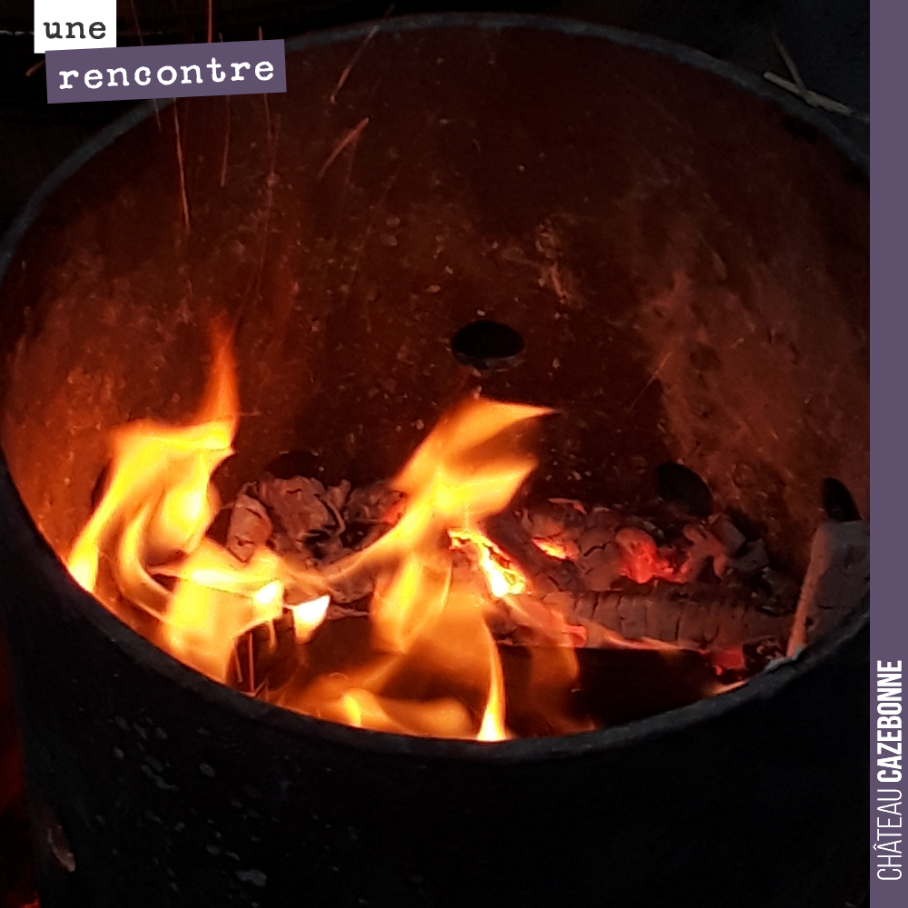
The cooper is an exceptional artisan, the custodian of an ancestral craft passed down through generations. He selects the finest oak trees, closely observes their annual growth rings, and masters the delicate art of toasting (bousinage)—the stage where the wood is exposed to an open fire to unlock its aromatic compounds. From the provenance of the timber to the toast level, every single detail counts and will have direct repercussions on the wine. A perfectly matched barrel can elevate a wine, lending it complexity, structure, and a richer aromatic palette—ranging from vanilla notes to toasted nuances and sweet spices. Conversely, a poor choice can overpower the fruit or impart undesirable flavours.
The cooper's craft is not merely about constructing a vessel; it is a true alchemy between wood and wine. The choice of oak species, the grain tightness, and the duration and intensity of the toast are all parameters that the cooper fine-tunes to meet each winemaker's specific expectations. He understands how the wood will interact with the wine, conferring silky tannins and subtle notes of vanilla, coffee, or spice, all while respecting the intrinsic expression of the grape variety and the terroir. This symbiosis is fundamental for the barrel ageing of fine wines, enabling them to achieve their full aromatic and structural potential. Barrel maturation is an essential practice that directly influences wine ageing (élevage).
The primary oenological objective of barrel ageing is to bring additional aromatic complexity and structure to the wine. Through its porosity and natural compounds, oak wood allows for controlled micro-oxygenation, promoting the wine's evolution and the softening of its tannins. It also imparts tertiary aromas (vanilla, toast, spices) that marry harmoniously with the primary fruit aromas. Through his expertise, the cooper tailors the barrel to the desired wine profile, thereby modulating the intensity of these contributions. This process is intimately linked to winification (vinification).
Making a barrel is a meticulous endeavour that begins with selecting the wood, traditionally oak. The oak logs are split into staves (douelles), which are then seasoned naturally in the open air for several years. This crucial stage allows the harsh, green tannins to leach out and refines the aromatic structure of the wood. The staves are then assembled around a hoop (mise en rose), heated, and bent into shape, after which toasting takes place—decisively determining the aromas the barrel will impart to the wine. Finally, the barrel heads are fitted and the cask is tested for watertightness. Winery equipment is essential for achieving high-quality production.
The cooper relies on an array of specialised tools, most of them inherited from a long artisanal tradition. Among the main ones are the broadaxe (doloire) and the adze (herminette) for roughing out the wood, jointer planes (varlopes) and hand planes for dressing the staves, the cooper's bench or buck (chèvre), the croze (jableuse) for cutting the groove (chime) where the heads are fitted, and various driving hammers and hoop drivers for assembly. Each tool is handled with absolute precision, reflecting the dexterity demanded by this trade.
While traditional barrel-making methods remain the benchmark, the cooperage industry is embracing modern advancements to meet contemporary demands. More in-depth wood analyses enable greater control over characteristics such as grain, origin, and moisture content, as well as their ultimate impact on the wine. Timber traceability and sustainable forest management are also growing priorities. Winemakers can likewise explore alternative vessels, such as ageing in amphorae or concrete vat ageing.
In its quest for excellence and renewal, Château Cazebonne places paramount importance on its relationship with coopers. We seek barrels that respect the expression of our terroirs and the grape varieties we are committed to reviving, including the lost grape varieties of Bordeaux. This meticulous work is part of our broader commitment to celebrating Bordeaux's viticultural heritage. Do not hesitate to contact us to discover our practices.
At Château Cazebonne, we are proud to contribute to the revival of Bordeaux's forgotten grape varieties and to perpetuate an ancestral heritage, made possible by the unwavering support of the many wine lovers who have embraced our wines and share our vision. To discover all our cuvées and support our approach, feel free to visit our online shop. To delve deeper into the fascinating history of Bordeaux grape varieties, you can download the digital edition of the book "Bordeaux, une histoire de cépages" or test your oenological knowledge with our wine quizzes.
Sources
Our suggestions
-5%on your 1st order with code BIENVENUE
The essential6 bottles — Graves red 2022
The best price of the cellar: €12 per bottle delivered.
The everyday red: generous and straight to the point.
I want it Our recommendation92/100 RVF
6 bottles — Graves red 2022, 92/100 RVF
Rated 92/100 by La Revue du vin de France: a solid 10-year ageing potential.
Our Graves for ageing, the finest gateway to the estate.
I want it Go further
12 bottles — the whole range
12 bottles, the whole range tasted: the best discovery-to-price ratio.
The complete tour of the estate, in a single case.
I want itThe cellar, forgotten grape varieties and our cuvées, twice a month. 5% off your first order with the code BIENVENUE.