The essential
6 × Entre Amis red
6 bottles — Graves red 2022
The best price of the cellar: €12 per bottle delivered.
The everyday red: generous and straight to the point.
I want itVine shoots
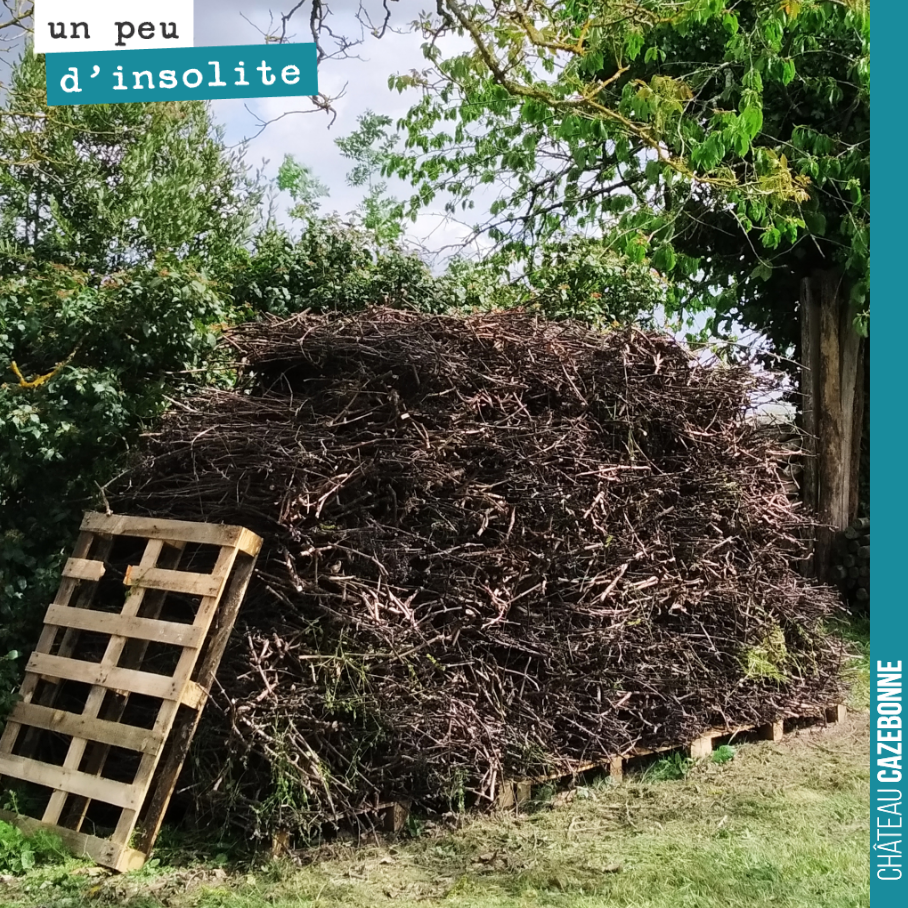
Vine canes, those woody branches that lengthen and twist as the seasons pass, are much more than mere green waste after pruning. They represent an essential part of the vine's life cycle, bearing witness to its growth and vitality. Each winter, when the sap retreats and the plant enters dormancy, the winegrower begins the pruning, an ancestral and fundamental act that shapes the vine for the coming harvest, and of which the canes are the result.
Canes are the previous year's shoots that have become woody. They are cut during the winter pruning of the vine, an essential operation to control the plant's growth and optimise future production. These elements represent a significant biomass, the management of which is crucial for the vineyard.
The main agronomic objective of cane management is to return the organic matter they contain to the soil. By being reintroduced into the terroir, they help to improve the soil's structure, enrich its humus, and stimulate microbial life. This process is part of a sustainable viticulture approach, reducing dependence on external inputs and fostering a virtuous cycle within the viticultural ecosystem.
The cutting of the canes is generally carried out during the vine's dormancy period, from late autumn to late winter, when the sap has descended into the roots. This is the ideal time for pruning, as the plant is less sensitive to wounds and the risk of disease propagation is lower. After pruning, the canes can be disposed of or repurposed, depending on the estate's practices.
After pruning, the canes are usually collected to be processed. One of the most common practices, especially in organic viticulture, is shredding the canes directly on site. Mulchers reduce the canes into small fragments that are then mixed into the soil through mechanical weeding or light ploughing. This technique promotes rapid decomposition and efficient incorporation of organic matter.
Historically, and still today in many wine-producing regions, vine canes have had various uses. Their slow, steady combustion makes them an excellent fuel, highly prized for heating bread ovens or fireplaces, giving off a gentle heat and a characteristic woody scent. Rich in minerals, vine cane ash has also been used as a natural fertiliser to amend soils. Some artisanal traditions even used them for vine weaving, making baskets or other everyday objects. In a more contemporary and environmentally friendly approach, vine canes are regaining a prominent place in the vineyard. Shredding canes and incorporating them into the soil has become a common practice in sustainable and integrated viticulture. This method allows part of the organic matter taken up by the vine to be returned to the earth, thereby helping to enrich the humus, improve the soil's structure, and promote microbial life. It is a virtuous cycle that feeds the vine with its own "waste", reducing the need for external inputs.
At Château Cazebonne, every element of the vine is treated with respect and forms part of our overall approach to biodynamic viticulture. After winter pruning, the canes are shredded and reintroduced into our parcels, contributing to the vitality of our living soils and the balance of our ecosystem. This work is fully in line with our commitment to reviving Bordeaux's viticultural heritage by replanting forgotten grape varieties that had disappeared from the region's vineyard landscape.
This return to our roots is possible thanks to the support of the many enthusiasts who have embraced our wines and share our vision of respectful and innovative viticulture. To deepen your knowledge, we invite you to download our book on the history of Bordeaux grape varieties, test your skills with our oenological quizzes, or discover our cuvées online.
Our suggestions
-5%on your 1st order with code BIENVENUE
The essential6 bottles — Graves red 2022
The best price of the cellar: €12 per bottle delivered.
The everyday red: generous and straight to the point.
I want it Our recommendation92/100 RVF
6 bottles — Graves red 2022, 92/100 RVF
Rated 92/100 by La Revue du vin de France: a solid 10-year ageing potential.
Our Graves for ageing, the finest gateway to the estate.
I want it Go further
12 bottles — the whole range
12 bottles, the whole range tasted: the best discovery-to-price ratio.
The complete tour of the estate, in a single case.
I want itThe cellar, forgotten grape varieties and our cuvées, twice a month. 5% off your first order with the code BIENVENUE.