
 The essential
6 × Entre Amis red
6 bottles — Graves red 2022
The best price of the cellar: €12 per bottle delivered.
The everyday red: generous and straight to the point.
I want itRootstock
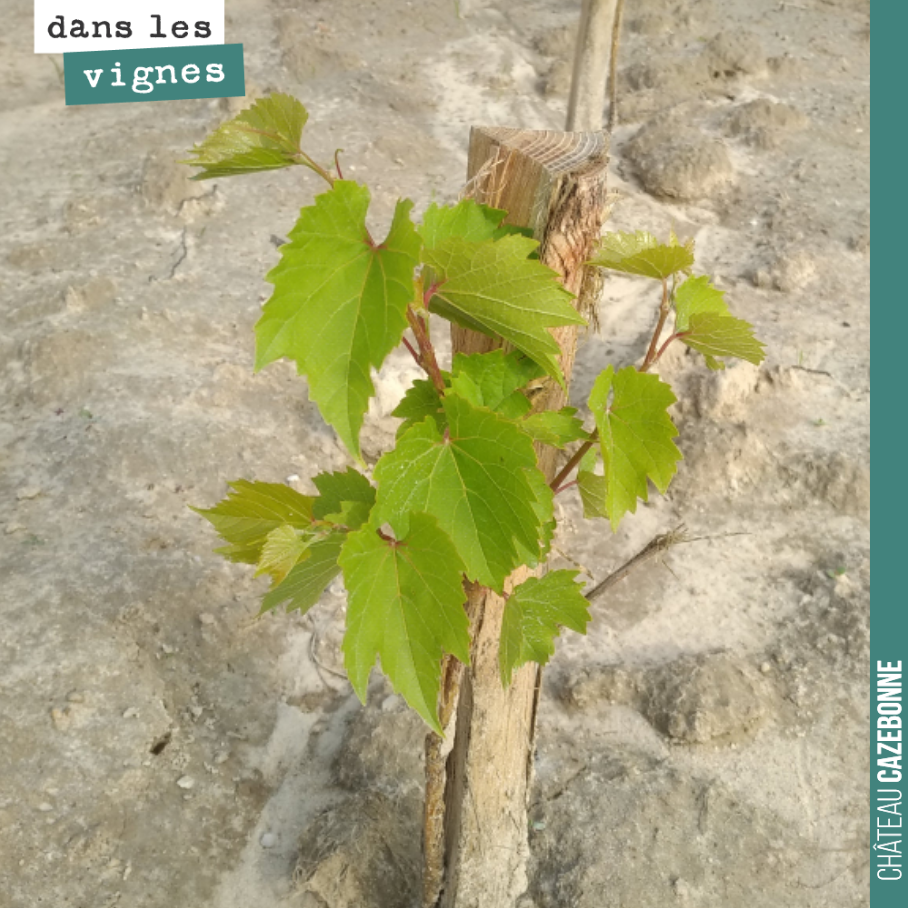
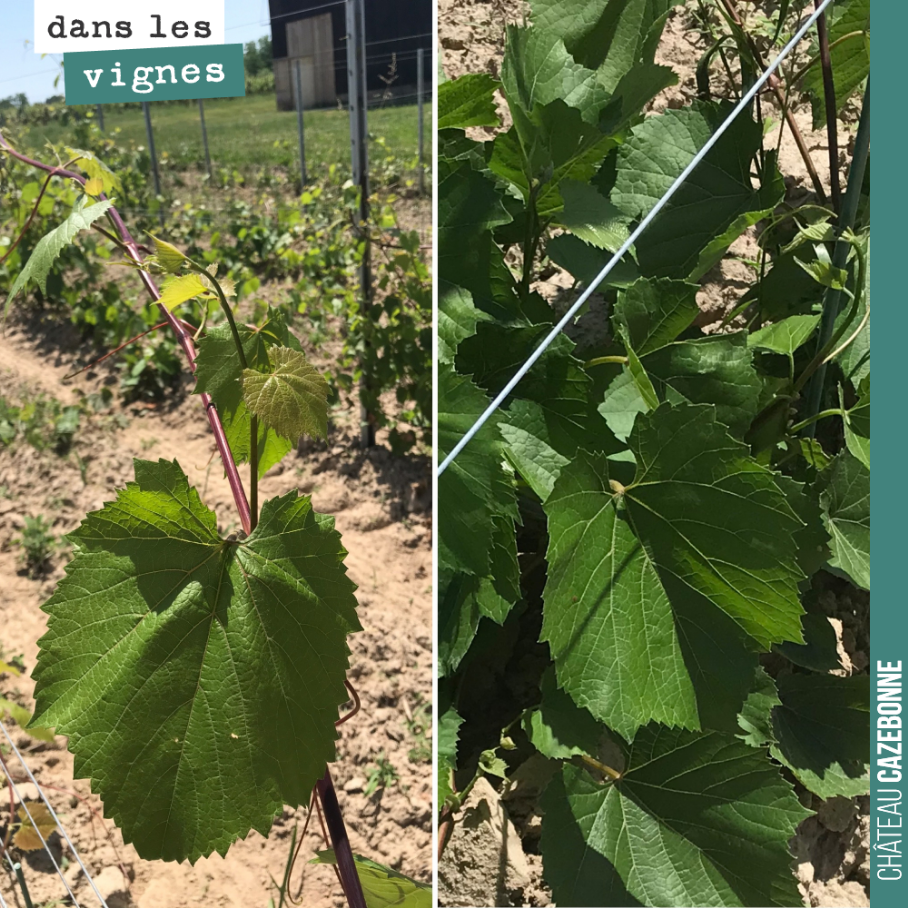
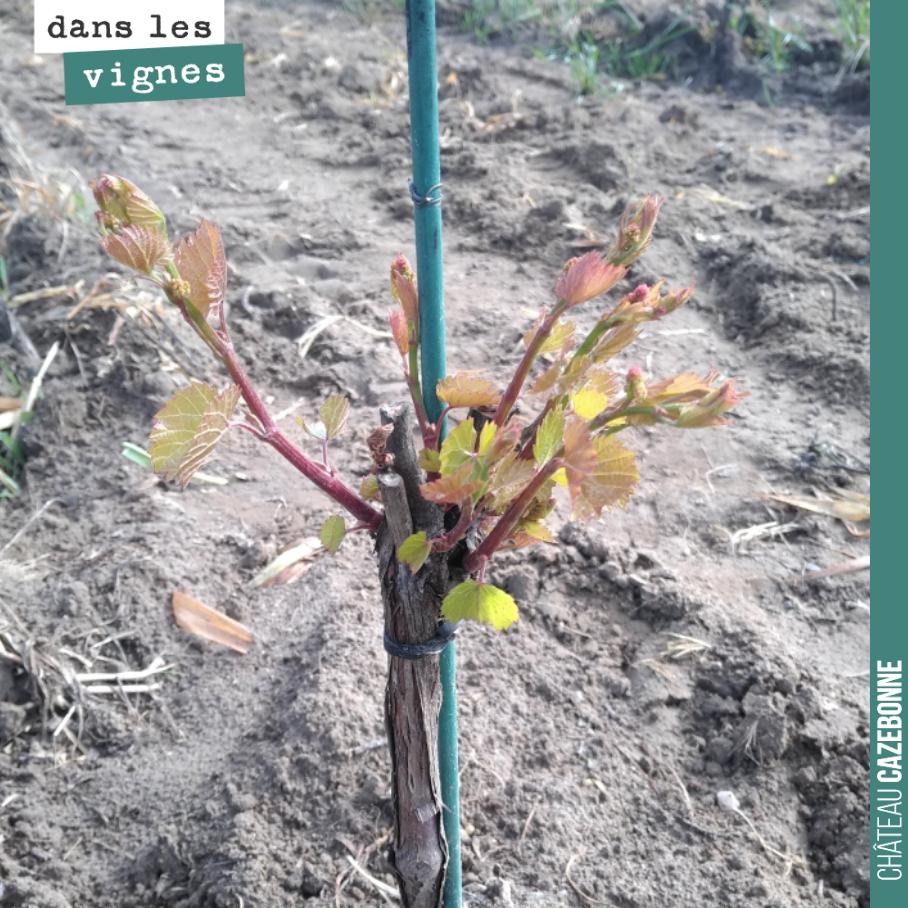
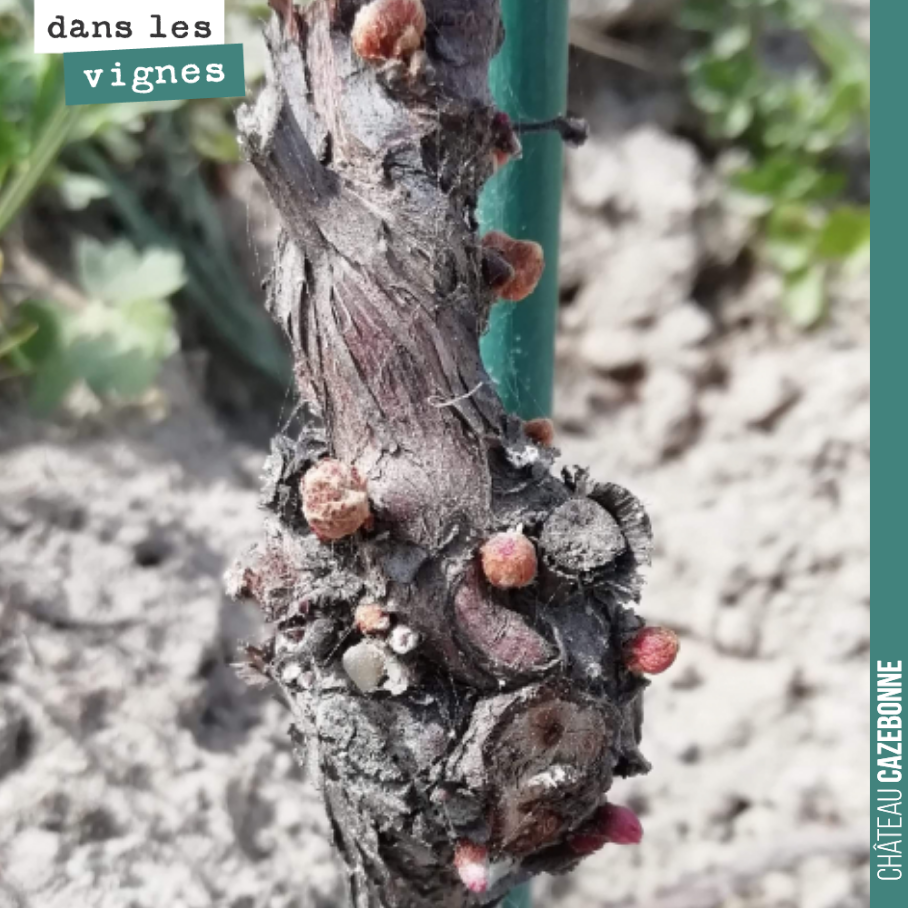
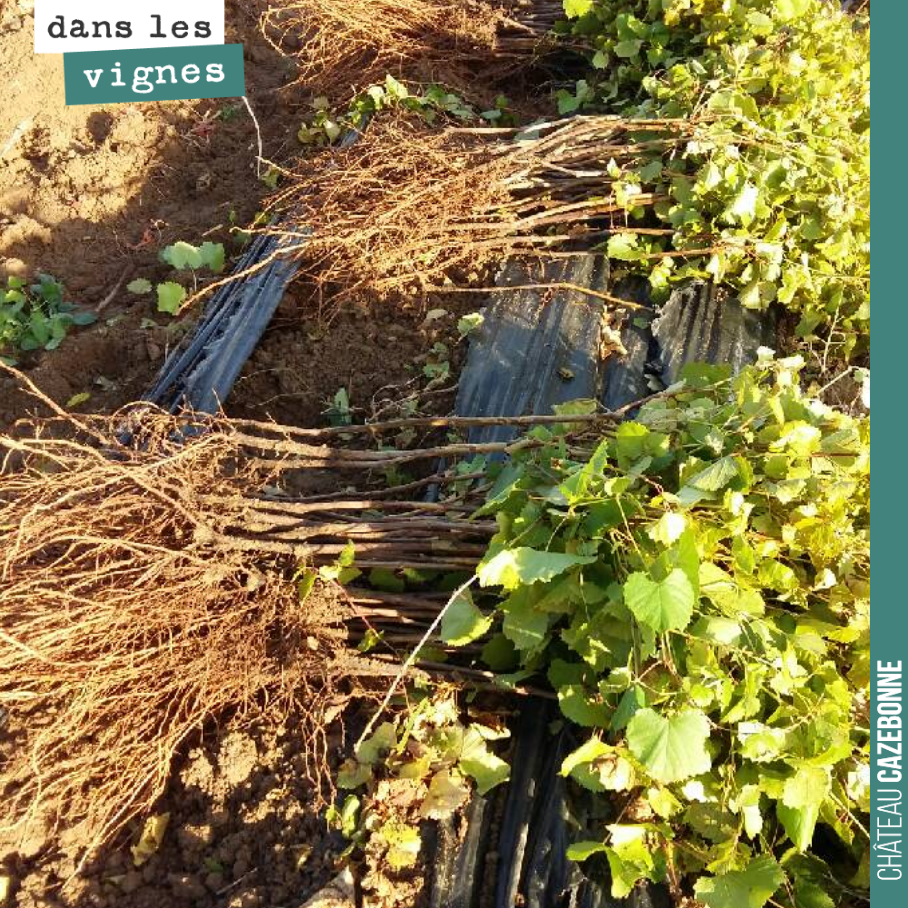
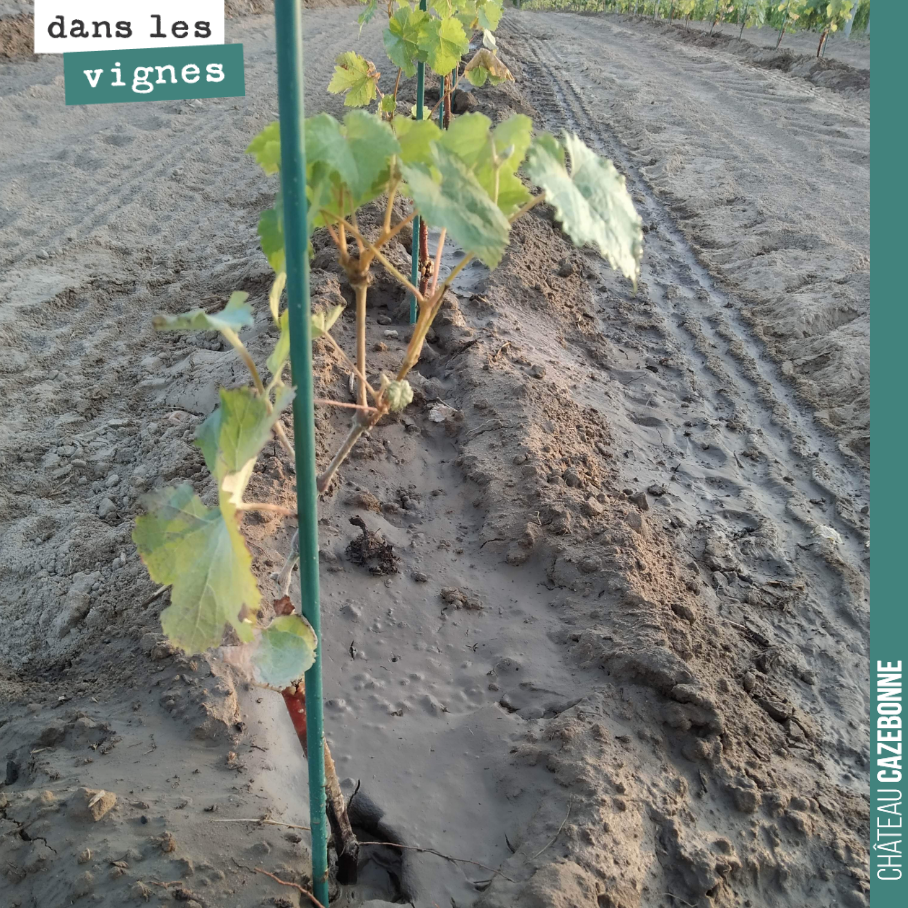
The rootstock is the underground part of a vine, the root base onto which the fruit-producing above-ground part is then grafted, known as the scion. Often overlooked by the general public, it is nevertheless a fundamental element of modern viticulture. Its primary function is to provide the vine with the water and nutrients necessary for its growth, while ensuring its anchorage in the soil.
The choice of a rootstock is not left to chance; it is a major agronomic decision that directly influences the vine's adaptation to its environment and its resilience to pedoclimatic and biological challenges. Each type of soil – whether limestone, clay, sandy, acidic or alkaline – requires a specific rootstock. Similarly, its selection must take into account the desired vigour for the grape variety, water management (resistance to drought or excessive moisture), and the capacity for nutrient absorption.
The widespread use of rootstocks in viticulture is a direct consequence of the phylloxera crisis in the 19th century. This devastating insect, native to America, destroyed almost the entirety of European vineyards by attacking the vine roots. The traditionally cultivated Vitis vinifera varieties were highly susceptible. The solution was found in using American vines, which are naturally resistant to phylloxera attacks, as rootstocks. Thus, the rootstock provides essential protection against this pest, but also against certain soil-borne diseases or nematodes. This practice is therefore intrinsically linked to the history of the vine itself and to phylloxera in Bordeaux.
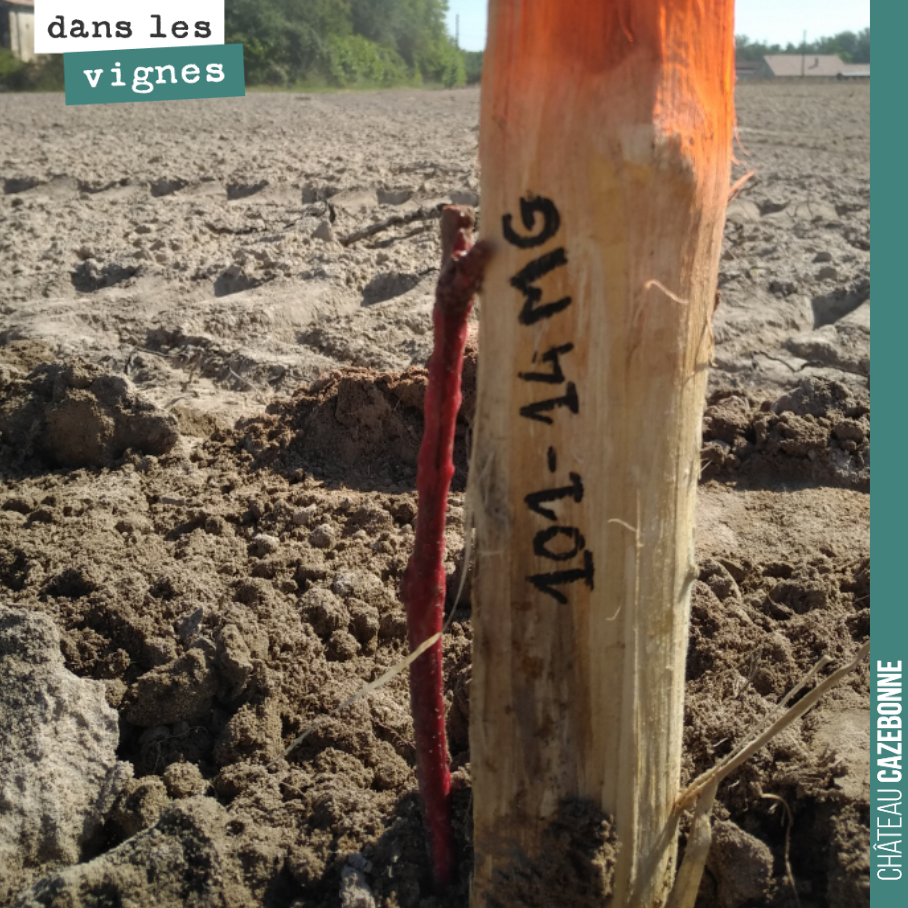
There is a great diversity of rootstocks, each resulting from complex crossings between different Vitis species, such as Vitis riparia, Vitis rupestris, or Vitis berlandieri. These crossings aim to combine the best characteristics of each species to create hybrids adapted to specific conditions. For example, SO4 is valued for its good adaptation to limestone soils and moderate vigour. 3309 C is often chosen for its ability to induce good must quality, while Paulsen 1103 is renowned for its robustness and resistance to drought. The winegrower chooses the rootstock according to their terroir, the grape variety they wish to plant, and their production objectives. To adapt an existing vine to a new grape variety without uprooting, omega grafting, or even vine top-grafting, are complementary techniques.
At Château Cazebonne, the choice of rootstocks is an essential component of our sustainable viticulture approach and our desire to promote ancient Bordeaux grape varieties. This meticulous work is carried out in collaboration with the nurseryman to ensure a perfect match between the soil, the grape variety, and the rootstock, thus guaranteeing the longevity and quality of our vineyard. It is only by understanding and managing all these factors, from the soil to the vine, that we can preserve biodiversity and the unique expression of our terroir.
This meticulous work is made possible thanks to the support of the many enthusiasts who have adopted our wines and share our vision. To learn more about the history of Bordeaux grape varieties and the importance of the rootstock, please do not hesitate to download our book "Bordeaux, une histoire de cépages". If you would like to test your knowledge, take part in our oenological quizzes. Finally, to explore the unique expression of our work, we invite you to discover our different cuvées in our online shop.
Our suggestions
-5%on your 1st order with code BIENVENUE
The essential6 bottles — Graves red 2022
The best price of the cellar: €12 per bottle delivered.
The everyday red: generous and straight to the point.
I want it Our recommendation92/100 RVF
6 bottles — Graves red 2022, 92/100 RVF
Rated 92/100 by La Revue du vin de France: a solid 10-year ageing potential.
Our Graves for ageing, the finest gateway to the estate.
I want it Go further
12 bottles — the whole range
12 bottles, the whole range tasted: the best discovery-to-price ratio.
The complete tour of the estate, in a single case.
I want it
17 October 2022
18 July 2022
21 June 2022
13 May 2022
28 April 2022
03 December 2021
29 August 2021

18 July 2021
05 July 2021
04 July 2021
15 June 2021
03 May 2021
28 April 2021

26 April 2021
24 April 2021

21 April 2021
14 December 2020
19 November 2020
12 November 2020
29 October 2020
21 August 2020
21 April 2020
24 August 2019
25 July 2019
29 June 2019
17 May 2019

07 April 2019
31 October 2018
The cellar, forgotten grape varieties and our cuvées, twice a month. 5% off your first order with the code BIENVENUE.