29 June 2026
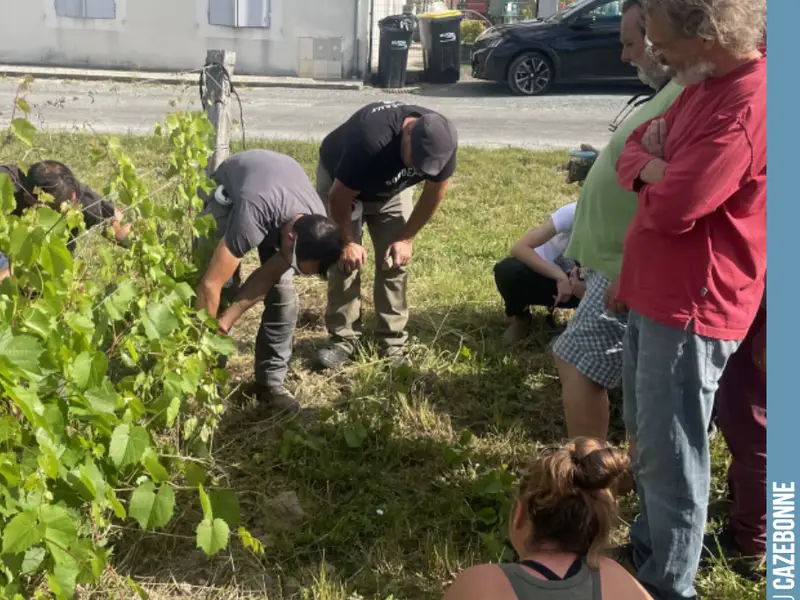
Solidarity among @bordeauxpirate is sacred……Around a hundred of us gathered on 8 June to learn the art of vine grafting.
By Jean-Baptiste Duquesne

Top-grafting
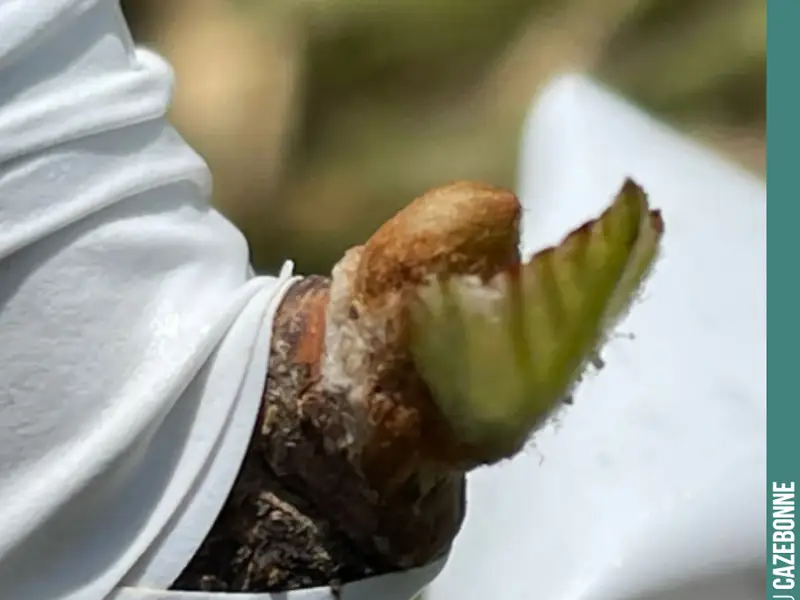
Top-grafting is an ancestral and complex viticultural practice, a true demonstration of the winegrower's expertise. This technique involves changing the grape variety identity of an already established vine, while keeping its existing root system. It is essentially a "field graft", where the aerial part (the scion) is replaced by that of a new grape variety. This method is particularly relevant in the context of vineyard diversification or adaptation.
The reasons why a winegrower might choose to top-graft are manifold. The main one is undoubtedly the speed with which a grape variety can be changed, without having to uproot and replant the entire plot. While a new plantation requires several years before entering full production, top-grafting makes it possible to obtain a significant harvest of the new grape variety by the second year. This is a major advantage for responding to market trends, climatic hazards or the desire to experiment with new aromatic expressions.
Furthermore, top-grafting preserves the soil's balance and structure, avoiding the disruption associated with uprooting. The rootstock's root system, already well established, ensures better resistance to diseases and water stress, and provides the new grape variety with a solid foundation for its development.
The timing of top-grafting is crucial to the success of the operation. It is generally carried out in spring or early summer, when the vine's sap is fully flowing. This is the ideal moment for the scion to unite effectively with the rootstock. The period from May to July is often preferred, after bud burst and before veraison, as vegetative activity is intense. Top-grafting too late in the season can compromise the recovery and vigour of the new grape variety.
Top-grafting is a delicate operation that requires precision and expertise. Here are the main stages typically followed:
For successful top-grafting, the winegrower uses a set of specialised tools:
Top-grafting, whether carried out in organic or conventional agriculture, is part of a vineyard adaptation approach. It provides valuable responsiveness to climatic changes, new regulations or market demands. This technique is environmentally neutral, and its effectiveness depends more on the grafter's expertise than on the farming method. On the scale of an estate like Château Cazebonne, top-grafting is a way to preserve biodiversity by introducing and testing new grape varieties or ancient varieties, without the heavy investment in time and resources of a complete uprooting and replanting.
At Château Cazebonne, we use top-grafting as part of our approach to promoting the forgotten grape varieties of Bordeaux. This technique allows us to reintroduce varieties to our land that had almost disappeared from the Bordeaux wine landscape, thereby helping to revive a heritage of inestimable wealth. Omega grafting enables such work, made possible thanks to the commitment and support of the many enthusiasts who have adopted our wines and share our vision. Explore the unique flavours of our wines online in our boutique. If you would like to learn more about this fascinating history, feel free to download the digital version of our book "Bordeaux, une histoire de cépages". Finally, to test your knowledge, take part in our oenological quizzes and discover the world of Château Cazebonne with a fun and educational perspective.
29 June 2026
By Jean-Baptiste Duquesne
13 September 2025
By Jean-Baptiste Duquesne
08 June 2023
By Jean-Baptiste Duquesne
The cellar, forgotten grape varieties and our cuvées, twice a month. 5% off your first order with the code BIENVENUE.