
 The essential92/100 RVF
Comme en 1900 red 2022
Vin de France — heritage grapes, 92/100 RVF
The pre-phylloxera Bordeaux blend, revived at the estate.
Castets, Mancin, Pardotte: the Bordeaux before Bordeaux.
I want itPetit Verdot
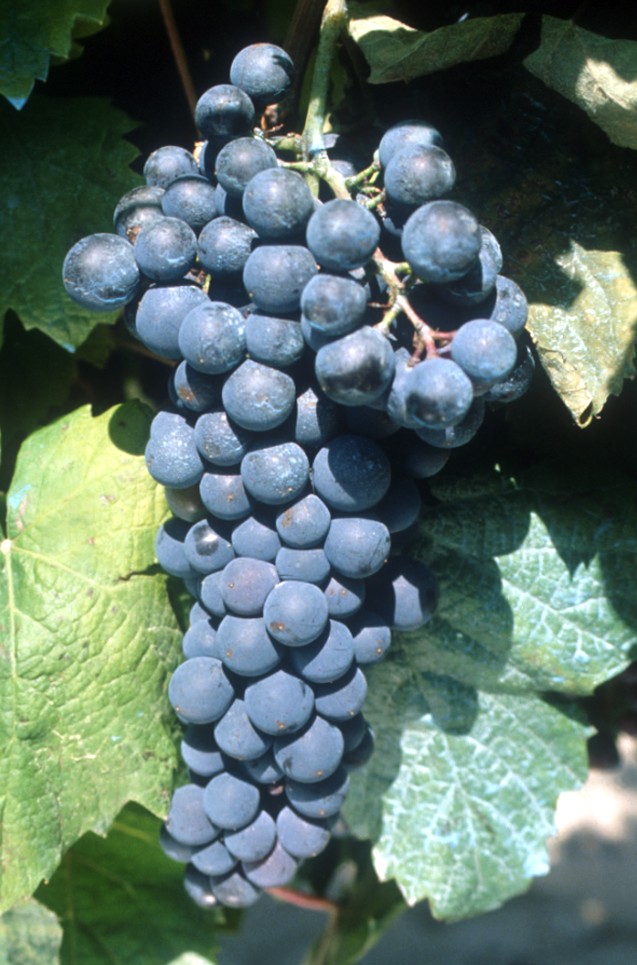
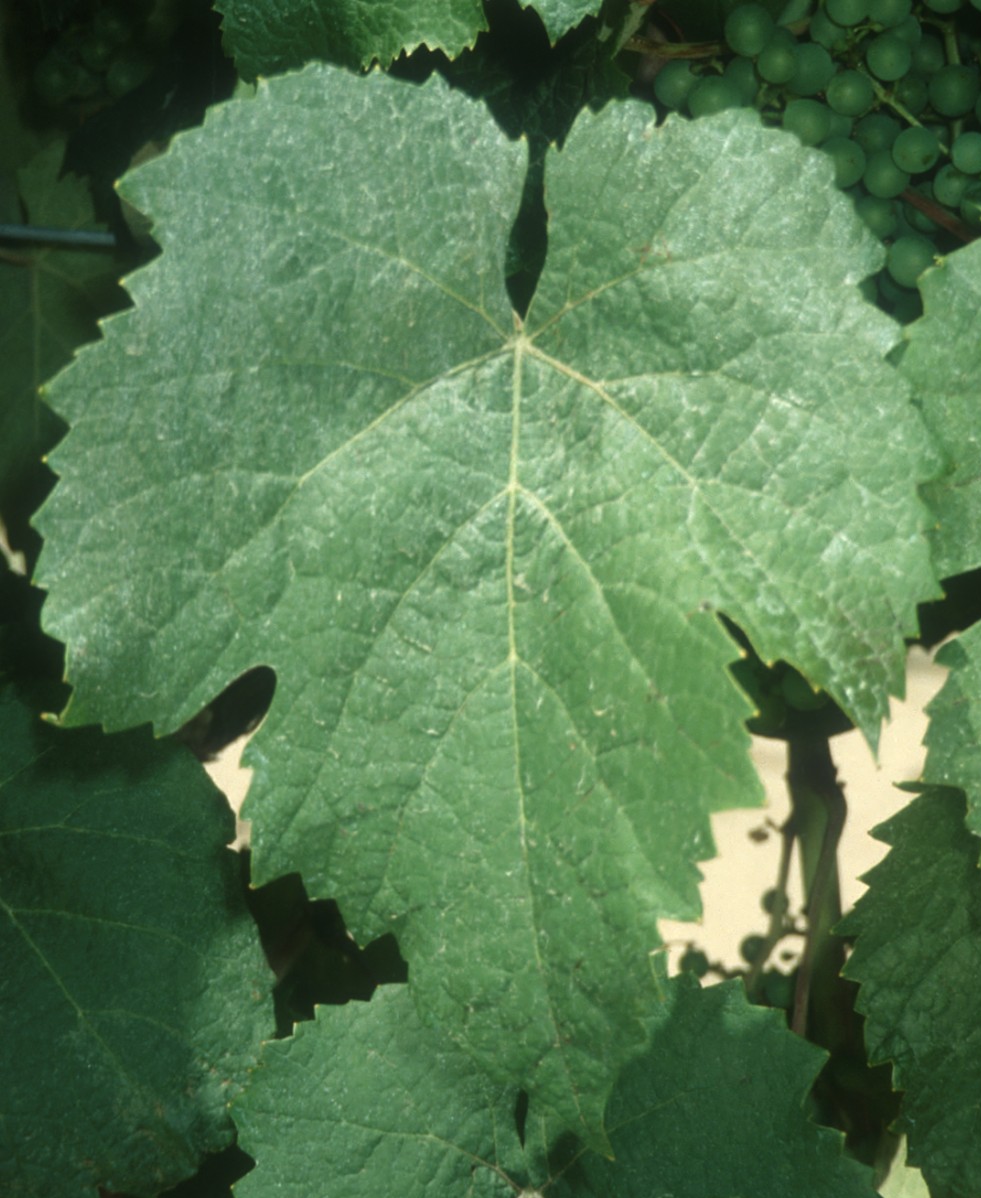
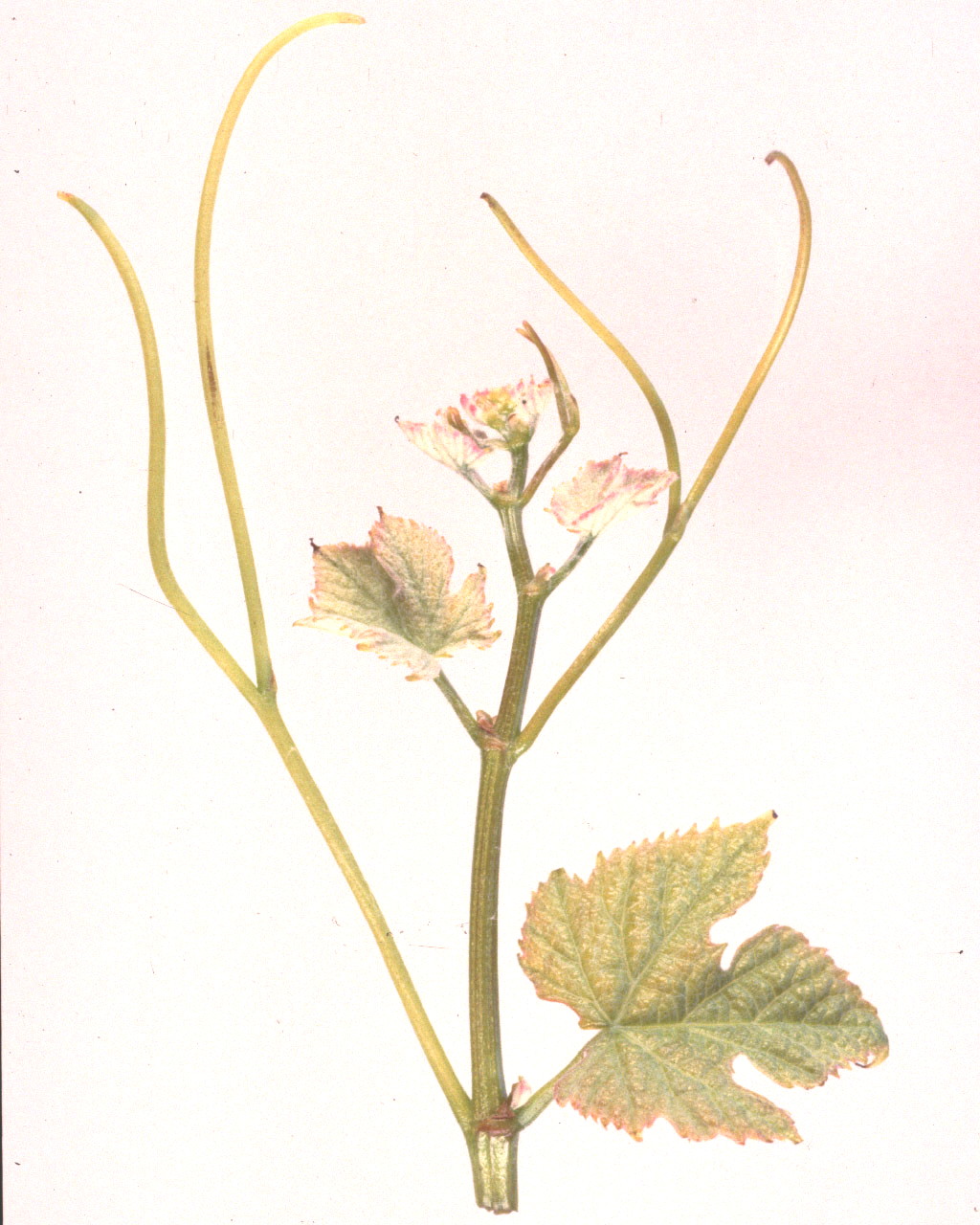
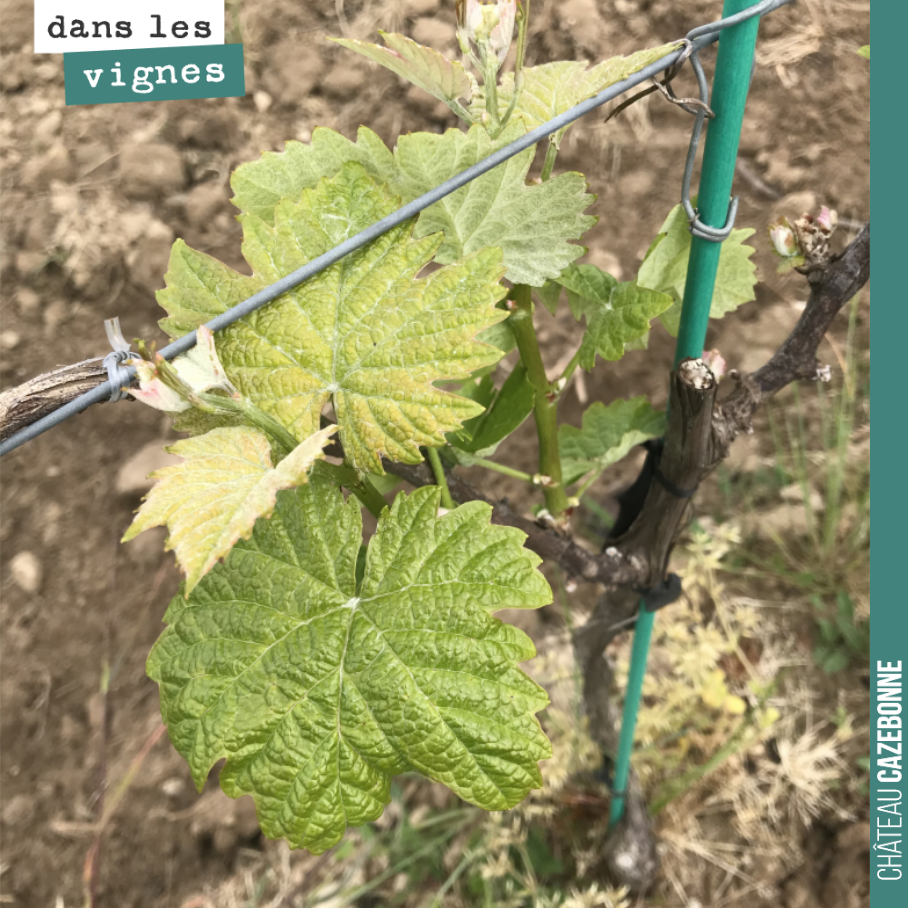
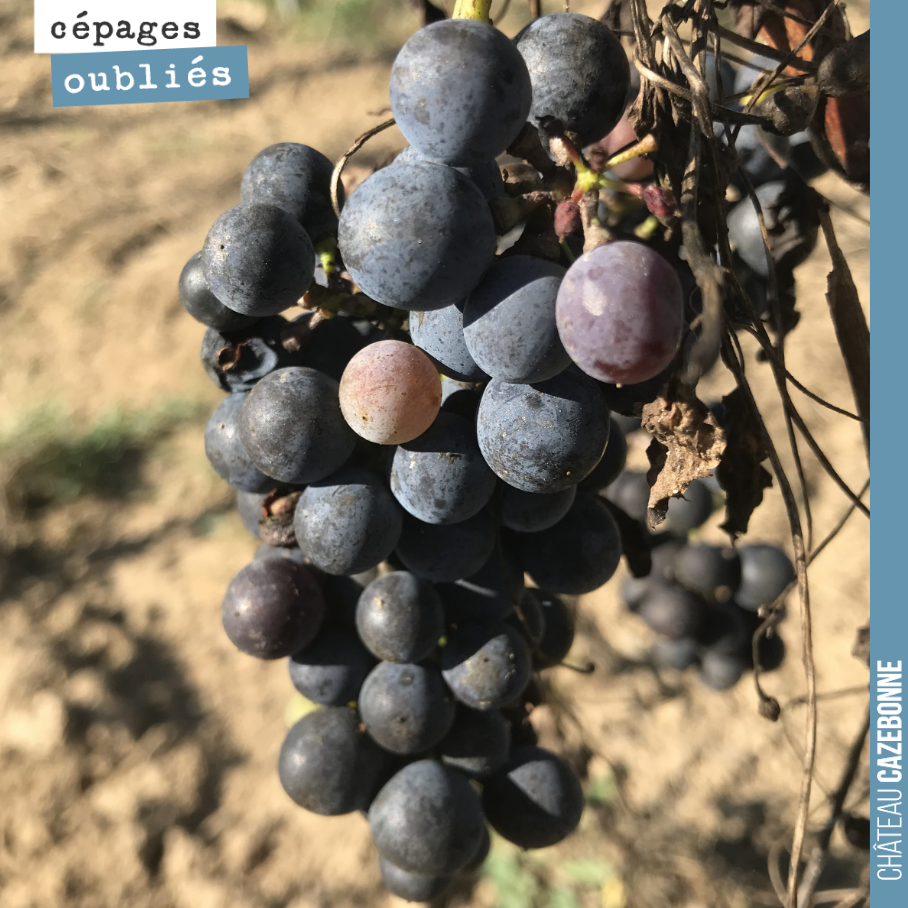
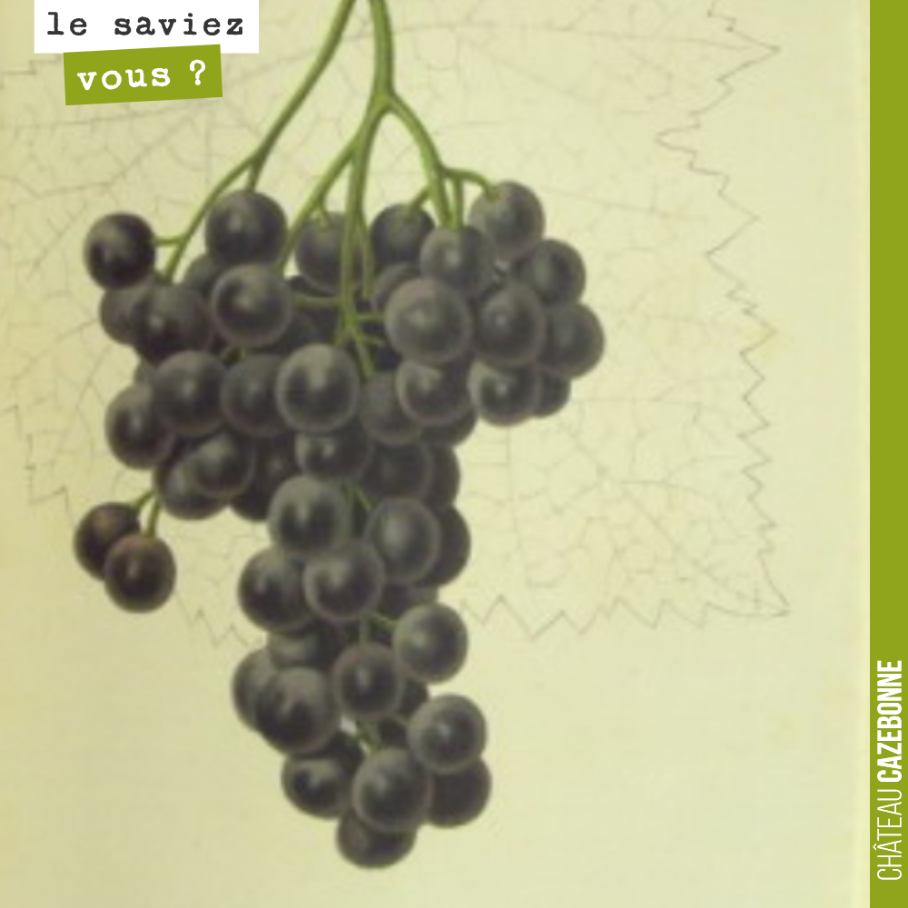
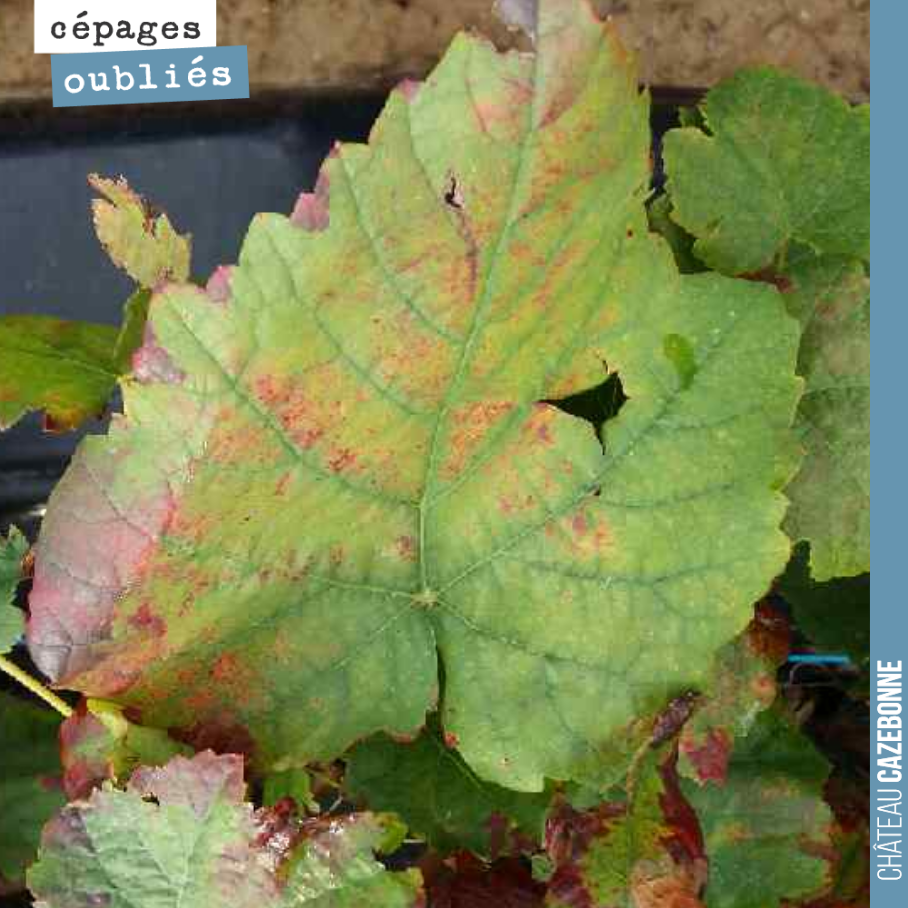
Petit Verdot, although often relegated to the role of an auxiliary grape variety, is a leading player in the complexity of great Bordeaux wines. Contrary to a widespread idea of an origin exogenous to the Gironde, its kinship with Tressot suggests a deep-rooted history. Roger Dion, in his fundamental work "Histoire de la vigne et du vin en France", recounts the discovery by Louis Levadoux in 1950, in the Vallée d'Aspe, of a lambrusque (wild vine) akin to Petit Verdot, then called "lambrusquet" in the Jurançonnais, thus tracing an ancestral link with the South Aquitaine terroir.
Cited as early as 1736 by Abbé Bellet, alongside "Grand Verdot", and then by Jean-Baptiste de Secondat in 1785, this grape variety has traversed the centuries. The survey by Dupré de Saint-Maur mentions it in Libourne, testifying to its presence beyond the Médoc. In 1832, A. Jullien already highlighted its importance: "Carmenet, Carménère, Malbek and Verdot alone populate the Médoc vineyards, which provide the first-quality red wines." This distinction between Petit Verdot and Gros Verdot, sometimes blurred, was crucial during the appellation decrees of 1935, when only Petit Verdot was classified as a principal grape variety. A historical competition which, already in the 17th century, saw Bordeaux merchants try in vain to obtain a ban on Gros Verdot from Colbert.
| Characteristic | Description |
|---|---|
| Budburst | Medium early |
| Flowering | Medium early |
| Vigour | High |
| Habit | Upright, requires trellising |
| Downy mildew sensitivity | Low |
| Powdery mildew sensitivity | High |
| Botrytis sensitivity | Medium |
| Black rot sensitivity | Medium |
| Ripening | Late (third epoch) |
| Aromatic profile | Spices (pepper, clove), floral notes (violet), black fruits (blackcurrant), hints of liquorice and cocoa. |
| Winemaking potential | Provides intense colour, powerful and structured tannins, freshness and significant ageing potential. Mainly used in blends. |
Petit Verdot is a demanding grape variety. It thrives in fertile soils without water stress, but above all in warm soils that allow it to reach optimal maturity. This characteristic explains its strong past presence in the palus, particularly after the phylloxera crisis, where flood-prone areas favoured its cultivation and protected it from the pest. Its late ripening, often one of the last of the year, gives the wines it comprises an intense colour, powerful and structured tannins, as well as highly complex spicy and floral notes. It brings a touch of freshness and undeniable ageing potential, even in small proportions, to the balance of blends alongside grape varieties like Cabernet-Sauvignon and Merlot. It is worth noting its resistance to downy mildew, while being more sensitive to powdery mildew, much like Cabernet Franc.
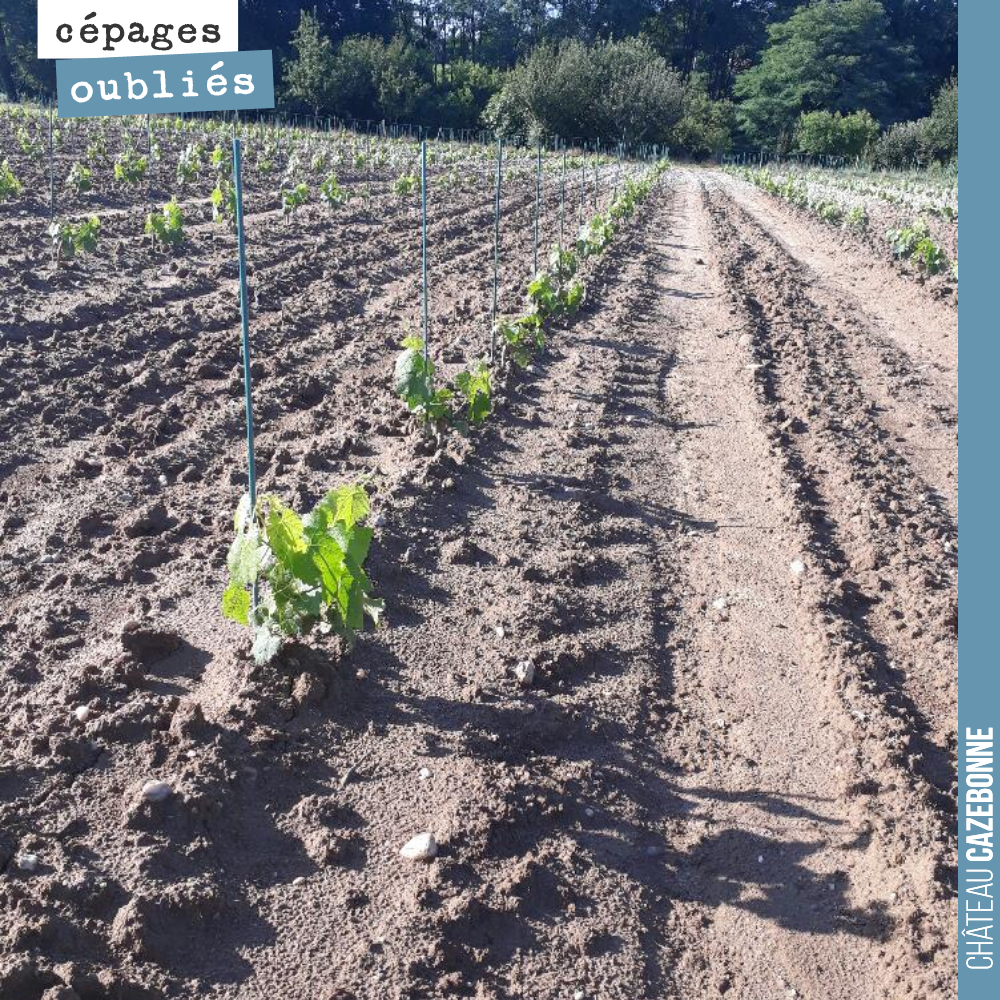
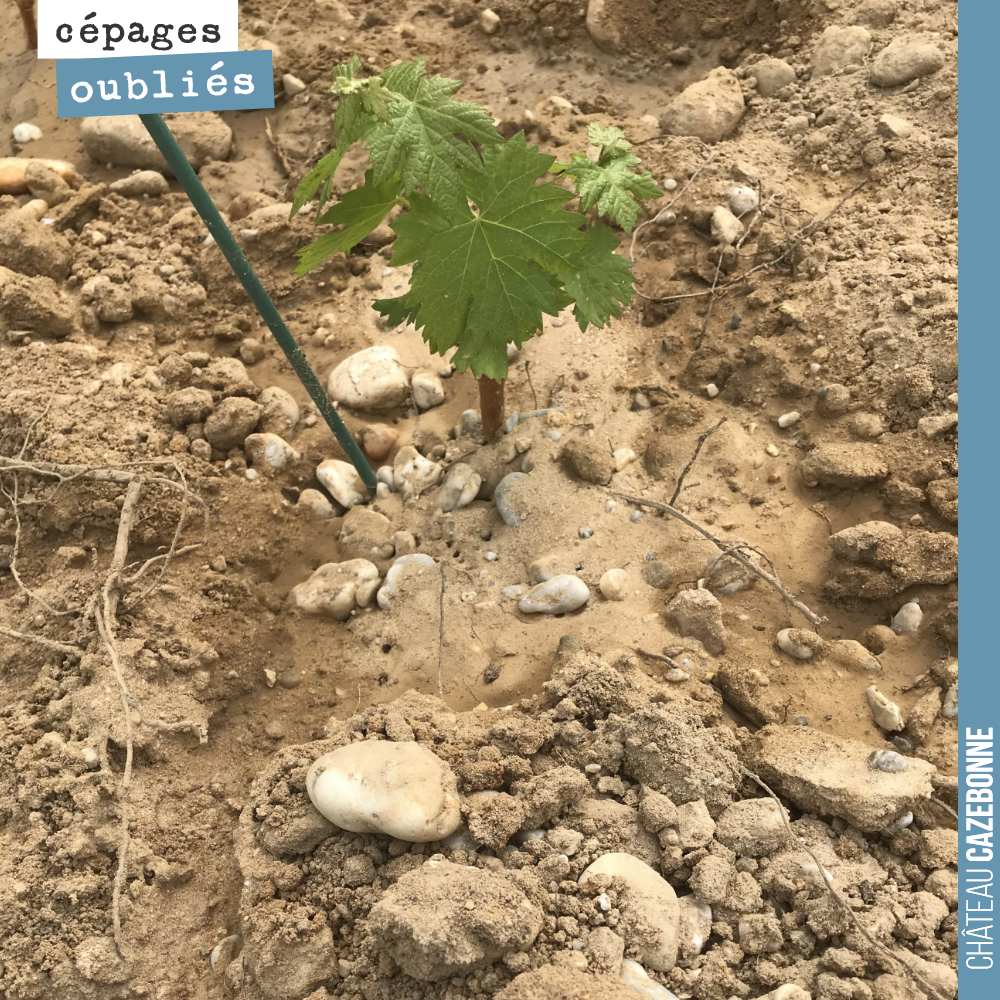
At Château Cazebonne, we are convinced of the wealth hidden within these forgotten Bordeaux grape varieties, of which Petit Verdot is a magnificent example. We are committed to preserving and enhancing this Bordeaux winegrowing heritage, by replanting and vinifying these varieties that have shaped the identity of our terroirs. This exciting work is made possible by the support of the many wine lovers who have adopted our wines and share our vision of a viticulture that respects its heritage and is resolutely forward-looking. To deepen your knowledge of the fascinating history of Bordeaux grape varieties, we invite you to receive the digital version of the book "Bordeaux, une histoire de cépages" by visiting our dedicated page Book on the history of Bordeaux grape varieties. Feel free to test your knowledge of grape varieties and wine with our oenological quizzes, and of course to discover all our cuvées available for sale online.
Sources
Our suggestions
-5%on your 1st order with code BIENVENUE
The essential92/100 RVFVin de France — heritage grapes, 92/100 RVF
The pre-phylloxera Bordeaux blend, revived at the estate.
Castets, Mancin, Pardotte: the Bordeaux before Bordeaux.
I want it Our recommendation
IGP Atlantique — rare grape variety
A forgotten grape brought back: dense colour, wild fruit.
For the curious about lost grape varieties.
I want it Go further
12 bottles — the whole range
12 bottles, the whole range tasted: the best discovery-to-price ratio.
The complete tour of the estate, in a single case.
I want it
08 October 2021
27 May 2021
08 May 2021
15 September 2020
10 August 2020
10 November 2019
27 July 2019
19 July 2019
15 June 2019
11 June 2019
27 October 2018

29 September 2018
09 September 2018
06 September 2018
05 September 2018
11 August 2018
07 August 2018
The cellar, forgotten grape varieties and our cuvées, twice a month. 5% off your first order with the code BIENVENUE.