
 The essential92/100 RVF
Comme en 1900 red 2022
Vin de France — heritage grapes, 92/100 RVF
The pre-phylloxera Bordeaux blend, revived at the estate.
Castets, Mancin, Pardotte: the Bordeaux before Bordeaux.
I want itMalbec
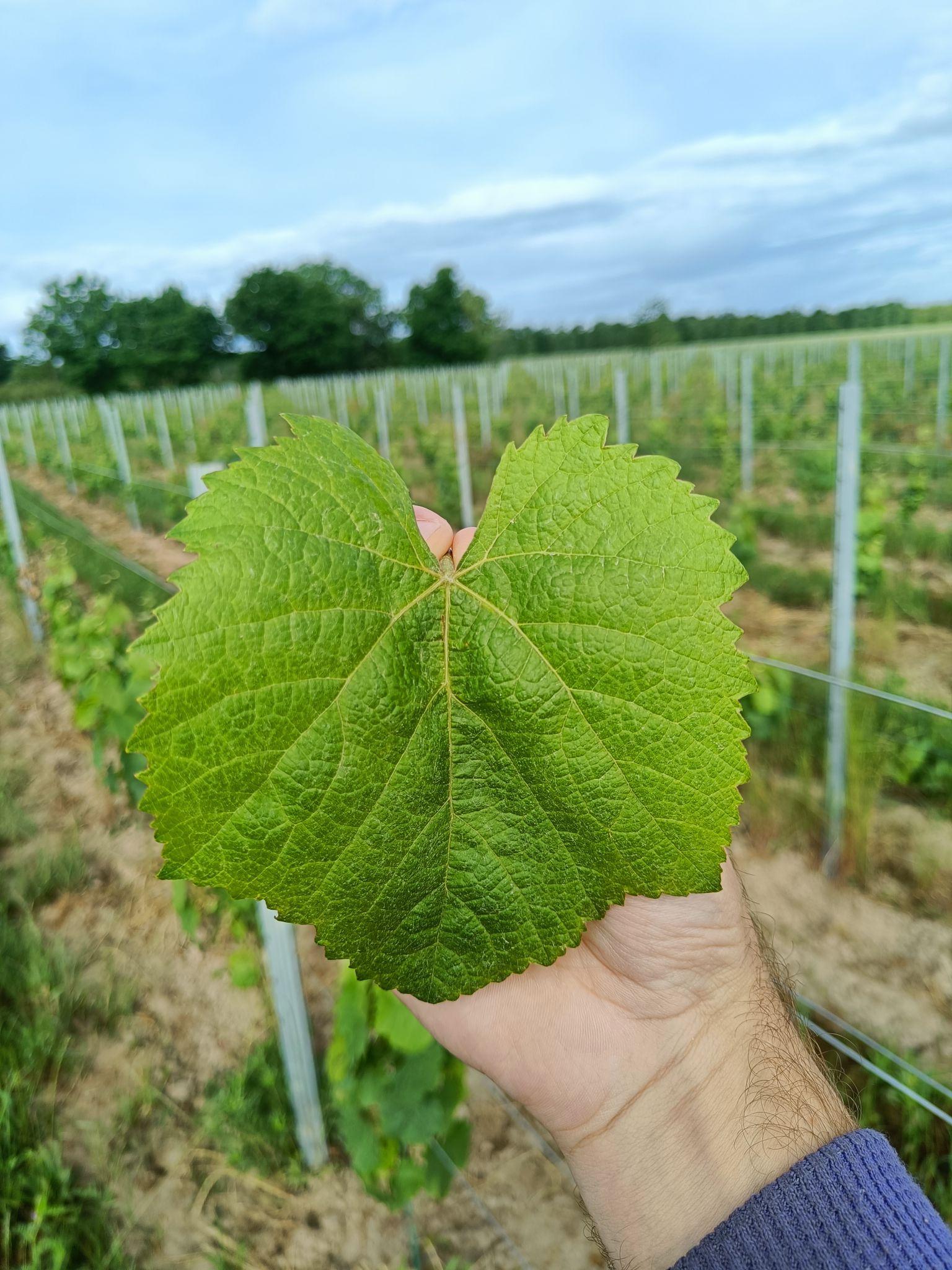
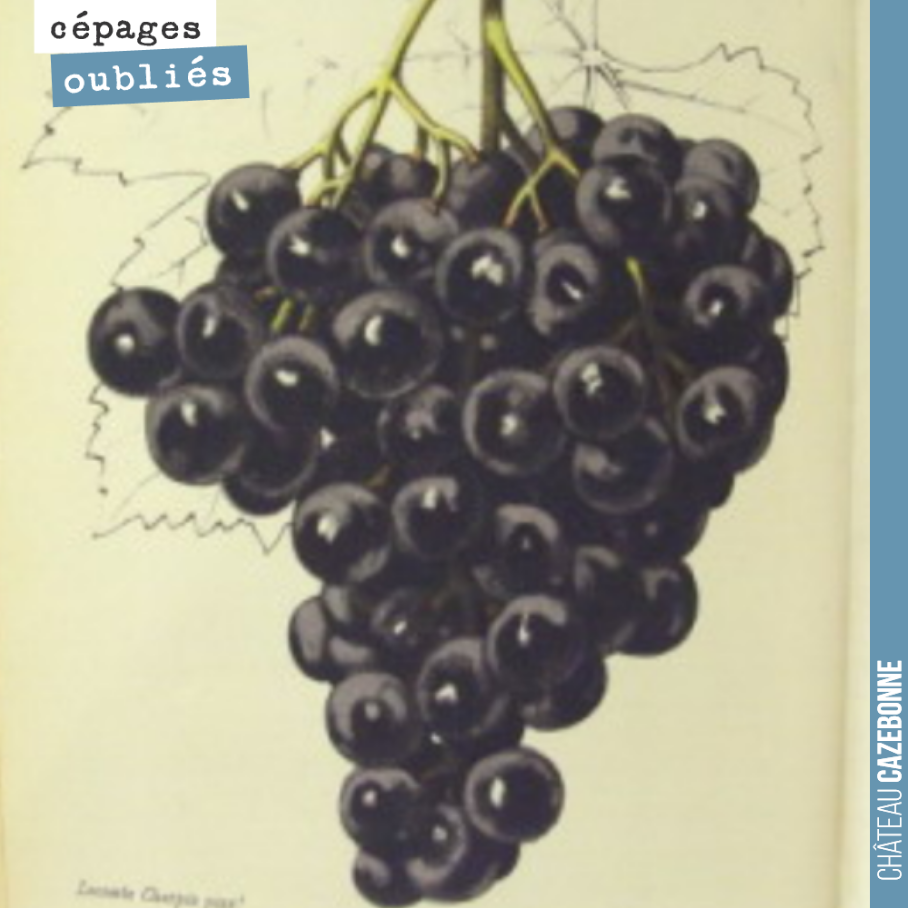
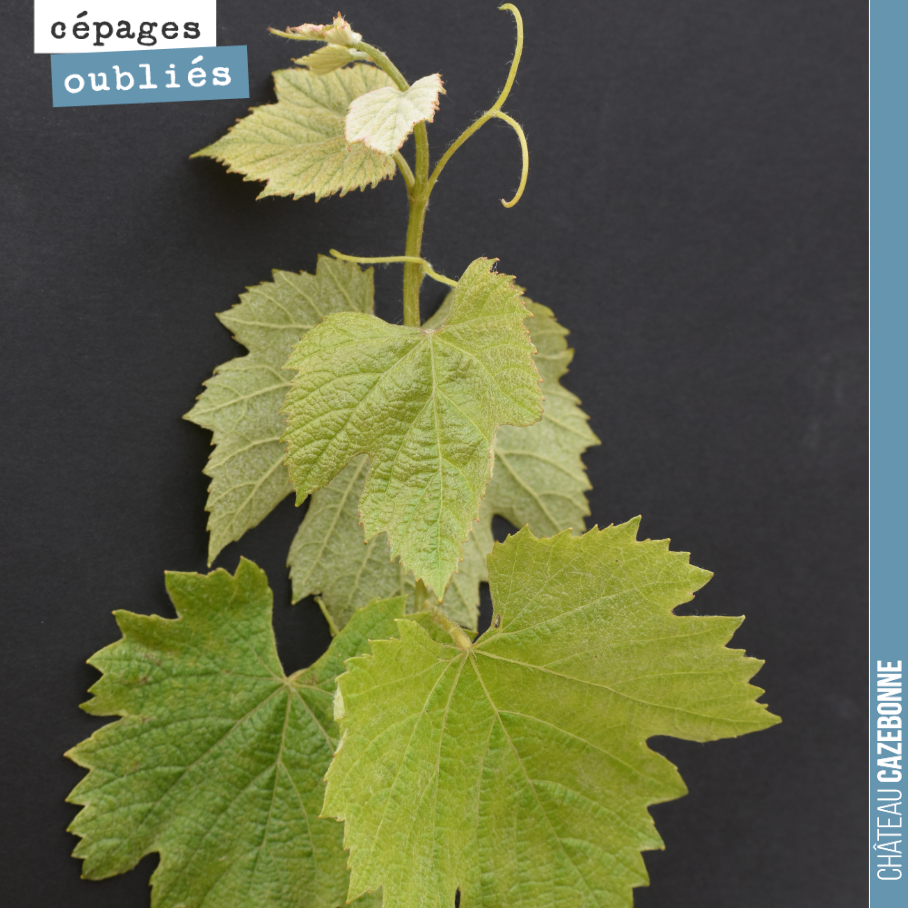
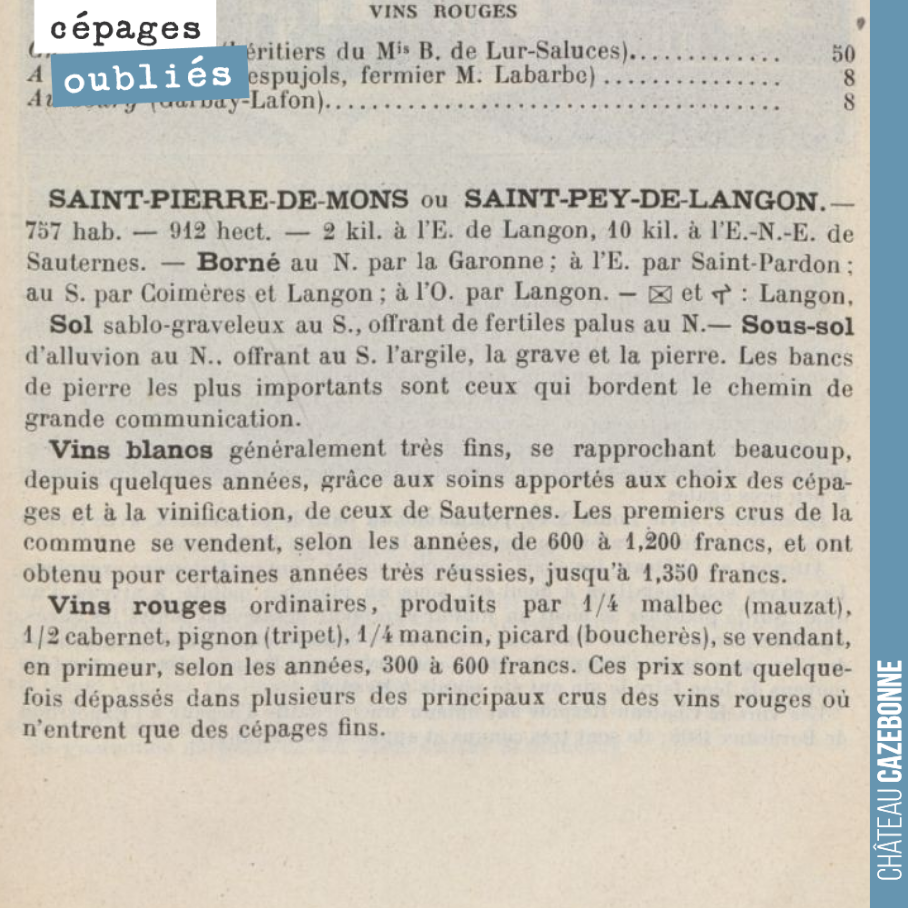
Malbec, known as Côt in its original birthplace in the South West, is a historical figure of the Bordeaux vineyard, intimately linked to the richness and diversity of its wines. Genetic analyses have revealed its noble origins: a cross between the Magdeleine noire des Charentes: the forgotten mother of Merlot and Malbec and the Prunelard grape variety. Fun fact: the Magdeleine noire des Charentes was discovered in 1992 and is also one of Merlot's parents. This robust grape variety, before being massively reintroduced and popularised in Argentina under the influence of Michel Aimé Pouget in the 19th century, gave Bordeaux wines a deep colour, intense fruity aromas and a singularly luscious texture.
Its prevalence in Bordeaux was once notable. However, phylloxera, then the severe frosts of 1956, decimated this sensitive grape variety, as its vines are more fragile in cold weather. Its sensitivity requires particular attention. Its budburst is relatively late (about 4 days after Chasselas) and it reaches second-epoch maturity (two and a half weeks after Chasselas), requiring optimal conditions to express all its potential. Malbec is not particularly prone to cryptogamic diseases, with the notable exception of excoriose, and it can be susceptible to leafhopper attacks.
To reveal the full extent of its qualities, perfect ripeness is essential. Insufficient ripening can let herbaceous and vegetal aromas show through, sometimes imparting a certain hardness or bitterness to the wines. However, when well managed, Malbec produces beautifully coloured, aromatic and tannic red wines, with very good ageing potential. It also lends itself to the production of quality rosés, always bringing its distinctive aromatic touch. The Abbé Bellet already referred to it under the name of the Étranger.
| Characteristic | Description |
|---|---|
| Budburst | Late (about 4 days after Chasselas) |
| Maturity | Second epoch (two and a half weeks after Chasselas) |
| Vigour | Vigorous |
| Growth habit | Upright to semi-upright |
| Downy mildew susceptibility | Medium |
| Powdery mildew susceptibility | Medium |
| Botrytis susceptibility | Low to medium (depending on the clone and conditions) |
| Black rot susceptibility | Low |
| Other susceptibilities | Excoriose, leafhoppers like the Tannat grape variety |
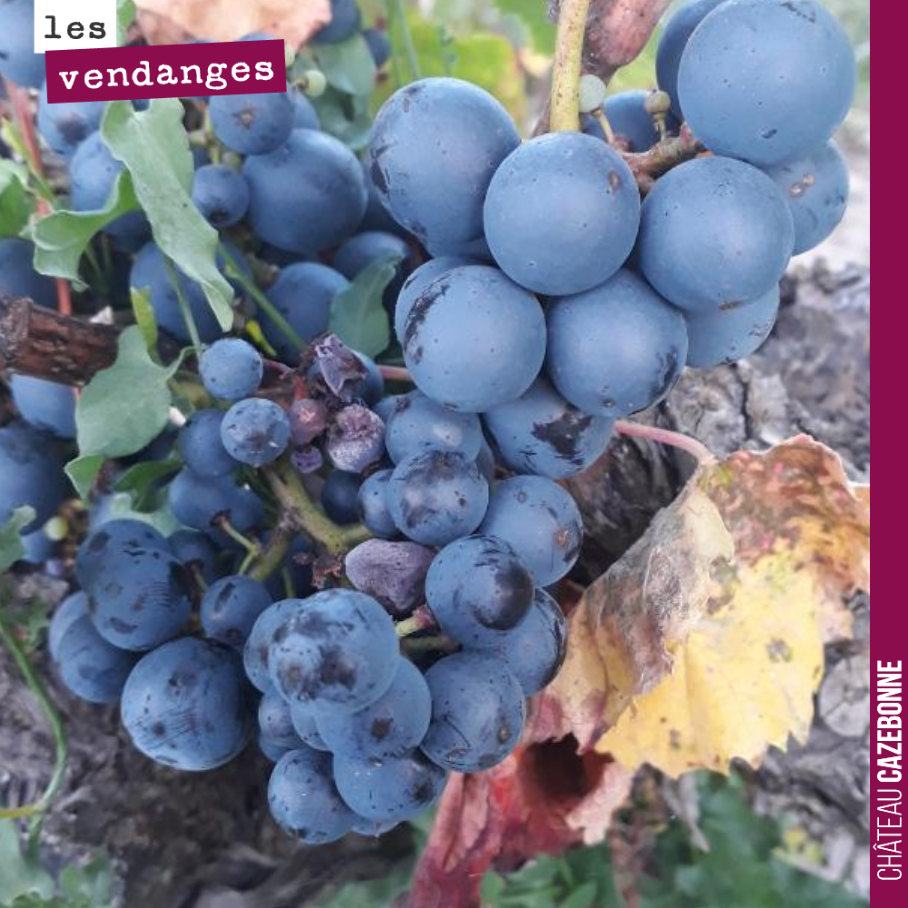
| Aromatic profile | Black fruits (blackberry, blackcurrant), plum, spices, floral notes (violet) |
| Winemaking potential | Coloured, fruity, tannic red wines with good ageing potential. Can be used for rosés. |
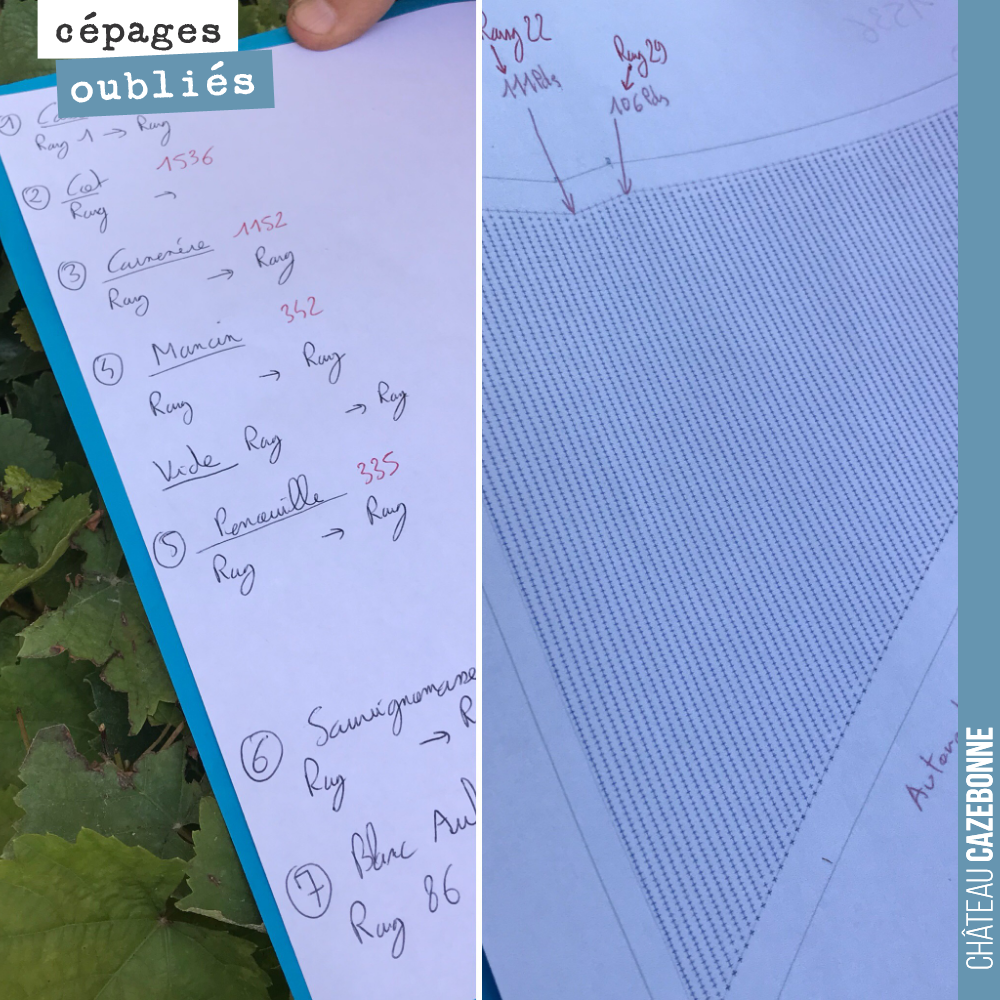
At Château Cazebonne, we are deeply convinced of the potential of these historical grape varieties, sometimes relegated to the background, but which have nevertheless shaped the profound identity of our terroirs. This is why we have embarked on an ambitious project to replant these ancient varieties, including Malbec, in order to rediscover the richness and complexity of the Bordeaux wines of yesteryear. This meticulous work of research, reintroduction and winemaking, as for Saint-Macaire or Bouchalès, is made possible thanks to the unwavering support of the winegrowers who cultivate Malbec and the numerous enthusiasts who have adopted our wines and share our vision of a viticulture respectful of its history, rooted in tradition and resolutely turned towards the future.
To deepen your knowledge of the Cabernet-Malbec grape variety and the incredible diversity of Bordeaux's plant varieties, we invite you to receive the digital version of the book "Bordeaux, une histoire de cépages" to download here. Also, test your knowledge of our production and much more thanks to our oenological quizzes, and find our various cuvées and their unique expression of our terroirs and grape varieties on our online shop.
Sources
Our suggestions
-5%on your 1st order with code BIENVENUE
The essential92/100 RVFVin de France — heritage grapes, 92/100 RVF
The pre-phylloxera Bordeaux blend, revived at the estate.
Castets, Mancin, Pardotte: the Bordeaux before Bordeaux.
I want it Our recommendation
IGP Atlantique — rare grape variety
A forgotten grape brought back: dense colour, wild fruit.
For the curious about lost grape varieties.
I want it Go further
12 bottles — the whole range
12 bottles, the whole range tasted: the best discovery-to-price ratio.
The complete tour of the estate, in a single case.
I want it
13 December 2023
04 August 2023
11 December 2022
30 April 2022
27 September 2020
12 August 2020
26 July 2020
11 February 2020
02 December 2019
22 November 2019
13 November 2019
12 November 2019
11 November 2019
20 September 2019
19 September 2019

10 August 2019
20 May 2019
10 January 2019
13 July 2018
The cellar, forgotten grape varieties and our cuvées, twice a month. 5% off your first order with the code BIENVENUE.