
 The essential
6 × Entre Amis red
6 bottles — Graves red 2022
The best price of the cellar: €12 per bottle delivered.
The everyday red: generous and straight to the point.
I want itRed winemaking is an ancient art, transforming grapes into a complex, aromatic nectar. It differs fundamentally from white winemaking due to the maceration of the grape solids (skins, pips, and sometimes stems) with the must, imparting color, tannins, and a significant portion of aromas to the wine. This process requires constant attention and precise adjustments to unlock the full potential of the fruit.
The journey towards red wine begins in the vineyard at harvest. The grapes are picked at optimal ripeness and promptly transported to the winery. Destemming, which involves separating the berries from the stalks (the woody structure), is a crucial step. While stalks can contribute additional tannins and herbal notes, they can also impart green bitterness if underripe. Next comes crushing, where the berries are gently split to release their juice, creating the must. Historically trodden by foot, this process is now often mechanised. The must, along with the skins and seeds, is then transferred into large vats, setting the stage for fermentation.
To learn more about grape transport and handling, explore our page on The Harvest. Soil management is also essential; read our article on mechanical weeding to find out more.
Unlike white wines where the juice is quickly separated from the solid parts, red winemaking incorporates an extended maceration phase. During this period, anthocyanins (colour pigments) and tannins leach from the skins and seeds into the juice, providing the wine with its colour and structure. Alcoholic fermentation—the biochemical process where yeasts convert grape sugars into alcohol and carbon dioxide—takes place simultaneously or alongside maceration. Throughout fermentation, temperature is meticulously controlled, as it directly influences the extraction of aromatic and phenolic compounds. Techniques such as pumping over (remontage, pumping juice from the bottom of the vat over the cap) and punching down (pigeage, pushing the cap of skins down into the juice) encourage optimal extraction.
For further details on these biochemical processes, explore our articles on alcoholic fermentation and malolactic fermentation. These phases are essential to the final quality of the wine.
Red winemaking techniques vary considerably from one wine region to another, and even from estate to estate. For instance, in certain southern regions, extending maceration for several weeks is common practice. This method yields wines with intense colour and abundant tannins, which are highly sought after by wine merchants. However, prolonged maceration can sometimes come at the expense of freshness and nuance: "Macerated wine gains colour and tannin only at the expense of its vibrancy and taste." In Bordeaux, tradition often favours shorter yet precise macerations, aiming to strike the perfect balance between colour, aromatics, and tannic structure. Maceration and fermentation choices are dictated by the grape variety, the vintage, and the desired style of red wine. Great variation can be seen in the duration of skin contact: "this sometimes occurs after two days, as in Thorins, or three, as at Clos-Vougeot, or five to six, as in Saint-Émilion." This aspect is especially important because "prolonged vatting can be detrimental to the quality of the wine", even though "there is no fixed rule".
Red winemaking is not without its challenges. Risks such as the development of spoilage bacteria, excessive or insufficient oxygenation, or sluggish fermentations can compromise wine quality. Scrupulous hygiene in the winery and of all equipment is essential. Regular monitoring of densities and temperatures throughout fermentation helps detect and rectify any deviations promptly. The use of selected yeast strains and an in-depth understanding of the interactions between must, yeasts, and the cellar environment are key to mitigating these risks and ensuring sound, controlled vinification for the red wines of the Graves.
Once alcoholic fermentation is complete and maceration is deemed sufficient, it is time to separate the wine from the solid mass. During devatting and racking, the free-run wine is gently drawn off into another vessel, leaving the marc (skins and seeds) behind. The marc is then pressed to extract the press wine, which is deeper in colour and more tannic; this can either be blended back with the free-run wine or vinified separately depending on the desired profile. Following devatting and initial racking, the wine enters its ageing (élevage) phase, in vat or barrel, which helps refine and add complexity to the wine prior to bottling.
Château Cazebonne is actively dedicated to replanting historical Bordeaux grape varieties—an exciting endeavour made possible by the enthusiasm of wine lovers who appreciate our wines. You can explore the full scope of this project by downloading our book on the history of Bordeaux grape varieties, test your wine knowledge with our quizzes, or discover and purchase our wines directly from our online shop.
Sources
Our suggestions
-5%on your 1st order with code BIENVENUE
The essential6 bottles — Graves red 2022
The best price of the cellar: €12 per bottle delivered.
The everyday red: generous and straight to the point.
I want it Our recommendation92/100 RVF
6 bottles — Graves red 2022, 92/100 RVF
Rated 92/100 by La Revue du vin de France: a solid 10-year ageing potential.
Our Graves for ageing, the finest gateway to the estate.
I want it Go further
12 bottles — the whole range
12 bottles, the whole range tasted: the best discovery-to-price ratio.
The complete tour of the estate, in a single case.
I want it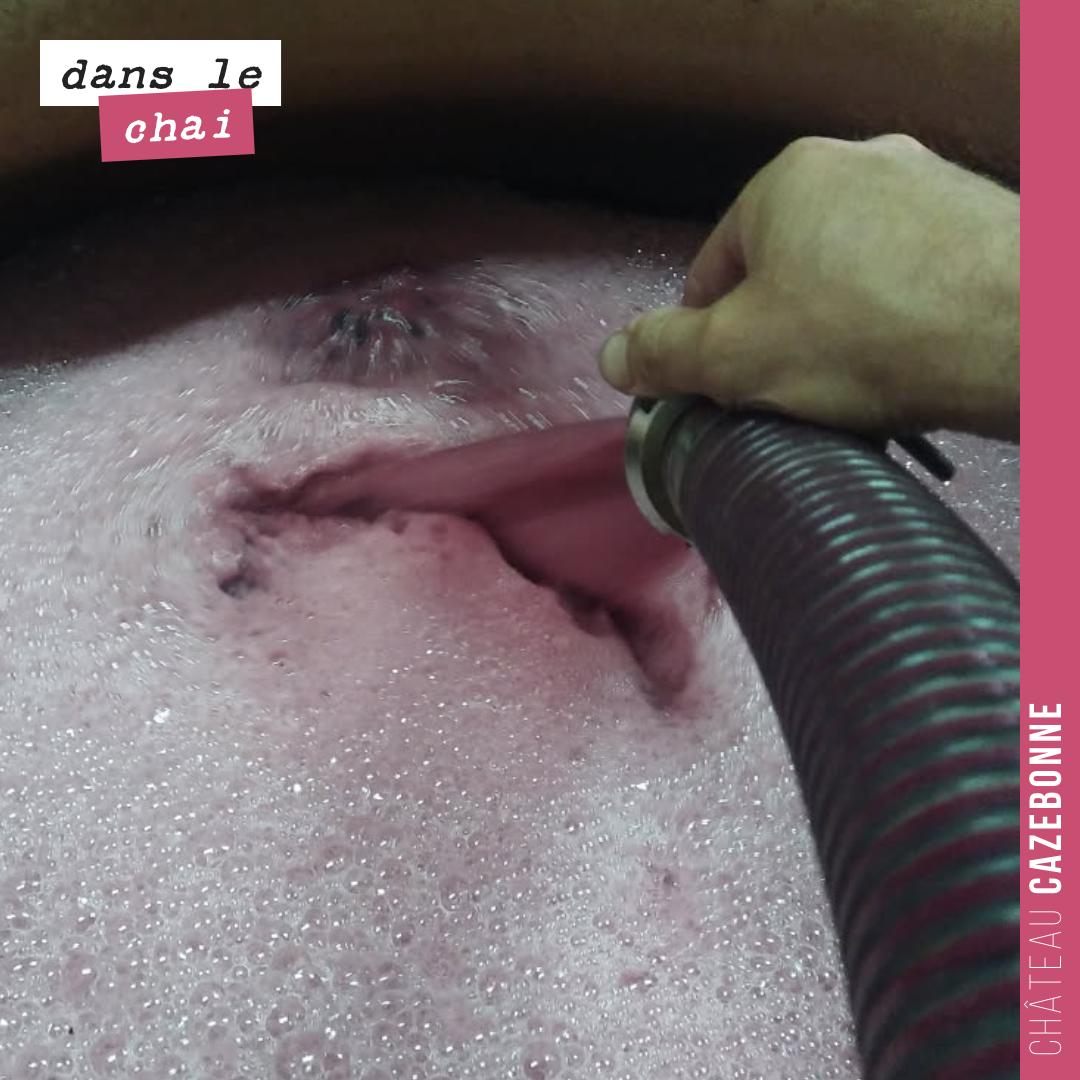
06 September 2026
By Jean-Baptiste
The cellar, forgotten grape varieties and our cuvées, twice a month. 5% off your first order with the code BIENVENUE.