14 February 2020
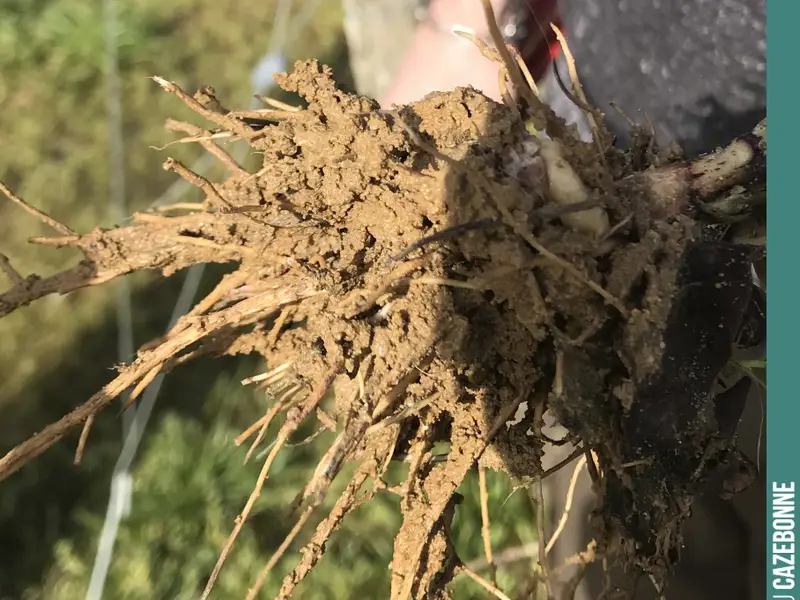
Field beans are truly extraordinary for decompacting the soil and fixing atmospheric nitrogen……Look at these roots.
By Jean-Baptiste Duquesne

Nitrogen
Nitrogen, this fundamental element, is much more than a simple nutrient for the vine; it is a true driver of its growth and development. Its presence is essential at every crucial stage of the plant's life: from bud burst to berry ripening, via the blossoming of leaves and flowers. A controlled supply contributes directly to the plant's vigour and strengthens its ability to resist the onslaught of diseases and environmental vagaries.
In an approach that respects the soil and the plant, the supply of nitrogen can take various forms. While synthetic fertilisers are prohibited in organic farming, virtuous alternatives exist. The planting of cover crops, for example, naturally enriches the soil with nitrogen thanks to the symbiotic action of certain legumes. This approach, in addition to nourishing the vine, contributes to soil biodiversity and the development of healthy, balanced grapes.
Nitrogen plays a central role in the synthesis of proteins, enzymes and chlorophyll, which are vital components for the vine. A deficiency manifests itself in the yellowing of leaves (chlorosis), stunted growth and a reduction in bunch size. Conversely, an excess promotes exuberant vegetative development to the detriment of fruiting, making the plant more susceptible to diseases and altering the quality of the future wine.
The need for nitrogen varies considerably depending on the vine's phenological stages. A critical supply occurs at bud burst and flowering to support the growth of young shoots and the formation of inflorescences. During veraison and ripening, the vine requires less nitrogen; an excess can even delay maturity and negatively influence the concentration of sugars and aromatic compounds. Precise management is therefore essential, often refined by soil and sap analyses.
At Château Cazebonne, we favour natural methods to manage the nitrogen supply. Cover crops, notably legumes such as faba bean or clover, are invaluable allies. By fixing atmospheric nitrogen in the soil, they contribute to its natural fertility. Compost and organic amendments also help to maintain a stable, bioavailable nitrogen reservoir for the vine. These practices are part of our overall approach aimed at promoting biodiversity and soil health.
However, as is often the case with nutrition, it is all a question of balance. An excessive supply of nitrogen can have harmful consequences, leading to disproportionate leaf growth to the detriment of fruiting. A canopy that is too dense promotes humidity, thereby increasing the vine's susceptibility to cryptogamic diseases. Conversely, a nitrogen deficiency results in slowed growth and a loss of vigour. To best navigate between these pitfalls, constant monitoring is necessary. Regular soil analyses, a true health check-up for your terroir, make it possible to accurately identify the vine's needs and adjust the supplies accordingly.
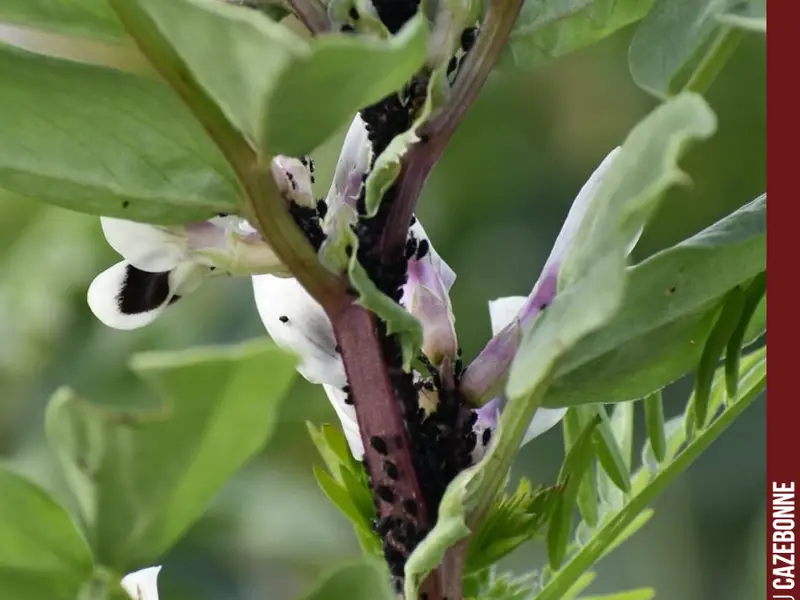
At Château Cazebonne, our commitment to soil vitality and the uniqueness of our terroir guides us in each of our practices. It is thanks to this philosophy that we have been able to undertake the replanting of forgotten Bordeaux grape varieties, an initiative that contributes to the ampelographic richness and diversity of our region. This long-term endeavour is made possible by the unfailing support of the many enthusiasts who have adopted our wines, flying the flag for the Bordeaux vintages of yesteryear. To deepen your knowledge of the fascinating history of Bordeaux grape varieties, we invite you to receive the digital version of the book "Bordeaux, une histoire de cépages". Also, do not hesitate to test your knowledge with our oenological quizzes, discover our cuvées available directly in our shop, or learn more about Faba bean flowers.
14 February 2020
By Jean-Baptiste Duquesne
14 May 2019
By Jean-Baptiste Duquesne
The cellar, forgotten grape varieties and our cuvées, twice a month. 5% off your first order with the code BIENVENUE.