
 The essential
6 × Entre Amis red
6 bottles — Graves red 2022
The best price of the cellar: €12 per bottle delivered.
The everyday red: generous and straight to the point.
I want itMelliferous cover crop
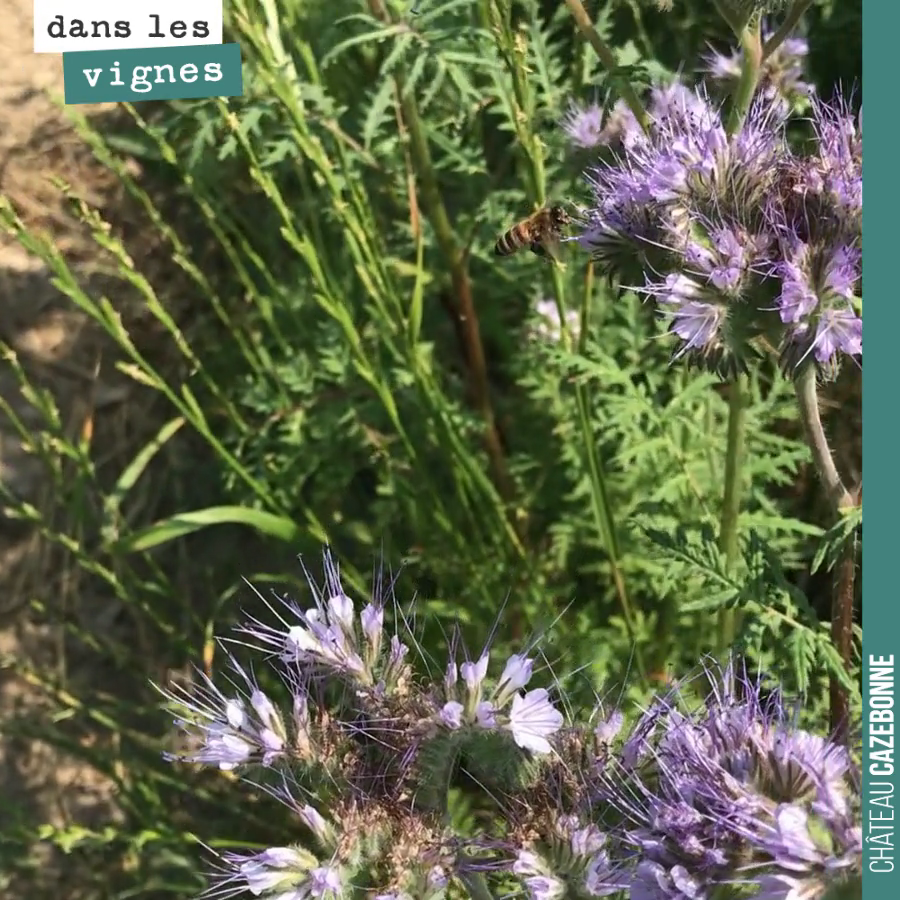
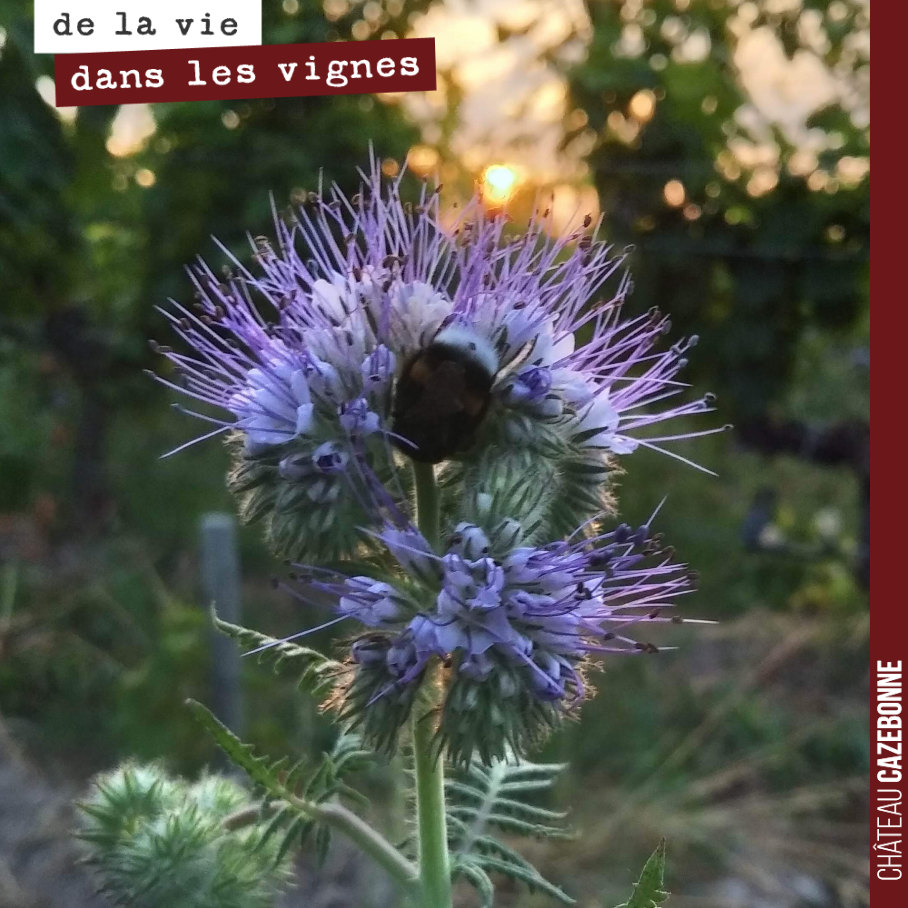
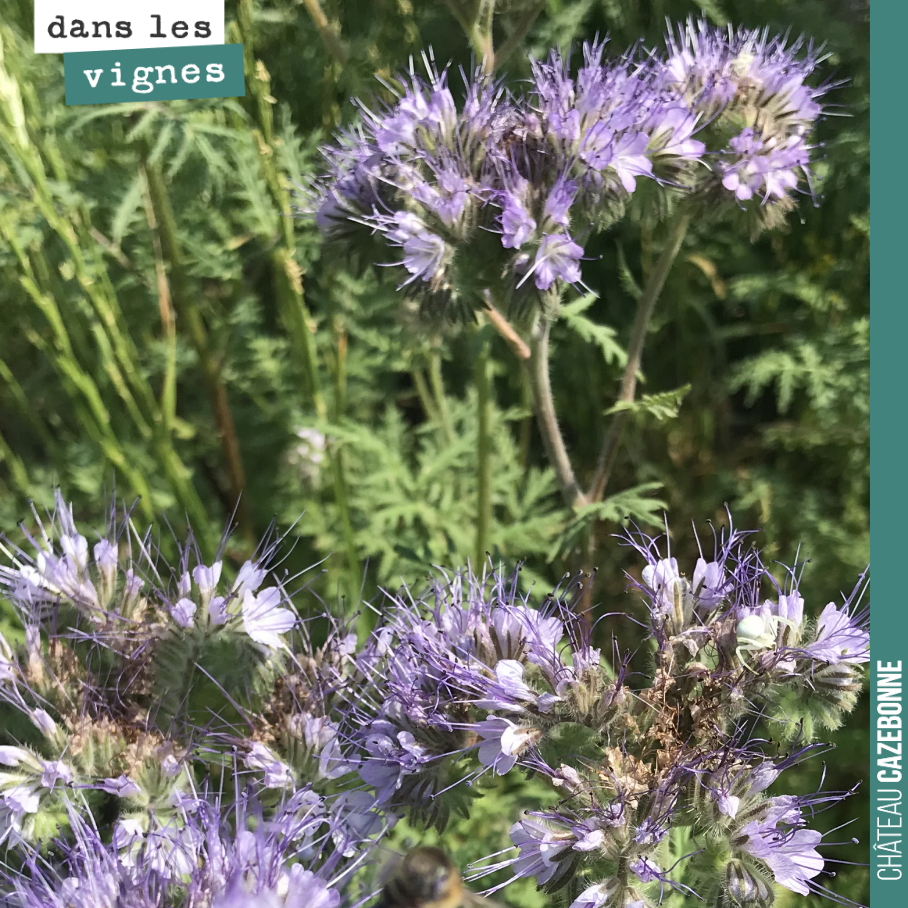
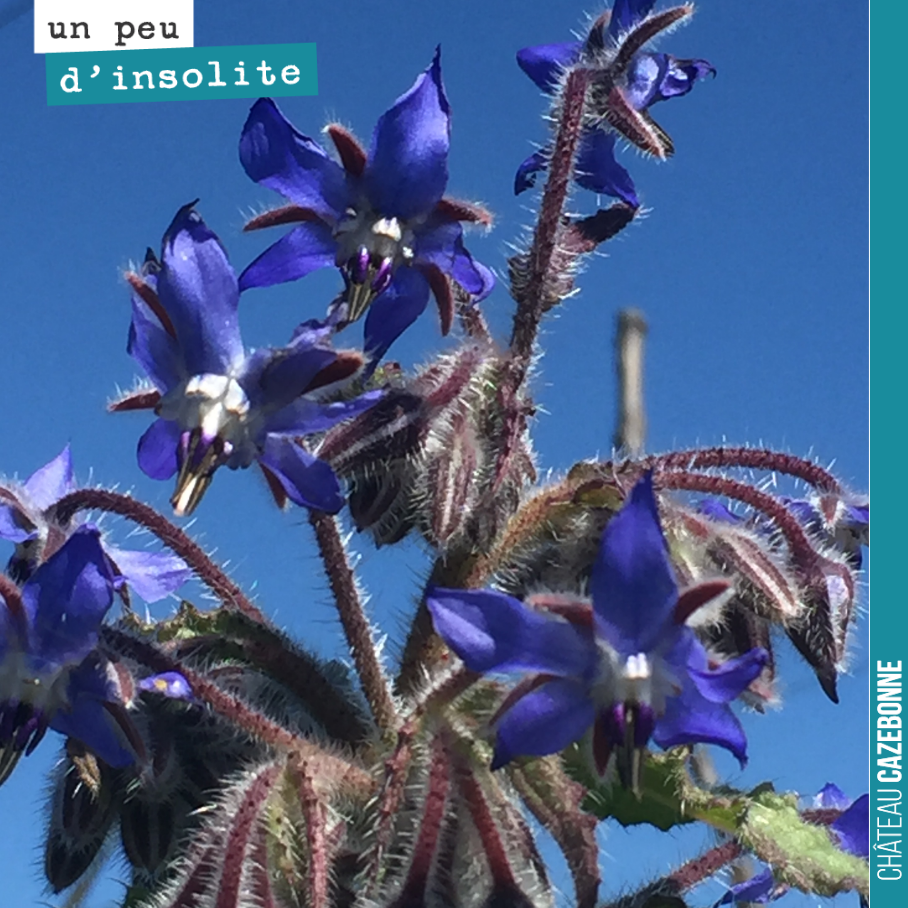
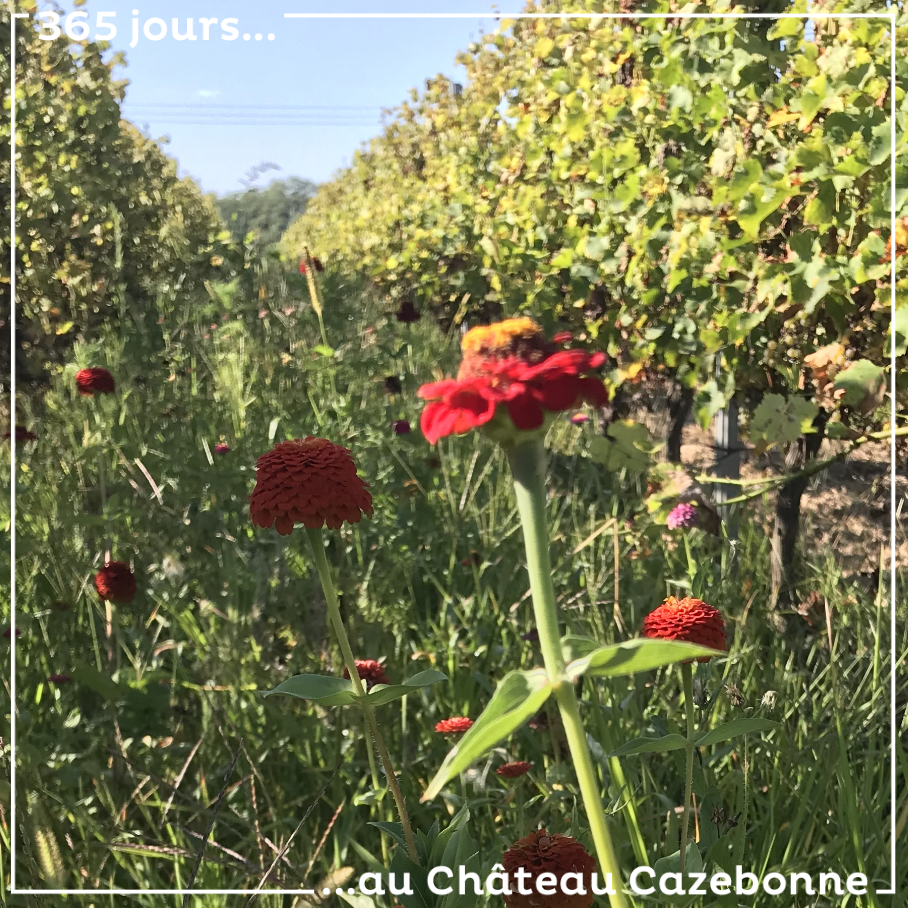
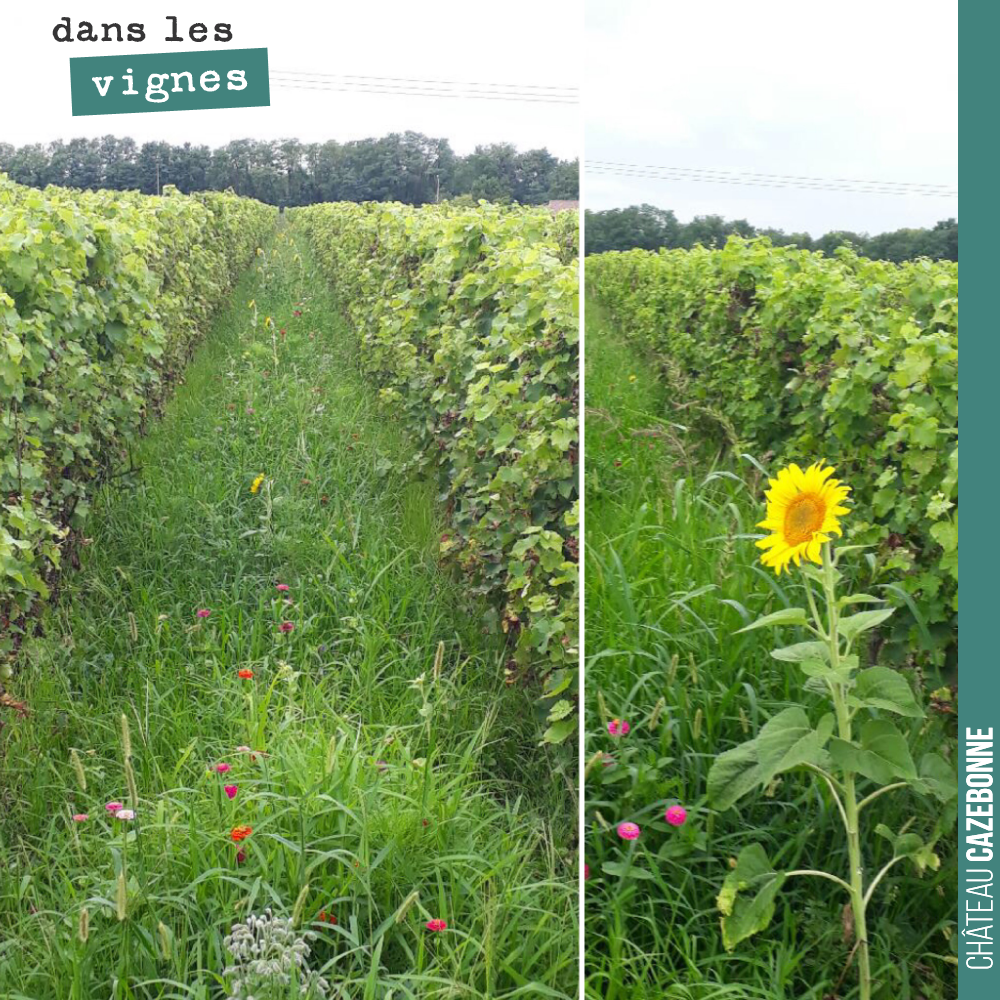
At the heart of our approach, which respects the terroir and biodiversity, melliferous sowings play a fundamental role. Far beyond their simple aesthetic appeal, these plants are true lungs for our ecosystems, acting as vital food sources – nectar and pollen – for a multitude of pollinating insects, particularly bees. The latter, true architects of our soils' fertility and the sustainability of our agriculture, are invisible yet indispensable actors in the survival of many plant species, including our vines.
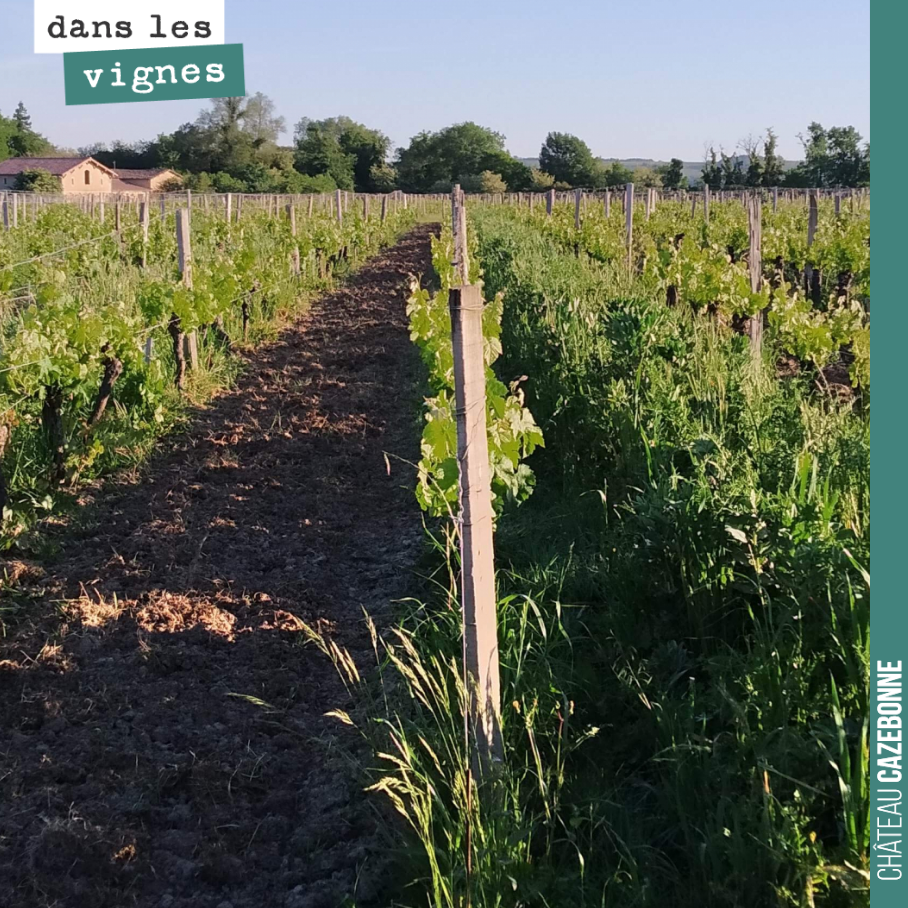
Implementing melliferous sowings within or around the vine parcels offers multiple benefits. The main objective is to strengthen biodiversity, creating a richer and more resilient ecosystem. These plants attract a large number of bees, bumblebees, and other pollinating insects that are essential not only for neighbouring crops but also for certain spontaneous plant species. Furthermore, they encourage the presence of auxiliary fauna that naturally regulates vine pest populations, thereby reducing the need for phytosanitary interventions. Finally, the roots of melliferous plants help improve the structure and health of living soils by increasing organic matter, porosity, and water retention capacity.
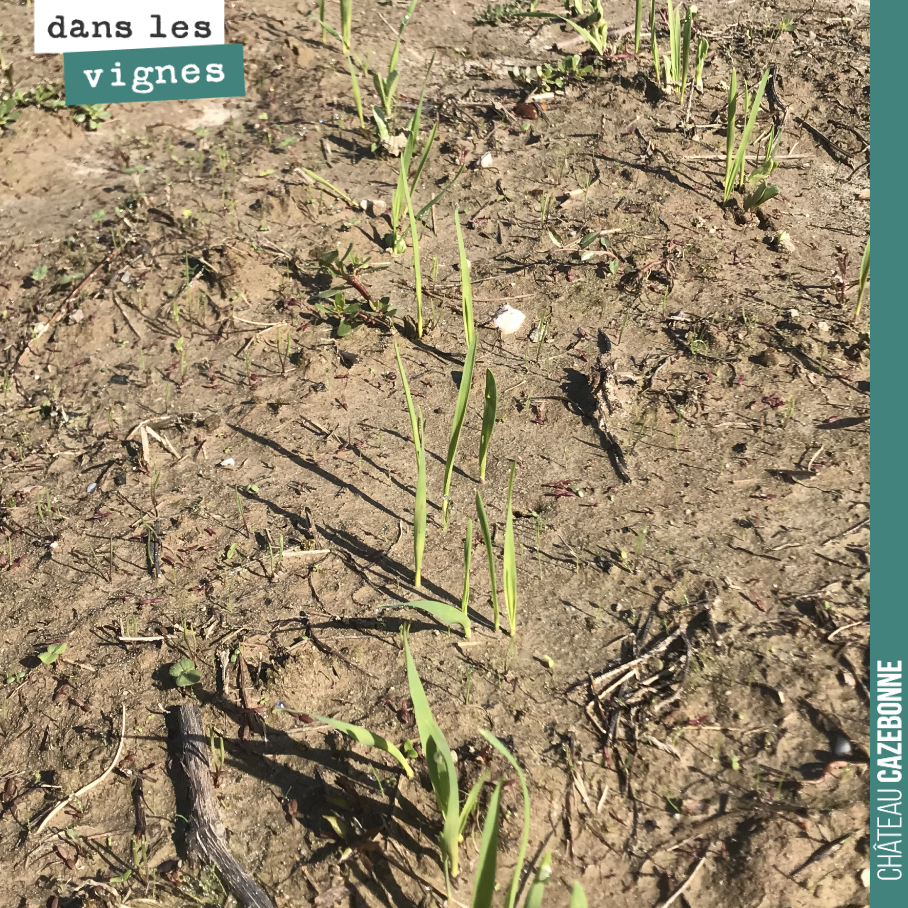
The ideal time to establish melliferous sowings depends on the chosen species and local climatic conditions. Generally, at Château Cazebonne, we favour autumn sowings, before the first frosts, to allow the seeds to settle and germinate in the spring. This cold period encourages the emergence of certain species that require natural stratification. An alternative is spring sowing, as soon as the risk of heavy frosts has passed. The main thing is to ensure that the plants can flower during periods of intense pollinating insect activity, from spring to the end of summer. It is often beneficial to stagger the sowings or choose a mix of species with staggered flowering to ensure a continuous food resource.
Soil preparation is a crucial step to ensure the success of a melliferous sowing. It varies depending on the situation:
Sowing can be done by broadcasting for small areas, or using a seed drill for larger zones. It is important to lightly bury the seeds and compact the soil to ensure good seed-to-soil contact and prevent drying out.
Maintenance of melliferous parcels is generally minimal. Once established, most of the chosen species are undemanding. However, it is important to ensure gentle management of the grass cover, avoiding overly regular or severe cuts that could harm the flowering or persistence of the melliferous plants. At Cazebonne, we favour late mowing to allow the seeds to re-sow naturally and ensure the longevity of the plant cover.
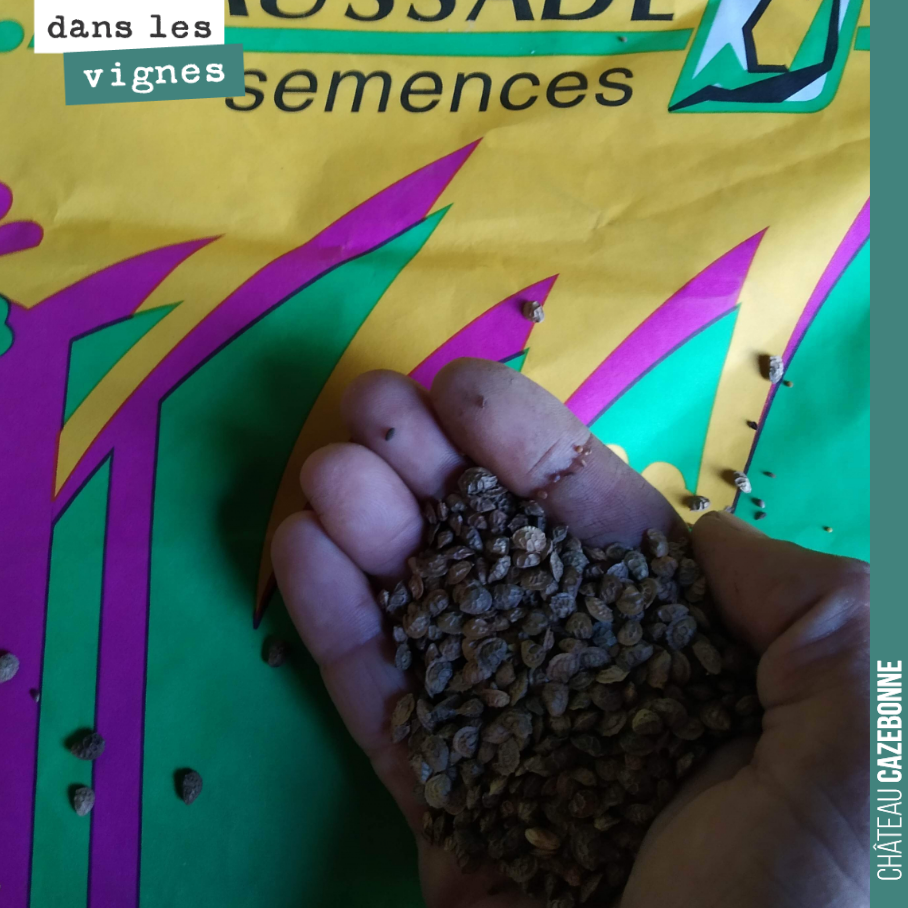
The choice of melliferous species is fundamental. We favour native plants or those adapted to our terroir, guaranteeing their successful establishment and ecological role. To achieve this, we select certified organic seed mixes, often composed of legumes such as clover or field bean, crucifers like mustard, and various fallow flowers such as phacelia or alfalfa. We also ensure that these seeds are untreated and come from environmentally friendly production. No synthetic chemical products are used for their installation or maintenance, in accordance with our biodynamic approach.
At Château Cazebonne, melliferous sowings are an essential component of our biodiversity and agroecology strategy. We integrate them into our old vine parcels and around our replantings of forgotten Bordeaux grape varieties. This practice is part of our overall philosophy to breathe life back into the terroirs and endemic grape varieties. By cultivating this floral diversity, we strengthen the health of our soils, encourage the presence of valuable auxiliaries and, ultimately, produce wines that are an authentic expression of our terroir.
This long-term undertaking, a true quest for authenticity and diversity, is made possible thanks to the trust and support of our many wine enthusiasts. By adopting our wines, they allow us to continue this beautiful adventure, and you can discover our full range of cuvées in our online shop. To deepen your knowledge of our viticultural heritage, you can also download the digital version of "Bordeaux, une histoire de cépages", or test your knowledge via our interactive oenological quizzes.
Our suggestions
-5%on your 1st order with code BIENVENUE
The essential6 bottles — Graves red 2022
The best price of the cellar: €12 per bottle delivered.
The everyday red: generous and straight to the point.
I want it Our recommendation92/100 RVF
6 bottles — Graves red 2022, 92/100 RVF
Rated 92/100 by La Revue du vin de France: a solid 10-year ageing potential.
Our Graves for ageing, the finest gateway to the estate.
I want it Go further
12 bottles — the whole range
12 bottles, the whole range tasted: the best discovery-to-price ratio.
The complete tour of the estate, in a single case.
I want it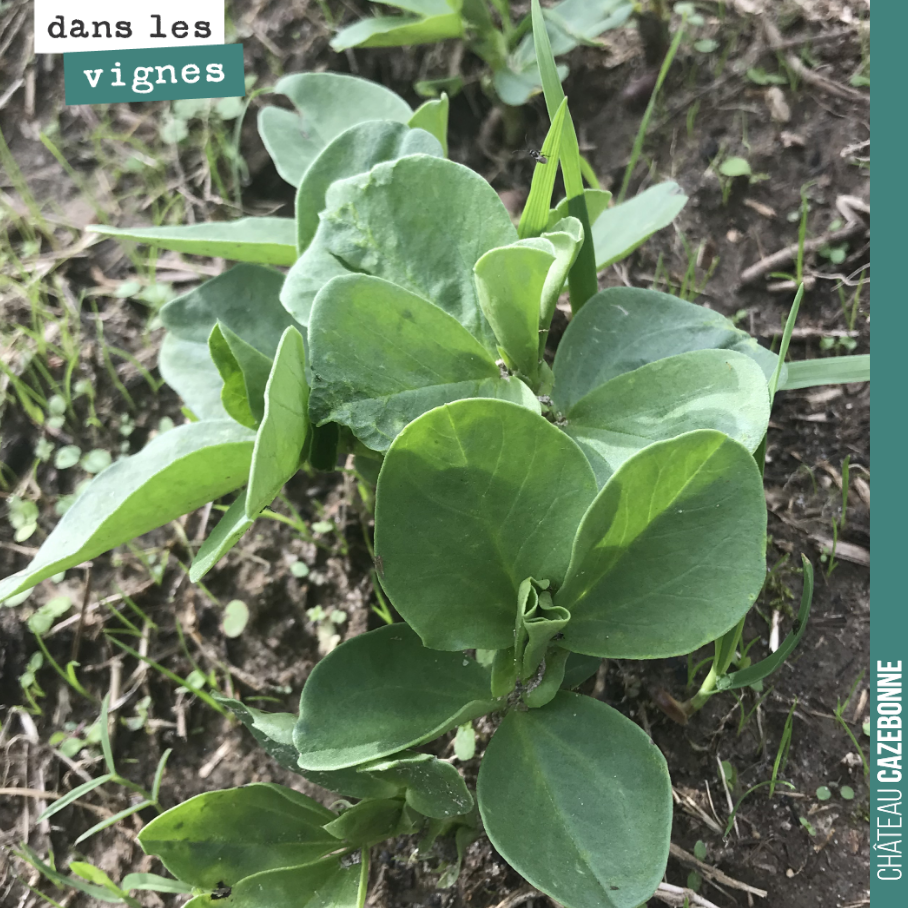
11 October 2020
05 October 2020
08 July 2019
06 July 2019
03 July 2019
17 May 2019
16 May 2019
28 March 2019
12 September 2018
19 August 2018
The cellar, forgotten grape varieties and our cuvées, twice a month. 5% off your first order with the code BIENVENUE.