
 The essential
6 × Entre Amis red
6 bottles — Graves red 2022
The best price of the cellar: €12 per bottle delivered.
The everyday red: generous and straight to the point.
I want itCompost
At Château Cazebonne, the vitality of our soils is at the heart of our concerns. Convinced that a wine's richness draws its roots from the earth that nourished it, we are resolutely committed to a regeneration approach. Every year, patient and passionate work is carried out to rebuild the organic matter in our soils, a fundamental element of their fertility. This approach notably involves the regular and thoughtful addition of compost.
Compost, far from being a simple amendment, is a true life force for the soil. It acts as a biological catalyst, tirelessly nourishing the microfauna and microflora, those millions of invisible organisms that work relentlessly on the structure and vitality of the earth. By providing decomposed organic matter, compost improves soil porosity, thereby promoting better air and water circulation. It also increases the soil's capacity to retain moisture and essential nutrients, releasing them gradually for the needs of the vine. It establishes a virtuous cycle, where organic matter decomposes to enrich the soil's humus, which in turn nourishes a healthier and more resilient vine.
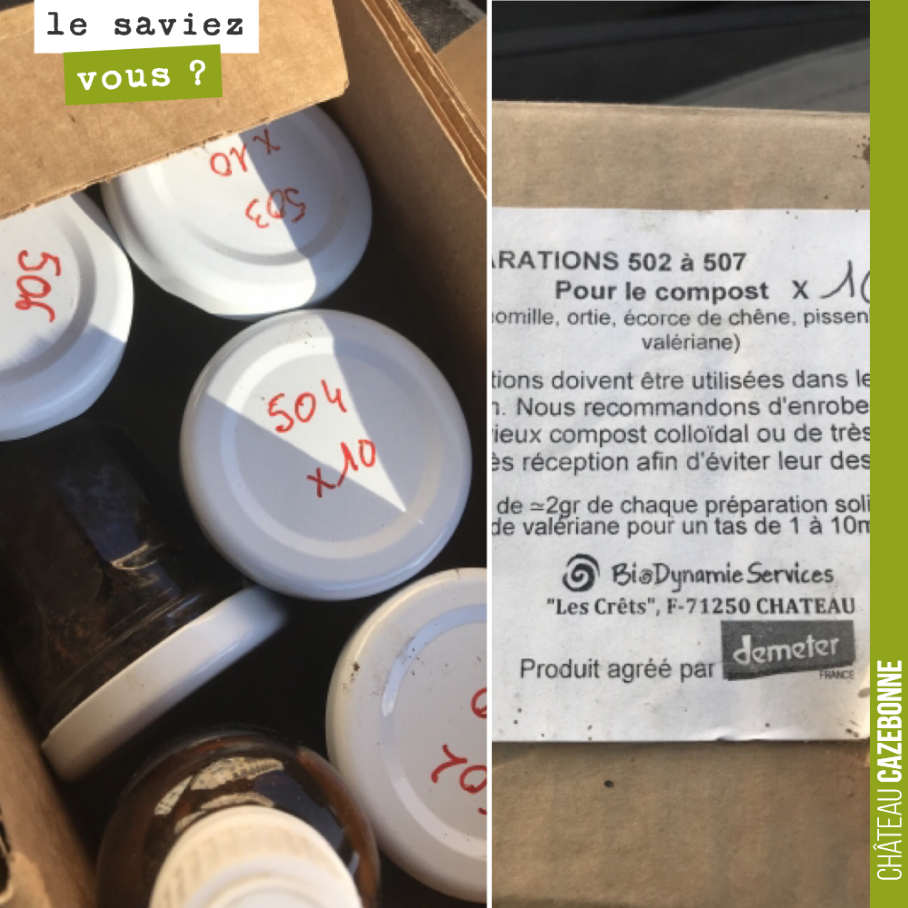
Our approach is in keeping with the principles of biodynamic agriculture, for example by integrating preparations 502 to 507 into our composts. These subtle preparations energise the decomposition processes and strengthen the interaction between the soil, the plant and cosmic forces, thus amplifying the benefits of biodynamic compost. By encouraging this subterranean life, we allow the vine's roots to anchor themselves deeply, to explore the geological strata and to extract all the quintessence of the terroir.
This meticulous work on the soil is the foundation of our project: bringing forgotten Bordeaux terroirs and grape varieties back to life. Delving into the history of vineyard landscapes, as Jean-Baptiste Duquesne so aptly describes in his book "Bordeaux, une histoire de cépages" (Éditions BBD), means understanding the importance of living soils to preserve a threatened viticultural diversity. This bold approach of replanting ancestral grape varieties, which had disappeared from our region, is a gamble on the future, made possible by the trust and support of our many enthusiasts who, by adopting our wines, allow us to continue this quest for authenticity and diversity.
We invite you to discover our wide range of cuvées to understand the expression of our soils and grape varieties through our wines in the Cazebonne shop. To deepen your knowledge of our viticultural heritage, you can also obtain the digital version of the book "Bordeaux, une histoire de cépages" by visiting receive the digital version.
Compost is an organic amendment resulting from the decomposition of plant and sometimes animal matter through the action of microorganisms. This controlled decomposition process transforms organic waste into a stable product rich in humus. Its application in the vineyard helps to structure the organic matter in the soils, thereby promoting better aeration and optimal water infiltration. It also contributes to reducing erosion and stabilising soil temperature, creating a favourable environment for the vine's root development.
The main agronomic objective of adding compost is to enrich the soil with essential nutrients and stimulate its biological activity. By gradually releasing its nutrients, compost nourishes the vine in a balanced way, thus reducing the need for synthetic fertilisers and strengthening its resistance to diseases. It promotes balance between the microbial fauna and flora, actively participating in the creation of truly living soils capable of better coping with climatic stresses such as prolonged drought or intense rainfall, particularly thanks to the work of earthworms.
Château Cazebonne's work plan generally schedules the addition of compost during periods of lower vine activity. Autumn, after the harvest, is preferred to allow the compost to gradually incorporate into the soil before the harshness of winter and the resumption of vegetative growth. A spring application, before budburst, can also be considered to provide a nutritional boost just as the vine enters active growth. The exact schedule is adapted according to soil analyses and the specific needs of each plot.
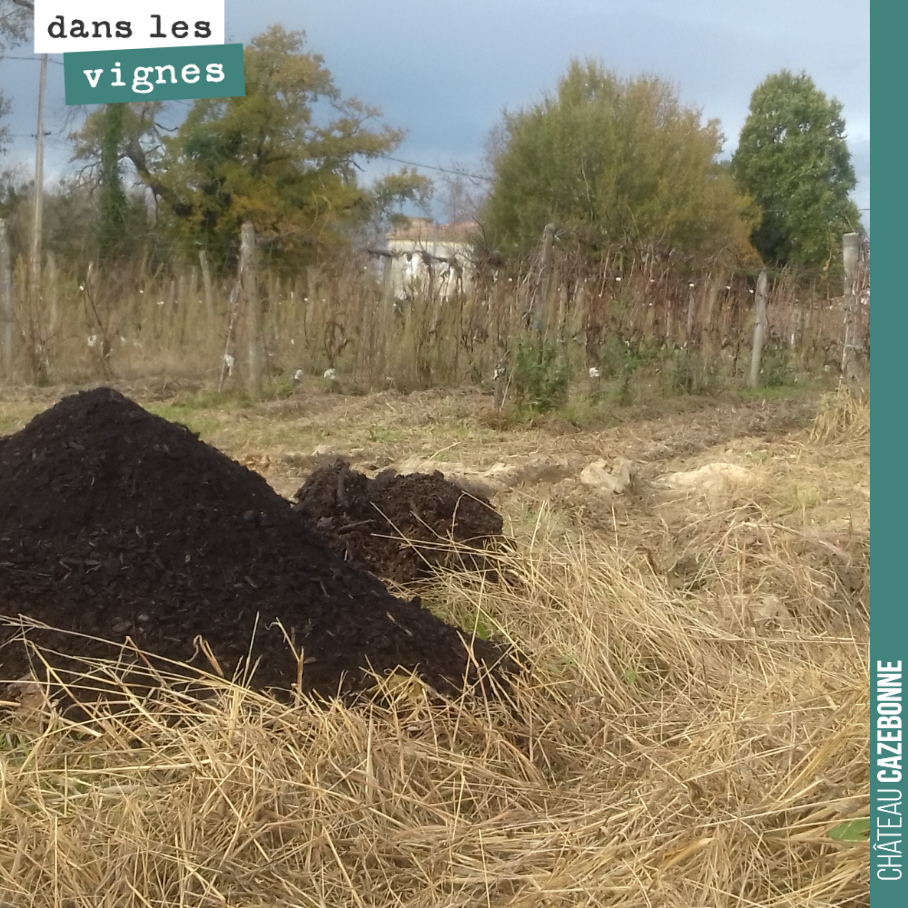
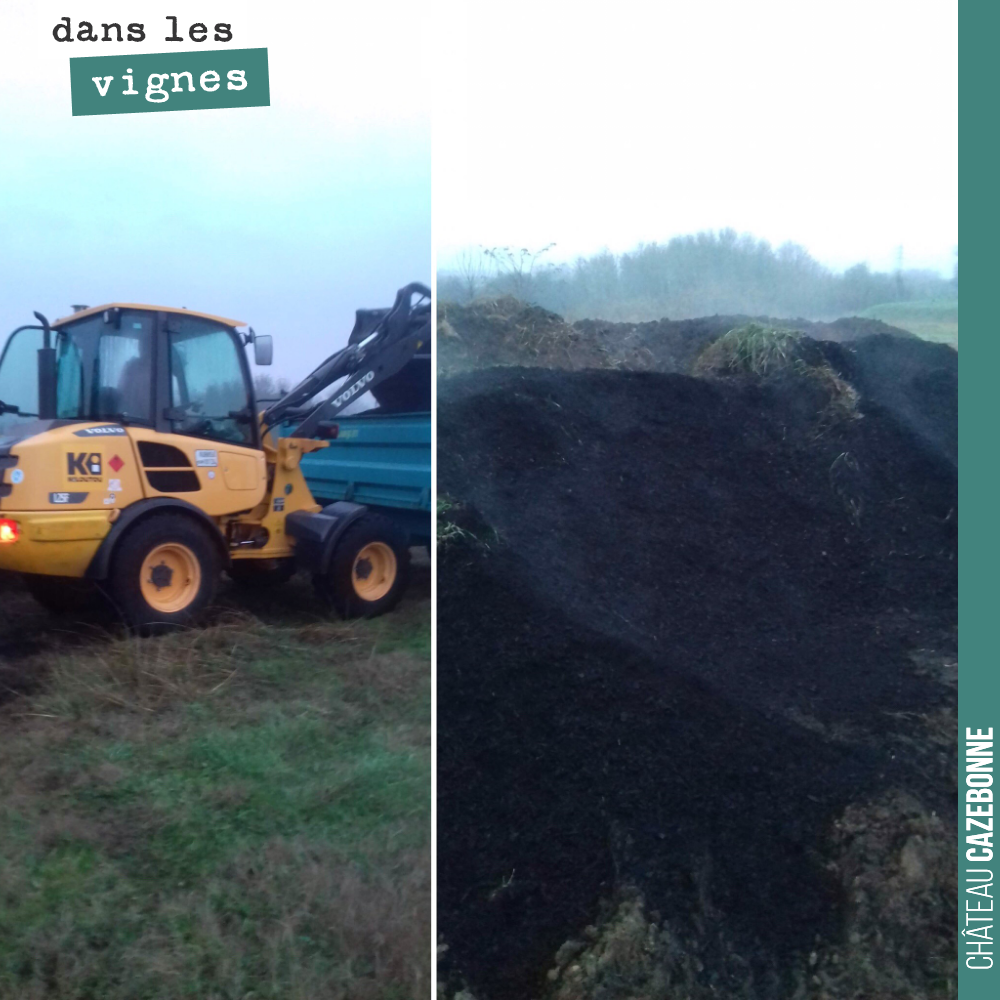
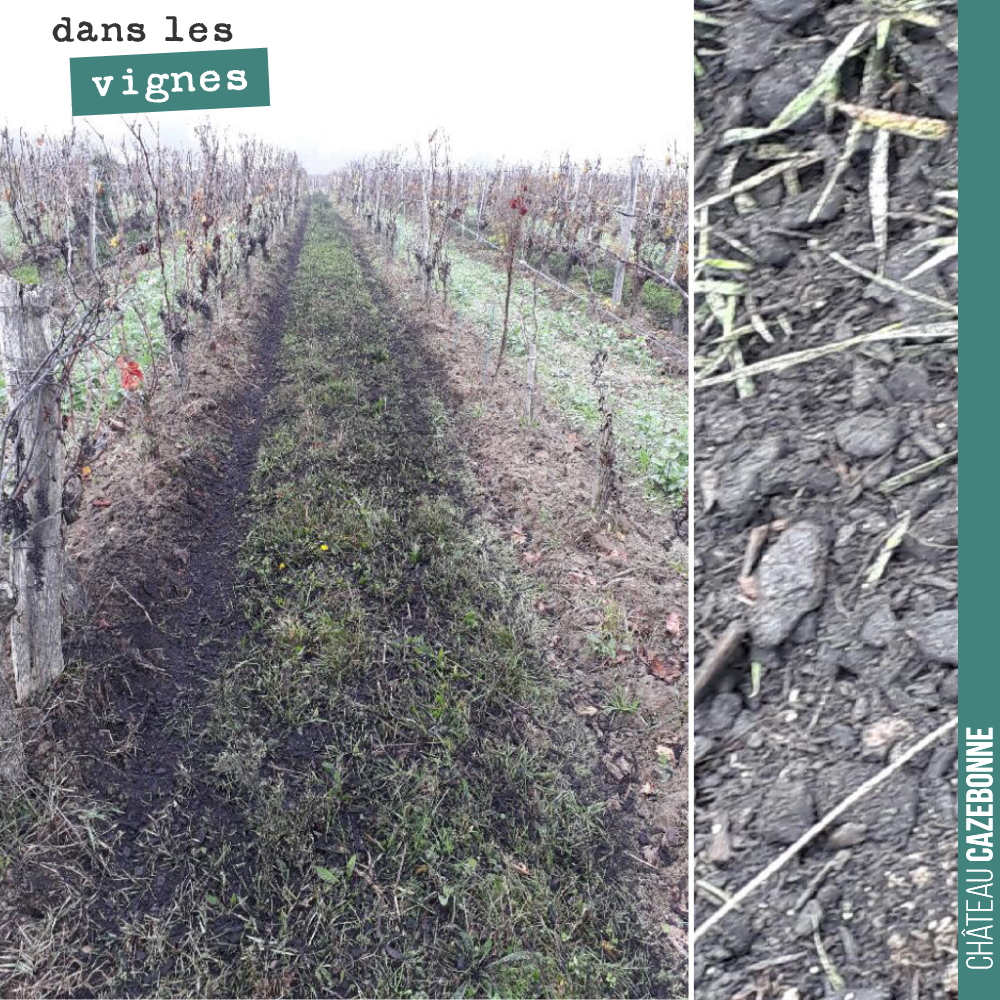
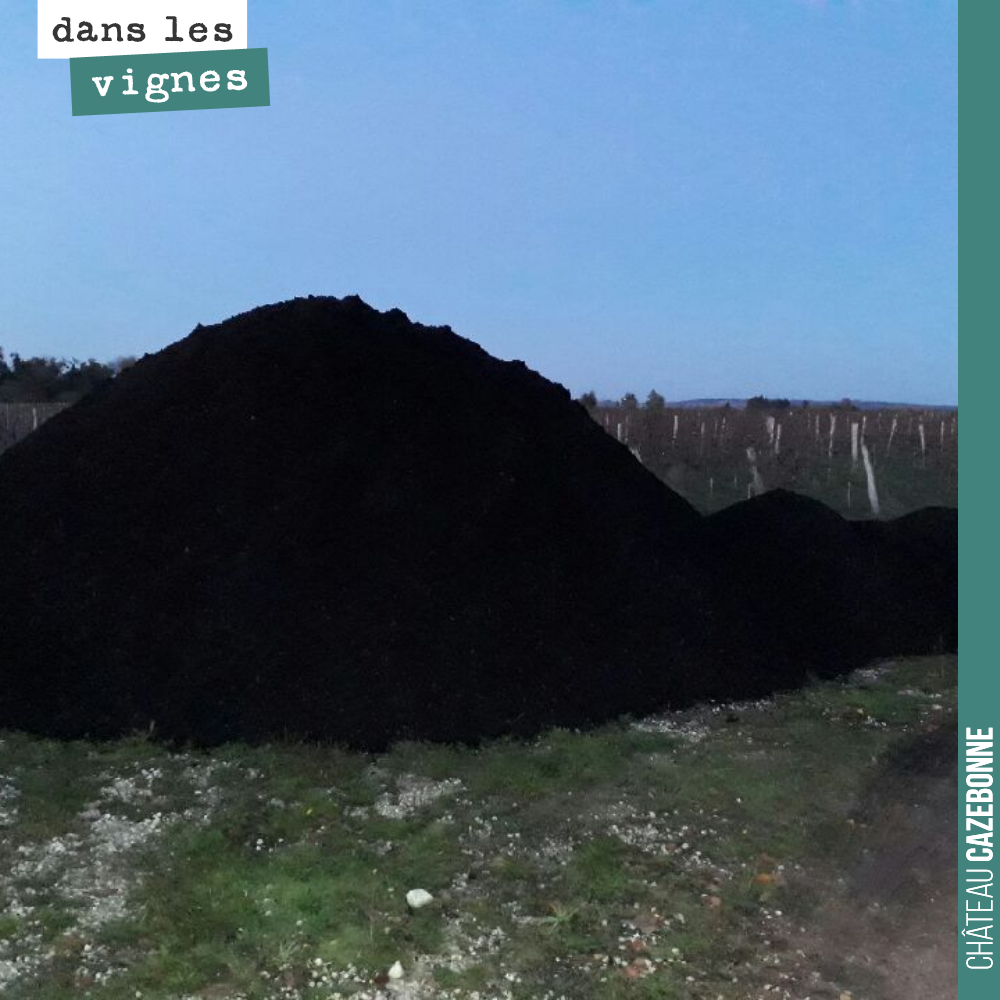
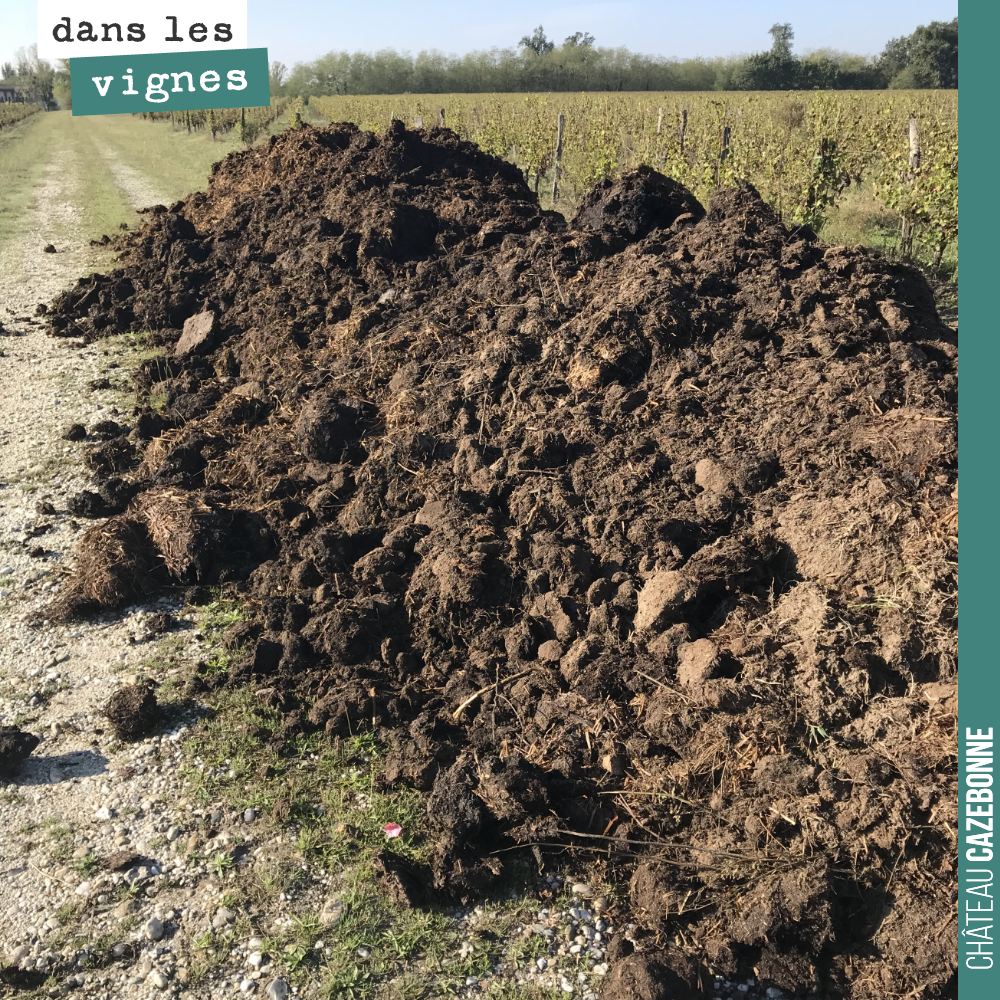
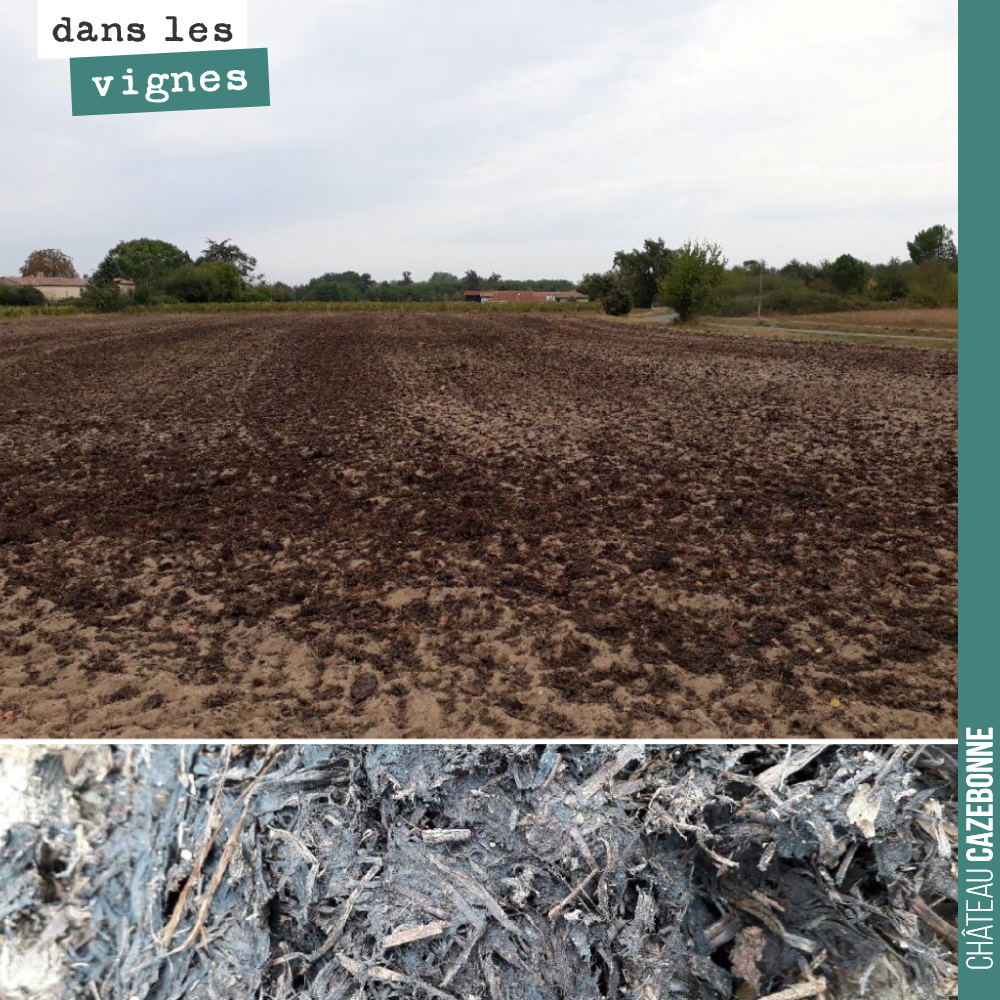
The production and spreading of compost follow rigorous steps. First, the selection of raw materials is essential: vine pruning residues (crushed vine shoots), animal manure, and green waste. These elements are piled into windrows and regularly turned to ensure good aeration and homogenise decomposition. After maturation, the compost is spread using specific spreaders, then lightly incorporated into the topsoil by gentle scratching, or left on the surface to protect the soil and let the organisms work deeply.
For compost production, the basic equipment includes shredders for plant material, loaders to handle large volumes, and agricultural spreaders adapted to the vineyard. To ensure process quality, temperature probes make it possible to monitor the progress of decomposition and ensure proper sanitisation. The use of this equipment guarantees mature and effective compost, without the risk of transferring weed seeds or pathogens. Discover more details about the specifics of Maria Thun compost in our journal.
At Château Cazebonne, compost is a central element of our commitment to sustainable viticulture, and indeed to biodynamics. It represents a natural and ecological alternative to chemical fertilisers, contributing to preserving the biodiversity and health of our vineyard ecosystems. This approach is all the more relevant in the context of our organic certification, where autonomy and the natural fertility of soils are encouraged. It is a long-term investment in the sustainability and vitality of our terroir.
Château Cazebonne's approach, which aims to bring forgotten Bordeaux terroirs and grape varieties back to life, is just one facet of our commitment to respectful and innovative viticulture. This patient and passionate work is made possible by the support of all the enthusiasts who adopt our wines, available to discover on our online shop. We also invite you to discover the fascinating history of these lost grape varieties by downloading the digital version of the book "Bordeaux, une histoire de cépages" via this link: book Bordeaux, une histoire de cépages, or to test your wine knowledge by taking part in our oenological quizzes.
Sources
Our suggestions
-5%on your 1st order with code BIENVENUE
The essential6 bottles — Graves red 2022
The best price of the cellar: €12 per bottle delivered.
The everyday red: generous and straight to the point.
I want it Our recommendation92/100 RVF
6 bottles — Graves red 2022, 92/100 RVF
Rated 92/100 by La Revue du vin de France: a solid 10-year ageing potential.
Our Graves for ageing, the finest gateway to the estate.
I want it Go further
12 bottles — the whole range
12 bottles, the whole range tasted: the best discovery-to-price ratio.
The complete tour of the estate, in a single case.
I want it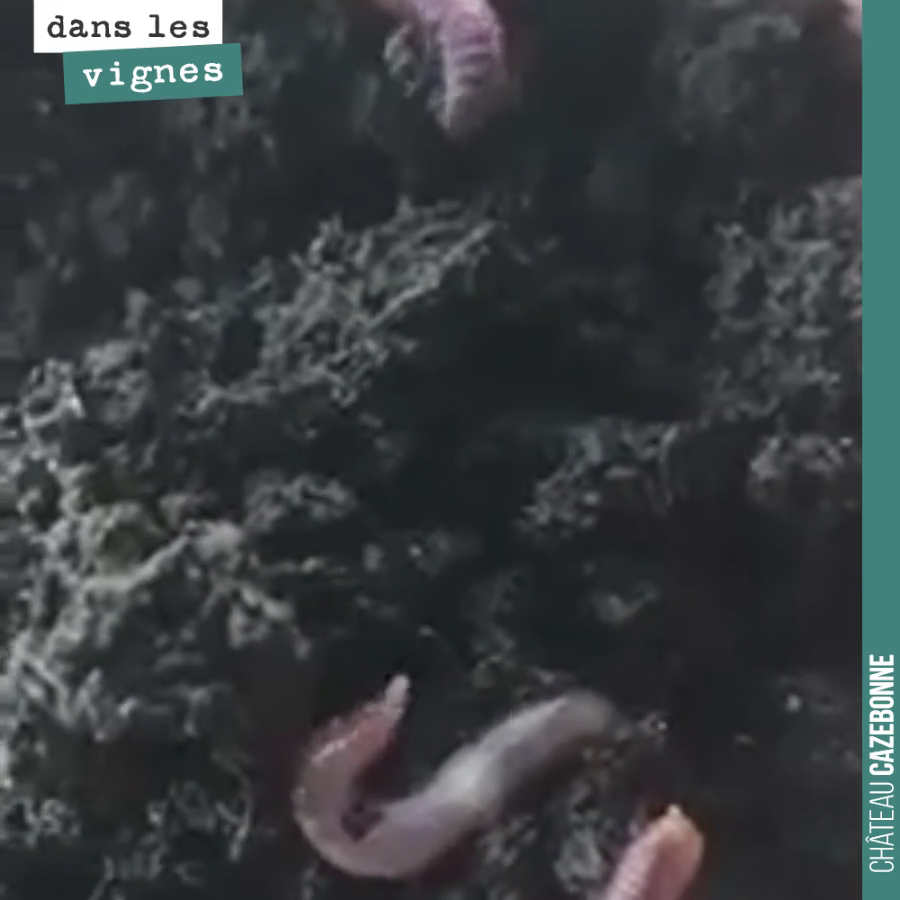
26 March 2019
20 February 2019
01 December 2018
23 November 2018
16 November 2018
15 November 2018
29 October 2018
19 September 2018
The cellar, forgotten grape varieties and our cuvées, twice a month. 5% off your first order with the code BIENVENUE.