
 The essential
6 × Entre Amis red
6 bottles — Graves red 2022
The best price of the cellar: €12 per bottle delivered.
The everyday red: generous and straight to the point.
I want itHumus
There are no living soils without a clay-humus complex rich in organic matter. Humus, this dark and fertile substance, is much more than a simple component of the soil; it is its beating heart, the central pivot of its vitality. Stemming from the decomposition of dead plants and organisms, humus is the fruit of the relentless and invisible work of abundant microbial life. It represents the soil's concentrated energy, essential for plant nutrition and for structuring an environment conducive to the deep rooting of the vines.
Humus gives the soil its most precious properties. It improves its water retention capacity, acting as a true natural sponge that protects the vine from both waterlogging and periods of drought. Its presence also ensures better soil aeration, thereby promoting optimal root development and microbial activity. Nutritionally, humus is an invaluable reservoir of mineral elements. It stores them, chelates them, and releases them gradually, offering the vine a balanced and continuous food supply, without sudden spikes. This natural fertility guarantees harmonious growth and a slow, complete ripening of the grapes, fundamental bases for the elaboration of complex and balanced wines.
Beyond its direct benefits on the plant, a soil rich in humus is a formidable ecosystem. It harbours an incomparable biodiversity, from bacteria to fungi and earthworms, all of which contribute to its health and resilience. This biological balance allows the soil to better resist diseases, regenerate naturally, and adapt to climatic variations. It is by respectfully cultivating this precious heritage that we manage to express the typicity of our terroirs, offering each grape variety the opportunity to reveal its most authentic potential, as Jean-Baptiste Duquesne recounts so well in his book "Bordeaux, une histoire de cépages".
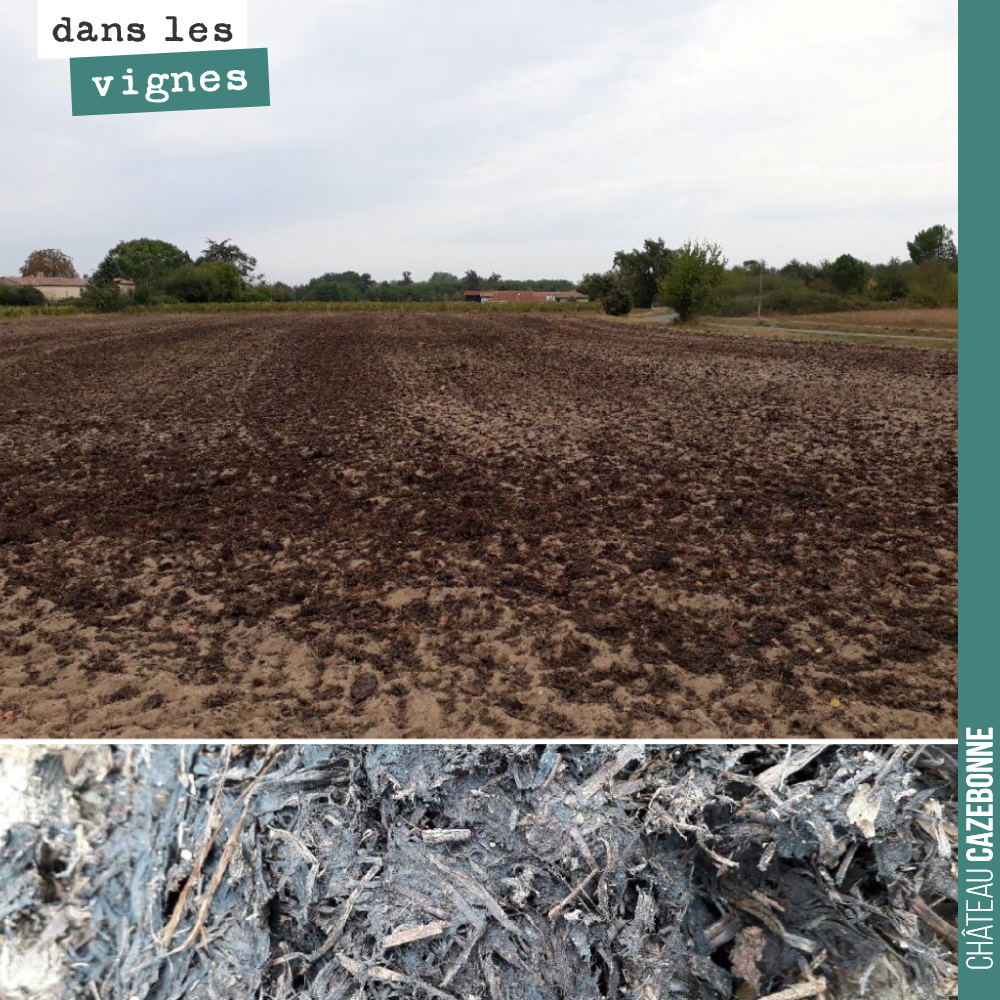
The process of humus formation, known as humification, is a dynamic and continuous phenomenon. It begins with the regular addition of organic residues to the soil: dead leaves, old roots, straw, manure, or composts. These materials are then broken down by a multitude of living organisms, ranging from bacteria and fungi to earthworms and insects. This meticulous work transforms fresh matter into a stable, dark substance with a particular colloidal structure. This transformation is essential for the organic matter in the soils and for the soil's capacity to retain nutrients.
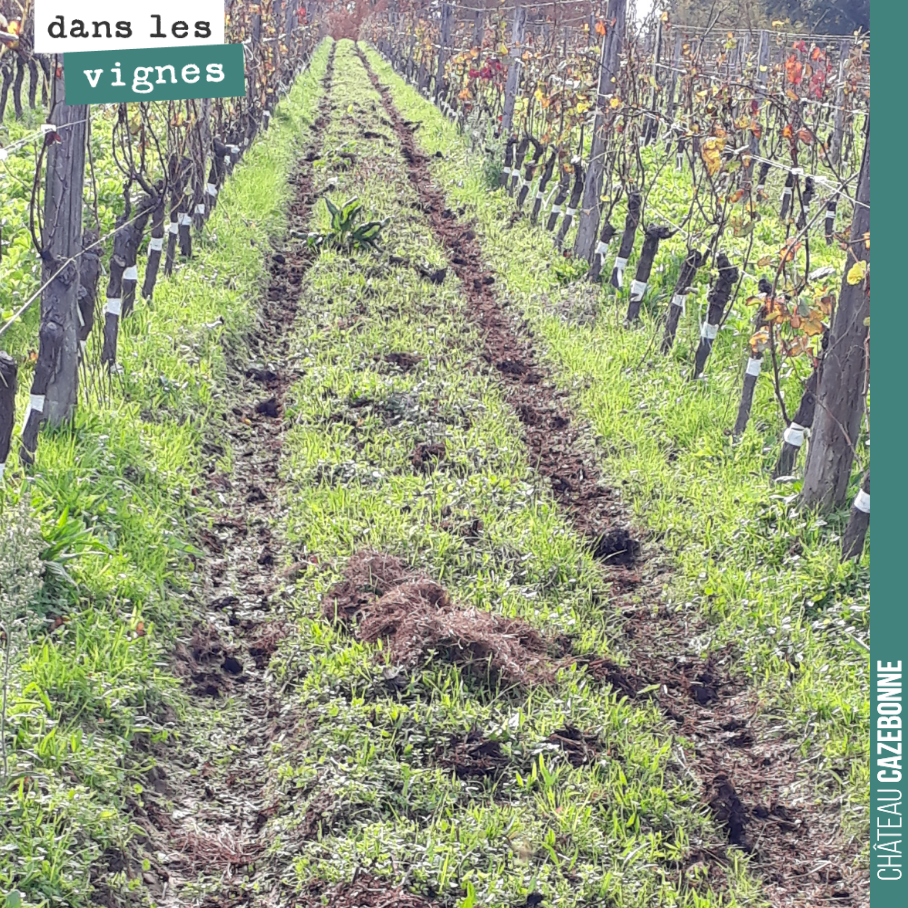
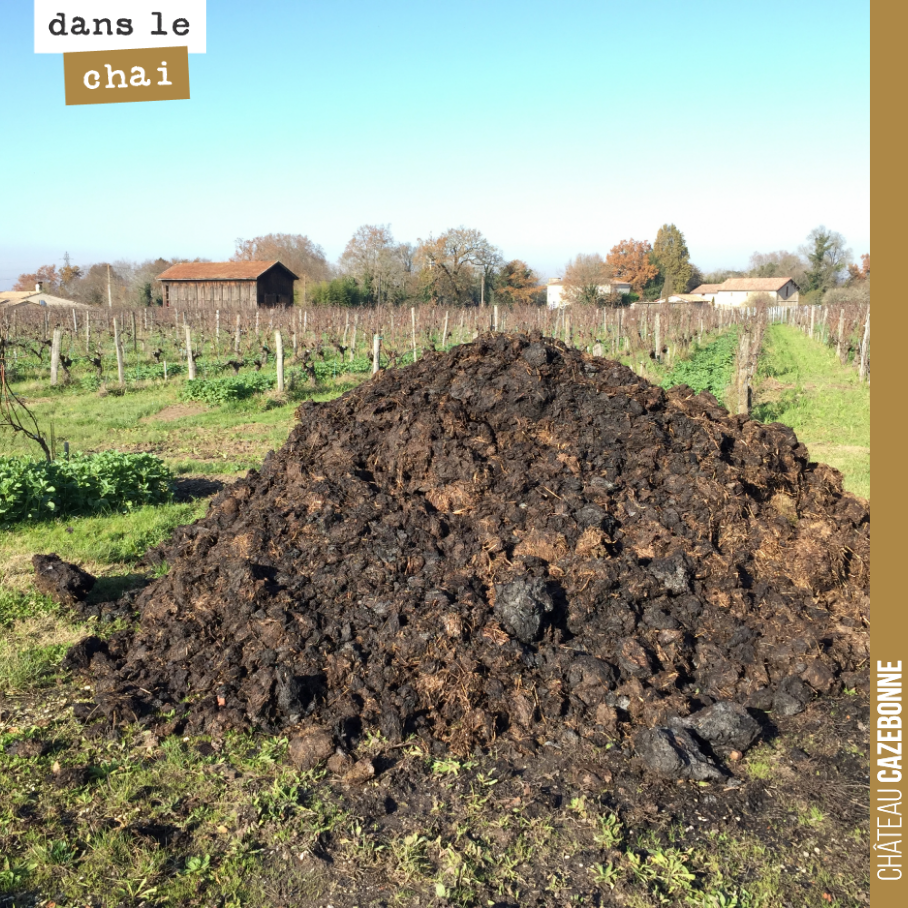
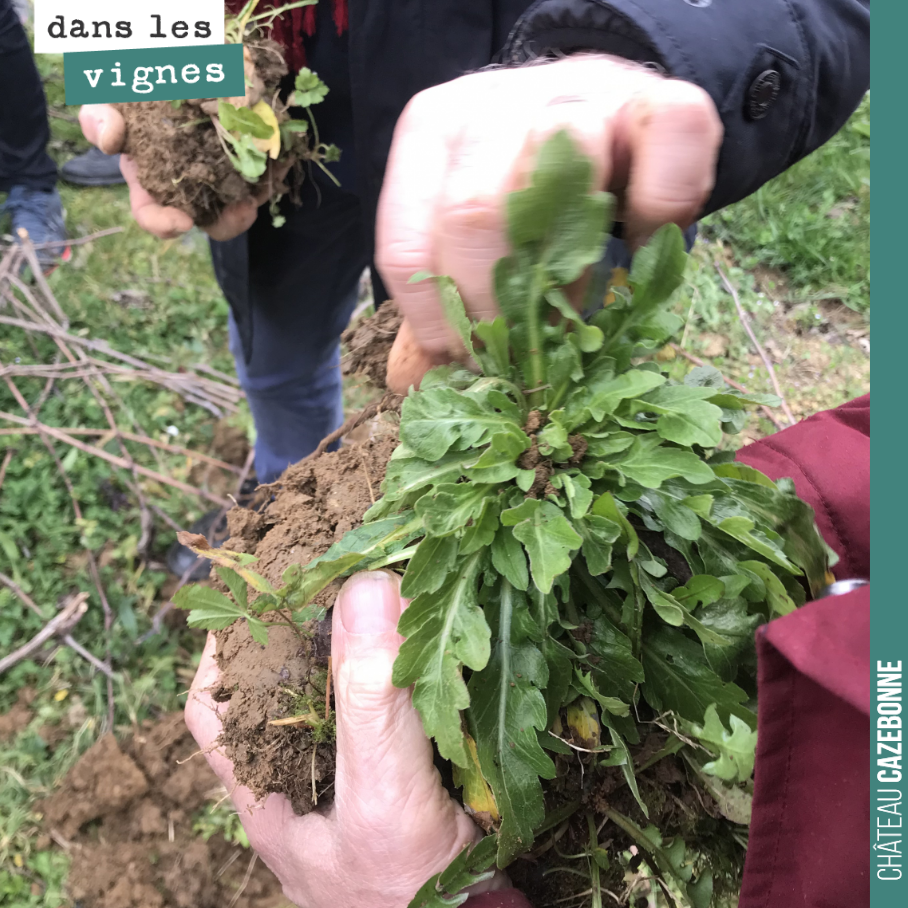
To enrich soils with this black gold, several agronomic practices are paramount. The use of cover crops between the vine rows, such as mustard or rye, stimulates microbial activity and provides decomposable biomass. The incorporation of compost or well-rotted manure provides an additional supply of organic matter that is directly assimilable by the soil. No-till farming or shallow tilling (mini-ploughing) limits the disturbance of microorganisms and promotes the structuring of aggregates. These actions contribute to agroecology in viticulture and support the state of a living soil.
The addition of organic matter for humus is ideally carried out after the grape harvest or at the end of winter, so that decomposition can take place before the vine's intense vegetative cycle. Cover crops are sown in autumn and returned to the soil in spring. The regularity of these additions is crucial, as humus is constantly degrading, releasing its nutrients. Good annual management ensures a stable and lasting balance. Maintaining a proper balance between input and decomposition requires careful observation of the soil, notably through the cotton underwear test for a living soil.
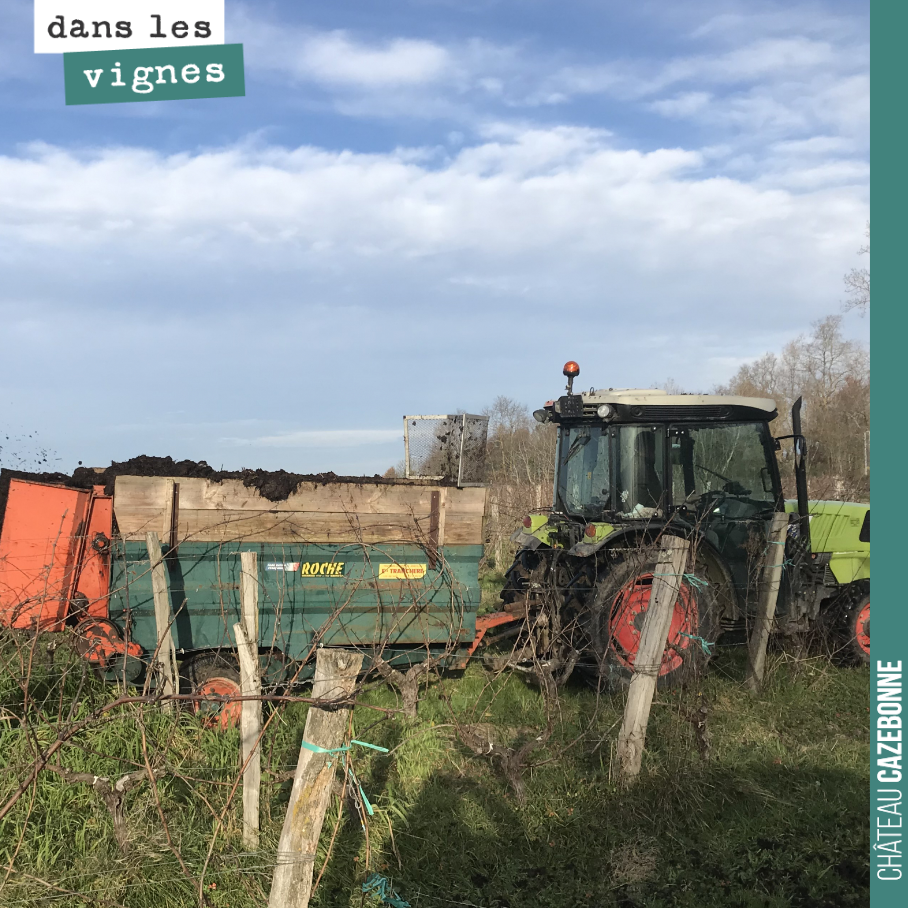
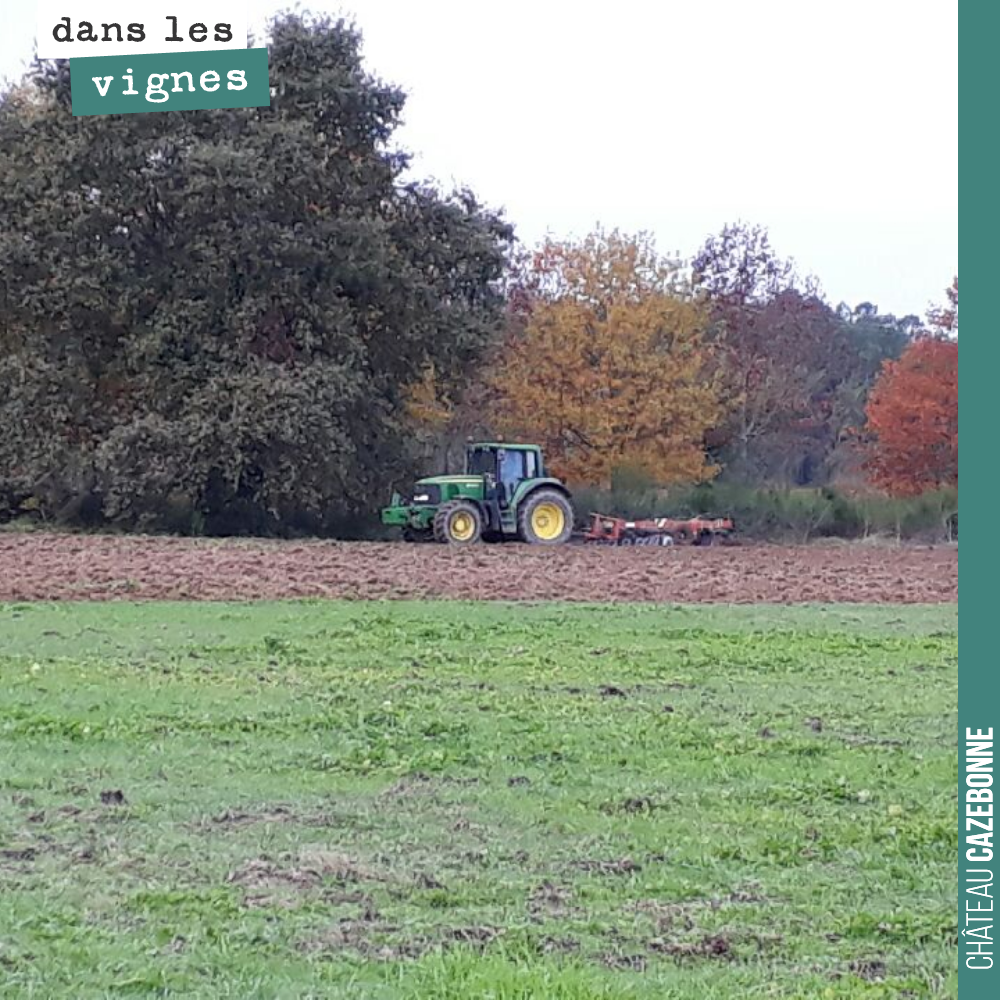
To optimise humus content, various tools can be used. Specific seed drills allow the planting of cover crops. For compost additions, agricultural spreaders ensure an even distribution. Subsoilers or shallow soil tillage tools help with incorporation without deep disturbance. The modern vineyard tractor is often equipped for these different operations, combining efficiency and respect for the soil, such as, for example, crumbler discs and Kress finger weeders, which are essential for delicate soil work.
In organic and biodynamic viticulture, humus enrichment is at the heart of the practices. The use of dynamised composts (for example, preparation 500) and the planting of hedges enrich biodiversity. In conventional farming, the addition of humus can sometimes be complementary to mineral fertilisers, but the trend is increasingly towards an integrated approach, recognising the long-term benefits of organic matter.
At Château Cazebonne, our commitment to living soils is fully in line with our philosophy of bringing forgotten Bordeaux grape varieties back to life. We favour actions that promote natural humification, such as planting cover crops, adding compost, and shallow tilling the soil. It is thanks to the vitality of our terroirs, enriched by generous humus, that we can reintroduce these ancestral varieties and allow them to fully flourish. This long-term, passionate work, which is essential to preserving the viticultural diversity of Bordeaux, is made possible thanks to the trust and support of our many enthusiasts who, by adopting our wines, allow us to pursue this quest for authenticity and singularity. To deepen your knowledge of our viticultural heritage, you can also download the digital version of our book on old grape varieties, test your knowledge with our oenological quizzes, or discover the full range of our cuvées directly in our online shop.
Sources
Our suggestions
-5%on your 1st order with code BIENVENUE
The essential6 bottles — Graves red 2022
The best price of the cellar: €12 per bottle delivered.
The everyday red: generous and straight to the point.
I want it Our recommendation92/100 RVF
6 bottles — Graves red 2022, 92/100 RVF
Rated 92/100 by La Revue du vin de France: a solid 10-year ageing potential.
Our Graves for ageing, the finest gateway to the estate.
I want it Go further
12 bottles — the whole range
12 bottles, the whole range tasted: the best discovery-to-price ratio.
The complete tour of the estate, in a single case.
I want it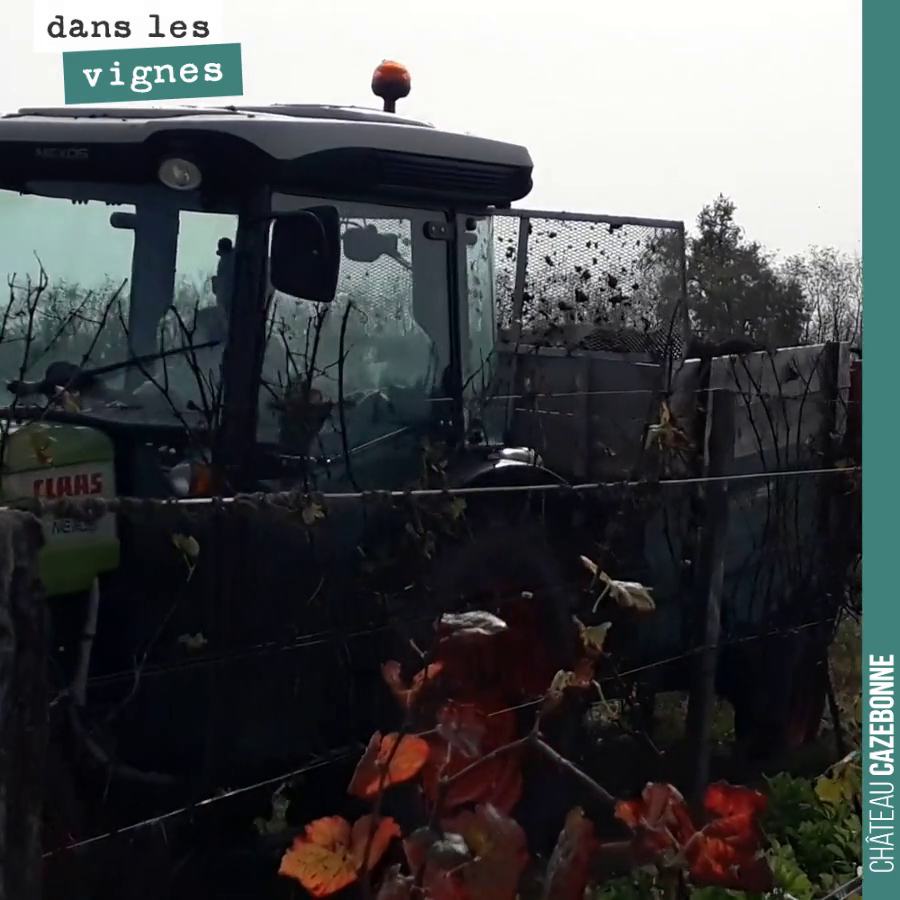
14 November 2020
09 November 2020
19 January 2020
07 December 2019
24 February 2019
05 November 2018
19 September 2018
The cellar, forgotten grape varieties and our cuvées, twice a month. 5% off your first order with the code BIENVENUE.