17 September 2026
We make wine out of passion.
By Jean-Baptiste

Vine
The vine, or Vitis vinifera, is much more than just a cultivated plant; it is at the heart of global viticulture and an essential element of many ecosystems. The domestication of the vine, several millennia ago, led to an immense diversity of grape varieties, each adapted to specific pedoclimatic conditions (soil and climate). This continuous adaptation is crucial in the face of contemporary challenges, notably climate change. In viticulture, understanding the life cycle of the vine and its interactions with the environment is fundamental to producing quality wines.
The vegetative cycle of the vine is a succession of stages that takes place over a year, directly influencing the quality and quantity of the harvest. It begins in spring with bud burst, the opening of the buds. Then comes flowering, a delicate period when the flowers transform into berries. Fruit set corresponds to the formation of the fruit, while véraison marks the grapes' change in colour and the beginning of their ripening. Finally, the harvest brings this cycle to a close, a key moment when the bunches are picked for winemaking. Each stage is meticulously monitored and can be influenced by the winegrower's practices.
The vine does not grow in isolation; it interacts constantly with its surroundings. The terroir, a combination of soil, climate, topography, and human expertise, plays a predominant role in expressing the wine's characteristics. Beyond physical factors, the surrounding biodiversity is paramount for the health of the vine. From pollinating insects to soil microorganisms, birds, and local flora, each element contributes to a precious ecological balance. Preserving and promoting this biodiversity is a major challenge for sustainable and environmentally friendly viticulture.
The history of the vine in Bordeaux is a fascinating tale, beginning with the arrival of the Romans who introduced vine growing to the region. From Antiquity, Bordeaux became a viticultural commercial crossroads, exporting its wines to other Roman provinces. Over the centuries, the Bordeaux vineyard has experienced periods of prosperity and challenges, such as the arrival of Phylloxéra in the 19th century, which ravaged almost all the vines. These crises forged the character of the vineyard, leading to the introduction of resistant rootstocks and a rigorous selection of grape varieties adapted to the terroir. Dutch influence during the Middle Ages and the Renaissance also left its mark on the vineyard, promoting the production of white wines and the drainage of soils. Today, Bordeaux viticulture continues to evolve, seeking a balance between tradition and innovation, notably through the reintroduction of forgotten grape varieties and the adoption of more environmentally friendly practices.
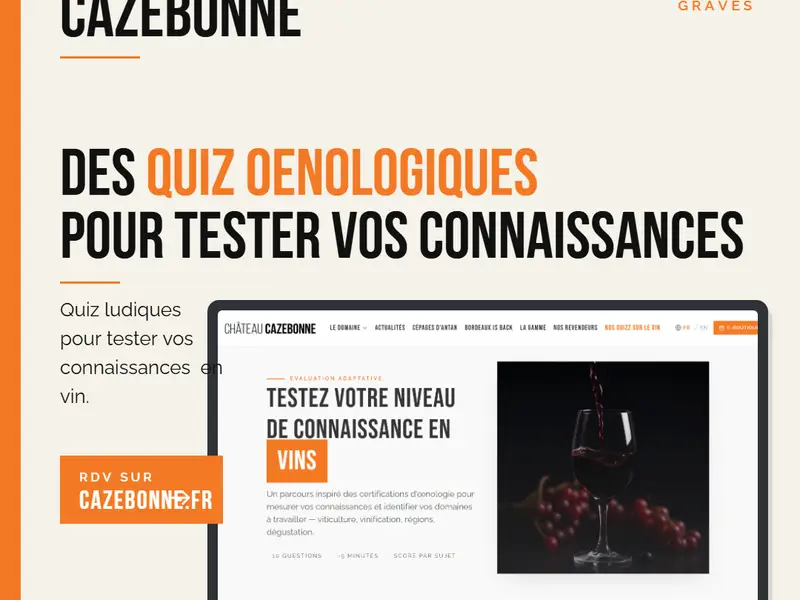
Château Cazebonne is committed to this approach of innovation and respect for the past, by replanting old Bordeaux grape varieties, many of which had disappeared from the region. This long-term endeavour is made possible thanks to the commitment of the many wine lovers who embrace our wines and share our vision. To learn more about the ampelographic heritage of our region, we invite you to download the digital version of the book "Bordeaux, une histoire de cépages" by Jean-Baptiste Duquesne on our page dedicated to old grape varieties, then to test your knowledge with our oenological quizzes, and finally, to discover our different cuvées by exploring our online shop.
Sources
17 September 2026
By Jean-Baptiste
24 April 2022
By Jean-Baptiste Duquesne
08 July 2021
By Jean-Baptiste Duquesne
The cellar, forgotten grape varieties and our cuvées, twice a month. 5% off your first order with the code BIENVENUE.