
 The essential
6 × Entre Amis red
6 bottles — Graves red 2022
The best price of the cellar: €12 per bottle delivered.
The everyday red: generous and straight to the point.
I want itHistory
Wine, far more than a simple beverage, is the fruit of a fascinating and complex history dating back over 8,000 years. The earliest traces of winemaking, eloquent proof of the transformation of grapes into nectar, transport us to Georgia, where human ingenuity managed, very early on, to unlock the secrets of fermentation. From this Caucasus region, the cradle of viticulture, the vine embarked on an epic journey across continents, adapting, evolving, and transforming according to climates, soils, and cultures.
Over the millennia, mankind has constantly perfected this art, making varietal selection a relentless quest. Each terroir, with its geological and climatic particularities, has dictated the emergence of unique grape varieties, thus shaping the incredible diversity of wines we know today. From the Egyptians to the Romans, via the Greeks, ancient civilisations elevated viticulture and winemaking to the status of an art, integrating wine into their rituals, banquets, and daily lives. The arrival of the vine in Gaul, spearheaded by the Phocaeans and then the Romans, marked the beginning of a new era, particularly in Bordeaux, where the temperate climate and varied soils are wonderfully suited to its flourishing.
In Bordeaux, this history is particularly rich and has undergone, as highlighted in Jean-Baptiste Duquesne's book "Bordeaux, une histoire de cépages", profound evolutions. For centuries, the region saw the prosperity of a much wider diversity of grape varieties than we know today. Varieties that are now rare, or even forgotten, once formed the backbone of the Bordeaux vineyards, each bringing its own nuance to the aromatic profile of the wines. The vagaries of time, devastating epidemics like phylloxera in the 19th century, market preferences leaning towards certain "noble" grape varieties, and agricultural policies have unfortunately led to the virtual disappearance of some of these ancestral varieties, true treasures of our winemaking heritage.
It is precisely in this spirit of preservation and innovation that Château Cazebonne operates today. We have undertaken bold and exciting work: replanting these once-forgotten grape varieties in Bordeaux, thereby contributing to the safeguarding of viticultural biodiversity and the rediscovery of unexpected aromatic profiles. This pioneering approach allows us to revive lost flavours and aromas, offering a new perspective on the identity of the great wines of Bordeaux.
The history of the vine and wine is a chronicle that spans civilisations and continents. While the earliest vine cultivation and wine production are attested in Georgia over 8,000 years ago, a journey of several millennia brought the vine to south-western France. The Phocaeans are said to have introduced vine cultivation to Gaul around the 6th century BC, followed by the Romans who, from the 1st century AD, developed viticulture, notably in the Bordeaux region.
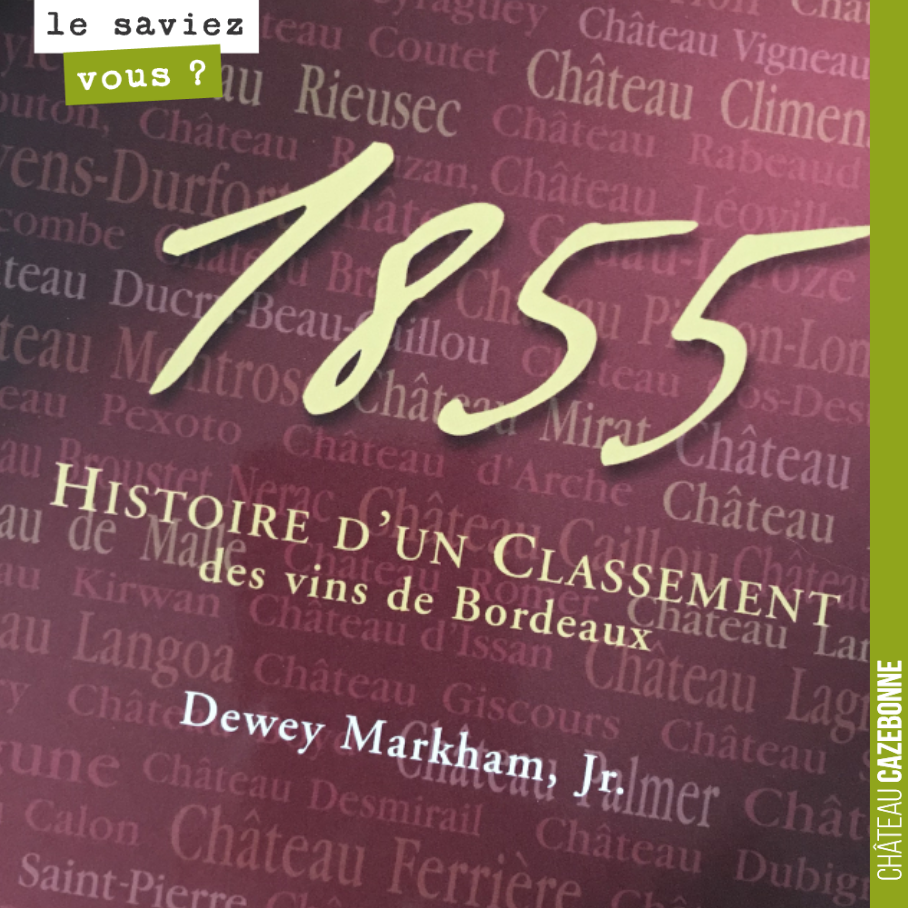
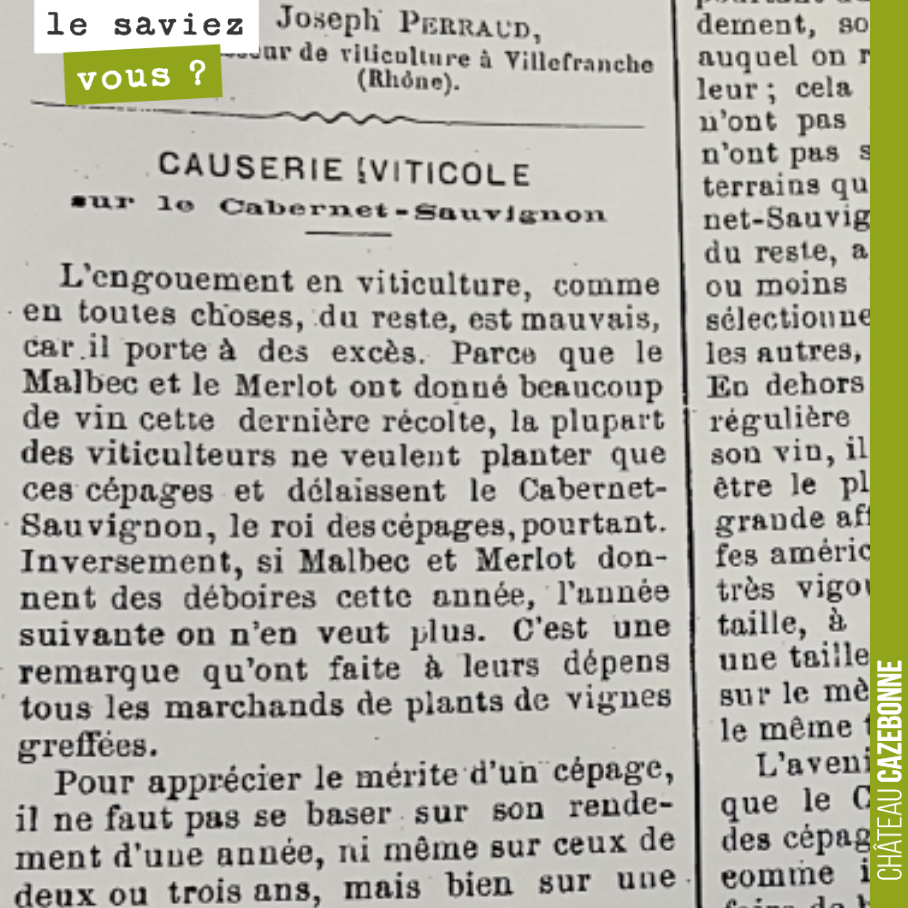
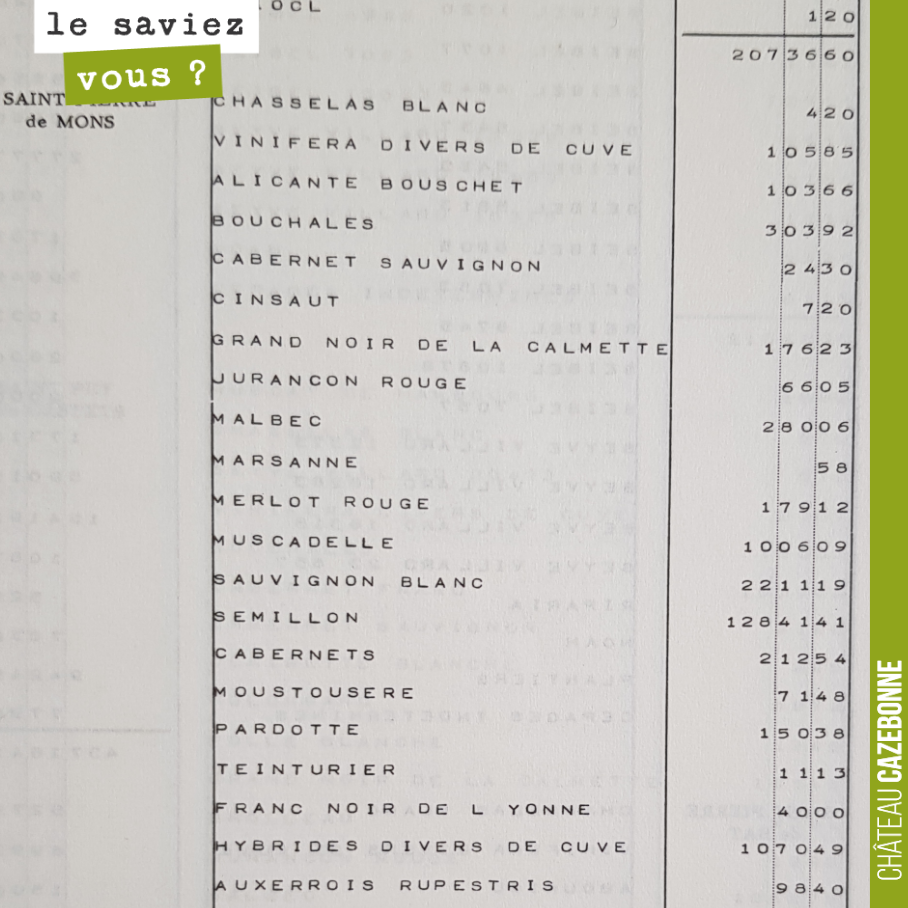
The Bordeaux vineyard has undergone a profound evolution in its grape plantings. In the Middle Ages and until the 19th century, the diversity of cultivated grape varieties was much greater than today. Archives and recent discoveries, particularly thanks to the work of Jean-Baptiste Duquesne, reveal the existence of over 50 grape varieties now little-known or extinct in the region. This varietal richness was the norm before a series of major crises. The oidium crisis in Bordeaux, then phylloxera in the 19th century, decimated much of the vineyard, paving the way for a reconstruction geared towards the grape varieties considered the most resistant or of the highest quality at the time, such as Cabernet-Sauvignon, Merlot, or Sémillon. This period also saw the emergence of numerous hybrids, often banned subsequently, such as Isabelle (banned hybrid) or Jacquez (banned hybrid), bearing witness to viticulture in search of solutions.
The evolution of French viticulture was strongly marked by the emergence of Appellations d'Origine Contrôlée (AOC) from 1935 onwards. These regulations, established to guarantee the quality and origin of wines, resulted in a gradual standardisation of grape plantings. Each AOC specification defined a restricted list of authorised grape varieties, effectively sidelining many historical varieties. This selection was accentuated by the devastating frosts of the winter of 1956, which halved the Gironde vineyard, pushing winegrowers to massively replant the most recognised or resistant grape varieties of the time. Thus, what is perceived today as the "traditional" grape planting of Bordeaux is actually a relatively recent construct, dating from the mid-20th century, as Jean-Baptiste Duquesne points out.
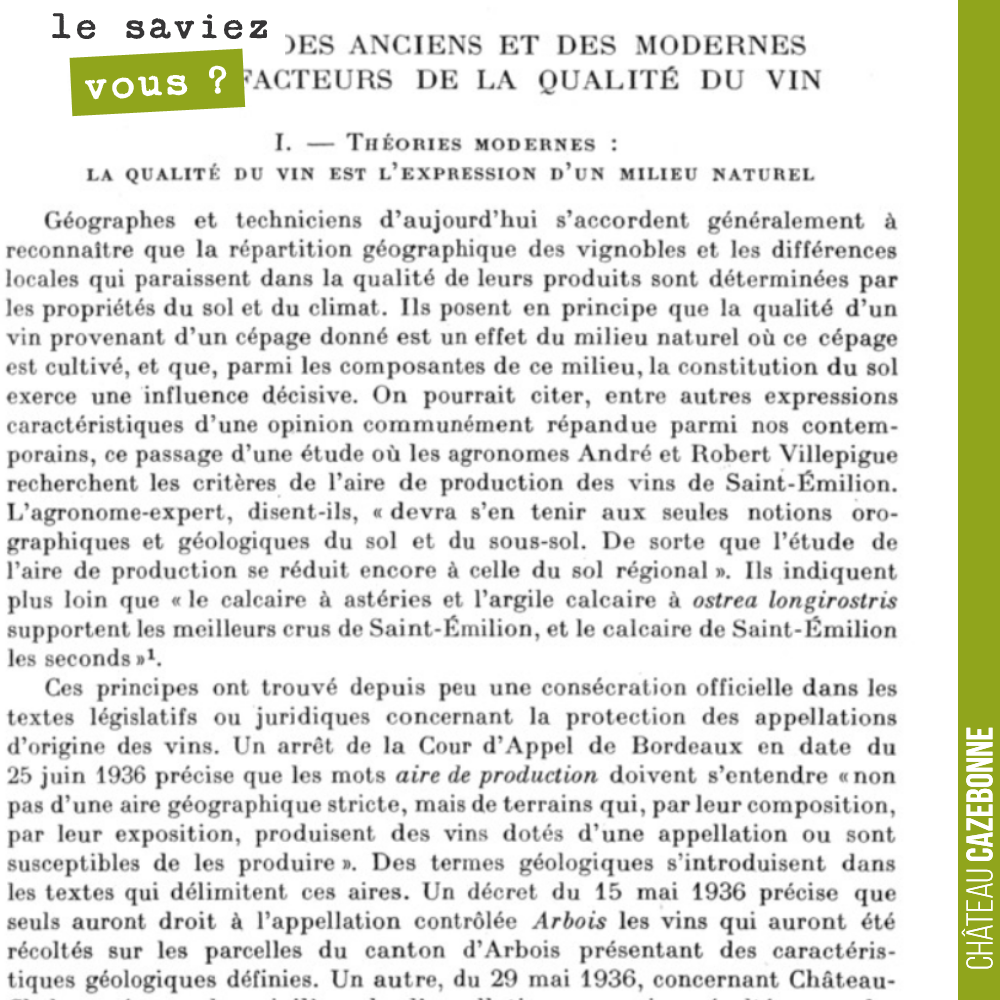
Contrary to popular belief, the concept of "terroir" and its impact on wine quality is not a recent discovery. As early as the 17th and 18th centuries, authors such as Claude Masse were already observing differences in quality between wines produced on the same terroir but with different farming practices. This highlights the importance of the actors involved, whether peasants or bourgeois, in managing the vineyard, and their ability to mobilise financial resources for fertilising or working the vines. History has also shown that a winegrower's ability to find commercial outlets has always been a determining factor in enhancing the value of their wines. Quality is therefore not solely derived from the land, but rather from the complex interaction between soil, climate, plant, and human.
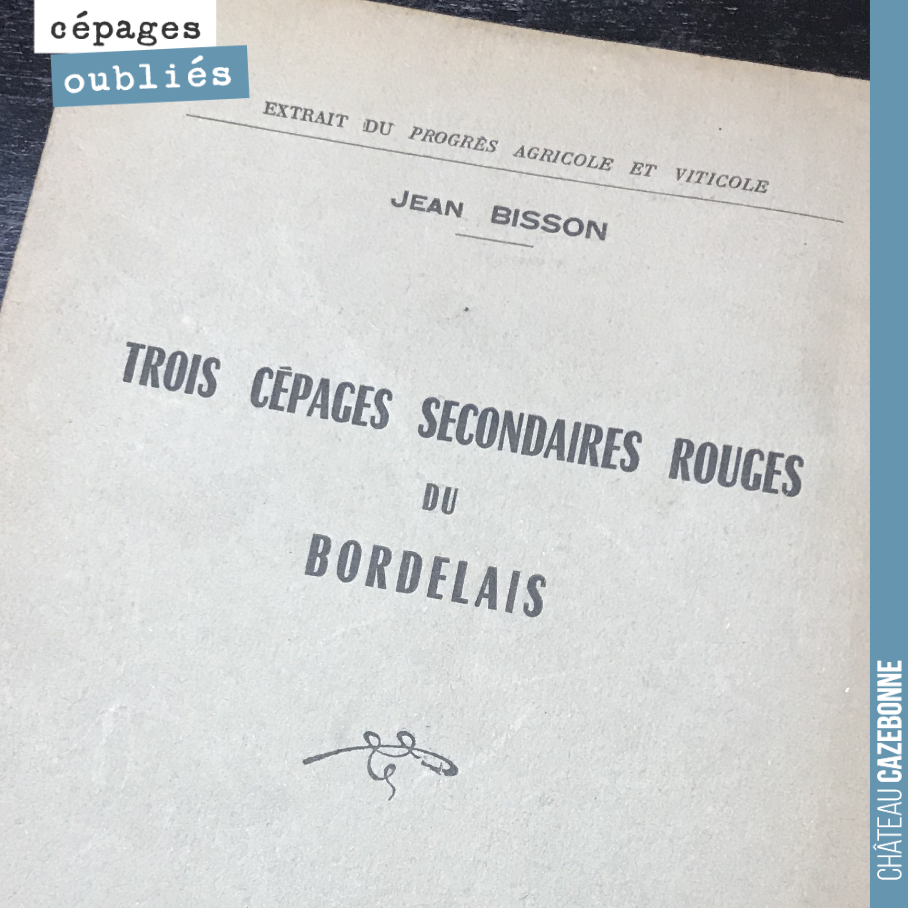
At Château Cazebonne, this rich history inspires us, particularly the evolution of Bordeaux grape plantings. Our approach to replanting forgotten grape varieties, such as Saint-Macaire or Bouchalès, aims to recover some of this lost diversity. We are committed to understanding the reasons that led to the simplification of plantings and to reintroducing these ancestral varieties. These choices, far from being anecdotal, enrich our wines and reveal new facets of the Bordeaux terroir, while contributing to viticultural biodiversity. This approach is a way of bridging our heritage with the future of Bordeaux wines, exploring aromatic profiles and natural resistances that could prove invaluable in the face of current climatic challenges.
Our understanding of the history of the vine and wine is based on a meticulous exploration of documentary sources. A book on the history of Bordeaux grape varieties by Jean-Baptiste Duquesne has proven to be a valuable reference. His work, which involved delving into old documents and cataloguing the extinct grape varieties of Bordeaux, offers an enlightening perspective on the evolution of the vineyard. The author highlights how factors such as diseases (oidium, phylloxera, black rot), market preferences, and agricultural policies have shaped the winemaking landscape we know today. He points out that the quality of a wine was long a social marker, with the ability to find commercial outlets influencing the choice of cultivated grape varieties and winemaking techniques. These historical elements guide our daily choices and help us reinterpret the concept of terroir.
This ambitious project to revive forgotten grape varieties is made possible thanks to the unwavering support of many wine lovers who, by choosing our wines, allow us to pursue this adventure. To further explore this fascinating history and discover the Bordeaux wine market and the scenes behind our approach, feel free to download the digital version of the book "Bordeaux, une histoire de cépages" via our dedicated page. If you wish to test your knowledge of the wine world and its anecdotes, our oenological quizzes are at your disposal. Finally, to taste the fruits of our labour and discover our cuvées made from these rare grape varieties, visit our online shop.
Sources
Our suggestions
-5%on your 1st order with code BIENVENUE
The essential6 bottles — Graves red 2022
The best price of the cellar: €12 per bottle delivered.
The everyday red: generous and straight to the point.
I want it Our recommendation92/100 RVF
6 bottles — Graves red 2022, 92/100 RVF
Rated 92/100 by La Revue du vin de France: a solid 10-year ageing potential.
Our Graves for ageing, the finest gateway to the estate.
I want it Go further
12 bottles — the whole range
12 bottles, the whole range tasted: the best discovery-to-price ratio.
The complete tour of the estate, in a single case.
I want it30 August 2026
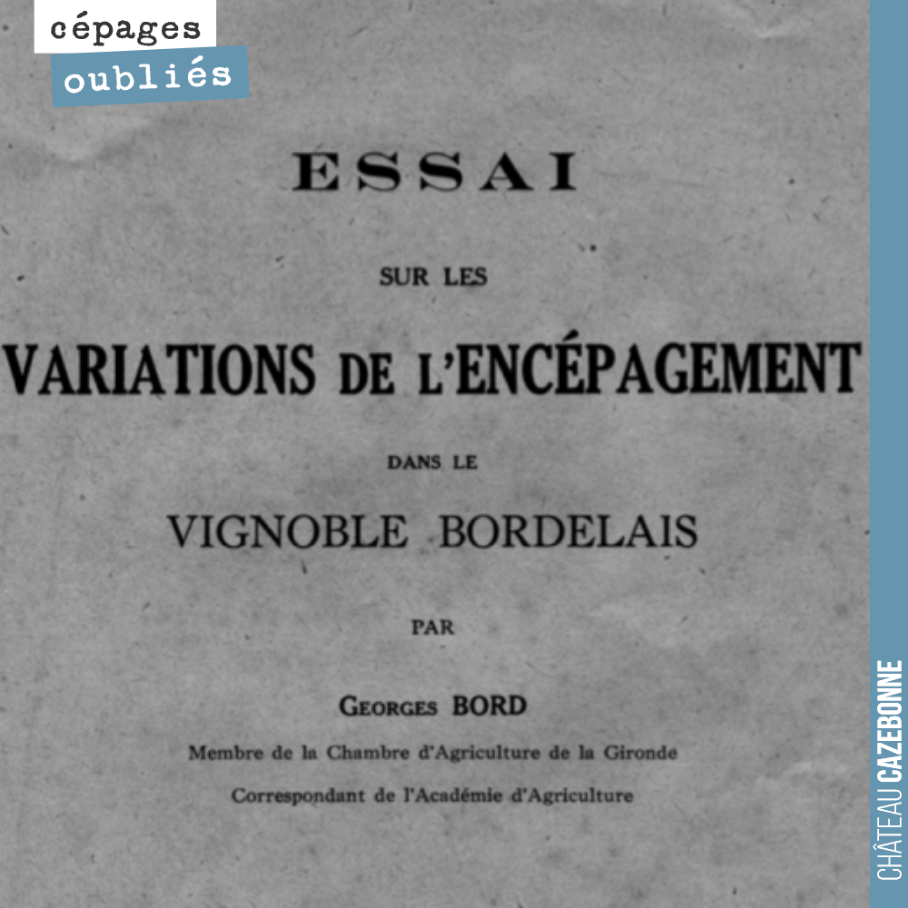
Georges Bord published this essay in 1932. Essai sur les variations de l'encépagement dans le vignoble bordelais, published by the Imprimerie de la Feuille Vinicole. In this essay, he makes a case for the grape varieties that Bordeaux would later definitively adopt. In this article, I detail the reason
By Jean-Baptiste
04 December 2023
19 October 2023
26 December 2021
03 August 2021

17 May 2021
04 May 2021
18 April 2021
21 March 2021
16 March 2021
14 March 2021

04 March 2021

14 February 2021
06 February 2021
25 December 2020
19 December 2020
19 November 2020
16 October 2020
09 October 2020
08 October 2020
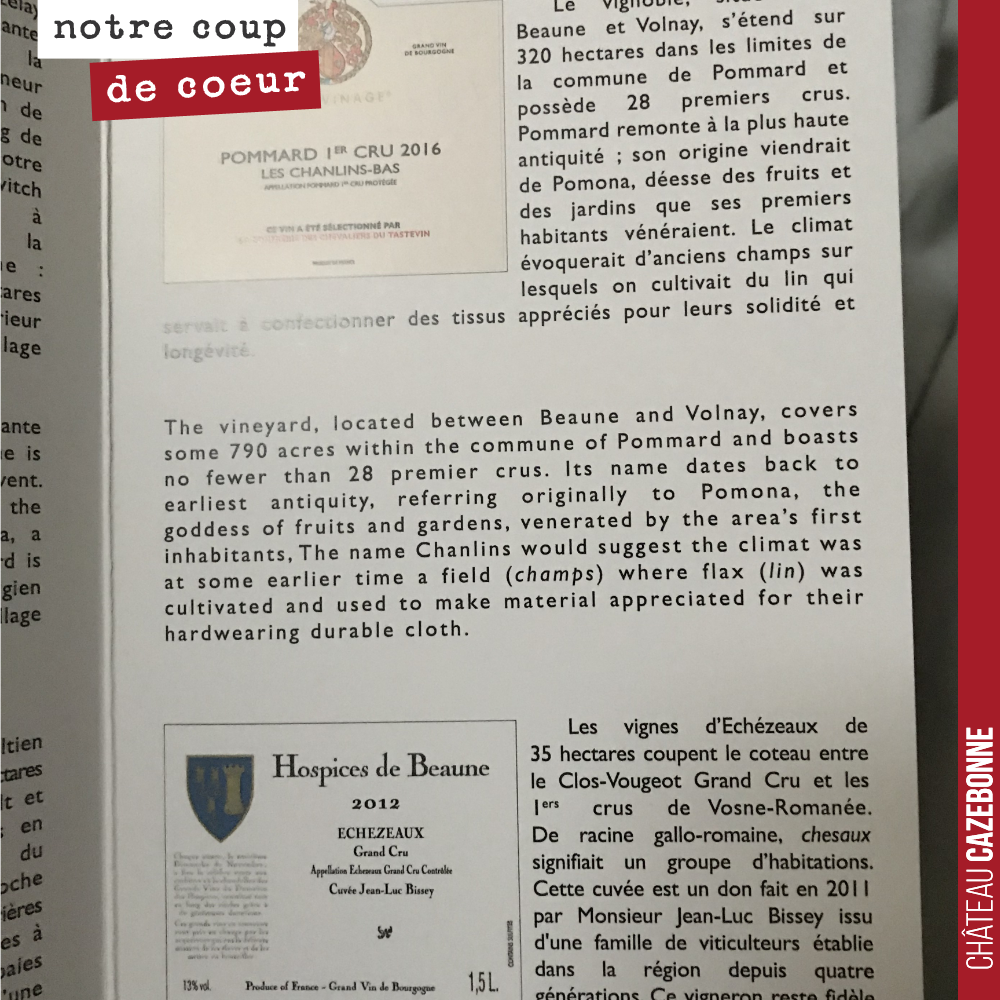
20 November 2019
17 October 2019
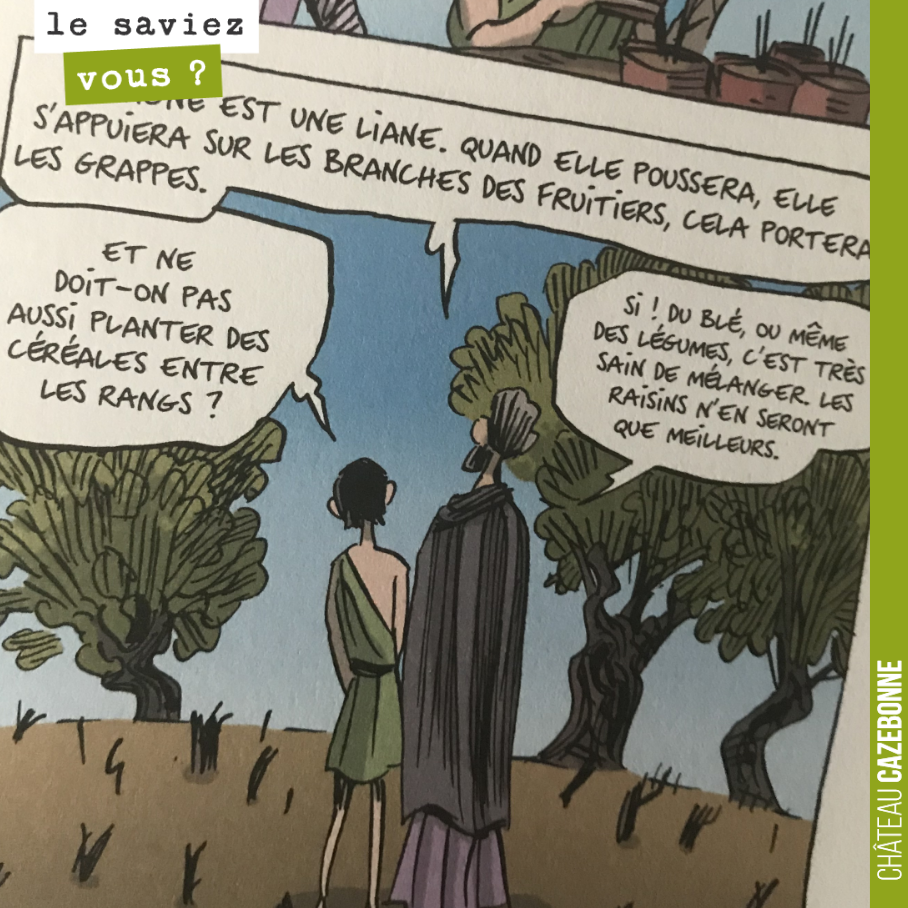
11 February 2019
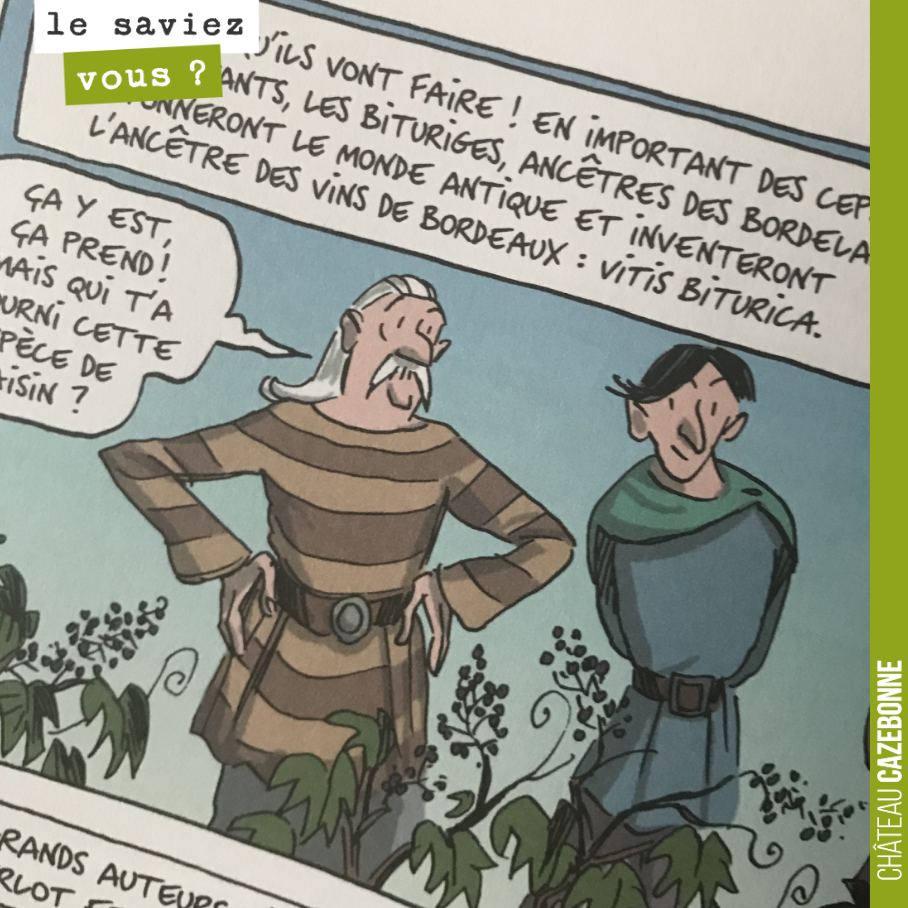
06 February 2019
14 October 2018
02 October 2018
05 September 2018
The cellar, forgotten grape varieties and our cuvées, twice a month. 5% off your first order with the code BIENVENUE.