
 The essential
6 × Entre Amis red
6 bottles — Graves red 2022
The best price of the cellar: €12 per bottle delivered.
The everyday red: generous and straight to the point.
I want itReading
In the abundant world of wine, it is essential to never stop learning, questioning, and exploring. At Château Cazebonne, we are convinced that curiosity is the driving force behind innovation and respect for our terroir. That is why, as soon as a few moments arise between the work in the vineyard and the work in the cellar, we passionately immerse ourselves in books—wells of knowledge that nourish our reflection and sharpen our practices.
This section is dedicated to our reading list, to those works that inspire us and enlighten us on the history, geography, agronomy, oenology, or the climate challenges facing the world of wine. Here you will find short reviews of our discoveries, reflections on the perspectives they open up, and how they influence our approach to viticulture and winemaking. From the study of ancient soils to modern biodynamic techniques, through the rediscovery of forgotten grape varieties, each book is another stone added to the edifice of our understanding of living things.
Among these readings, Jean-Baptiste Duquesne's work, "Bordeaux, une histoire de cépages", published by Éditions BBD, holds a special place. This fascinating book highlights the forgotten richness and diversity of the Bordeaux vineyards, a history of grape varieties that shaped the landscape and the wines of our region before being gradually abandoned. This dive into the past is a true source of inspiration for us, as it reinforces our pioneering approach.
Indeed, at Château Cazebonne, we have committed ourselves to a long-term endeavour: replanting in Bordeaux these so-called "forgotten" or "ancient" grape varieties, which made the glory of our vineyards and which are today perfectly adapted to current environmental and climate challenges. It is a bold move, a return to our roots, aiming to restore the prestige of Bordeaux's ampelographic biodiversity. This work is made possible by the unwavering support of the many wine lovers who, day after day, adopt and appreciate our wines, thereby helping to perpetuate this history and write our own.
Jean-Baptiste Duquesne's book is not merely a historical directory. By examining old land registers, the author identified over fifty grape varieties formerly grown in Bordeaux and abandoned over time. The reasons for this abandonment are manifold, ranging from diseases like phylloxera to standardisation choices imposed by the AOCs, which greatly simplified the grape plantings, mainly from the late 19th century onwards. This in-depth analysis provides essential keys to understanding for anyone interested in the evolution of Bordeaux vineyards and adaptation strategies for the future.
The knowledge drawn from such readings does not go unheeded. It guides our daily choices and pushes us to experiment. When we replant so-called "ancient" grape varieties such as Négrette or Castets, it is partly thanks to a better understanding of their history, their adaptability, and their agronomic potential, particularly in the face of climate change. Information on the vigour, disease resistance, or oenological profile of these grape varieties, sometimes derived from historical documents, is invaluable for building a resilient and diverse vineyard, as evidenced by other explorations such as that of the Prunelard or Saint-Macaire grape varieties. This is why reflection on the Bordeaux ampelography of Comte Odart is so essential for us, and sometimes the subject of our rants.
Just as Jean-Baptiste Duquesne invites us to revisit the taste and future of Bordeaux wines, do not hesitate to immerse yourself in his work. To do so, you can download the digital version of "Bordeaux, une histoire de cépages" and deepen your knowledge, then perhaps test it with our oenological quizzes, before discovering our cuvées made from these rediscovered grape varieties by visiting our online shop. It is also an opportunity to better understand the legacy of publishers like Féret and Éditions Féret, who have greatly contributed to documenting and promoting the viticultural wealth of Bordeaux.
Sources
Our suggestions
-5%on your 1st order with code BIENVENUE
The essential6 bottles — Graves red 2022
The best price of the cellar: €12 per bottle delivered.
The everyday red: generous and straight to the point.
I want it Our recommendation92/100 RVF
6 bottles — Graves red 2022, 92/100 RVF
Rated 92/100 by La Revue du vin de France: a solid 10-year ageing potential.
Our Graves for ageing, the finest gateway to the estate.
I want it Go further
12 bottles — the whole range
12 bottles, the whole range tasted: the best discovery-to-price ratio.
The complete tour of the estate, in a single case.
I want it
04 December 2023
20 October 2023
17 April 2023
08 January 2023
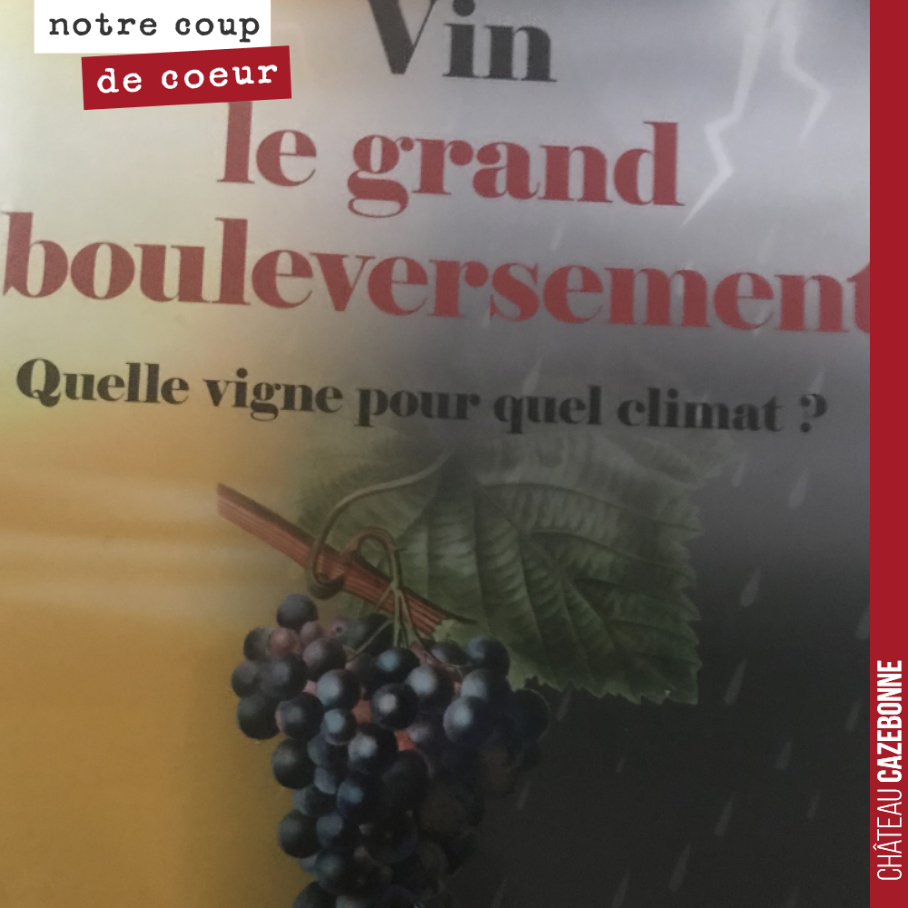
18 December 2022
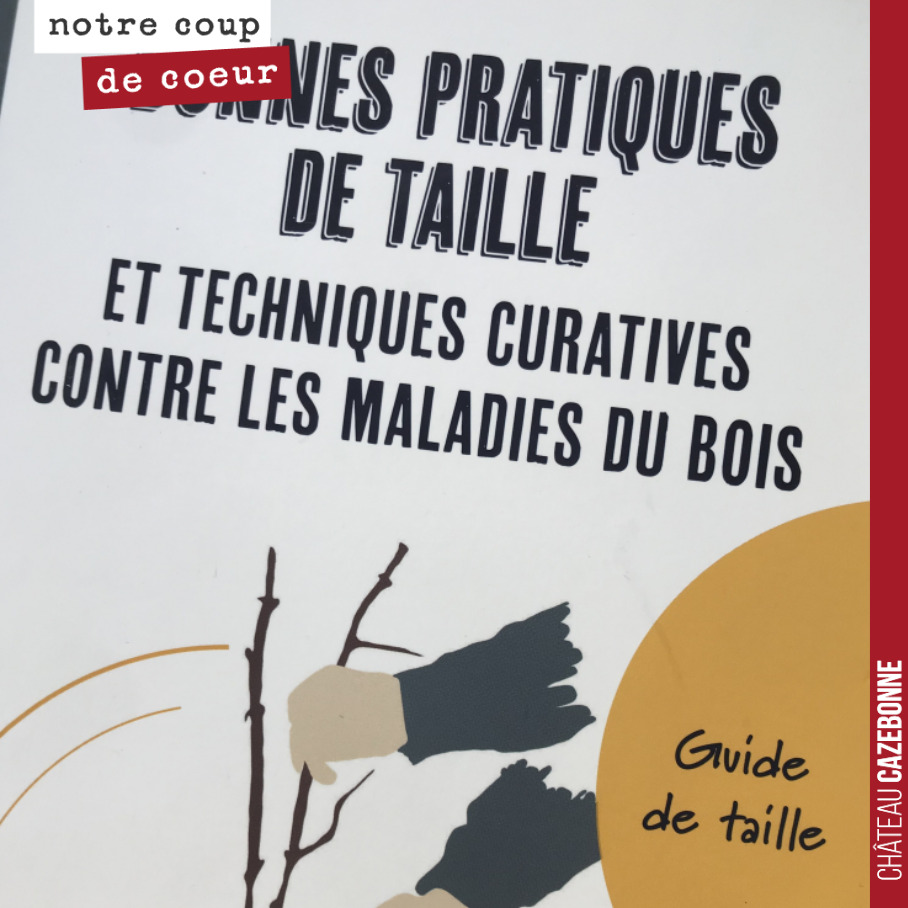
14 November 2022
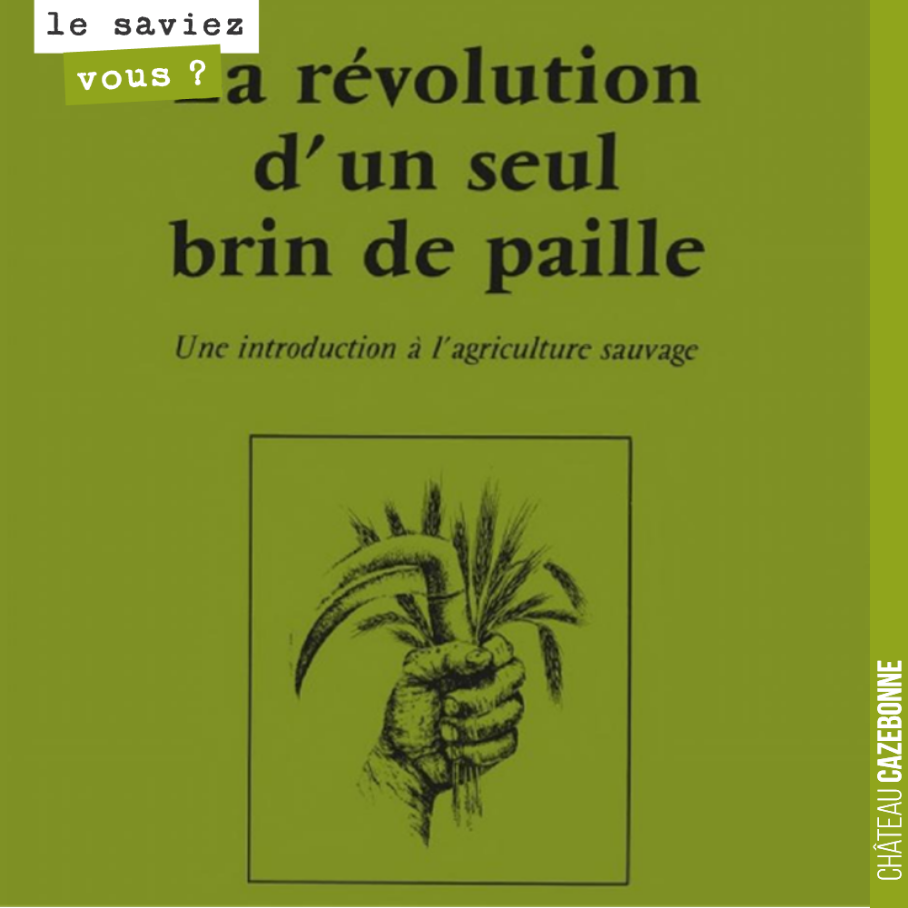
13 July 2020
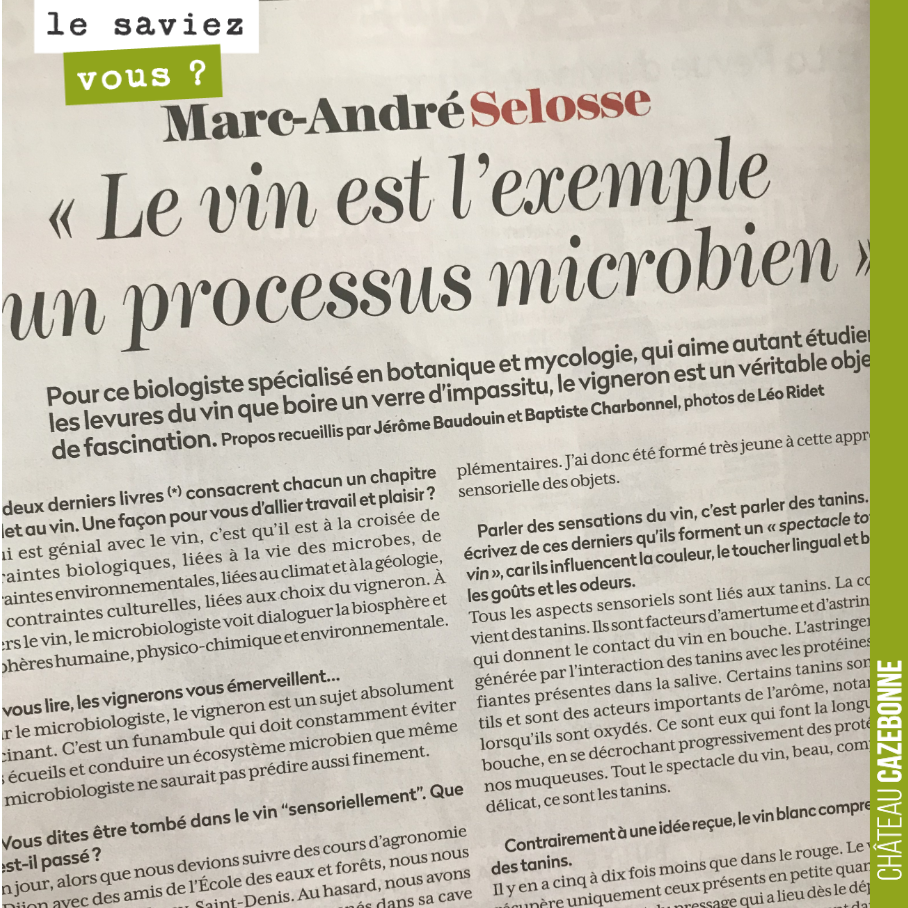
08 July 2020
25 May 2020
25 February 2020
25 February 2020
21 February 2020

20 February 2020
15 January 2020
15 January 2020
14 January 2020
12 January 2020
12 January 2020
06 January 2020
06 January 2020
05 January 2020
04 January 2020
26 December 2019
25 December 2019
25 December 2019
24 December 2019

24 December 2019
08 December 2019
20 November 2019
07 November 2019
05 November 2019

04 November 2019
27 October 2019
17 October 2019
09 February 2019
19 January 2019
20 December 2018
19 November 2018
03 November 2018
21 September 2018
09 September 2018
06 September 2018
The cellar, forgotten grape varieties and our cuvées, twice a month. 5% off your first order with the code BIENVENUE.