
 The essential92/100 RVF
Comme en 1900 red 2022
Vin de France — heritage grapes, 92/100 RVF
The pre-phylloxera Bordeaux blend, revived at the estate.
Castets, Mancin, Pardotte: the Bordeaux before Bordeaux.
I want itCabernet Franc
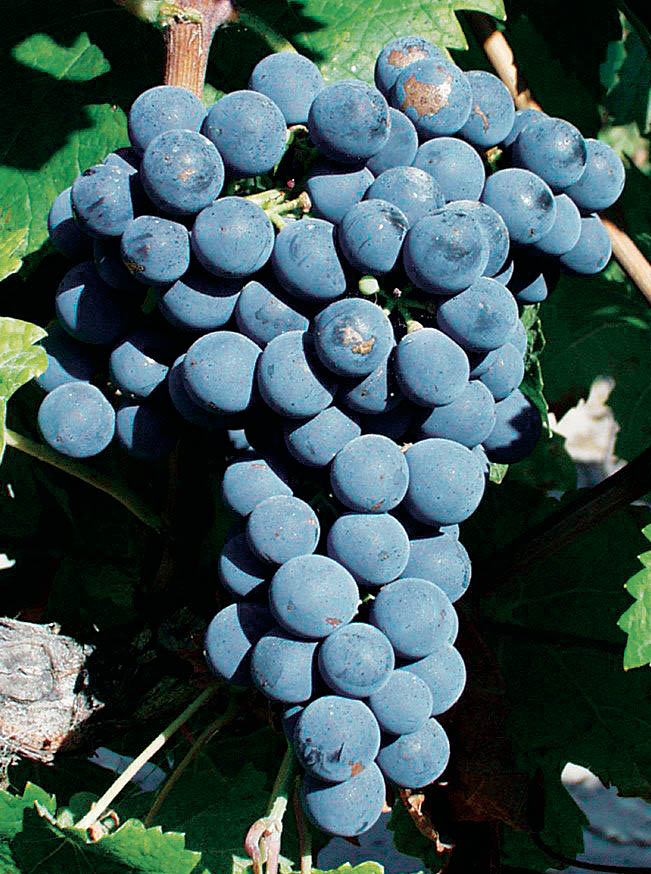
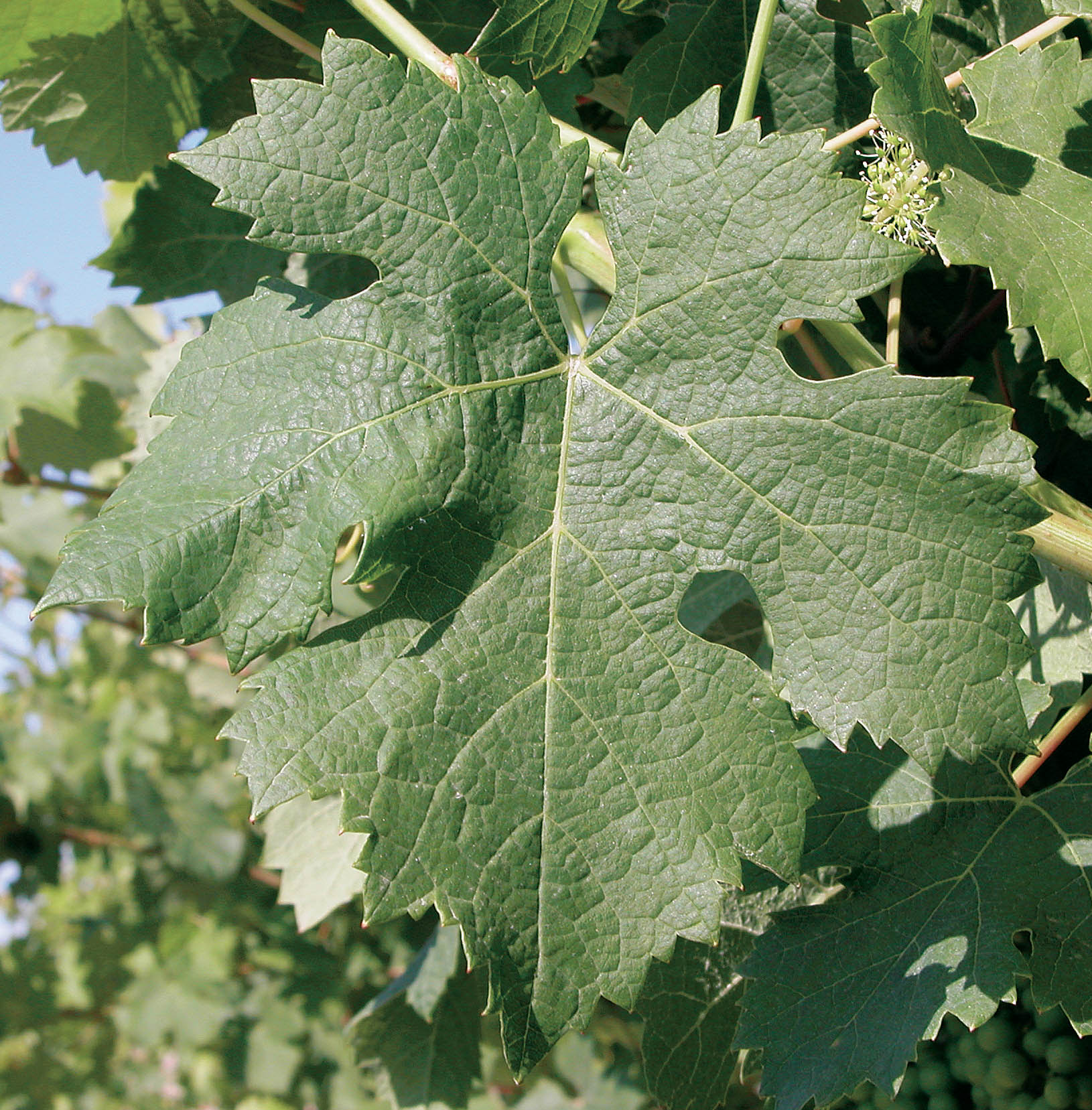
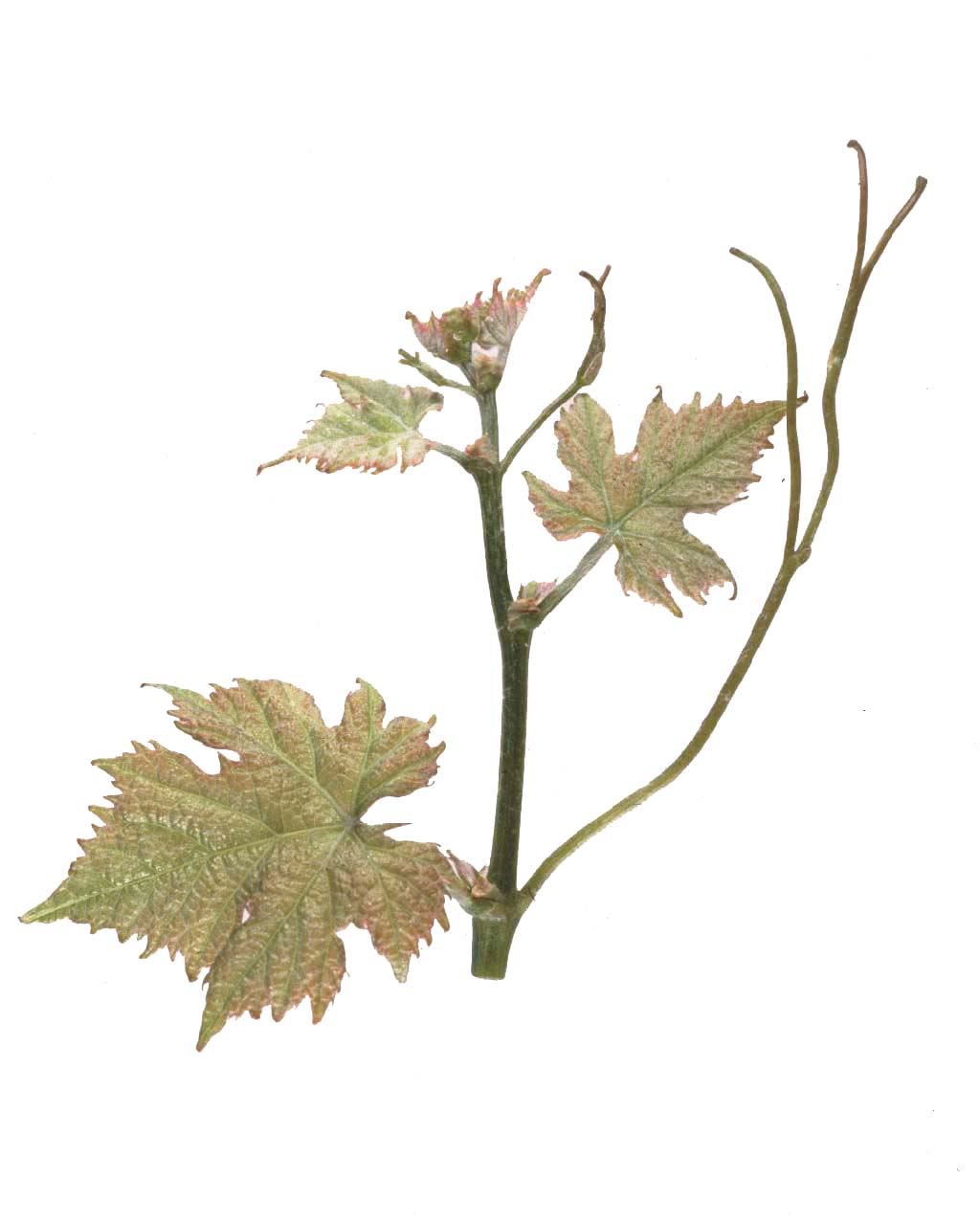
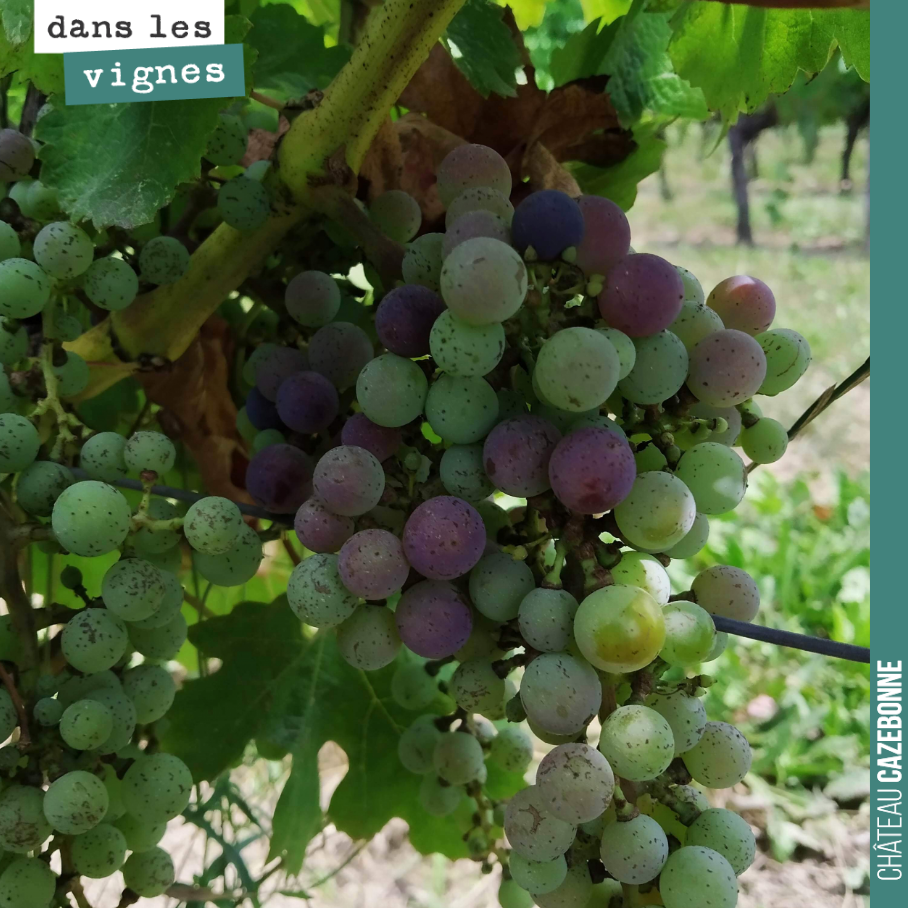
Within the iconic triad of Bordeaux red grape varieties, Cabernet Franc stands out as the pillar of finesse and elegance. Essential for softening the power of Cabernet Sauvignon, it is much more than a simple blending partner; it brings a unique aromatic and structural dimension, giving the wines an inimitable complexity and freshness. Its presence is all the more pronounced on clay-limestone terroirs, where it fully reveals its subtlety.
Cabernet Franc is a black wine grape variety belonging to the Carmenets family, of which it is considered the closest member to the wild varieties. Its history is rich and probably dates back to the Pyrenean foothills on the Spanish side. It is said to have reached the south-west of France thanks to pilgrims returning from the Way of St. James, before gradually establishing itself in the Bordeaux and Loire vineyards. Some even hypothesise that it could be the "biturica" cited by Columella in Roman times, making it one of the oldest grape varieties in the Bordeaux vineyard.
Cabernet Franc has borne many names throughout its history, such as Achéria, Bouchet, Breton, Plant Breton or even Cabernet Blanc, due to the whitish-green colour of its young shoots. It is considered an important parent to Carménère and Magdeleine noire des Charentes, itself the mother of Merlot and Malbec.
| Characteristic | Description |
|---|---|
| Budburst | Early to medium, about a week after Merlot. |
| Ripening | Second epoch, two and a half to three weeks after Chasselas. Its yield is known to be lower than that of Cabernet Sauvignon. |
| Vigour | Medium. |
| Growth habit | Erect or semi-erect. |
| Susceptibility to grey rot | Medium due to a slightly thinner berry skin than that of Cabernet Sauvignon. |
| Susceptibility to Eutypa dieback and Esca | Moderate. |
| Susceptibility to leafhoppers | Slightly more susceptible. |
| Aromatic profile | Notes of fresh red fruits (cherry, raspberry), spicy nuances (pepper), floral touches (violet), blackcurrant, fern, undergrowth, and sometimes green bell pepper at optimal ripeness. |
| Winemaking potential | High-quality aromatic wines with a medium to long ageing potential, bringing freshness, structure, and complexity to blends. Integrates perfectly with Merlot in wines aged in amphorae for silky tannins and explosive fruit. |
Cabernet Franc is renowned for producing high-quality aromatic wines, with a medium to long ageing potential, depending on the terroir and winemaking techniques. Its aromatic complexity is remarkable and unfolds across a varied palette: from notes of fresh red fruit such as cherry, raspberry, and strawberry, to spicy nuances of pepper, through floral touches evoking violet. Certain terroirs can also reveal more distinctive aromas of blackcurrant, fern, undergrowth, and sometimes even the famous but delicate note of green bell pepper, a sign of optimal ripeness. This olfactory richness makes it a prized grape variety for crafting elegant and expressive wines.
At Château Cazebonne, we value the richness of our viticultural heritage. That is why we are committed to replanting forgotten grape varieties, thus participating in the renaissance of Bordeaux's viticultural identity. This meticulous work of researching, reintroducing, and vinifying ancient varieties is made possible by the invaluable support of all the wine lovers who have embraced our wines and share our vision of a viticulture that respects its history, is rooted in tradition, and remains resolutely forward-looking. You can explore the diversity of our approach and the richness of our history by downloading the digital version of the book "Bordeaux, une histoire de cépages", by testing your knowledge with our oenological quizzes, or by discovering our cuvées on our online shop.
Sources
Our suggestions
-5%on your 1st order with code BIENVENUE
The essential92/100 RVFVin de France — heritage grapes, 92/100 RVF
The pre-phylloxera Bordeaux blend, revived at the estate.
Castets, Mancin, Pardotte: the Bordeaux before Bordeaux.
I want it Our recommendation
IGP Atlantique — rare grape variety
A forgotten grape brought back: dense colour, wild fruit.
For the curious about lost grape varieties.
I want it Go further
12 bottles — the whole range
12 bottles, the whole range tasted: the best discovery-to-price ratio.
The complete tour of the estate, in a single case.
I want it
03 June 2023
02 June 2023
11 May 2023
03 May 2023
14 April 2022
04 November 2019
23 October 2019
01 October 2019
29 September 2019
10 August 2019
The cellar, forgotten grape varieties and our cuvées, twice a month. 5% off your first order with the code BIENVENUE.