
 The essential
6 × Entre Amis red
6 bottles — Graves red 2022
The best price of the cellar: €12 per bottle delivered.
The everyday red: generous and straight to the point.
I want itChenin
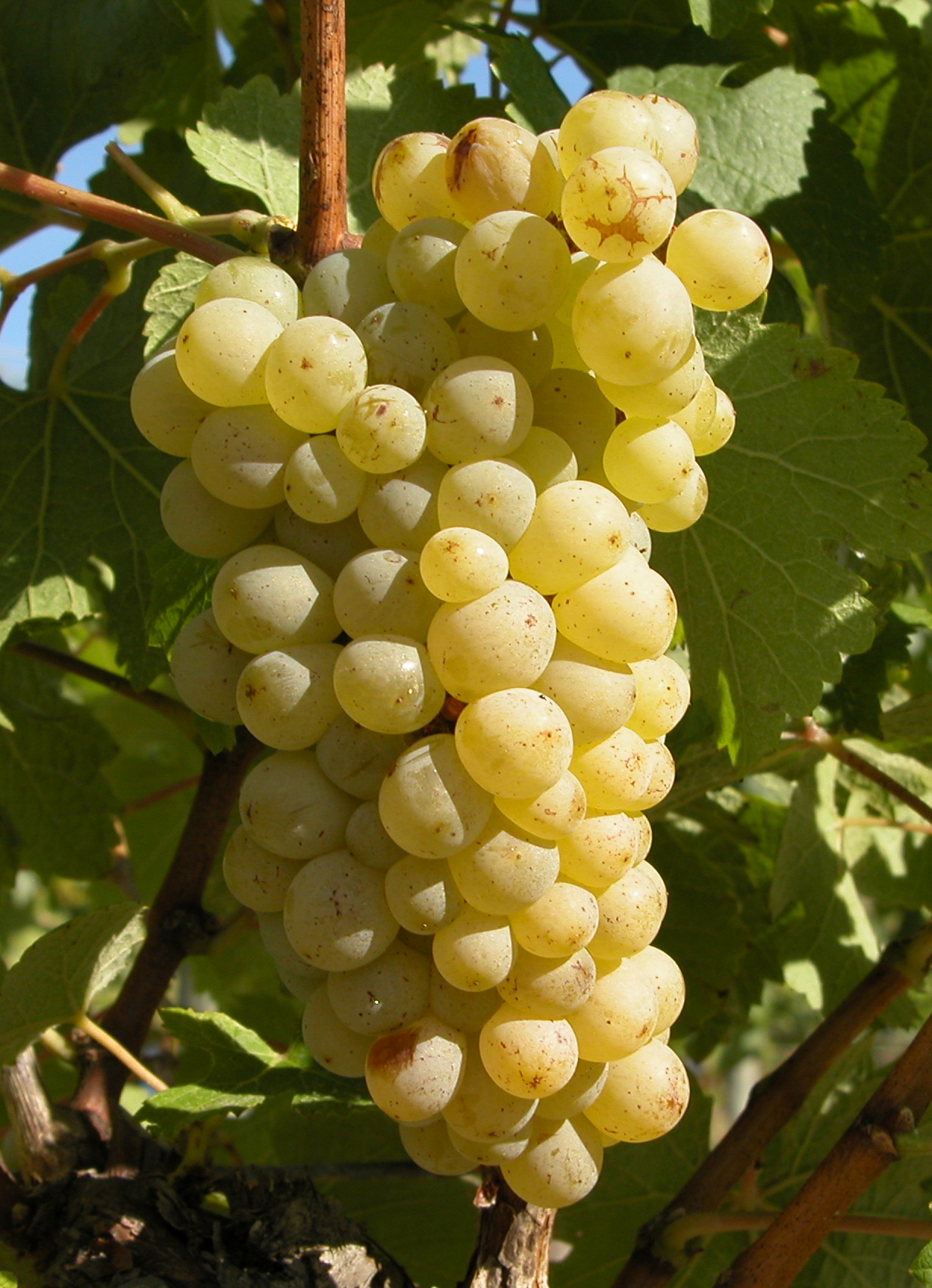
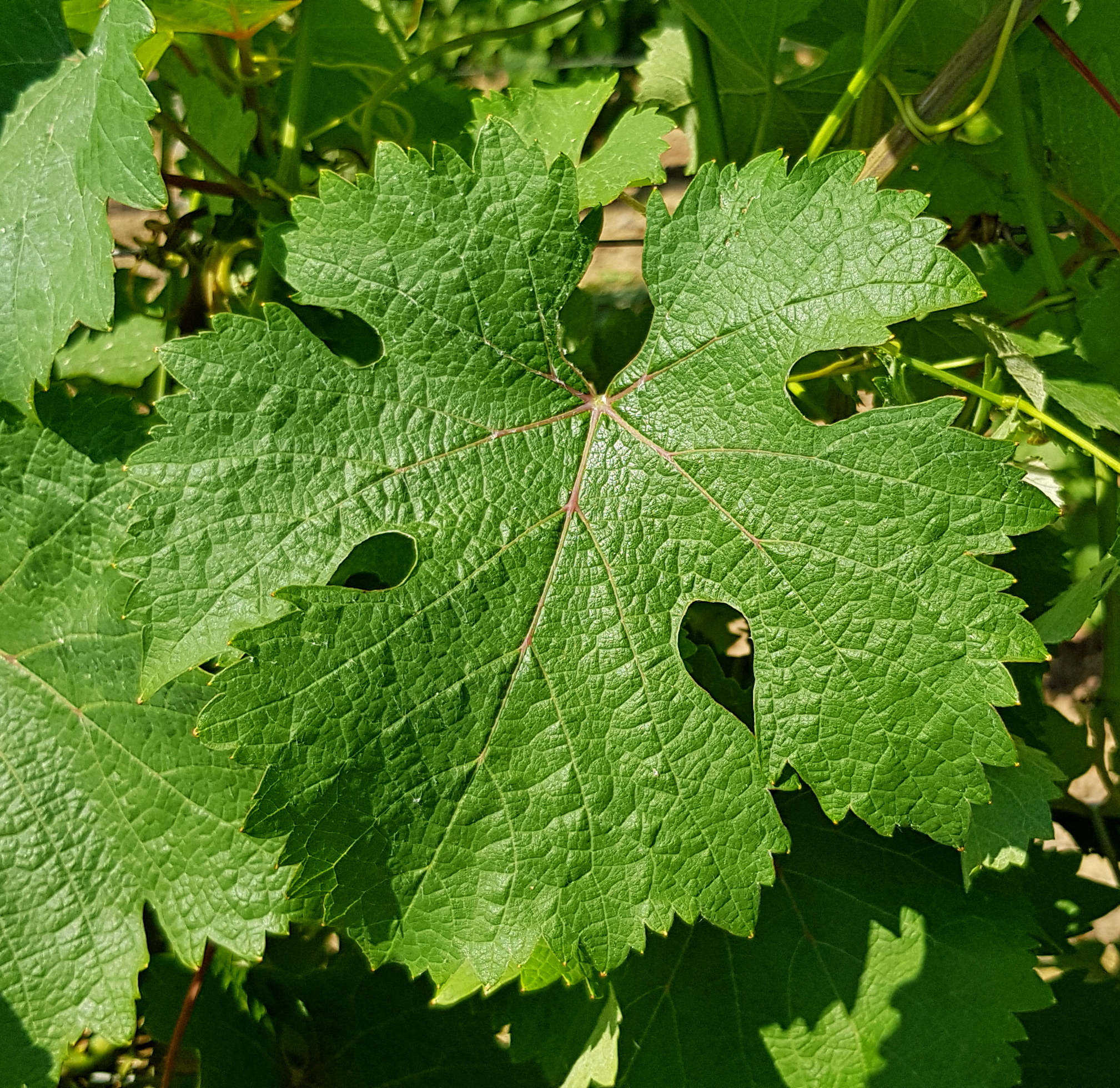
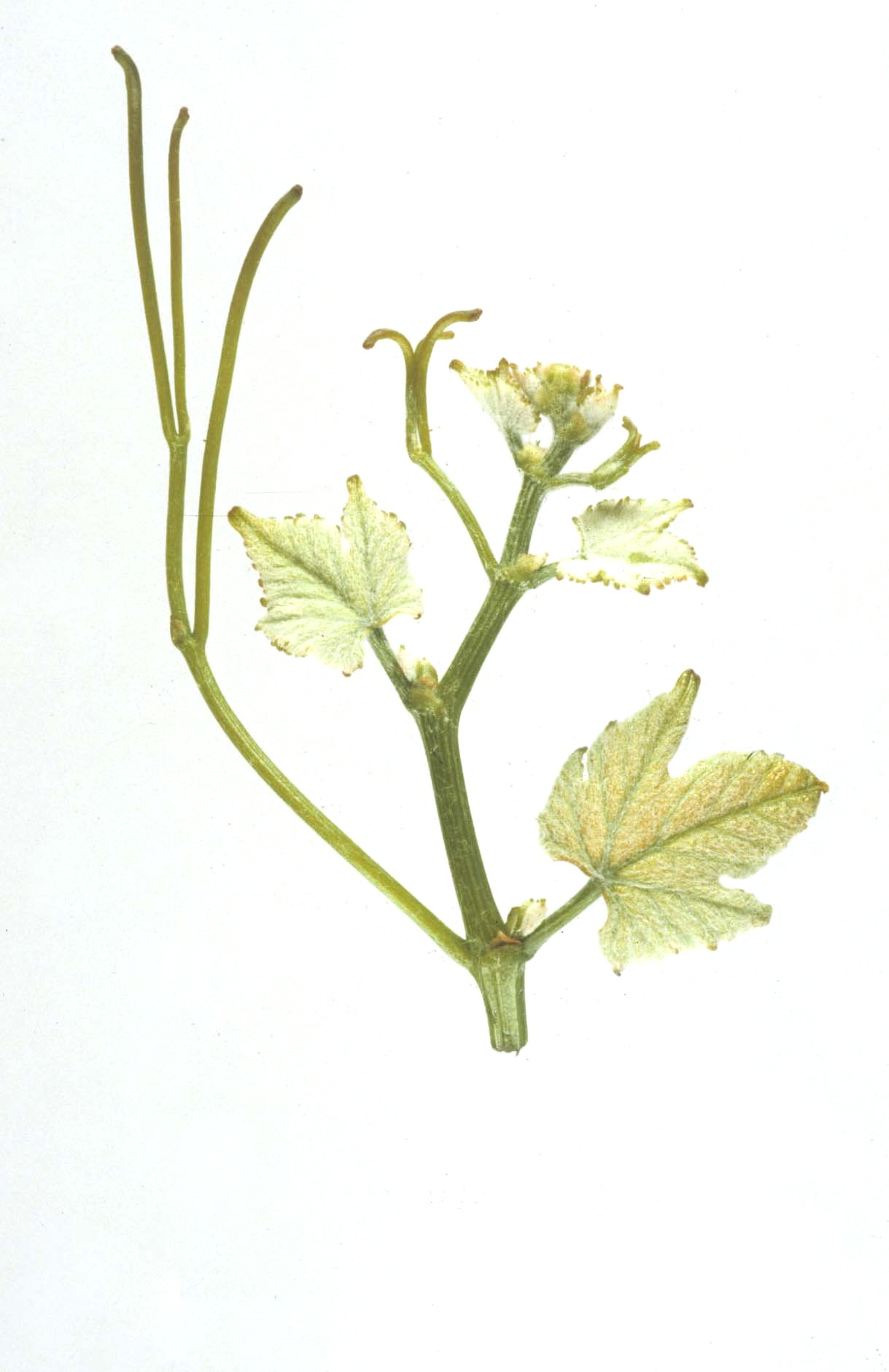
Chenin Blanc, often associated with the great wines of the Loire, shares a more discreet yet historical relationship with the Bordeaux vineyards. While its current presence is anecdotal, ampelographic research and archival records suggest it was planted in the Gironde in the past. Ancient inventories, such as that of Abbé Bellet in 1736, or records mentioned by Nicolas Dupré de Saint-Maur between 1782 and 1784 in Bazas, cite names such as “Chemère”, “Chenière” or “Blanche chenère”, which may have referred to Chenin. This hypothesis is supported by ampelographers and wine historians such as Roger Dion.
Chenin's genetic relationships with other grape varieties that have had a stronger historical presence in Bordeaux—such as Sauvignon Blanc (its half-sibling) or Colombard (of which it is a parent)—reinforce the premise of its past presence. Verdelho, also a half-sibling of Chenin, also experienced some development in the Gironde. In the 19th century, the ampelographer Odart mentioned the spread of Chenin Noir in Anjou under the name Plant or Pineau d'Aunis, noting its possible origin in the village of Aunis, near Saumur.
| Characteristic | Description |
|---|---|
| Budburst | Early, 1 day after Chasselas. |
| Flowering | Early. |
| Véraison | Early. |
| Ripening | Early, first epoch, 1.5 weeks after Chasselas. |
| Vigour | Moderately high to high. |
| Growth habit | Semi-erect. |
| Downy mildew susceptibility | Moderately susceptible to susceptible. |
| Powdery mildew susceptibility | Moderately susceptible to susceptible. |
| Botrytis susceptibility | Highly susceptible to grey rot. |
| Black rot susceptibility | Moderately susceptible. |
| Aroma profile | Green apple, quince, honey, dried fruit, white flowers depending on ripeness and wine style. |
| Winemaking potential | Enables the production of dry, sweet (moelleux) or sparkling wines, with good ageing potential. Highly suited to cool terroirs thanks to its natural acidity. |
Chenin Blanc is renowned for its great winemaking versatility, yielding a wide range of wine styles: dry, sparkling or sweet (liquoreux). It produces highly aromatic wines with a remarkable capacity to age and develop complex aromas, as noted in an ampelography treatise highlighting its “breadth” and “texture” so prized by winemakers. However, its susceptibility to grey rot may have hindered its development in the Bordeaux climate, favouring other better-adapted white varieties, such as Sémillon or Sauvignon, for the sweet wines of Graves or Sauternes.
The decline of Chenin in Bordeaux is also explained by historical choices linked to evolving viticultural practices and appellation specialisation. The post-phylloxera era and the establishment of Appellations d'Origine Contrôlée consolidated the current grape varieties, relegating certain ancient cultivars, such as Chenin, to the background. Today, it is no longer among the authorised varieties in Bordeaux appellations.
At Château Cazebonne, although Chenin has not been replanted, its historical presence is a reminder of the importance of Bordeaux ampelography and our commitment to reviving the region's forgotten grape varieties, as these are “lost Bordeaux grapes” with a proven and significant history. This effort to preserve genetic heritage is made possible thanks to the invaluable support of wine lovers. To explore these fascinating stories further, our “book on the history of Bordeaux grape varieties” is available for download. You can also test your knowledge with our wine quizzes, and to discover the fruits of our labour, we invite you to visit our online shop.
Sources
Our suggestions
-5%on your 1st order with code BIENVENUE
The essential6 bottles — Graves red 2022
The best price of the cellar: €12 per bottle delivered.
The everyday red: generous and straight to the point.
I want it Our recommendation92/100 RVF
6 bottles — Graves red 2022, 92/100 RVF
Rated 92/100 by La Revue du vin de France: a solid 10-year ageing potential.
Our Graves for ageing, the finest gateway to the estate.
I want it Go further
12 bottles — the whole range
12 bottles, the whole range tasted: the best discovery-to-price ratio.
The complete tour of the estate, in a single case.
I want itThe cellar, forgotten grape varieties and our cuvées, twice a month. 5% off your first order with the code BIENVENUE.