
 The essential
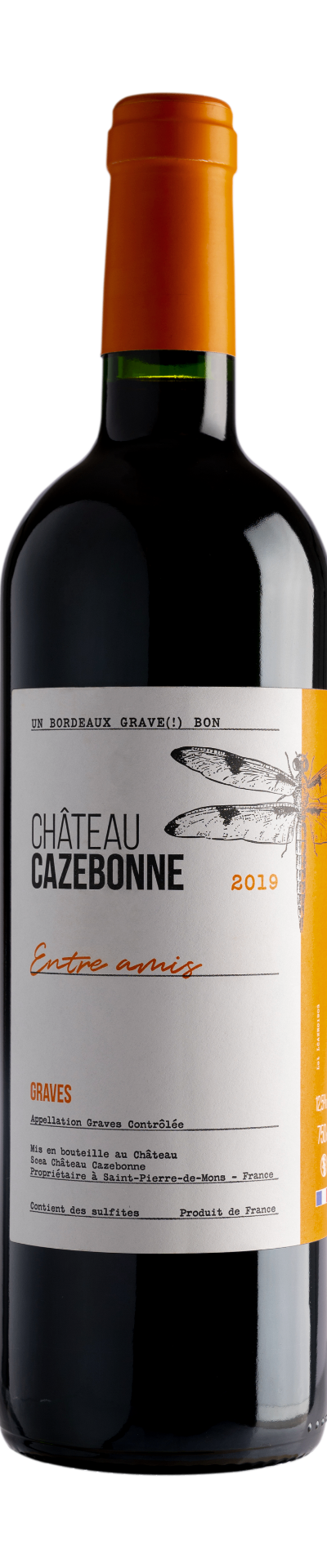
6 × Entre Amis red
6 bottles — Graves red 2022
The best price of the cellar: €12 per bottle delivered.
The everyday red: generous and straight to the point.
I want it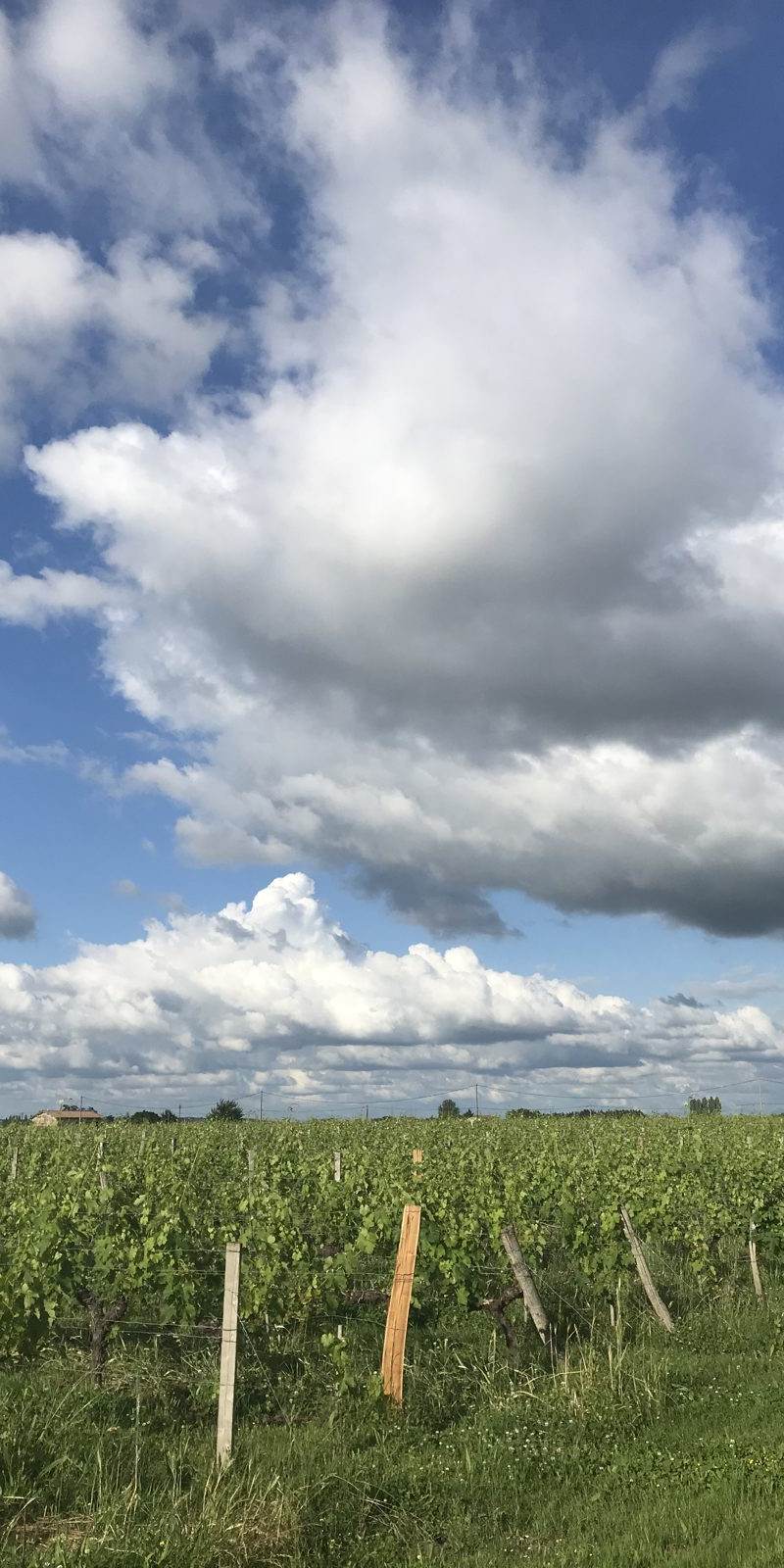
We sometimes imagine that harvesting simply means waiting for the grapes to be ripe. The reality is a little more complex. Some years, the weather gives us some leeway; others force us to choose between imperfect ripeness and the risk of rot.
And for several years now, a new parameter has complicated things even further: while we wait for the skins to ripen, sugar levels soar and acidity plummets.
Historically, a winemaker's true luxury was simply being able to wait. But for how long?
During ripening, several phenomena occur simultaneously: sugars increase, acidity decreases, and skins ripen. On paper, it seems simple: we wait for these three curves to meet at the right point. But they don't necessarily evolve at the same speed. And that's precisely where the winemaker's work begins.
In reality, we speak of several distinct ripeness levels. Technological ripeness is the balance between sugars and acids; it determines the potential alcohol content and the freshness of the future wine. Aromatic ripeness is the expression of aroma precursors that are gradually released. Phenolic ripeness is the evolution of tannins in the skins and seeds; it produces supple and silky wines rather than harsh and vegetal ones. Grapes can have enough sugar while still retaining green tannins and herbaceous notes. Conversely, waiting for perfect skin ripeness can lead to a loss of acidity, an increase in pH, or a deterioration in the health of the grapes.
A great grape variety is not great everywhere. It becomes so when it meets a terroir and a climate that allow it to reach ripeness with a remarkable balance: ripe skins, acidity still present, and a reasonable alcohol level, around 13% alcohol, for example. For centuries, the observations of our ancestors led to finding these pairings: such and such a grape variety on such and such a soil, under such and such a climate. This is how the great wine terroirs gradually emerged.
What generations of winemakers have sought, often without explicitly stating it, is that point of alignment where nature does most of the work. Merlot on the clays of the Right Bank, Cabernet-Sauvignon on the well-drained gravels of the Médoc: these marriages are not accidental. They are the fruit of long observation, repeated over decades, which identified where each grape variety naturally finds its balance.
Some years, everything aligns. The grapes are healthy, the weather is stable, and rot is not a threat. The winemaker can taste the berries and say: 'The skins aren't quite there yet, let's wait.' Each additional day then brings the grapes closer to the desired balance. One can look for more than just sugar: ripeness of skins and seeds, gradual disappearance of vegetal notes, evolution of tannins.
In other vintages, waiting means risking rain, berry splitting, or botrytis. Sometimes it's necessary to harvest with imperfect ripeness to save the crop. The grapes are not ripe enough, but the berries are starting to weaken, temperatures become unfavourable, and the foliage is no longer functioning sufficiently. The winemaker is faced with two bad options: harvest imperfect grapes today, or wait for better grapes with the risk of never being able to pick them in that state.
In 2026, the sanitary conditions and general circumstances would allow us to wait for the skins to ripen. But while we wait, the other indicators keep moving. Sugars rise. Potential alcohol levels soar. Acidity drops. pH levels increase.
So, we might finally achieve the desired skin ripeness, only to discover that the balance we aimed for has vanished in the meantime. The 'magic pairing' that centuries of observation had identified between this grape variety and this terroir no longer functions as before. The ideal window shrinks or shifts. What was once the perfect meeting point of the three curves — sugars, acidity, skins — is becoming increasingly difficult to achieve.
This is the concrete dilemma. Harvesting earlier preserves freshness, acidity, and a reasonable alcohol level, but with the risk of vegetal notes and insufficiently ripe tannins. Waiting allows the skins to evolve, but at the cost of higher alcohol, elevated pH levels, and less freshness.
A difficult decision. The grapes are not quite ripe yet. But the sugar levels are good, and so are the pH levels. If you harvest now, you accept more vegetal character and less refined tannins. The wine will certainly need to be consumed sooner. If you wait four days, you don't know what you'll get. Perhaps magnificent grapes. Perhaps rain in the meantime, which will swell the berries, risking them bursting and rot setting in.
This is the question we now have to answer in these sunny vintages.
Climate change does not simply mean that 'grapes ripen better'. It means that the different components of ripeness no longer necessarily progress together. Sugars can advance much more quickly than skin ripeness. Acidity can disappear before phenolic ripeness is satisfactory.
During heatwave years, vines can suffer from water stress, slowing down or blocking their ripening. Acidity drops and pH levels rise. One can therefore end up with high sugar levels but not necessarily the ripeness one is looking for.
Our grape varietal compositions are the result of decades, sometimes centuries, of empirical observation. We gradually understood that Cabernet-Sauvignon worked better here, that Merlot found its balance there, and that elsewhere another grape variety was particularly suitable. But these observations were made in a climate that is no longer quite our own.
If the climate changes sufficiently, the grape variety-terroir pairing changes too. A grape variety that once reached its skin ripeness at 12.5 or 13% potential alcohol might tomorrow reach it at 14 or 15%. This year, Champagne granted a derogation to its winemakers to produce wines over 13%. Unheard of in Champagne.
Are the grape varieties in our wine regions still adapted to cope with these extreme heats?
When we began our work on forgotten grape varieties 10 years ago, we didn't yet know that climate change would have such violent impacts on our vines. I am convinced that our Bordeaux ampelographic heritage can provide solutions. This great diversity of grape varieties can offer us solutions. However, we still need to replant them and subject them to these extraordinary climates, in specific plots, to observe and see how they behave. This work is obviously not the only lever; we will also need to review our rootstocks and our agricultural practices.
Some forgotten grape varieties will probably be unsuitable. Others could become extremely interesting — varieties that ripen more slowly, retain their acidity better, and achieve phenolic ripeness without skyrocketing in sugar levels. Experimentation is ultimately resuming the work that previous generations carried out for centuries: planting, observing, comparing, starting again.
If the climate challenges the suitability of grape varieties, it can also reshuffle the hierarchy of terroirs. Highly draining soils, which were an extraordinary advantage in a more humid climate, can become more problematic in hot and dry vintages. Conversely, certain terroirs once considered less prestigious, but with greater water reserves, may allow the vines to continue their ripening in better conditions.
For centuries, we sought which grape variety was best suited to each terroir. Climate change does not necessarily destroy this logic. It forces us to resume observation. And the great terroir may not be the one that produced the greatest wines yesterday. It is the one that will still allow us tomorrow to obtain grapes with ripe skins, with acidity, and 13 degrees of alcohol.
Our suggestions
-5%on your 1st order with code BIENVENUE
The essential6 bottles — Graves red 2022
The best price of the cellar: €12 per bottle delivered.
The everyday red: generous and straight to the point.
I want it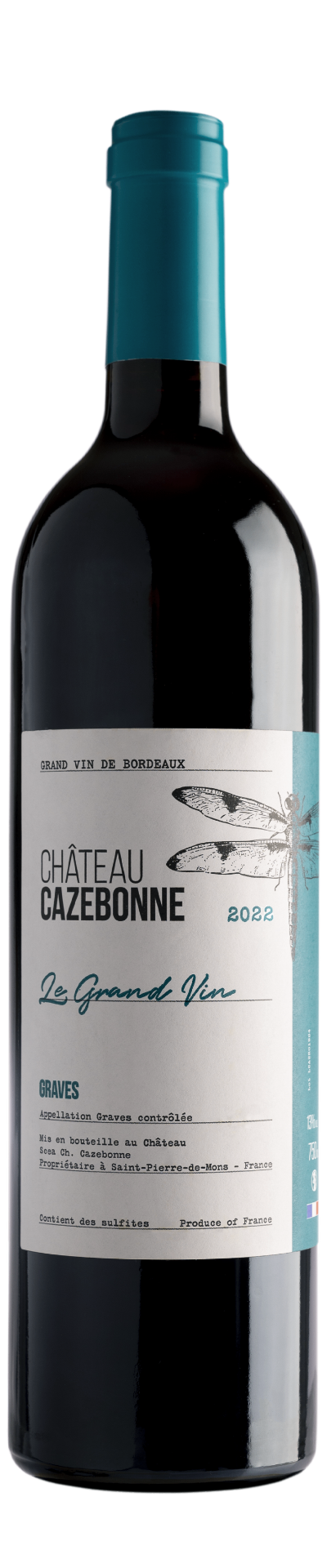 Our recommendation92/100 RVF
6 bottles — Graves red 2022, 92/100 RVF
Rated 92/100 by La Revue du vin de France: a solid 10-year ageing potential.
Our Graves for ageing, the finest gateway to the estate.
I want it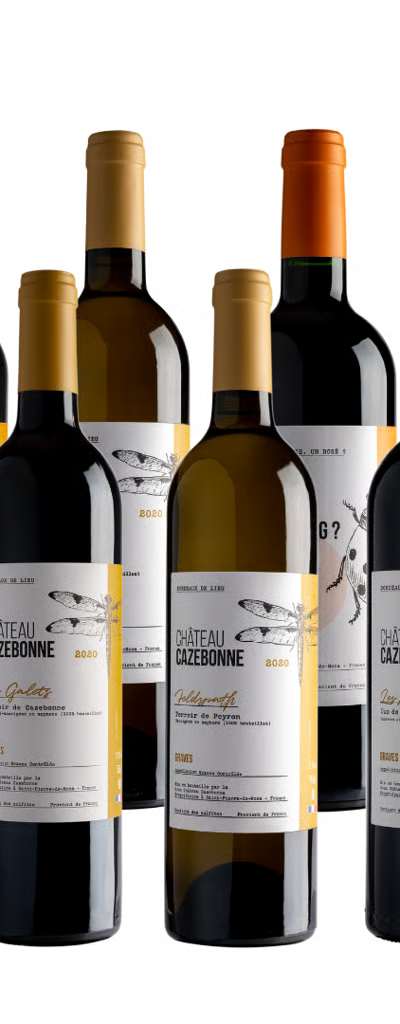 Go further
12 bottles — the whole range
12 bottles, the whole range tasted: the best discovery-to-price ratio.
The complete tour of the estate, in a single case.
I want itThe cellar, forgotten grape varieties and our cuvées, twice a month. 5% off your first order with the code BIENVENUE.