
 The essential
6 × Entre Amis red
6 bottles — Graves red 2022
The best price of the cellar: €12 per bottle delivered.
The everyday red: generous and straight to the point.
I want itDiscs
At Château Cazebonne, our commitment to living, resilient soils is fundamental. Rather than resorting to aggressive methods, we favour tools and techniques that respect and nurture microbial biodiversity. Among them, crumbling discs and Kress fingers play an essential role in our gentle, considered approach to soil management. They enable us to weed and aerate the ground without disrupting the delicate subterranean balance that drives the vitality of our vines.
Crumbling discs and Kress fingers are far more than mere implements; they embody a philosophy of soil management that respects natural equilibria. Their use forms part of a holistic approach designed to preserve and enhance biodiversity. Over the long term, these gentle practices contribute to the health of our vineyard and the authentic expression of our terroir.
The primary aim of using crumbling discs is the mechanical weeding of unwanted growth. This technique reduces competition for water and nutrients without disrupting soil structure or microbial life. Kress fingers, for their part, aim to improve soil aeration and porosity, thereby encouraging root development and biological activity essential for breaking down organic matter into nutrients that the vine can absorb.
Crumbling discs are generally used after harvest, in autumn, to prepare the parcels for the following season and curb weed growth. They can also be used later in the cycle, depending on weed pressure. Kress fingers are predominantly employed in autumn or winter, when the soil is damper and lends itself better to aeration without the risk of excessive compaction. The precise timing depends on weather conditions and soil moisture.
Mounted on a rotating shaft, crumbling discs feature specially designed metal discs to cut and uproot weeds at their base. Their action is targeted and shallow, allowing us to manage weed pressure without having to resort to deep ploughing. This approach preserves not only the soil structure, but also the entire microbial life thriving within it. Typically employed after the harvest, crumbling discs prepare our parcels for the coming season by reducing weed competition and facilitating the establishment of inter-row cover crops. This practice fits seamlessly into our philosophy of sustainable viticulture, where every intervention aims to strengthen the natural health and fertility of our soils.
Kress fingers—metal tines also mounted on a rotating shaft—are our allies for deeper soil aeration. Thanks to their gentle action, they decompact the earth without turning it over, creating countless micro-channels. These openings optimise the circulation of air and water, which are crucial elements for root health and microbial activity. Used primarily in autumn or winter, Kress fingers significantly enhance soil porosity. They facilitate the vine's deep root development and stimulate the micro-organisms vital for transforming organic matter into readily available nutrients. This delicate aeration is indispensable for the vine's water and nutrient balance, ultimately contributing to the production of healthy, balanced grapes that truly reflect their terroir.
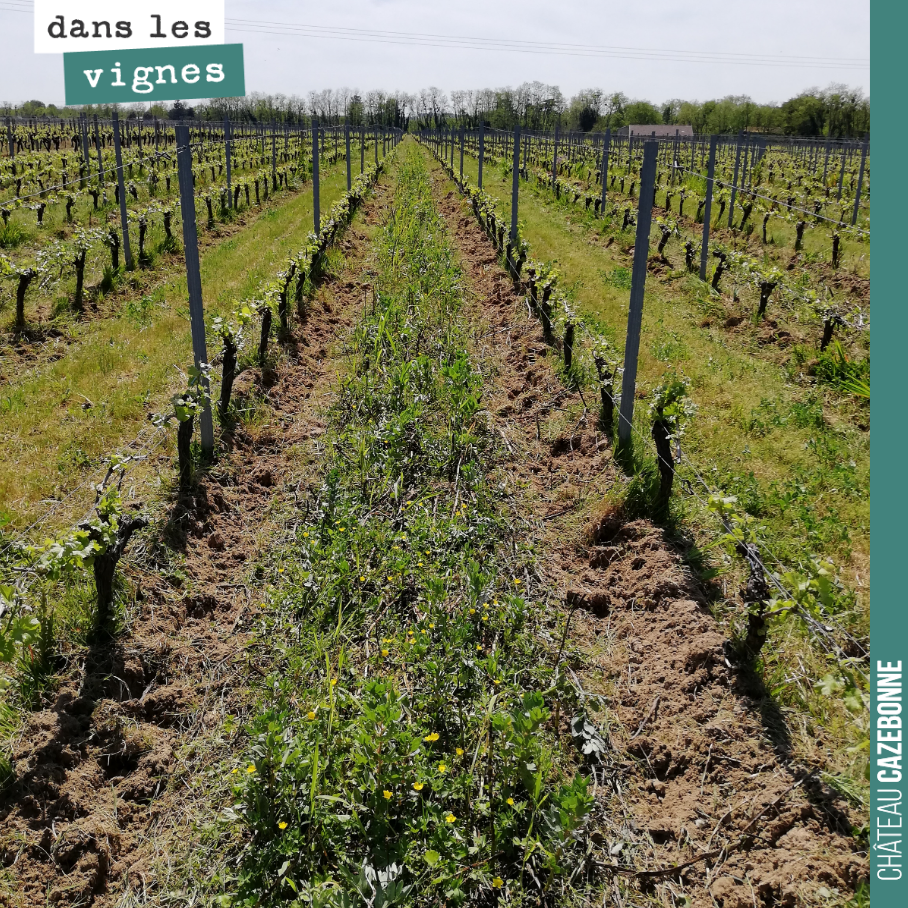
In conventional viticulture, weed management often involves chemical herbicides, which, while fast-acting, can impair soil health and biodiversity. Deep ploughing is also a common practice, but it severely disrupts soil architecture and can increase erosion. Our methods using crumbling discs and Kress fingers offer an ecological alternative. They ensure effective weed control and soil aeration without the major drawbacks of more aggressive techniques, aligning perfectly with the principles of agroecology in viticulture. They seamlessly complement practices such as horse-drawn cultivation or earthing up the vines.
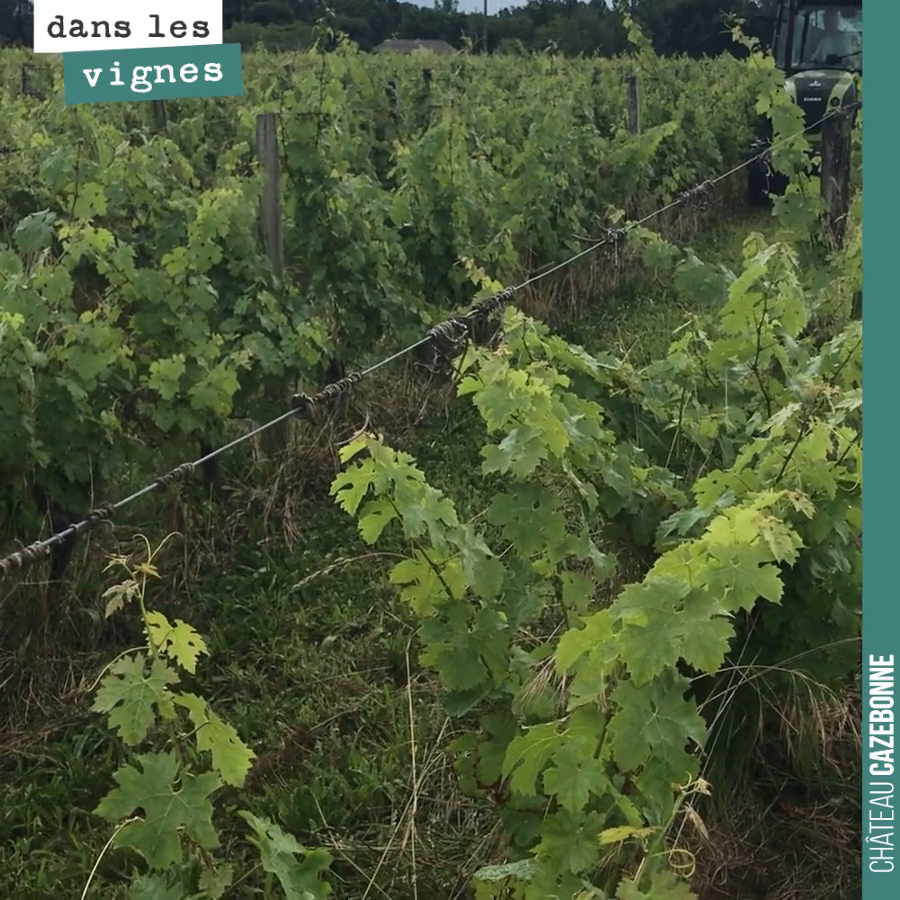
At Château Cazebonne, the use of crumbling discs and Kress fingers is an integral component of our sustainable and environmentally friendly viticulture programme. These tools are incorporated into our vineyard practices throughout the year, tailored to the specific needs of each parcel and prevailing weather conditions. They serve our objective of fostering healthy, living soils—the true foundation of our wines' quality and typicity. In addition, we study the positive impact of soil amendments on enhancing parcel fertility and structure. As highlighted in the book "Bordeaux, une histoire de cépages", our approach aims to revive our Bordeaux terroirs and bring back ancestral grape varieties that had virtually vanished from our vineyards. This fascinating, demanding work is made possible through the trust and support of our many enthusiasts who, by enjoying our wines, enable us to continue this quest for authenticity and diversity. We invite you to find out more by downloading the digital version of the book "Bordeaux, une histoire de cépages", testing your knowledge with our wine quizzes, or exploring our range of cuvées in our online shop.
Sources
Our suggestions
-5%on your 1st order with code BIENVENUE
The essential6 bottles — Graves red 2022
The best price of the cellar: €12 per bottle delivered.
The everyday red: generous and straight to the point.
I want it Our recommendation92/100 RVF
6 bottles — Graves red 2022, 92/100 RVF
Rated 92/100 by La Revue du vin de France: a solid 10-year ageing potential.
Our Graves for ageing, the finest gateway to the estate.
I want it Go further
12 bottles — the whole range
12 bottles, the whole range tasted: the best discovery-to-price ratio.
The complete tour of the estate, in a single case.
I want it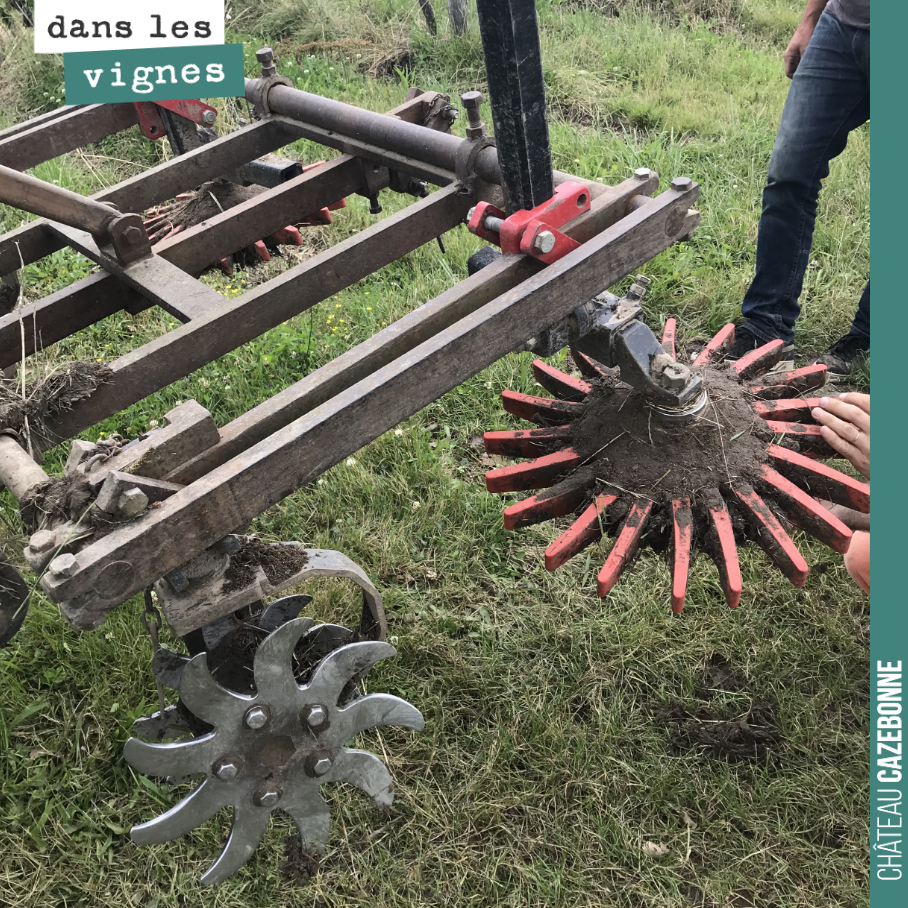
20 June 2020
20 June 2020
17 April 2020
The cellar, forgotten grape varieties and our cuvées, twice a month. 5% off your first order with the code BIENVENUE.