
 The essential
6 × Entre Amis red
6 bottles — Graves red 2022
The best price of the cellar: €12 per bottle delivered.
The everyday red: generous and straight to the point.
I want itSoil amendments
In our quest for living, resilient soil, amendments play a vital role. Far from being mere additives, they are essential components that enrich and rebalance the land, thus unlocking its full potential for the vine. These materials, whether organic or inorganic, are added to the soil to improve its physical, chemical and biological properties. Their purpose is to correct imbalances – low nutrient content, compact structure or excessive acidity – in order to create an environment conducive to root development and, consequently, vine vitality. A judiciously amended soil is one that breathes, drains and retains water optimally, offering the vines the ideal conditions to express all the complexity of their terroir.
Soil amending is a fundamental agricultural practice that involves incorporating various substances to alter and sustainably improve its physical, chemical and biological characteristics. Unlike fertilisers, which nourish the plant directly, soil improvers act on the growing medium itself, transforming its structure, pH, water- and nutrient-holding capacity, or stimulating its microbial activity. They are the invisible architects of a living soil, capable of providing the vine with a balanced, resilient ecosystem.
The primary objective of soil amendment is to create an optimal subterranean ecosystem for the plant. Physically, it aims to improve soil structure, promoting aeration and drainage in heavy soils, or conversely increasing water retention in sandy soils. Chemically, amendments adjust the pH, rectify specific nutrient deficiencies and improve cation-exchange capacity, making nutrients more readily available. Biologically, they stimulate the activity of microorganisms, which are essential for breaking down organic matter and forming soil humus, thereby contributing to natural soil fertility.
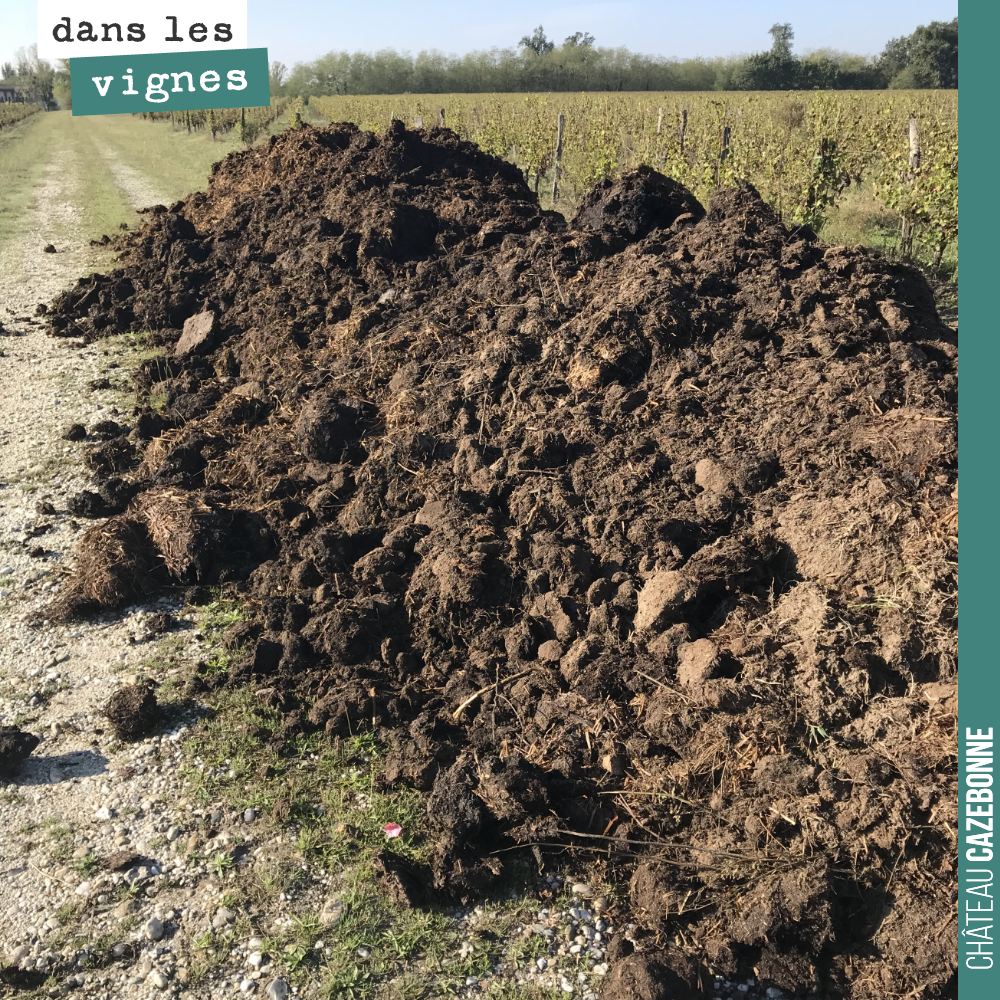
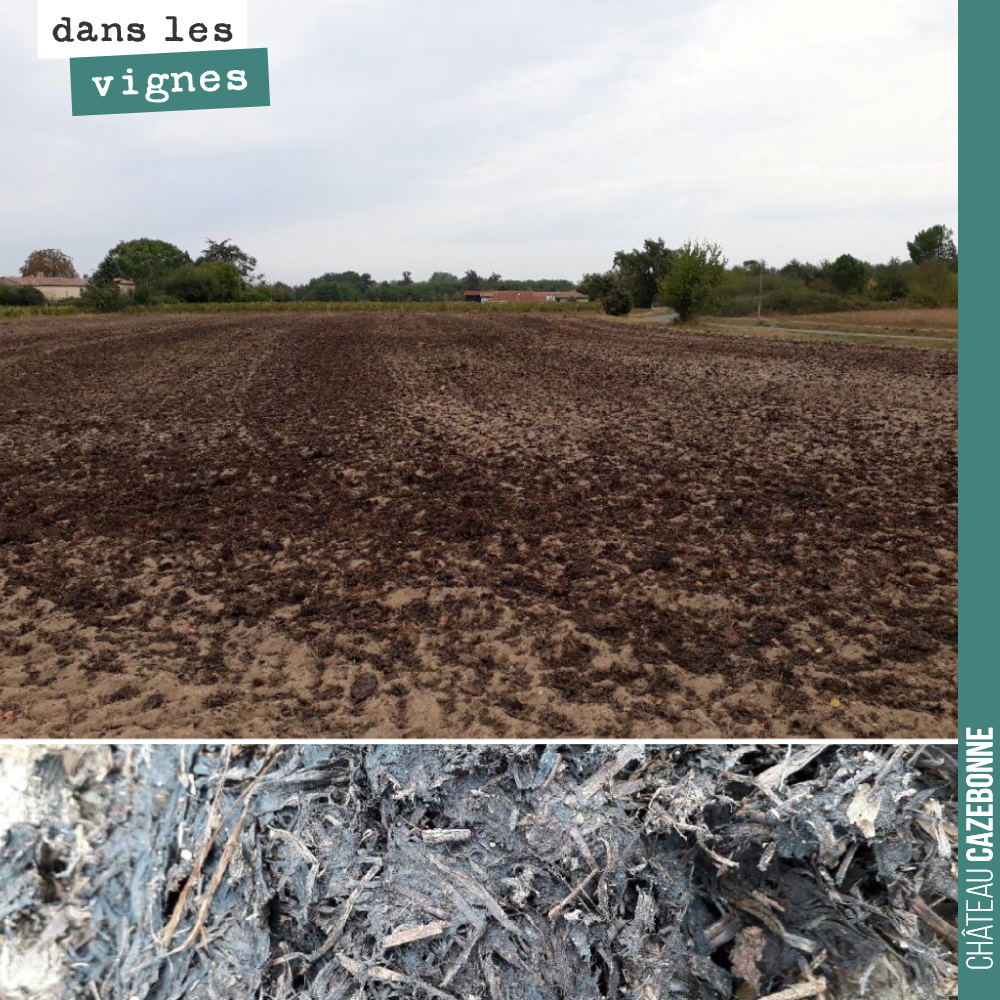
The ideal time to apply soil amendments depends on their nature and the specific needs of the vineyard. Organic amendments such as compost or manure are often applied in autumn or winter, after the harvest and before budburst, allowing for gradual decomposition and a slow release of nutrients. Green manures are sown between the vine rows in autumn or spring, then mown and incorporated into the soil before flowering. pH correctors, such as agricultural lime, are generally applied in autumn to benefit from winter rainfall and infiltration.
Applying soil amendments requires a measured approach, often guided by prior soil analyses to identify deficiencies or imbalances. Once the amendment is chosen, various application methods can be used: surface spreading, followed by light scratching or harrowing, or deeper incorporation for structural conditioners. For amendments like compost or manure, even distribution is essential to ensure uniform action across the entire parcel. The winegrower's expertise lies in applying the right dosage at the right time, without excess, to nurture the vine without disrupting it.
The machinery used for applying amendments varies according to their form and the scale of the estate. For bulk solid amendments (compost, manure), vineyard-adapted manure spreaders are used, capable of depositing material between the rows or beneath the vine stock. For liquid or pelleted amendments, specific spreaders or seed drills may be required. Incorporation into the soil can be carried out using ploughs, subsoilers, or vineyard tractors equipped with discs or tines, which blend the amendment into the topsoil without overly disturbing subterranean life. Effective tools for working the soil and managing weed cover also include clod-breaking discs and Kress finger weeders, which offer a gentle approach that respects the microfauna.
Soil amendments offer a range of alternatives suited to all viticultural approaches. In organic and biodynamic viticulture, the emphasis is placed on organic and natural amendments, such as compost, manure, green manures (legumes, cereals), or biodynamic preparations like Preparation 500. These methods aim to nourish the soil holistically, enhancing its resilience and boosting biodiversity. In conventional viticulture, synthetic amendments or targeted mineral inputs may be applied occasionally to rectify specific deficiencies. At Château Cazebonne, we favour solutions that respect the soil's natural cycle and minimise environmental impact, embedding our practices firmly within biodynamics.
The diversity of soil amendments mirrors the complexity of soils. Every input is designed to meet a specific need of our terroir. Regular soil analyses guide our choices, ensuring the right amendment is applied at the right moment. Among the most common and virtuous are time-honoured practices, frequently mentioned in viticultural literature, as noted by Jean-Baptiste Duquesne in his book "Bordeaux, une histoire de cépages".
At Château Cazebonne, the use of these amendments is part of a holistic approach dedicated to respecting living systems and preserving biodiversity. By nourishing and regenerating the earth, we contribute to the richness and distinctive character of our wines. This work enables us to revive the historic grape varieties of Bordeaux—those that had vanished from our vineyard landscapes—and provide them with the finest conditions to achieve their fullest expression. This pursuit of authenticity and diversity is a long-term endeavour, made possible thanks to the invaluable support of our many wine enthusiasts who, by embracing our wines, allow us to continue exploring and reviving this priceless viticultural heritage. To delve deeper into the history and diversity of Bordeaux varieties, you can also receive the digital edition of the book "Bordeaux, une histoire de cépages" published by Éditions BBD, written by Jean-Baptiste Duquesne. If you would like to test your wine knowledge, feel free to take one of our wine quizzes. Finally, explore our full range of cuvées in the Cazebonne online shop.
Sources
Our suggestions
-5%on your 1st order with code BIENVENUE
The essential6 bottles — Graves red 2022
The best price of the cellar: €12 per bottle delivered.
The everyday red: generous and straight to the point.
I want it Our recommendation92/100 RVF
6 bottles — Graves red 2022, 92/100 RVF
Rated 92/100 by La Revue du vin de France: a solid 10-year ageing potential.
Our Graves for ageing, the finest gateway to the estate.
I want it Go further
12 bottles — the whole range
12 bottles, the whole range tasted: the best discovery-to-price ratio.
The complete tour of the estate, in a single case.
I want it
25 April 2020
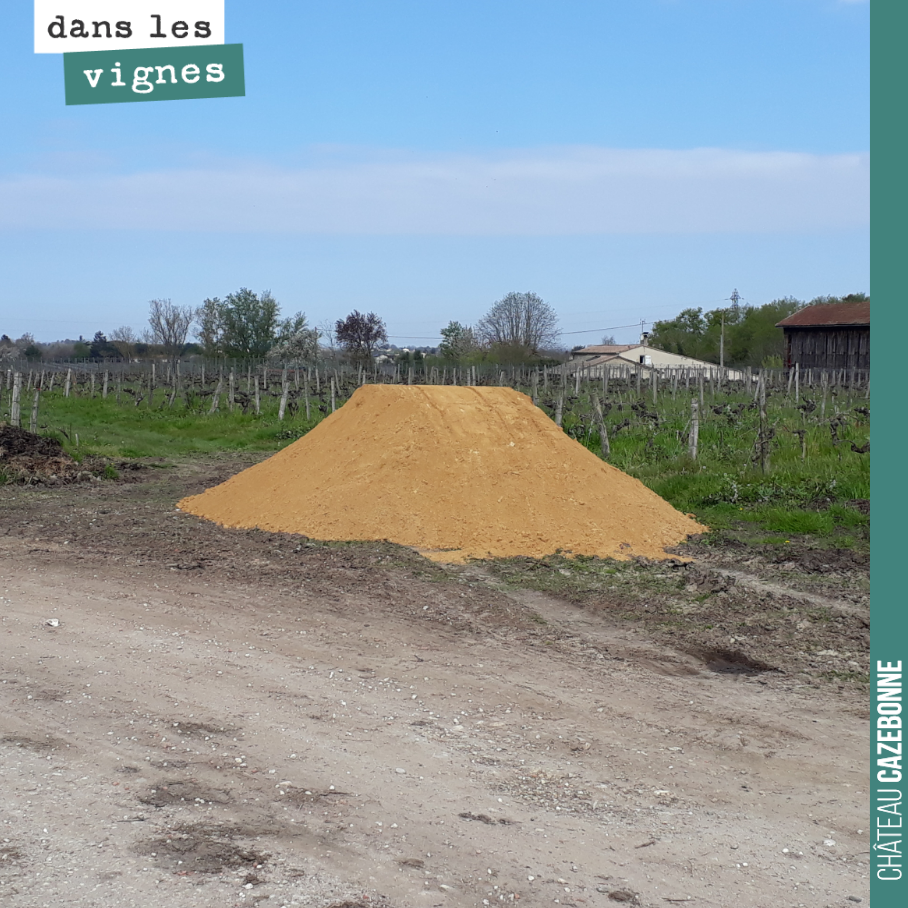
11 April 2020
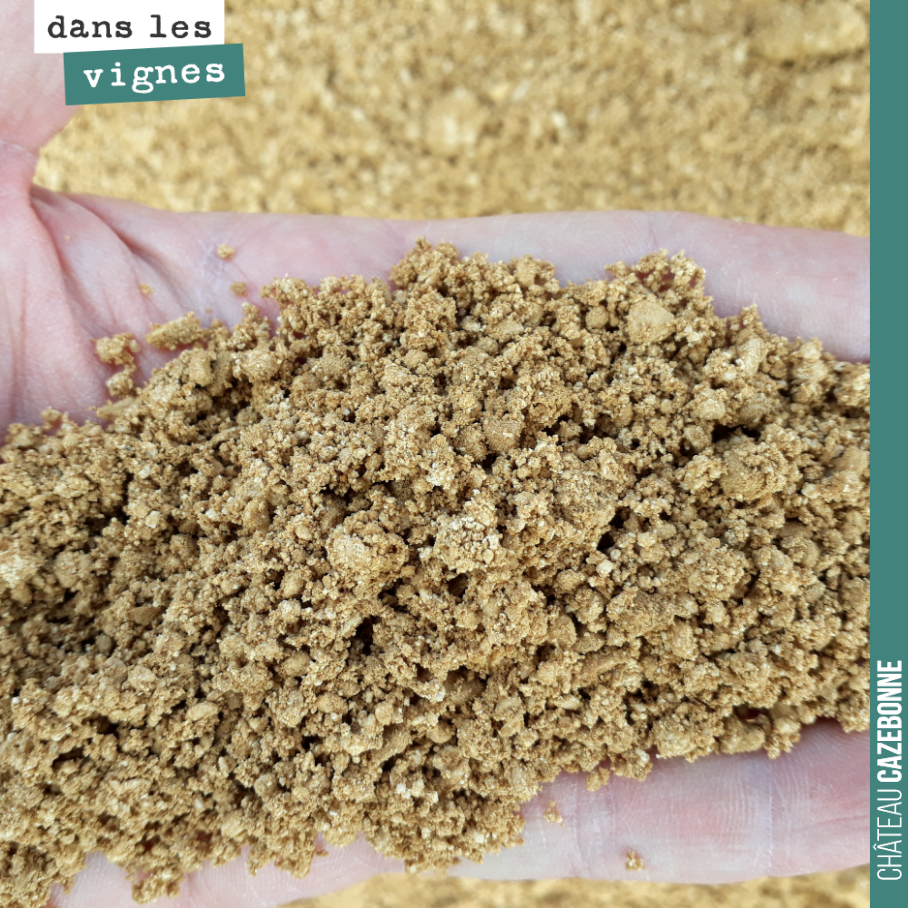
09 April 2020
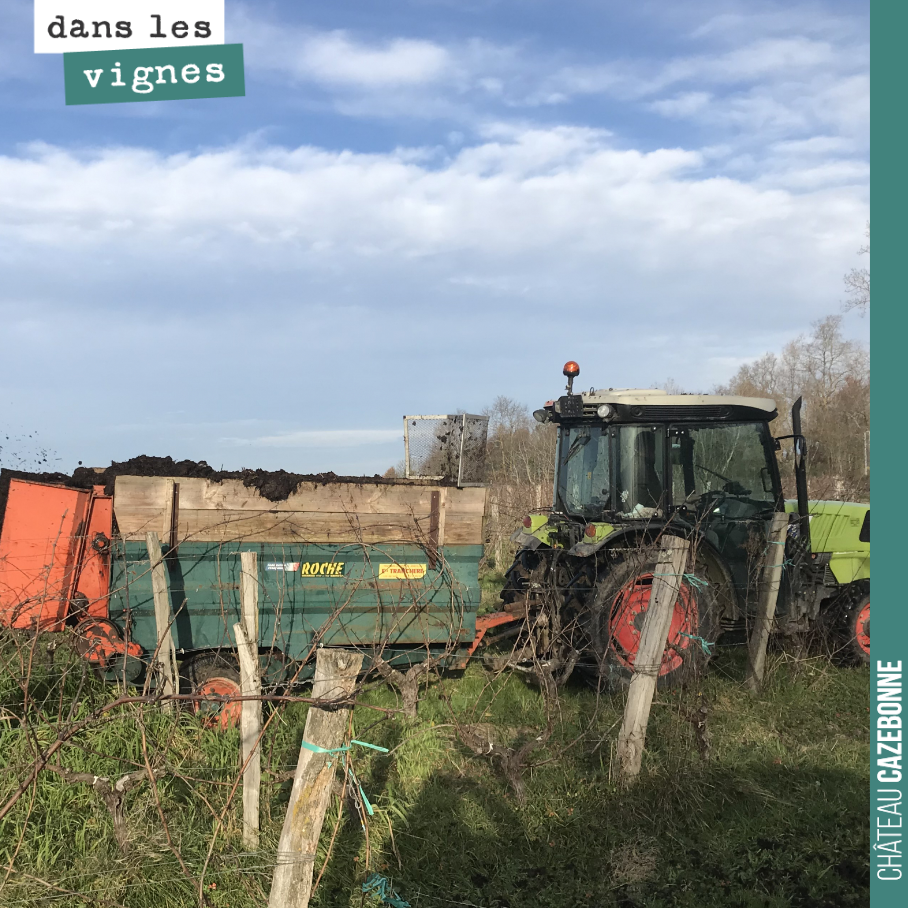
19 January 2020
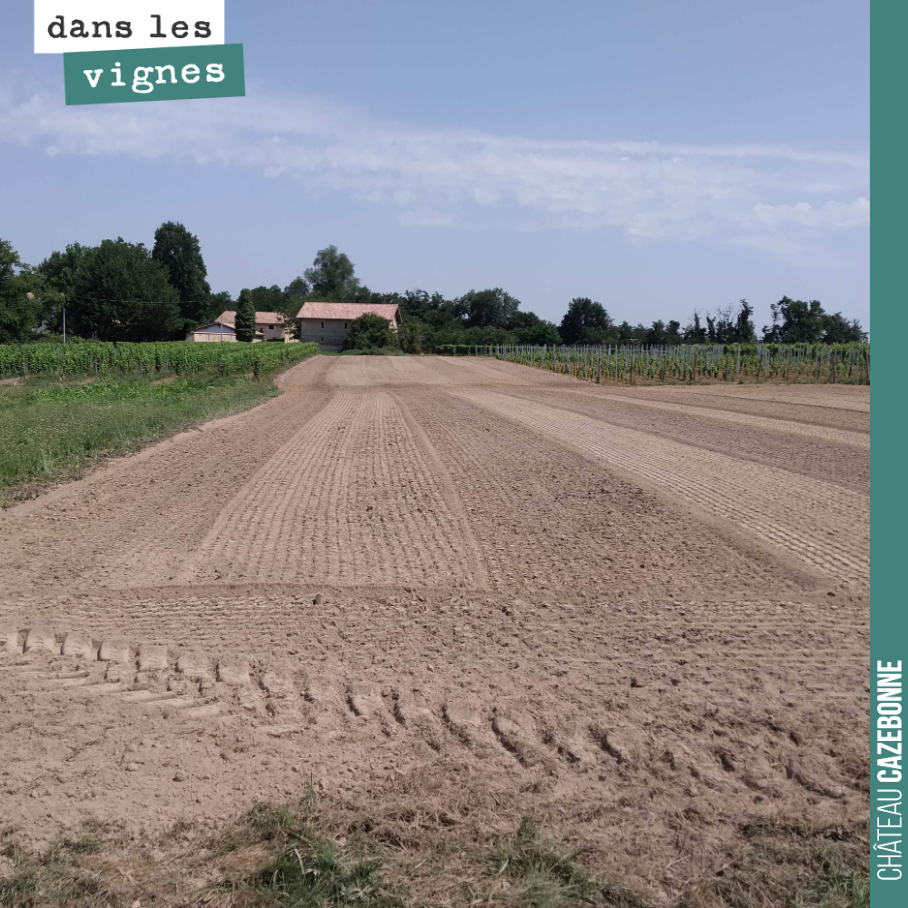
09 July 2019
29 October 2018
19 September 2018
The cellar, forgotten grape varieties and our cuvées, twice a month. 5% off your first order with the code BIENVENUE.