
 The essential
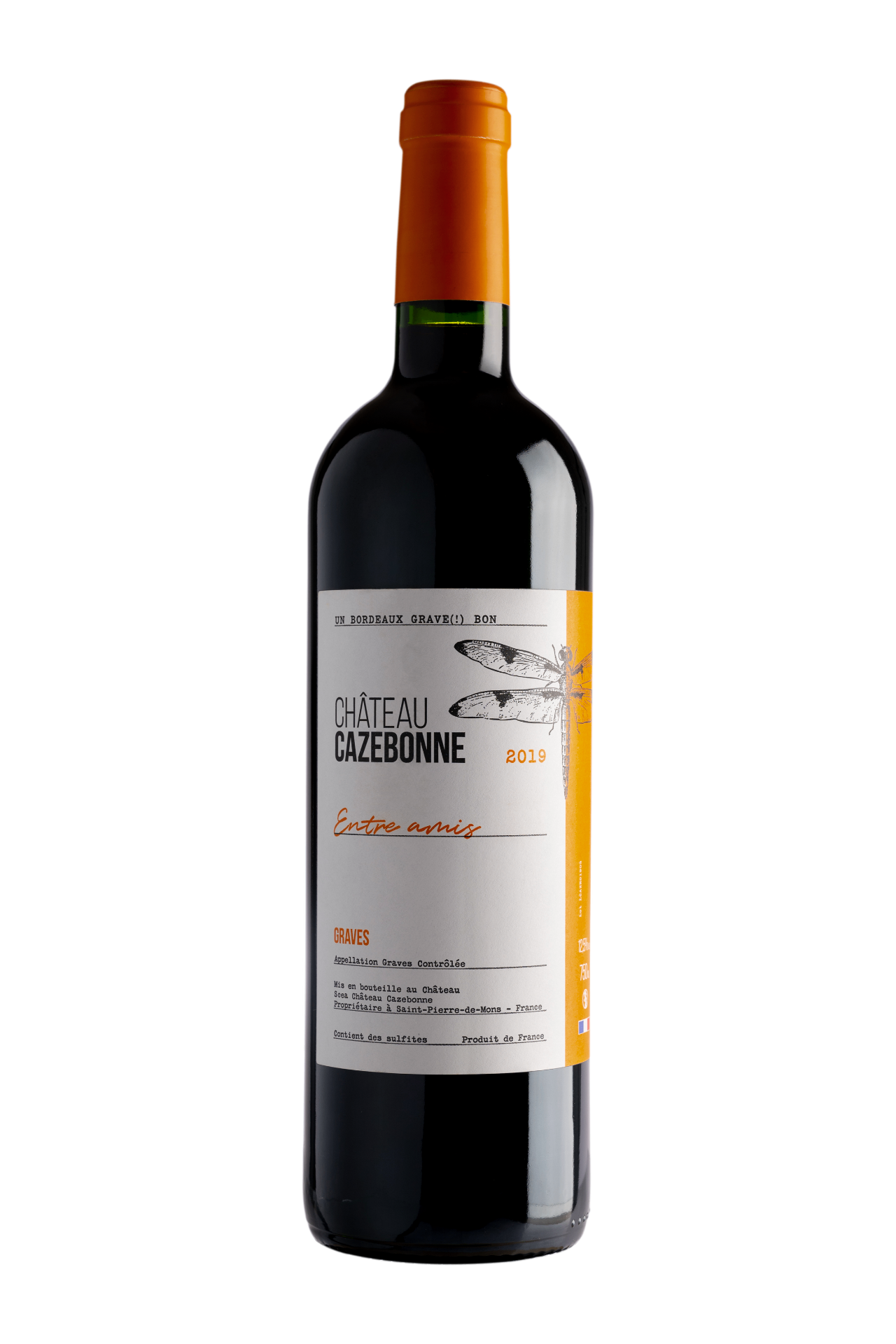
6 × Entre Amis red
6 bottles — Graves red 2022
The best price of the cellar: €12 per bottle delivered.
The everyday red: generous and straight to the point.
I want itUnderstanding the term's origin
Piquette is a low-alcohol drink whose history is intrinsically linked to traditional viticulture. It was traditionally made from grape pomace (the solid residue left after pressing grapes) to which water was added and then left to ferment. This practice, primarily agricultural and domestic, made it possible to utilise the entire harvest by offering a refreshing and inexpensive beverage to farm labourers and winegrowing families. Indeed, it served as a supplement to fine wine, which was often reserved for sale or for the estate owners.
Its origins date back to Antiquity, as evidenced by certain practices of the Roman era. "Piquette" is documented as a tart, sharp drink widely used on farms, made from the pressed skins and stems of white or red grapes to which water was added (Source 3). Over the centuries, the production and consumption of piquette endured, adapting to various wine regions and local needs.
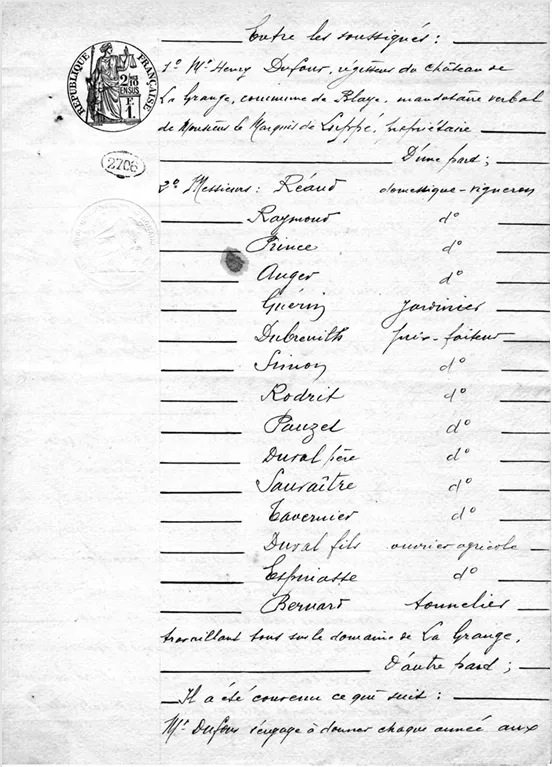
In the Bordeaux region, as in many other vineyard areas, piquette was long a part of everyday life. Following the phylloxera crisis that devastated French vineyards in the late 19th century, its production enjoyed a resurgence. At a time when wine was a scarce and precious commodity, piquette provided an affordable alcoholic drink, helping to sustain local communities and vineyard workers. It was the product of resourceful management, ensuring that every part of the grape was used to its full potential. Documents such as the 1907 piquette contract attest to the importance of this practice in the labour agreements of the era, particularly for agricultural workers.
With the evolution of winemaking techniques and the rise of overall wine production, piquette gradually lost its prominence. Wine legislation also regulated its production and sale with increasing strictness, clearly distinguishing it from wine. Today, traditional piquette for everyday consumption has virtually disappeared from the Bordeaux landscape, although a modern variant—often referred to as 'vin de marc'—may still be found under a stricter legal framework.
In its traditional sense, piquette was a "second wash" over the drained grape pomace after devatting the wine. This operation consisted of rehydrating the solid residues of the harvest, either directly in the vat or after crumbling the cake into another vessel (Source 5). In general, the residual sugars remaining in the pomace were sufficient to restart fermentation, though it was not uncommon to add sugar to raise the final alcohol by volume and thereby increase the volume of drink produced (Source 6). This piquette, typically clocking in between 5% and 6% ABV, was the staple beverage of workers on wine and farming estates.
It was their daily table drink, accompanying family meals or lunch breaks in the fields. Piquette was so essential to everyday life that a daily ration of 5 litres was considered normal for a stonemason—a reflection of an era marked by intense physical labour and exceedingly long working days. Five-litre wicker-covered demijohns, relics of this consumption, can still be found in flea markets today. In the agricultural and viticultural world, consumption was on a similar scale, linked to the fatigue caused by unmechanised work, such as hand-mixing concrete or mortar with a shovel. It was also not uncommon for certain workers to trade it discreetly. This distinction between the owner's "noble" wine and the workers' piquette was notably highlighted by historian Roger Dion, who illustrated how, in the 17th and 18th centuries, wine quality often mirrored the producer's social standing (Source 4).
At Château Cazebonne, we have not yet vinified piquette.
Yet, while we do not make piquette in the traditional sense, the spirit of upcycling and respecting natural resources lies at the very heart of our philosophy. For instance, we explore the potential of forgotten grape varieties and living soil practices, which reflect a commitment to optimisation and sustainability akin to what motivated piquette production in the past. Our dedication to the New Bordeaux movement and biodynamics is part of this drive towards respectful, forward-thinking viticulture.
Studying past practices sheds light on contemporary viticultural challenges and helps drive their evolution. The book "Bordeaux, une histoire de cépages" is available for download to explore this subject further. For those who wish to test their wine knowledge, quizzes are available. Château Cazebonne is committed to replanting historic grape varieties in Bordeaux, work supported by wine enthusiasts who discover our wines online.
Sources
Our suggestions
-5%on your 1st order with code BIENVENUE
The essential6 bottles — Graves red 2022
The best price of the cellar: €12 per bottle delivered.
The everyday red: generous and straight to the point.
I want it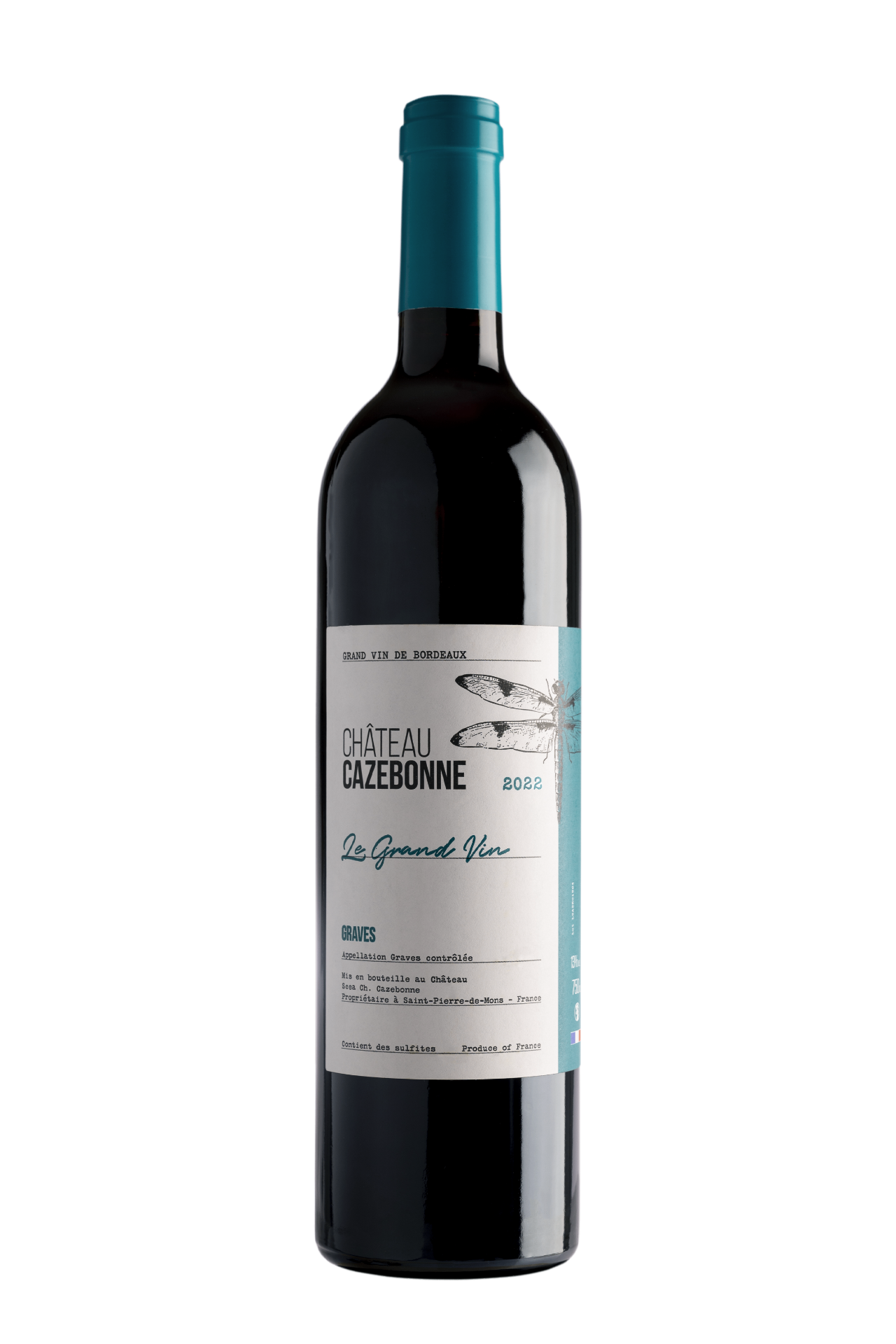 Our recommendation92/100 RVF
6 bottles — Graves red 2022, 92/100 RVF
Rated 92/100 by La Revue du vin de France: a solid 10-year ageing potential.
Our Graves for ageing, the finest gateway to the estate.
I want it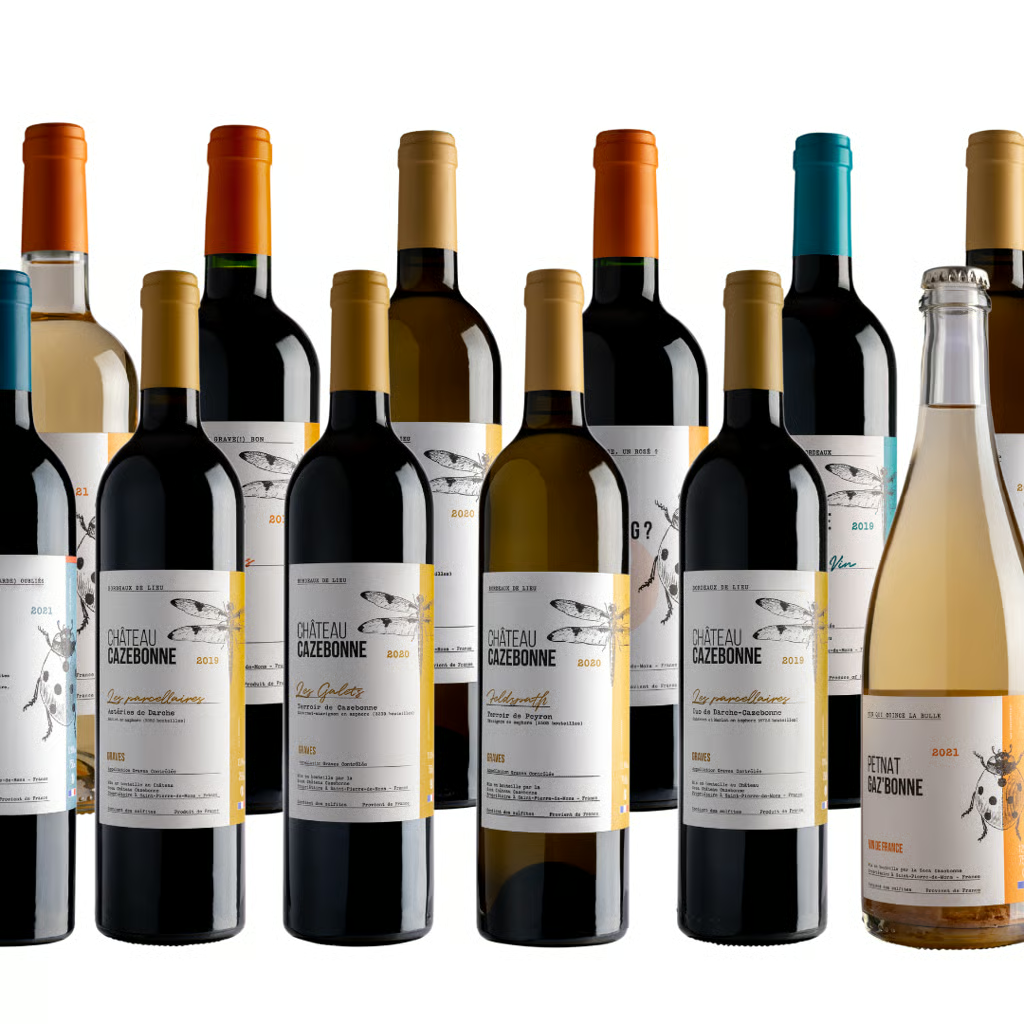 Go further
12 bottles — the whole range
12 bottles, the whole range tasted: the best discovery-to-price ratio.
The complete tour of the estate, in a single case.
I want it
14 September 2026
**Wine history fascinates us.** _Did you know that "piquette"_, this modest beverage made from grape pomace, played a major role in the daily lives of winegrowers and agricultural workers? We looked deeper into the subject to explain what it is all about, in the historical context of the turn of th
By Jean-Baptiste