
 The essential
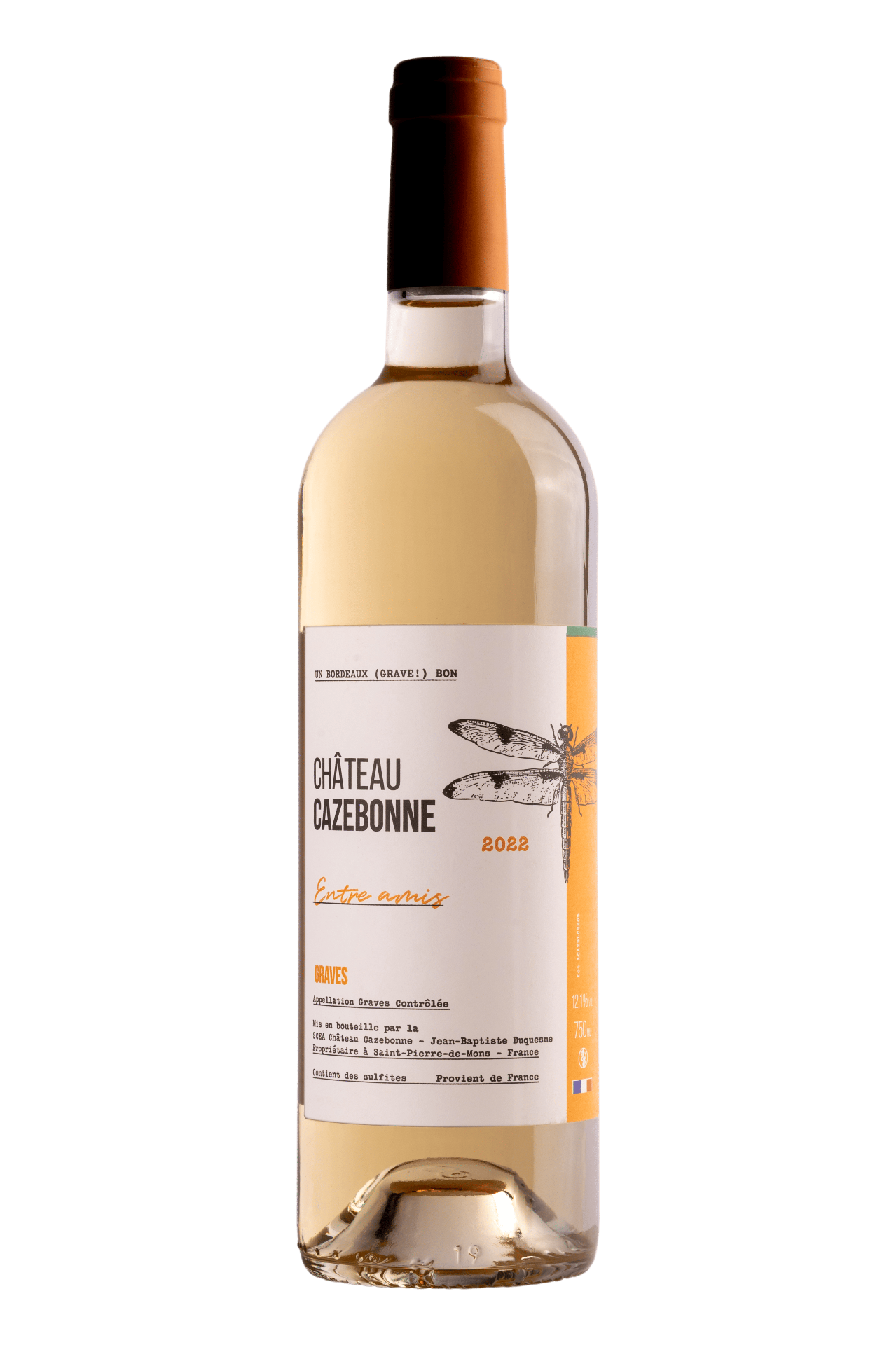
Entre Amis white 2024
Graves white 2024
Crisp and saline: the easy aperitif, at a gentle price.
The estate's thirst-quenching white, open it without thinking.
I want it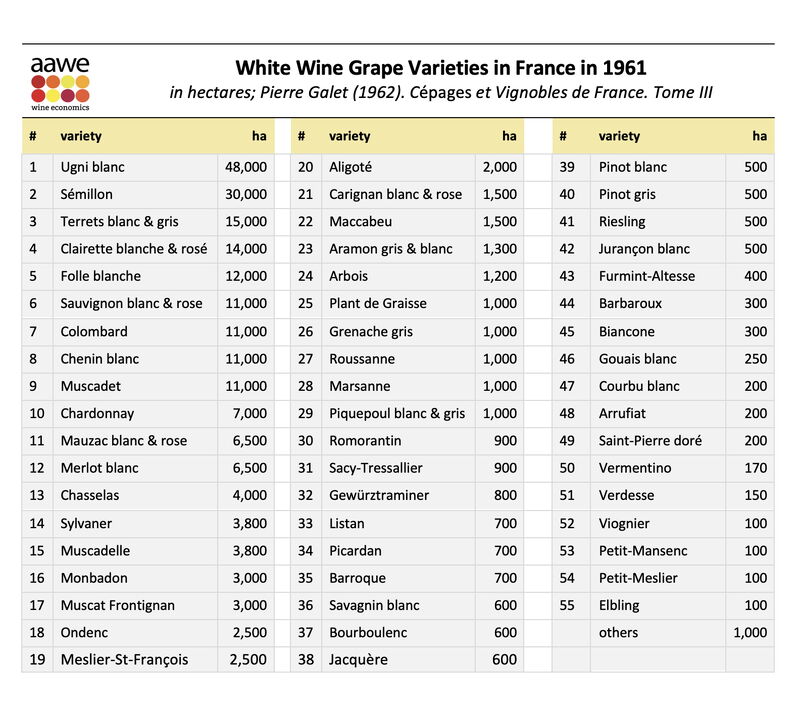
Following on from our article on red grape varieties in France in 1961, here is a snapshot of white grape varieties at the same date, as published by Pierre Galet in Cépages et vignobles de France, Tome III (1962). The findings are just as surprising: the white viticultural landscape of sixty years ago is a far cry from the one we know today, and Bordeaux occupied a distinctive place within it.
The top two grape varieties in the ranking — Ugni Blanc (48,000 ha) and Sémillon (30,000 ha) — accounted for 78,000 hectares on their own, representing almost half of the French white vineyard area. However, their immense scale was due as much to distillation (Cognac, Armagnac) as to the production of still wines.
Behind them lay a cohort of grape varieties that are now largely marginalised: Terret Blanc & Gris (15,000 ha), Clairette (14,000 ha), Folle Blanche (12,000 ha), Colombard (11,000 ha), Chenin Blanc (11,000 ha), Muscadet (Melon de Bourgogne) (11,000 ha). Sauvignon, today the world's second most planted white variety, accounted for only 7,000 hectares. Sauvignon Blanc, king of the Loire and Sancerre, plateaued at 11,000 hectares — barely more than Colombard or Muscadet.
In Bordeaux, the white grape plantings of 1961 were characterised by great diversity, far broader than the trio of Sémillon, Sauvignon, and Muscadelle that dominates today. It highlights three main varietal families.
Sémillon: 30,000 ha, 2nd most planted white grape in France. It overwhelmingly dominated plantings in the Sauternais, Graves, and Entre-deux-Mers, providing the backbone for both dry and sweet wines.
Sauvignon Blanc & Rose: Only 11,000 ha — less than Colombard, barely more than Chenin, and crucially three times less than Sémillon. Today in Bordeaux, this ratio is almost entirely inverted in favour of Sauvignon.
Muscadelle: 3,800 ha, ranked 15th. Sémillon's historical partner, it has been widely grubbed up due to its disease susceptibility and the standardisation of blends.
A significant part of the Gironde produced wine in the *palus* (alluvial marshlands) and less qualitative areas for distillation into "Fines de Bordeaux" and the bulk high-proof spirits (*trois-six*) market. The 1961 table underlines this:
Ugni Blanc: 48,000 ha (1st place), the hallmark variety of Cognac, but also grown across Bordeaux and the Côtes-de-Bordeaux Saint-Macaire, where it was used to bring freshness and lighten Sémillon.
Folle Blanche: 12,000 ha (5th place), the historic foundation of Cognac and Armagnac brandies. In Bordeaux, it was known under local names such as Enrageat or Piquepoul du Gers.
Colombard: 11,000 ha (7th place), widely grown in the Gironde and Charente for distillation and light white wines.
In 1961, these three grape varieties represented 71,000 hectares, more than double the surface area of Sémillon, bearing witness to a viticultural geography where Western France produced as much for distillation as for table consumption.
Several grape varieties woven into the viticultural history of the Gironde still occupied significant surface areas in 1961:
Merlot Blanc: 6,500 ha (12th place). A cross of Merlot × Folle Blanche, widely planted on Bordeaux's Right Bank between the two World Wars and today virtually extinct. Its rediscovery is a testament to this heritage.
Monbadon: 3,000 ha (16th place). A synonym of Bourboulenc, it was grown "around Castillon" for dry, age-worthy wines. Today, it survives predominantly in Provence and Southern France under the name Bourboulenc.
Meslier-Saint-François: 2,500 ha (19th place). A late-ripening, high-acid variety, heavily planted in the 19th century in Bordeaux and Charente for distillation. It has almost entirely disappeared.
Ondenc: 2,500 ha (18th place), a historic grape of the South West and Bordeaux, used for dry wines and distillation.
Mauzac Blanc & Rose: 6,500 ha (11th place), best known in Gaillac and Limoux, but also historically found in the Gironde.
Adding up the white grape varieties historically planted in Bordeaux or within its sphere of influence (Charente, South West) in 1961 reveals an "extended family":
Sémillon: 30,000 ha
Ugni Blanc: 48,000 ha
Folle Blanche: 12,000 ha
Colombard: 11,000 ha
Sauvignon: 11,000 ha
Merlot Blanc: 6,500 ha
Muscadelle: 3,800 ha
Monbadon (Bourboulenc): 3,000 ha
Meslier-Saint-François: 2,500 ha
Ondenc: 2,500 ha
This Bordeaux white landscape of 1961, with its ten secondary varieties, reveals a level of diversity that has since vanished. Each contributed its own acidity, structure, aromatics, alcohol potential, or suitability for distillation. This wealth of varieties was largely erased by the vineyard restructurings of the 1970s–1990s, AOC regulations focusing Bordeaux on the Sémillon, Sauvignon, and Muscadelle trio, and the collapse of the light white wine market, which sealed the fate of the rest.
This historical record reminds us that a "white Bordeaux" in 1961 offered a vastly wider aromatic and structural palette than current regulations permit. Varieties such as Merlot Blanc, Monbadon, Meslier-Saint-François, and Ondenc were an integral part of the profile of Gironde wines.
This is why, in our work replanting heritage grape varieties, we look well beyond red varieties. We are progressively reintroducing these historic whites, including Merlot Blanc, Blanc Auba, Blanc Verdet, and Jurançon Blanc. These choices are deliberate: they stem from a desire to preserve Bordeaux's aromatic heritage and, in the face of climate change, to offer fresh balances with brighter acidity, lower alcohol levels, and more saline profiles.
At Château Cazebonne, we are striving to bring these heritage varieties back to life, parcel by parcel. This rewarding endeavour is supported by the dedication of the wine enthusiasts who place their trust in us. We invite you to discover the rich and fascinating history of these ancient varieties by downloading our publication, “Bordeaux, une histoire de cépages”, testing your wine knowledge with our quizzes, or exploring our selection of wines that bear witness to this reclaimed diversity.
Sources
Our suggestions
-5%on your 1st order with code BIENVENUE
The essentialGraves white 2024
Crisp and saline: the easy aperitif, at a gentle price.
The estate's thirst-quenching white, open it without thinking.
I want it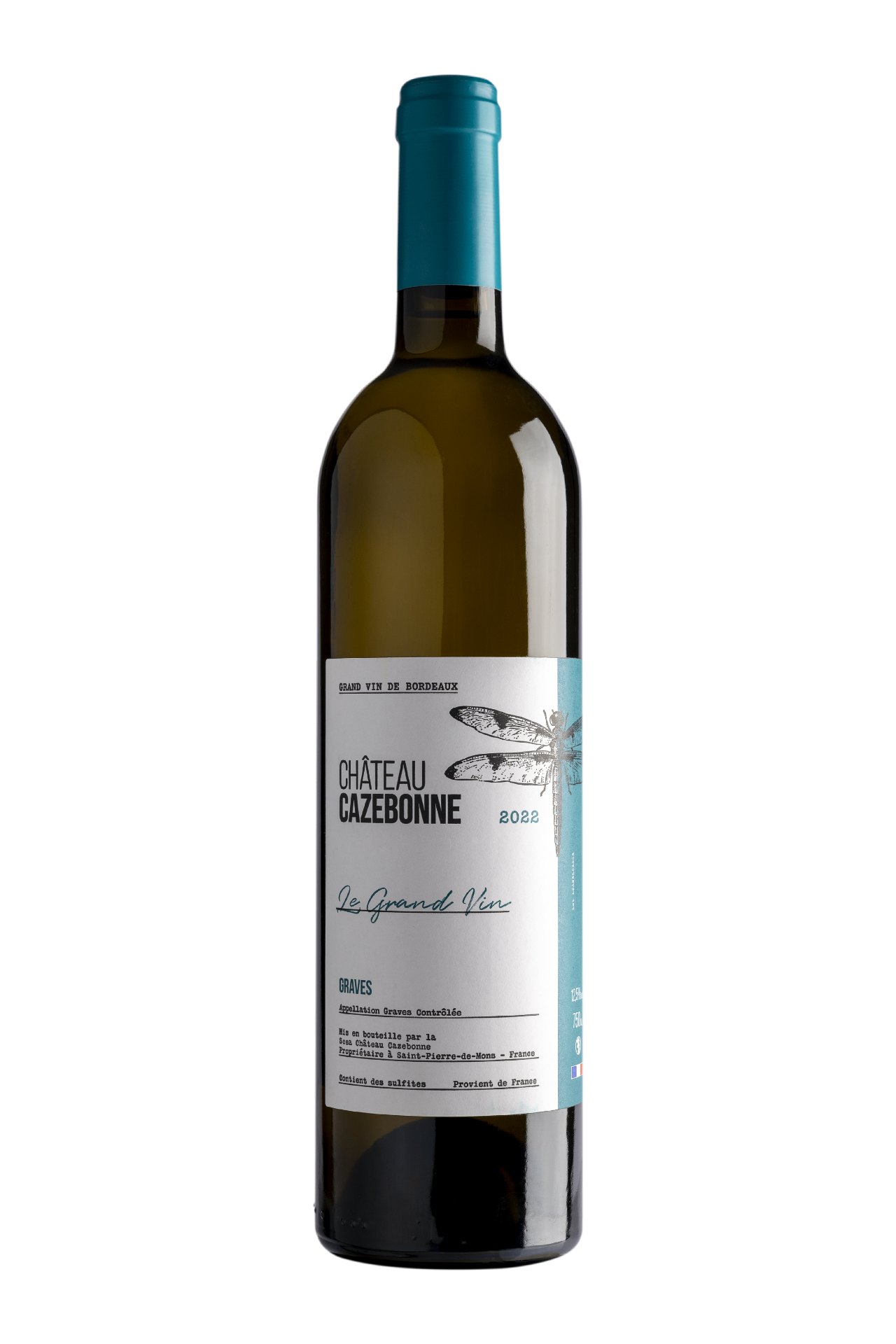 Our recommendation92/100 RVF
Graves white 2022, 92/100 RVF
Rated 92/100 by La Revue du vin de France: old-vine Sémillon.
The great Graves white: taut and deep.
I want it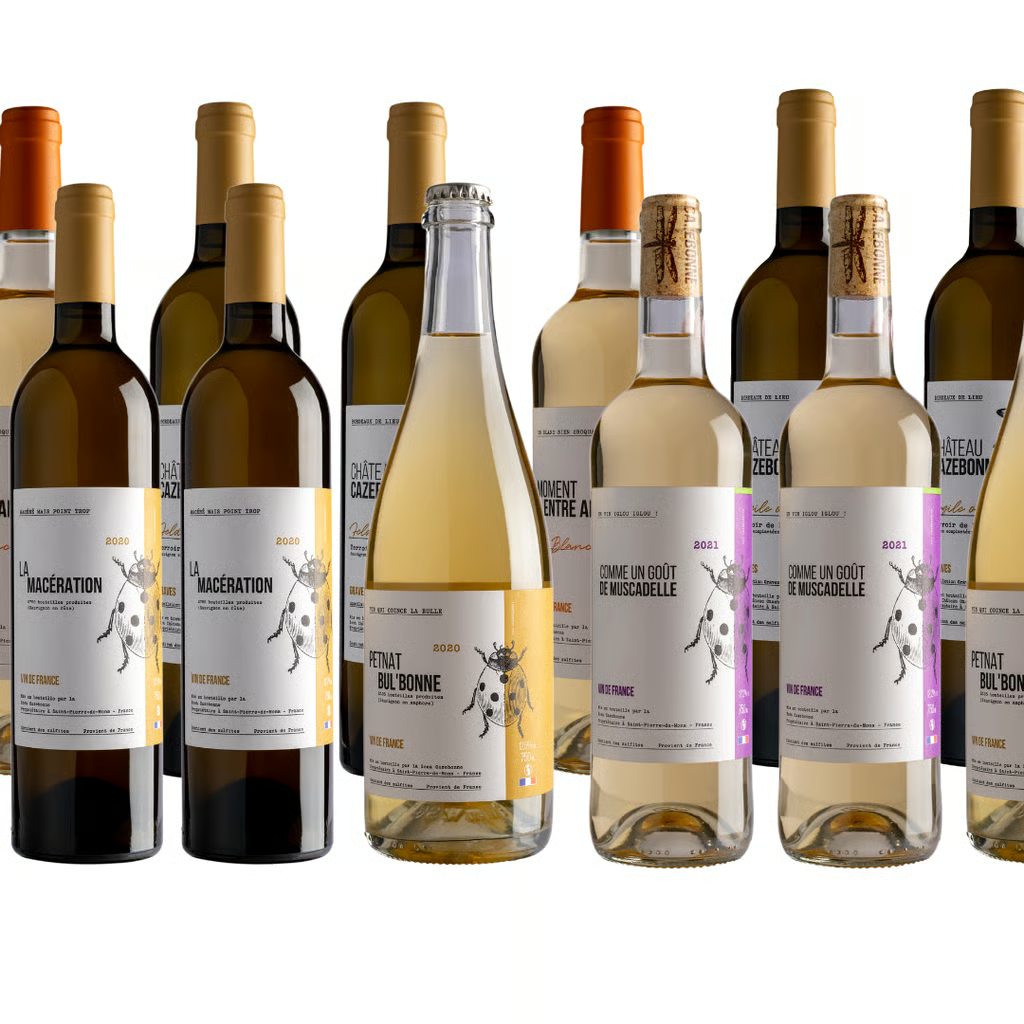 Go further
12 bottles — plot selection
All our organic whites together: the complete plot-by-plot flight.
To explore Sémillon in all its forms.
I want it