
 The essential92/100 RVF
Comme en 1900 red 2022
Vin de France — heritage grapes, 92/100 RVF
The pre-phylloxera Bordeaux blend, revived at the estate.
Castets, Mancin, Pardotte: the Bordeaux before Bordeaux.
I want itMarselan
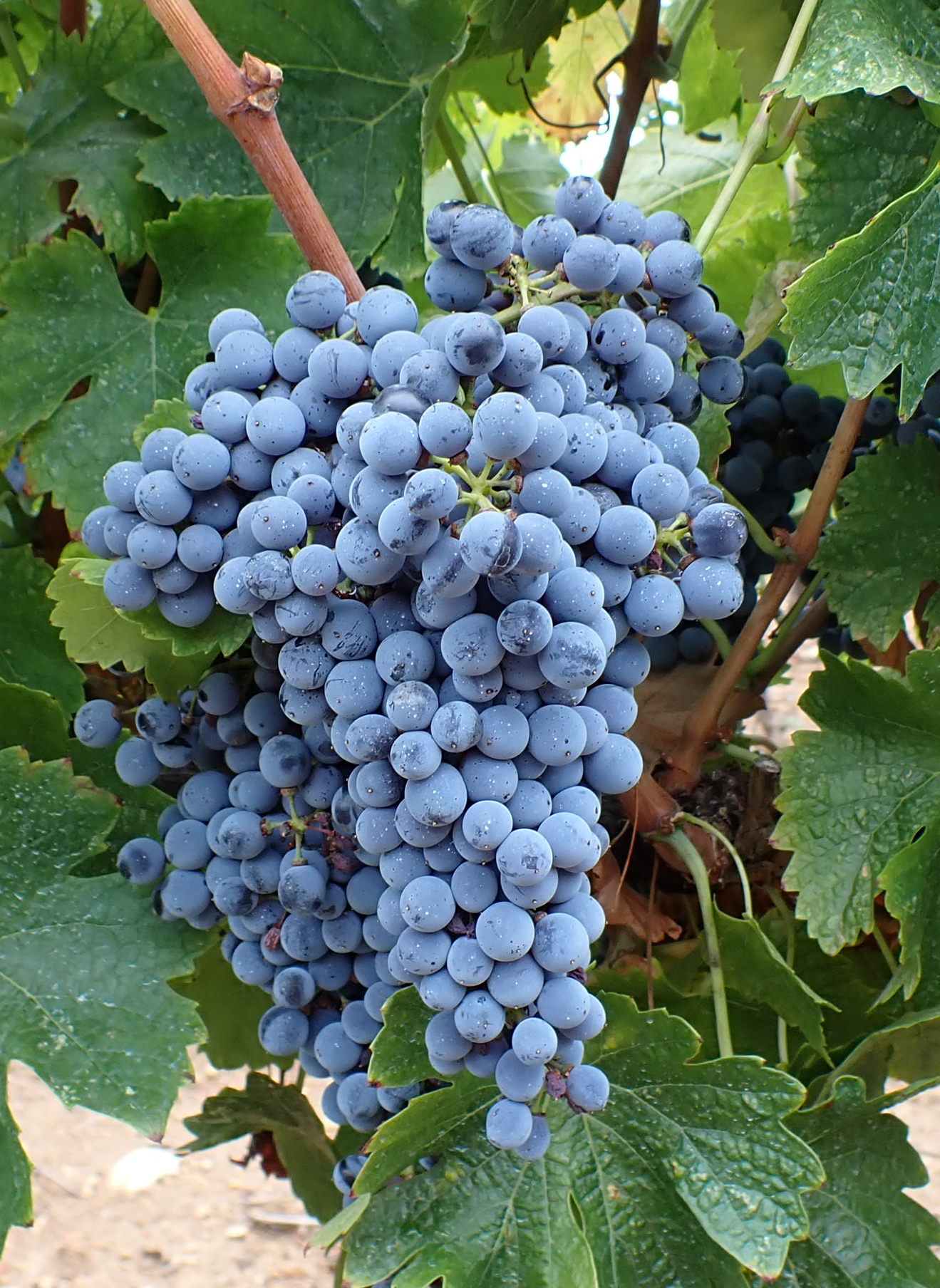
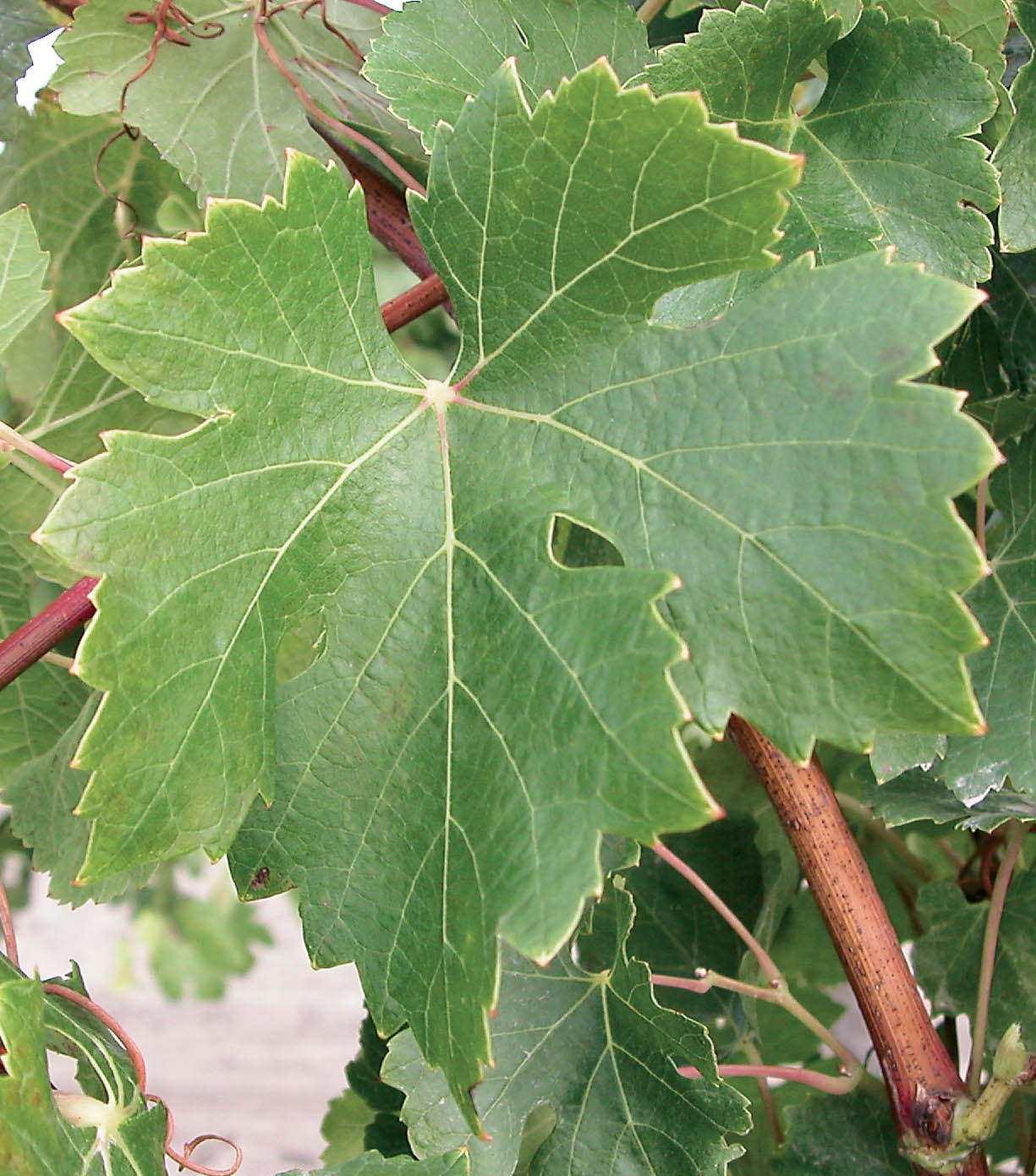
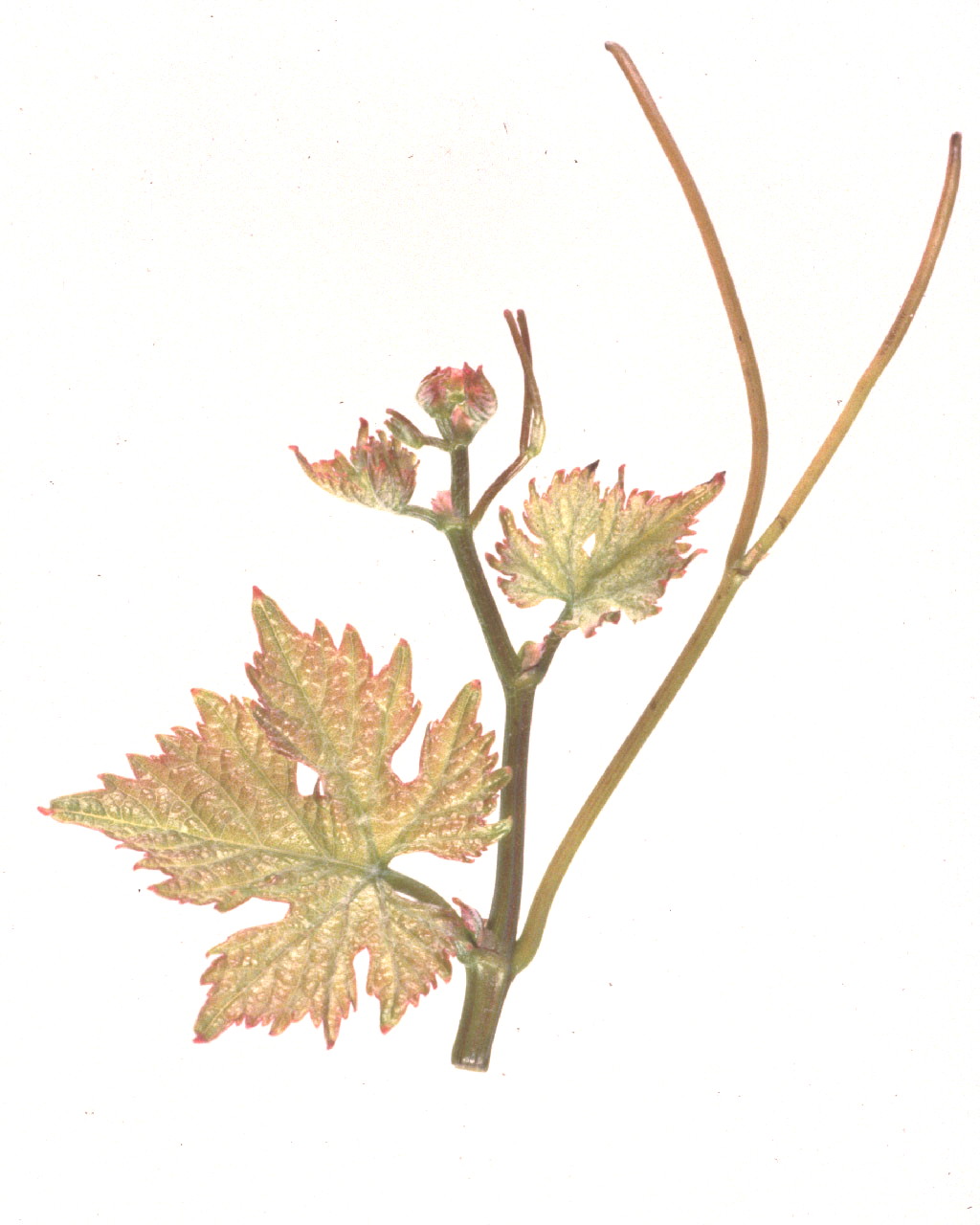
In the constant quest to adapt to climate disruption, the Bordeaux vineyard—steeped in history and heritage—sometimes turns to innovation. It is within this context that Marselan, a relatively young red grape variety, has made its entrance into the Gironde. Resulting from a cross between Cabernet Sauvignon and Grenache Noir bred by INRA in 1961 near Marseillan (from which it takes its name), this variety has no historical ties to Bordeaux's traditional encépagement.
Its recent authorisation in 2021 by the syndicats of the AOC Bordeaux and Bordeaux Supérieur, alongside other varieties such as Arinarnoa: A Recent Cross Authorised for Adaptation in Bordeaux or Touriga Nacional: King of the Douro, a Solution for Bordeaux's Future?, marks a resolutely forward-looking approach. These "new" grape varieties are introduced on an experimental basis, with strictly limited proportions (5% of vineyard plantings and 10% of the final blend), with the precise goal of evaluating their capacity to thrive in a hotter and drier climate. As Jean-Baptiste Duquesne highlights in his book "Bordeaux, une histoire de cépages", viticultural history is punctuated with adaptations, but this one is of a different nature, responding to an unprecedented environmental urgency.
| Characteristic | Description |
|---|---|
| Budburst | Late, around one week after Merlot. |
| Flowering | Late. |
| Veraison | Late, around ten days after Merlot. |
| Ripening | Late, up to three weeks after Merlot. |
| Vigour | Medium to high. |
| Growth habit | Erect. |
| Susceptibility to downy mildew | Low. |
| Susceptibility to powdery mildew | Low. |
| Susceptibility to botrytis | Low, thanks to thick skins and well-aerated bunches. |
| Susceptibility to black rot | Low. |
| Aromatic profile | Black fruit (blackcurrant, blackberry), spices, garrigue notes. |
| Winemaking potential | Deeply coloured wines, prominent yet silky tannins, good ageing potential, high aromatic complexity. |
Marselan stands out with promising characteristics to face contemporary challenges. It demonstrates good drought tolerance as well as resistance to certain diseases such as powdery mildew and mite pests. Its late ripening is a significant asset, helping avoid midsummer heatwaves. It is renowned for producing wines of deep colour, well structured, with supple tannins and an appealing aromatic range reminiscent of black fruit and spices. These qualities make it a strong candidate to preserve the typicity of Bordeaux red wines in the context of climate change.
At Château Cazebonne, our philosophy is deeply rooted in our local viticultural heritage. Faced with the introduction of new grape varieties like Marselan, our approach is distinct. We focus on rediscovering and rehabilitating historical Bordeaux grape varieties—those "forgotten" cultivars that shaped the identity of our terroirs for centuries before being sidelined in favour of progressive homogenisation. We are convinced that these local genetic treasures, naturally adapted to our ecosystem, offer sustainable solutions and unmatched aromatic richness.
This work of memory and perseverance is what we carry out every day at Château Cazebonne, replanting these lost varieties to revive an unsuspected palette of flavours. This ambitious project is made possible thanks to the invaluable support of the many wine lovers who have embraced our wines and share our passion for rediscovering Bordeaux's viticultural heritage—a fascinating history you can explore further by downloading the digital edition of the book "Bordeaux, une histoire de cépages". To test your knowledge, take part in our wine quizzes, and to explore the outcome of this approach and taste our cuvées crafted from these revived heritage varieties, we invite you to visit our online shop. As for Balzac: An Ampelographic Enigma Far from Bordeaux or the Tannat grape variety, that is another story!
Sources
Our suggestions
-5%on your 1st order with code BIENVENUE
The essential92/100 RVFVin de France — heritage grapes, 92/100 RVF
The pre-phylloxera Bordeaux blend, revived at the estate.
Castets, Mancin, Pardotte: the Bordeaux before Bordeaux.
I want it Our recommendation
IGP Atlantique — rare grape variety
A forgotten grape brought back: dense colour, wild fruit.
For the curious about lost grape varieties.
I want it Go further
12 bottles — the whole range
12 bottles, the whole range tasted: the best discovery-to-price ratio.
The complete tour of the estate, in a single case.
I want itThe cellar, forgotten grape varieties and our cuvées, twice a month. 5% off your first order with the code BIENVENUE.