
 The essential
6 × Entre Amis red
6 bottles — Graves red 2022
The best price of the cellar: €12 per bottle delivered.
The everyday red: generous and straight to the point.
I want itRain
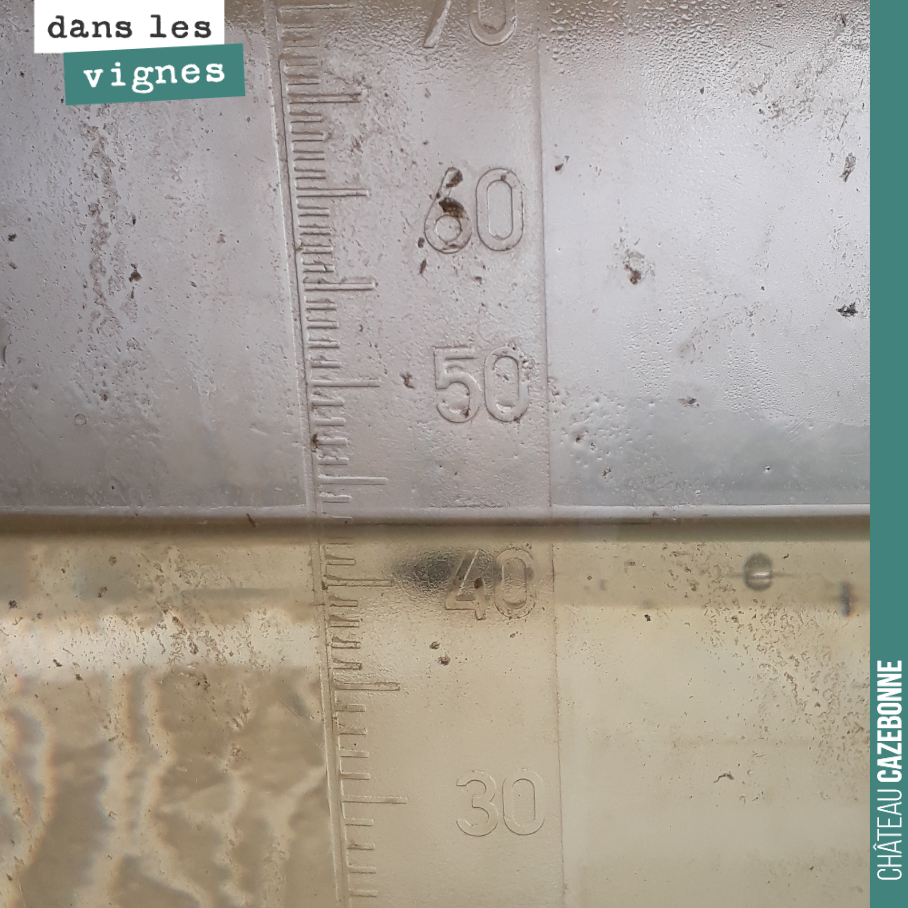
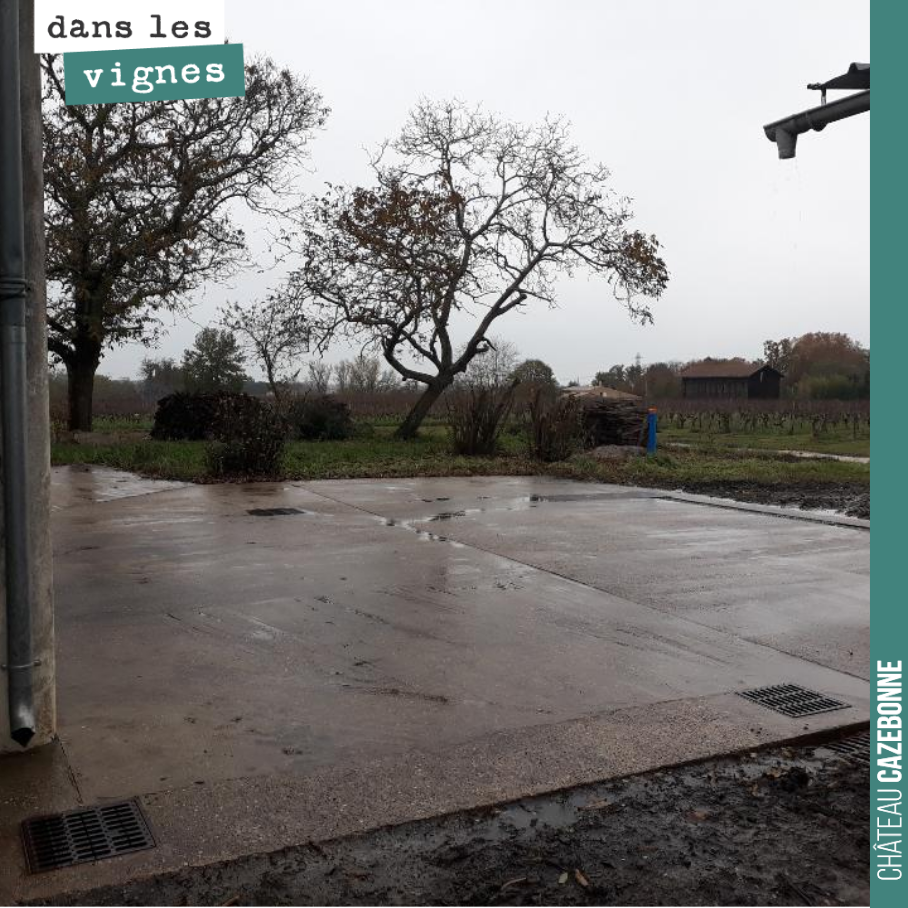
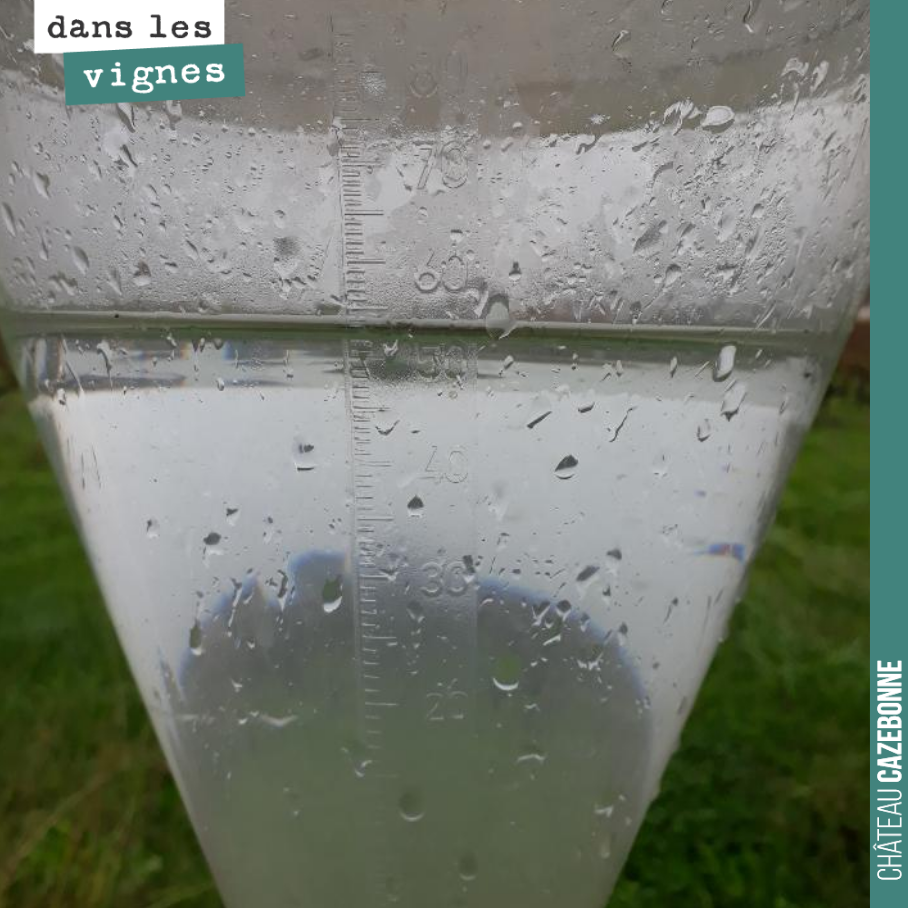
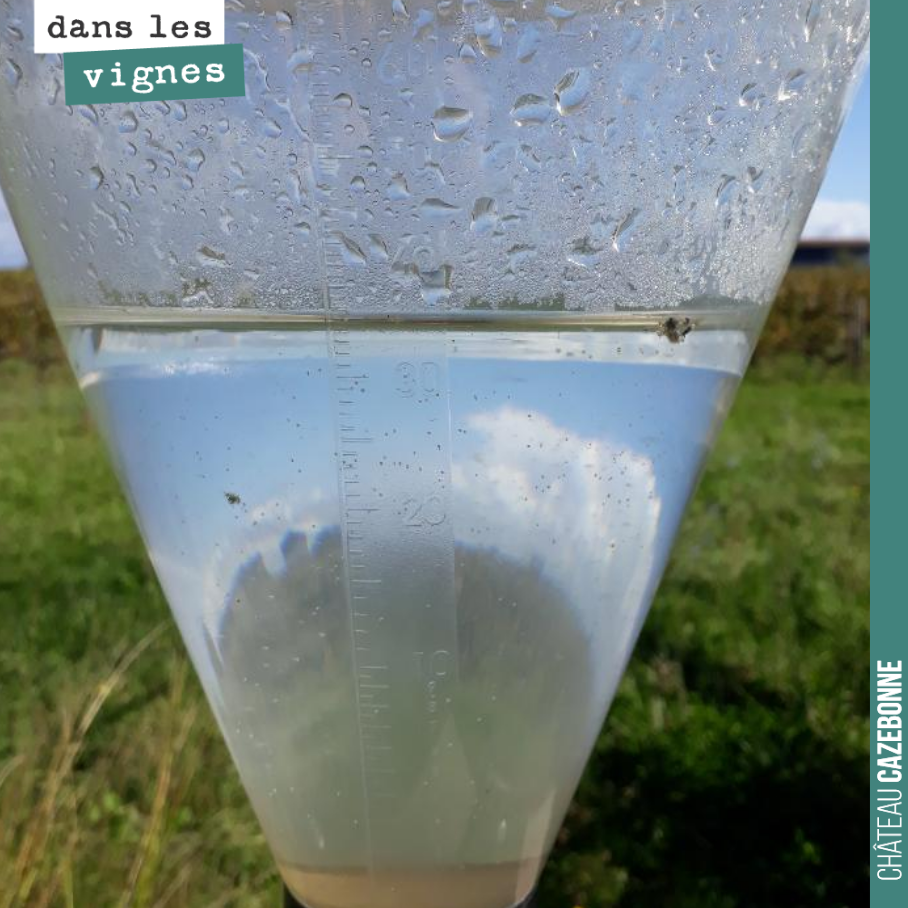
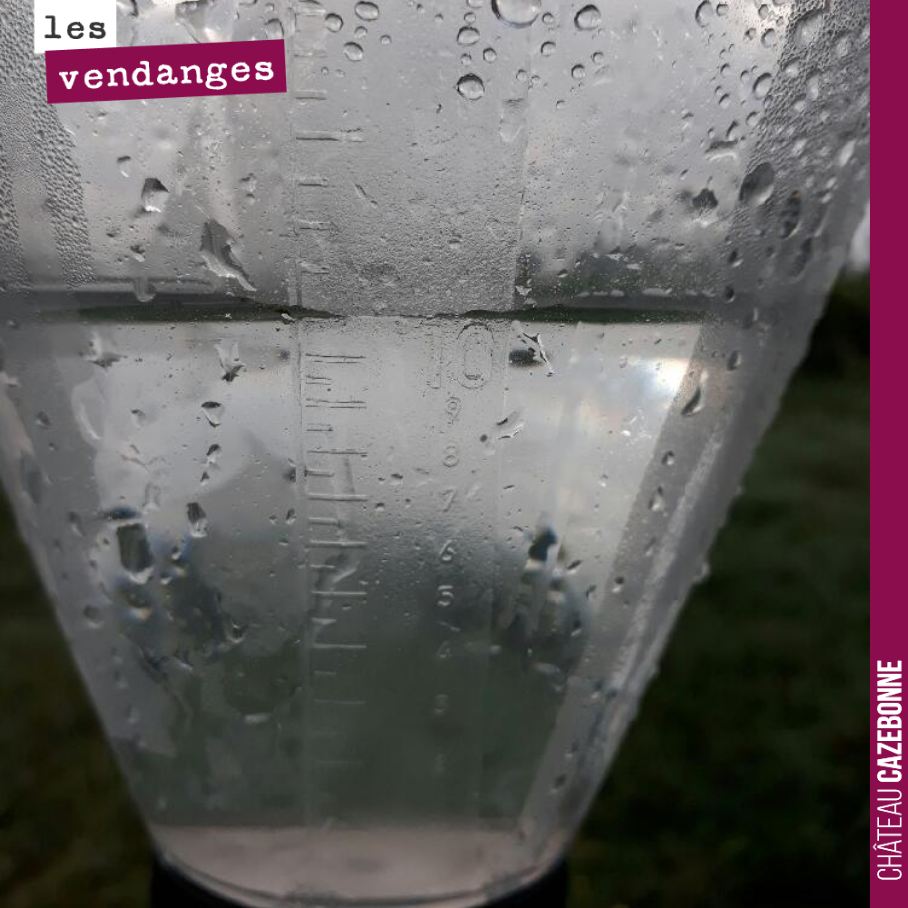
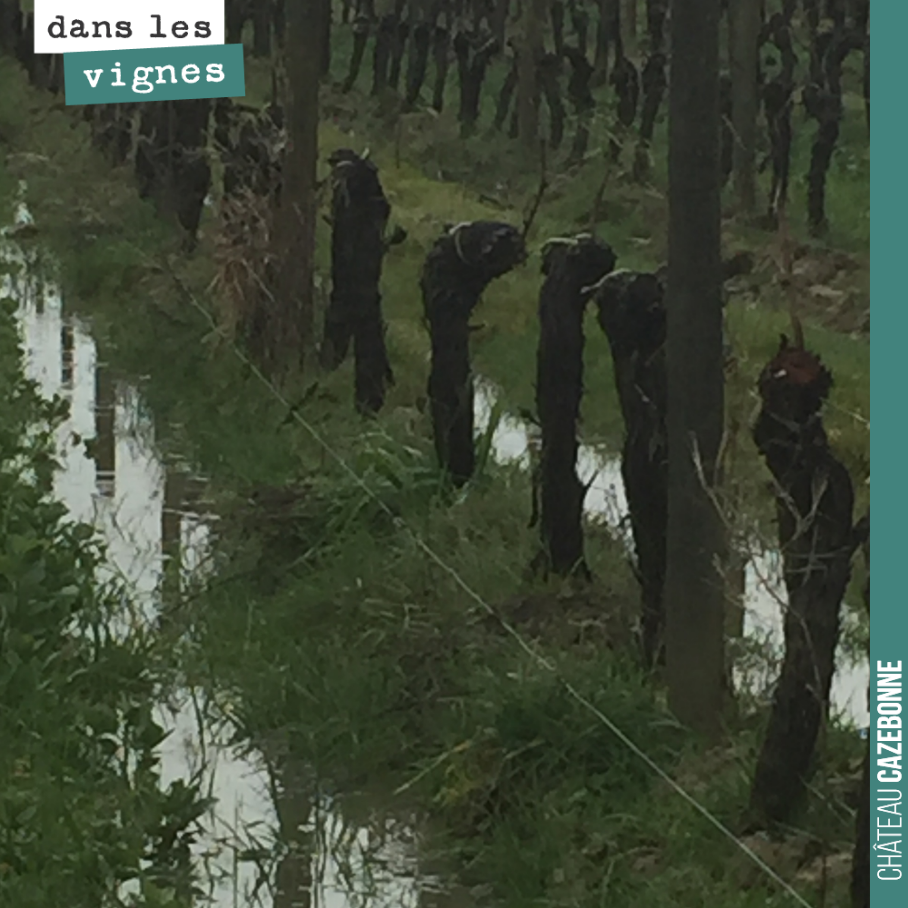
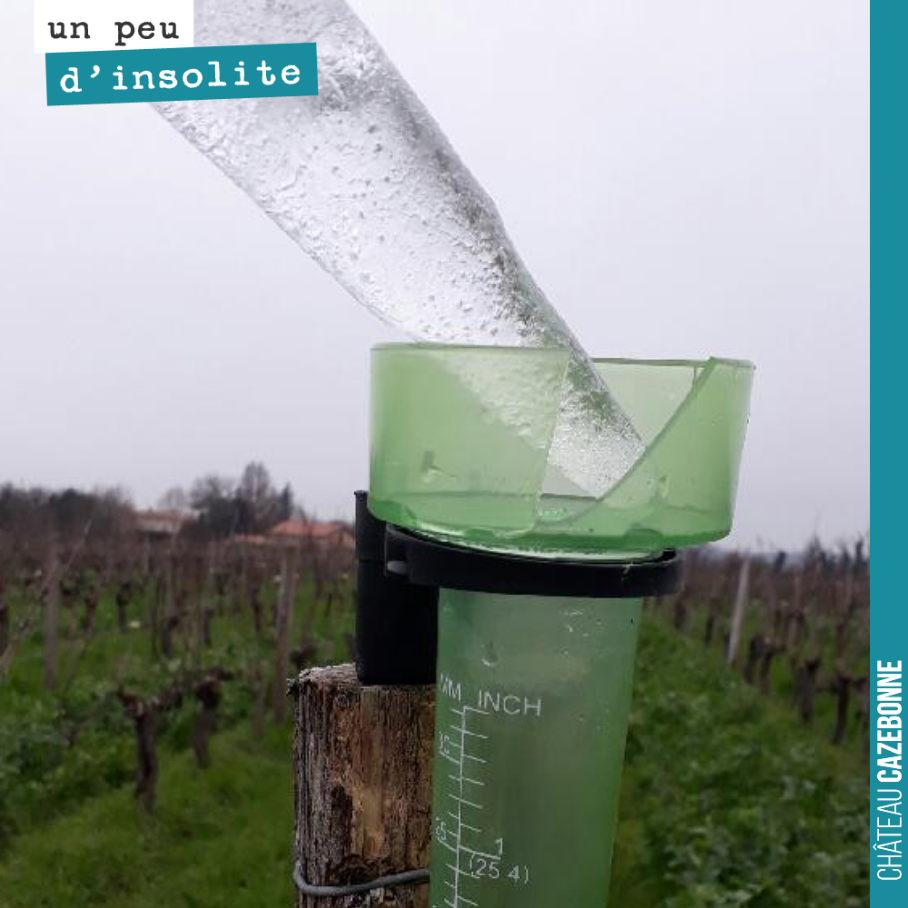
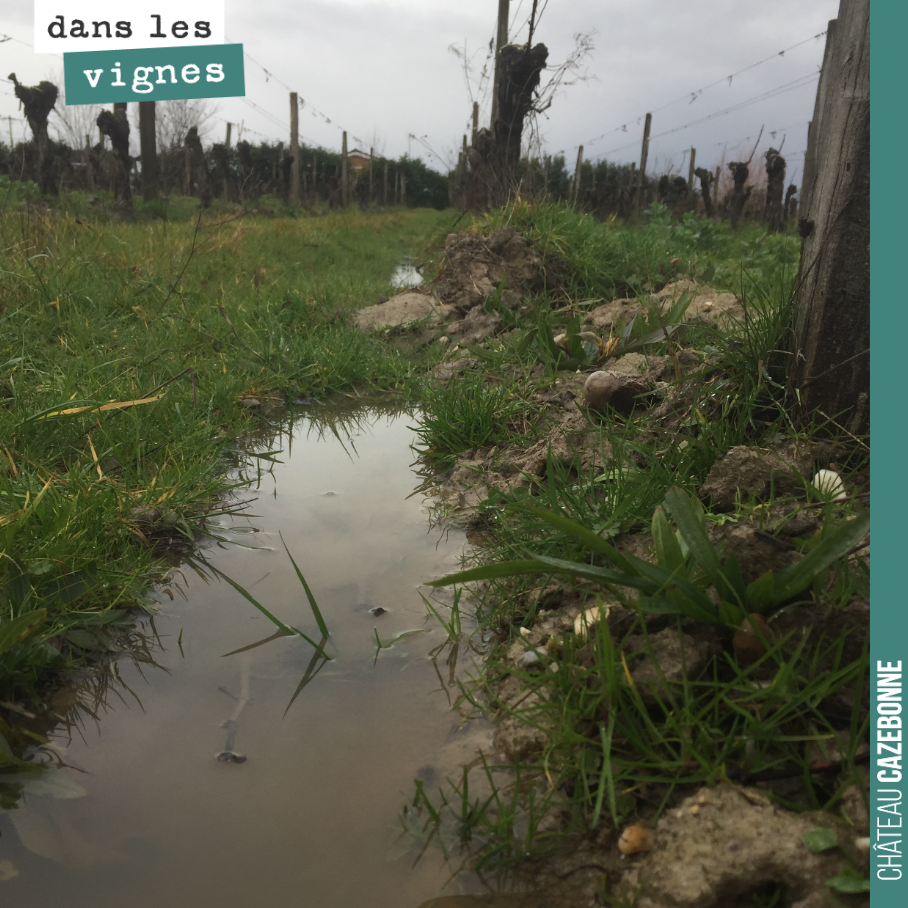
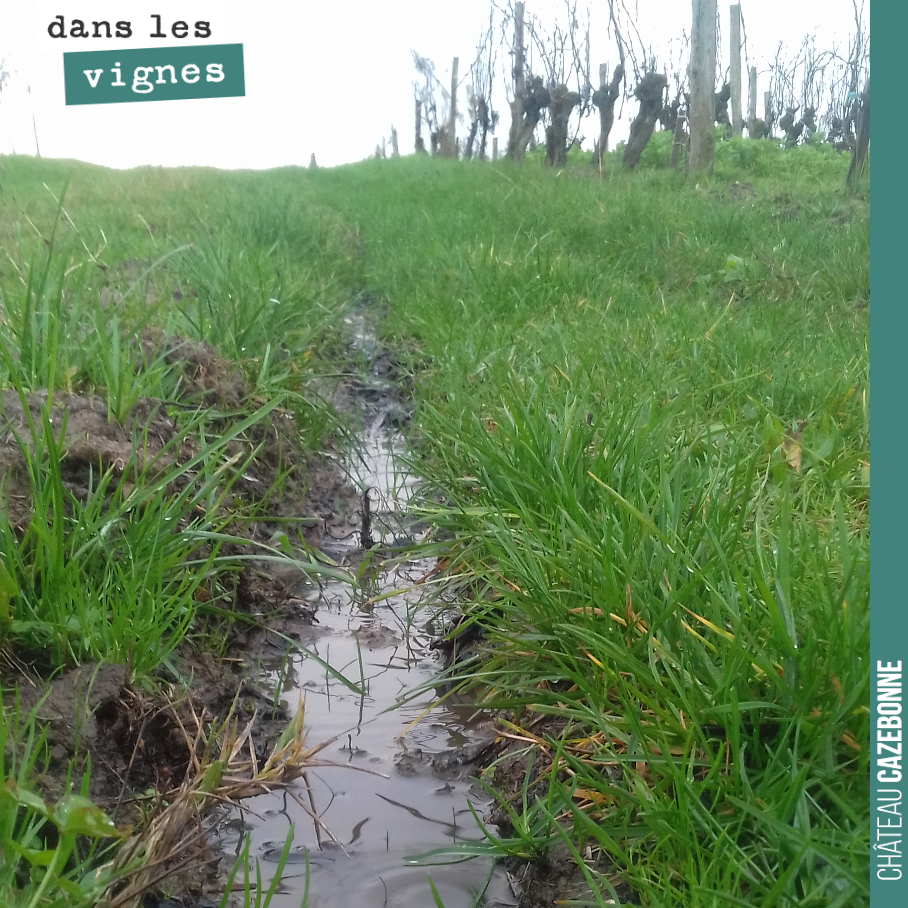
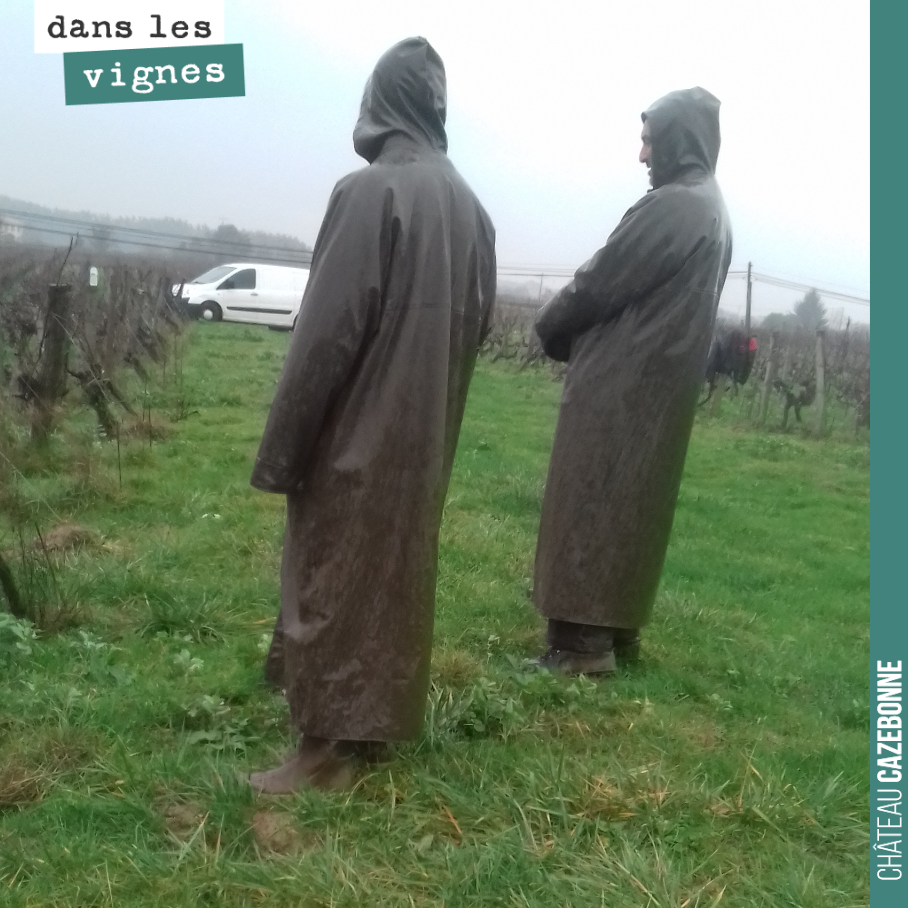
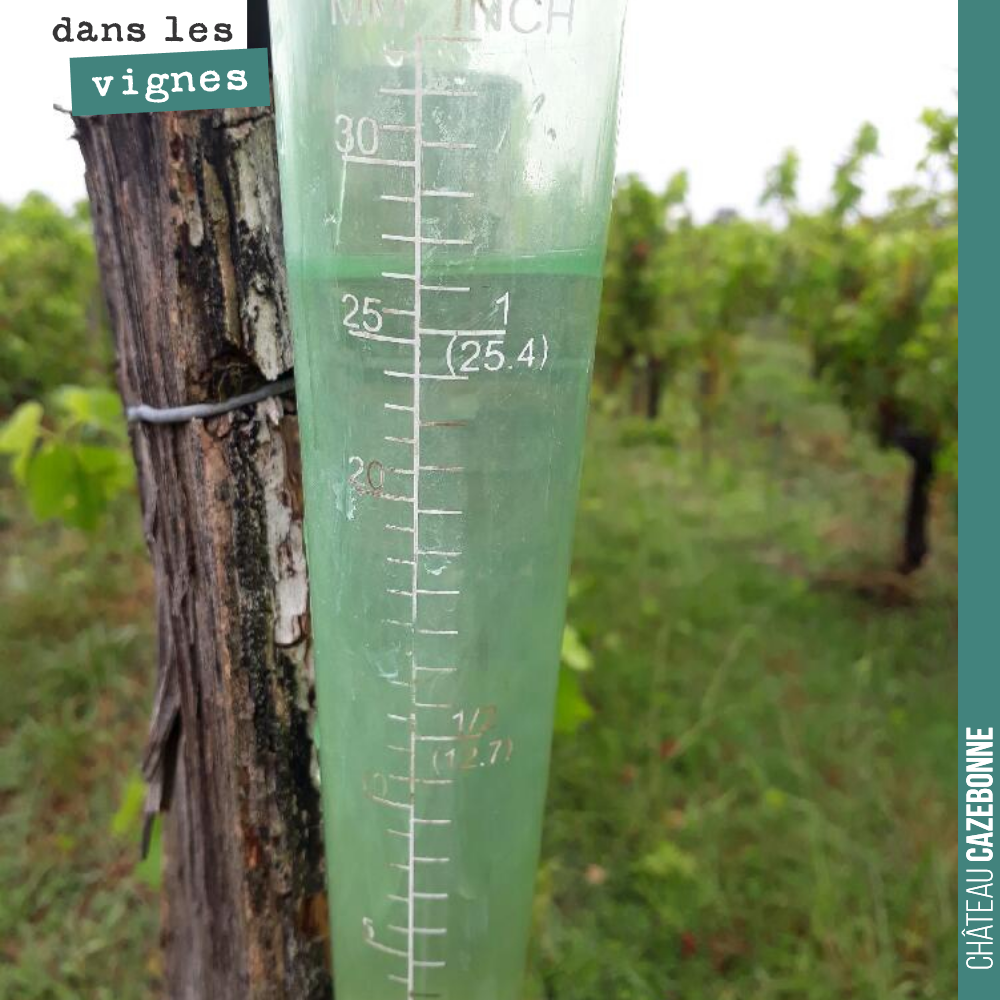
Water is vital for all plants, and vines are no exception. However, rain in a vineyard is much more than a simple source of hydration. Its intensity, its frequency, and the time of year it occurs are determining factors for the quality of the vintage. At Château Cazebonne, every drop counts, and we carefully monitor the forecast to adapt our farming practices.
A sufficiently watered spring is often a blessing. It allows young vines to root well and ensures good vegetative growth. Regular rain during the summer months, without excess, helps keep the vines healthy and promotes a harmonious ripening of the grapes. As Jean-Baptiste Duquesne points out in his book "Bordeaux, une histoire de cépages", Bordeaux soils, through their diversity, have a variable capacity to retain water, directly influencing the vine's resistance to dry spells.
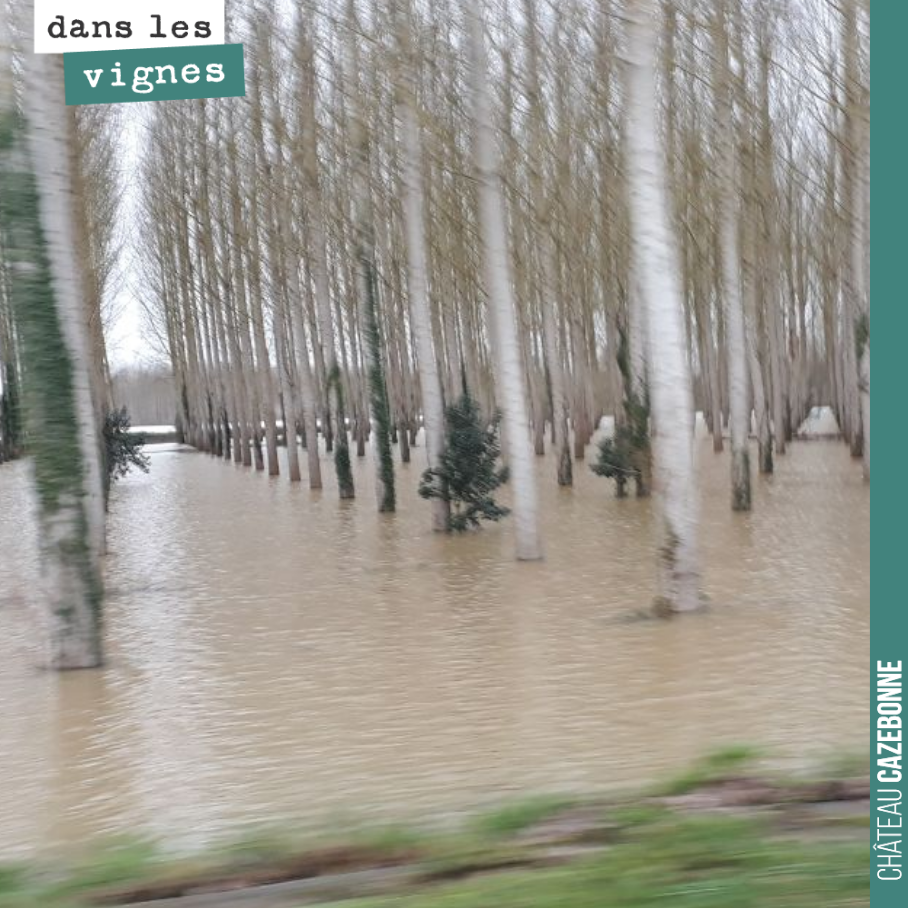
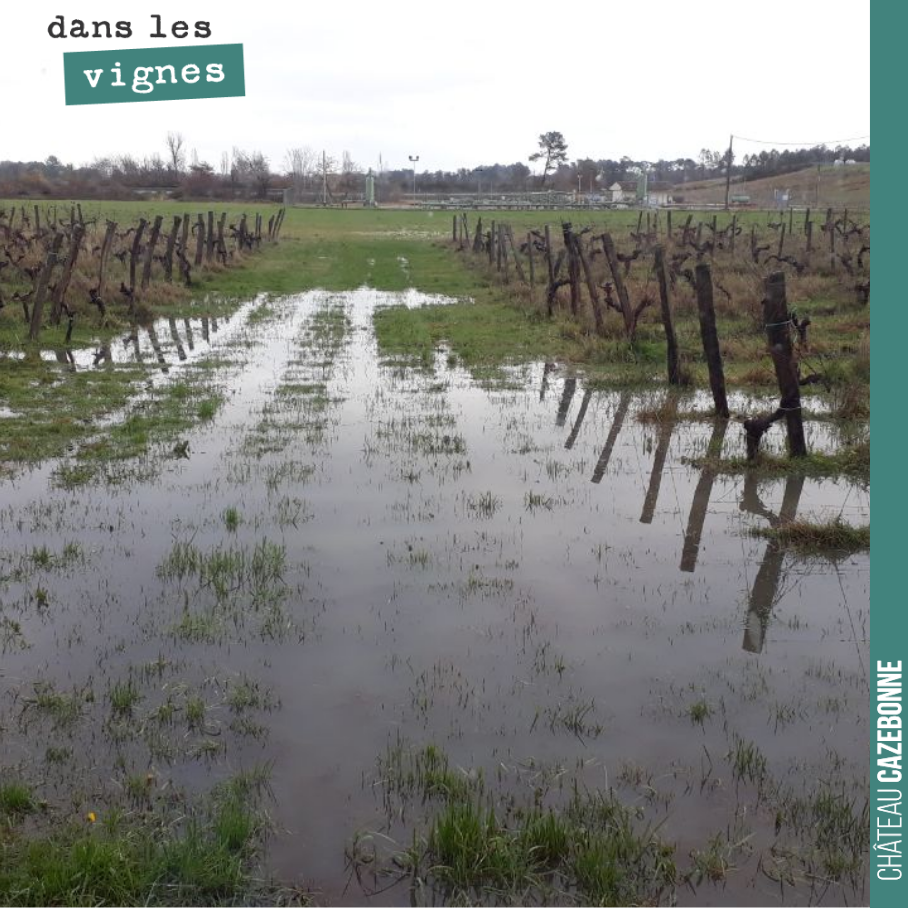
However, excessive rain, especially approaching the harvest, can pose a major challenge. It risks diluting the flavours and aromas of the berries, causing the grapes to swell and making the skins more fragile, thus increasing the risk of cryptogamic diseases such as downy mildew or powdery mildew. This is why good management of the cover crop, optimal aeration of the canopy, and preventative treatments are essential to preserve the integrity of the fruit.
At Château Cazebonne, we strive for sustainable viticulture that respects its environment. This involves careful observation of natural signs and thoughtful intervention, to balance the needs of the vine with the imperatives of quality. Rain, whether expected or unexpected, is an integral part of this complex equation, shaping the unique character of each cuvée.
Rain, beneath its ordinary appearance, is a fundamental element for the survival and development of the vine. It ensures the water supply of the soils, allowing the roots of the vines to capture the nutrients essential for their growth. Without adequate hydration, the vine suffers from water stress, which can affect photosynthesis, the development of the bunches, and the final quality of the grapes.
Rainwater infiltrates the soil, where it is retained by the earth matrix. The vine's root system, which can extend deeply, absorbs this water and dissolved minerals. This process, called root absorption, is crucial. The water then travels through the xylem vessels to the leaves, where it participates in photosynthesis and transpiration. The soil's capacity to retain water is therefore paramount, a characteristic notably influenced by its geological composition, as explained in the book "Bordeaux, une histoire de cépages" by Jean-Baptiste Duquesne.
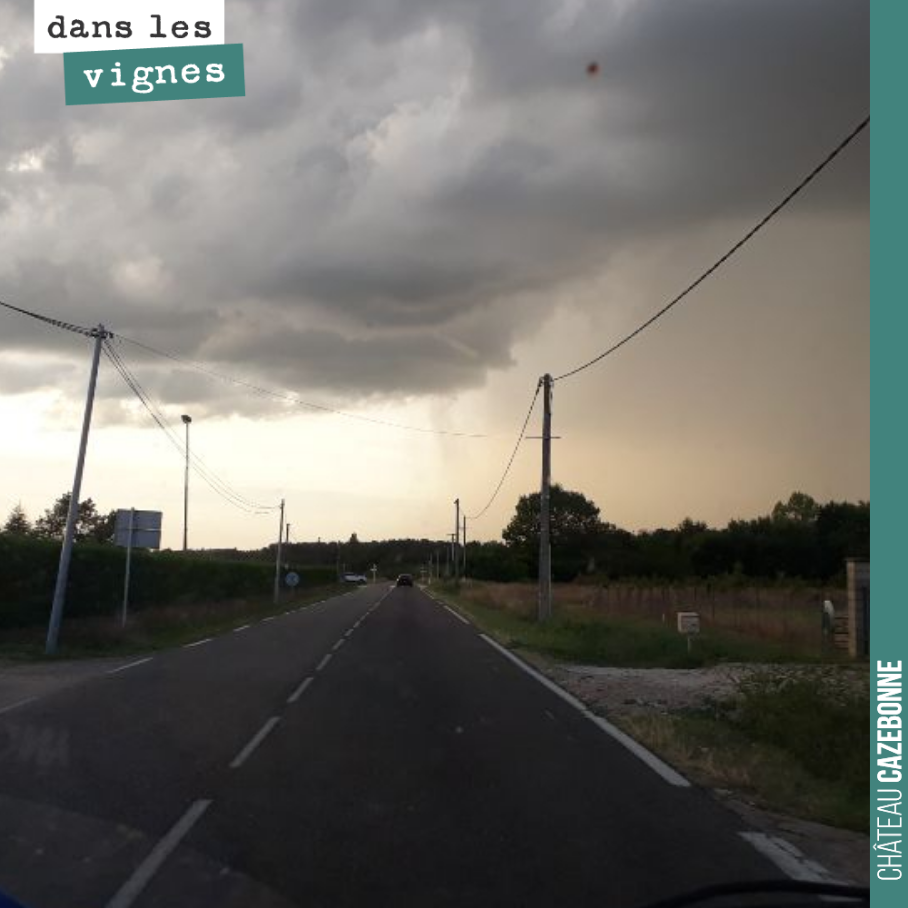
The period when rain appears is decisive for the vine's cycle. A rainy spring encourages budbreak and the early stages of growth. Summer rains, if moderate, support veraison and ripening. However, excessive rainfall (storms) during the harvest period can dilute the aromas and encourage the appearance of diseases such as botrytis or downy mildew, which requires increased surveillance and targeted interventions to preserve the crop.
An attentive winegrower can read the needs and responses of the vine to rain. Light green leaves generally indicate good hydration, while yellowing or falling foliage may indicate water stress. After heavy rain, observing the bunches is essential to detect signs of excessive swelling or disease development. These daily observations guide the decisions of the Cazebonne team in managing the vineyard, particularly during heatwaves or prolonged droughts.
At Château Cazebonne, we integrate water management, and therefore rain, at the heart of our sustainable and respectful viticulture approach. This involves observing the soils, regulating the grass cover to limit water competition or, conversely, to encourage it, and adapting our farming methods. The goal is to strengthen the vine's resilience to climatic hazards, whether more intense droughts or more violent rainy episodes, in order to ensure the quality and longevity of our wines.
It is by embracing this complexity that we were able to undertake a unique project: the reintroduction to Bordeaux of forgotten grape varieties, those varieties that once made the wealth and diversity of our vineyard, but which had disappeared over time. This pioneering work, this search for a more resilient and diverse Bordeaux, is made possible thanks to the unwavering support of the many enthusiasts who have adopted our wines and our approach. If you wish to deepen your knowledge of the winemaking history of our region and the grape varieties that shape it, we invite you to receive the digital version of the book "Bordeaux, une histoire de cépages" published by Éditions BBD. You can also test your knowledge and enrich your oenological culture with our fun and interactive quizzes, or support our cuvées by visiting the Cazebonne shop. As part of our sustainable viticulture approach, we also strive to better understand the impact of elements such as wind in the vineyards.
Sources
Our suggestions
-5%on your 1st order with code BIENVENUE
The essential6 bottles — Graves red 2022
The best price of the cellar: €12 per bottle delivered.
The everyday red: generous and straight to the point.
I want it Our recommendation92/100 RVF
6 bottles — Graves red 2022, 92/100 RVF
Rated 92/100 by La Revue du vin de France: a solid 10-year ageing potential.
Our Graves for ageing, the finest gateway to the estate.
I want it Go further
12 bottles — the whole range
12 bottles, the whole range tasted: the best discovery-to-price ratio.
The complete tour of the estate, in a single case.
I want it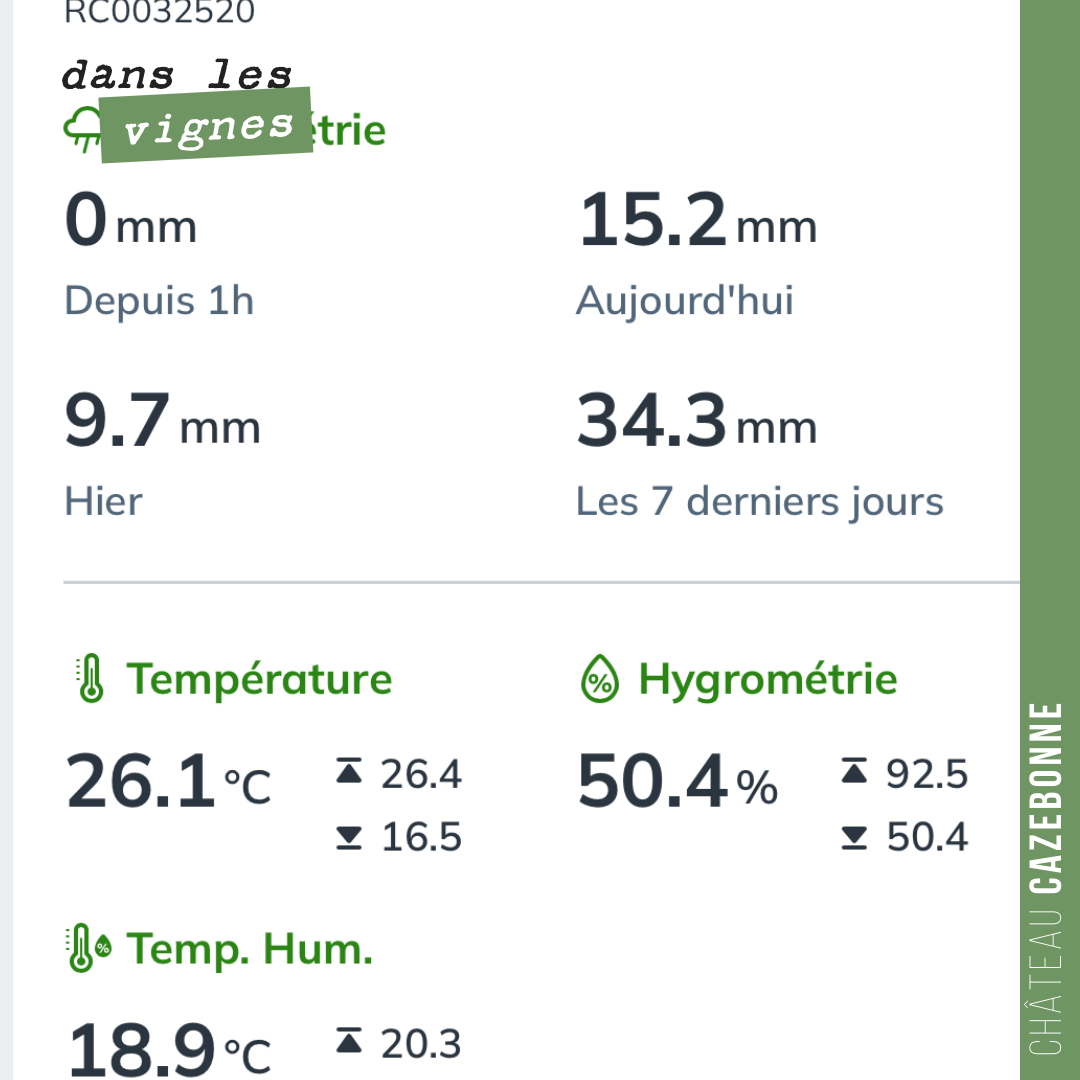
21 August 2026
By Jean-Baptiste
24 August 2020
25 December 2019
15 December 2019
24 November 2019
05 November 2019
15 October 2019
23 September 2019
28 August 2019
01 August 2019
27 July 2019
09 March 2019
05 February 2019
04 February 2019
04 February 2019
26 December 2018
26 December 2018
09 August 2018
The cellar, forgotten grape varieties and our cuvées, twice a month. 5% off your first order with the code BIENVENUE.