
 The essential
6 × Entre Amis red
6 bottles — Graves red 2022
The best price of the cellar: €12 per bottle delivered.
The everyday red: generous and straight to the point.
I want itHail
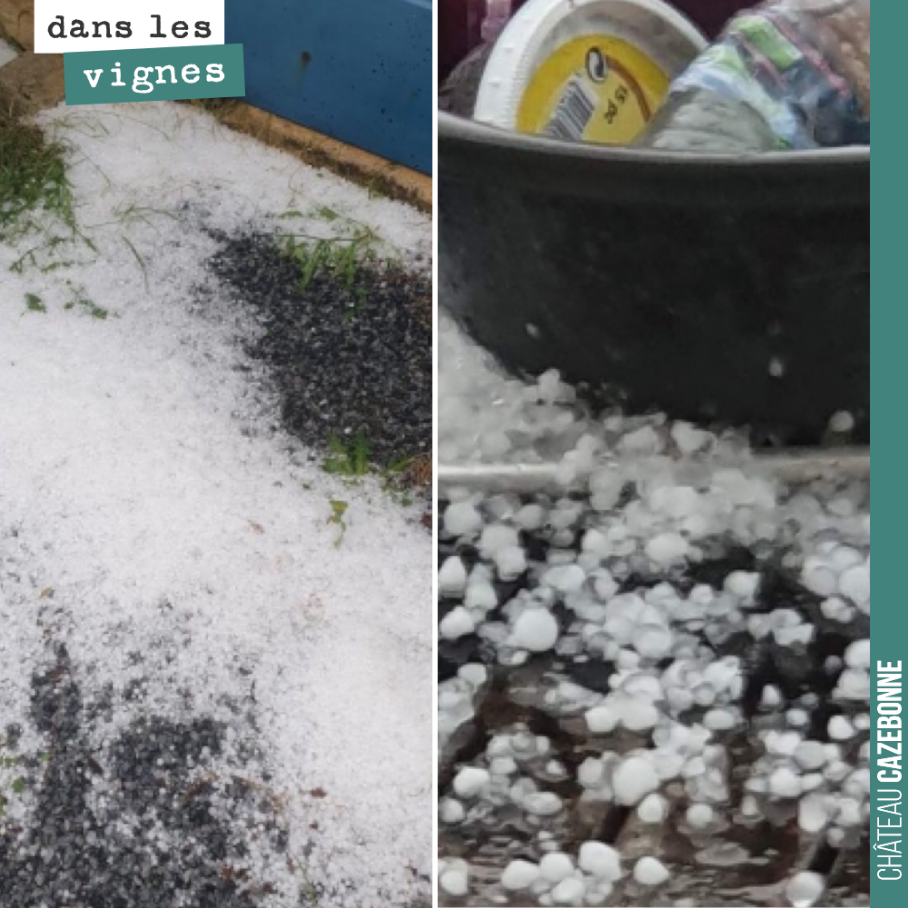
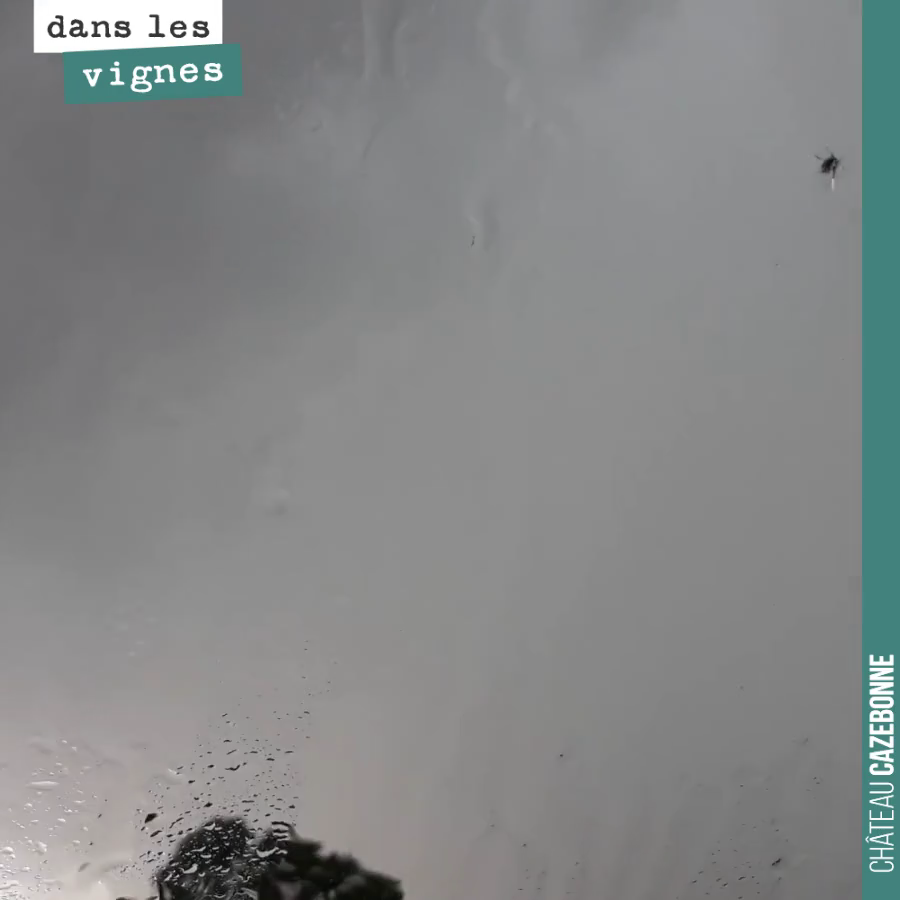
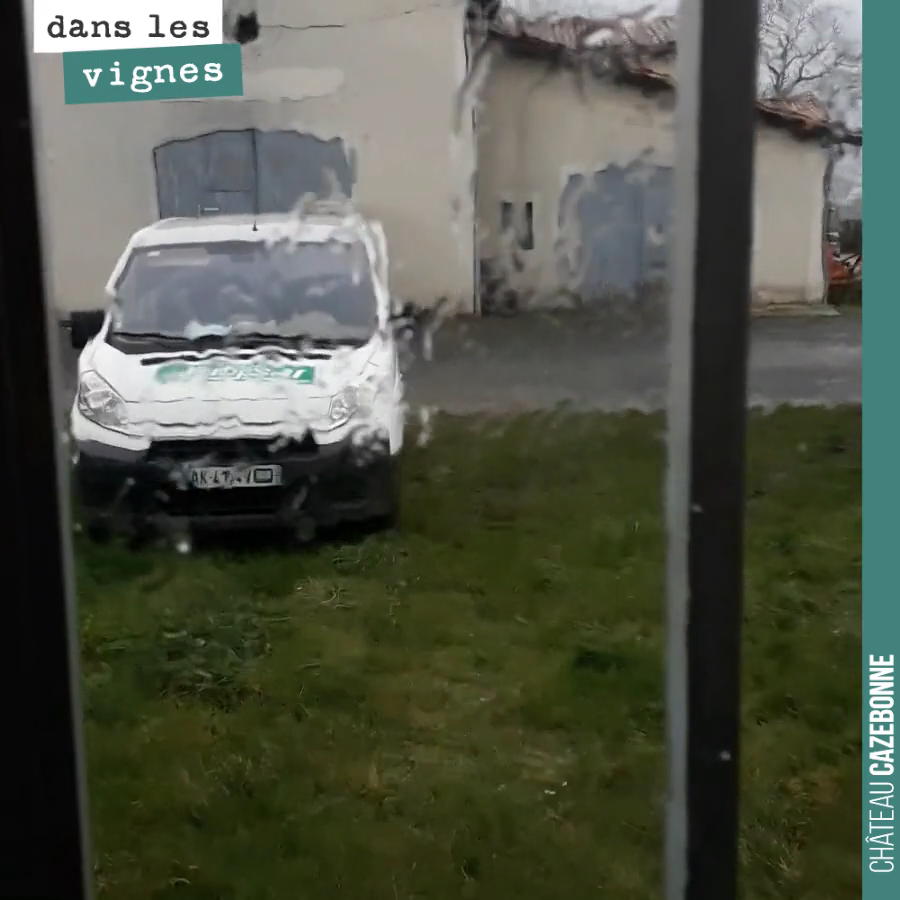
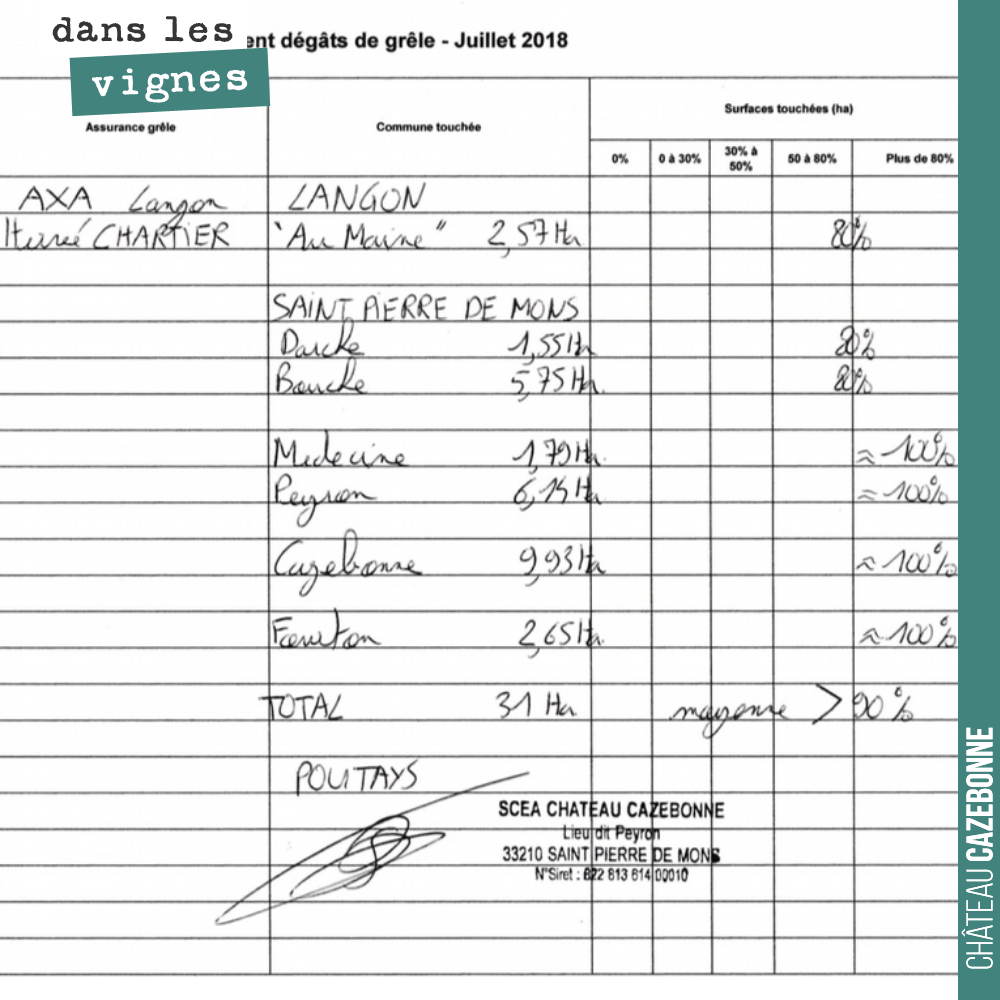
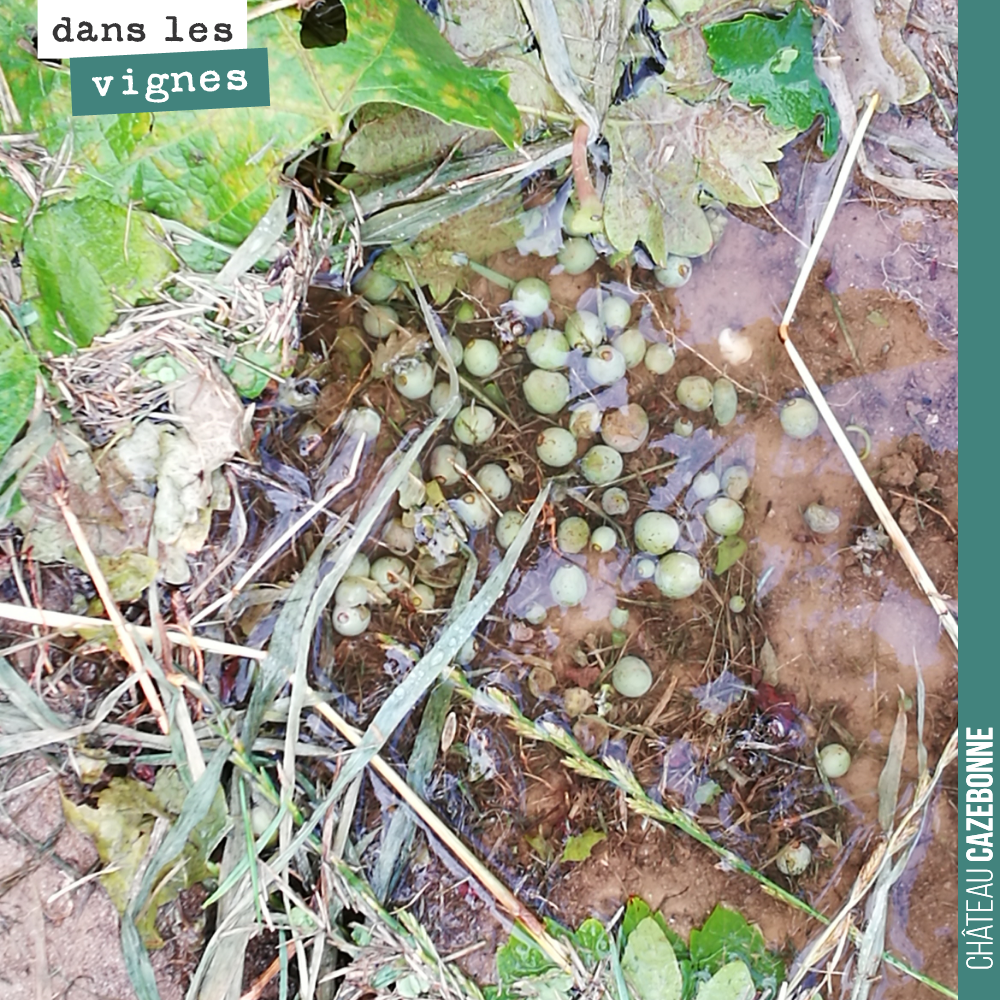
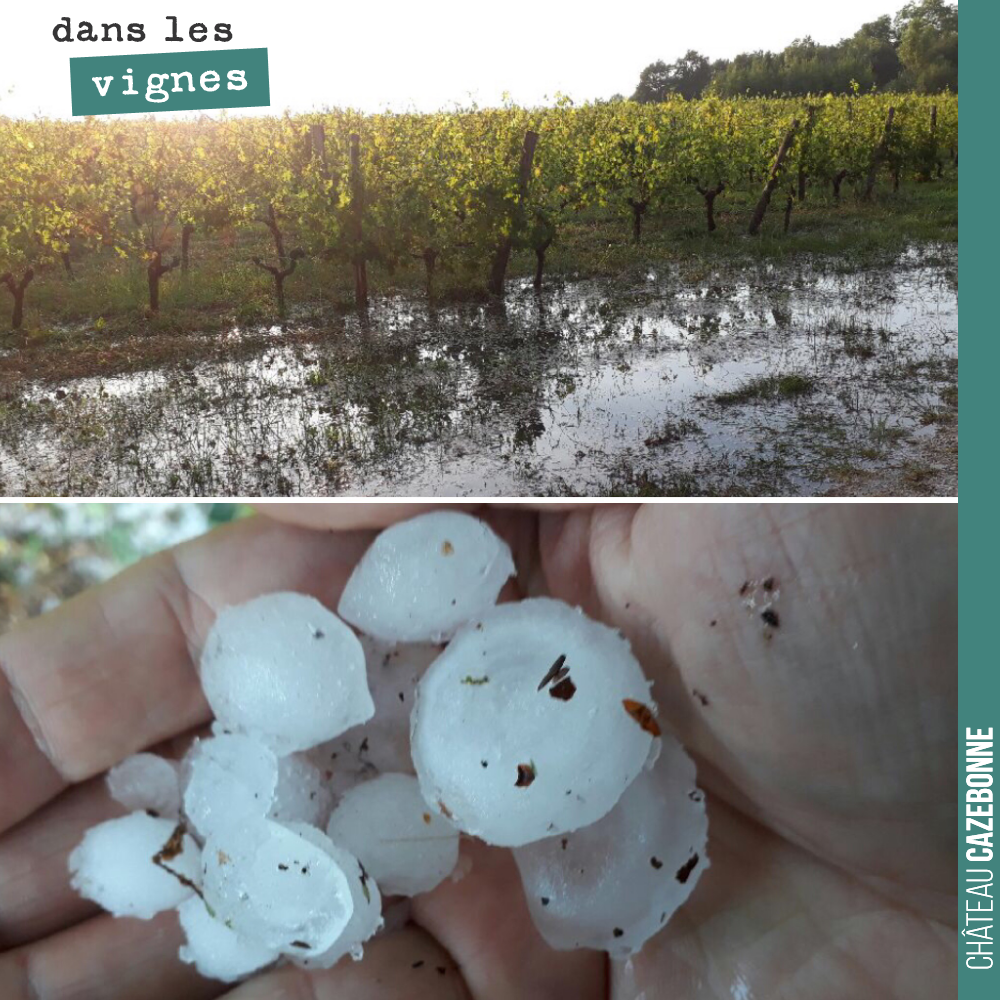
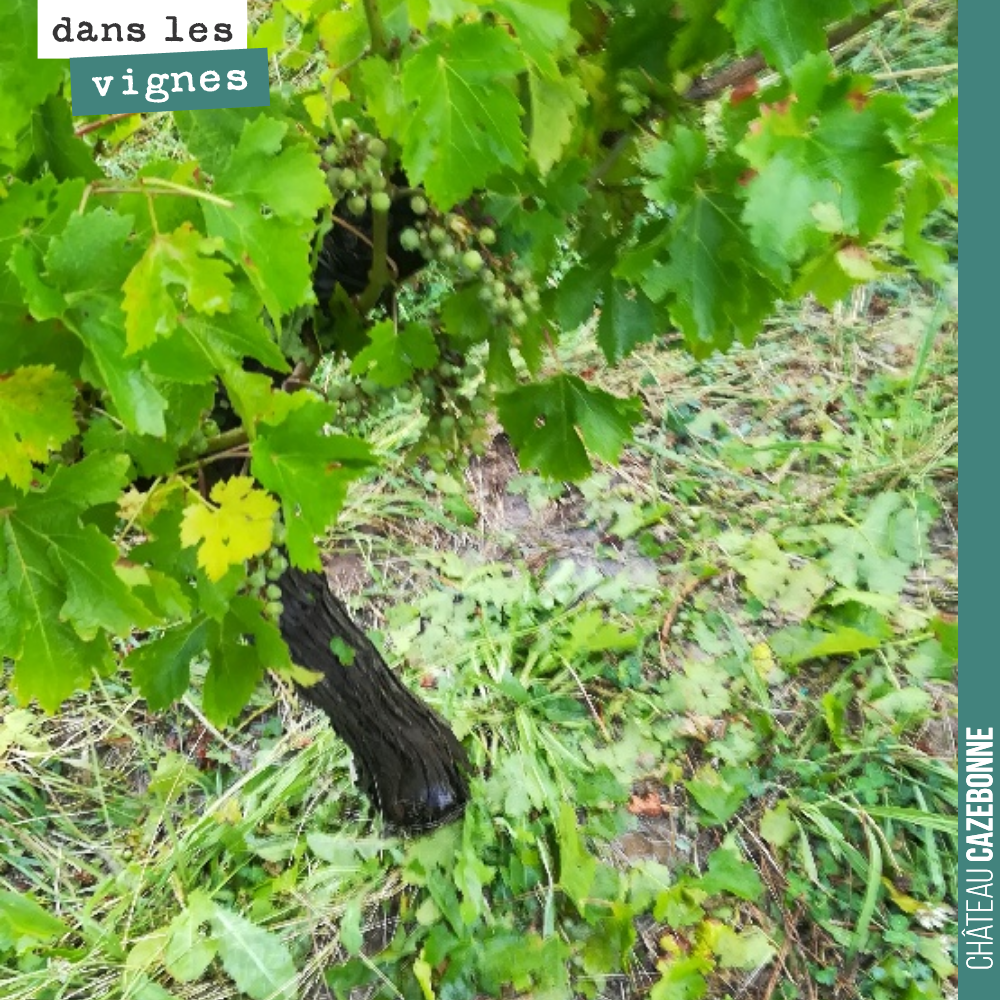
Among the multiple challenges that nature imposes on the winegrower, hail stands out as one of the most formidable and unpredictable. In mere moments, the fury of the elements can wipe out months of hard work, shattering hopes for a harvest and jeopardising the future of the vines. This meteorological scourge does not simply destroy the annual production; it can also severely damage the vine shoots and dormant buds, thereby impacting the following year's pruning and, by extension, the harvest of two consecutive vintages. At Château Cazebonne, we still remember the devastating episode of 2018 when a violent storm in the vines, mixed with hail, caused us to lose our entire crop.
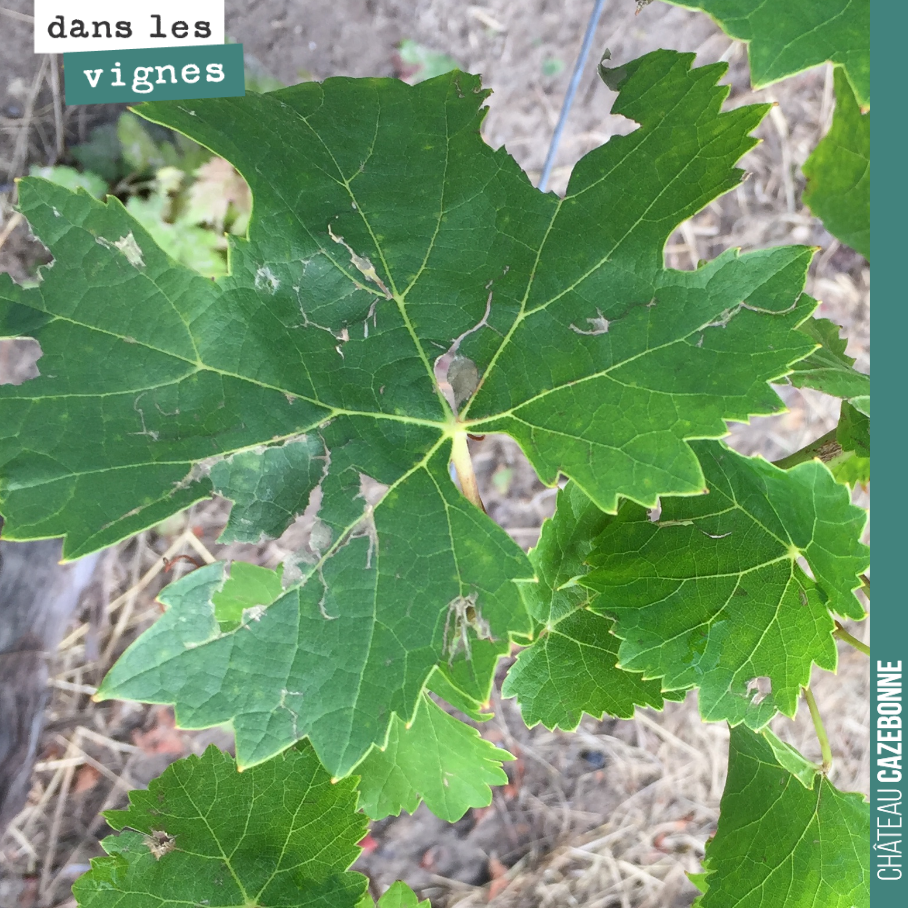
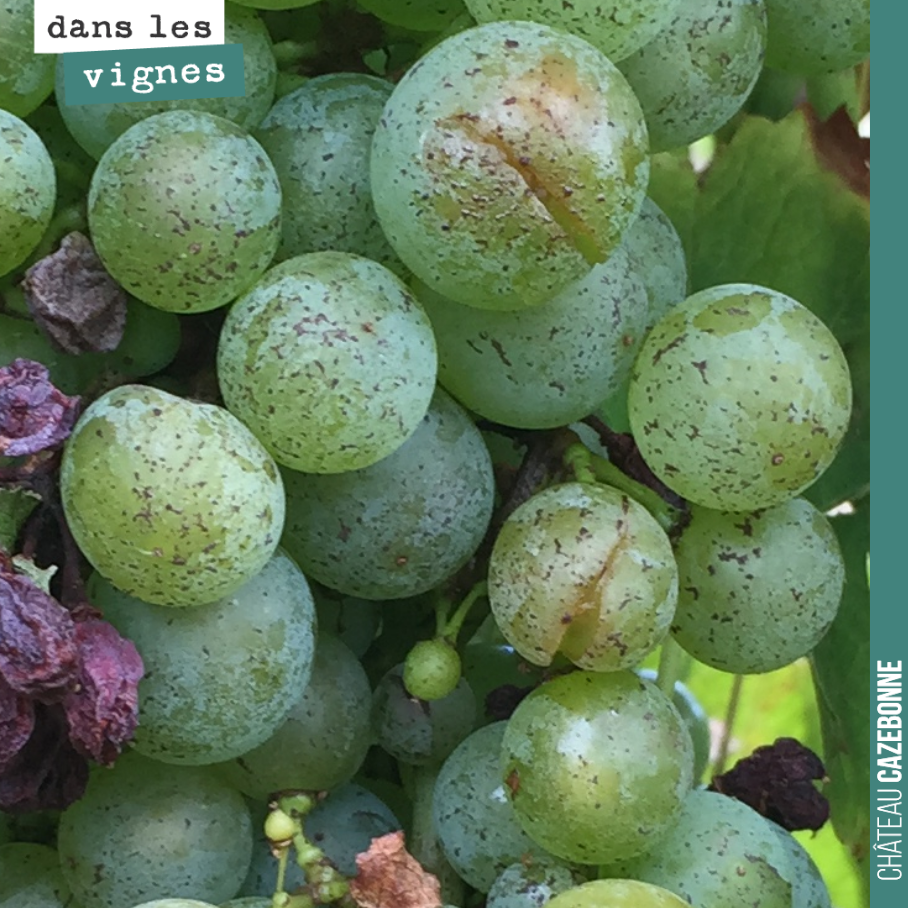
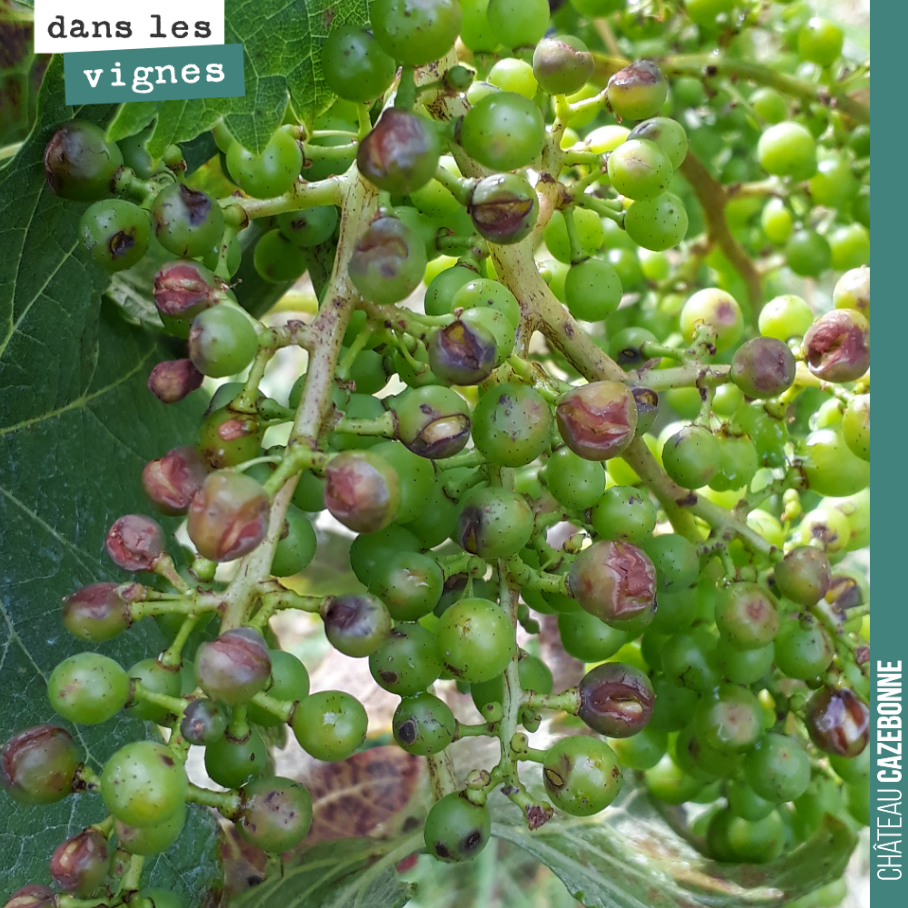
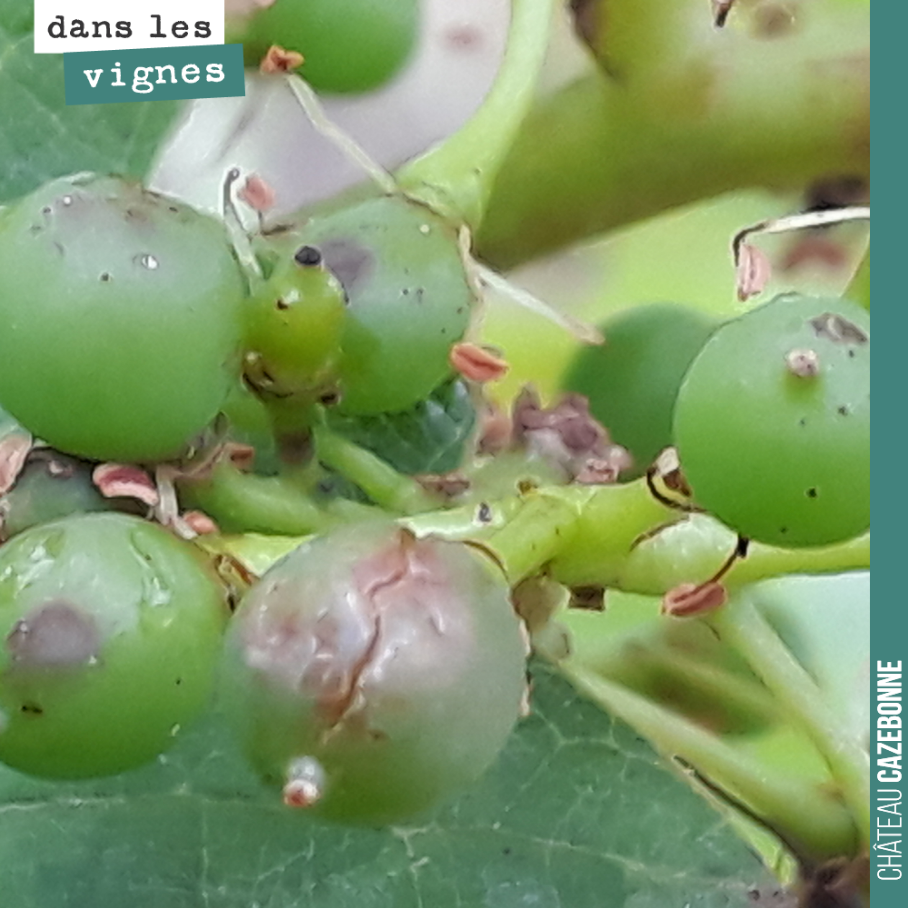
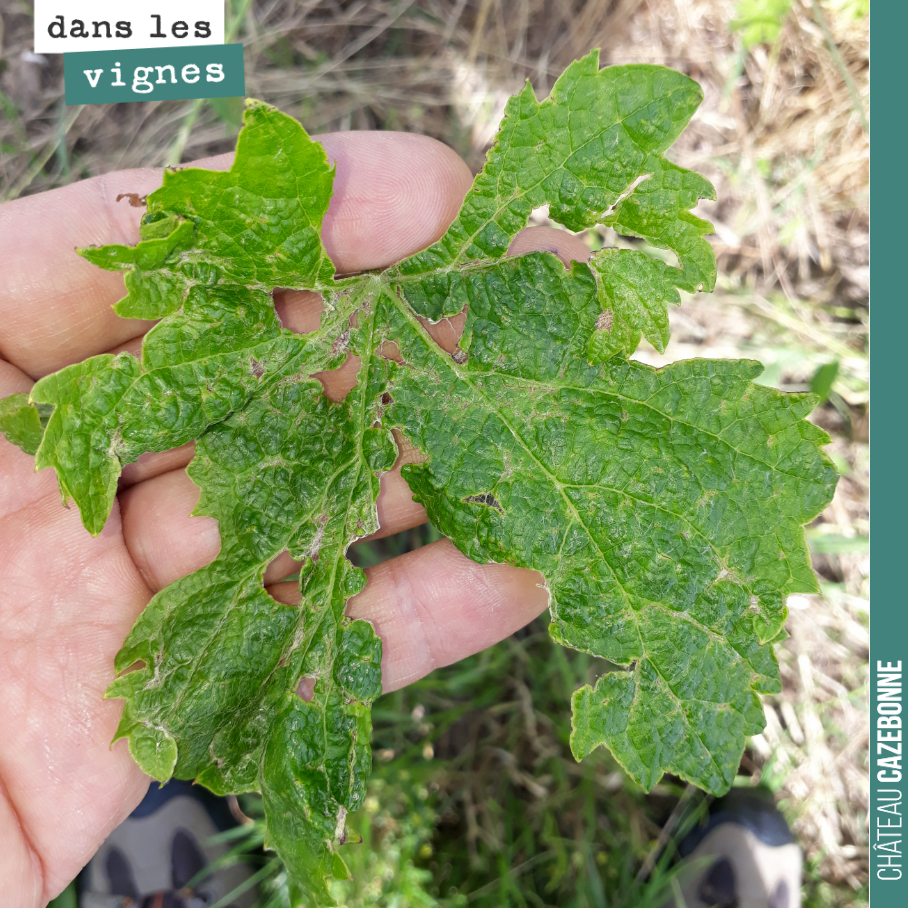
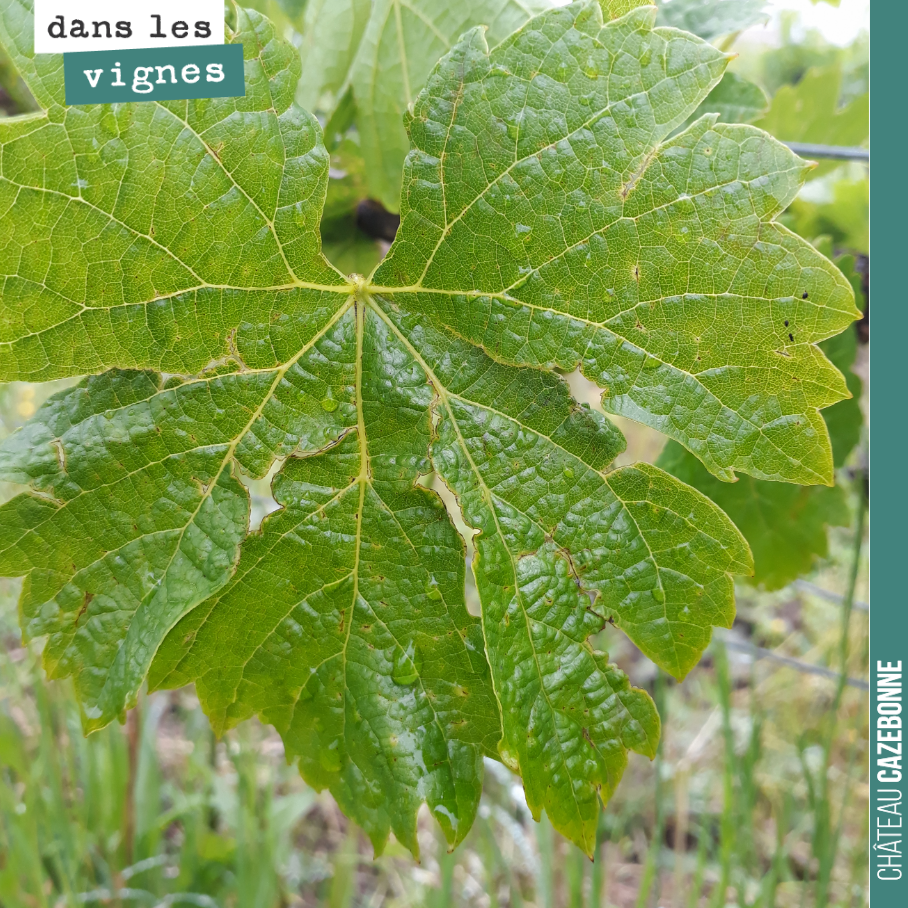
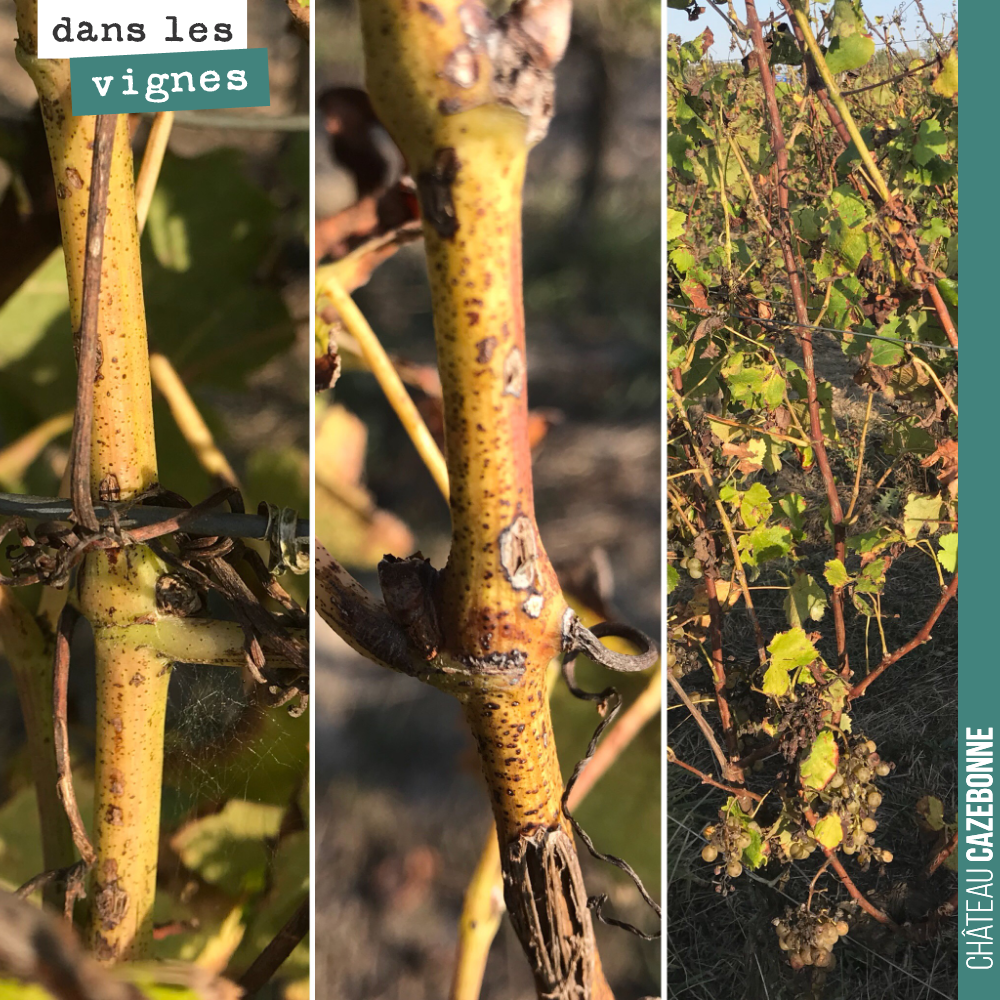
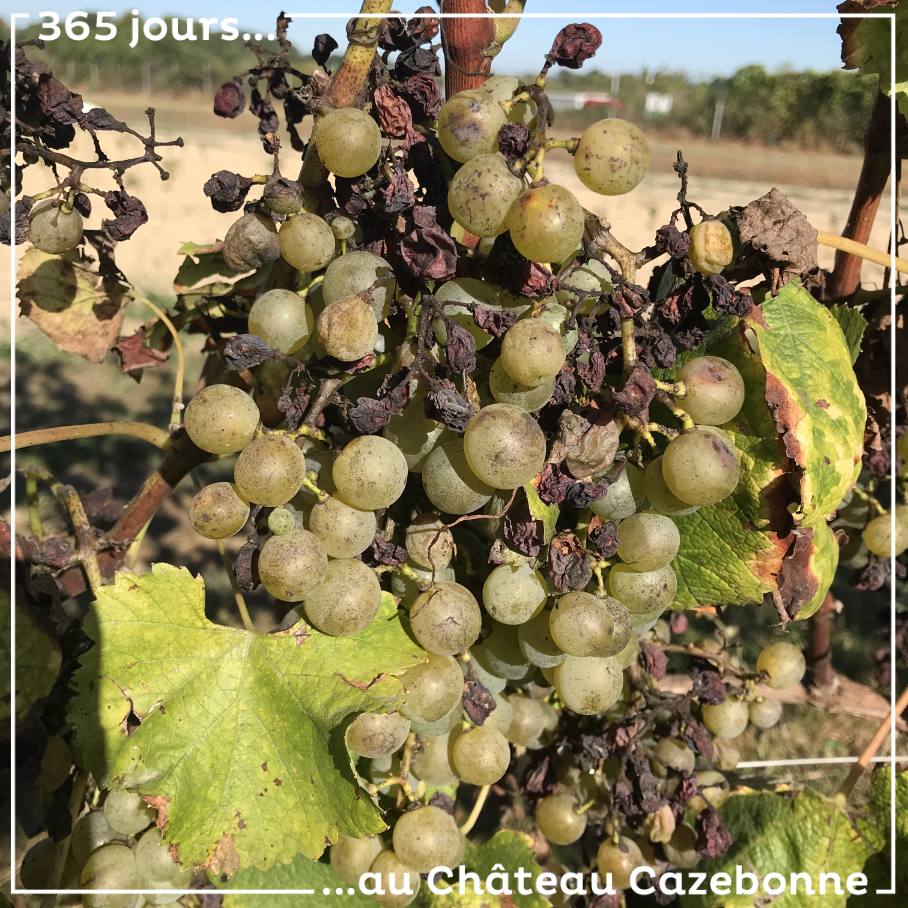
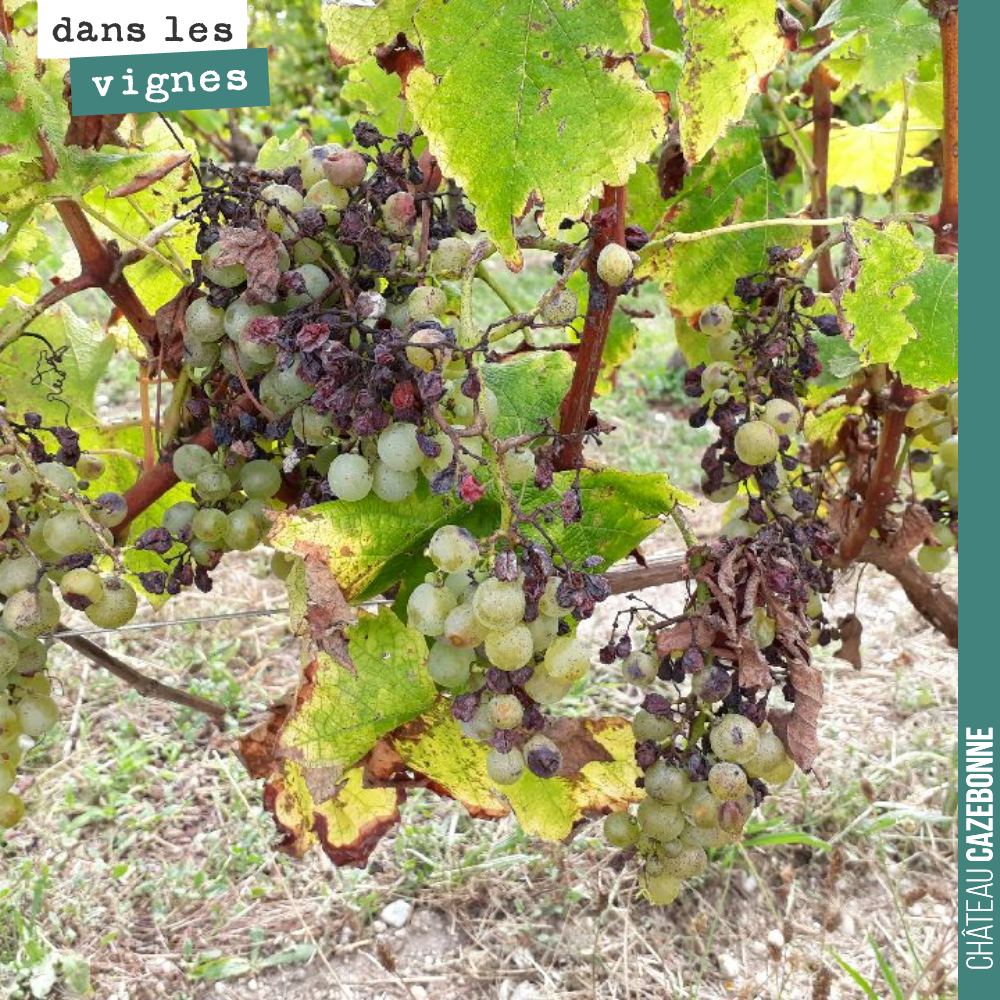
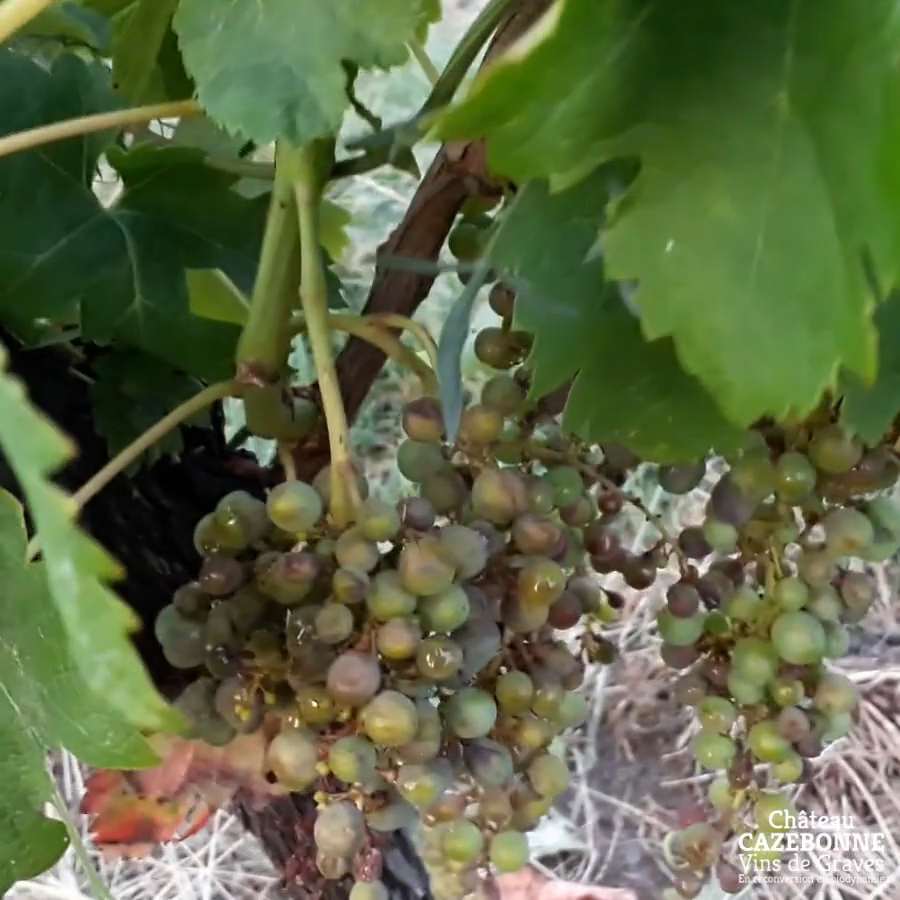
Hailstones, which vary in size and density, act like multiple projectiles. The leaves are lacerated and the chlorophyll surface is reduced, hindering photosynthesis—a process vital for the ripening of the grapes. The bunches, which are particularly vulnerable, are directly struck; the split berries offer open doors to diseases and bacterial contamination. As Jean-Baptiste Duquesne describes in "Bordeaux, une histoire de cépages", the damage is not merely quantitative; it also alters the intrinsic quality of the grapes, modifying their aromatic profile and composition.
Faced with such a threat, winegrowers have developed various strategies, ranging from the installation of costly and cumbersome anti-hail nets, to more preventative techniques aimed at strengthening the vine's natural resilience. These methods help to mitigate the impact of the strikes and promote better healing of the wounds. However, despite all precautions, zero risk does not exist, and every hailstorm remains a test of the winegrower's perseverance and passion.
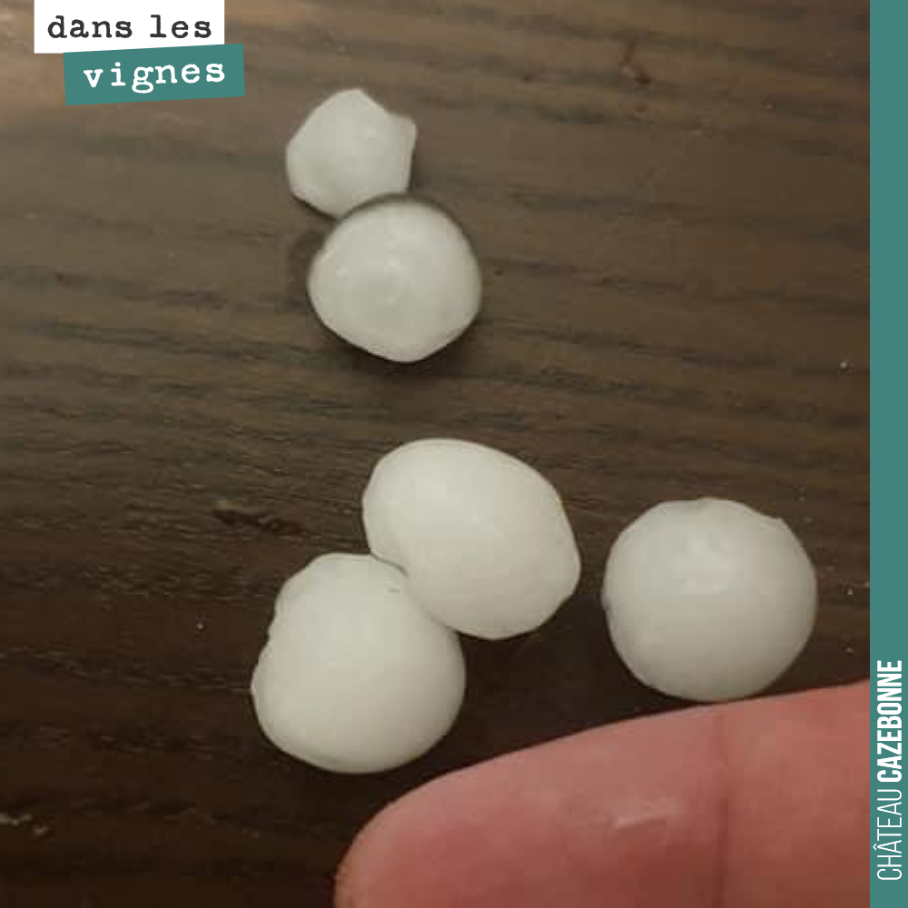
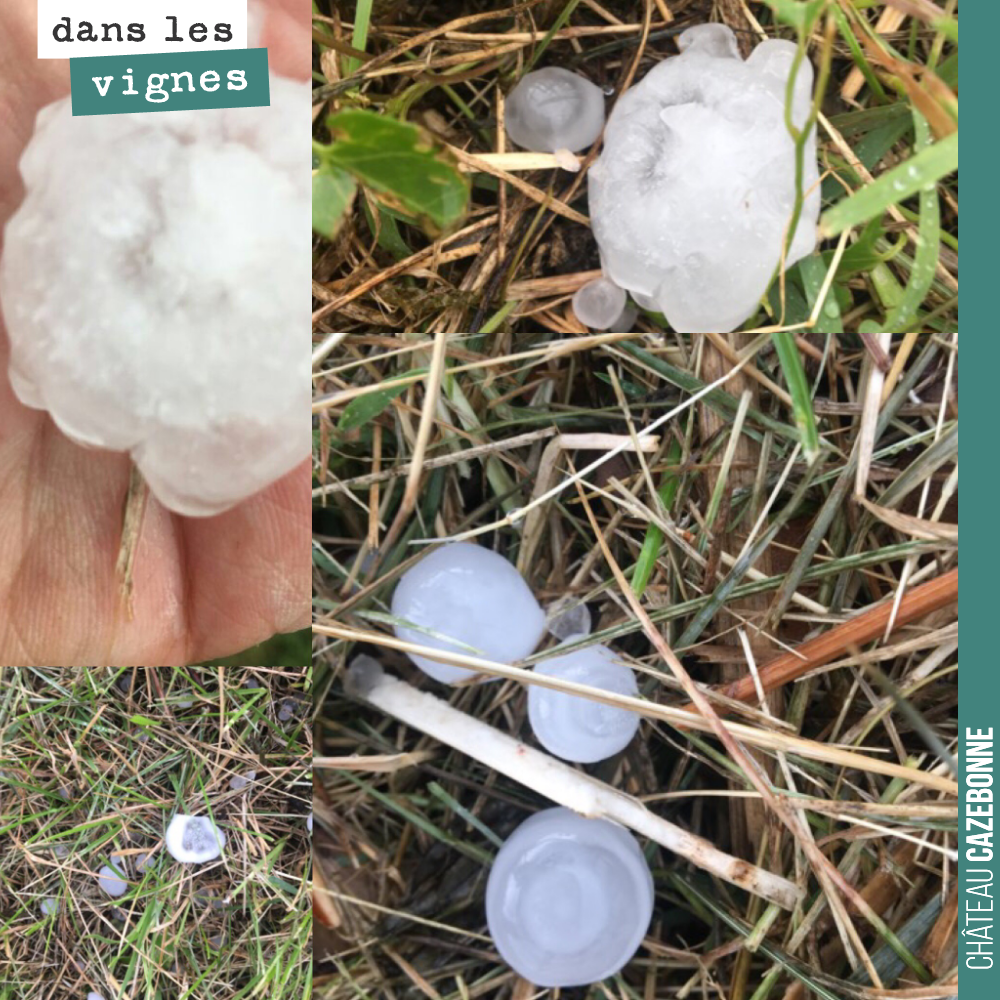
Hail is a complex meteorological phenomenon characterised by the fall of solid precipitation in the form of ice pellets, known as hailstones. These form within cumulonimbus clouds—large-scale storm clouds—where updraughts and downdraughts are highly powerful. Water droplets are carried to high altitudes, freeze, and are then subjected to multiple cycles of rising and falling, accumulating layers of ice before falling to the ground once they become heavy enough. In viticulture, hail causes direct mechanical damage to the vine's organs, from the leaves to the bunches, severely disrupting photosynthesis and encouraging the entry of pathogens. To find out more about the weather in the vineyards, discover our article on heatwaves in the vineyards.
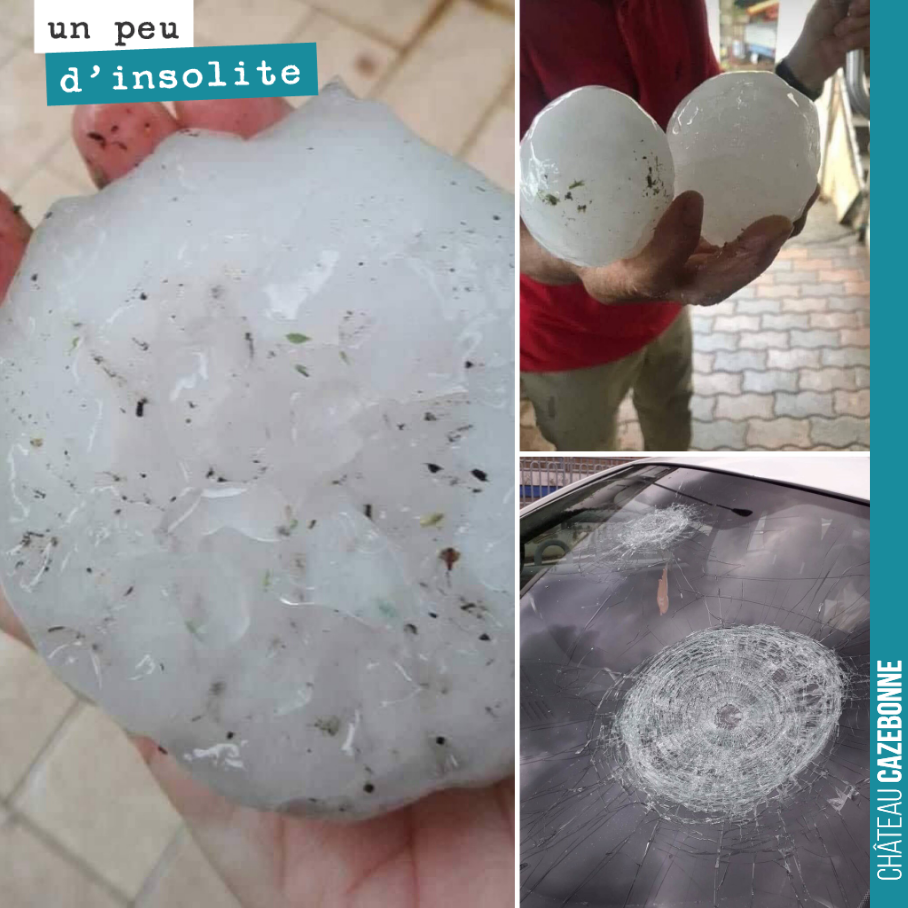
The consequences of a hailstorm on the vines are manifold and often devastating. The severity of the damage depends on several factors, such as the size and density of the hailstones, the wind speed at the time of the fall, and the phenological stage of the vine. Hailstones of just a few millimetres can already cause lacerations on the leaves and young shoots. But during severe storms, hailstones can reach the size of a walnut, or even a golf ball, causing irreparable damage.
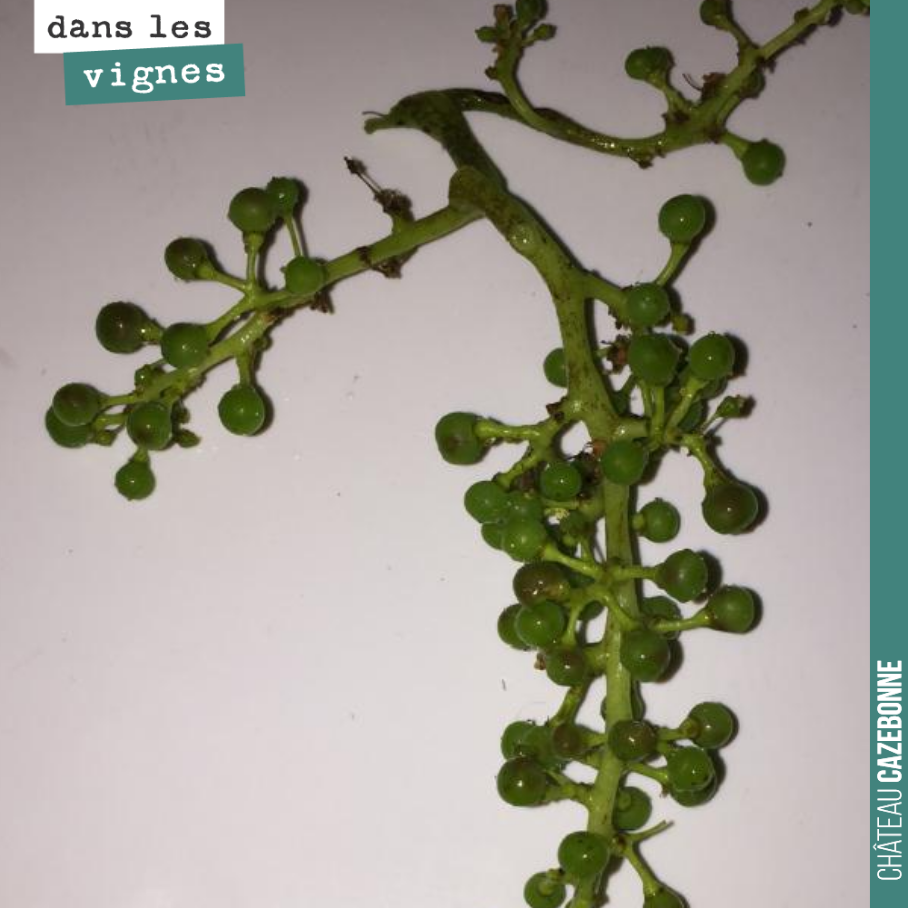
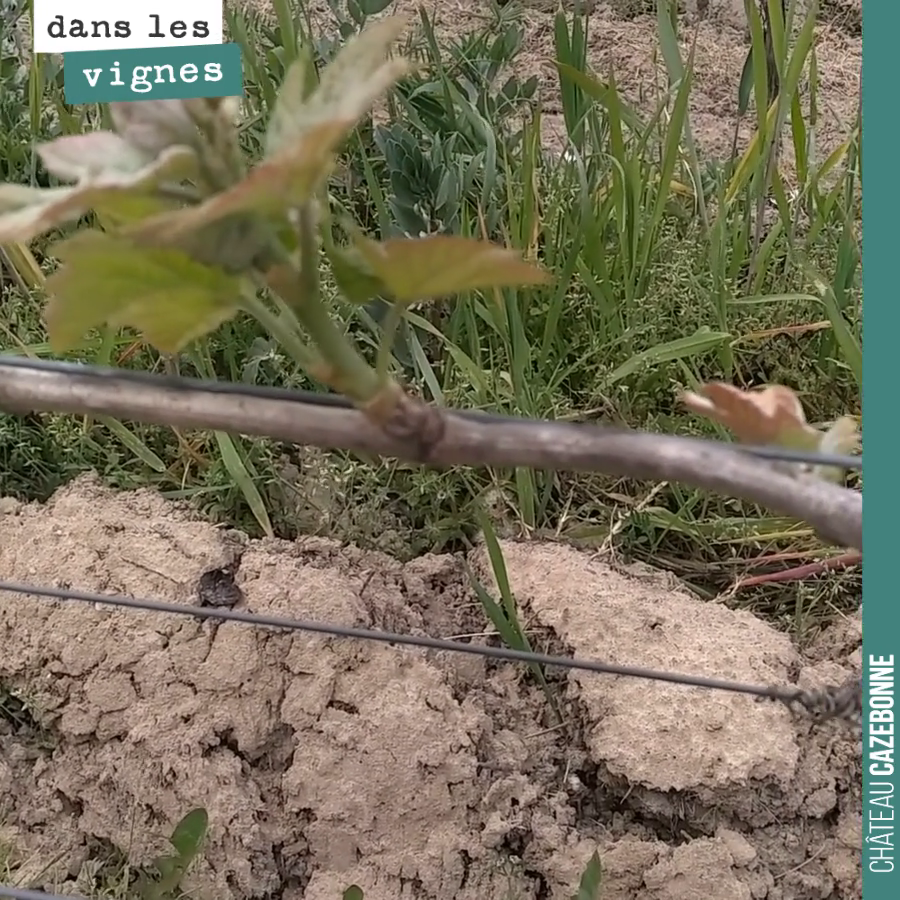
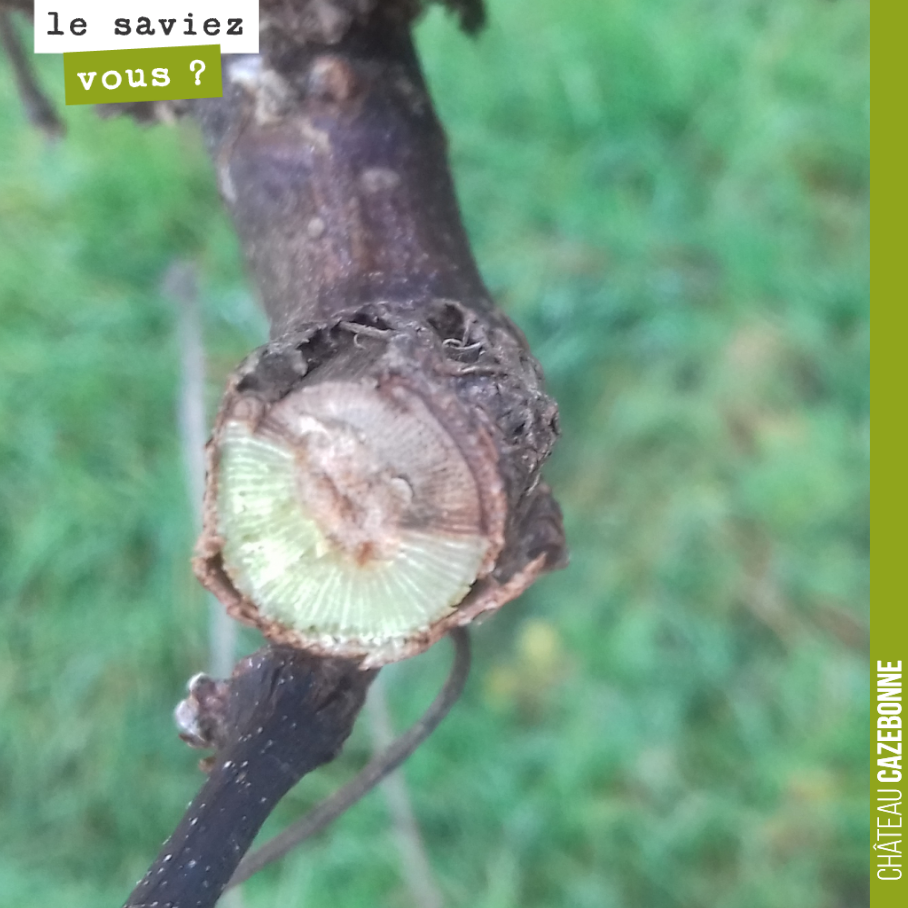
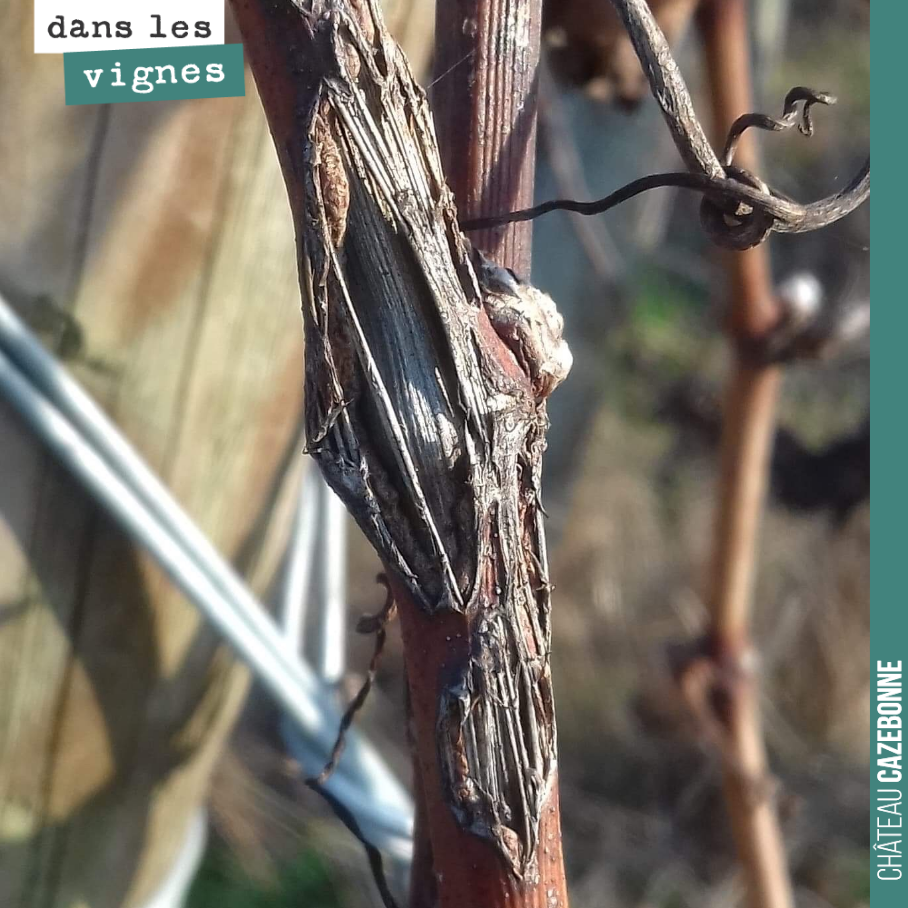
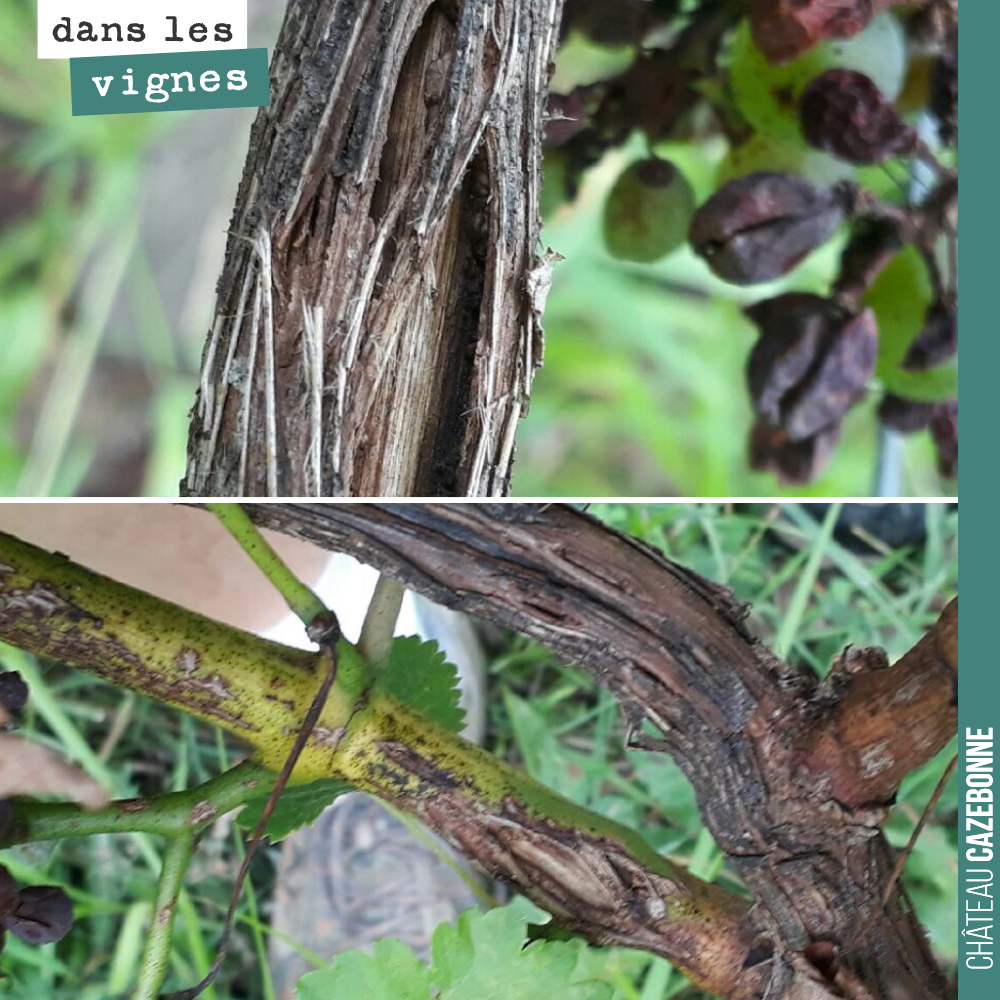
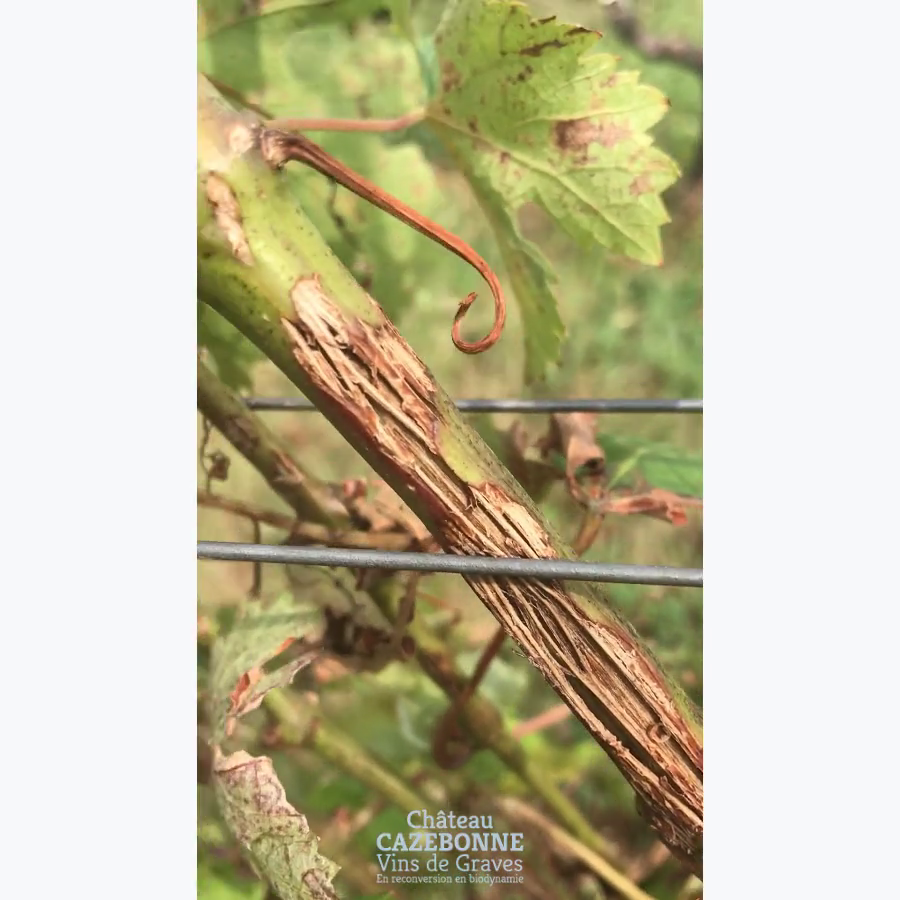
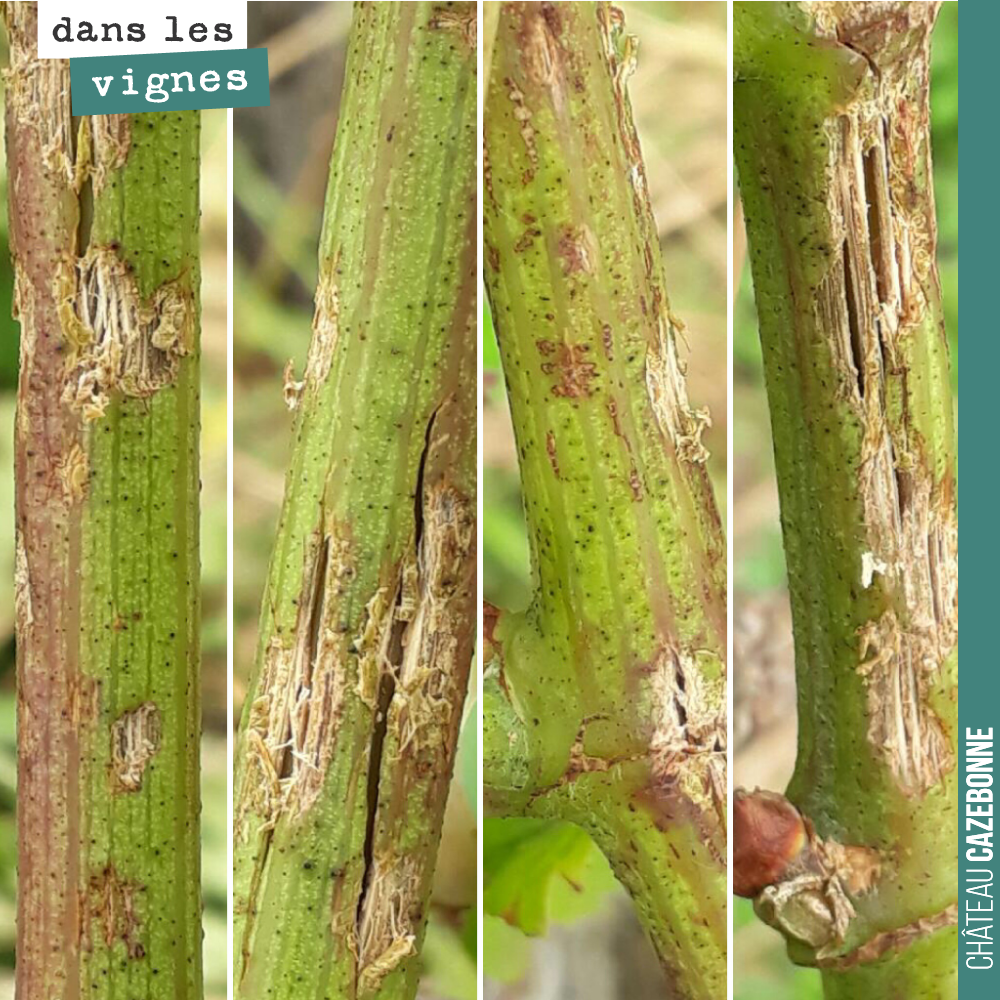
The leaves, the true solar panels of the vine, are the first to be affected. Lacerations drastically reduce the active chlorophyll surface, which hinders photosynthesis and thus the energy production needed to ripen the grapes. Vine shoots, especially the youngest ones, can be broken, compromising the very structure of the vine and its capacity to support the fruit load in subsequent years. This type of damage can also impact the dormant buds that will ensure the production of the following vintage.
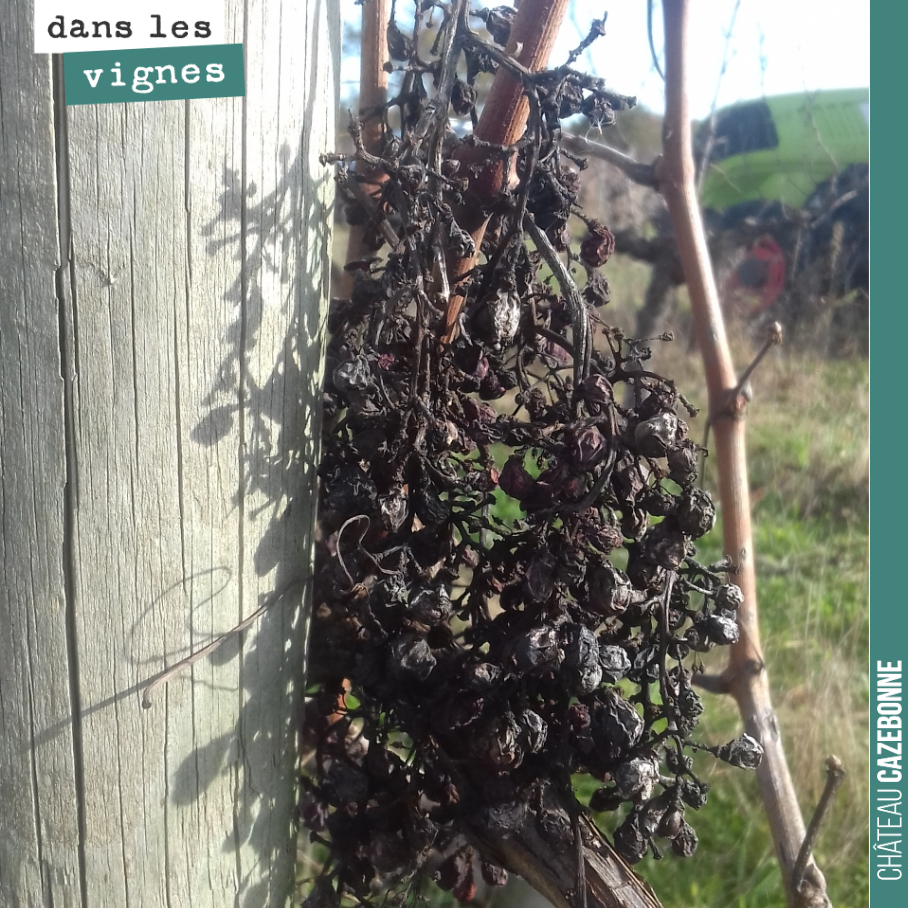
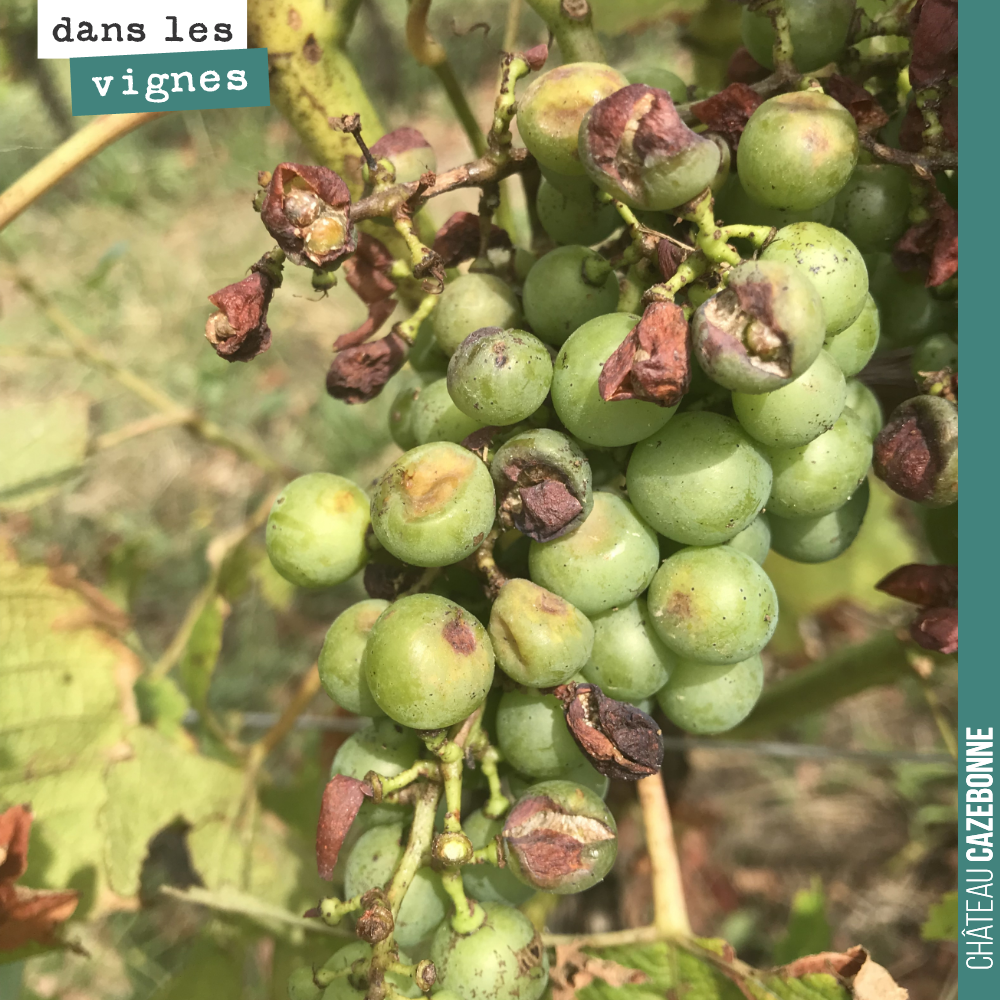
The bunches are particularly vulnerable to hail. Split berries provide an ideal entry point for diseases such as botrytis or other bacterial contaminations, rapidly transforming a healthy grape into a hotbed of infection. Even without splitting, the impact can cause internal bruising that alters the aromatic quality and composition of the future wine. Post-hail management is therefore fundamental to limit losses and attempt to save a part of the harvest, with rigorous monitoring against vine diseases. The vinification of hail-damaged grapes requires special attention.
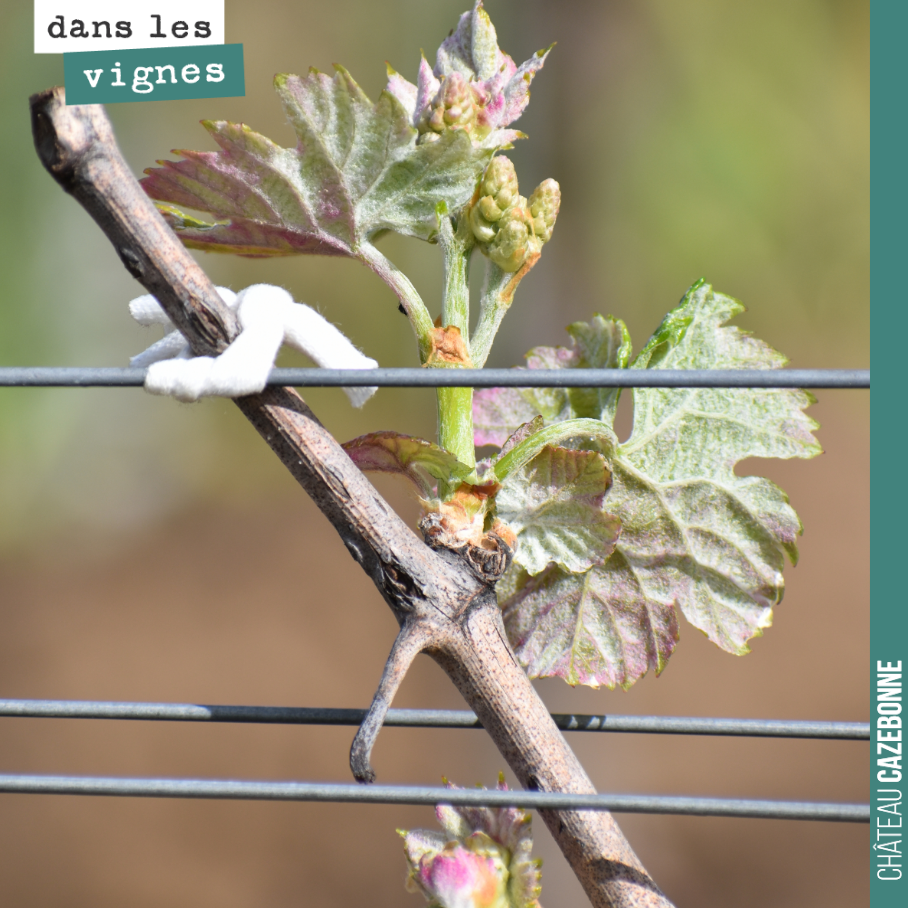
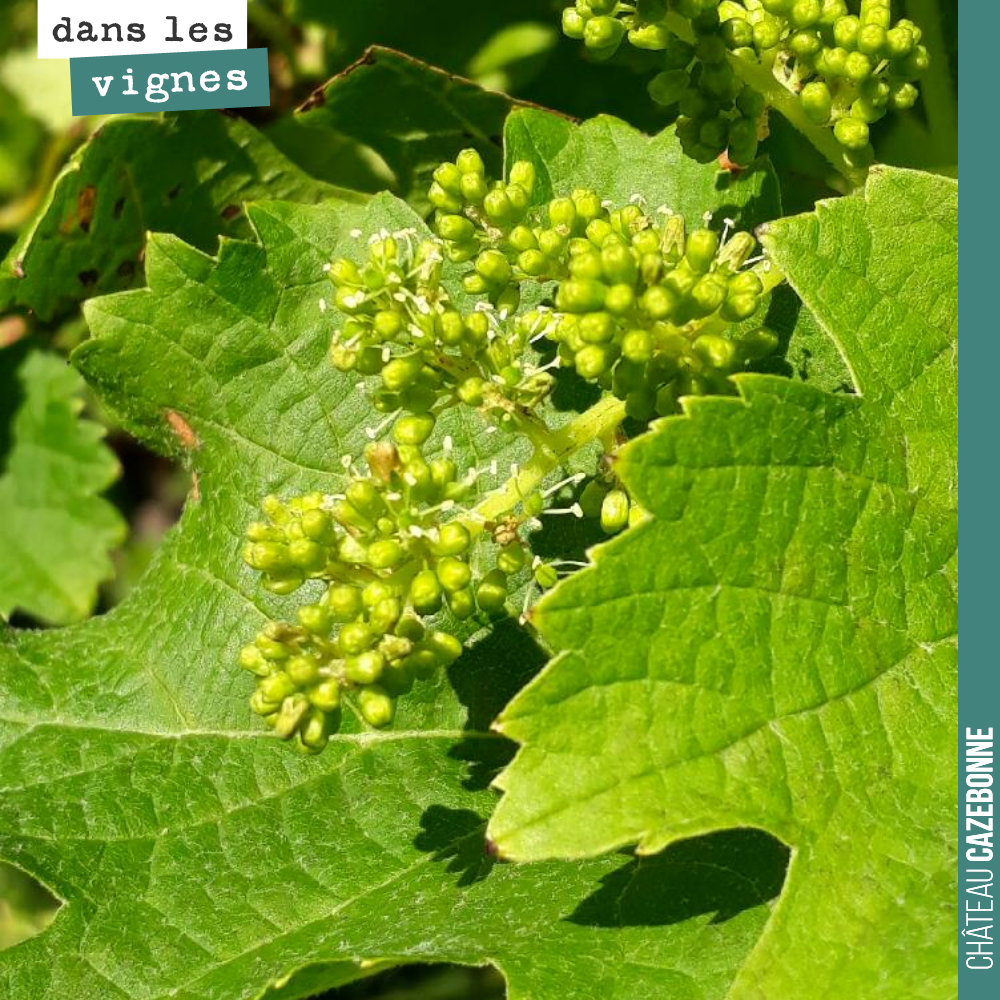
Although hail can occur at any time of the year, certain months are statistically more risky for vineyards. In spring, during budburst and flowering, the young shoots and inflorescences are extremely fragile. A hailstorm at this stage can wipe out almost the entire upcoming harvest. In summer, during veraison and ripening, the berries are swollen with water and highly sensitive to impact. Any wound is then an open door to disease, threatening the final quality of the wine. The months from May to August are generally the most critical in France.
Faced with this unpredictable risk, winegrowers have developed various protection methods, ranging from preventative techniques to post-event measures. If, despite all precautions, frost or hail should damage the vines, it is essential to act quickly.
Anti-hail nets are the most effective solution for direct protection, but their installation is costly and labour-intensive. Cultural techniques such as late pruning or trimming can sometimes offer slight protection by leaving a larger leaf mass. On a wider scale, anti-hail systems (cannons, rockets) exist, but their effectiveness is often debated and their use controversial. At Château Cazebonne, we foster the resilience of the vines through respectful viticulture, which includes strengthening living soils for the better overall health of the plants.
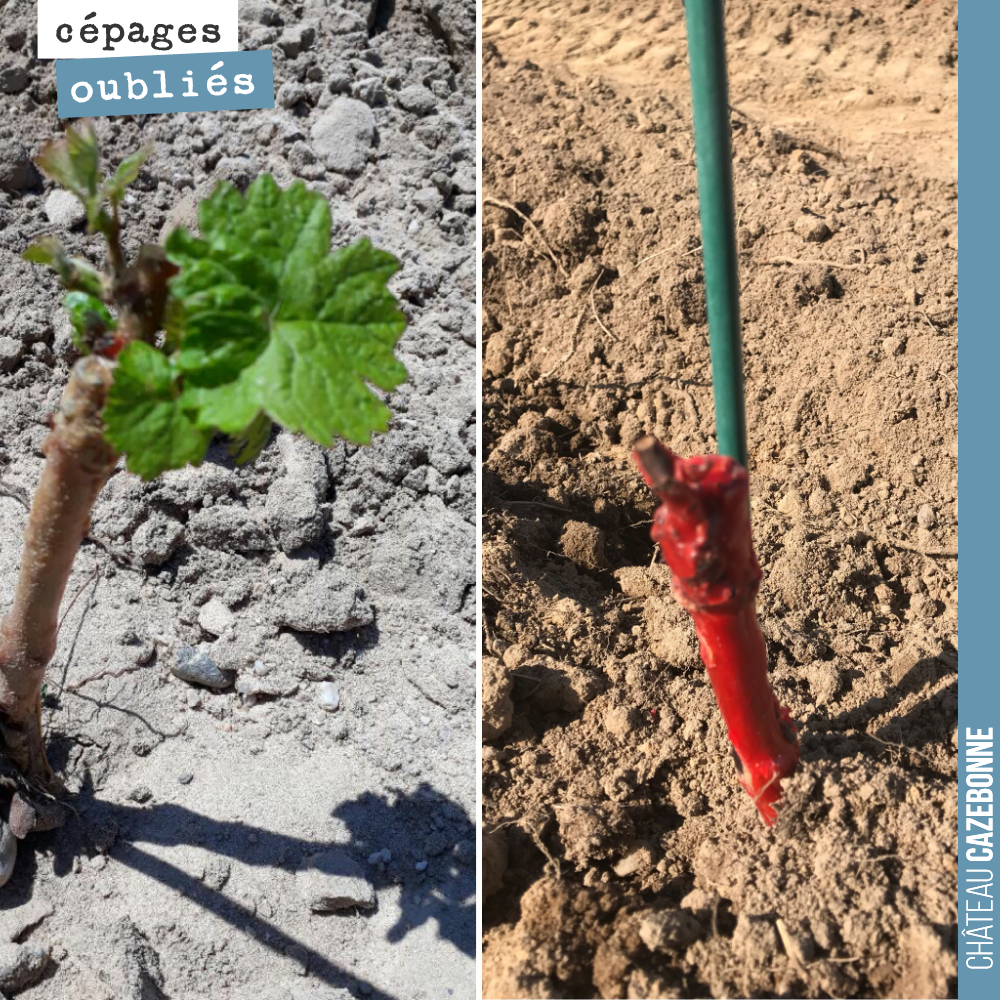
At Château Cazebonne, each new season is a lesson in humility before the power of nature. These trials, far from discouraging us, strengthen our commitment to a viticulture that is increasingly respectful of the environment and bolder in its choices. It is in this spirit that we have undertaken the replanting of forgotten grape varieties in Bordeaux, those historic varieties which, through their resilience and diversity, will be better able to face the climate challenges of tomorrow. This pioneering work, this quest for a more diverse and resilient Bordeaux, is made possible thanks to the unwavering support of the many wine enthusiasts who have embraced our wines and our approach. To deepen your knowledge of the viticultural history of our region and the grape varieties that shape it, we invite you to receive the digital version of the book "Bordeaux, une histoire de cépages" from Éditions BBD, written by Jean-Baptiste Duquesne. You can also test your knowledge with our oenological quizzes, and of course, discover all our exceptional vintages directly online.
Sources
Our suggestions
-5%on your 1st order with code BIENVENUE
The essential6 bottles — Graves red 2022
The best price of the cellar: €12 per bottle delivered.
The everyday red: generous and straight to the point.
I want it Our recommendation92/100 RVF
6 bottles — Graves red 2022, 92/100 RVF
Rated 92/100 by La Revue du vin de France: a solid 10-year ageing potential.
Our Graves for ageing, the finest gateway to the estate.
I want it Go further
12 bottles — the whole range
12 bottles, the whole range tasted: the best discovery-to-price ratio.
The complete tour of the estate, in a single case.
I want it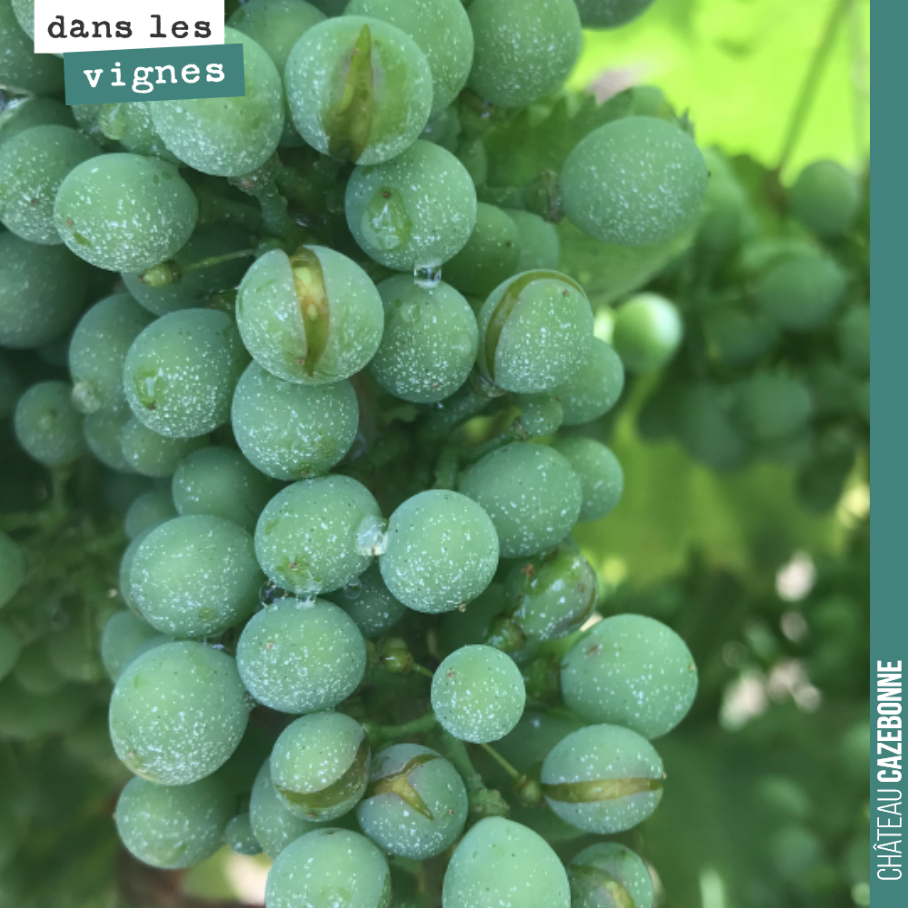
23 June 2022
16 August 2020
16 August 2020
14 August 2020

14 August 2020
12 August 2020
16 June 2020

07 June 2020
06 June 2020
05 June 2020
05 June 2020
04 June 2020
26 May 2020
10 May 2020
08 March 2020
13 July 2019
24 April 2019
08 April 2019
02 April 2019
01 February 2019
09 January 2019
03 January 2019
20 December 2018
30 November 2018
27 November 2018
03 October 2018
14 September 2018
31 August 2018
18 August 2018
17 August 2018
14 August 2018
05 August 2018
03 August 2018
01 August 2018
26 July 2018
20 July 2018
19 July 2018
19 July 2018
16 July 2018
16 July 2018
16 July 2018
16 July 2018
16 July 2018
15 July 2018
15 July 2018
05 July 2018
The cellar, forgotten grape varieties and our cuvées, twice a month. 5% off your first order with the code BIENVENUE.