
 The essential
6 × Entre Amis red
6 bottles — Graves red 2022
The best price of the cellar: €12 per bottle delivered.
The everyday red: generous and straight to the point.
I want itApples
The apple (Malus domestica), much more than a simple fruit, is a universal symbol of vitality and history. This fleshy fruit, from the tree of the same name and a distinguished member of the Rosaceae family, has been with us for millennia. Originating in Eurasia, its cultivation dates back to Antiquity, bearing witness to its perpetual importance in human nutrition and the collective imagination.
Its familiar roundness and its skin, shimmering with red, yellow, or green depending on the countless varieties, make it a delight for both the eyes and the palate. But beyond its appearance, the apple is a veritable nutritional treasure. Rich in vitamins, essential minerals, and dietary fibre, it is a precious ally for our well-being. Its versatility is also remarkable: perfectly crisp when eaten raw, it also lends itself deliciously to a multitude of culinary preparations, from the most sophisticated desserts to the most unexpected savoury dishes.
At Château Cazebonne, the presence of apple trees in our Jardin des Vignes is no coincidence. It embodies our vision of a restored ecosystem, where biodiversity enriches the terroir and the wine. Replanting apple trees in joualles, those tree-lined alleys of the past, is part of this approach of returning to our roots, to a respectful agriculture that marries the vine with other crops, just as our ancestors did.
This meticulous work of reintroduction and preservation, not only of apple trees but also of forgotten Bordeaux grape varieties, is a true act of audacity. It is the fruit of a shared passion and a deep commitment to our viticultural heritage. This resurrection of the Bordeaux vineyard, with its lost grape varieties reclaiming their rightful place, is made possible by the unwavering support of a community of enlightened enthusiasts. Their choices, their curiosity, and their commitment alongside us are the driving force behind this renaissance.
If you wish to discover the fruit of this research and commitment, all our cuvées are available on the Cazebonne shop.
To deepen your knowledge of this fascinating history of Bordeaux grape varieties, we also invite you to receive the digital version of the book "Bordeaux, une histoire de cépages". This work, published by Éditions BBD and written by Jean-Baptiste Duquesne, explores in detail the extraordinary ampelographic diversity of our region, of which Le Jardin des Vignes is a living and promising expression.
The apple tree is one of the oldest fruit trees cultivated by man. Its history is intrinsically linked to the evolution of civilisations. From the mountainous region of Kazakhstan, where the wild apple Malus sieversii is still present, it travelled along the Silk Road, hybridising and adapting to different regions. The Greeks and Romans already considered it a precious fruit, cultivating a multitude of varieties for their culinary and medicinal qualities. Over the centuries, human selection has created the thousands of cultivars we know today, each with its unique characteristics.
The decision to integrate apple trees into our Jardin des Vignes at Château Cazebonne is not just a nod to history and ancestral practices. Above all, it is a concrete step to foster biodiversity and enrich the viticultural ecosystem. These trees, beyond producing fruit, serve as a refuge for beneficial fauna, attract pollinators, and contribute to overall soil health. Their presence creates beneficial microclimates and participates in the natural balance of our plots, in synergy with our biodynamic practices.
Historically, it was common to see other crops, including fruit trees like the apple tree, cohabiting with the vine in traditional viticultural landscapes. This association, often called "joualle", allowed for better soil utilisation, income diversification for farmers, and greater resilience to climatic hazards and diseases. Apple trees offer natural protection against certain vine pests by attracting their predators or serving as "trap crops". Furthermore, the partial shade they provide can temper the effects of intense summer heat, a valuable asset in the context of climate change. Other crops like cherries and cherry trees, or the potato have also played an important historical role in food and agricultural diversification.
At Château Cazebonne, we are committed to preserving and enhancing this unique Bordeaux viticultural heritage, by reintroducing forgotten grape varieties and cultivating the biodiversity that surrounds them. This tireless work is made possible by the commitment and support of all the wine lovers who adopt our cuvées. To learn more about this fascinating history and the discoveries that stem from it, you can download the digital version of the book "Bordeaux, une histoire de cépages" on our dedicated page, test your oenological knowledge with our quizzes, or discover and purchase our wines born from these virtuous practices directly on our online shop.
Our suggestions
-5%on your 1st order with code BIENVENUE
The essential6 bottles — Graves red 2022
The best price of the cellar: €12 per bottle delivered.
The everyday red: generous and straight to the point.
I want it Our recommendation92/100 RVF
6 bottles — Graves red 2022, 92/100 RVF
Rated 92/100 by La Revue du vin de France: a solid 10-year ageing potential.
Our Graves for ageing, the finest gateway to the estate.
I want it Go further
12 bottles — the whole range
12 bottles, the whole range tasted: the best discovery-to-price ratio.
The complete tour of the estate, in a single case.
I want it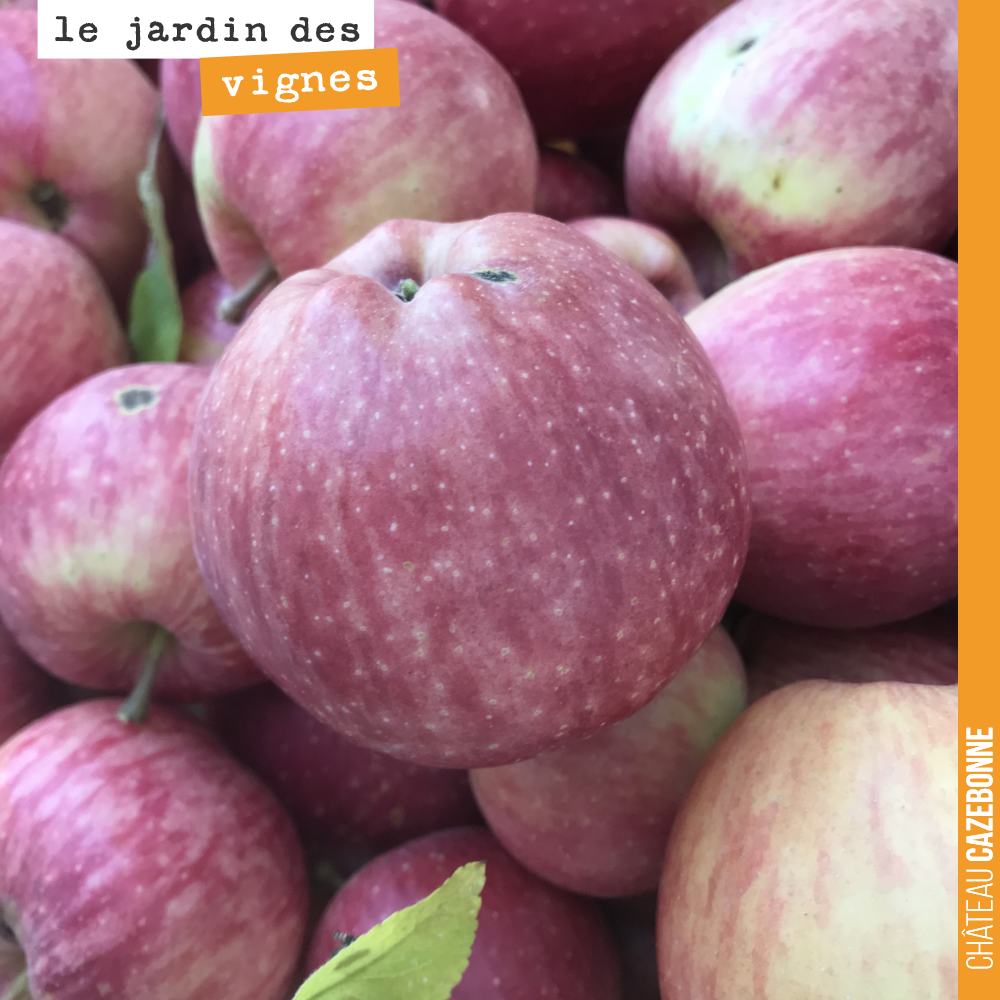
06 October 2018
The cellar, forgotten grape varieties and our cuvées, twice a month. 5% off your first order with the code BIENVENUE.