
26 December 2021
A 1942 text testifying to the quality of our terroirs
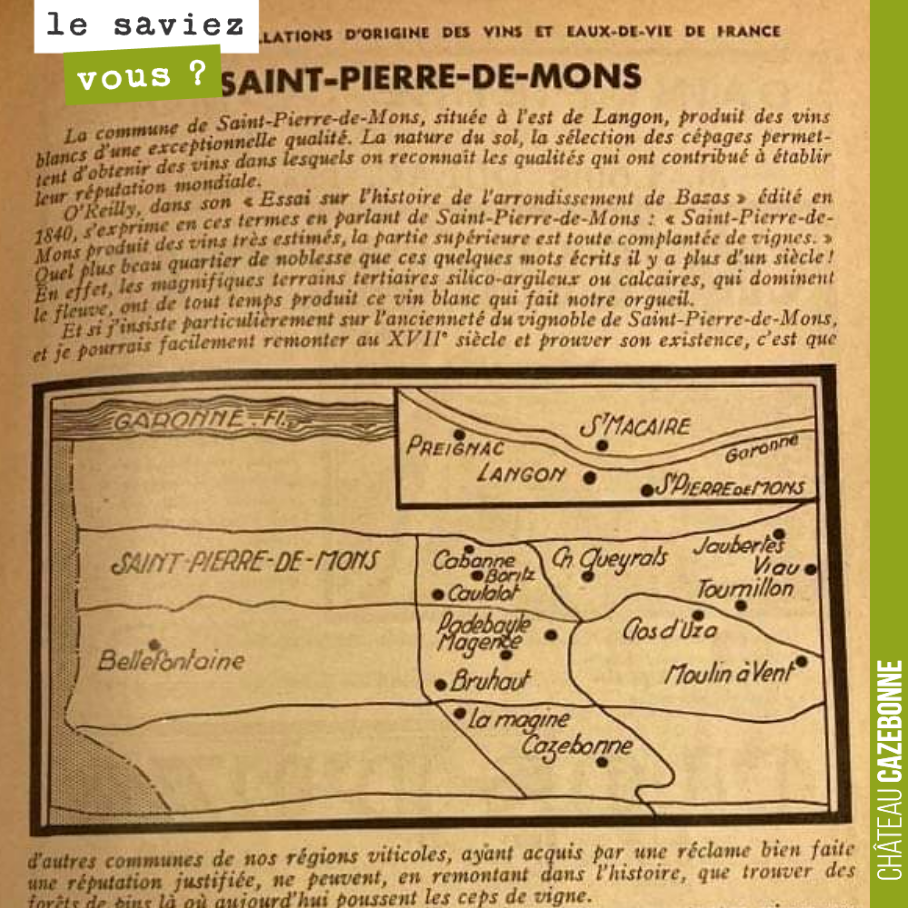
Cazebonne is indicated on this map.
‘Saint-Pierre-de-Mons, situated to the east of Langon, produces white wines of exceptional quality. The nature of the soil and the selection of grape varieties make it possible to produce wines in which one recognises the qualities that have helped establish their worldwide reputation.
O'Reilly, in his 'Essai sur l'histoire de l'arrondissement de Bazas' published in 1840, expressed himself in these terms when speaking of Saint-Pierre de Mons: 'Saint-Pierre de Mons produces highly esteemed wines; the upper part is entirely planted with vines.'
What finer pedigree could there be than these few words written more than a century ago!
Indeed, the magnificent Tertiary silica-clay or limestone soils, overlooking the river, have always produced this white wine that is our pride and joy.
And if I insist particularly on the ancient origins of the Saint-Pierre-de-Mons vineyard, where I could easily trace back to the 17th century and prove its existence, it is because other communes in our wine regions, having gained a justified reputation through well-crafted advertising, can only find pine forests in their history where vine stocks grow today.
In this short monograph, I have no wish to hurt anyone's pride, nor to attempt through exaggerated chauvinism to criticise other terroirs, but I would like, to the best of my abilities, to pay due homage to my little homeland and give it a brilliance for the future that excessive modesty has hitherto denied it.
Do you know its wines? The old wine brokers who read these lines will remember, I am sure, the '93, '95, 1904, 1906, 1914 vintages, to name only the finest years.
Moreover, the sales slips from that fortunate era, when wine was purchased solely on the basis of its distinction, bear witness to its value, with prices ranging from 800 to 1,500 francs per tonneau.
Finally, I believe the present is worthy of the past. The white vineyard of Saint-Pierre de Mons is planted exclusively with Semillon, Sauvignon, and Muscadelle. The harvesting of the grapes is always carried out with the utmost care, and genuine, honest standards are the constant concern of its winemakers. I would add, in closing, that palus vineyards do not exist here, and that the yield of 5 to 6 barriques per hectare proves that quality is sought rather than quantity.
Thus, I hope that justice will be done to this little corner of the Girondin vineyard, whose potential is tangible and whose hopes remain undaunted.
L. DULAC.’
Our suggestions
Treat yourself
-5%on your 1st order with code BIENVENUE
 The essential
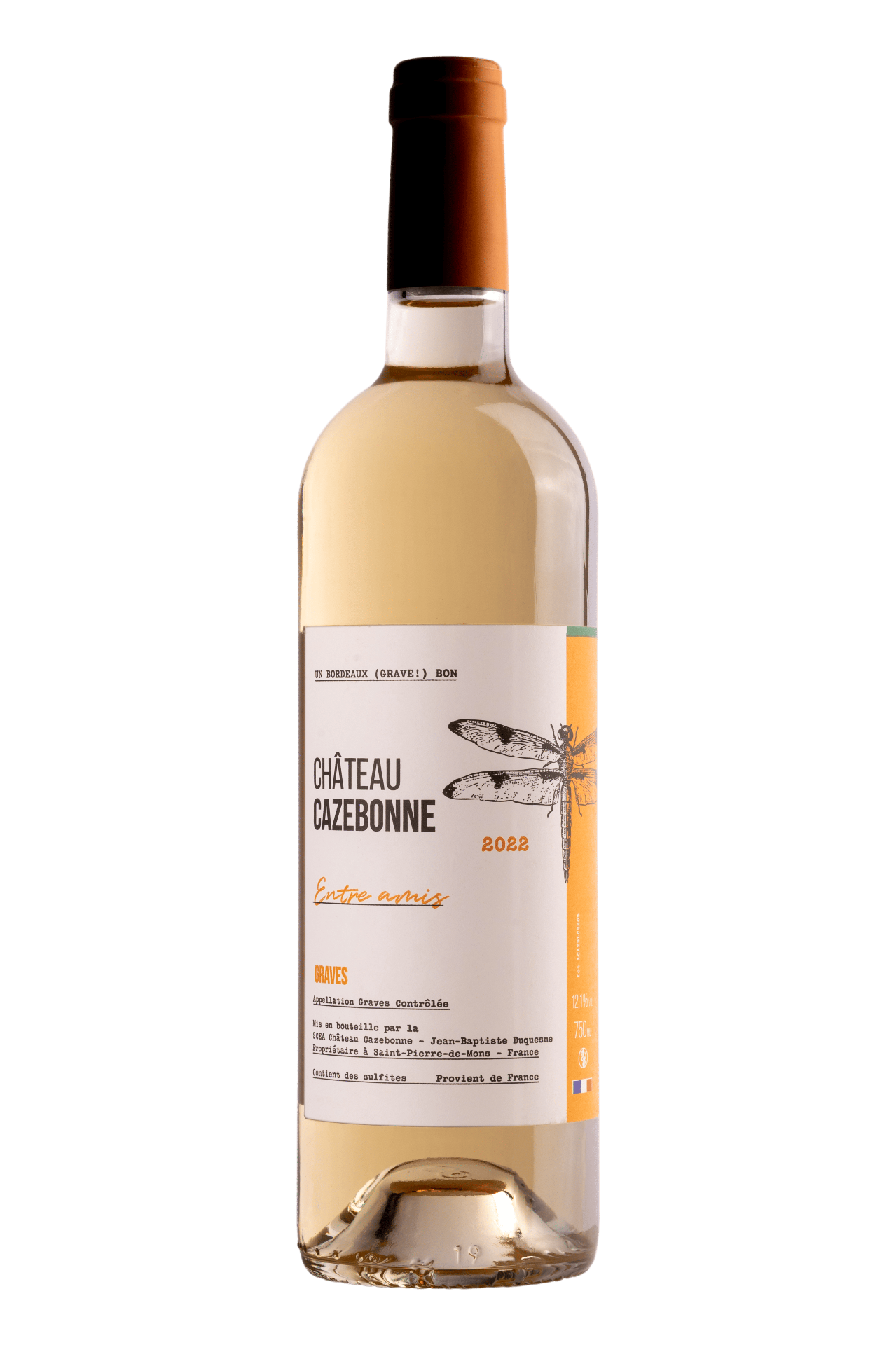
Entre Amis white 2024
Graves white 2024
Crisp and saline: the easy aperitif, at a gentle price.
The estate's thirst-quenching white, open it without thinking.
I want it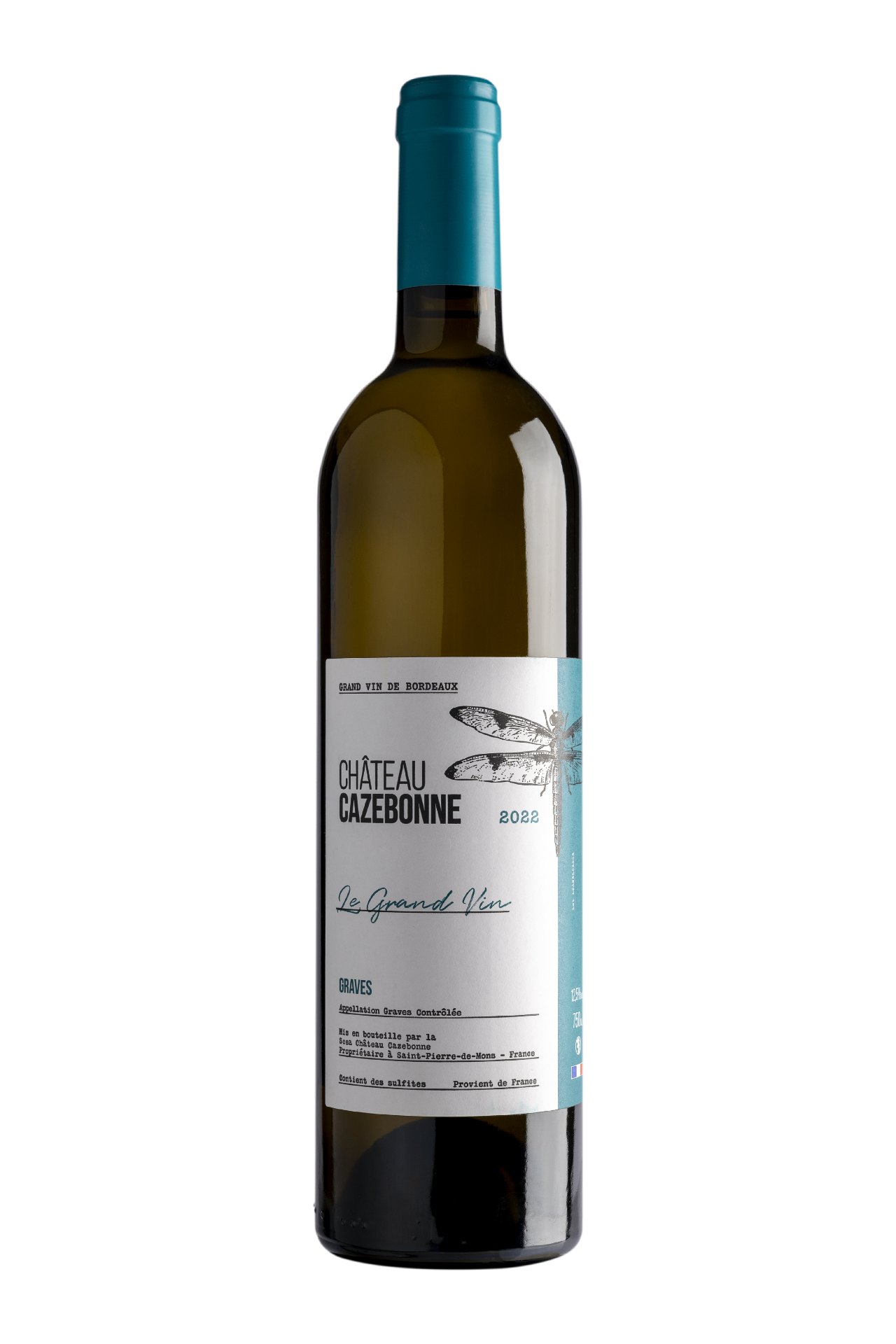 Our recommendation92/100 RVF
Le Grand Vin white 2022
Graves white 2022, 92/100 RVF
Rated 92/100 by La Revue du vin de France: old-vine Sémillon.
The great Graves white: taut and deep.
I want it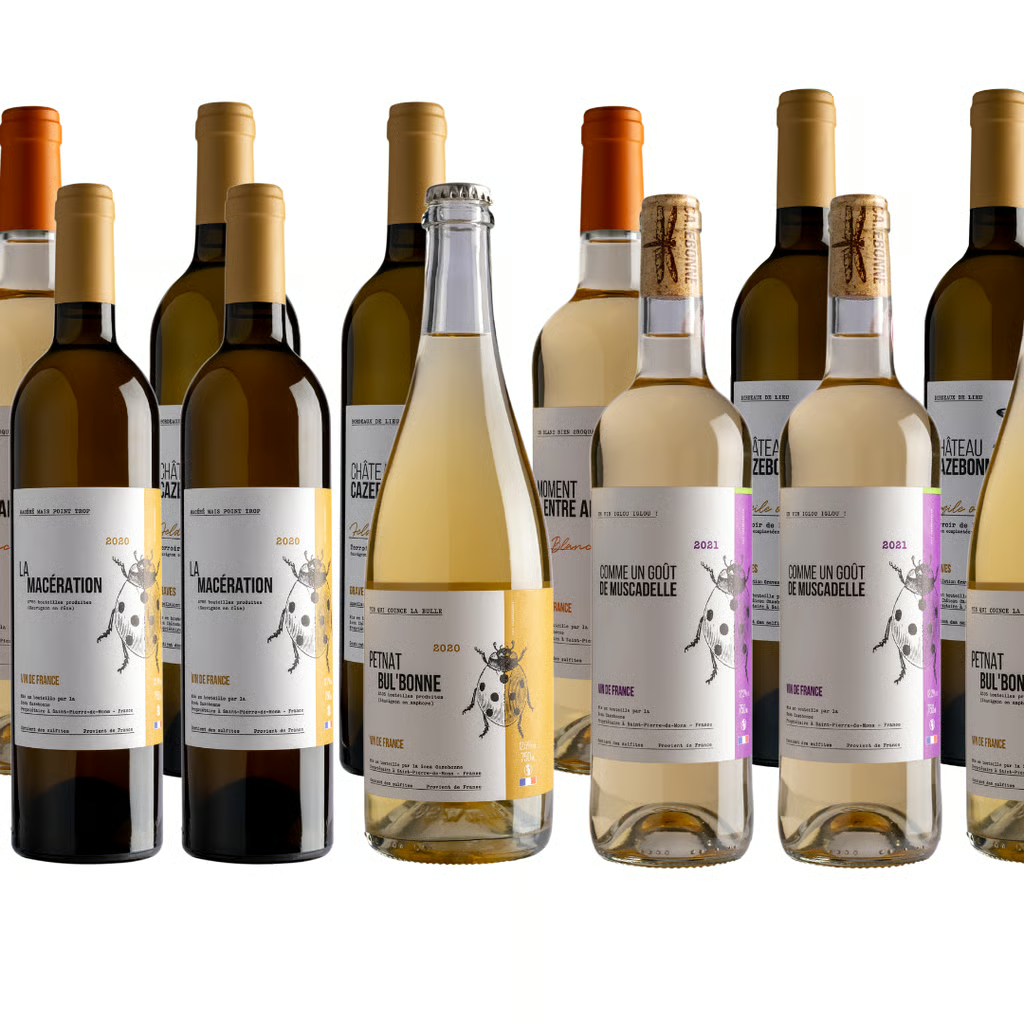 Go further
Case of 12 whites
12 bottles — plot selection
All our organic whites together: the complete plot-by-plot flight.
To explore Sémillon in all its forms.
I want it