
28 April 2022
In our vineyards, we are now systematically planting rootstocks before grafting our forgotten grape varieties onto them in the second or third year
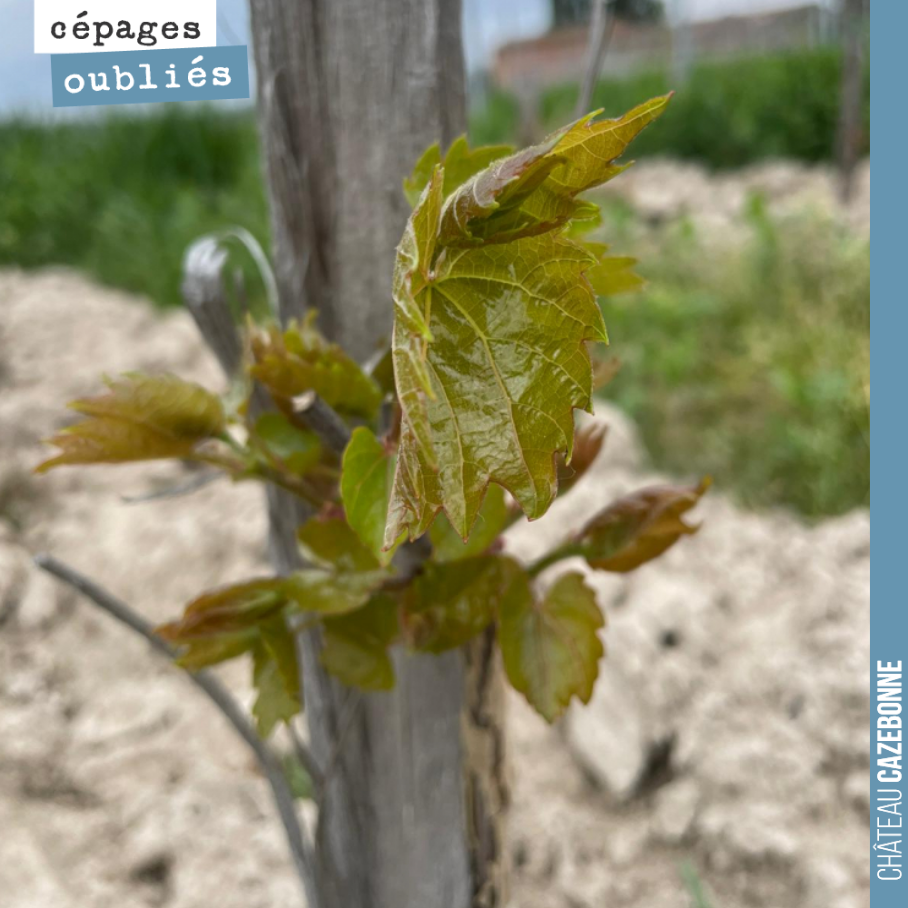
We have found that the vine establishes itself much better, allowing the plant to take root properly. Graft healing is resource-intensive for the plant, and we believe it is far better to require this effort from the rootstock once it is well established and has started to build up reserves.
This practice is naturally more expensive and is not eligible for planting subsidies. Yet at a time when vineyards are suffering from decline, and when global warming is set to test our vines severely, we feel it is essential to experiment and challenge our practices.
We may not be here in 50 years to see if our vines are still standing, but our children, we hope, will be able to reap the rewards of these choices.
This is clearly not a financial calculation, for finance cannot account for value created over such horizons.
We must restore purpose to our craft and stop prioritising the short term.
Our suggestions
Treat yourself
-5%on your 1st order with code BIENVENUE
 The essential92/100 RVF
Comme en 1900 red 2022
Vin de France — heritage grapes, 92/100 RVF
The pre-phylloxera Bordeaux blend, revived at the estate.
Castets, Mancin, Pardotte: the Bordeaux before Bordeaux.
I want it Our recommendation
La Dame Noire 2023
IGP Atlantique — rare grape variety
A forgotten grape brought back: dense colour, wild fruit.
For the curious about lost grape varieties.
I want it Go further
Discovery case, 12 bottles
12 bottles — the whole range
12 bottles, the whole range tasted: the best discovery-to-price ratio.
The complete tour of the estate, in a single case.
I want it