
 The essential
6 × Entre Amis red
6 bottles — Graves red 2022
The best price of the cellar: €12 per bottle delivered.
The everyday red: generous and straight to the point.
I want itSeasons
In the world of wine, few elements are as fascinating and decisive as the cycle of the seasons. Like a natural metronome, they set the rhythm for the life of the vine, shaping every bunch and, ultimately, every vintage. From winter dormancy to the excitement of the harvest, each stage is a promise, a relentless work of nature that we observe and nurture with passion at Château Cazebonne.
The vine's vegetative cycle is a succession of stages that repeat each year, from winter to high summer, then to autumn, culminating in the harvest. Unlike other crops, the vine experiences a period of complete rest, which is essential to its longevity. This natural process is fundamental for the development of our grape varieties and the quality of the wines produced, and every phase is crucial for the development of the grapes.
The cycle of the vine is intrinsically linked to annual climatic variations. Day length, temperature, and rainfall are all signals that the plant receives to initiate the different phases of its development. Simply put, photosynthesis, the process by which the vine converts solar energy into sugars, is at the heart of this mechanism. It enables the growth of the plant's organs and the accumulation of aromatic compounds in the berries. These phenomena are essential markers for the winegrower in their vineyard work.
In winter, the vine rests. Stripped of its leaves, it appears to be asleep, but it is during this dormant period that the future buds are prepared. Beneath the bitter cold and winter rains, the sap retreats into the roots, concentrating its energy for the spring awakening. This is also the ideal time for pruning, an ancestral art that consists of guiding the vine for future harvests, balancing production and grape quality. The winter season also allows for work on the soils and the structure of the vine.
Then comes spring, bringing renewal. The first 'tears', a flow of sap from the pruning wounds, announce the imminent awakening of the plant. Budburst then reveals tender green buds, the promise of future leaves and flowers. This is a delicate period, when the risk of late frosts can jeopardise an essential part of the harvest. Every winegrower carefully monitors the weather, ready to implement various protections to preserve these fragile buds. The flowering that follows is a key moment for fruit set.
Summer is the season of blossoming. Flowering transforms the small flowers into young berries, marking the beginning of bunch formation. These swell and change colour during veraison, turning from green to purplish-red for black grape varieties, or golden for white grape varieties. Generous sunshine and beneficial rains are then crucial for the grapes to reach perfect maturity, accumulating the sugars, acids, and characteristic aromas that will create all the complexity of the wine. Summer in the vineyards is synonymous with development.
Finally, autumn is the climax of this cycle. It is harvest time, the culmination of a year of hard work and observation. Every grape picker, whether harvesting by machine or by hand, takes part in this precious harvest. It is at this moment that we perceive the full palette of colours the vine has to offer, from the deep greens of summer leaves to the shimmering russets of autumn, contrasting with the sap-filled berries. The entire winemaking process then begins.
For the winegrower, observing the vine is like reading an open book. The 'tears' announce the awakening of the sap after pruning. The appearance of the bunches after flowering, and their change of colour at veraison, are direct indicators of the cycle's progress and the harvest's potential. Even the colour of the leaves in autumn, before they fall, can provide clues about the general health of the plant throughout the year. These signs are essential for anticipating and adapting interventions.
At Château Cazebonne, we are particularly mindful of respecting the cycles of the vine. This is why we have embarked on a unique approach in Bordeaux: the replanting of forgotten grape varieties, the ambassadors of an almost lost viticultural heritage. This adventure, partly inspired by the research and stories found in Jean-Baptiste Duquesne's book "Bordeaux, une histoire de cépages", is only possible thanks to the trust and support of the many enthusiasts who have adopted our wines, thereby participating in the revival of these ampelographic treasures.
There are sometimes misconceptions regarding the vine and its seasons. For example, the belief that the vine is "asleep" in winter and requires no attention. In reality, it is a fundamental period of preparation: pruning determines future production and the vine accumulates nutritional reserves. Another misconception is that grape maturity depends solely on the sun. While the sun is crucial, the balance between sugar, acidity, and aromas is also influenced by factors such as cool nights, well-timed rainfall, and soil characteristics. Keen observation and a deep understanding of these dynamics are necessary for high-quality viticulture.
Discover our cuvées made from these rare and authentic grape varieties by visiting our online shop. To deepen your knowledge of the fascinating history of Bordeaux grape varieties in Biodynamics, you can receive the digital version of the book "Bordeaux, une histoire de cépages" directly by email by visiting our dedicated ancient grape varieties book page. And why not test your knowledge via our oenological quizzes?
Sources
Our suggestions
-5%on your 1st order with code BIENVENUE
The essential6 bottles — Graves red 2022
The best price of the cellar: €12 per bottle delivered.
The everyday red: generous and straight to the point.
I want it Our recommendation92/100 RVF
6 bottles — Graves red 2022, 92/100 RVF
Rated 92/100 by La Revue du vin de France: a solid 10-year ageing potential.
Our Graves for ageing, the finest gateway to the estate.
I want it Go further
12 bottles — the whole range
12 bottles, the whole range tasted: the best discovery-to-price ratio.
The complete tour of the estate, in a single case.
I want it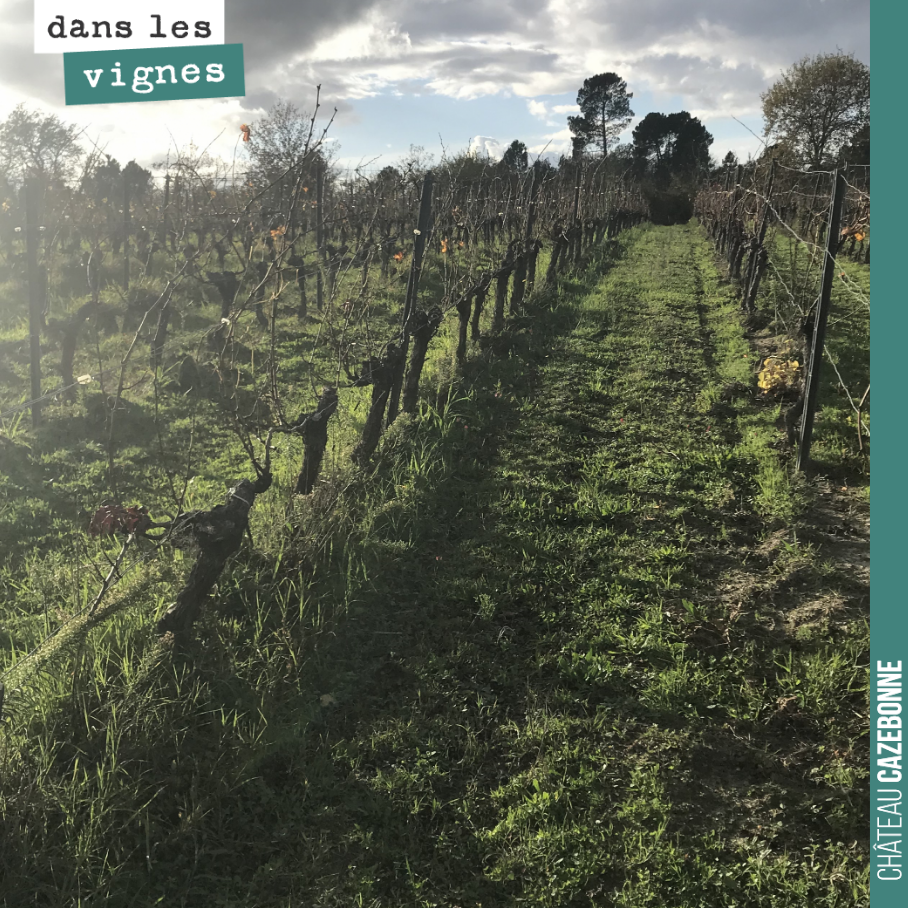
13 November 2020
The cellar, forgotten grape varieties and our cuvées, twice a month. 5% off your first order with the code BIENVENUE.