
 The essential
6 × Entre Amis red
6 bottles — Graves red 2022
The best price of the cellar: €12 per bottle delivered.
The everyday red: generous and straight to the point.
I want itCycles
At Château Cazebonne, we are the privileged witnesses of an immutable spectacle, that of the perpetual cycle of the vine. Each year, as the seasons pass, nature orchestrates a symphony of transformations, a delicate and powerful ballet that reminds us of the vital force of our Bordeaux terroir. From winter dormancy to the excitement of the harvest, every stage is a promise, a step towards the unique expression of our wines. This ancestral rhythm is the very soul of our estate, a source of endless wonder.
The cycle of the vine, or vegetative cycle, represents all the biological and physiological transformations that the vine experiences over the course of a year. From bud break to fruit production, and then vegetative rest, this process is completely linked to the seasons and climatic conditions. It is the pillar of viticulture and determines the quality and quantity of the annual harvest.
The vine cycle is divided into several distinct phases, each influenced by environmental factors such as sunlight, temperature, and humidity. This complex mechanism allows the plant to draw on its reserves, grow, flower, bear fruit, and finally prepare for the cold season. Understanding these mechanisms is essential for the winegrower to intervene at the right time and support the vine throughout the year.
The vegetative cycle of the vine follows a precise calendar, although variable according to regions and vintages. In Bordeaux, pruning is generally carried out in winter, prefiguring bud burst in spring, followed by flowering and fruit set. Summer is marked by veraison and the ripening of the berries, culminating in the autumn harvest. Each season brings its share of specific viticultural tasks, adapted to the needs of the vine.
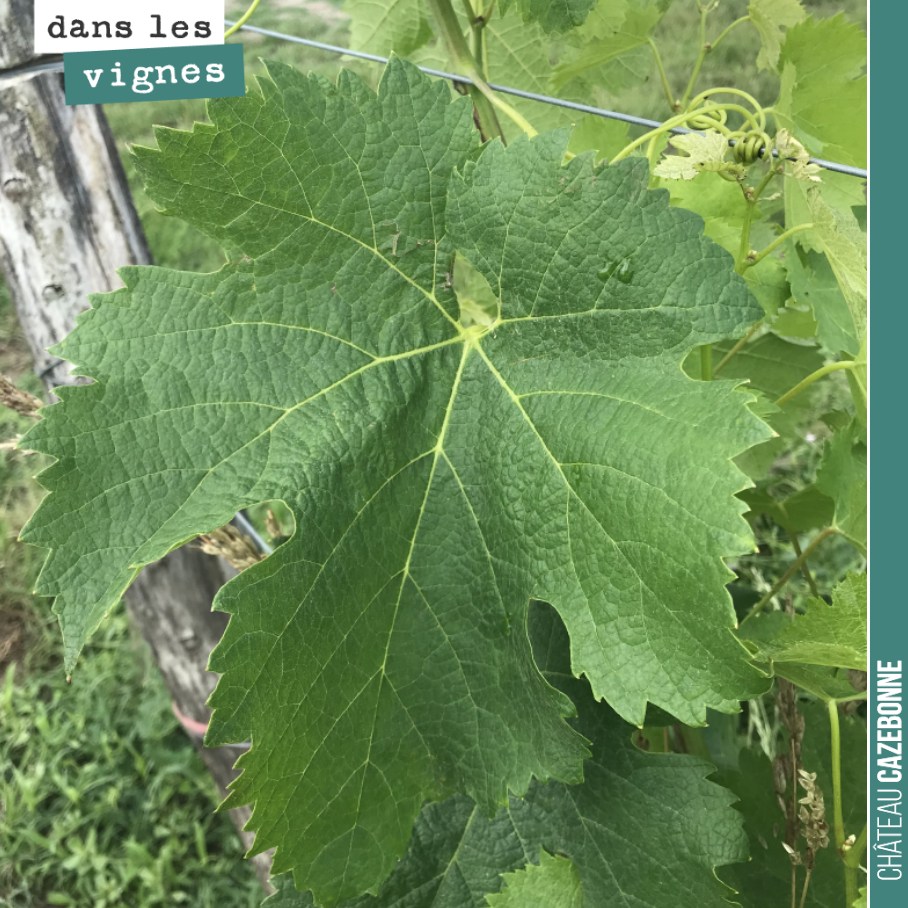
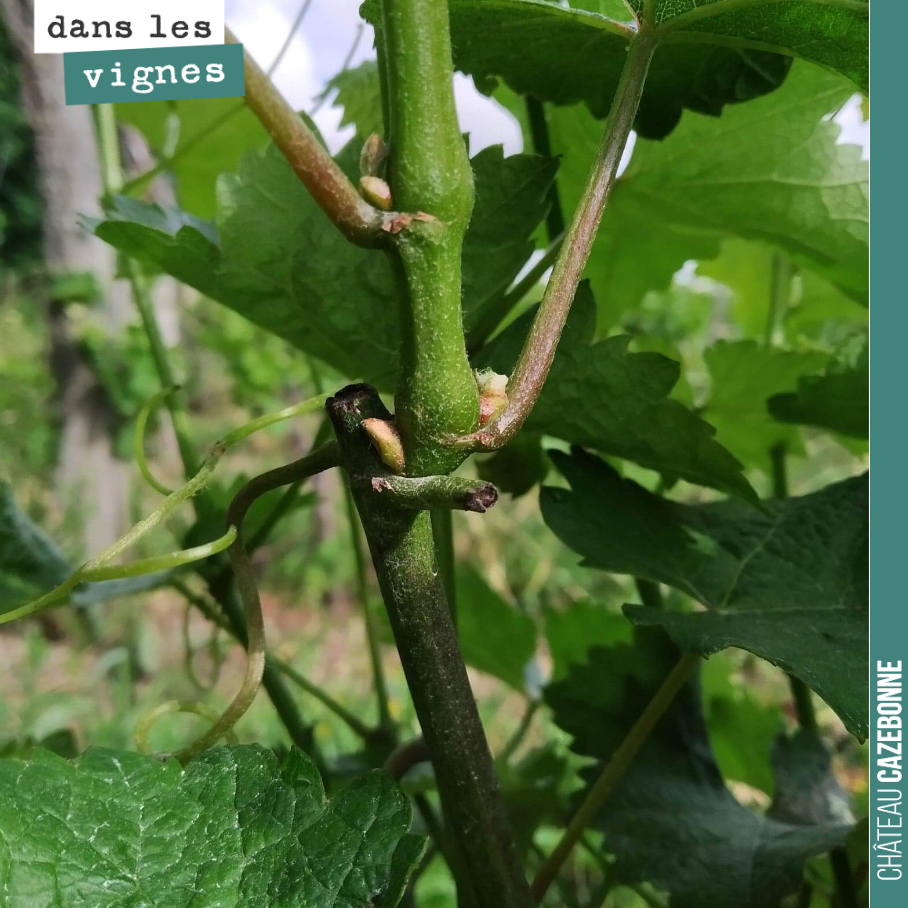
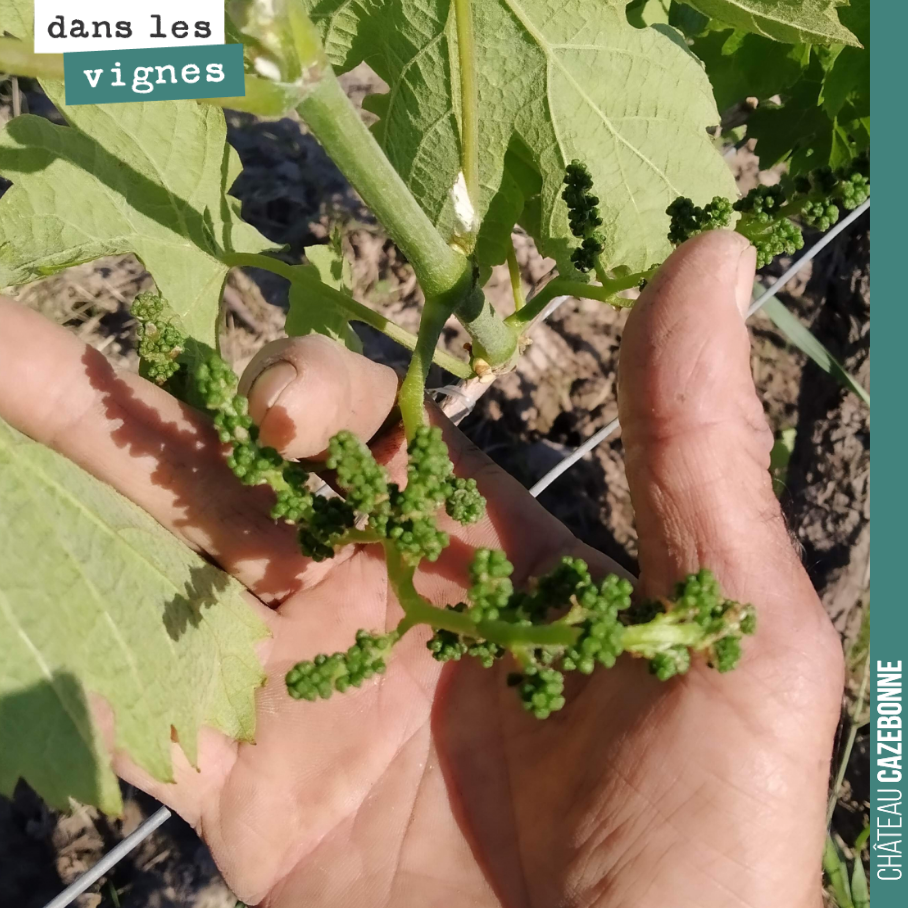
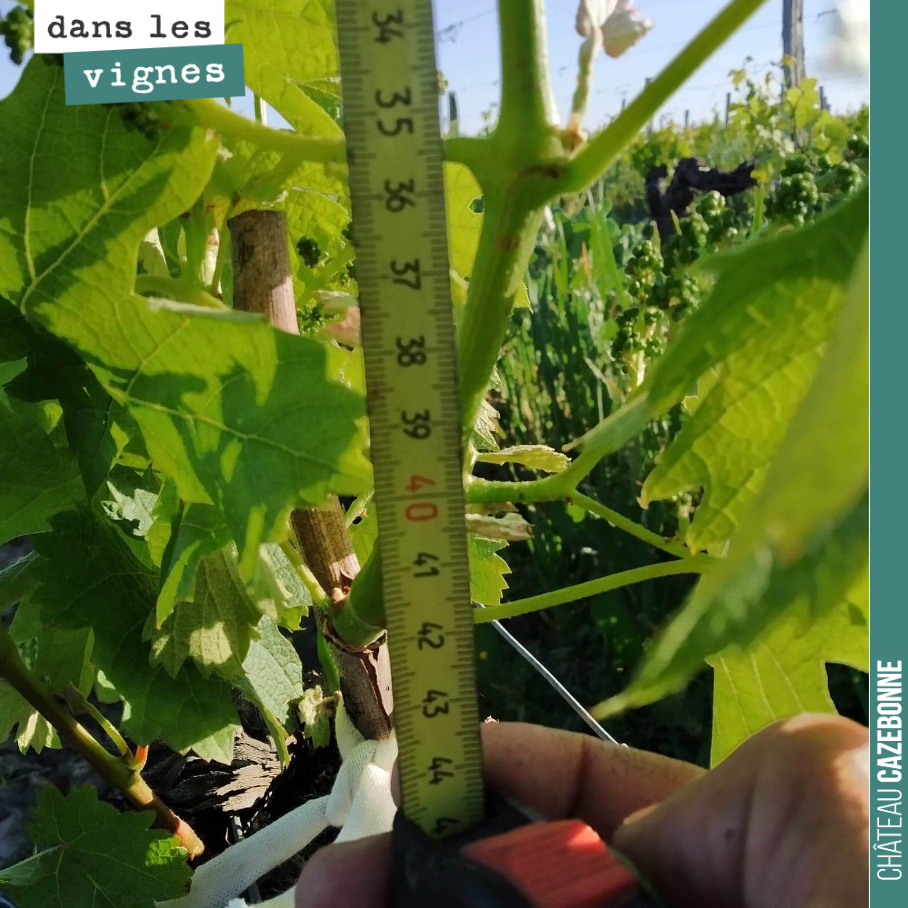
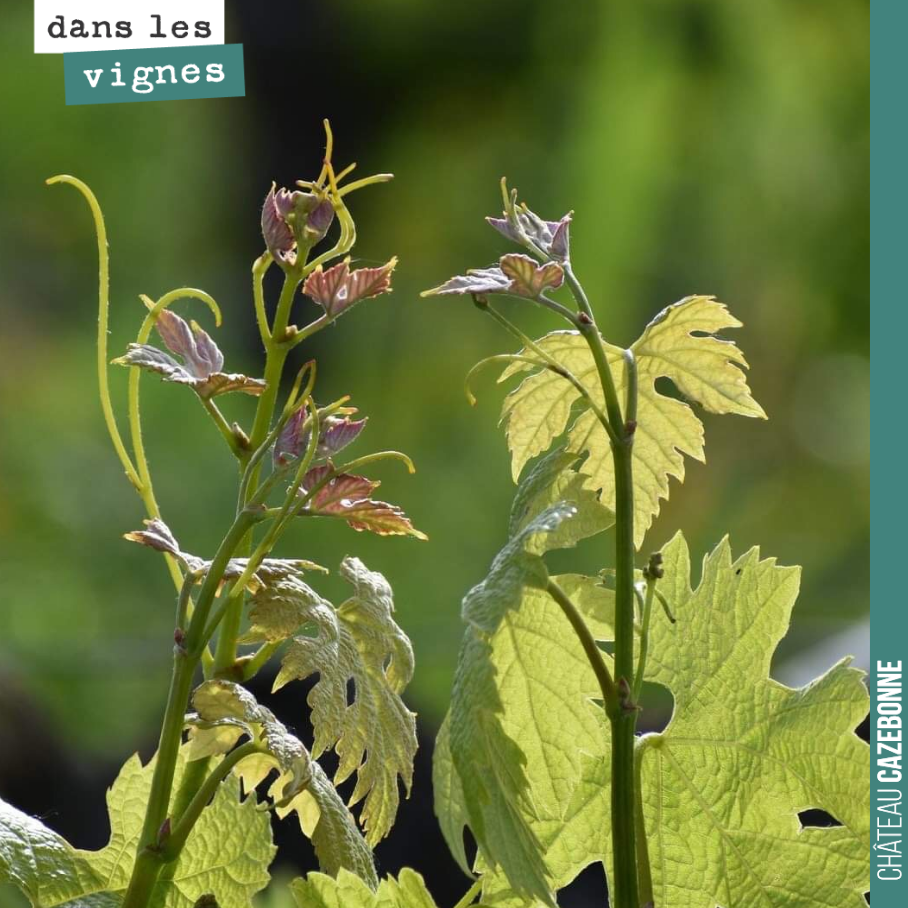
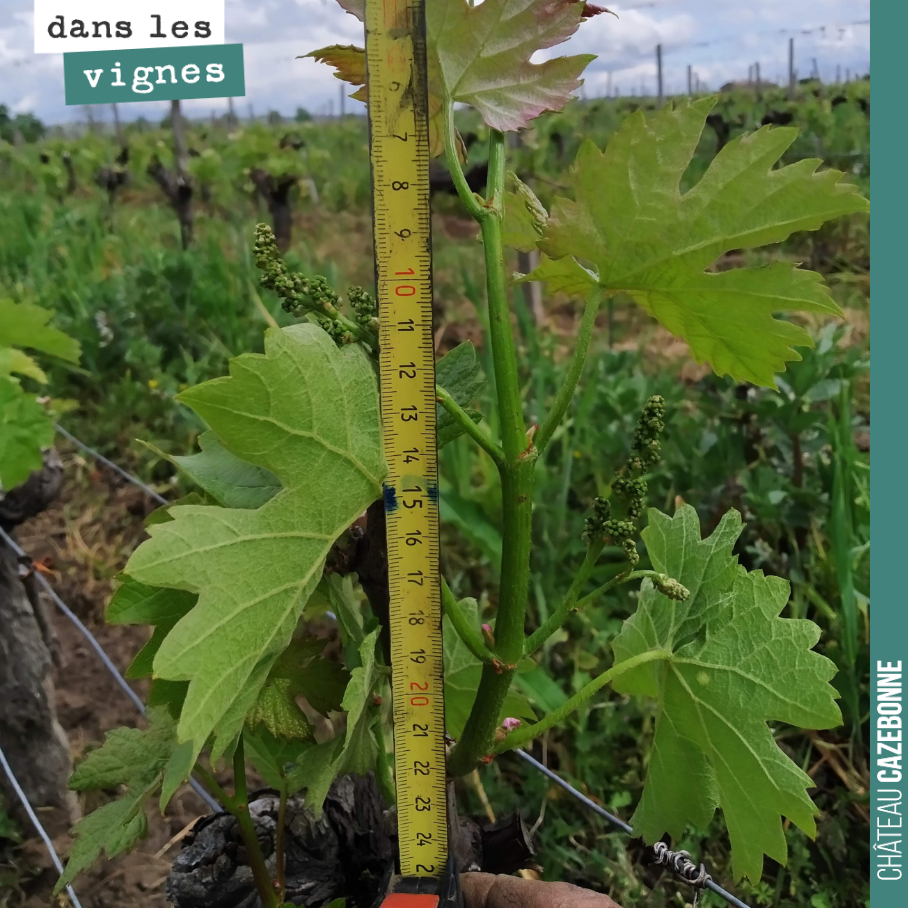
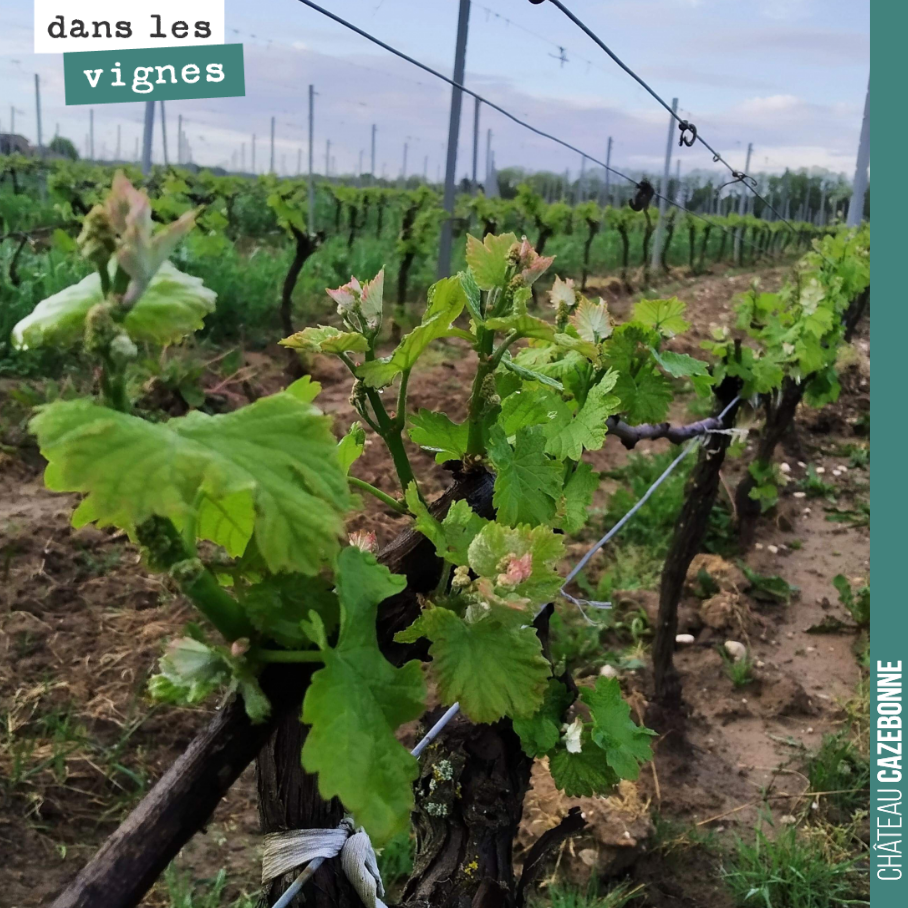
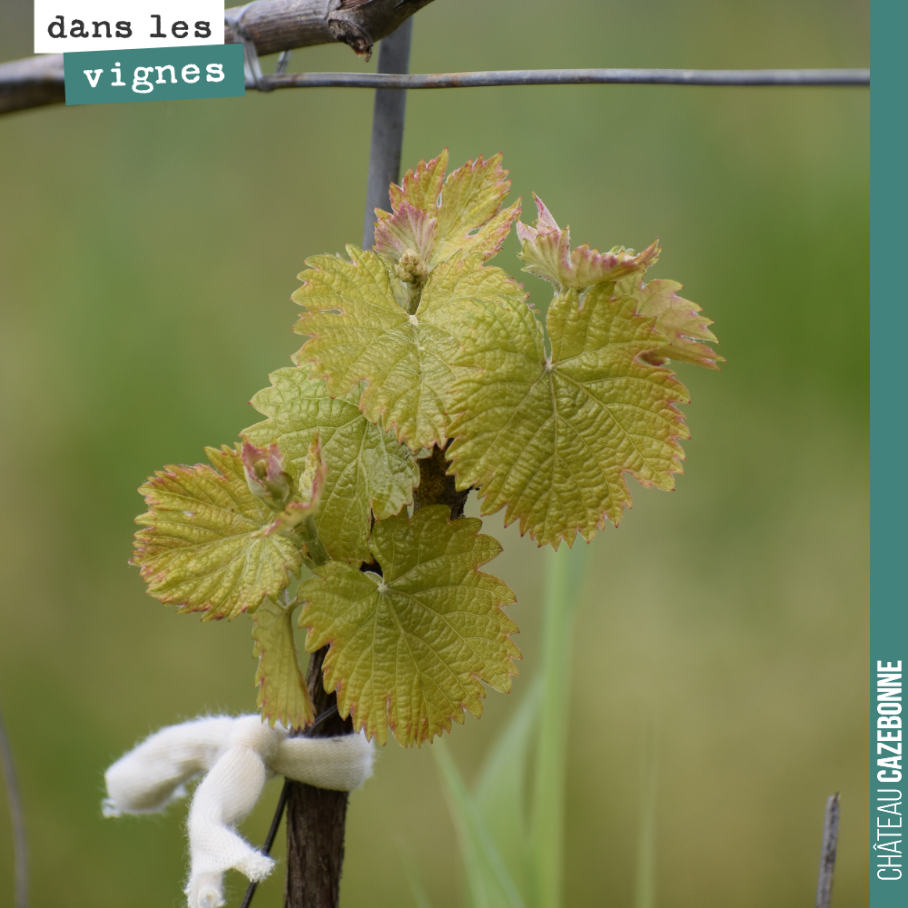
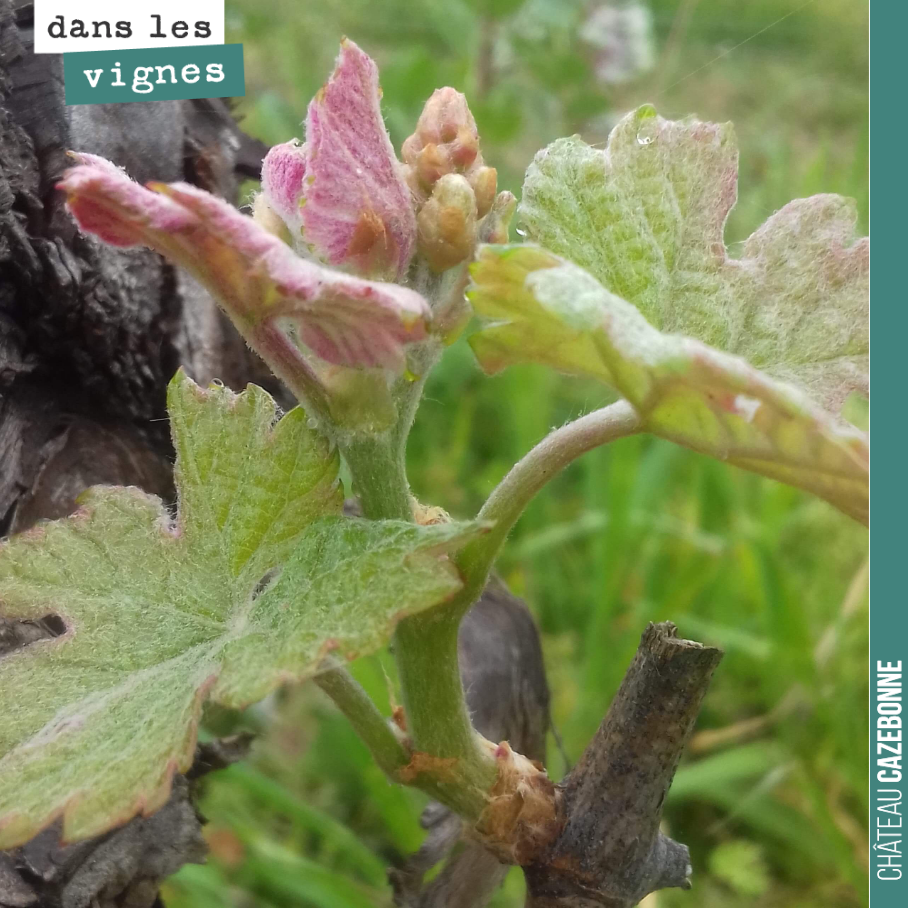
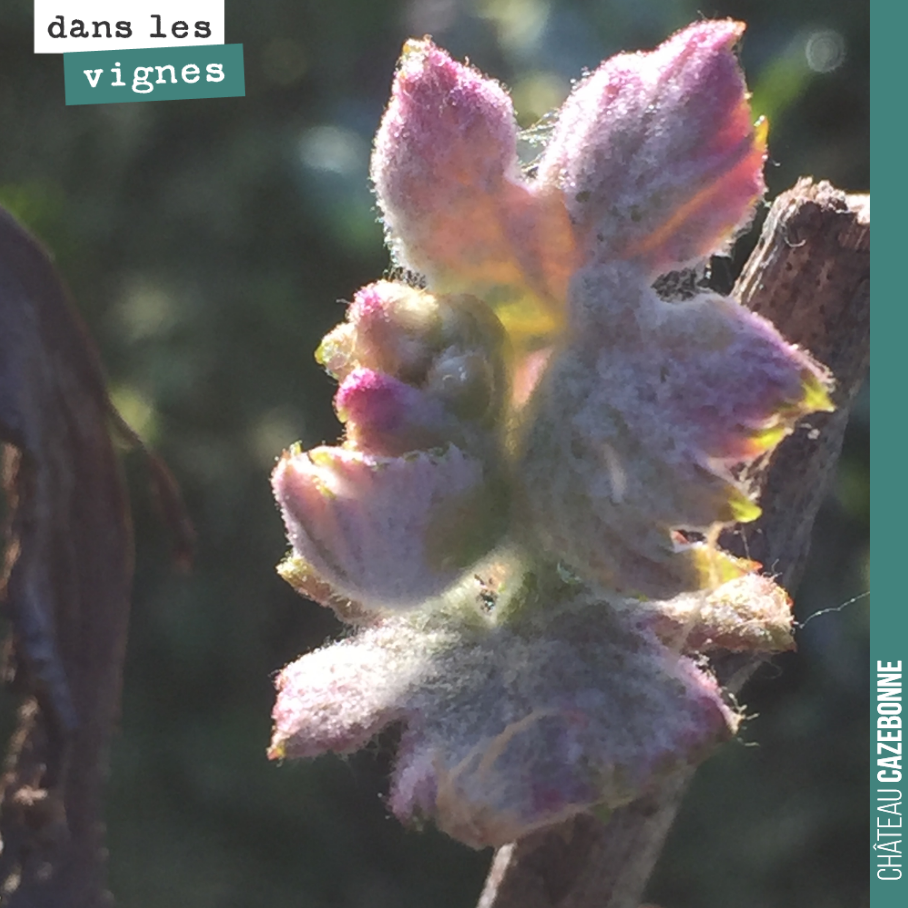
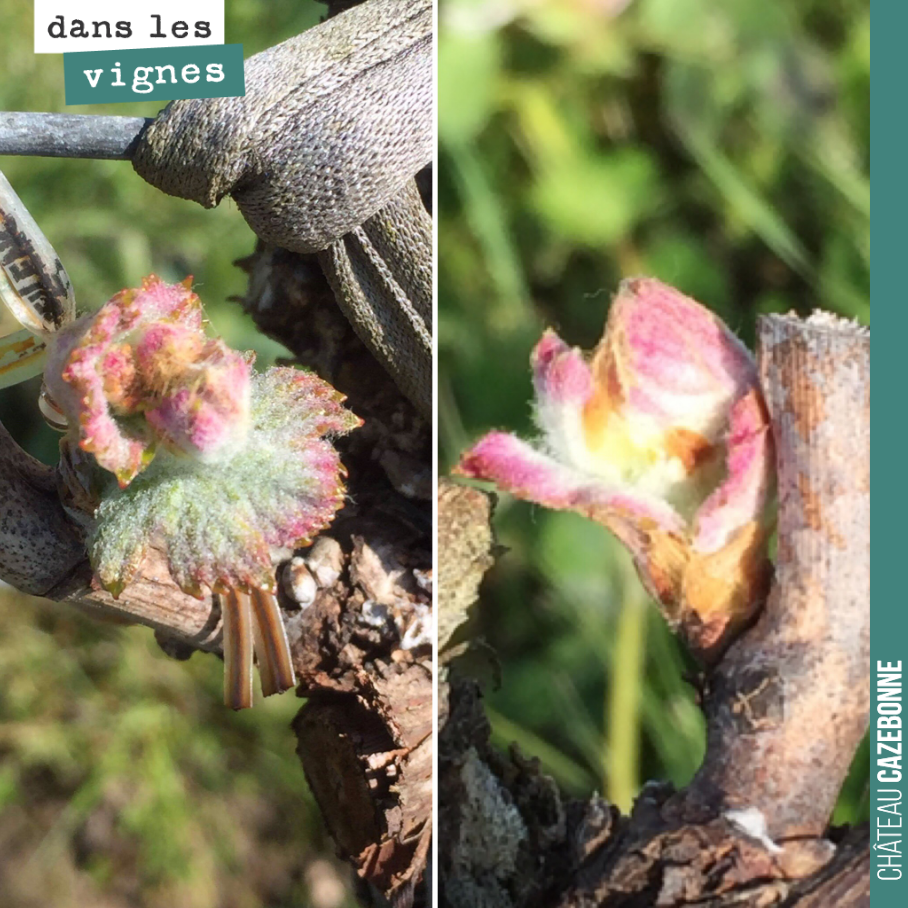
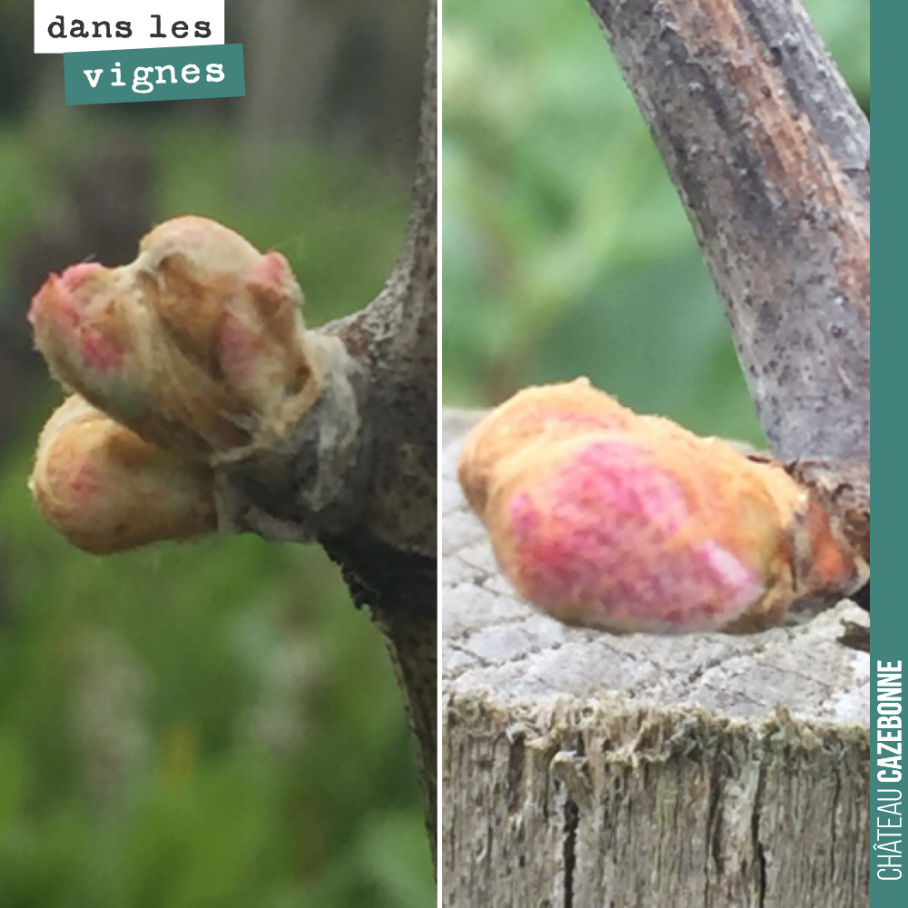
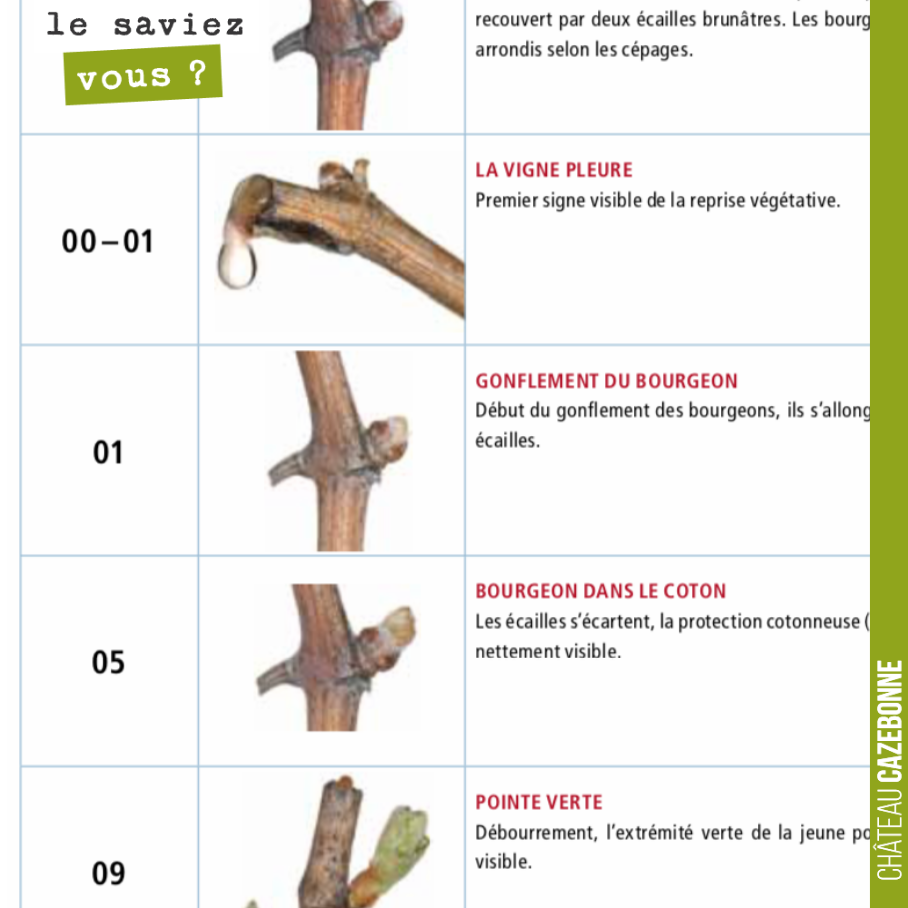
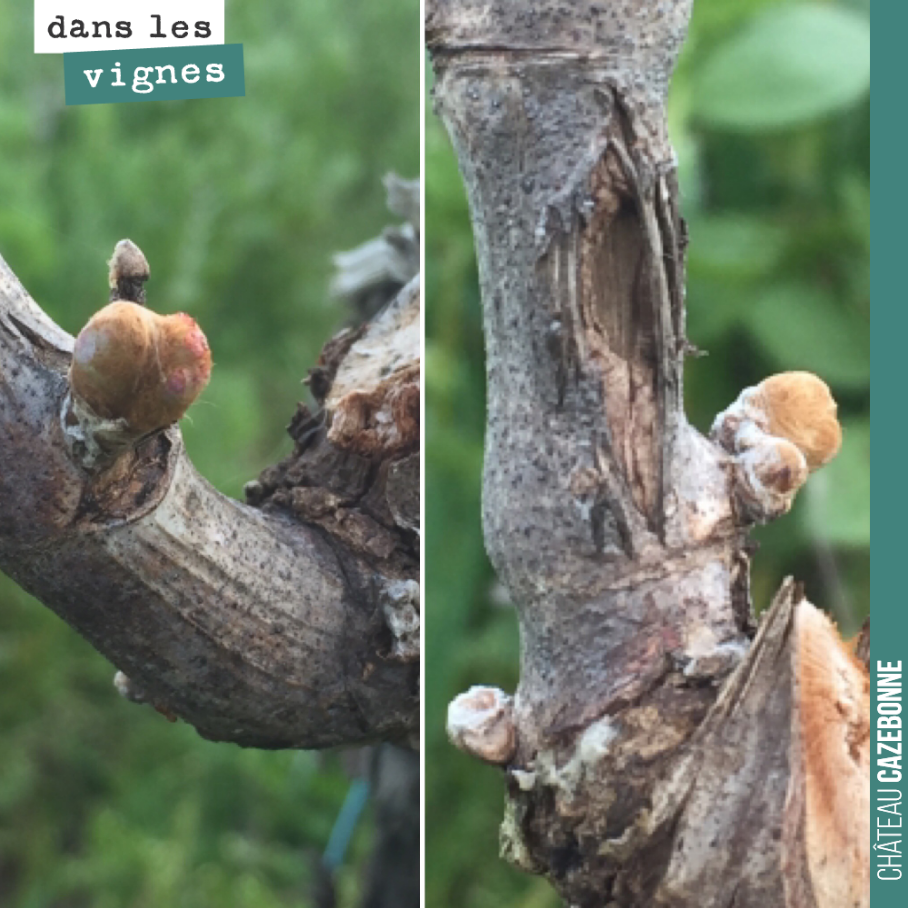
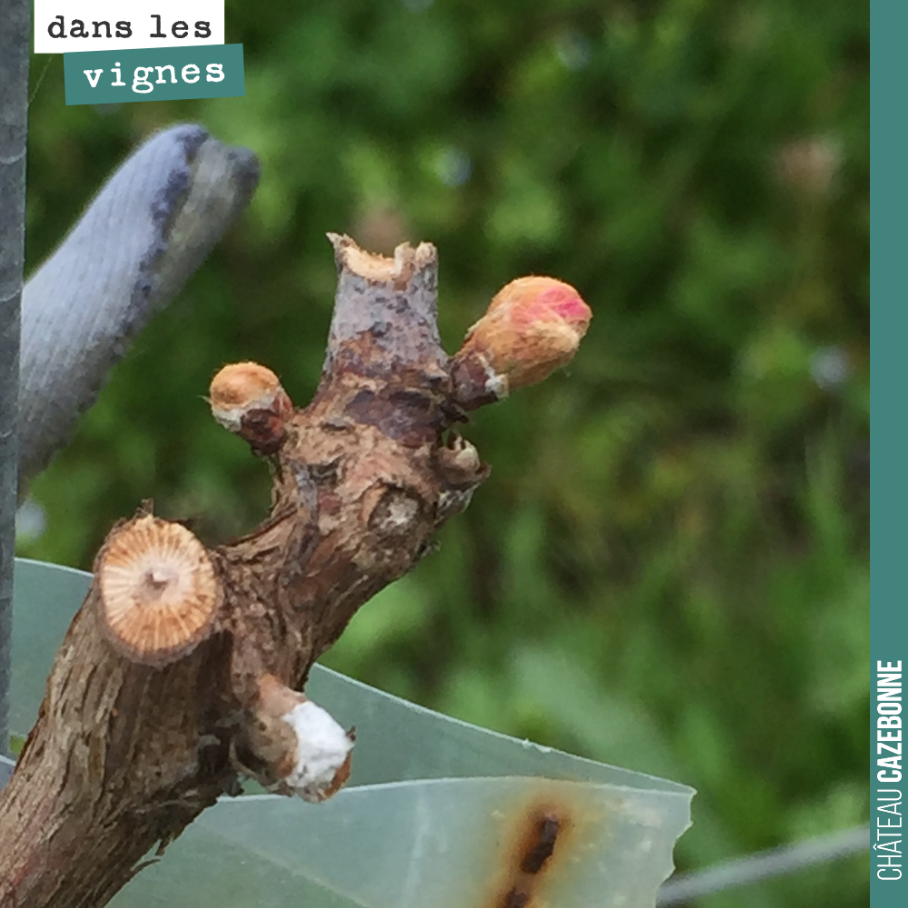
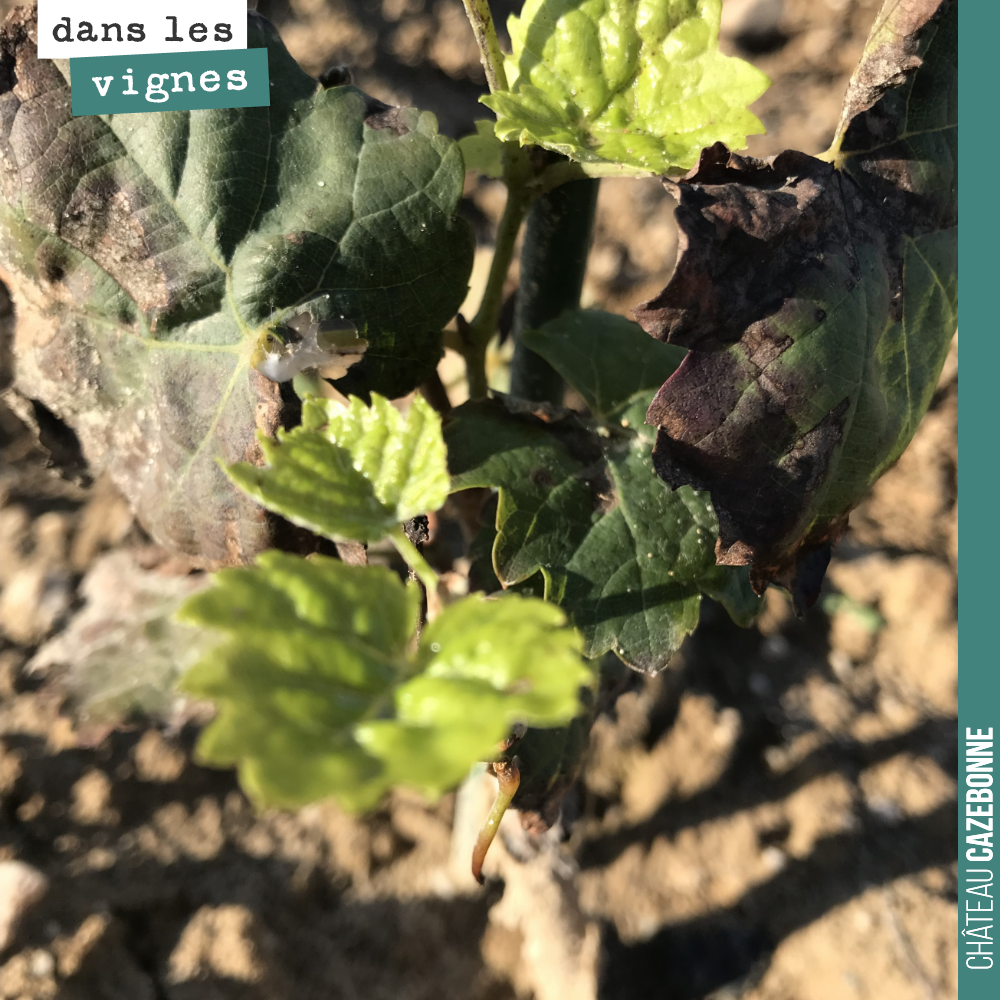
The vine offers many observable signs at each stage of its cycle. The weeping of the vine in spring indicates the restart of sap circulation. Young shoots, the appearance of leaves, and then inflorescences are all indicators of the cycle's progression. The colour change of the berries during veraison, the accumulation of sugars, and the development of aromas are carefully monitored by our teams to determine the optimal harvest date.
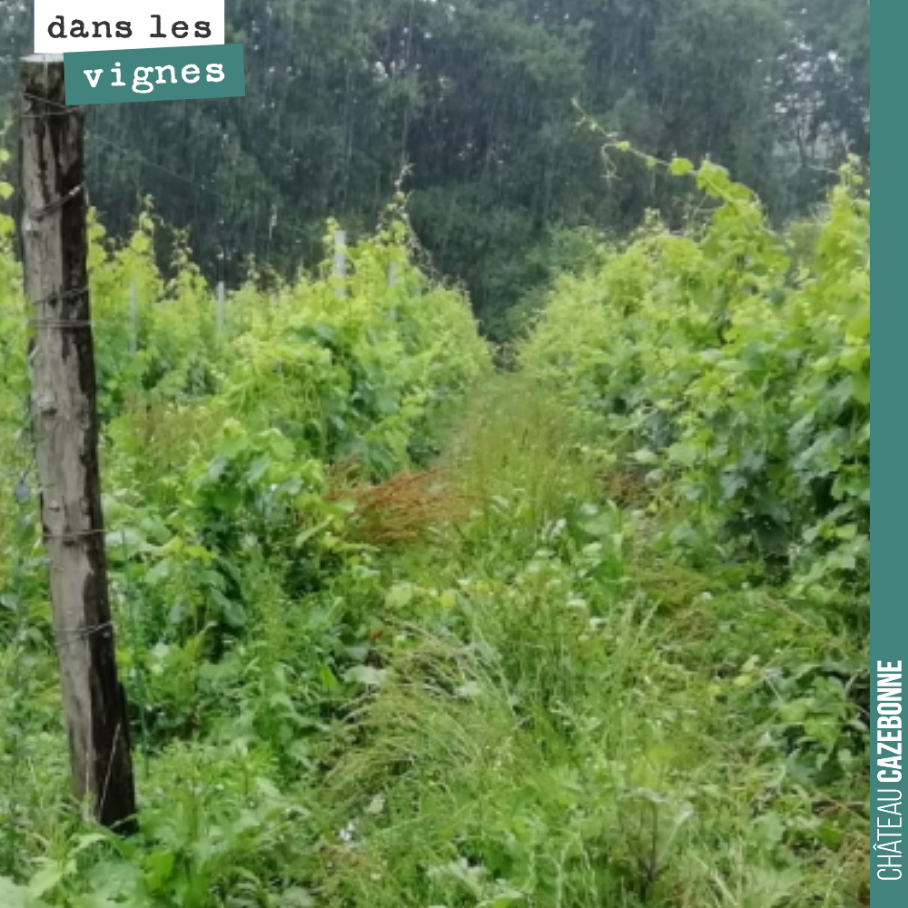
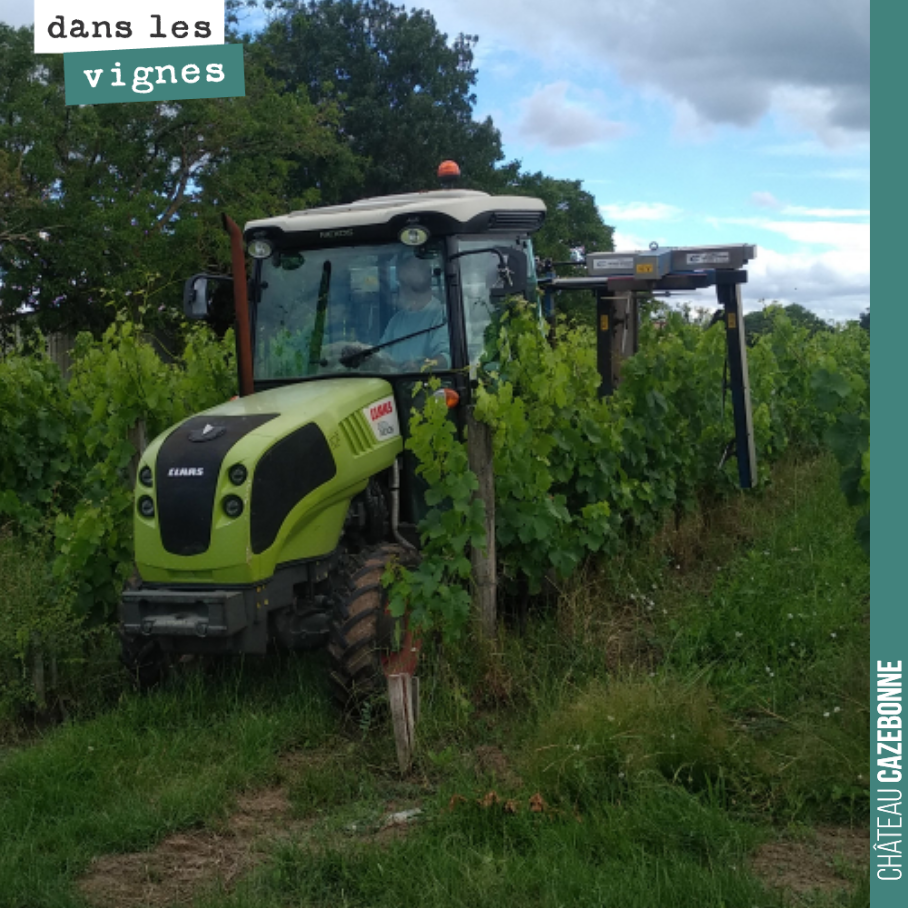
At Château Cazebonne, we place the observation and respect of natural cycles at the heart of our practices. Our commitment to biodynamics reinforces this approach, considering the vine as part of a global ecosystem. We adapt our interventions (pruning, leaf pulling, trellising) to support the vine without constraining it, thereby fostering its natural balance and the pure expression of our terroir. This meticulous work is fundamental for the quality of our wines and the sustainability of our vineyard, particularly with the rediscovery of forgotten grape varieties.
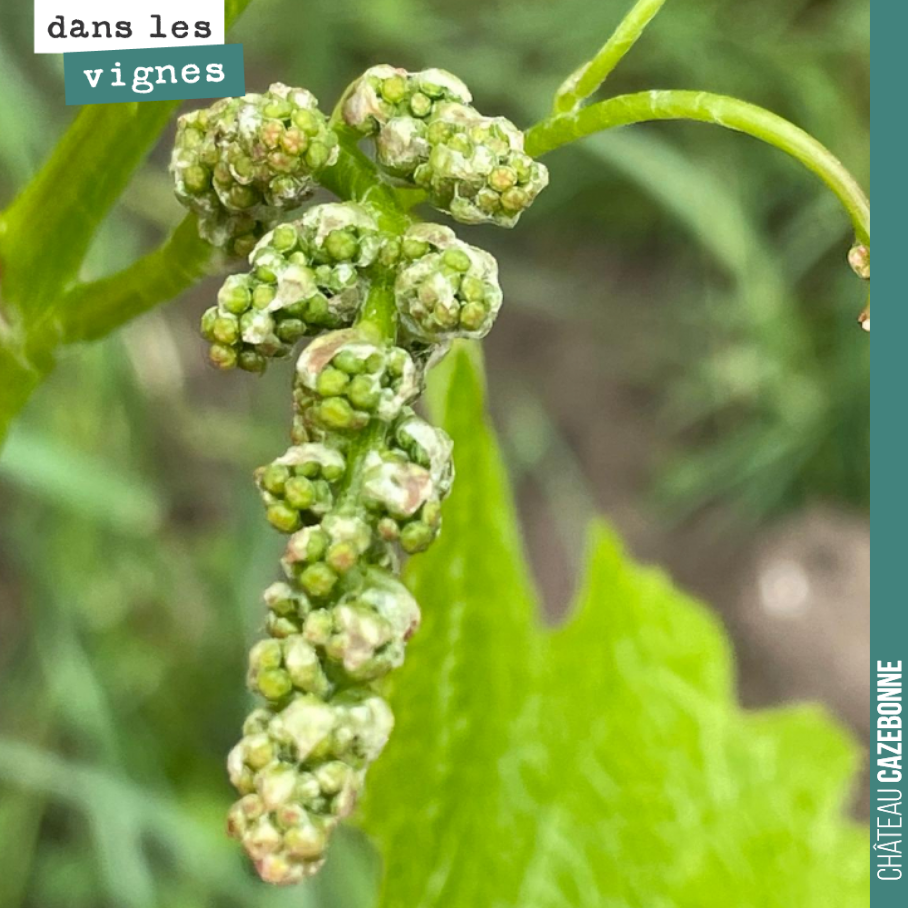
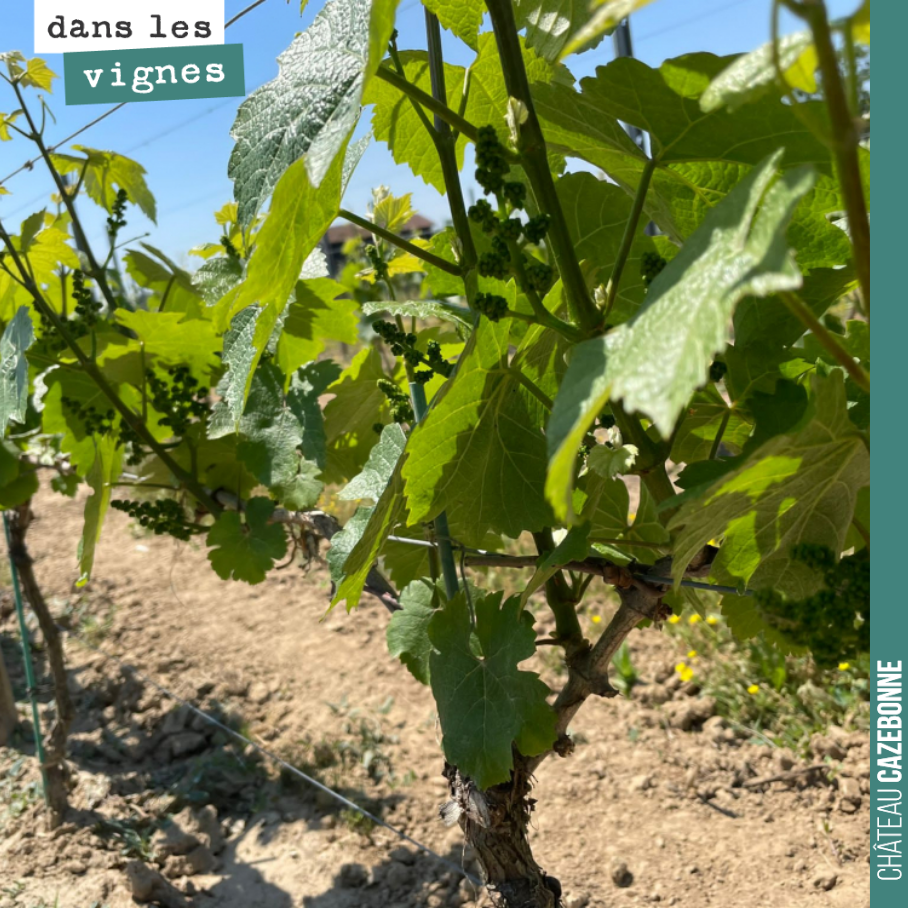
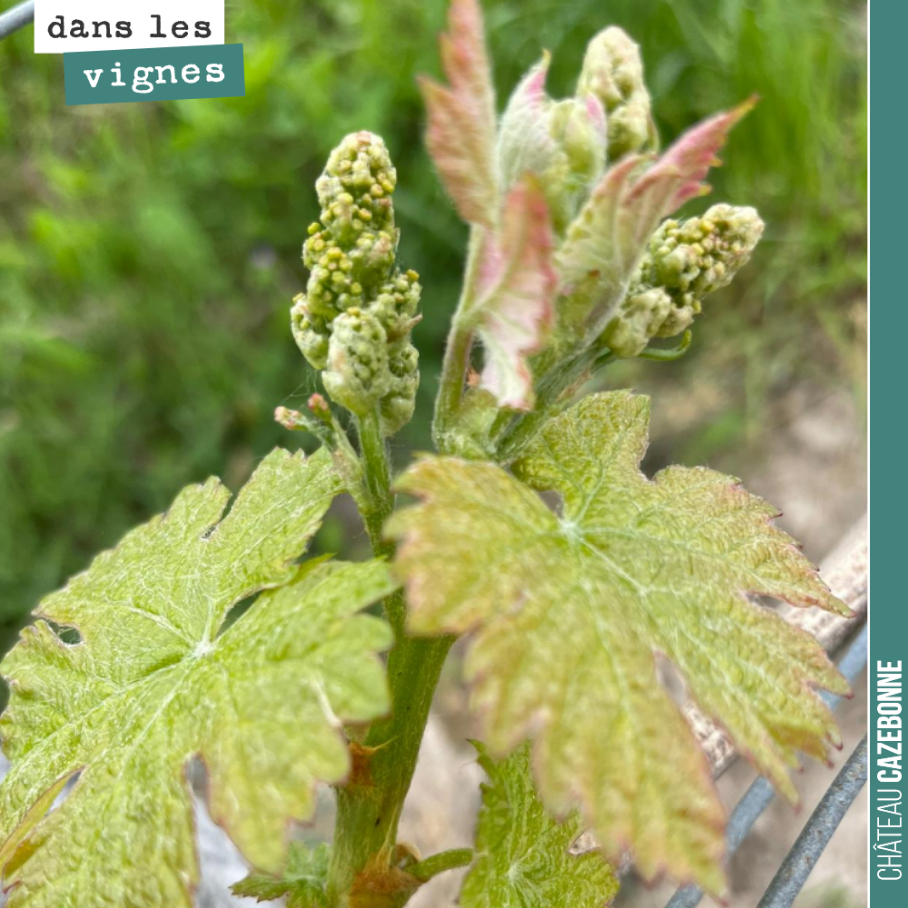
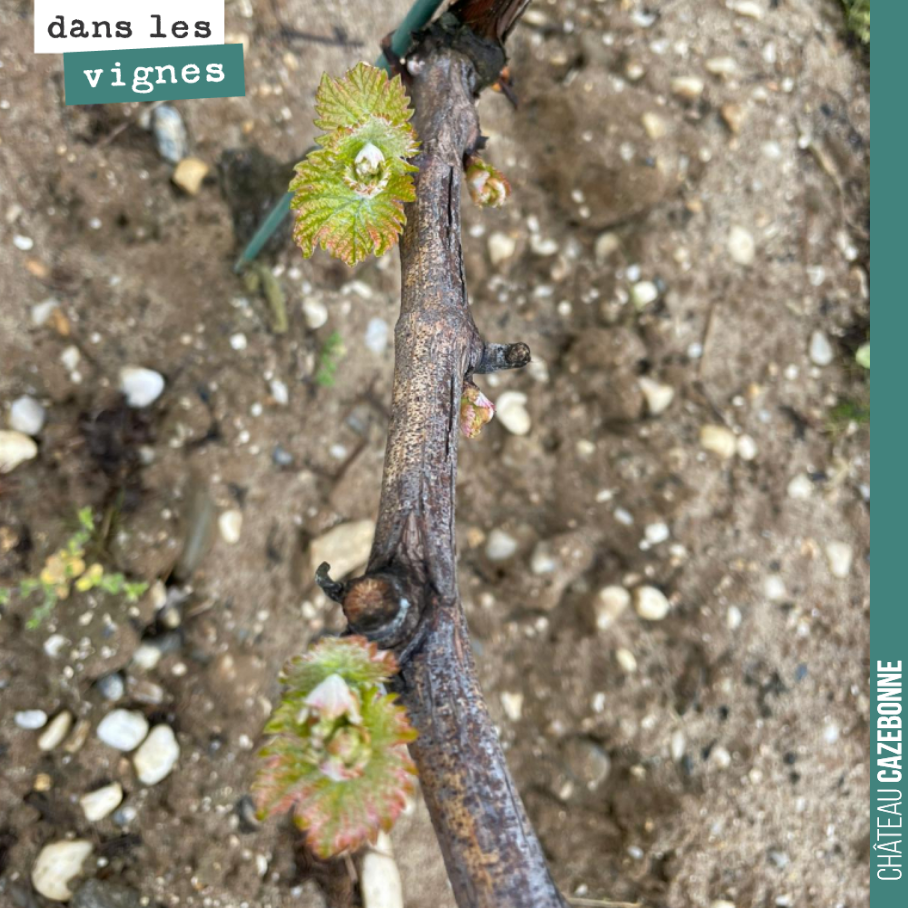
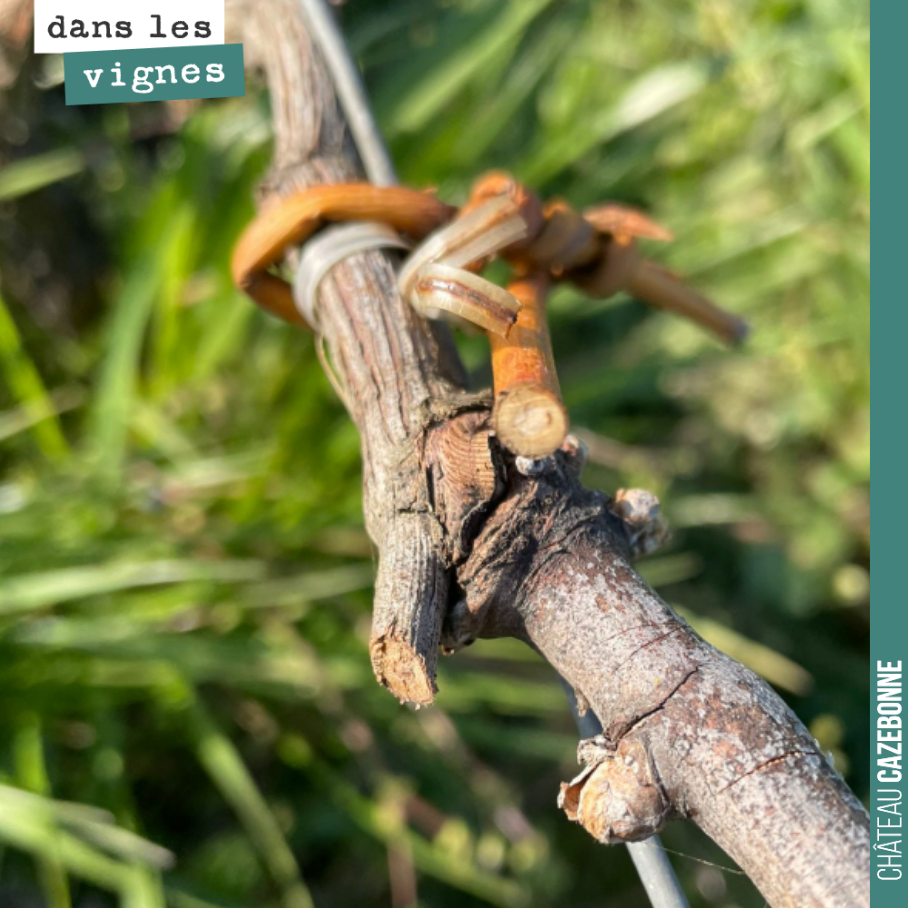
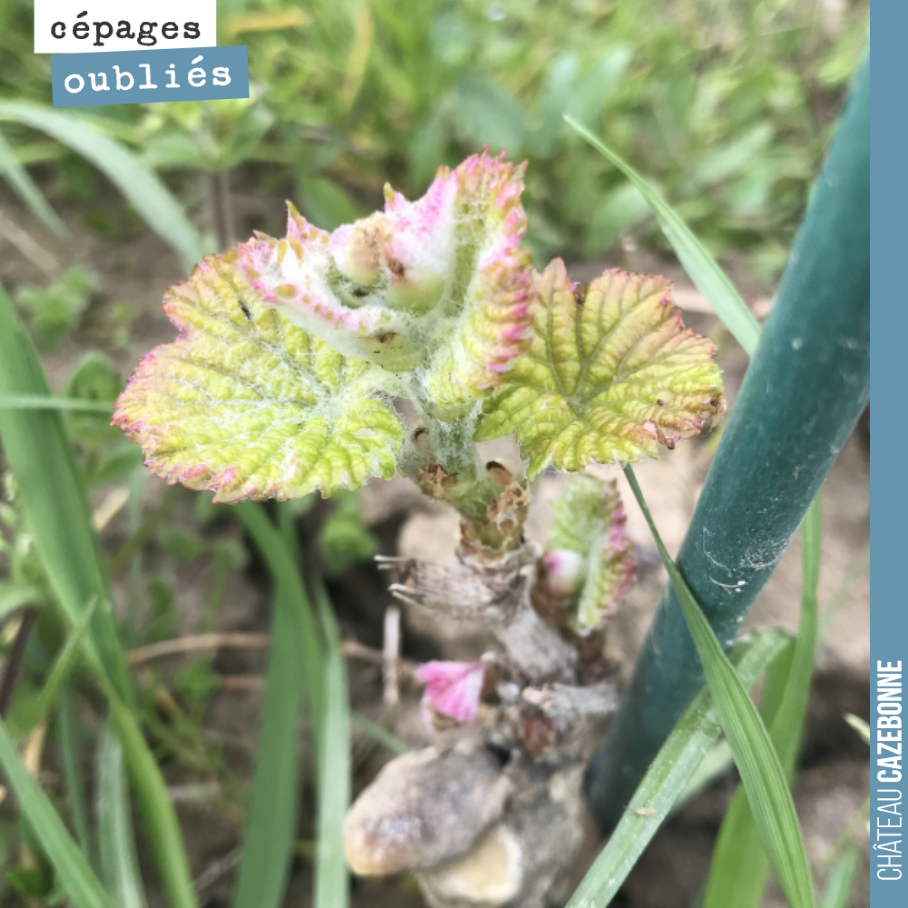
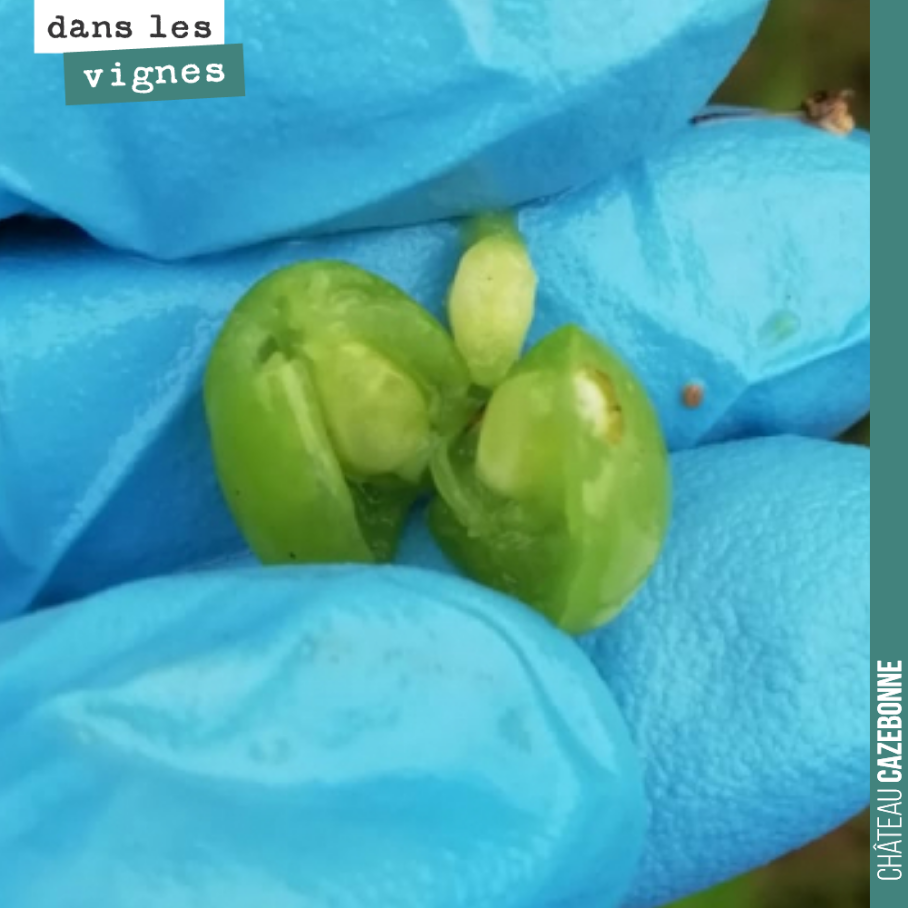
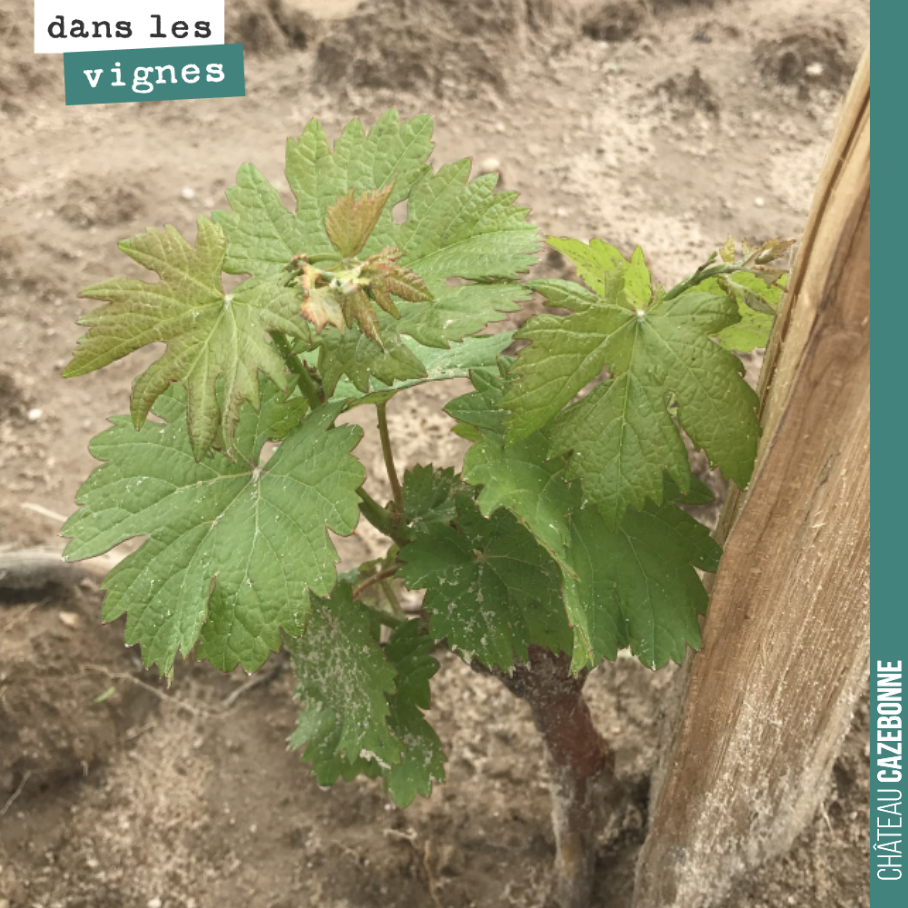
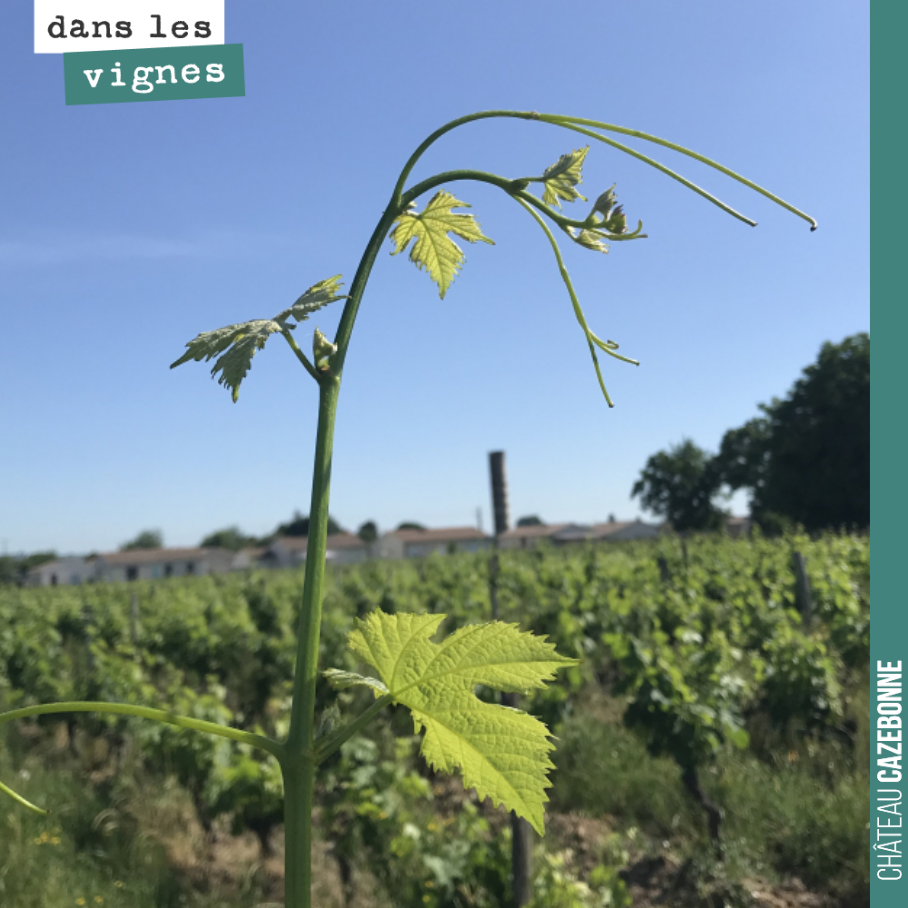
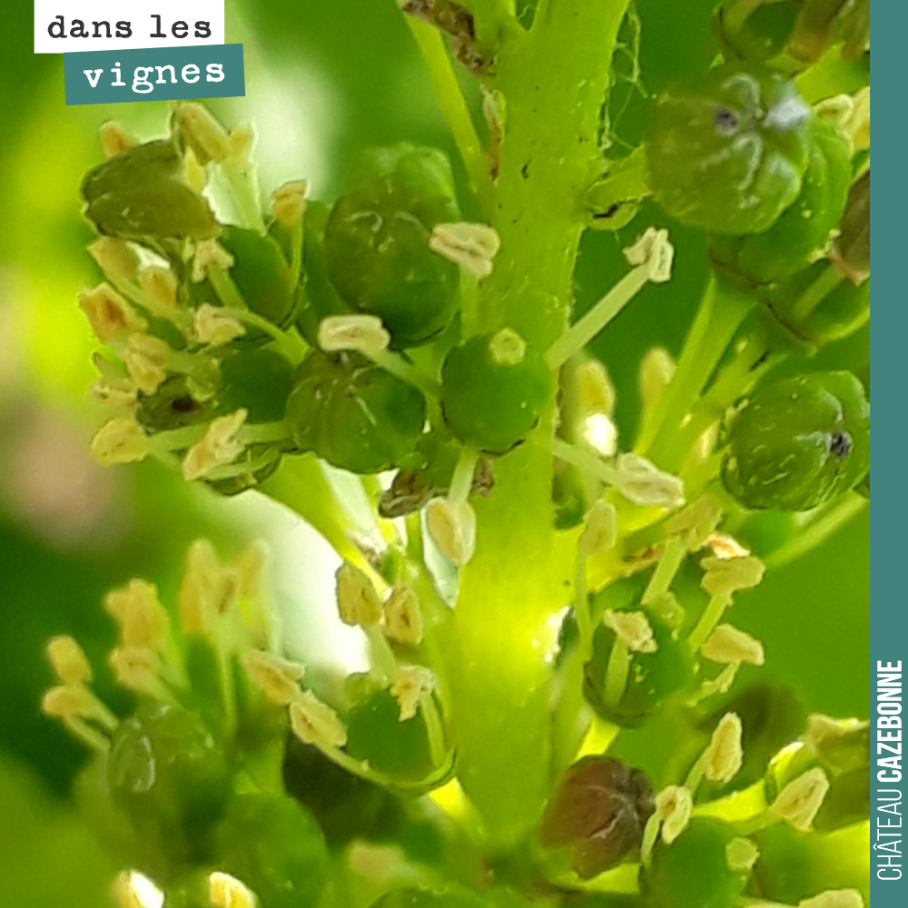
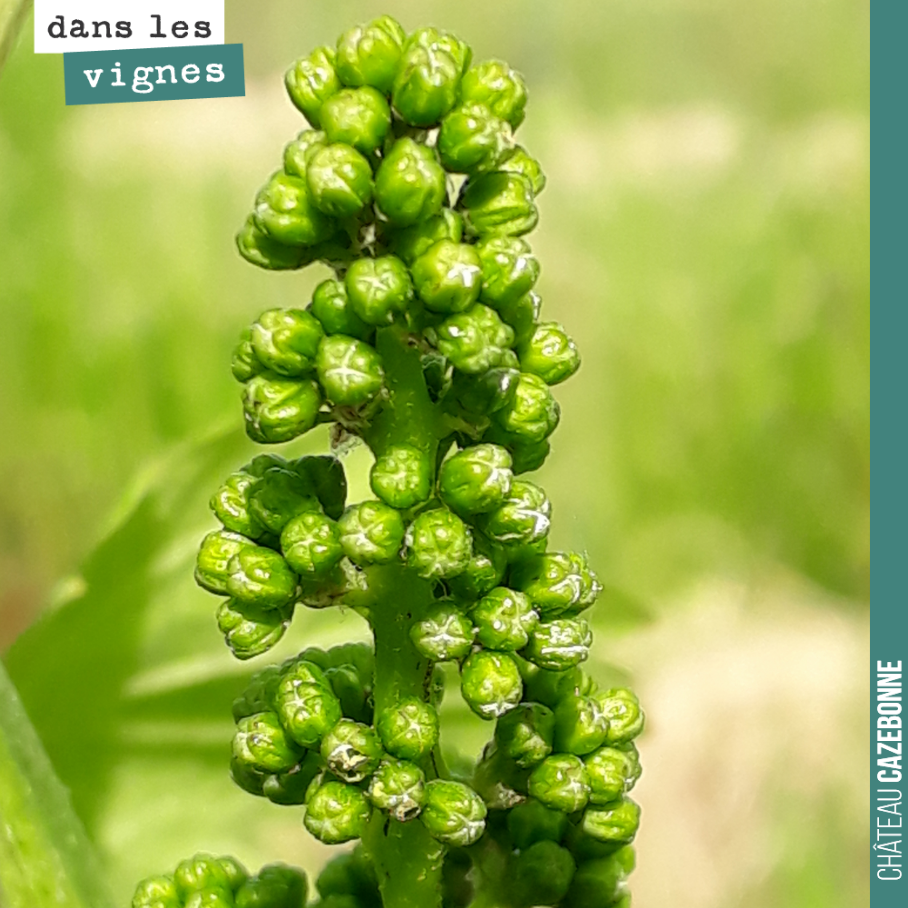
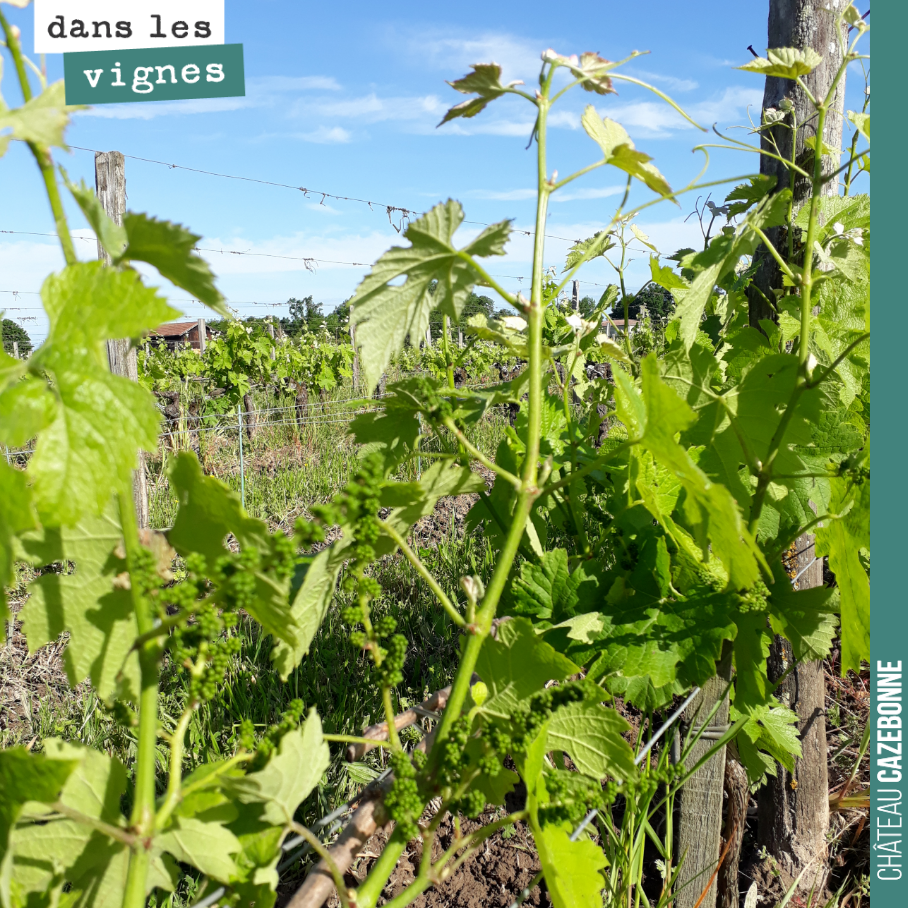
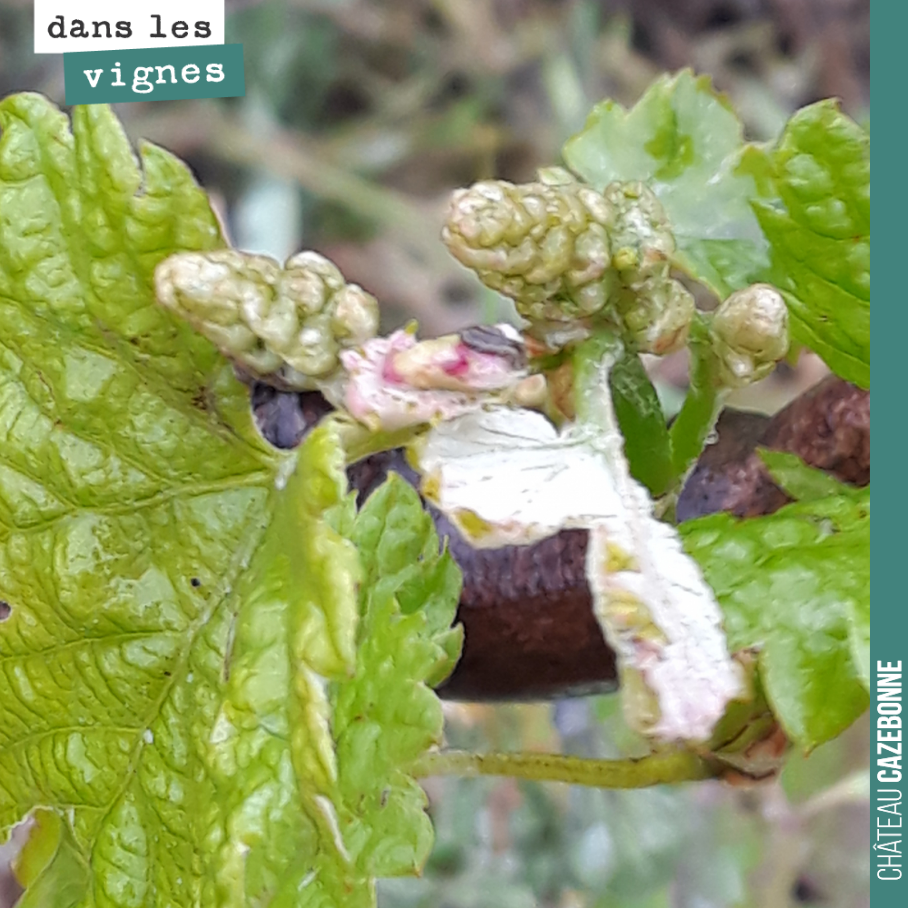
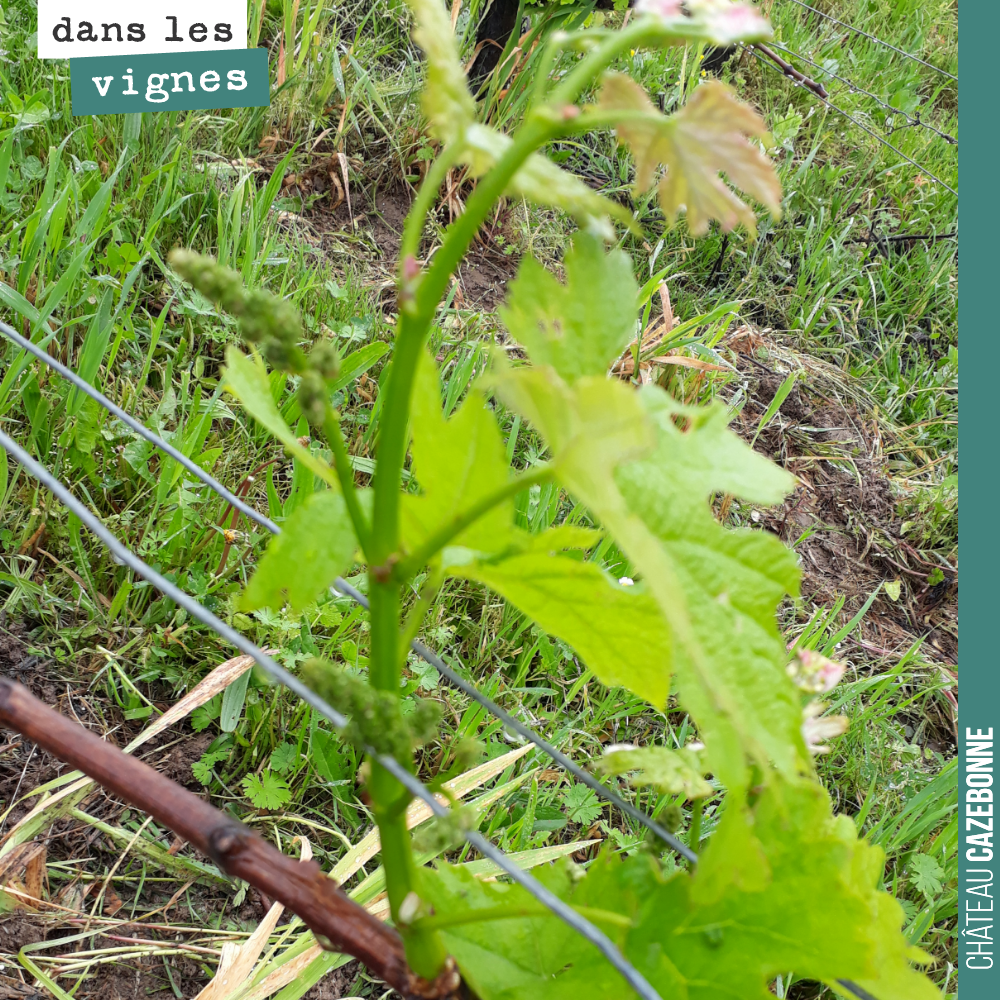
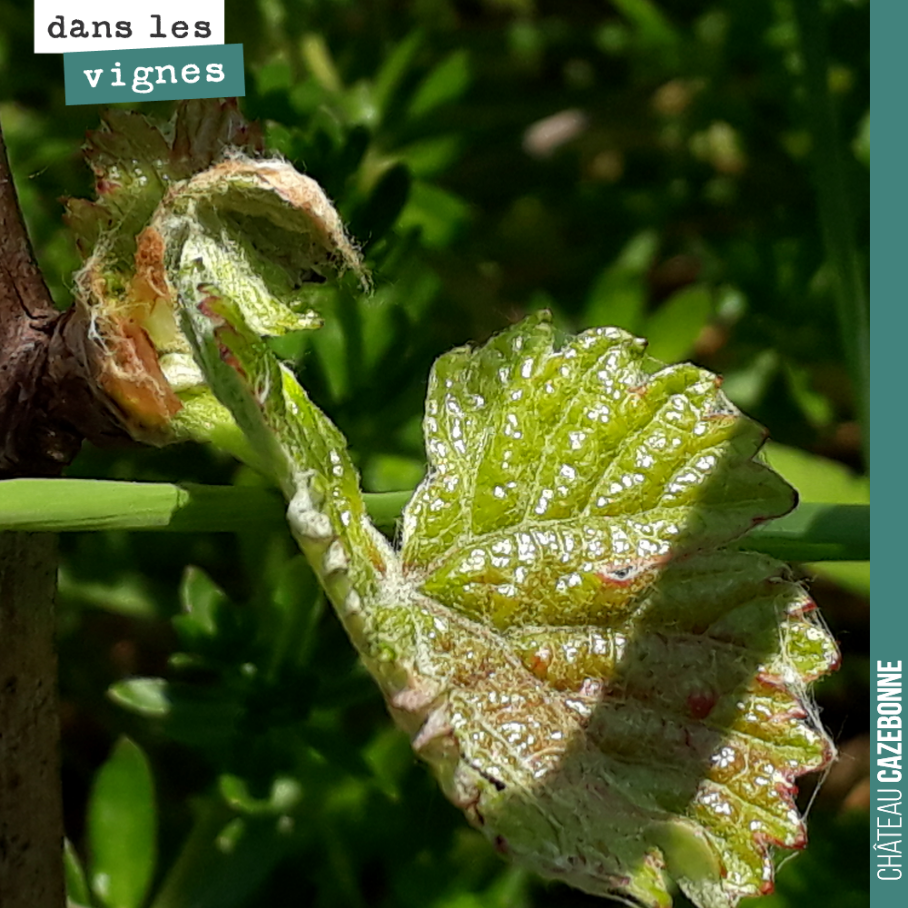
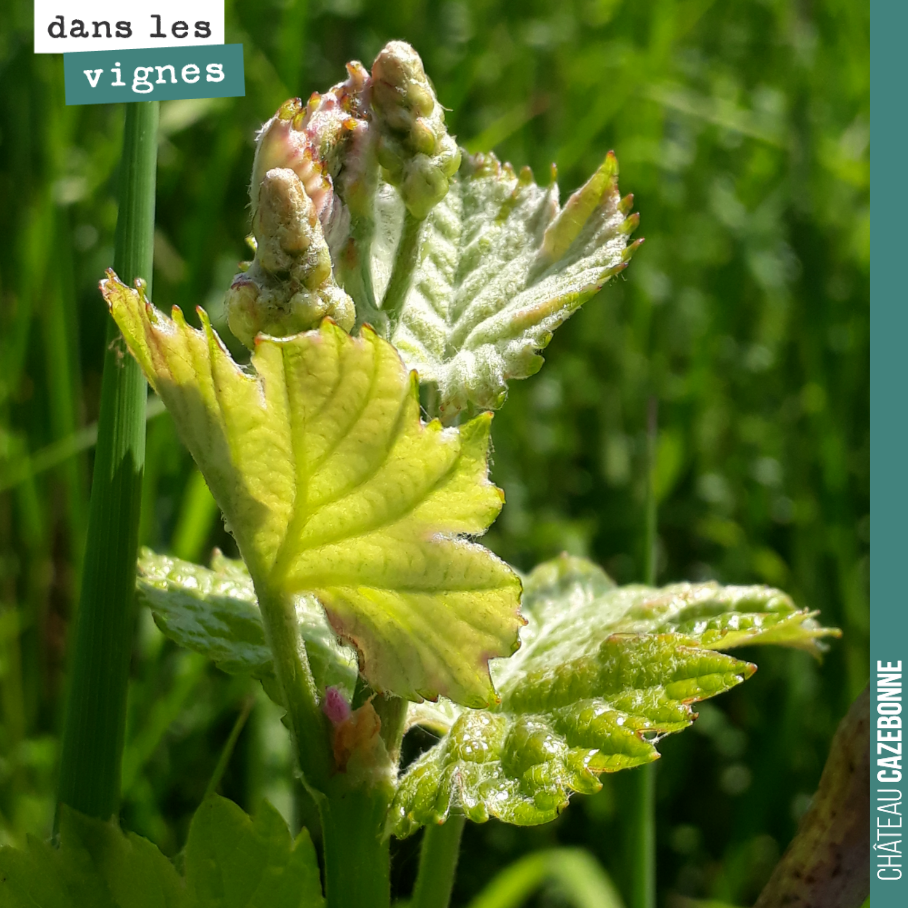
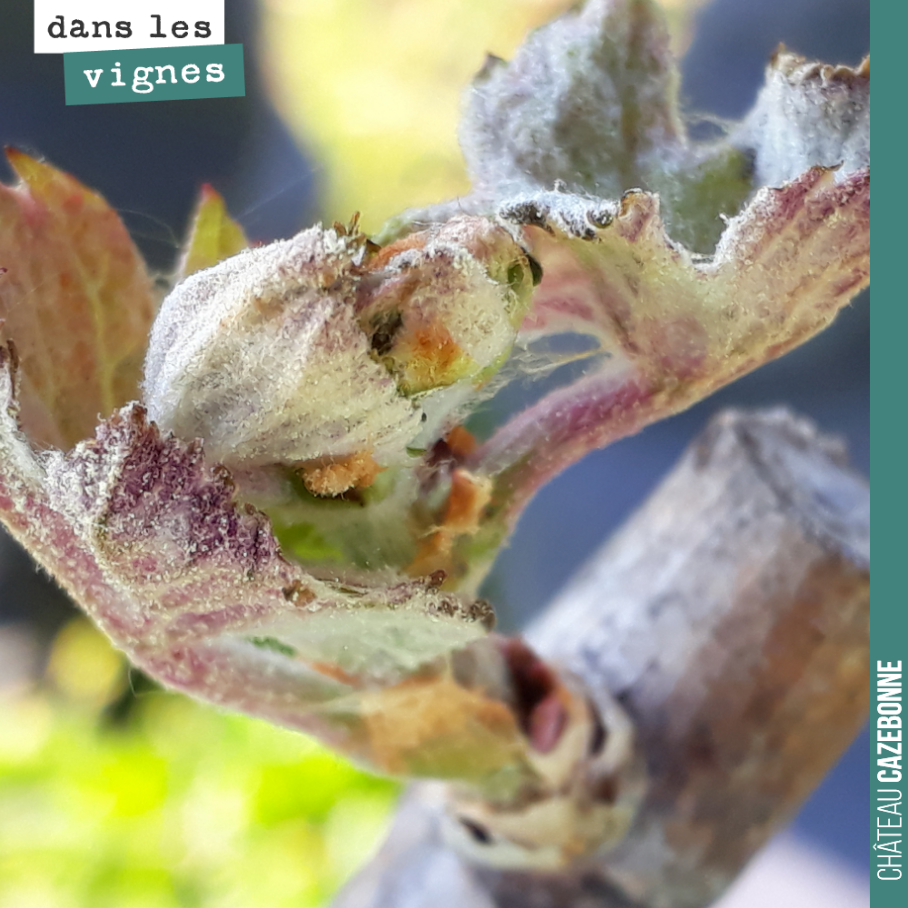
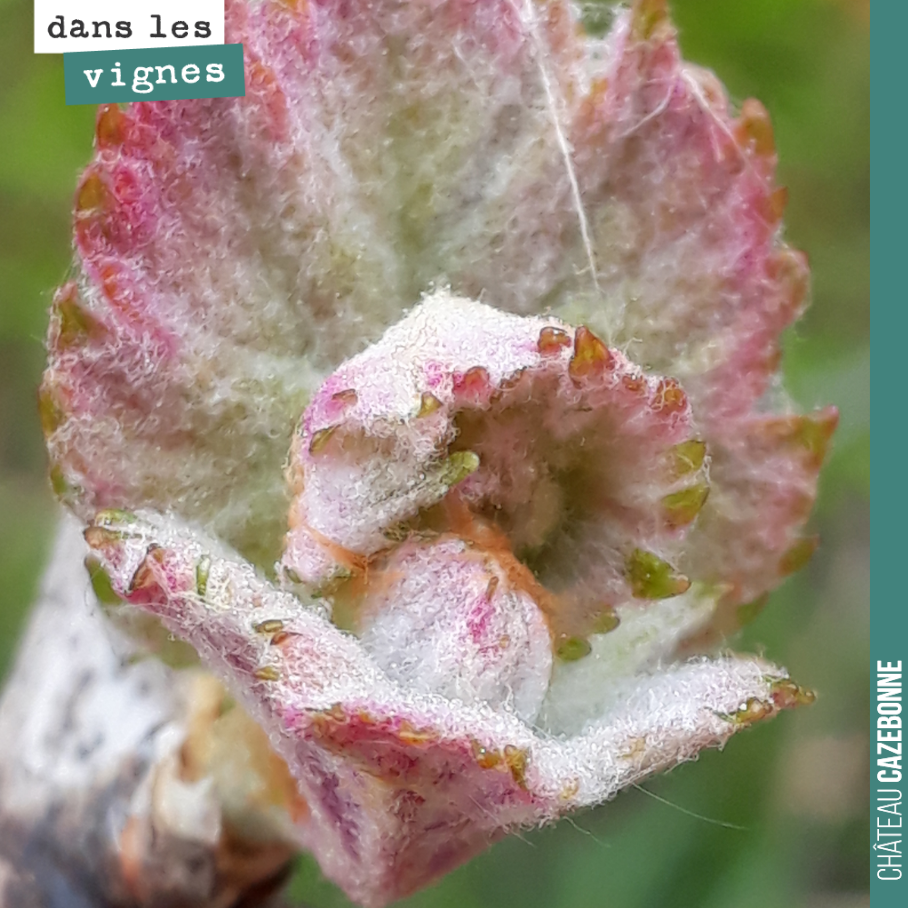
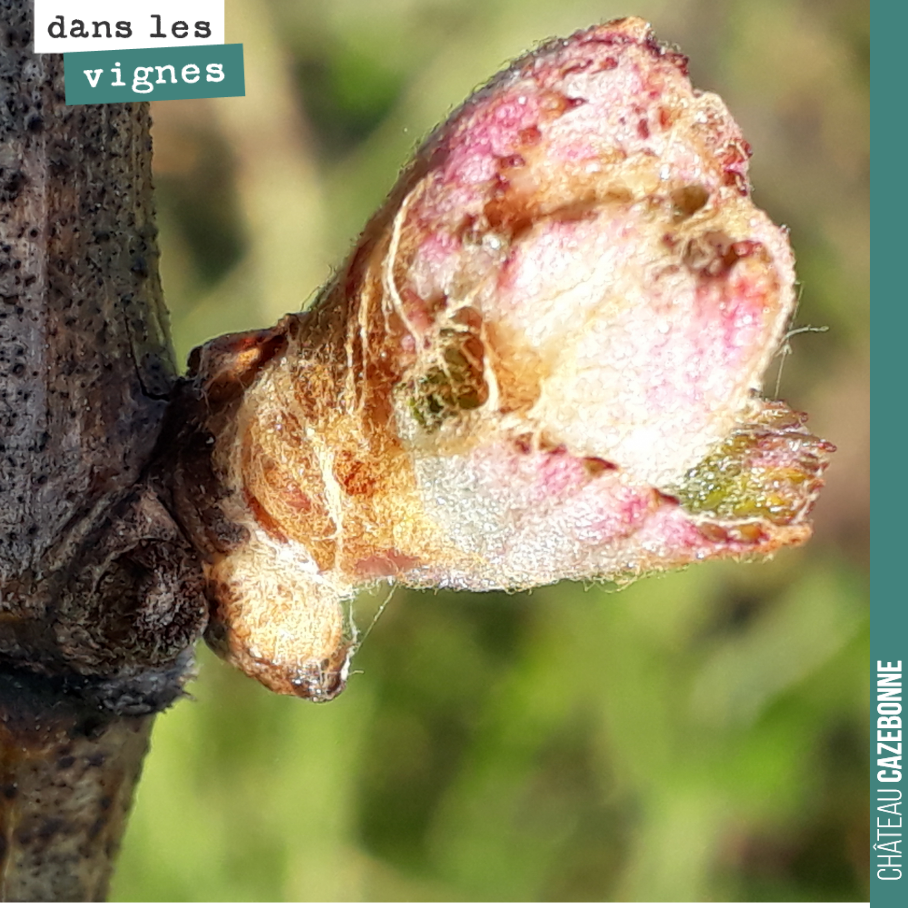
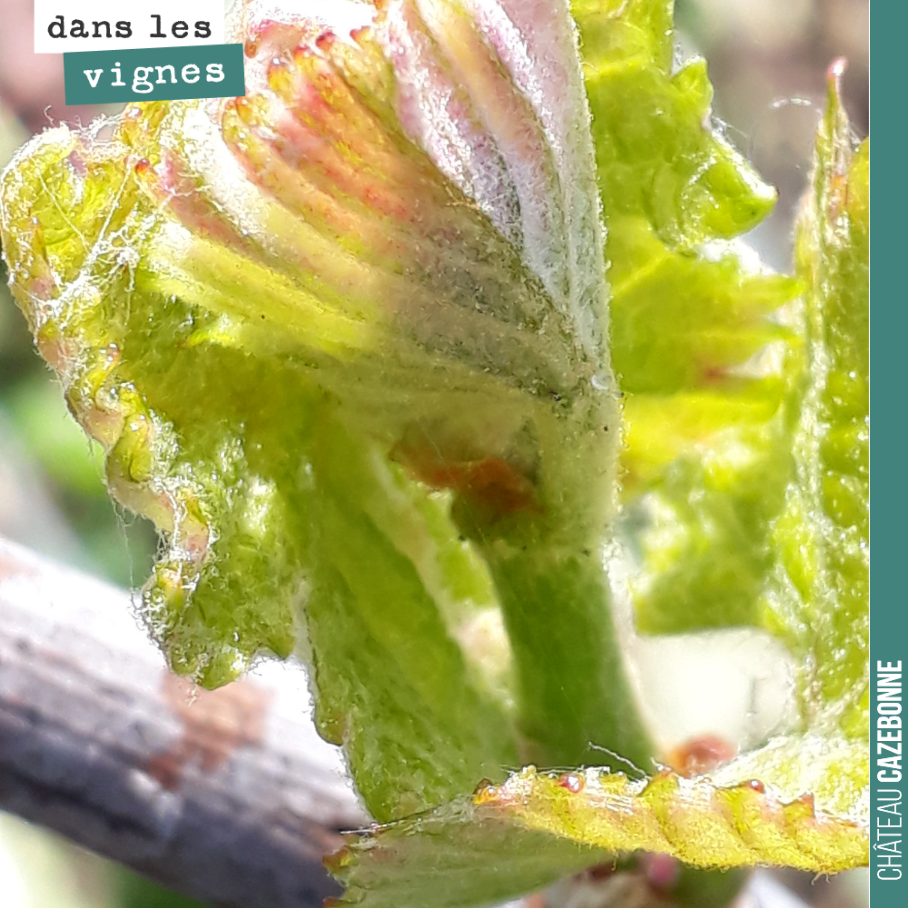
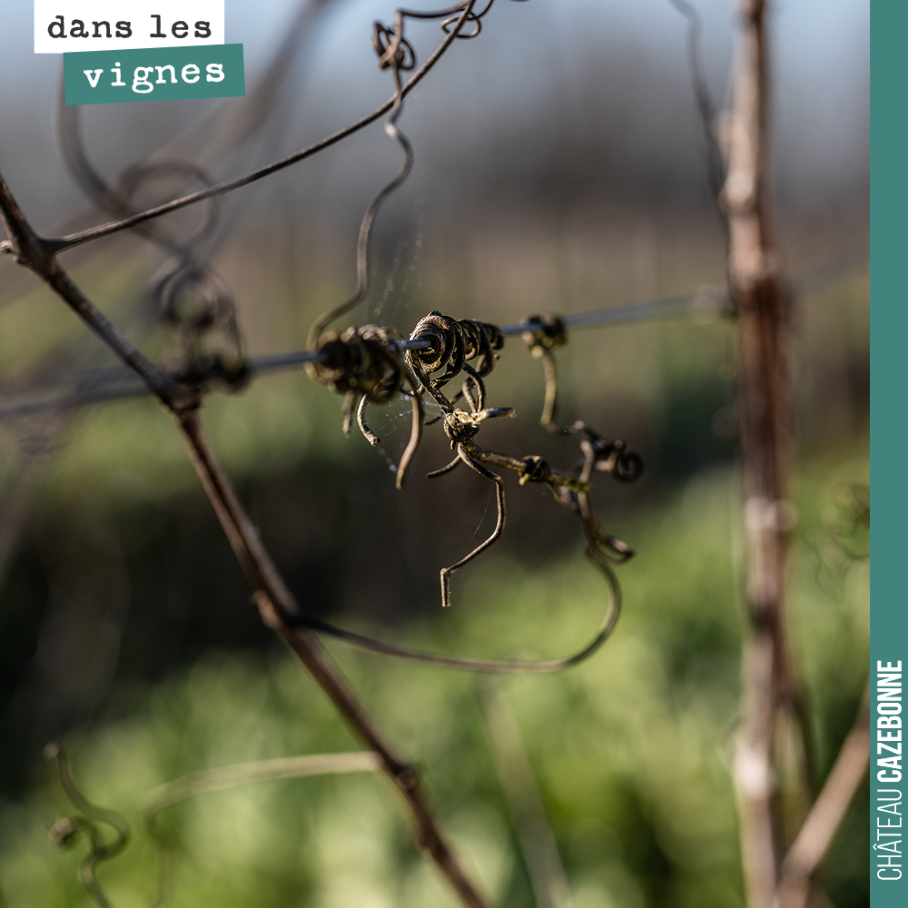
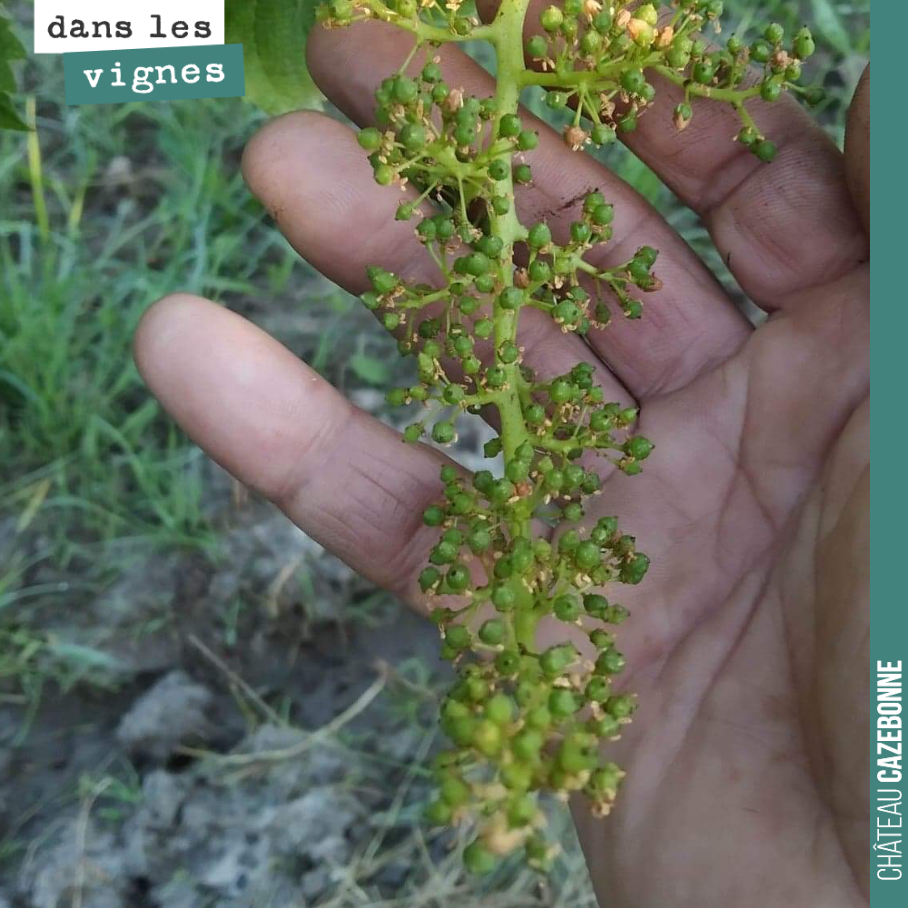
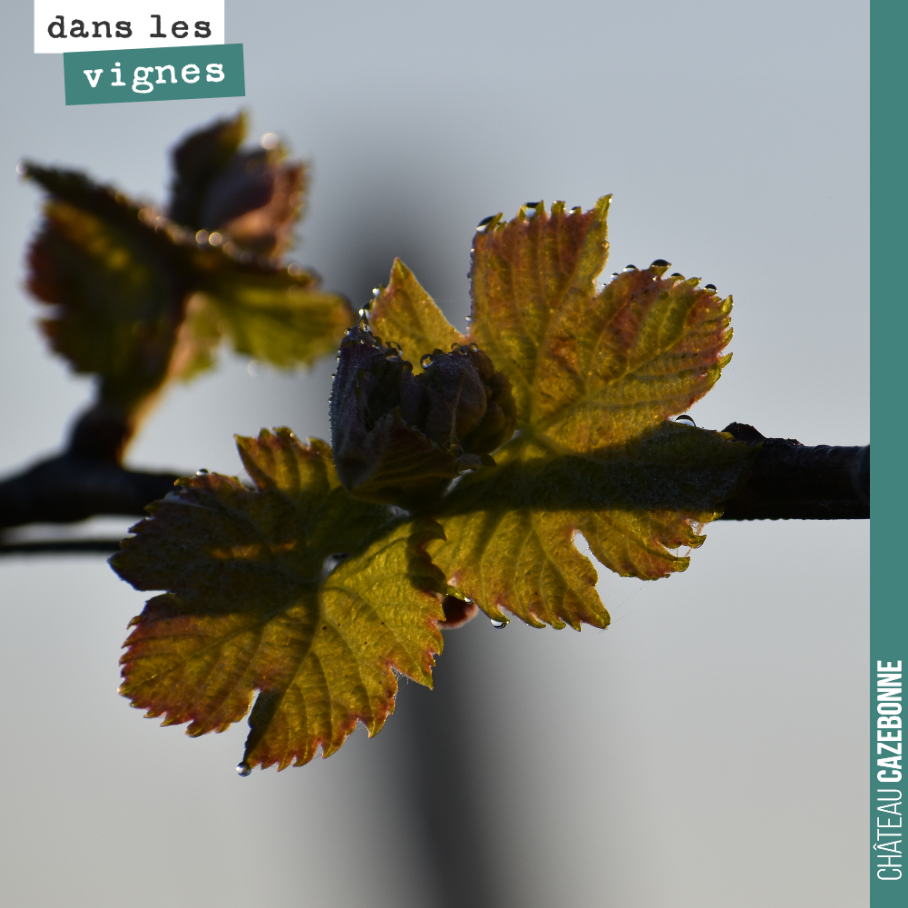
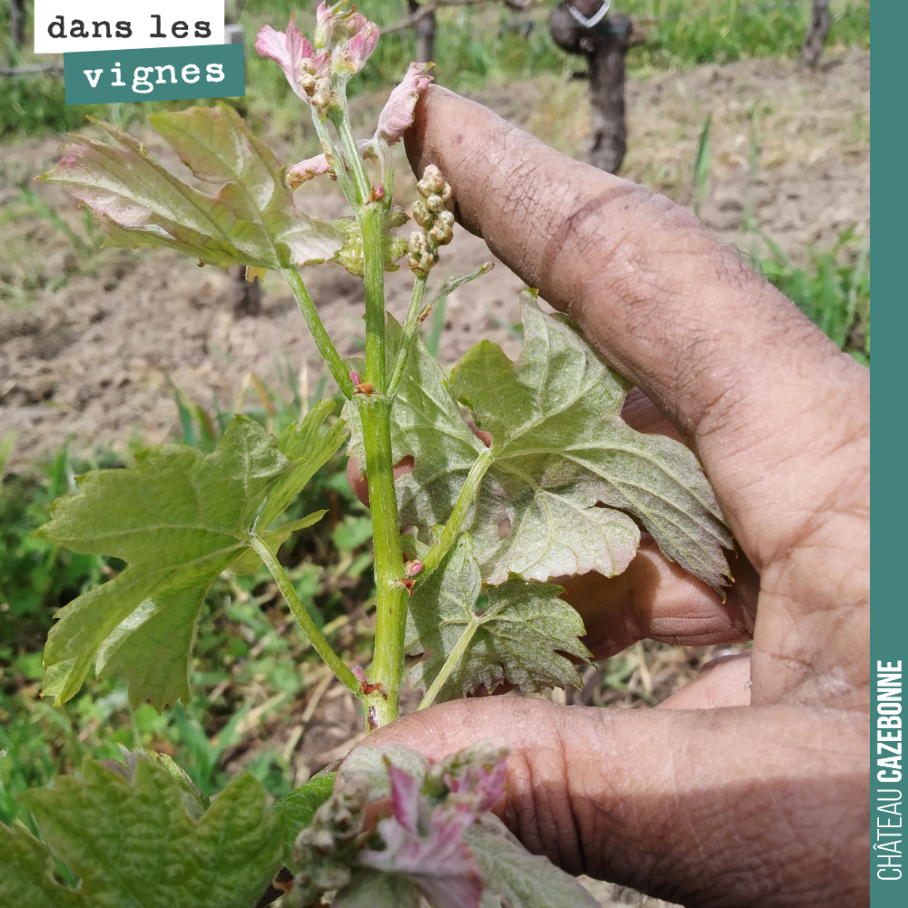
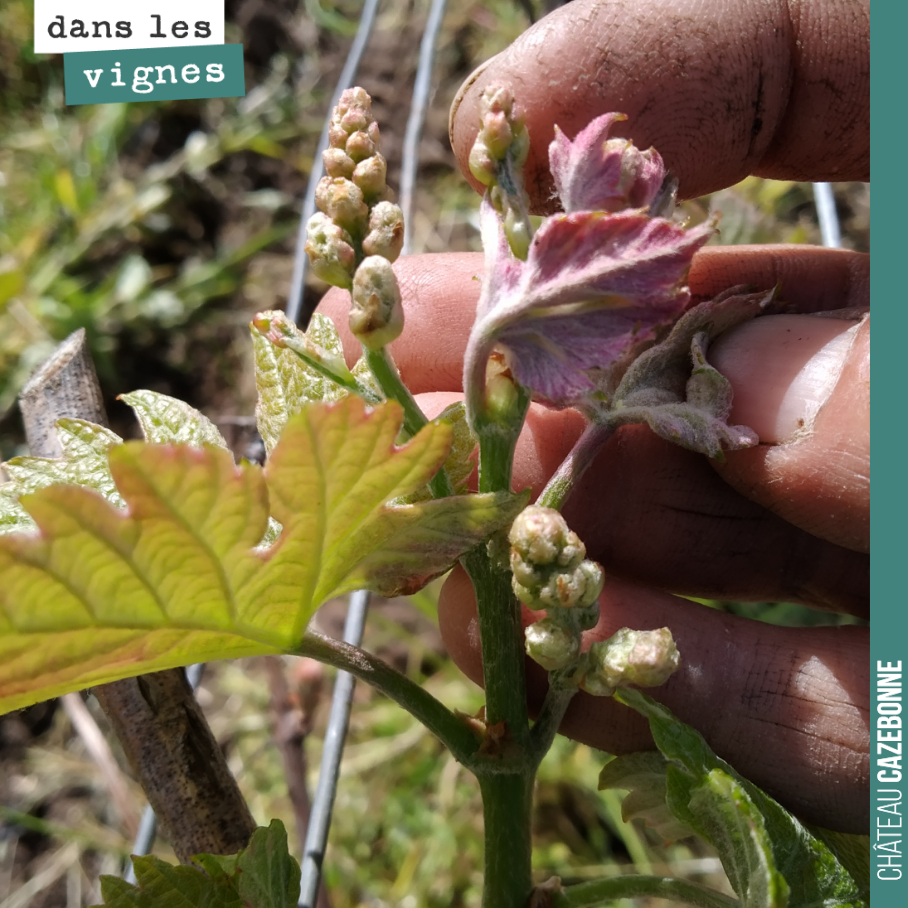
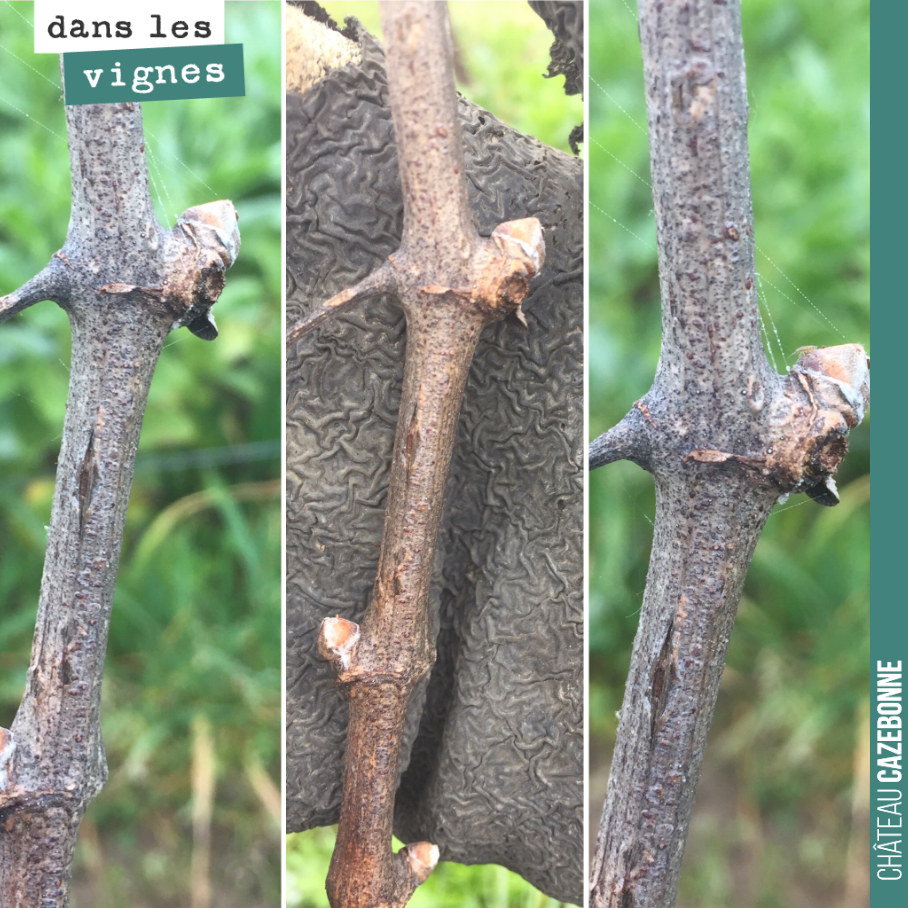
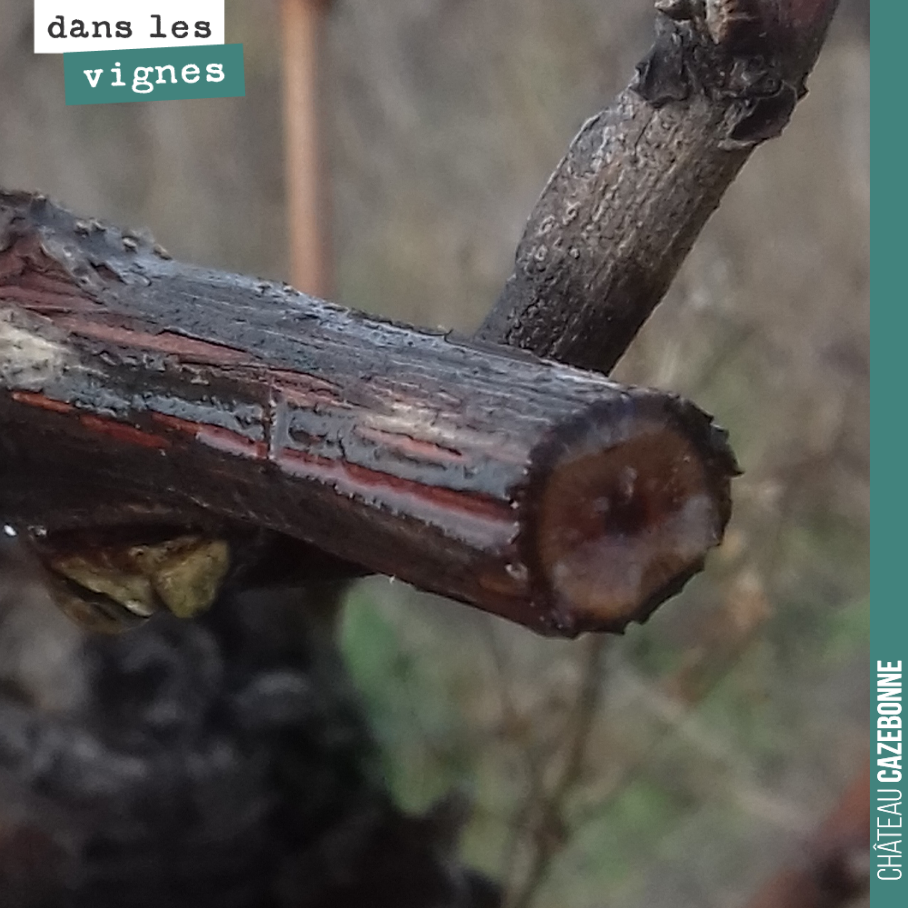
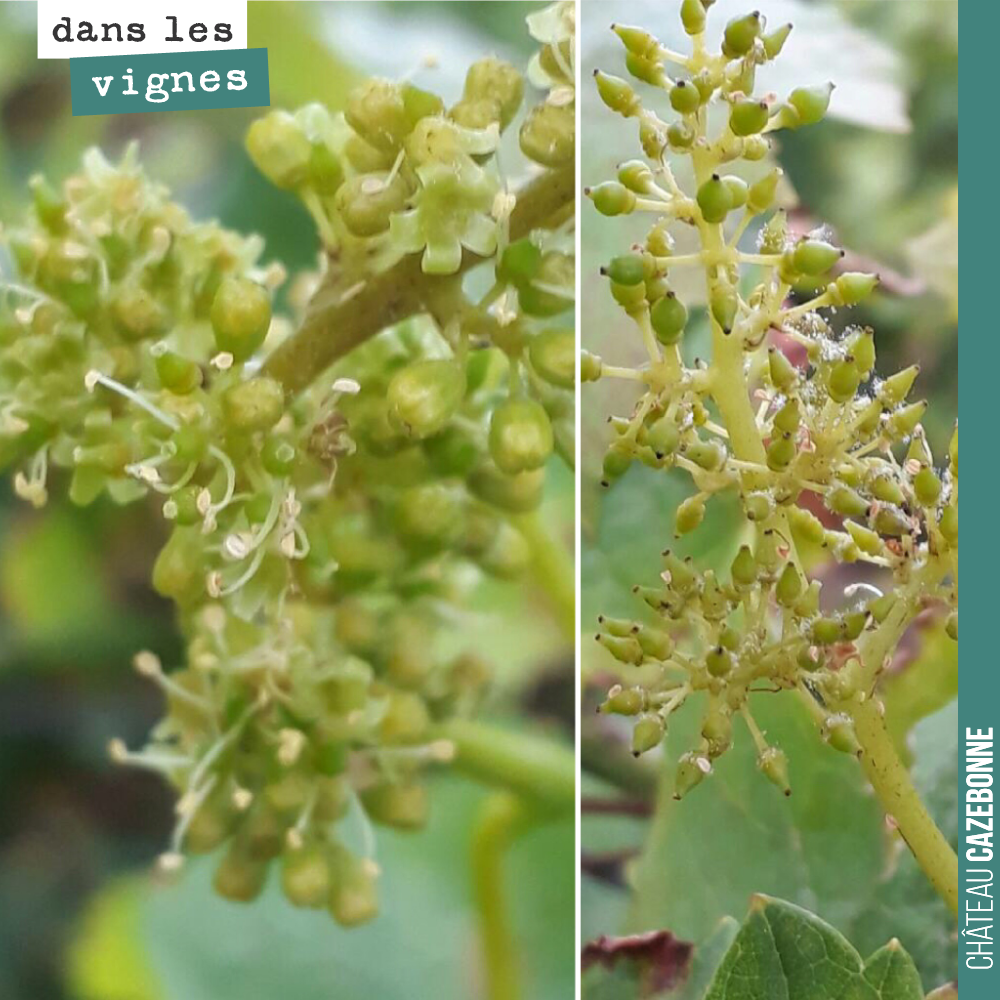
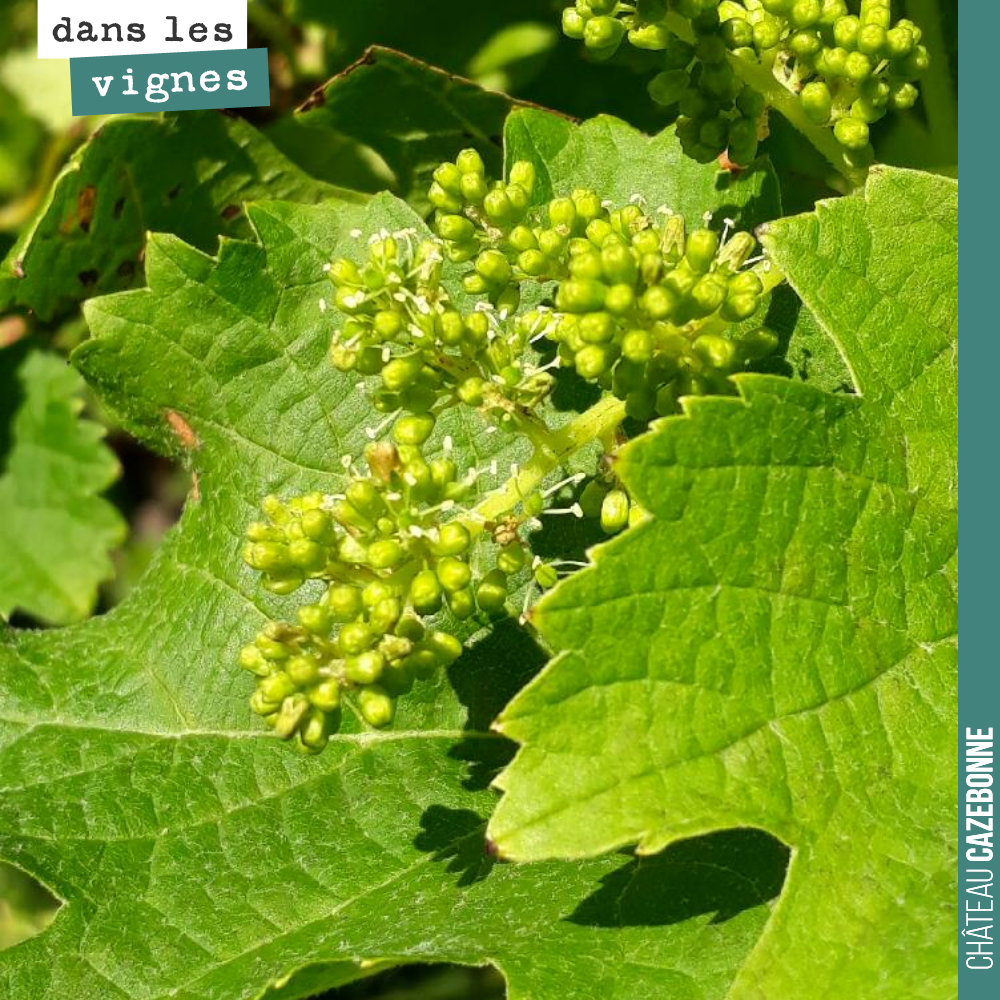
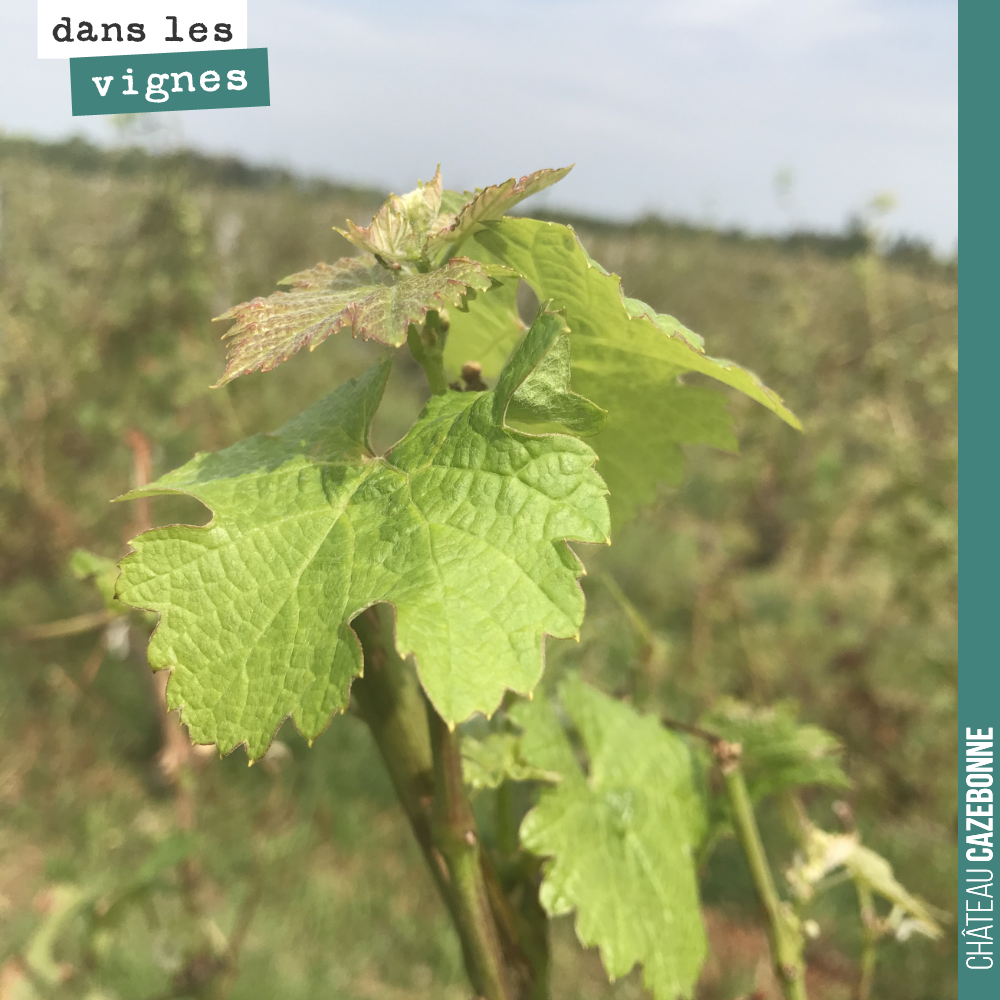
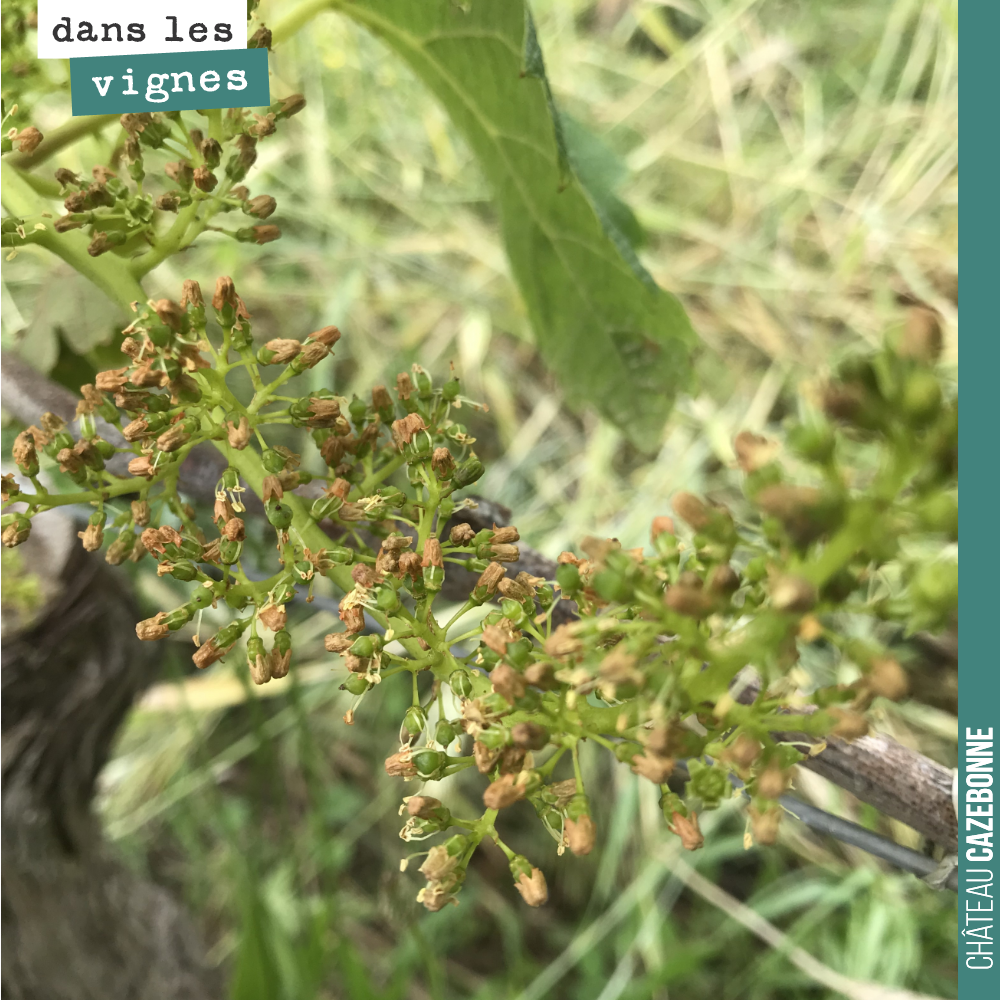
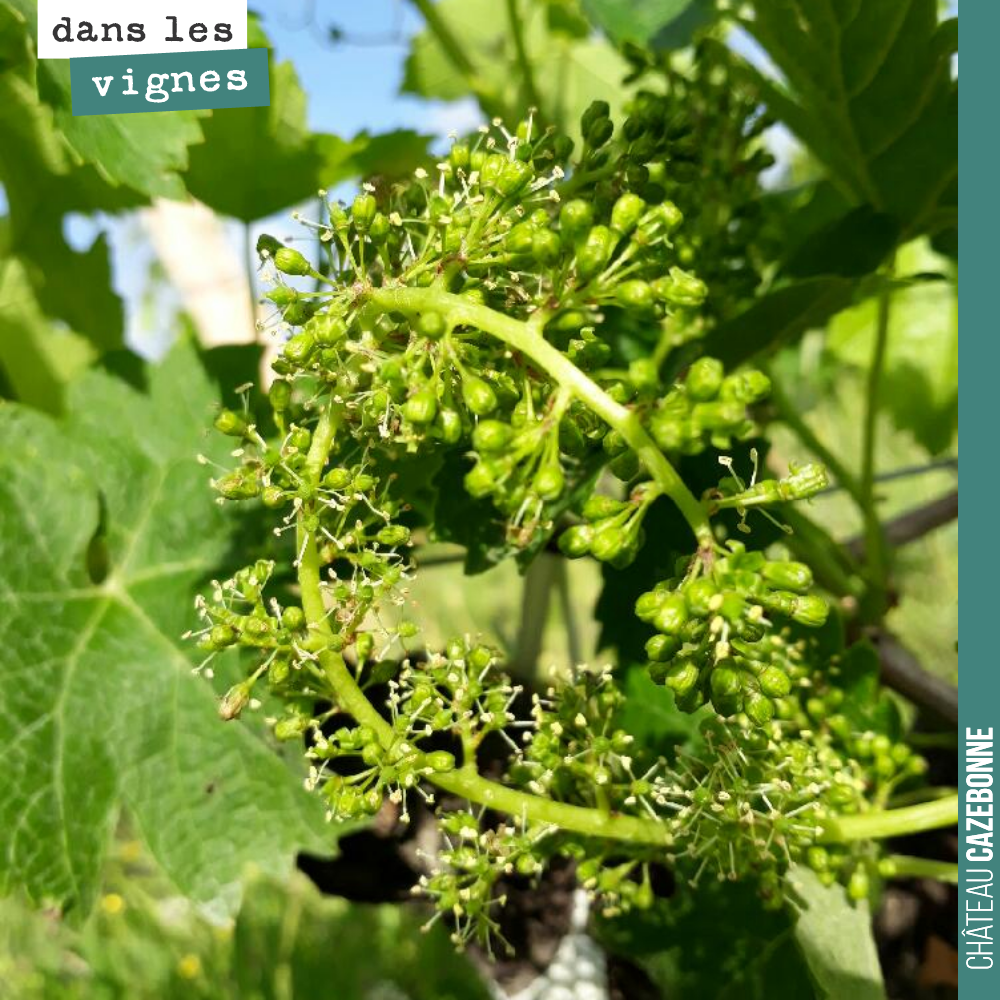
With the first frosts of winter, the vine goes to sleep, accumulating the reserves necessary for its spring awakening. The canes, bare and silent, are already preparing for bud break. When spring arrives, after pruning, the "weeping" announces the rising of the sap, the prelude to a new growing season. Then, the buds transform into young shoots, green and tender, carrying within them the potential of future grapes. It is the flowering season, a key moment when each small flower is a promise of fruit, under the watchful eye of our winegrowers.
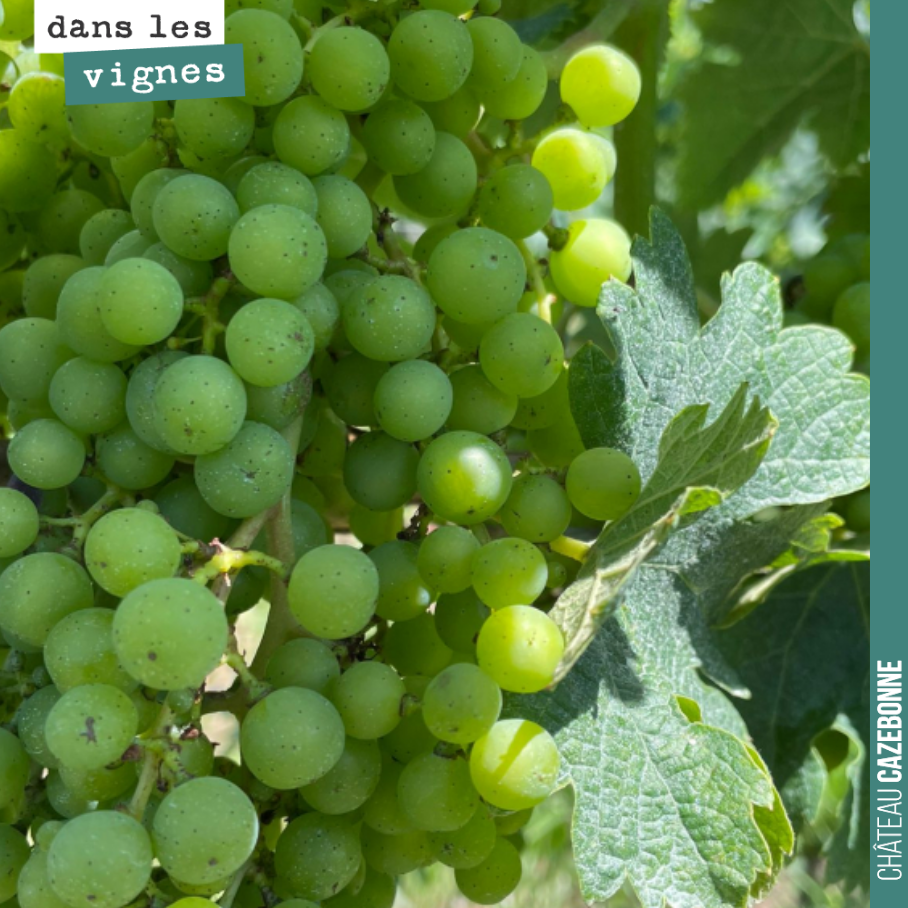
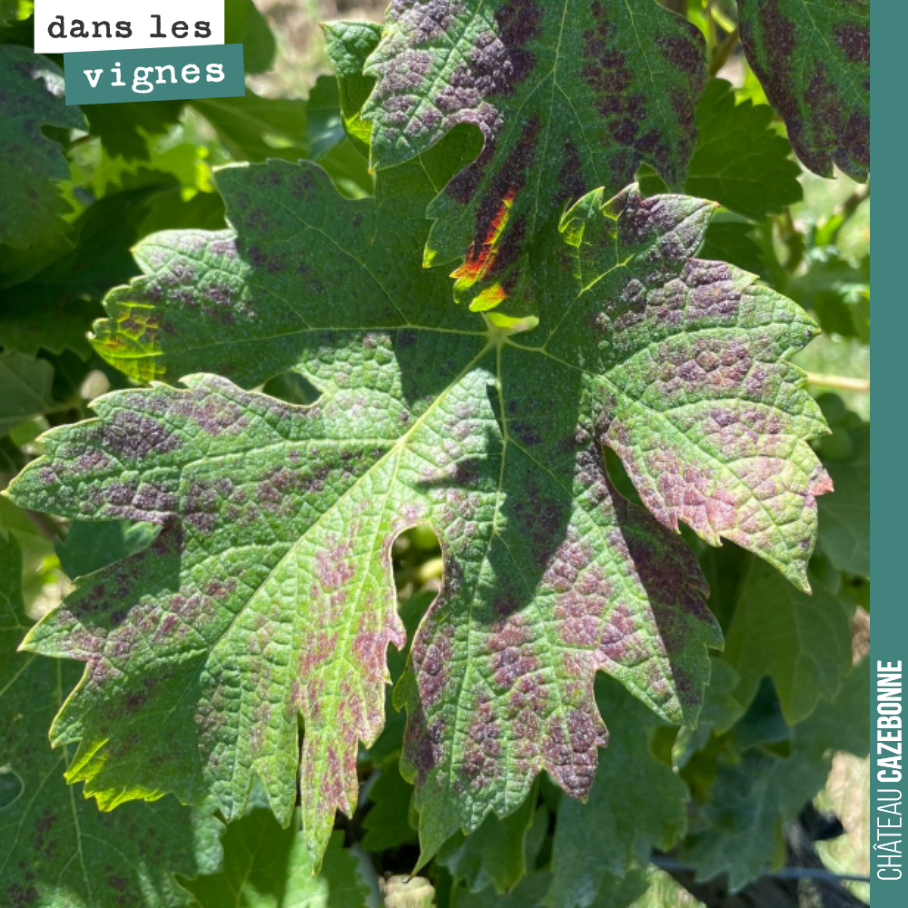
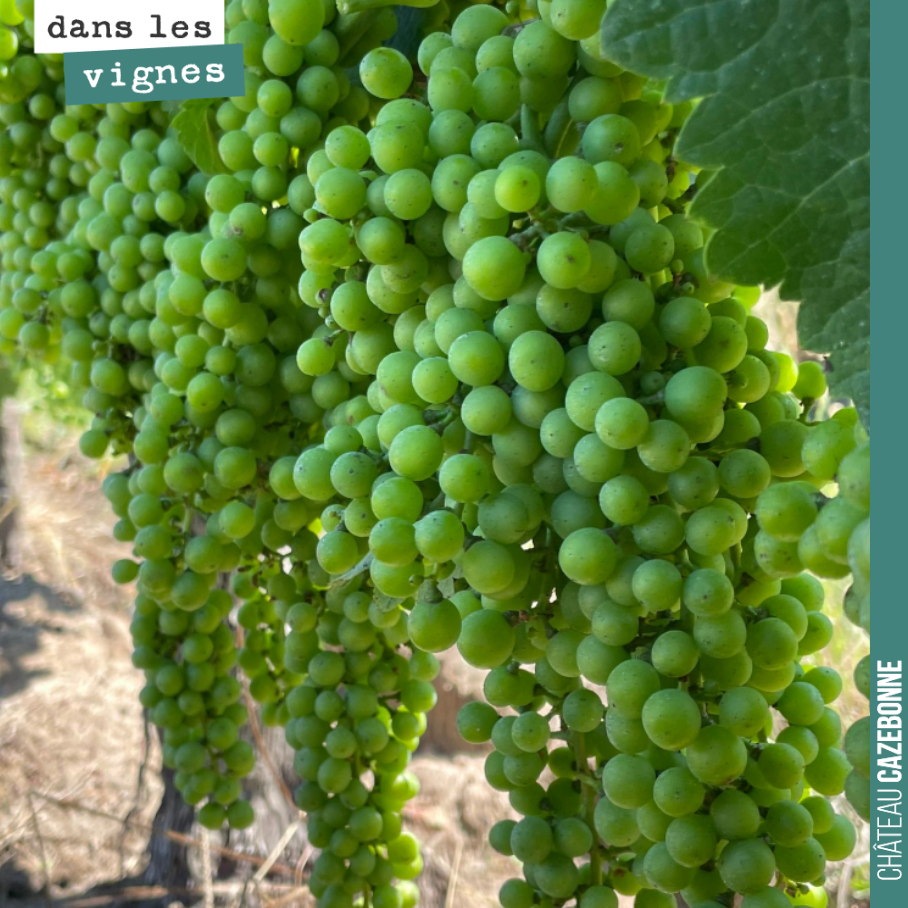
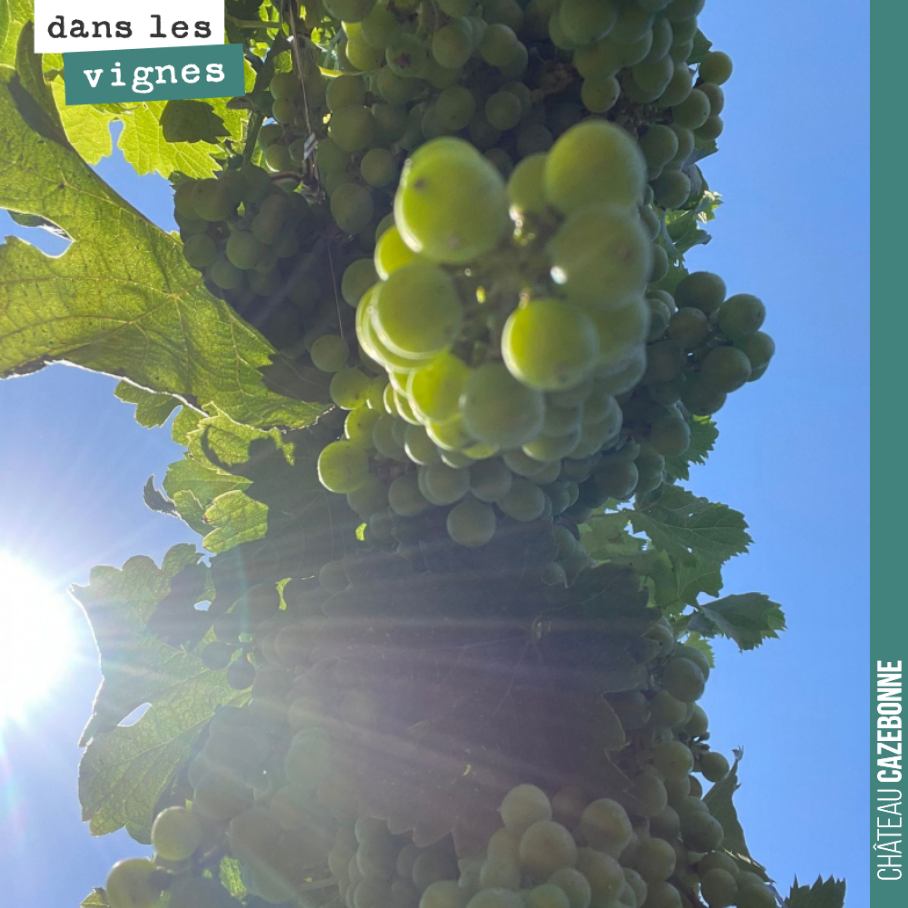
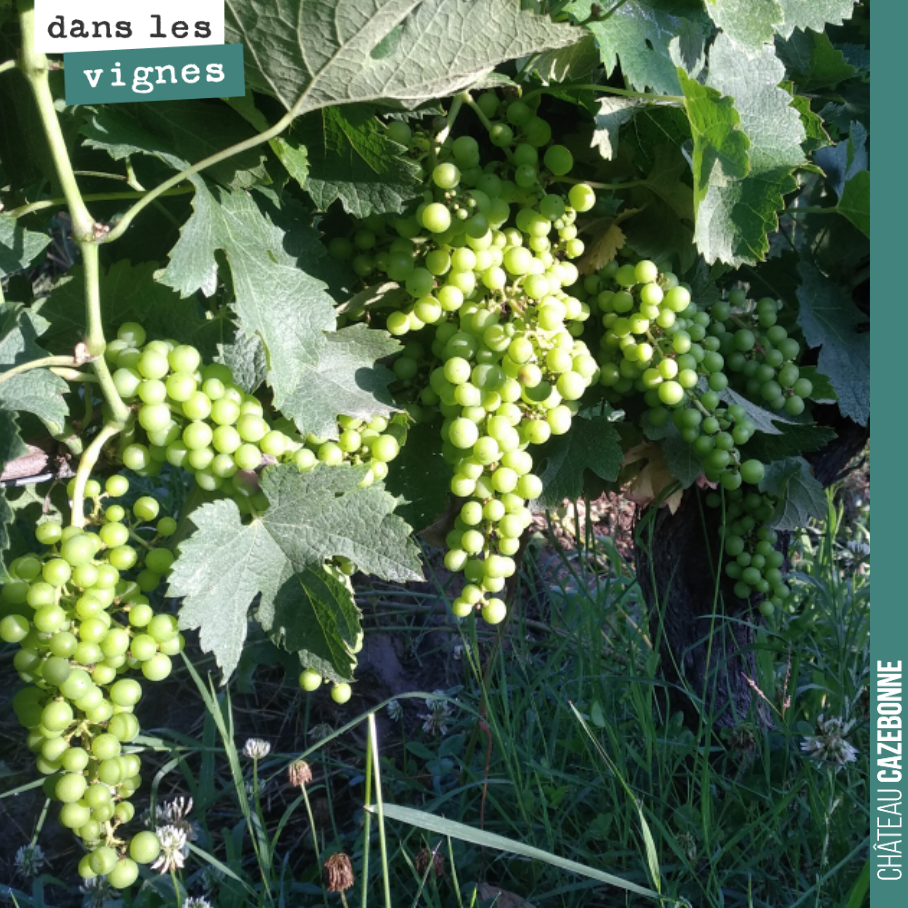
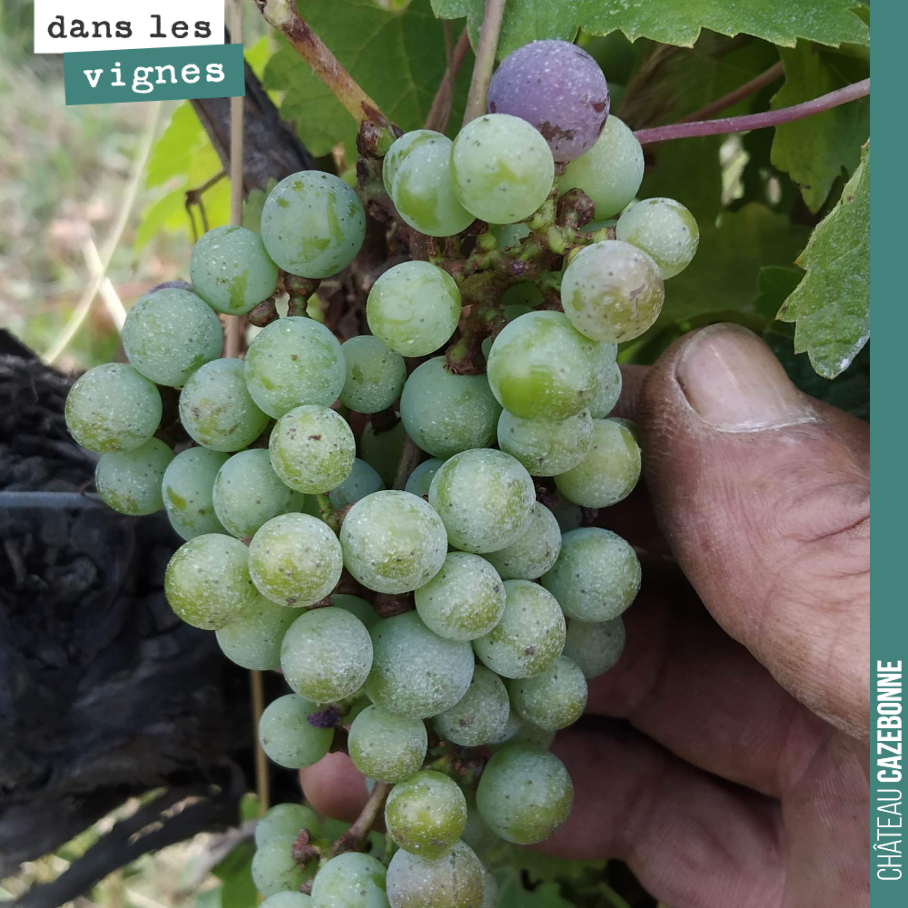
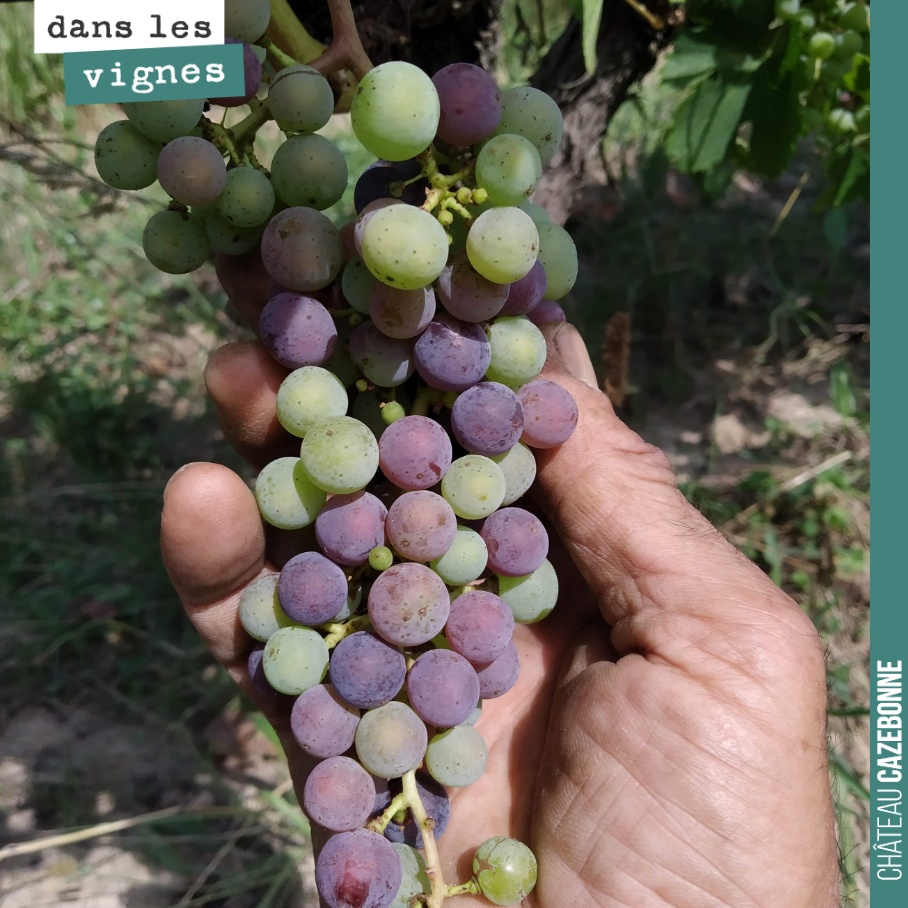
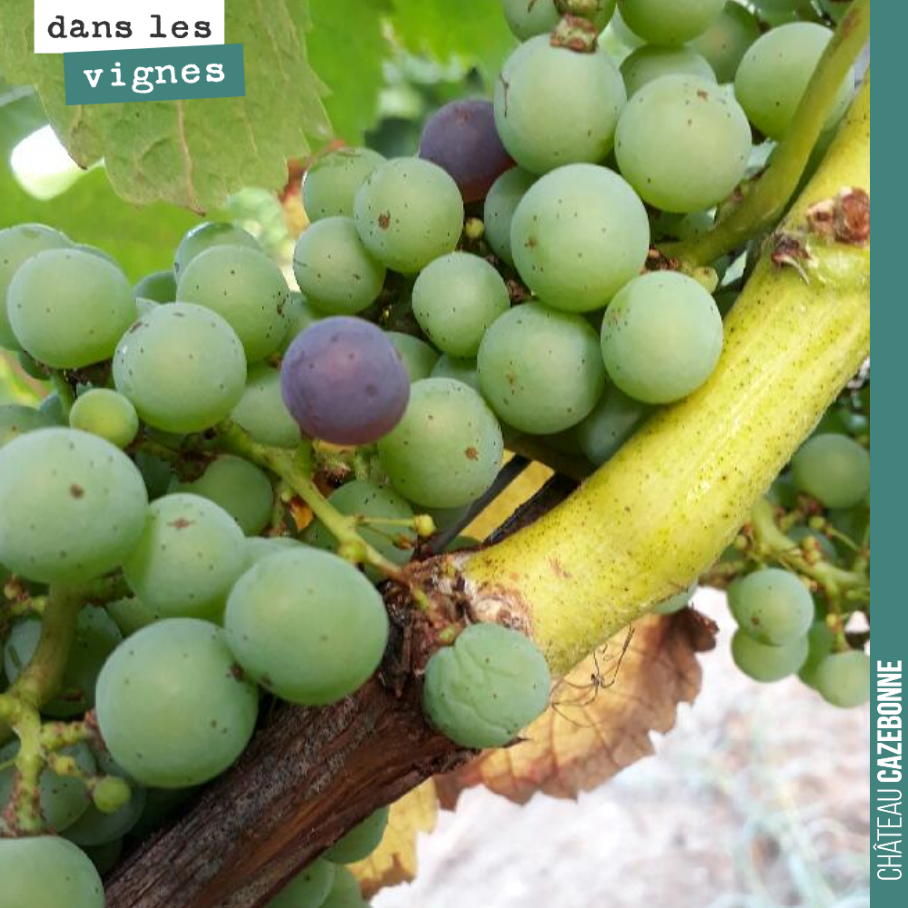
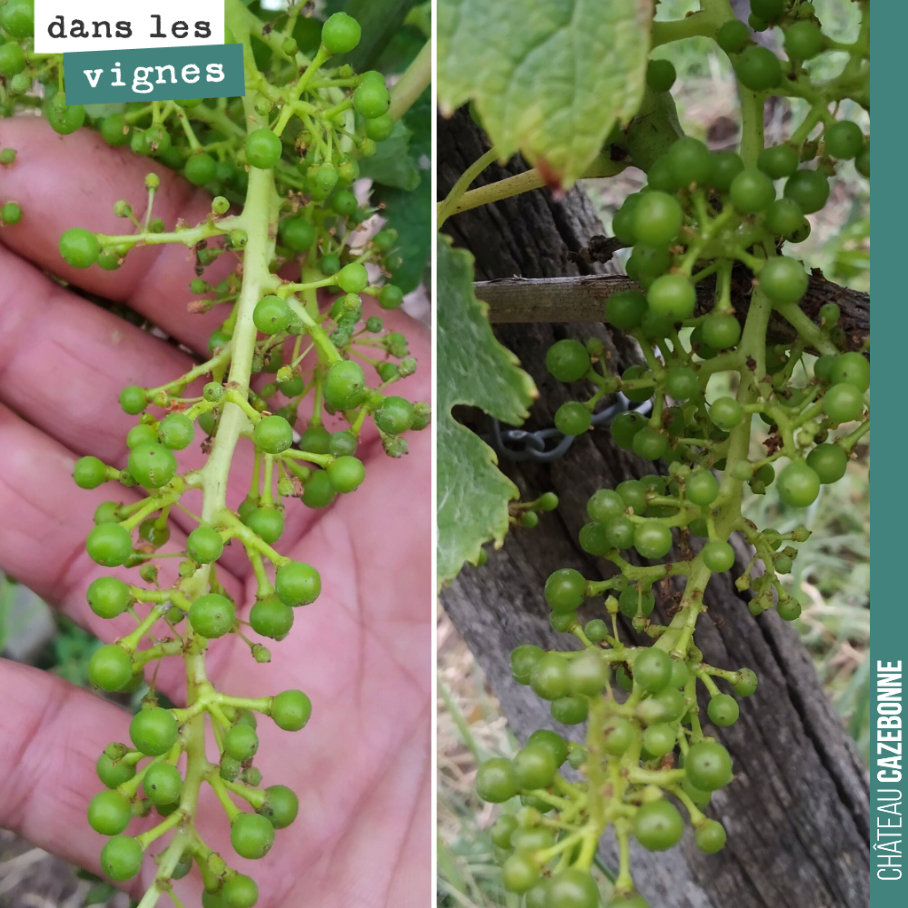
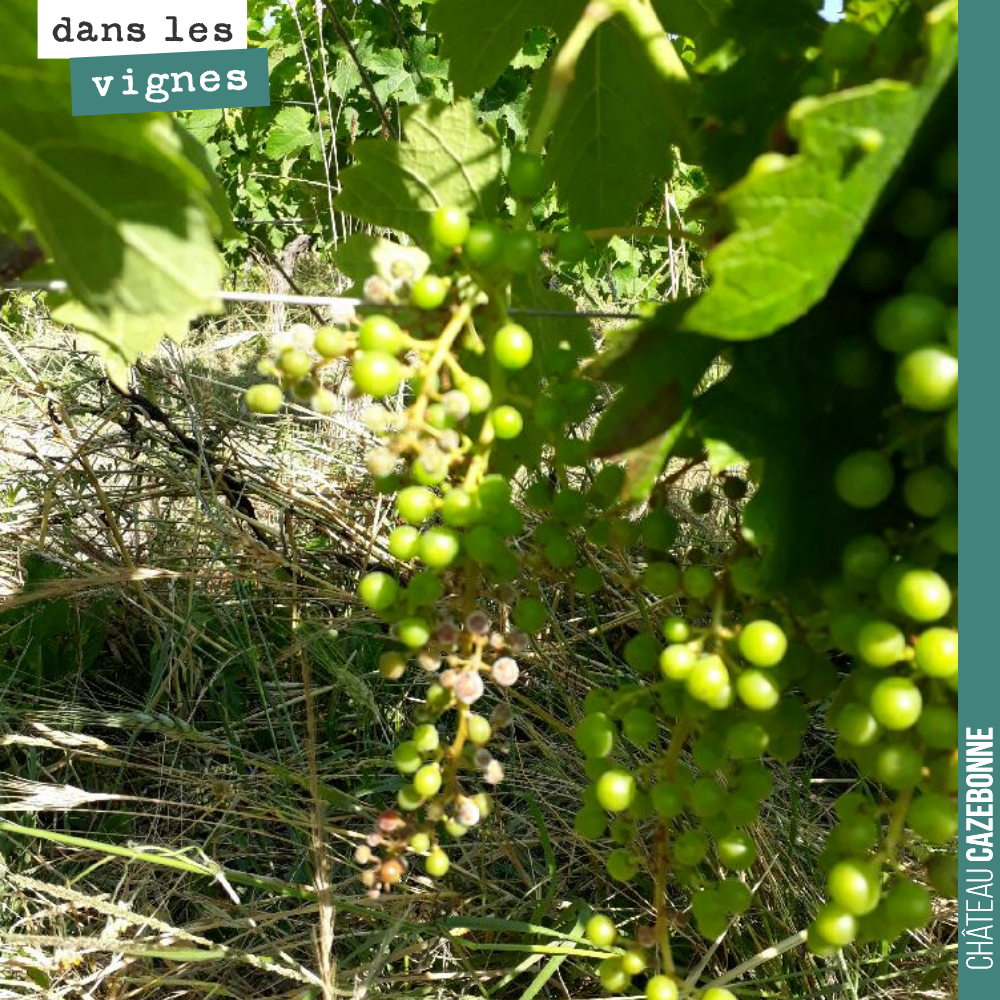
Summer brings with it veraison, when the berries change colour, turning from green to red or golden yellow depending on the grape varieties, a sign of their progressive ripening. It is then that the sugars accumulate, the aromas develop, and the vine soaks up the sun, tirelessly preparing for the harvest. This crucial period requires special attention to ensure the optimal quality of our future wines, in particular by monitoring when the vine hardens off (lignification) or by observing bunch closure.
Finally, autumn marks the peak of this cycle: the harvest. The result of a year of work and passion, it is the culmination of our efforts, the moment to carefully pick these bunches bursting with flavour. After the harvest, the vine enters its dormancy phase once again, ready to begin this fascinating journey anew the following year. This meticulous work, in tune with nature, takes on a special dimension at Château Cazebonne.
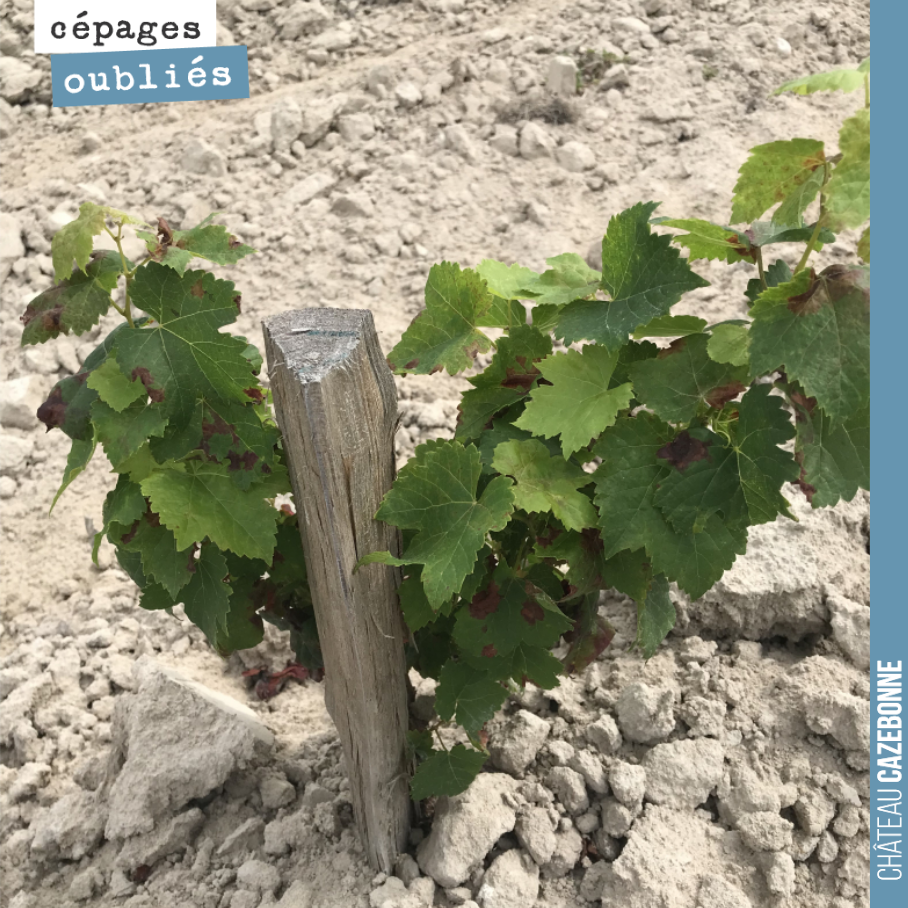
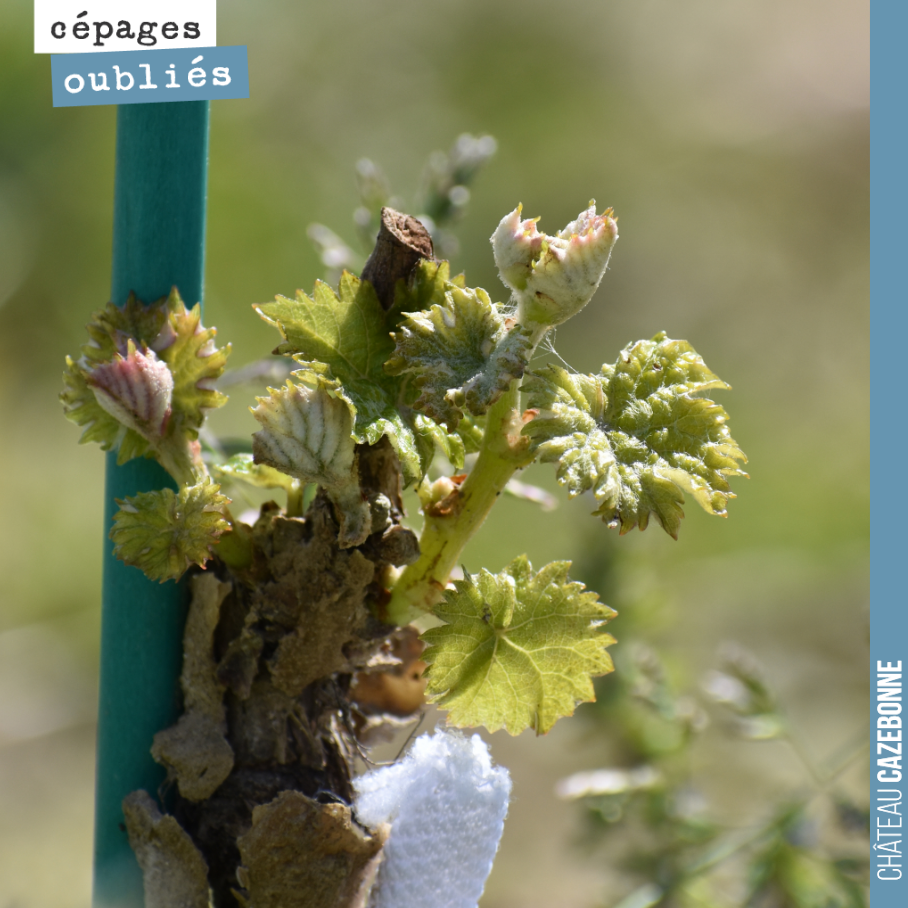
Pioneers in rediscovery, we passionately replant the old grape varieties that had marked the viticultural history of Bordeaux, but which, little by little, had been forgotten. As Jean-Baptiste Duquesne points out so well in his book "Bordeaux, une histoire de cépages", these varieties made the wealth and diversity of our vineyard in the past. It is thanks to the unwavering support of the many enthusiasts who have adopted our wines that this bold approach is possible, allowing these forgotten flavours to reclaim their place in the Bordeaux landscape.
To discover our cuvées from this terroir and these resurrected grape varieties, we invite you to visit the Cazebonne shop. And to delve deeper into the fascinating history of Bordeaux grape varieties, the book "Bordeaux, une histoire de cépages" by Jean-Baptiste Duquesne, published by Éditions BBD, offers valuable insights. You can receive the digital version of this book by visiting our website.
At Château Cazebonne, we are proud to perpetuate respect for these seasons in the vines that forge the character of our terroir and our wines. This long-term endeavour, including the replanting of grape varieties that had disappeared, is only possible thanks to the enthusiasm of the wine lovers who adopt our wines. We invite you to learn more about this historical wealth by downloading our book on the history of Bordeaux grape varieties, to test your knowledge with our oenological quizzes, and of course, to discover the fruit of our passion by visiting our online shop.
Sources
Our suggestions
-5%on your 1st order with code BIENVENUE
The essential6 bottles — Graves red 2022
The best price of the cellar: €12 per bottle delivered.
The everyday red: generous and straight to the point.
I want it Our recommendation92/100 RVF
6 bottles — Graves red 2022, 92/100 RVF
Rated 92/100 by La Revue du vin de France: a solid 10-year ageing potential.
Our Graves for ageing, the finest gateway to the estate.
I want it Go further
12 bottles — the whole range
12 bottles, the whole range tasted: the best discovery-to-price ratio.
The complete tour of the estate, in a single case.
I want it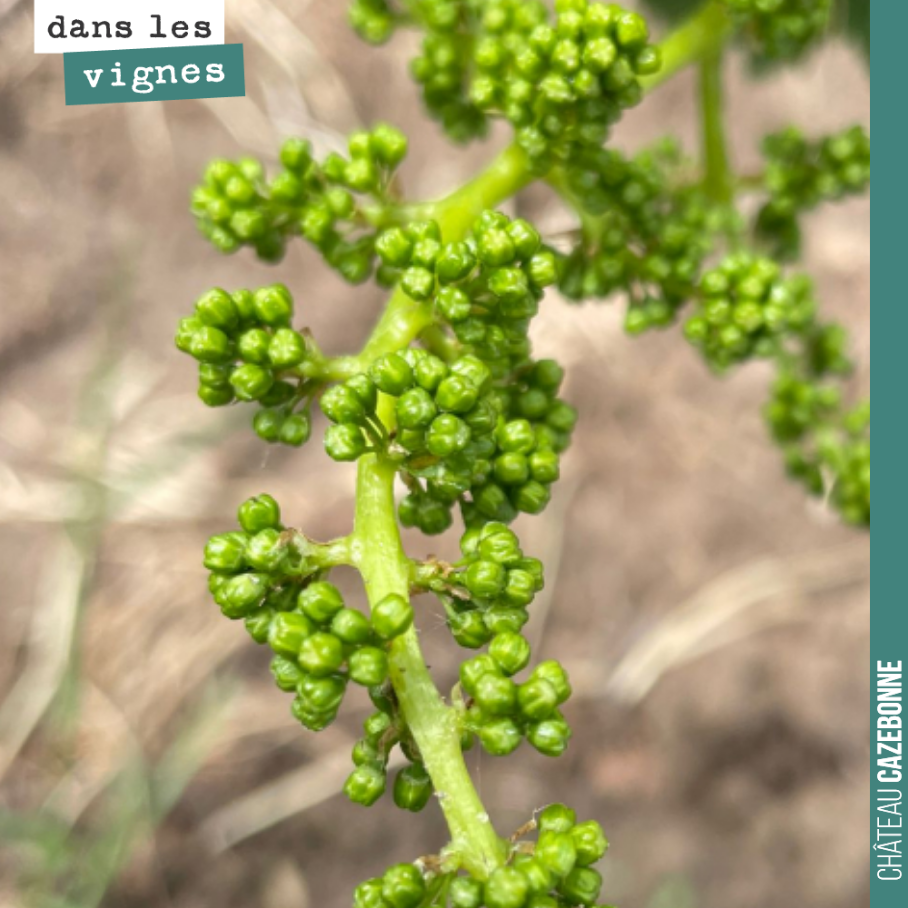
11 May 2023
28 April 2023
08 July 2022
07 July 2022

02 July 2022
01 July 2022
30 June 2022
14 May 2022
01 May 2022
22 April 2022
15 April 2022
01 April 2022
19 September 2021

16 July 2021
14 July 2021
07 July 2021
06 July 2021
06 July 2021
27 June 2021
26 June 2021
23 June 2021
21 May 2020
11 May 2020
08 May 2020
26 April 2020
23 April 2020
18 April 2020
16 April 2020

15 April 2020
05 April 2020
03 April 2020
30 March 2020
30 March 2020
27 March 2020
24 March 2020
23 March 2020

22 February 2020
09 August 2019
08 August 2019
01 August 2019
26 June 2019
22 June 2019
18 June 2019
15 May 2019
13 May 2019
12 May 2019
25 April 2019
25 April 2019
25 April 2019
23 April 2019
21 April 2019
20 April 2019
07 April 2019

06 April 2019
05 April 2019
27 March 2019
26 March 2019
19 March 2019
19 March 2019
15 March 2019
07 March 2019
01 March 2019
06 December 2018
21 October 2018
19 August 2018
17 August 2018
05 August 2018
29 June 2018
10 June 2018
02 June 2018
The cellar, forgotten grape varieties and our cuvées, twice a month. 5% off your first order with the code BIENVENUE.